Pediatric Cancer
On this page
Why choose UCSF Benioff Children's Hospitals for pediatric cancer treatment?
At UCSF Benioff Children's Hospitals, you can be confident that your child is receiving care from one of the country's top cancer programs.
Our pediatric oncologists provide lifesaving treatments for children, adolescents and young adults. For many types of cancer, we care for patients through age 30. Research shows that adolescents and young adults often have better outcomes at pediatric cancer centers.
Beyond medical expertise, we offer unmatched support services for children and families. Because families come to us from across the country, we partner closely with referring providers, offering virtual consultations when appropriate. We also coordinate with your child's local medical team to ensure seamless care close to home.
Why choose UCSF Benioff Children's Hospitals for pediatric cancer treatment?
At UCSF Benioff Children's Hospitals, you can be confident that your child is receiving care from one of the country's top cancer programs.
Our pediatric oncologists provide lifesaving treatments for children, adolescents and young adults. For many types of cancer, we care for patients through age 30. Research shows that adolescents and young adults often have better outcomes at pediatric cancer centers.
Beyond medical expertise, we offer unmatched support services for children and families. Because families come to us from across the country, we partner closely with referring providers, offering virtual consultations when appropriate. We also coordinate with your child's local medical team to ensure seamless care close to home.
Innovators in cancer care
We were among the first in the U.S. to offer MIBG therapy for neuroblastomas and the first in California to provide pediatric CAR T-cell therapy for leukemia outside of a trial.Specialized expertise
Many of our pediatric oncologists participate in national and international tumor boards, where experts from around the world discuss the most complex cases.Pediatric cancer clinical trials
As a member of the Children's Oncology Group Pediatric Early Phase-Clinical Trials Network, we offer one of the largest selections of trials in Northern California.National recognition
We are consistently ranked among the top pediatric cancer programs in the nation, according to U.S. News & World Report.
Excellence in childhood cancer care
Childhood cancers are different from adult cancers and require specialized treatment from doctors who care exclusively for young people. Our pediatric cancer specialists have deep expertise in diagnosing and treating specific childhood cancers, including brain, liver and blood cancers.
We care for children with newly diagnosed cancers, as well as those with relapsed and refractory (treatment-resistant) diseases. Medical, surgical and radiation oncologists work alongside pathologists, radiologists and other experts to design treatment tailored to each child.
Advanced testing for precise diagnoses
Cancer treatment is never one-size-fits-all. At UCSF, we use the most sophisticated diagnostic tools available to understand the unique biology of every type of cancer.
Every child receives the UCSF500 Cancer Gene Panel, which analyzes genetic changes (mutations) that drive cancer. This advanced test, only available at UCSF, can identify genetic changes other tests may miss. In fact, many patients are referred to UCSF specifically for UCSF500 testing. It enables us to confirm or refine a diagnosis, which is particularly important for rare or complex cancers.
We also perform testing to predict how a child may respond to certain medications, such as chemotherapy. Our findings help us select the most effective drugs and doses, so we achieve the best possible outcomes with the fewest side effects.
Innovative therapies tailored to every child
Our specialists offer personalized, precise care using some of the most promising new cancer treatments available today. Our expertise in immunotherapy (treatments that harness the body's immune system to fight cancer) is widely recognized.
For children with cancer that hasn't responded to other treatments, immunotherapies can offer additional options with fewer side effects. We're among a select group of centers in the U.S. offering these advanced therapies, such as CAR T-cell therapy for B-cell acute lymphoblastic leukemia (B-ALL). We also perform first-in-kind clinical trials of new cellular therapies based on discoveries made by UCSF scientists.
We provide advanced bone marrow transplant therapies for children with leukemia, lymphoma and other diseases. Our transplant specialists make each child's treatment as safe and effective as possible using precise donor matching and personalized treatment planning. At UCSF, our bone marrow transplant survival rates are among the highest in the nation.
We also excel in caring for children with brain tumors. Our capabilities include 3D surgical neuronavigation, Gamma Knife radiosurgery and enhanced drug delivery techniques to precisely target tumors. UCSF clinicians founded and lead the international Pediatric Neuro-Oncology Consortium (PNOC), an organization dedicated to improving outcomes for children with brain cancers.
Helping kids feel their best
At UCSF, healing goes beyond advanced medical treatments. The Stad Center for Pediatric Pain, Palliative and Integrative Medicine is one of the most comprehensive programs of its kind in the U.S. From reducing pain from needles to easing treatment side effects, we provide unique services to improve comfort and relieve stress.
We also offer a robust survivorship program for children, adolescents and adults who have completed cancer treatment. Our services help patients and families manage the long-term physical and emotional effects of cancer. Patients also receive personalized screening recommendations to reduce their future cancer risk.
Related services
Providers

Anuradha Banerjee, MD
Pediatric Hematology-Oncology
Benjamin S. Braun, MD, PhD
Pediatric Hematology-Oncology • Medical Oncology
Maria I. Castellanos, MD
Pediatric Hematology-Oncology
Robert E. Goldsby, MD
Hematology and Medical Oncology • Medical Oncology
Awards & achievements

360+
patients treated with MIBG therapy, a leading-edge neuroblastoma treatment

Best in Northern California and top 10 in the nation for cancer care

Designated an early phase clinical trials core site by the Children's Oncology Group

Accredited by the Foundation for Accreditation of Cellular Therapy
Ranked among the nation's best in 11 specialties

Related conditions & treatments
Conditions
- Acute Lymphoblastic Leukemia (ALL)
- Adolescent and Young Adult Cancer (AYA)
- Cancer Survivor
- Desmoid Tumors
- Ewing's Sarcoma
- Fibrodysplasia Ossificans Progressiva
- Germ Cell Tumor
- Hepatoblastoma
- High-Grade Astrocytoma
Treatments
- Bone Marrow Transplant
- Cancer Chemotherapy
- Cancer Immunotherapy
- Cancer Screening
- Chimeric Antigen Receptor T Cell Therapy
- Clinical Trials
- Cyberknife
- Gamma Knife Radiosurgery
- Genetic Testing

Trials & research
Clinical trials
Efficacy of Laser Interstitial Thermal Therapy in Young Persons With Low-grade GliomaOpens in a new window
This study aims to evaluate the efficacy of Laser Interstitial Thermal Therapy (LITT) in treating recurrent or progressive, low-grade gliomas (LGG) in pediatric, adolescent and young adult patients.PediRISE FeasibilityOpens in a new window
The goal of this research study is to learn whether investigators can successfully give the PediRISE program to families-in other words, whether most families are interested in participating in a study about the PediRISE program, including a 50-50 chance of receiving standard usual care, and a 50-50 chance of receiving the PediRISE support program...Larotrectinib to Enhance RAI Avidity in Differentiated Thyroid CancerOpens in a new window
Papillary thyroid cancer (PTC) is the most common form of differentiated thyroid cancer (DTC). The traditional first line treatment for patients with advanced DTC after surgical resection is radioactive iodine (RAI) therapy...
Research initiatives
Early-Phase Clinical Trials at UCSF: Pediatric Cancer
Search the directory of UCSF's active clinical trials open to children with cancer, including leukemia, lymphoma, neuroblastoma and brain tumors.New Approaches to Neuroblastoma Therapy ConsortiumOpens in a new window
NANT is an international consortium that runs early-phase clinical trials, translating laboratory discoveries into new precision therapies for children with high-risk or relapsed neuroblastoma.
Support services
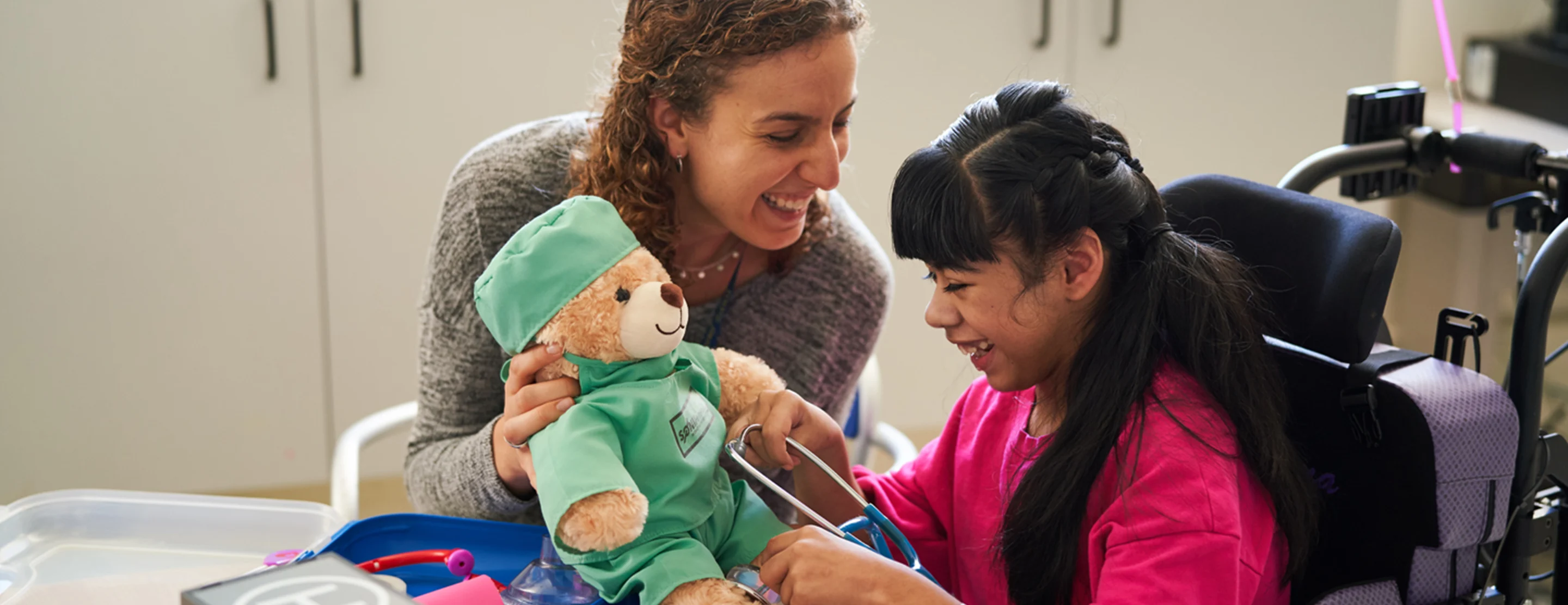
Child Life
Certified child life specialists ease the stress and anxiety of childhood illness through therapeutic play, schooling and family-focused support.
Beads of Courage
We help children cope with cancer testing and treatment challenges by awarding colorful beads for each milestone they achieve. Find out about our program.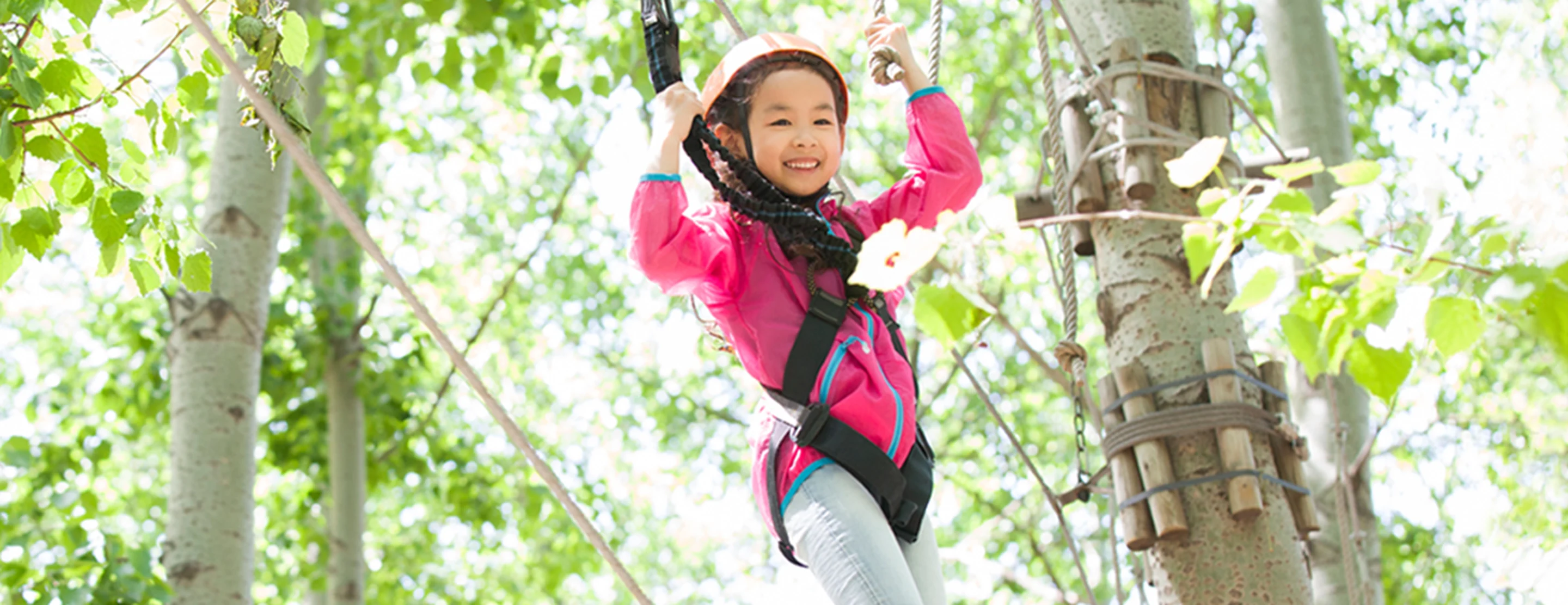
Camp Okizu
This overnight summer camp for children with cancer, siblings and families offers fun activities, education sessions and support in a beautiful setting.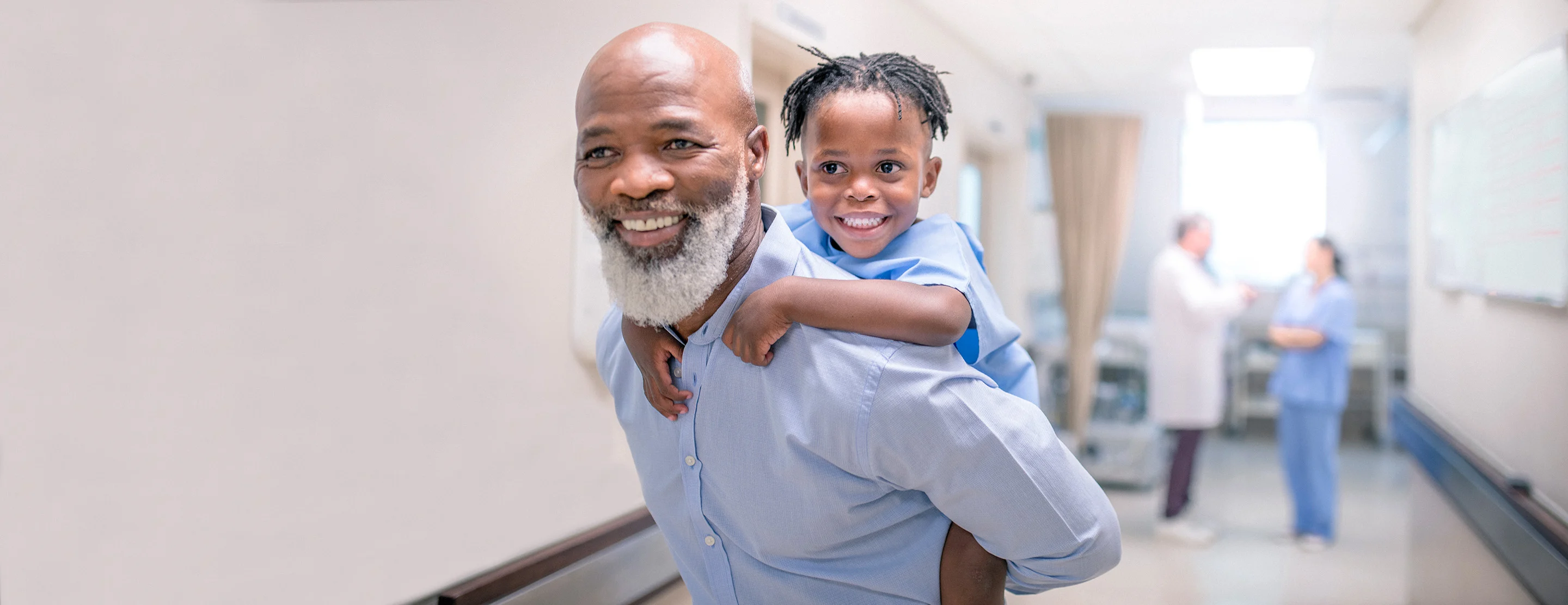
Family Amenities
Family-friendly amenities help you relax and take care of yourself while staying close to your child. We offer lounges, kitchens, showers, breastfeeding rooms and more.
Social Services at UCSF Benioff Children's Hospitals
Social workers ease the effect of illness, injury and hospitalization on your family with counseling and assistance to help you navigate the challenges.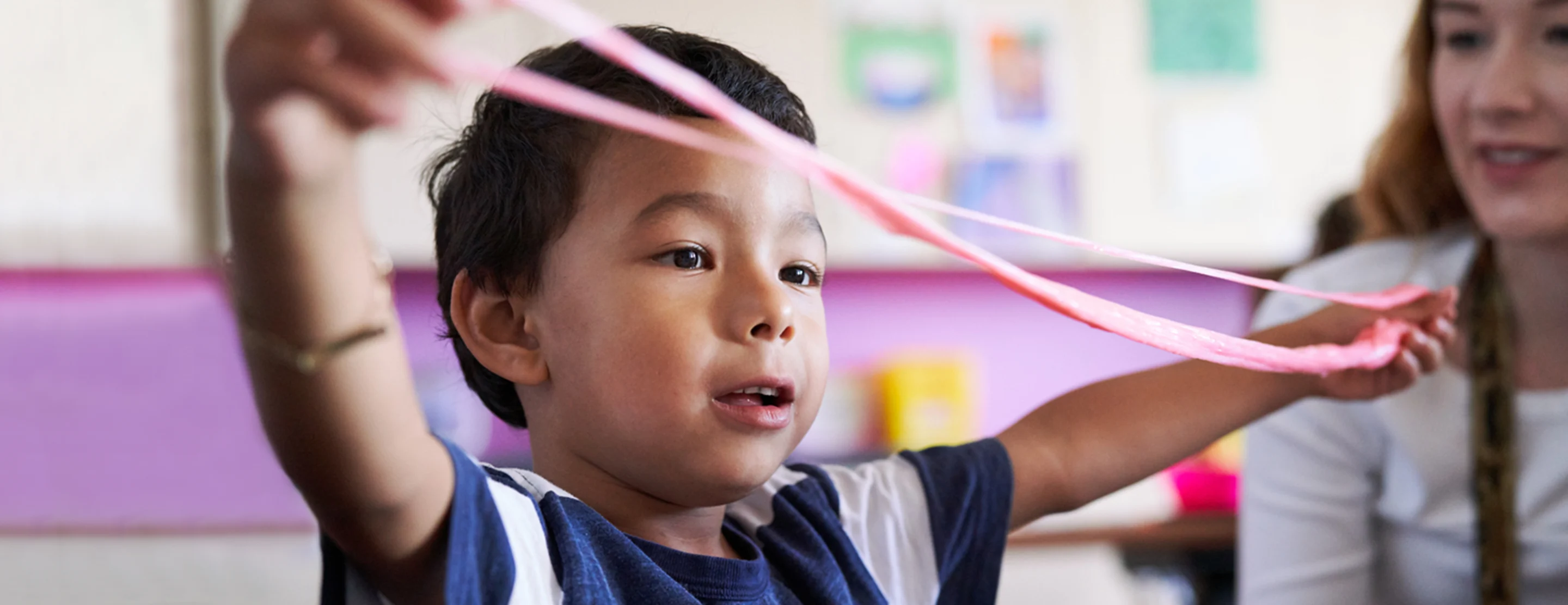
Activity Rooms
Activity rooms offer a relaxed environment for children of all ages. Features include a playroom, digital arts studio and teen lounge. Find out more.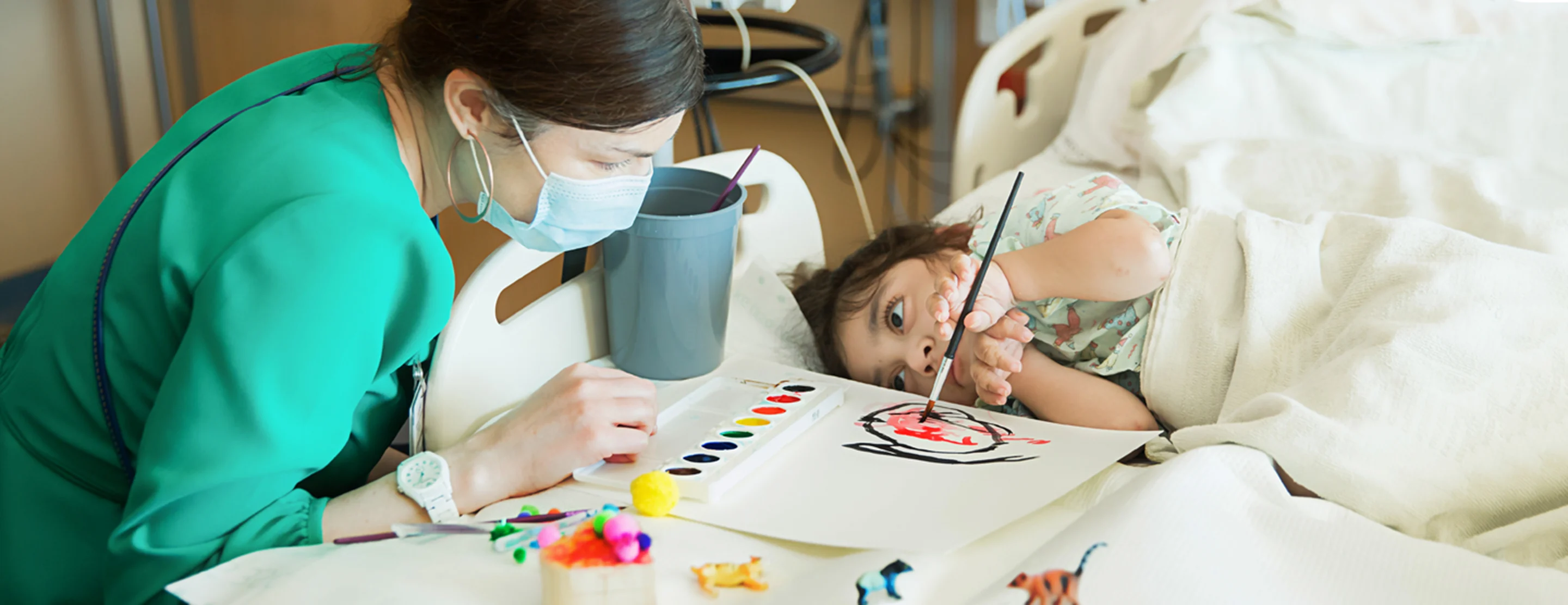
Pediatric Art Therapy Program
Art therapy helps kids and families express themselves, making it easier to cope with pediatric health issues. Group and bedside services are available.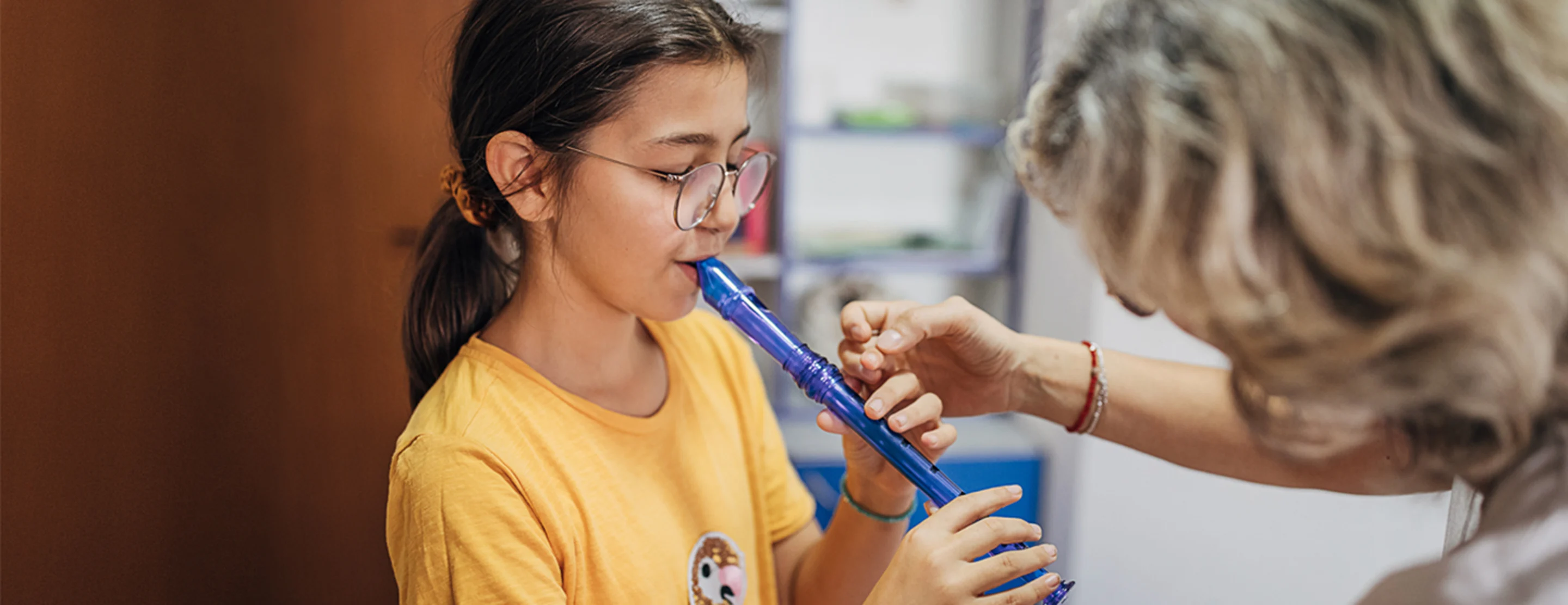
Pediatric Music Therapy Program
Board-certified music therapists help kids cope with illness and the feelings that come with it. Find out about group activities and bedside therapy.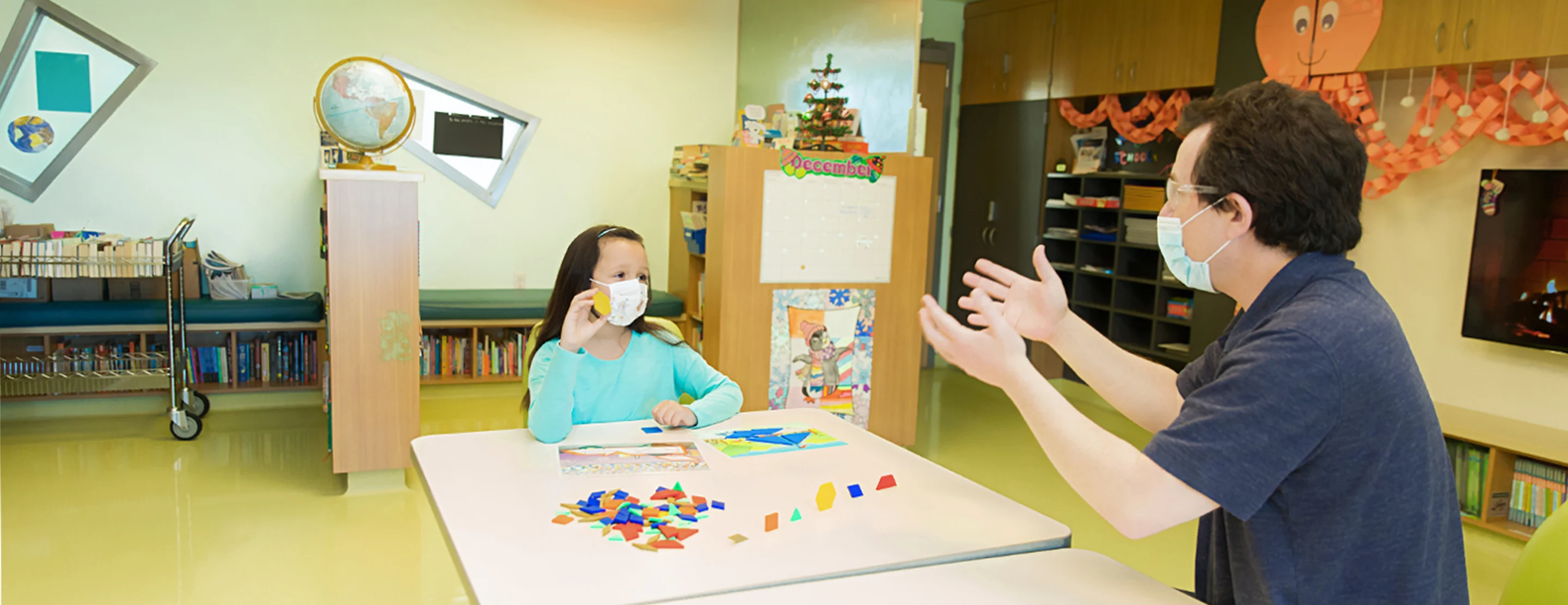
School Program for Hospitalized Children
Our schoolroom services and individual learning programs help children hospitalized at UCSF continue their education and get ready to return to school.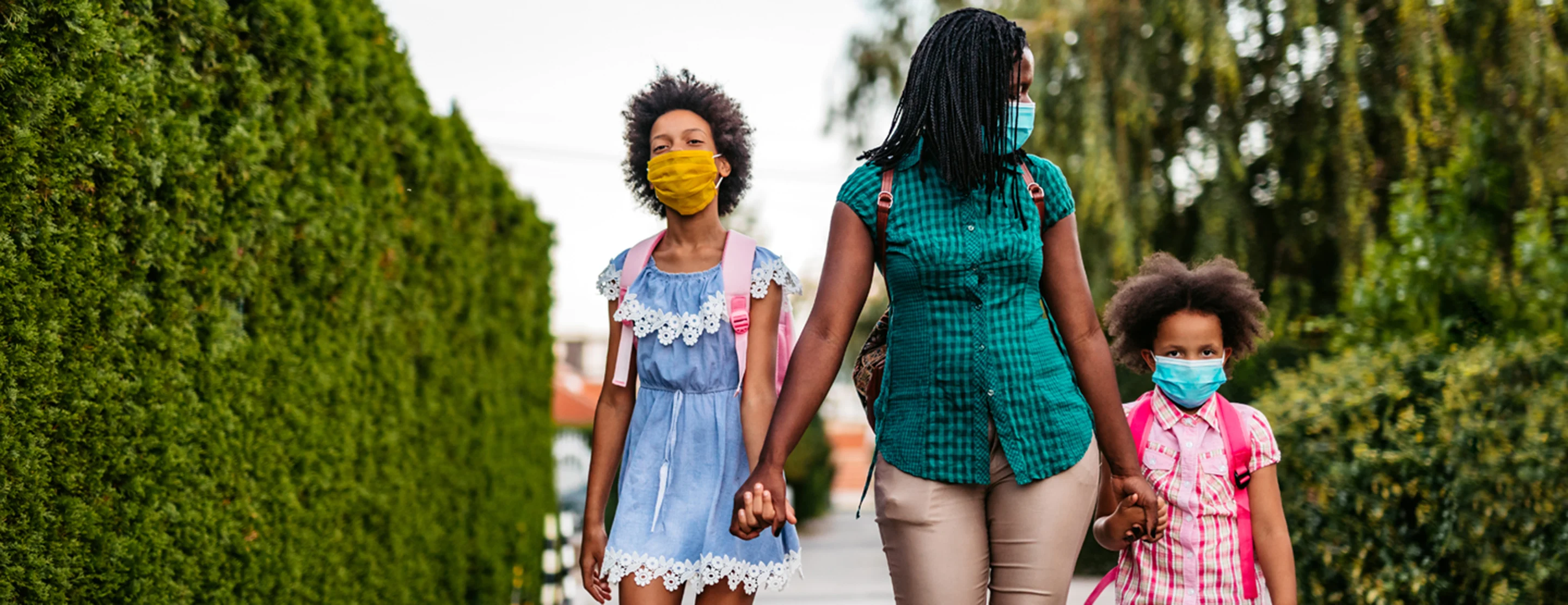
School Re-Entry Program
We help kids return to school after hospitalization by educating staff and students about their needs and recommending needed accommodations. Read more.
Individual Playtime & Instruction
If your child can't be around other kids for medical reasons, you can sign up for private sessions in our activity and school rooms. Find out how.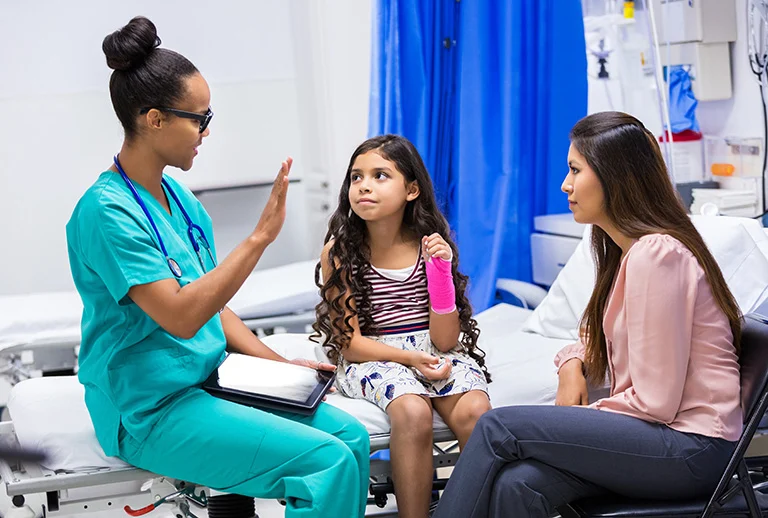
Interpreter Services & Communication Assistance at UCSF Benioff Children's Hospitals
Interpreter services in many languages and TDDs are available for families that need help communicating with care teams. Here's how to access them.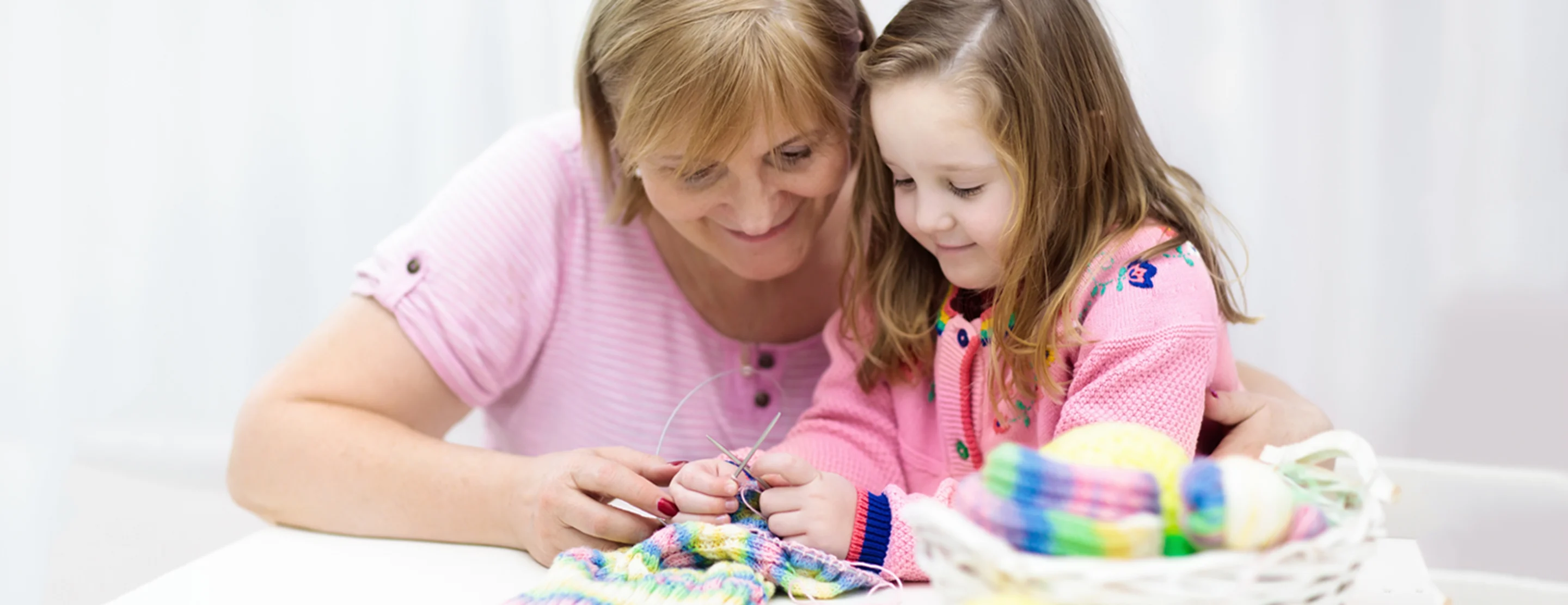
Parent Support Program
Weekly activities, including knitting, scrapbooking, chair massage and more, help family caregivers get a much-needed break. Find out more.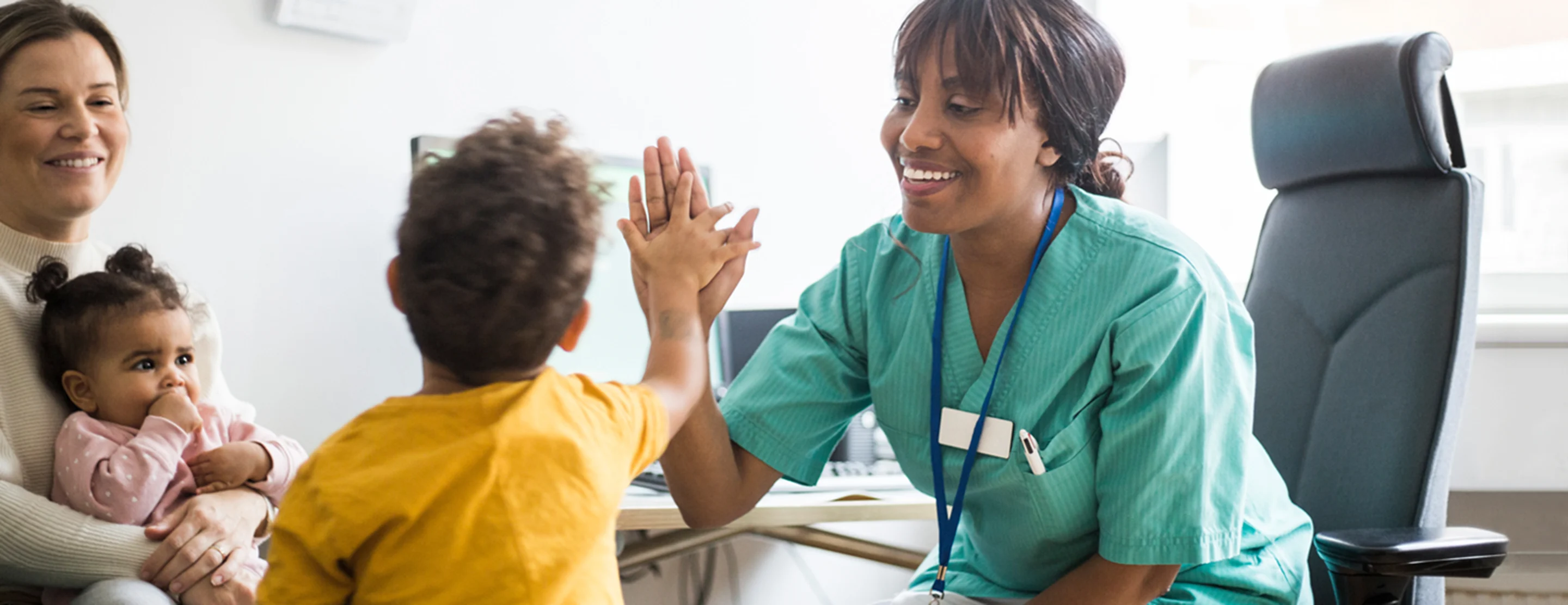
Patient Relations at UCSF Benioff Children's Hospitals
Patient relations reps and nursing supervisors are here to answer questions and address concerns. Learn about your rights, how to reach us and more.
Spiritual Care at UCSF Benioff Children's Hospitals
Chaplains help UCSF patients, families and staff cope with the spiritual and emotional challenges of childhood illness. Learn more.
International Services at UCSF Benioff Children's Hospitals
If you're coming to UCSF from outside the U.S., we coordinate your child's appointments and provide other helpful services. Here's how to get started.