Pediatric Brain Tumor
On this page
Why choose UCSF Benioff Children's Hospitals for pediatric brain tumor care?
Families from across the country come to UCSF Benioff Children's Hospitals for internationally renowned pediatric brain tumor expertise. We care for common, rare and hard-to-treat tumors. Families also turn to us for second opinions or options beyond standard treatment.
Care focuses on more than treating the tumor. We consider your child's development, emotional health, learning and recovery during treatment and beyond.
Brain tumors may be cancerous or noncancerous. Children with cancerous tumors benefit from UCSF's nationally recognized pediatric cancer care.
Why choose UCSF Benioff Children's Hospitals for pediatric brain tumor care?
Families from across the country come to UCSF Benioff Children's Hospitals for internationally renowned pediatric brain tumor expertise. We care for common, rare and hard-to-treat tumors. Families also turn to us for second opinions or options beyond standard treatment.
Care focuses on more than treating the tumor. We consider your child's development, emotional health, learning and recovery during treatment and beyond.
Brain tumors may be cancerous or noncancerous. Children with cancerous tumors benefit from UCSF's nationally recognized pediatric cancer care.
Rehabilitation throughout care
Pediatric rehabilitation specialists support movement, function and independence during treatment and recovery.Clinical trial leaders
UCSF helps lead the Pediatric Neuro-Oncology Consortium, expanding access to innovative trials for eligible children.Coordinated team approach
Brain tumor specialists review findings together and coordinate your child's treatment for a seamless care experience.Advanced care for your child's future
Molecular testing and precise treatments help personalize care while protecting brain function and development.
Understanding your child's brain tumor
The most effective treatment plan for your child starts with understanding the tumor's exact type and biological features. Our specialists use the most advanced tools to build a detailed diagnosis:
Imaging. MRI and other scans show the tumor and guide treatment planning.
Biopsy. When needed, surgeons use imaging guidance to collect tumor tissue through a small opening.
Neuropathology. Experts examine tumor cells and molecular features to confirm the diagnosis.
Tumor sequencing. Our state-of-the-art UCSF500 Cancer Gene Panel helps us analyze tumor DNA, enabling us to personalize your child's treatment.
These findings help us clarify complex diagnoses and reveal possible treatment targets. Then your child's team can select the best treatment options.
Specialists in pediatric brain tumor care
Our specialists work together based on the tumor type, treatment plan and your child's needs. They share their findings to coordinate each stage of care, adjusting the plan as your child's needs change.
Your child's care team may include a range of specialists and care providers:
Pediatric neuro-oncologists oversee diagnosis and treatment for tumors affecting the brain and spinal cord.
Neurosurgeons, neuropathologists and radiation oncologists plan procedures, analyze tumor tissue and provide precise radiation therapy.
Neurologists, neuropsychologists and rehabilitation specialists closely monitor brain function, learning, movement and recovery.
Endocrinologists address hormone changes.
Psychologists and social workers help your child and family with emotional health and practical needs.
Nurses, child life specialists and school liaisons prepare your child for care and support daily life.
Advanced pediatric brain tumor treatment
Your child has access to specialized procedures and therapies that are not widely available. When creating a treatment plan, your child's team carefully considers the tumor's biology, location and effects on the developing brain.
Treatment may include:
Brain tumor surgery. Our pediatric neurosurgeons use the most advanced methods for brain mapping and intraoperative MRI to guide each procedure. These high-precision tools help remove as much tumor as possible while protecting critical brain function.
Minimally invasive laser treatment. UCSF doctors helped pioneer this approach for pediatric brain tumors. It requires only a tiny opening, which may shorten recovery.
Highly precise radiation therapy. UCSF is one of the few programs in California offering Gamma Knife and CyberKnife radiosurgery for children. These techniques focus radiation on the tumor while limiting exposure to healthy tissue.
Medicines tailored to the tumor. We may combine chemotherapy, targeted medicines and immunotherapy to treat tumors in different ways.
Direct treatment delivery. We place medication near the tumor or within spaces in the brain. This approach, available through a clinical trial, may help treatment reach tumors protected by the blood-brain barrier.
Your team involves you in every decision, explaining what each option could achieve and how it may affect your child. We carefully balance tumor control with your child's brain function, development and quality of life.
Life during and after brain tumor treatment
We're here for your child and family through every stage of treatment and recovery. Our specialized services address your child's development, daily life and long-term well-being, including:
Emotional and practical support. Psychologists, social workers and child life specialists help children and families cope.
Learning and school. Hospital teachers support schoolwork, while the School Re-Entry Program prepares children to return to school.
Neuropsychology and rehabilitation. Our specialists assess thinking, learning and movement, then recommend therapies or school accommodations.
Pain and symptom relief. Palliative care specialists manage discomfort and support your child and family during serious illness.
Survivorship care. Our Pediatric Survivorship Program supports long-term physical and emotional health after treatment.
Transition to adult care. Adolescents and young adults get specialized neuro-oncology care as they transition to adult providers.
Providers

Sabine Mueller, MD, PhD
Pediatric Hematology-Oncology (Neuro-Oncology) • Pediatric Neurology
Anuradha Banerjee, MD
Pediatric Hematology-Oncology
Mitchel Berger, MD
Neurosurgery (Brain Tumors) • Neurosurgery
Steve Braunstein, MD, PhD
Radiation Oncology
Awards & achievements

#1
in NIH funding among U.S. neurology programs

One of the nation's best for neurology & neurosurgery

Best in Northern California and top 10 in the nation for cancer care
Ranked among the nation's best in 11 specialties

Related conditions & treatments
Conditions
- Atypical Neurofibroma
- Atypical Teratoid Rhabdoid Tumor (ATRT)
- Brain and Spine Tumors
- Chordoma
- Choroid Plexus Tumor
- Craniopharyngioma
- Ependymoma
- Germinoma
- High-Grade Astrocytoma
Treatments
- Brain Function Mapping
- Brain Surgery
- Cancer Chemotherapy
- Cancer Immunotherapy
- Clinical Trials
- Cyberknife
- Gamma Knife Radiosurgery
- Laser Interstitial Thermal Therapy
- Palliative Care

Trials & research
Clinical trials
Fluoroethyltyrosine for the Evaluation of Intracranial NeoplasmOpens in a new window
This is a single center study investigating the use of Fluoroethyltyrosine (FET) in the detection of brain tumors. FET accumulates in malignant cells within intracranial neoplasms and can be used to detect recurrent disease and characterize grade of glial neoplasms.International Rare Brain Tumor RegistryOpens in a new window
The objective of the International Rare Brain Tumor Registry (IRBTR) is to better understand rare brain tumors through the collection of biospecimens and matched clinical data of children, adolescents, and young adult patients diagnosed with rare brain tumors.A Study of a New Way to Treat Children and Young Adults With a Brain Tumor Called NGGCTOpens in a new window
This phase II trial studies the best approach to combine chemotherapy and radiation therapy (RT) based on the patient's response to induction chemotherapy in patients with non-germinomatous germ cell tumors (NGGCT) that have not spread to other parts of the brain or body (localized)...
Research initiatives
UCSF Pediatric Brain Tumor ResearchOpens in a new window
Our pediatric brain tumor research spans multiple research specialties, with a particular focus on understanding how the brain develops and finding new treatments for pediatric brain tumors.Early-Phase Clinical Trials at UCSF: Pediatric Cancer
Search the directory of UCSF's active clinical trials open to children with cancer, including leukemia, lymphoma, neuroblastoma and brain tumors.
Patient stories
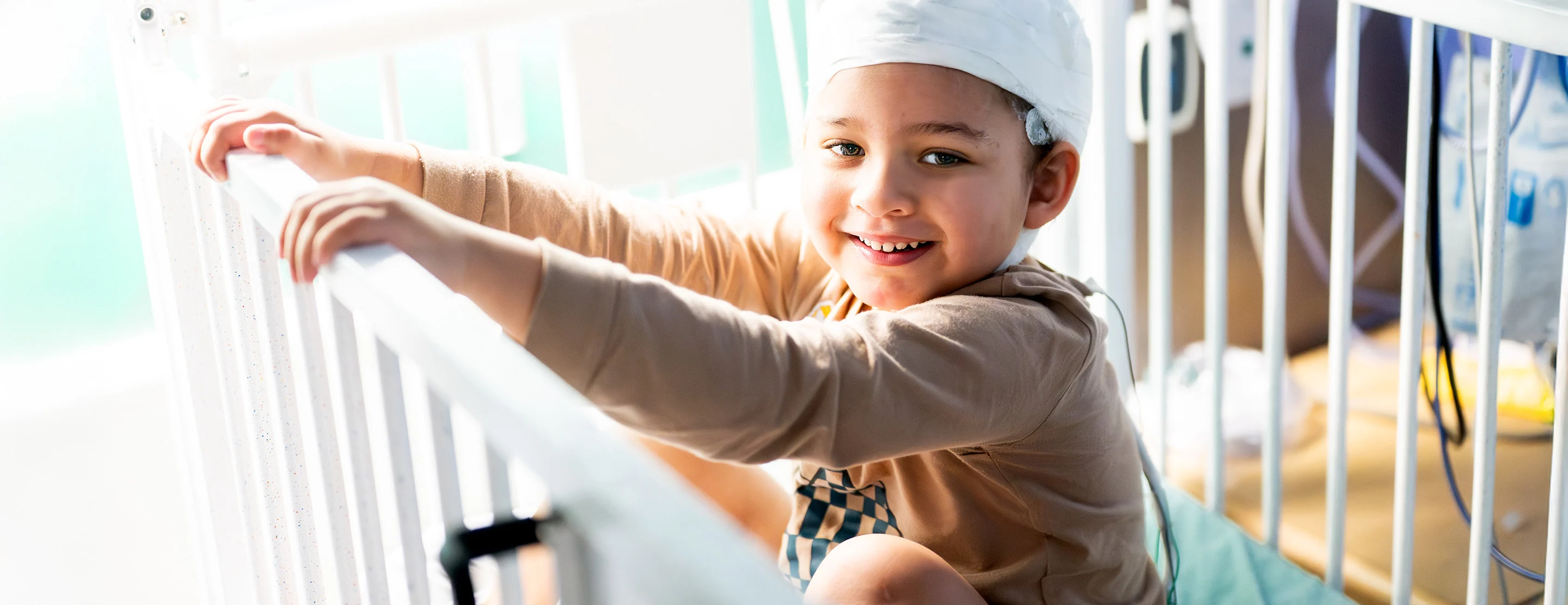
Innovating care for kids with brain tumors
We've pioneered a minimally invasive procedure for pediatric brain tumors that has been used for years to treat epilepsy.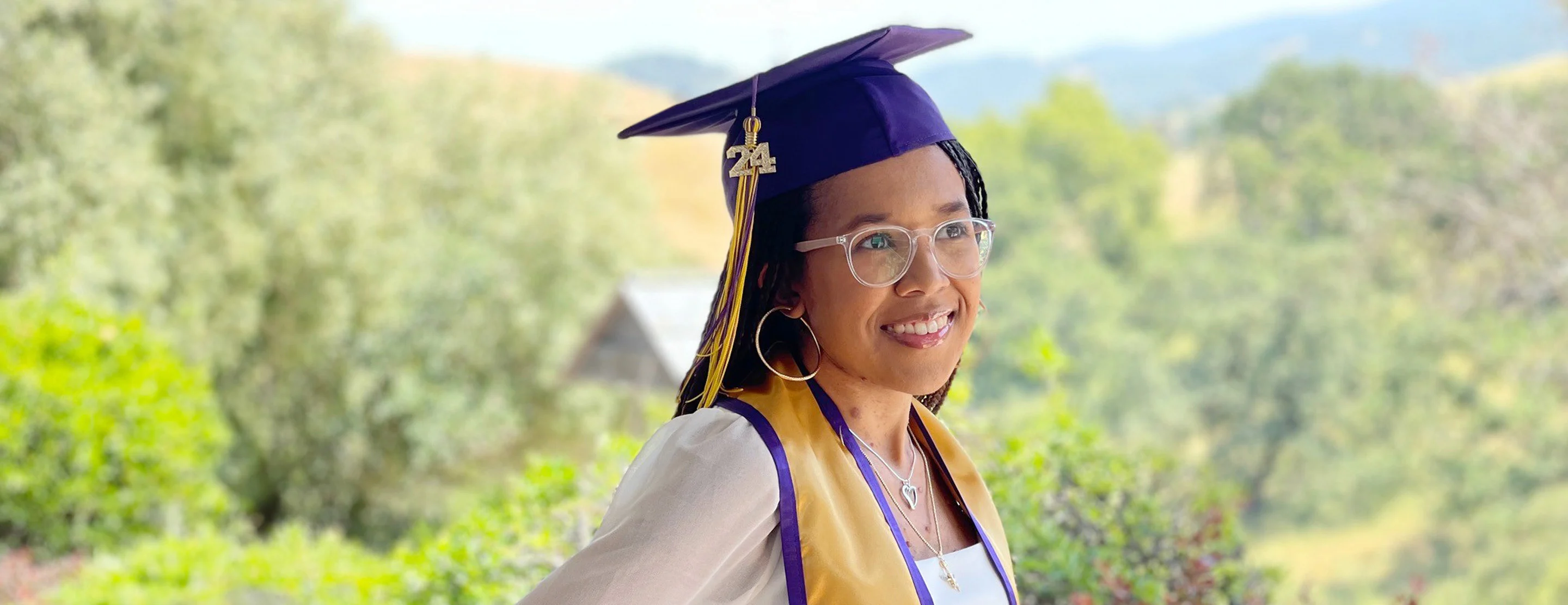
Navigating brain tumor treatment with virtual reality
Sophisticated VR technology helped a patient with neurofibromatosis type 1 and her family prepare for brain surgery.
Learn more about the program
Support services
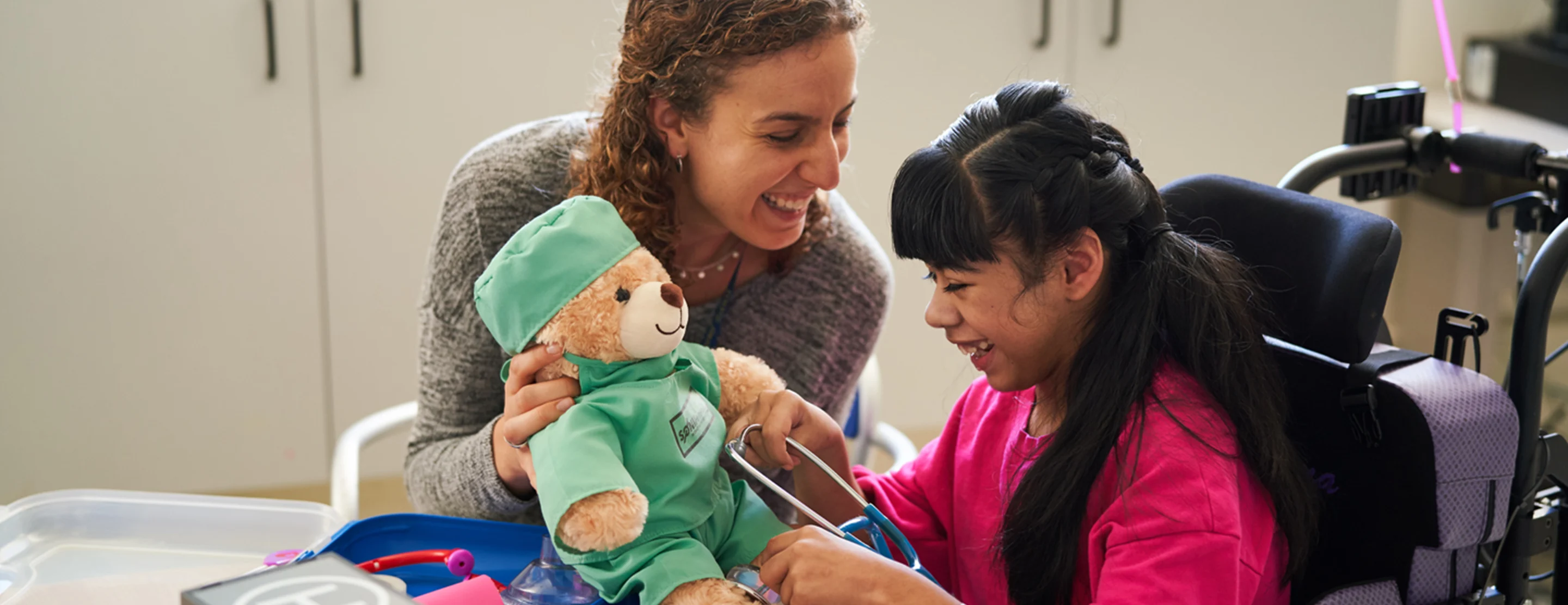
Child Life
Certified child life specialists ease the stress and anxiety of childhood illness through therapeutic play, schooling and family-focused support.
Beads of Courage
We help children cope with cancer testing and treatment challenges by awarding colorful beads for each milestone they achieve. Find out about our program.
Camp Okizu
This overnight summer camp for children with cancer, siblings and families offers fun activities, education sessions and support in a beautiful setting.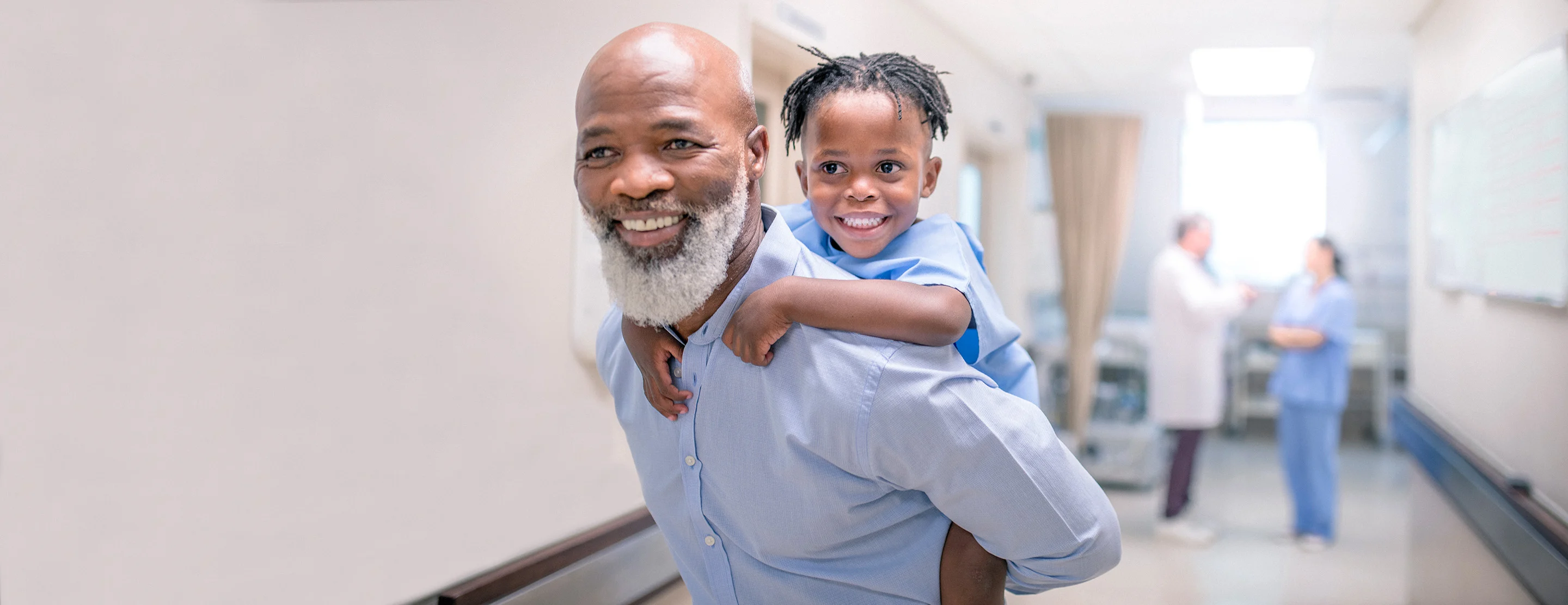
Family Amenities
Family-friendly amenities help you relax and take care of yourself while staying close to your child. We offer lounges, kitchens, showers, breastfeeding rooms and more.
Social Services at UCSF Benioff Children's Hospitals
Social workers ease the effect of illness, injury and hospitalization on your family with counseling and assistance to help you navigate the challenges.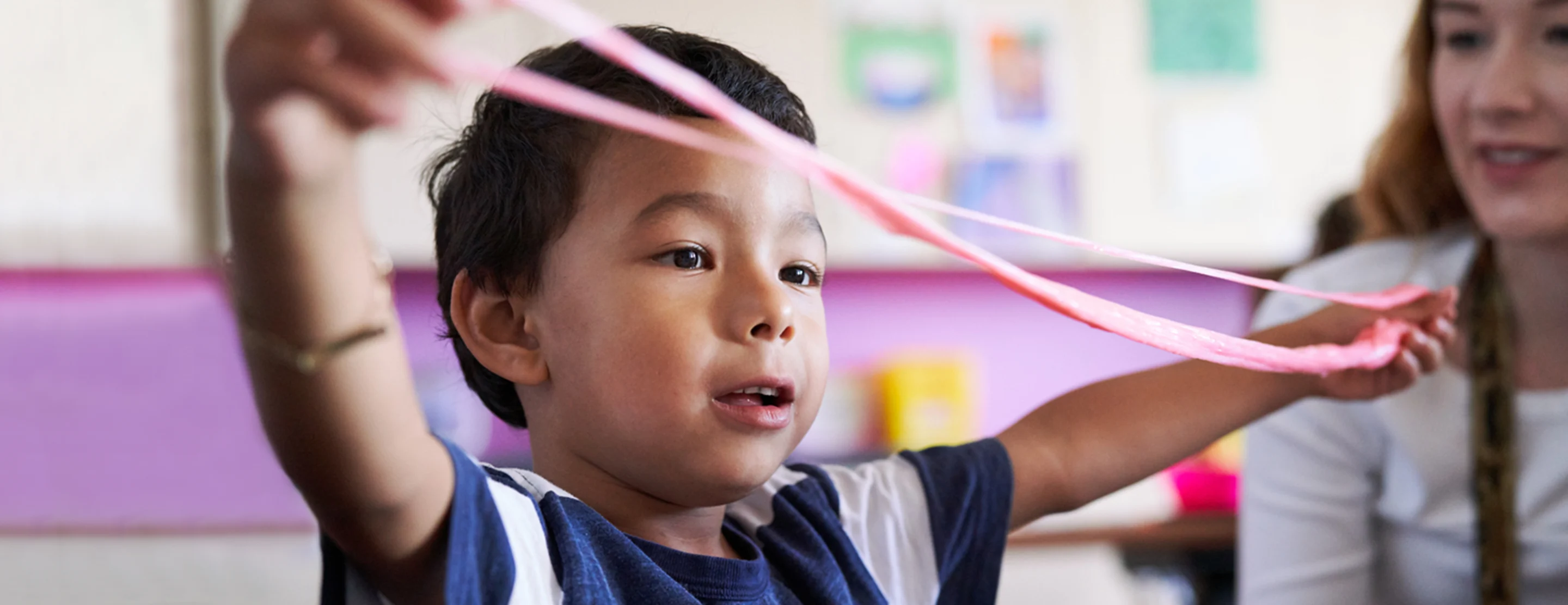
Activity Rooms
Activity rooms offer a relaxed environment for children of all ages. Features include a playroom, digital arts studio and teen lounge. Find out more.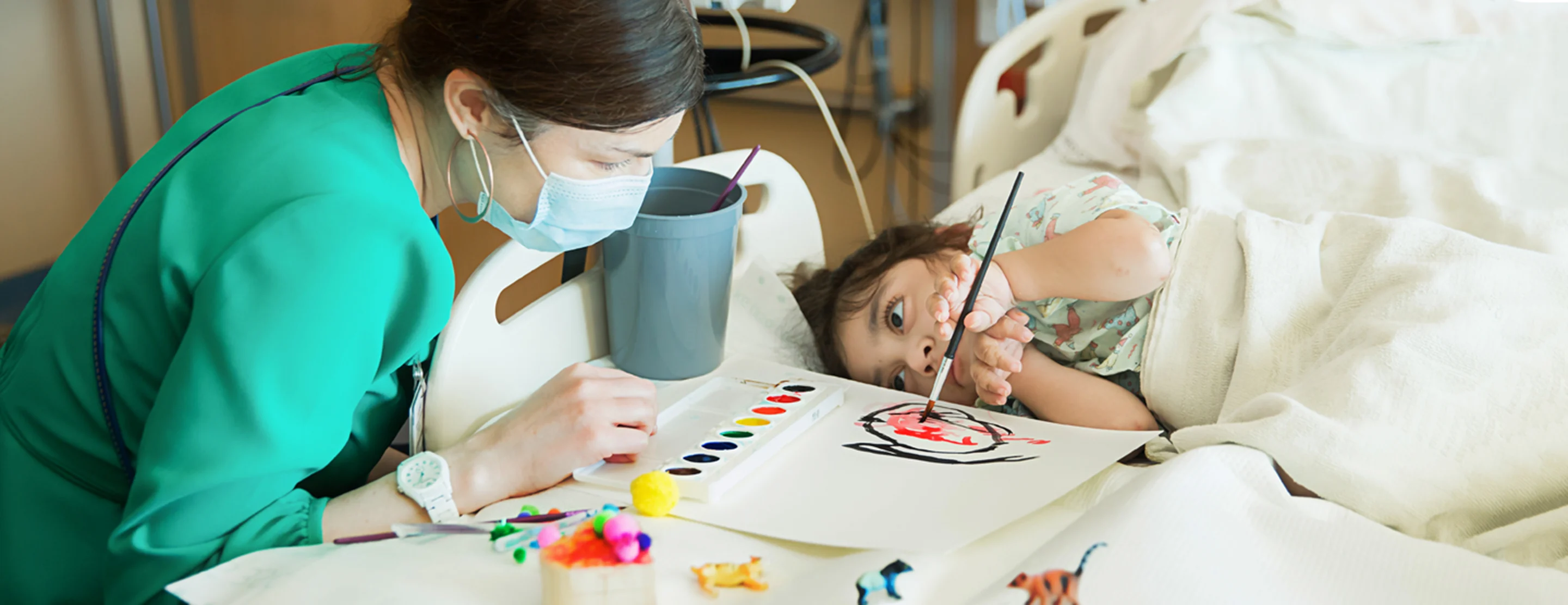
Pediatric Art Therapy Program
Art therapy helps kids and families express themselves, making it easier to cope with pediatric health issues. Group and bedside services are available.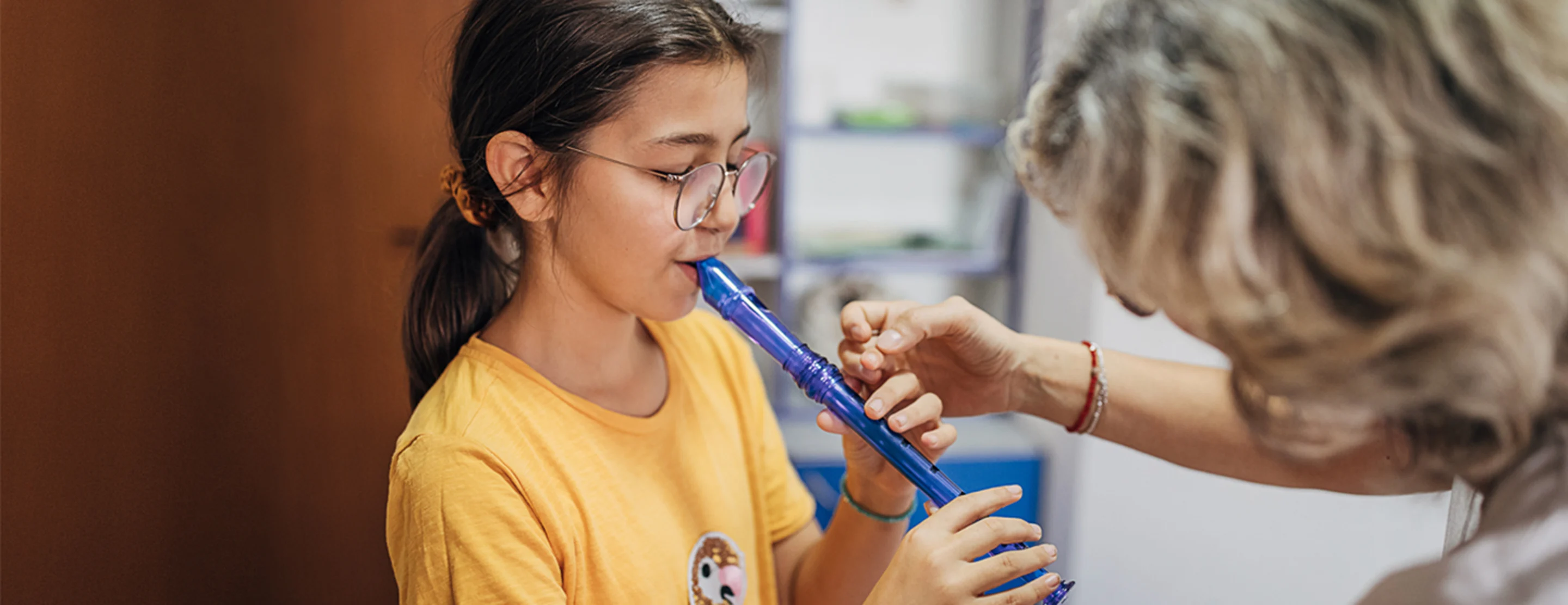
Pediatric Music Therapy Program
Board-certified music therapists help kids cope with illness and the feelings that come with it. Find out about group activities and bedside therapy.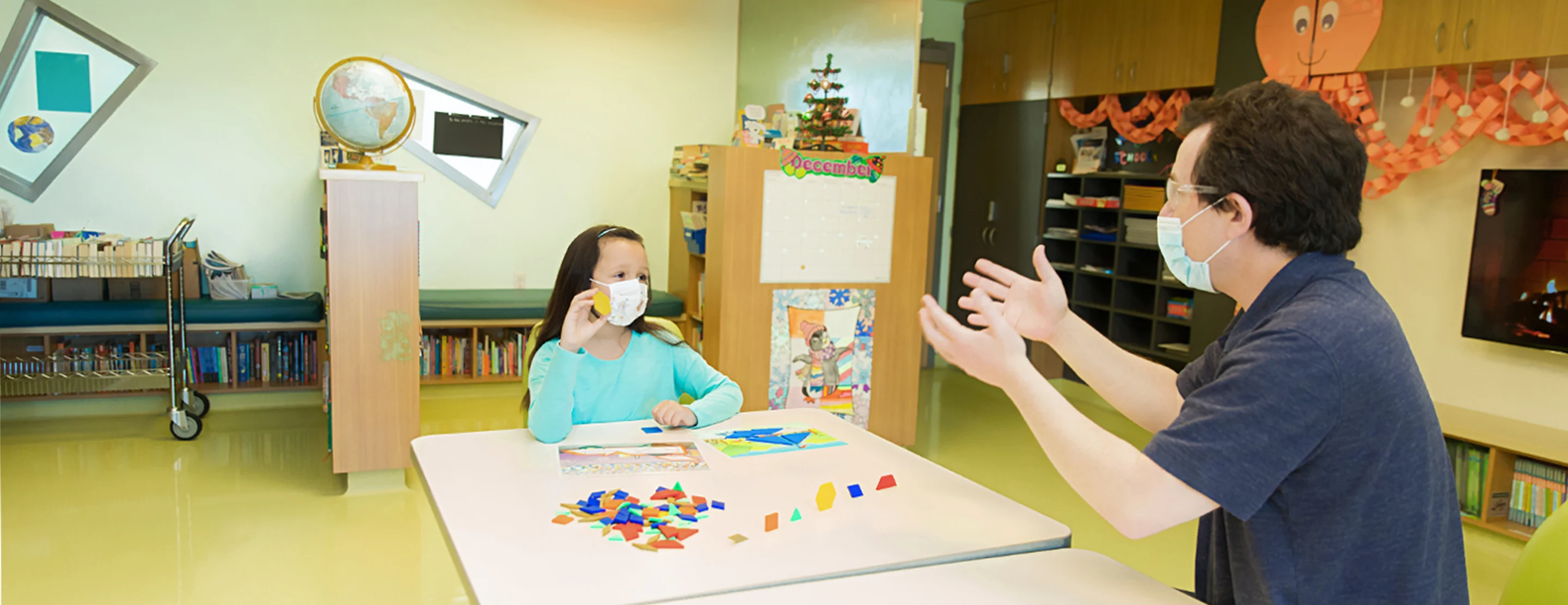
School Program for Hospitalized Children
Our schoolroom services and individual learning programs help children hospitalized at UCSF continue their education and get ready to return to school.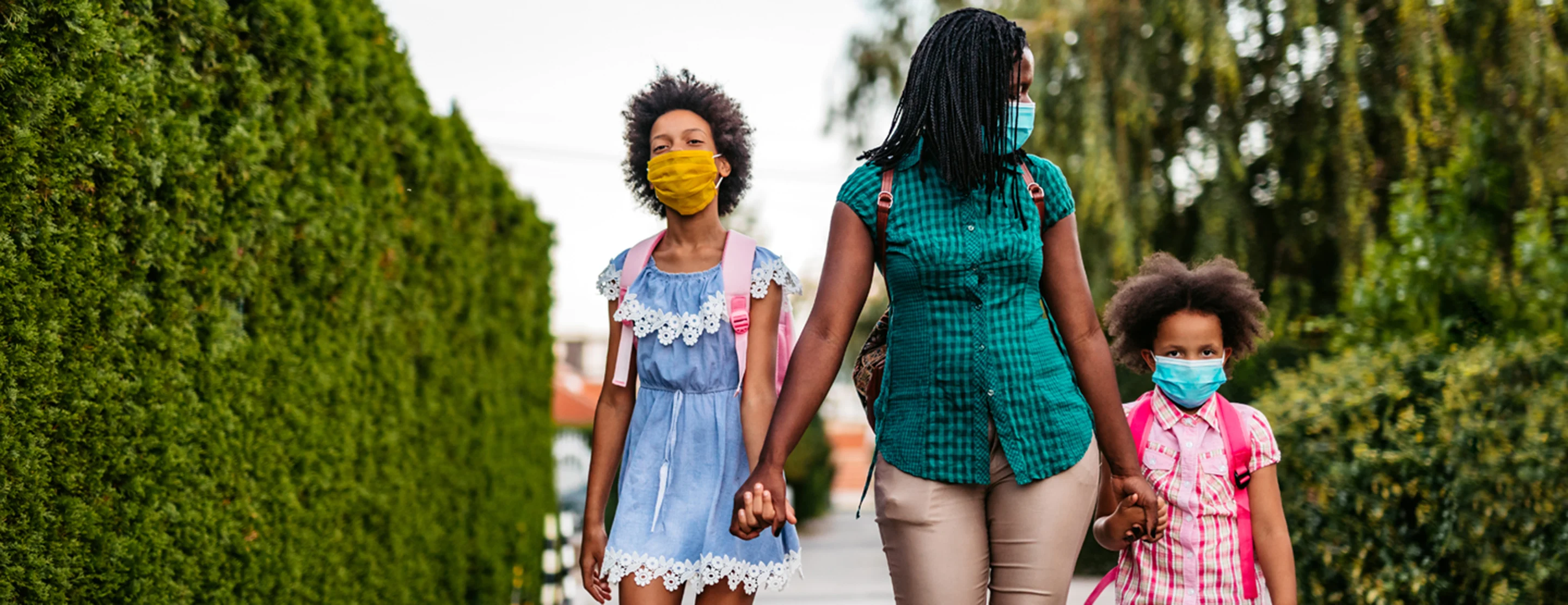
School Re-Entry Program
We help kids return to school after hospitalization by educating staff and students about their needs and recommending needed accommodations. Read more.
Individual Playtime & Instruction
If your child can't be around other kids for medical reasons, you can sign up for private sessions in our activity and school rooms. Find out how.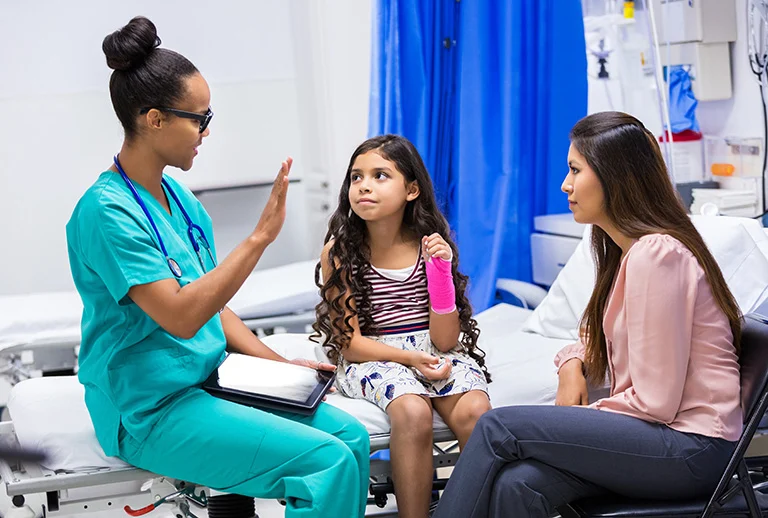
Interpreter Services & Communication Assistance at UCSF Benioff Children's Hospitals
Interpreter services in many languages and TDDs are available for families that need help communicating with care teams. Here's how to access them.
Parent Support Program
Weekly activities, including knitting, scrapbooking, chair massage and more, help family caregivers get a much-needed break. Find out more.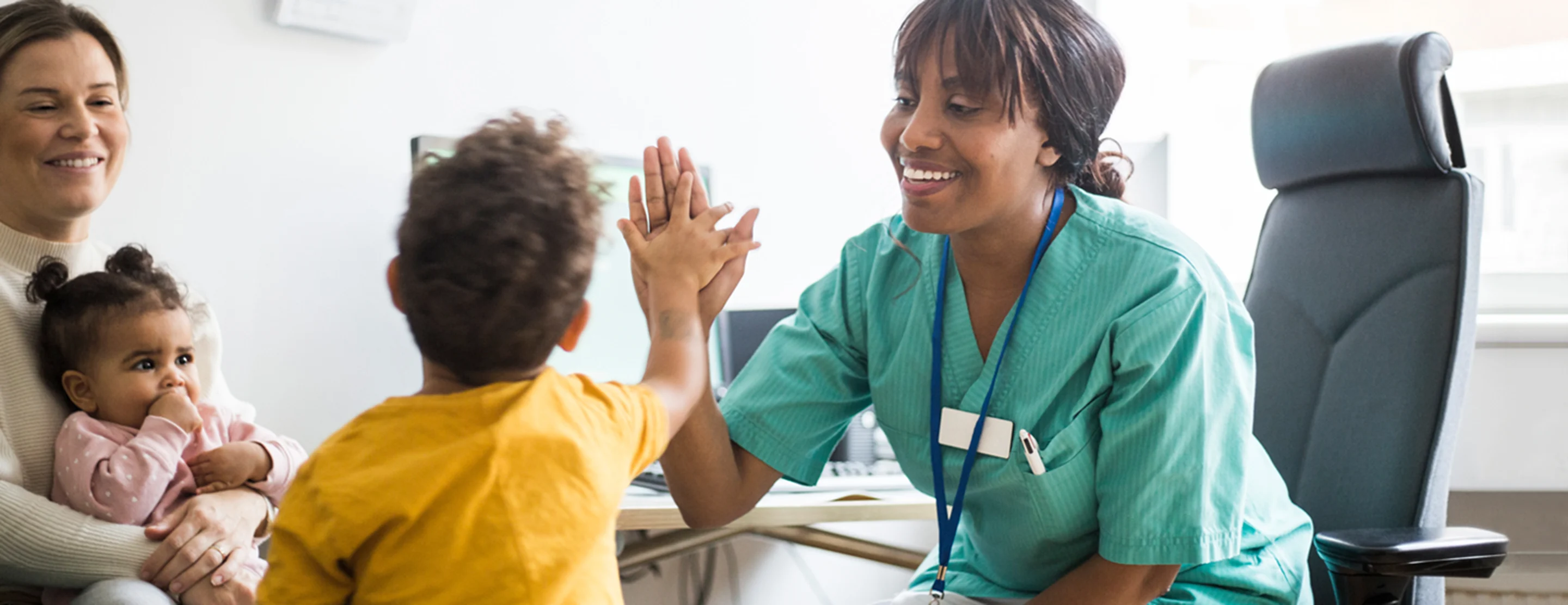
Patient Relations at UCSF Benioff Children's Hospitals
Patient relations reps and nursing supervisors are here to answer questions and address concerns. Learn about your rights, how to reach us and more.
Spiritual Care at UCSF Benioff Children's Hospitals
Chaplains help UCSF patients, families and staff cope with the spiritual and emotional challenges of childhood illness. Learn more.
International Services at UCSF Benioff Children's Hospitals
If you're coming to UCSF from outside the U.S., we coordinate your child's appointments and provide other helpful services. Here's how to get started.