Pediatric Radiation Oncology

On this page
Why choose UCSF Benioff Children's Hospitals for radiation therapy?
Children and young adults have unique needs during cancer treatment. Because their bodies are still growing and developing, they're more sensitive to radiation.
At UCSF Benioff Children's Hospitals, our team delivers treatment with exceptional precision while reducing radiation exposure to the rest of the body. We personalize each child's care to minimize side effects and protect their long-term health and quality of life.
Why choose UCSF Benioff Children's Hospitals for radiation therapy?
Children and young adults have unique needs during cancer treatment. Because their bodies are still growing and developing, they're more sensitive to radiation.
At UCSF Benioff Children's Hospitals, our team delivers treatment with exceptional precision while reducing radiation exposure to the rest of the body. We personalize each child's care to minimize side effects and protect their long-term health and quality of life.
Innovative radiation technology
We offer advanced radiation techniques, including Gamma Knife and intraoperative radiation therapy, that aren't widely available for children.Collaborative care
Radiation oncologists work alongside pediatric medical and surgical oncologists to develop a comprehensive treatment plan for each child.Support for the entire family
Social workers, child life specialists and child psychologists provide care coordination and help make life easier for patients and their loved ones.Research and clinical trials
We study ways to make radiation therapy safer, including medications to help protect cognitive function in children receiving treatment for brain tumors.
Our approach to radiation therapy for childhood cancers
Our pediatric radiation oncologists use radiation therapy to treat many childhood cancers, including:
Brain tumors
Neuroblastomas
Wilms tumors
Bone and soft tissue sarcomas
Depending on your child's diagnosis, radiation therapy may be their main treatment, or it might be used alongside surgery or chemotherapy. Radiation therapy can shrink tumors so they're easier to remove during surgery. For children with advanced cancer, it can help relieve pain and improve comfort.
Precise treatment planning
We carefully plan radiation therapy to make treatment as safe and effective as possible. Our team uses advanced imaging to map the exact shape and location of the tumor for the most precise treatment.
We also do practice (simulation) treatment sessions to help children understand what to expect and how they'll be positioned. For younger children who may need sedation, we work closely with pediatric anesthesiologists to keep them calm and comfortable.
Types of radiation therapy we offer
Our team offers the latest types of external beam radiation therapy (EBRT) and several other highly specialized treatments.
Our EBRT capabilities include:
Intensity-modulated radiation therapy (IMRT). This treatment uses multiple beams of radiation to deliver a highly focused dose while sparing healthy tissue.
Volumetric modulated arc therapy (VMAT). This technique delivers radiation rapidly from multiple angles by rotating in an arc around the patient.
Total body irradiation (TBI). We offer TBI for children with leukemia or lymphoma who need stem cell transplants.
Electron beam therapy. We may use this to treat tumors near the surface of the body, such as skin cancer or certain soft tissue sarcomas.
Stereotactic radiosurgery using Gamma Knife. This innovative technique delivers a highly precise, intense dose of radiation to small brain tumors that have returned after treatment. We may also use Gamma Knife to treat vascular malformations (tangles of blood vessels).
Our radiation therapists also offer techniques not widely available in the Bay Area, including:
Brachytherapy. A surgeon places radioactive seeds inside or near a tumor to deliver high doses of radiation while avoiding healthy tissue. This can be beneficial for children who previously received EBRT because it limits additional radiation exposure.
Hyperthermia therapy. After EBRT or chemotherapy, we may apply heat to a tumor, so cancer cells are less able to repair themselves after treatment.
Intraoperative radiation therapy (IORT). During surgery, we deliver targeted radiation to tumors that are difficult to remove. This allows radiation treatment to be completed in a single session, right away, instead of in multiple sessions after surgery.
If your child needs proton beam therapy, we help arrange a referral and coordinate their care at an appropriate facility.
Locations (dynamic)
Providers (dynamic)

Steve Braunstein, MD, PhD
Radiation Oncology
Harish N. Vasudevan, MD, PhD
Radiation Oncology
Nicholas Eustace, MD
Radiation Oncology
David R. Raleigh, MD, PhD
Radiation Oncology
Awards & achievements


Best in Northern California and top 10 in the nation for cancer care

Designated an early phase clinical trials core site by the Children's Oncology Group

Ranked among the nation's best in 11 specialties


Related conditions & treatments
Conditions
Treatments
- Brachytherapy
- Cyberknife
- External Beam Radiation Therapy
- Gamma Knife Radiosurgery
- Intensity-Modulated Radiation Therapy
- Intraoperative Radiation Therapy
- Radiation Treatment
- Stereotactic Radiosurgery
- Total Body Irradiation

Trials & research
Clinical trials
A Study of Lower Radiotherapy Dose to Treat Children With CNS GerminomaOpens in a new window
This phase II trial studies how well lower dose radiotherapy after chemotherapy (Carboplatin & Etoposide) works in treating children with central nervous system (CNS) germinomas. Radiation therapy uses high energy x-rays, particles, or radioactive seeds to kill cancer cells and shrink tumors. Carboplatin is in a class of medications known as platinum-containing compounds...
Research initiatives
Early-Phase Clinical Trials at UCSF: Pediatric Cancer
Search the directory of UCSF's active clinical trials open to children with cancer, including leukemia, lymphoma, neuroblastoma and brain tumors.
Support services
Child Life
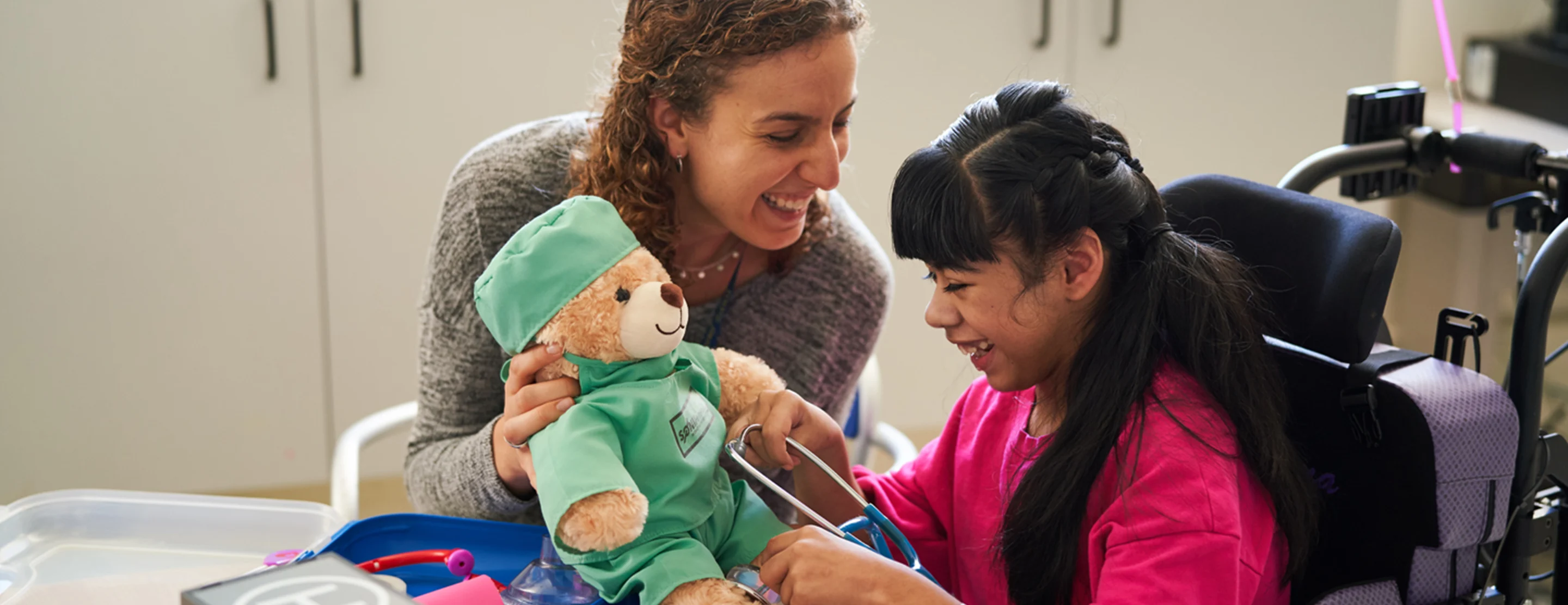
Certified child life specialists ease the stress and anxiety of childhood illness through therapeutic play, schooling and family-focused support.
Beads of Courage
We help children cope with cancer testing and treatment challenges by awarding colorful beads for each milestone they achieve. Find out about our program.
Camp Okizu
This overnight summer camp for children with cancer, siblings and families offers fun activities, education sessions and support in a beautiful setting.
Individual Playtime & Instruction
If your child can't be around other kids for medical reasons, you can sign up for private sessions in our activity and school rooms. Find out how.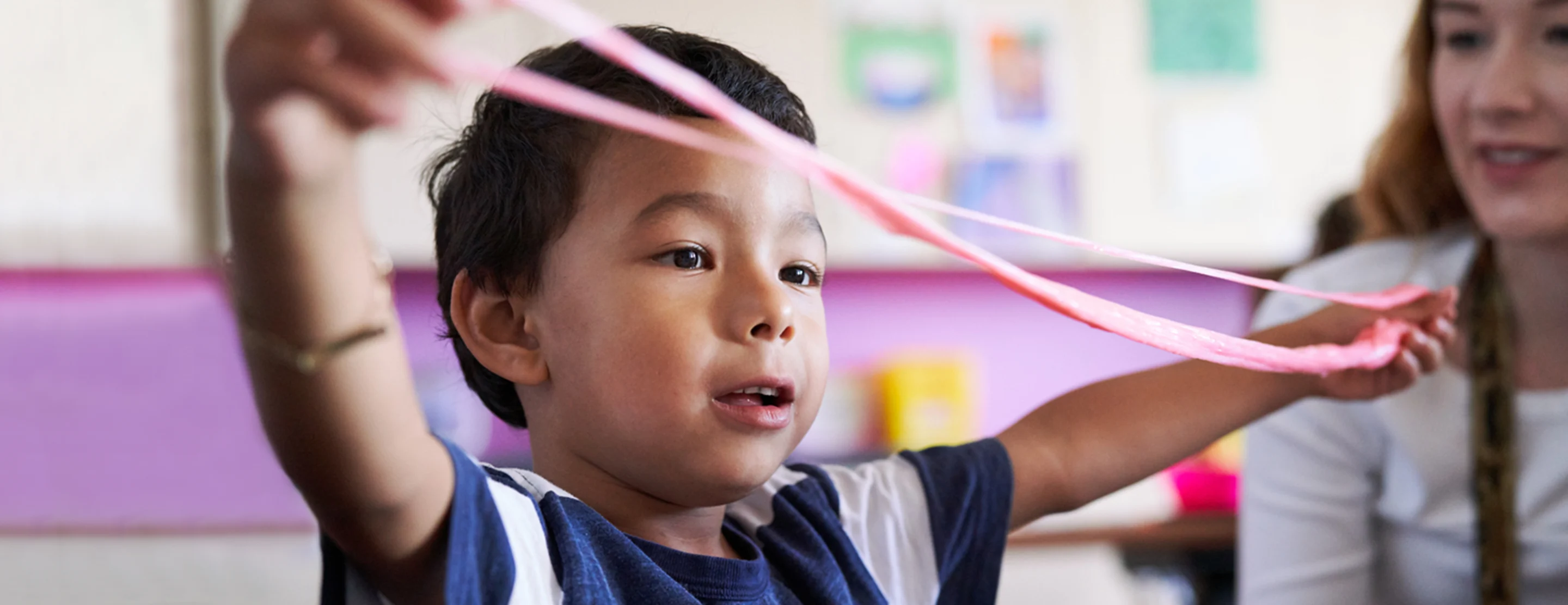
Activity Rooms
Activity rooms offer a relaxed environment for children of all ages. Features include a playroom, digital arts studio and teen lounge. Find out more.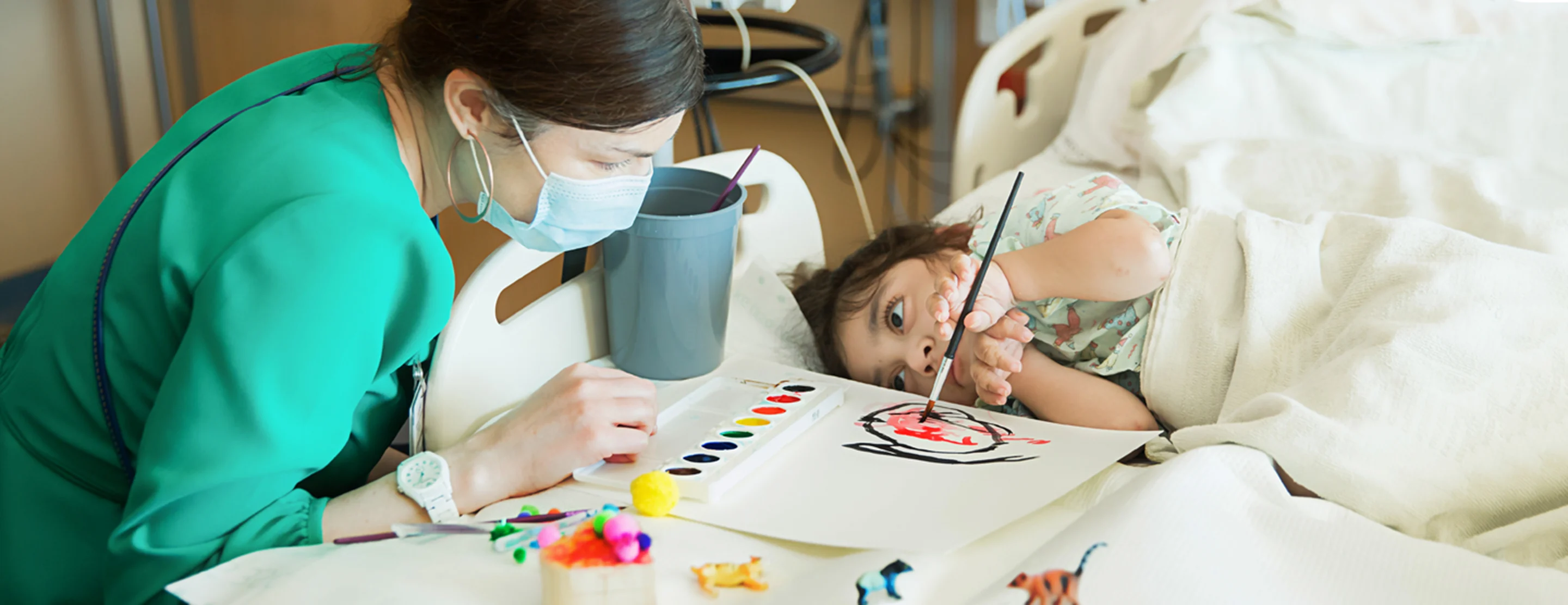
Pediatric Art Therapy Program
Art therapy helps kids and families express themselves, making it easier to cope with pediatric health issues. Group and bedside services are available.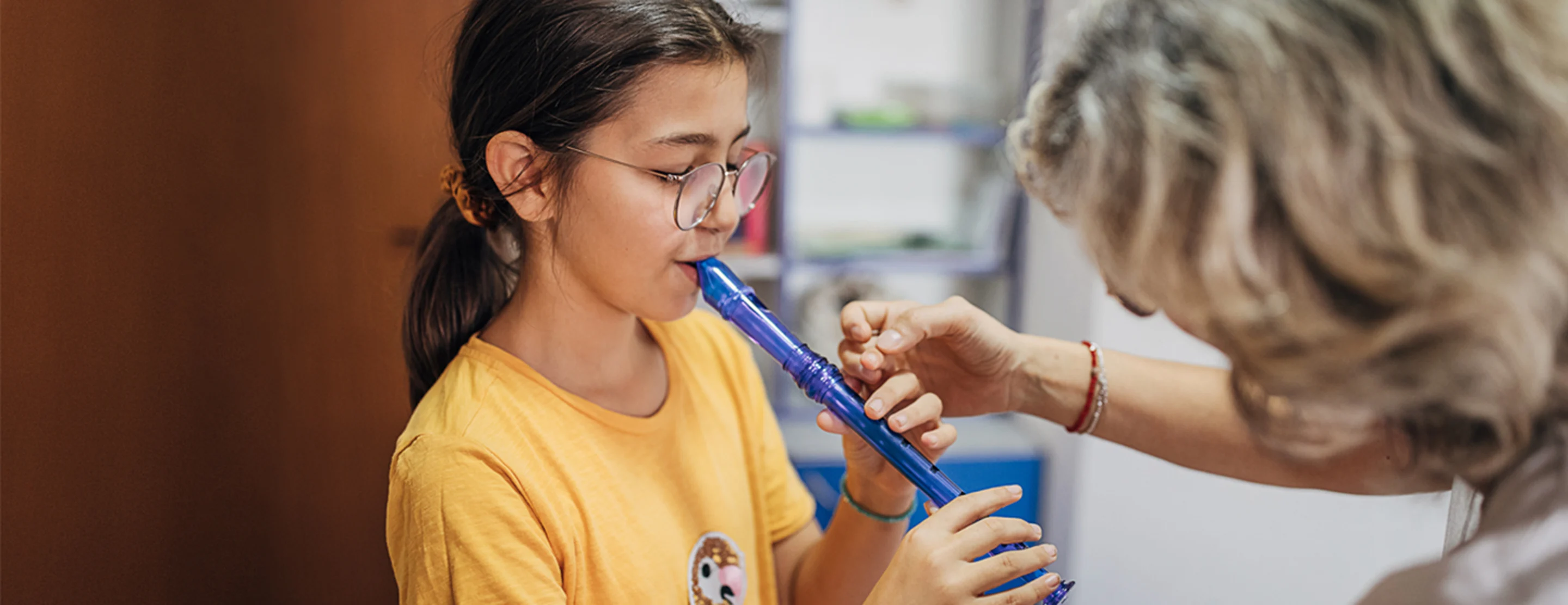
Pediatric Music Therapy Program
Board-certified music therapists help kids cope with illness and the feelings that come with it. Find out about group activities and bedside therapy.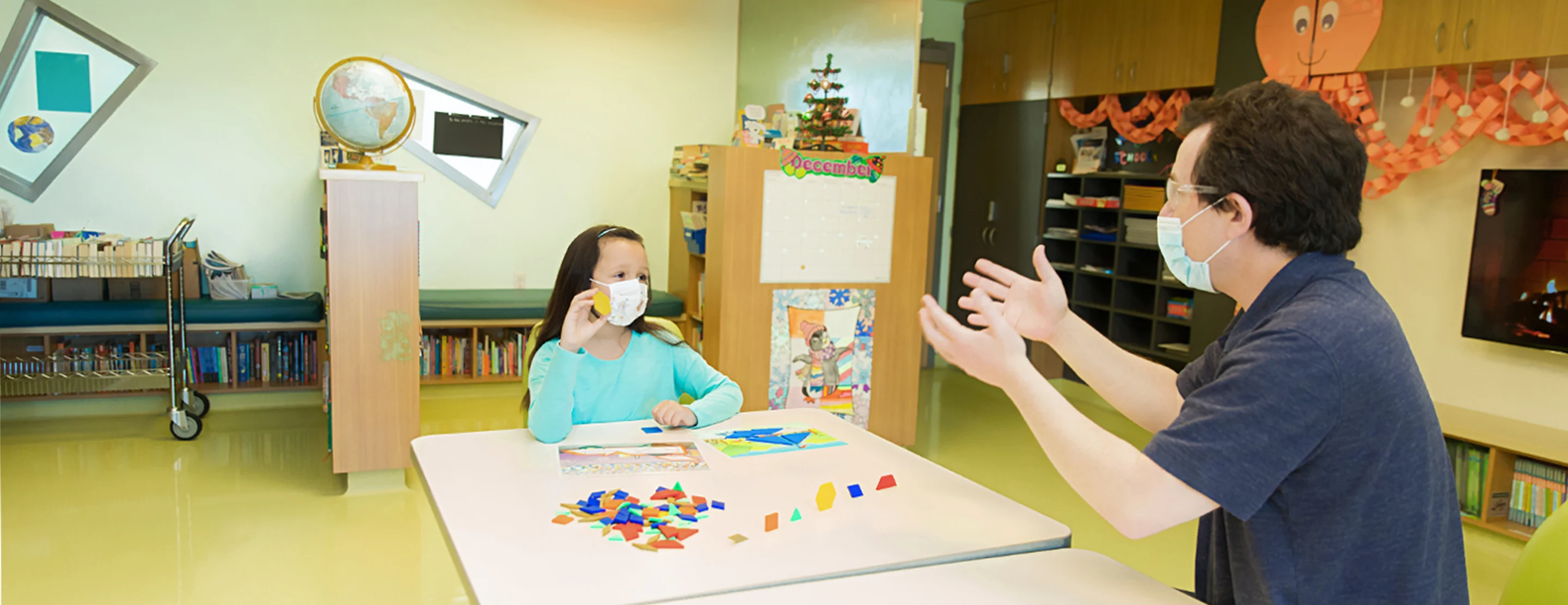
School Program for Hospitalized Children
Our schoolroom services and individual learning programs help children hospitalized at UCSF continue their education and get ready to return to school.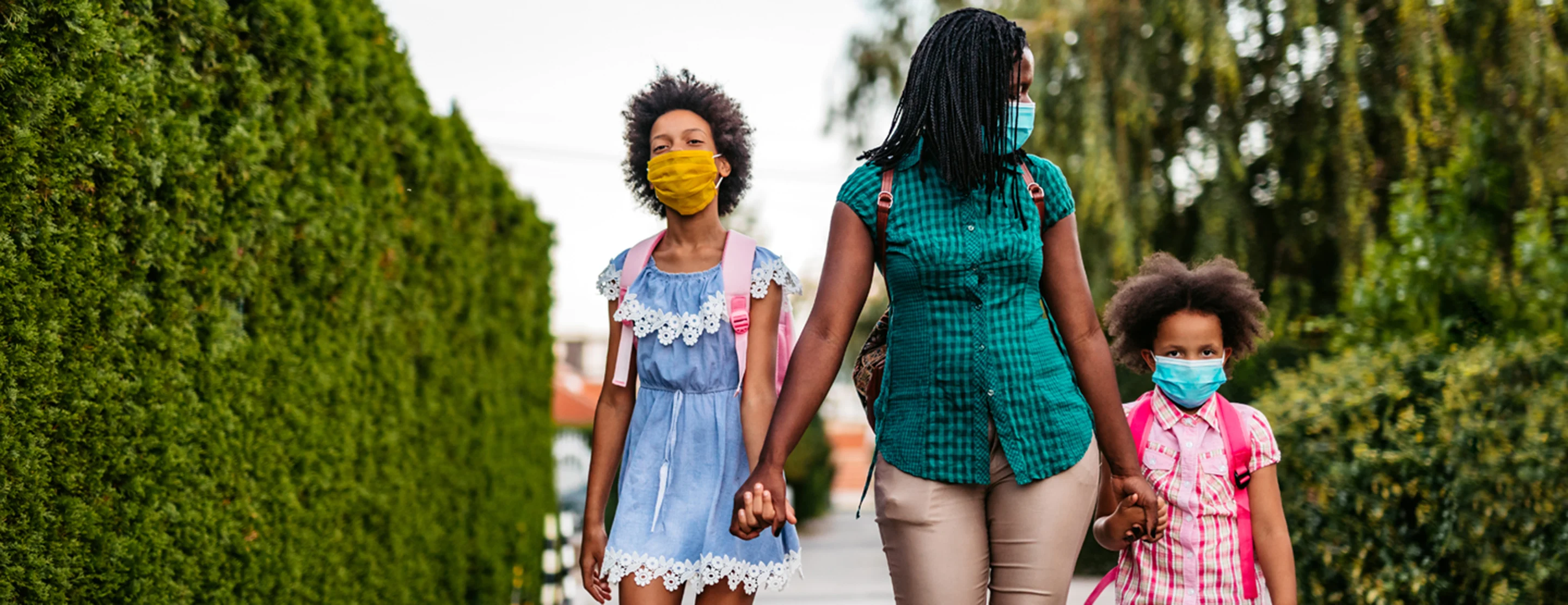
School Re-Entry Program
We help kids return to school after hospitalization by educating staff and students about their needs and recommending needed accommodations. Read more.
Family Amenities
Family-friendly amenities help you relax and take care of yourself while staying close to your child. We offer lounges, kitchens, showers, breastfeeding rooms and more.
Social Services at UCSF Benioff Children's Hospitals
Social workers ease the effect of illness, injury and hospitalization on your family with counseling and assistance to help you navigate the challenges.
Interpreter Services & Communication Assistance at UCSF Benioff Children's Hospitals
Interpreter services in many languages and TDDs are available for families that need help communicating with care teams. Here's how to access them.
Parent Support Program
Weekly activities, including knitting, scrapbooking, chair massage and more, help family caregivers get a much-needed break. Find out more.
Patient Relations at UCSF Benioff Children's Hospitals
Patient relations reps and nursing supervisors are here to answer questions and address concerns. Learn about your rights, how to reach us and more.
Spiritual Care at UCSF Benioff Children's Hospitals
Chaplains help UCSF patients, families and staff cope with the spiritual and emotional challenges of childhood illness. Learn more.
International Services at UCSF Benioff Children's Hospitals
If you're coming to UCSF from outside the U.S., we coordinate your child's appointments and provide other helpful services. Here's how to get started.