Pediatric Bone Marrow Transplant (BMT)
On this page
What is a bone marrow transplant?
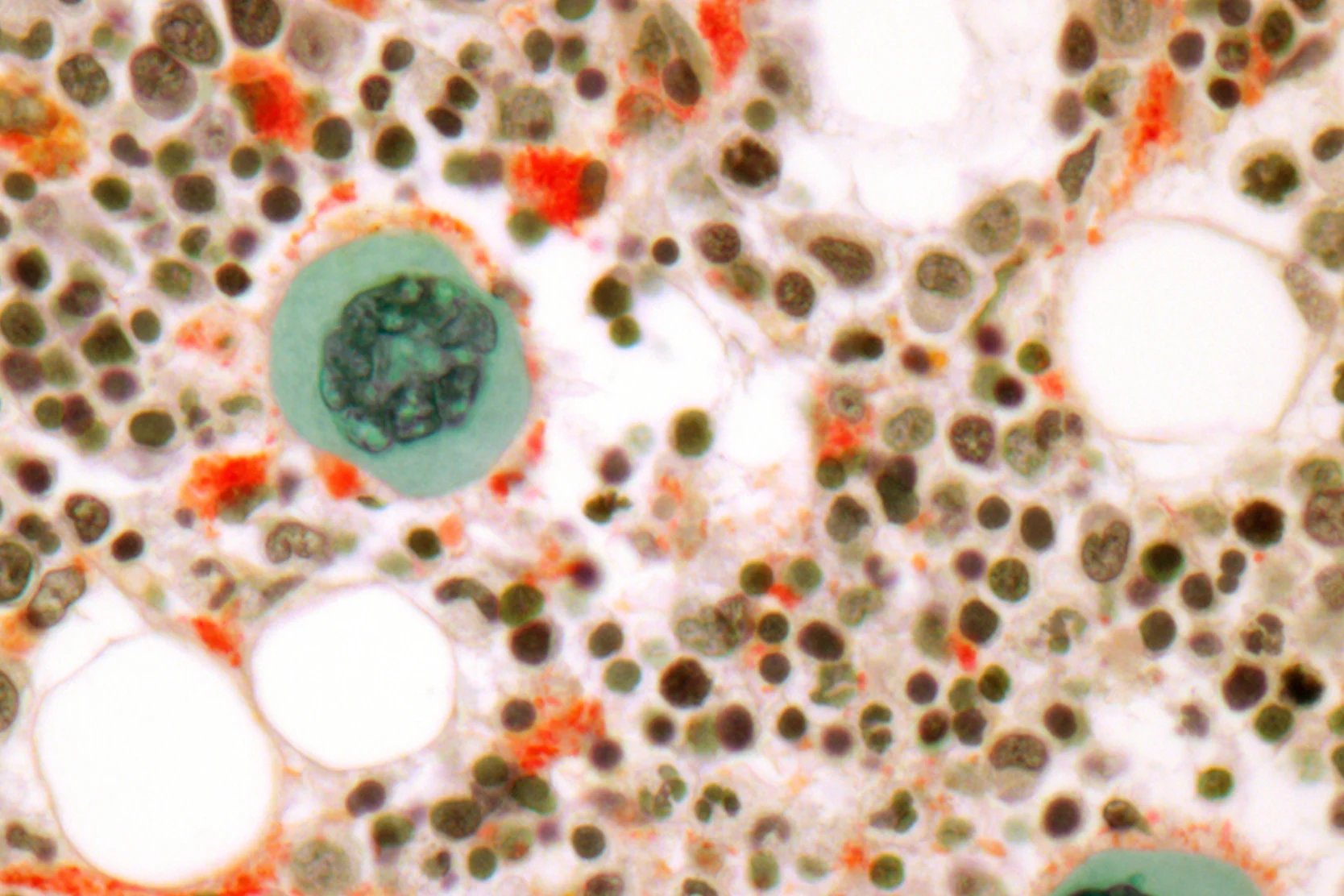
Also called a stem cell transplant, a bone marrow transplant (BMT) is a potentially lifesaving treatment for children with blood cancers, such as leukemia, Hodgkin's lymphoma and non-Hodgkin's lymphoma, as well as for kids with inherited blood disorders, such as sickle cell anemia and thalassemia. A BMT is also used to treat bone marrow diseases, such as aplastic anemia, and certain solid cancers, such as brain tumors and sarcomas. The procedure uses stem cells – immature cells that can turn into various specific cell types – from the bone marrow.
The goal of a BMT is to replace the damaged or diseased tissue inside bones with healthy, functional tissue. Bone marrow – a soft, spongy tissue – produces stem cells that can become red blood cells, white blood cells or platelets. Each blood component serves a unique purpose: Red blood cells carry oxygen, white blood cells fight infection and platelets help blood clot.
In a BMT procedure, the patient is infused with healthy stem cells that will migrate to their bones and start producing new blood cells. The transplanted cells may come from a healthy matched donor (often a relative) or, if possible, collected from the patient.
The long-term survival rate for children who undergo a BMT depends on the disease being treated. For leukemia, there is a wide range, from 30 to 70%; for genetic diseases, the rate is 80 to 95%.
Before the transplant, the patient undergoes a conditioning regimen designed to help the transplant succeed. Patients may receive chemotherapy, other medications, radiation or some combination of these. A conditioning regimen has three goals: to destroy any remaining cancer cells, to make room in the bone marrow for new stem cells to grow, and to suppress the immune system so it won't reject the transplanted cells.
Bone marrow donors
Our BMT program uses stem cells from several types of donors. The two main categories are autologous and allogeneic:
- Autologous donors. It's possible to use the patient's own stem cells (auto means "self" or "same") to treat some types of cancer. The cells may be collected from marrow in the hip bone or from the blood (where stem cells float freely). They are transfused back into the patient after the intensive conditioning regimen.
- Allogeneic donors. These stem cells come from a matched donor – someone whose genetic profile is similar to that of the patient. (Allo means "other.") The closer the match, the higher the chance of a successful transplant. Donors may be relatives, unrelated volunteers, or strangers found through a bone marrow donor registry. Transplants can also use stem cells from umbilical cord blood, which may be collected from the placenta and umbilical cord after a baby is born.
Patients with leukemia tend to benefit most from an allogeneic transplant because it provides a "graft-versus-leukemia effect," in which the donor's healthy bone marrow cells kill residual leukemia cells, decreasing the chance of a relapse. An allogeneic BMT offers the same advantage for some cases of lymphoma and certain other cancers.
The bone marrow transplant process
The process can be broken down into six phases:
- The transplant decision
- Before admission
- Admission to the BMT unit
- Day of the transplant
- After the transplant
- Leaving the hospital
Reducing risks from a bone marrow transplant
Although a BMT is the best – and sometimes only – treatment option for some diseases, it carries certain risks and potential long-term effects, especially for patients who need a second procedure. Risks include damage to healthy tissues, such as the brain, lungs, liver and kidneys.
New methods of preparing for and performing BMTs are reducing some of those risks. These techniques include:
- Busulfan pharmacokinetic studies. This approach allows us to customize the chemo dosage used to prepare a child for a BMT.
- Reduced intensity conditioning. For some patients, we use lower doses of chemo drugs and radiation than those of the standard conditioning regimens.
- Transplants using umbilical cord blood. These stem cells are less likely to be rejected by the patient's body than cells collected from an adult donor.
Post-transplant risks
The period immediately following the transplant procedure is critical. Some children get through it with few problems, but this is a time when serious and even life-threatening complications are more likely to occur.
Possible post-transplant complications include:
- Mouth sores, throat pain, nausea or vomiting (as a result of chemotherapy or radiation)
- Anemia (insufficient numbers of red blood cells), causing tiredness, shortness of breath and other symptoms
- Bleeding (resulting from reduced numbers of platelets, which are essential for clotting)
- Increased susceptibility to infections
- Organ damage
- Pneumonia and other complications of the lungs
- Stem cell failure (the transplanted cells don't take)
- Graft-versus-host disease (GVHD)
Graft-versus-host disease
This occurs when the donor's cells perceive the recipient's tissues as foreign and attack them. (There is no risk of GVHD when the patient's own cells are transplanted.)
There are two types of GVHD: Acute GVHD occurs in the first days or weeks following the transplant and can affect the skin, immune system, liver or other organs. Chronic GVHD develops months after the procedure and can cause a range of symptoms, including rashes, vision problems, fatigue, muscle weakness, joint pain, lung damage and pericarditis (inflammation of the membrane surrounding the heart).
To prevent or treat GVHD during the first few weeks following the transplant, your child will be given a high dose of drugs that suppress the immune system. After that time, the dose is reduced, though your child will have to keep taking immunosuppressants indefinitely to prevent rejection of the transplanted cells.
Side effects of immunosuppressants
Immunosuppressants are used to keep the immune system from attacking bone marrow cells that came from a donor. But by tamping down the immune system, the drugs can also cause a variety of short- and long-term side effects.
Right away, the drugs leave a patient more prone to all types of infections – from bacteria, viruses, fungi and parasites. The risk of infection is highest in the first two to three weeks after a transplant, but patients may continue to be susceptible for up to 18 months.
During this time, your child's doctor and the UCSF transplant team will monitor your child's health carefully. To lower the risk of infection, your child may be given antimicrobial medications and colony-stimulating factors, drugs that enhance blood cell production.
Talk with the care team about how to keep your child healthy. They may advise having your child wear a mask in crowded settings and avoiding contact with anyone who doesn't feel well. Make sure your child isn't exposed to smoke.
Immunosuppressants can also have long-term health consequences, including an increased risk of:
- Cancer
- Dental issues, such as gum disease and tooth decay
- Fertility problems
- Gout
- Kidney problems
- Osteoporosis
- Plaque buildup in the arteries
- Stunted growth
- Thyroid gland dysfunction
UCSF Benioff Children's Hospitals medical specialists have reviewed this information. It is for educational purposes only and is not intended to replace the advice of your child's doctor or other health care provider. We encourage you to discuss any questions or concerns you may have with your child's provider.
Awards & achievements

Best in Northern California and top 10 in the nation for cancer care

Ranked among the nation's best in 11 specialties

Designated an early phase clinical trials core site by the Children's Oncology Group

Accredited by the Foundation for Accreditation of Cellular Therapy
Related services
Recommended reading

Bone Marrow Donors for Pediatric Patients
Bone marrow donors may be relatives (including siblings) or unrelated volunteers. Find out what happens before, during and after bone marrow donation.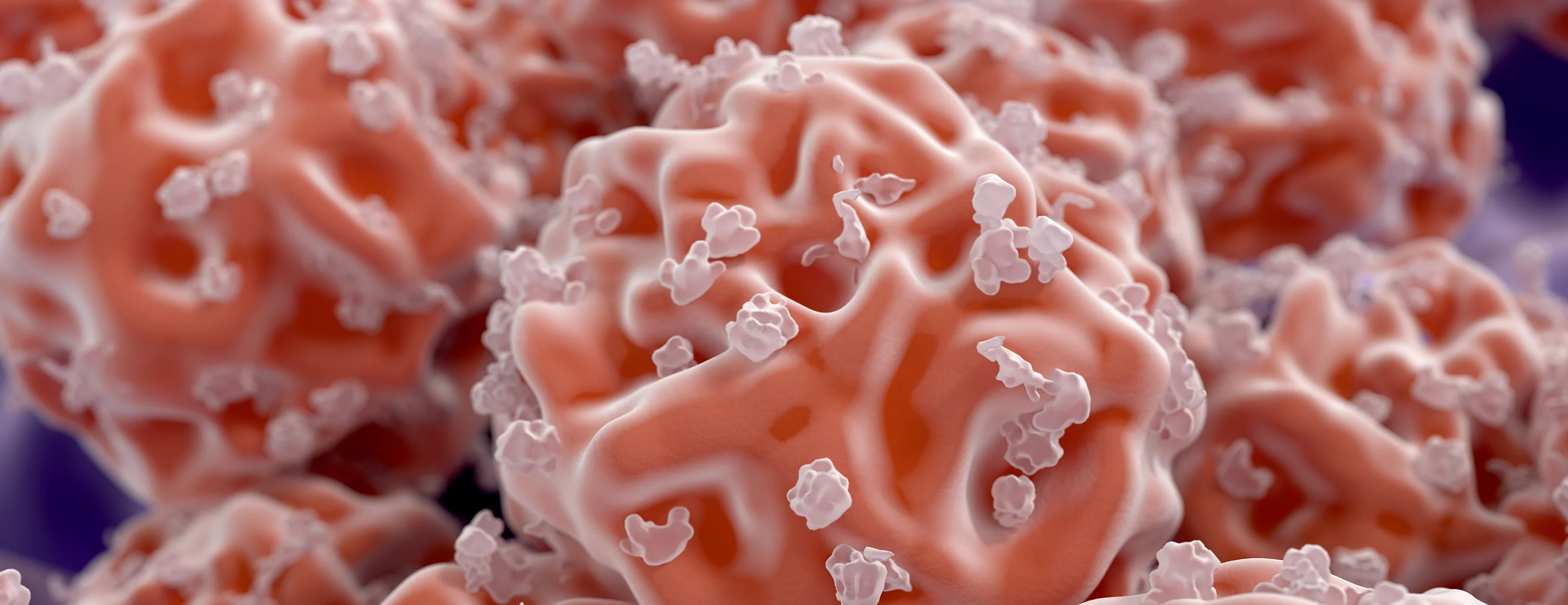
Pediatric Bone Marrow Transplant Process
Read up on the six phases of the BMT process, from making the transplant decision to leaving the hospital - and what this means for your child.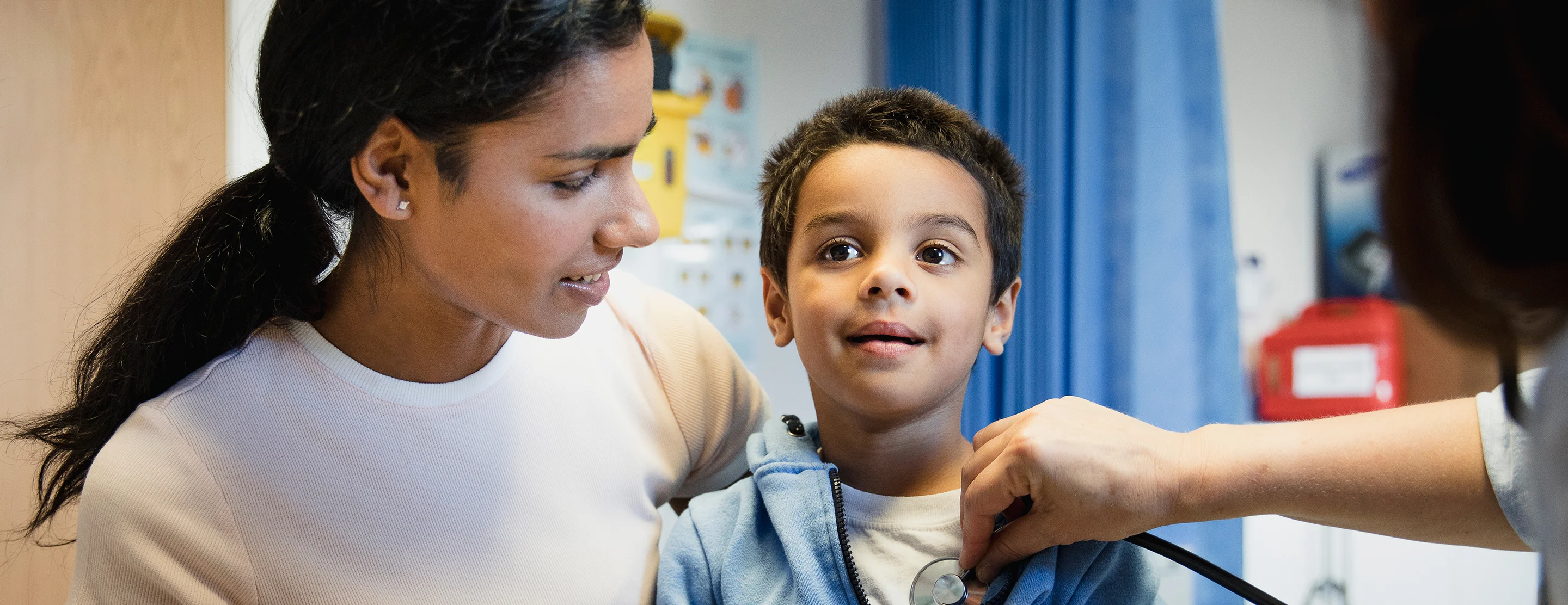
The Pediatric Bone Marrow Transplant Decision
Learn how the bone marrow transplant (BMT) decision is made, from initial consultation to pre-transplant work-up and evaluation.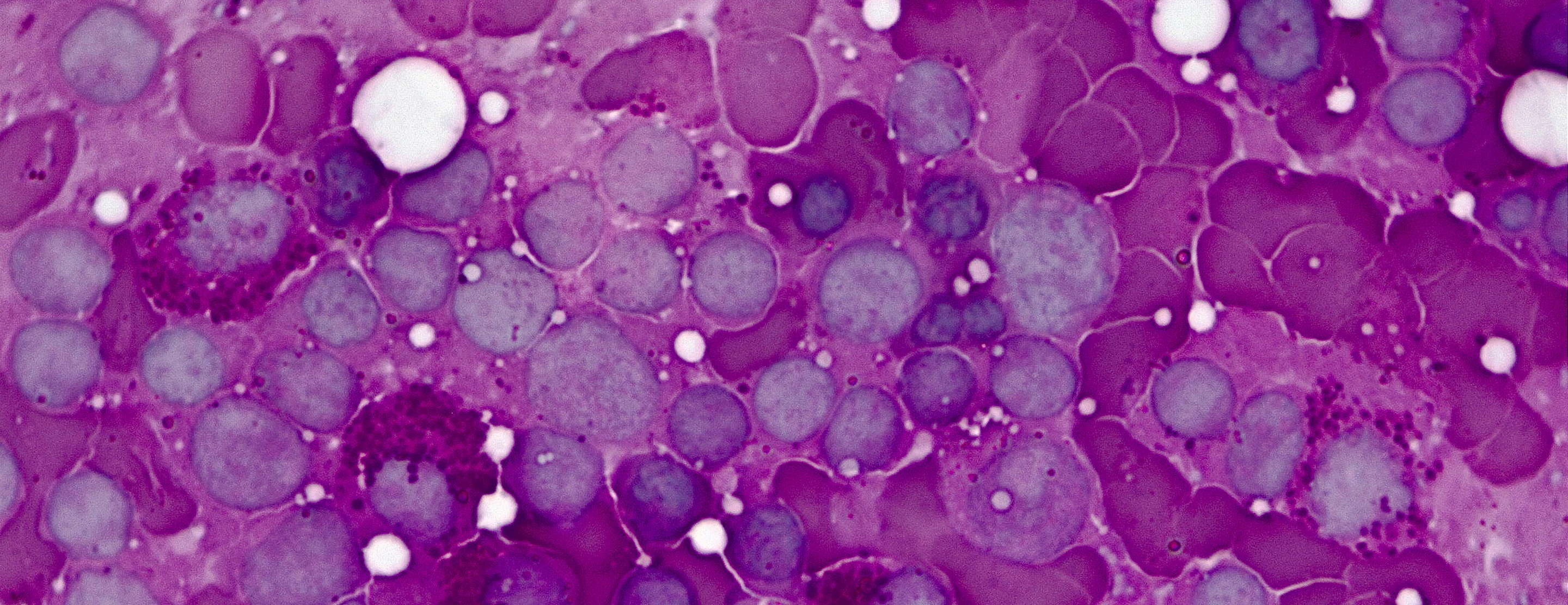
What Is Bone Marrow?
Bone marrow makes stem cells, which produce platelets and white and red blood cells. Here's why those cells are important to your child's health.
Dietary Concerns During a Pediatric Bone Marrow Transplant
BMT patients have a weakened immune system that raises their risk for food-borne infections. Learn the dietary guidelines that can help protect the transplant's success.
Emotional Aspects of a Pediatric Bone Marrow Transplant
The BMT journey can be stressful and emotional. Learn how to prepare your child, yourself and your family.
Rules for Visiting the Pediatric Bone Marrow Transplant Unit
Family members and friends who plan to visit a BMT patient in the hospital should be aware of the special rules they’ll need to follow.
Clinical trials
A Study of the Drug Letermovir as Prevention of Cytomegalovirus Infection After Stem Cell Transplant in Pediatric PatientsOpens in a new window
This phase III single arm trial determines whether taking prophylactic letermovir will reduce the likelihood of infection with cytomegalovirus (CMV) in children and adolescents after stem cell transplant compared to estimated rate of infection without prophylaxis...Dinutuximab With Chemotherapy, Surgery and Stem Cell Transplantation for the Treatment of Children With Newly Diagnosed High Risk NeuroblastomaOpens in a new window
This phase III trial tests how well the addition of dinutuximab to Induction chemotherapy along with standard of care surgical resection of the primary tumor, radiation, stem cell transplantation, and immunotherapy works for treating children with newly diagnosed high-risk neuroblastoma...A Study of Treatment of Inflammation Before Stem Cell Transplant in People With a Primary Immune Regulatory Disorder (PIRD) and/or an Autoinflammatory ConditionOpens in a new window
The researchers are doing this study to find out whether emapalumab or a combination of fludarabine and dexamethasone are effective in preparing people with a primary immune regulatory disorder (PIRD) and/or an autoinflammatory condition to receive a stem cell transplant...TRANSPIRE: Lung Injury in a Longitudinal Cohort of Pediatric HSCT PatientsOpens in a new window
Hematopoietic stem cell transplant (HSCT) is an effective but toxic therapy and pulmonary morbidity affects as many as 25% of children receiving transplant...