Pediatric Cancer Genetics & Prevention
On this page
Why choose UCSF Benioff Children's Hospitals for pediatric hereditary cancer care?
Up to 20% of childhood cancers are linked to genetic conditions. These conditions (called hereditary cancer predisposition syndromes) are caused by changes in certain genes that increase a person's risk of developing cancer. Genetic changes may be inherited (passed down through families) or occur spontaneously (not inherited).
Having a cancer predisposition doesn't mean your child will develop cancer. However, it does increase their risk, which makes regular monitoring and early detection especially important.
At UCSF Benioff Children's Hospitals, we provide specialized care for young people and families with an increased risk of cancer. Our team focuses on proactive surveillance so we can identify cancer as early as possible, when treatment is most effective. Research shows that actively screening patients with genetic cancer risks leads to improved survival rates.
Why choose UCSF Benioff Children's Hospitals for pediatric hereditary cancer care?
Up to 20% of childhood cancers are linked to genetic conditions. These conditions (called hereditary cancer predisposition syndromes) are caused by changes in certain genes that increase a person's risk of developing cancer. Genetic changes may be inherited (passed down through families) or occur spontaneously (not inherited).
Having a cancer predisposition doesn't mean your child will develop cancer. However, it does increase their risk, which makes regular monitoring and early detection especially important.
At UCSF Benioff Children's Hospitals, we provide specialized care for young people and families with an increased risk of cancer. Our team focuses on proactive surveillance so we can identify cancer as early as possible, when treatment is most effective. Research shows that actively screening patients with genetic cancer risks leads to improved survival rates.
Pediatric cancer clinical trials
We offer one of the largest selections of early-phase clinical trials in Northern California, including studies for children with genetic syndromes.Comprehensive program
Our team provides genetic counseling, genetic testing and individualized screening recommendations to help families better understand and manage their cancer risk.Family-centered care
Pediatric oncologists, genetic counselors, advanced practice providers, nurses and patient navigators provide compassionate support for patients and families.Pioneering research
We partner with cancer institutions around the world to advance research and improve care for children with hereditary cancer syndromes.
Who our program helps
Our program supports children who:
Do not have cancer, but carry a hereditary cancer-related gene mutation
Have a family history of cancer or tumors associated with a hereditary cancer syndrome
Have been treated for cancer, but have an increased risk of cancer recurrence or developing a second type of cancer due to a hereditary cancer syndrome
Have cancer that may be linked to a genetic syndrome
Our team has deep expertise in cancer predisposition syndromes, including:
Beckwith-Wiedemann syndrome
Constitutional mismatch repair deficiency (CMMRD) syndrome
DICER-1 syndrome
Down syndrome
Familial adenomatous polyposis (FAP)
Li-Fraumeni syndrome
Neurofibromatosis
How our hereditary cancer program helps
Our experts give your family support and guidance every step of the way so that you can make informed, confident decisions. We provide:
Comprehensive review. We review each child's medical and family history.
Genetic counseling. Our counselors help you understand the benefits and limitations of genetic testing and how a diagnosis may affect your child or other family members.
Advanced genetic and genomic testing. This specialized testing identifies any inherited cancer risk.
Screening recommendations. We provide individualized, age-appropriate screening recommendations and prevention strategies.
Referrals. We connect you to specialists with expertise in hereditary cancer syndromes.
Advanced treatments. Children may be eligible for targeted therapies, immunotherapies and clinical trials, when appropriate.
Testing for cancer predisposition syndromes
Your genetic counselor explains which tests are recommended and helps you coordinate your appointments. We offer:
Genetic testing. Germline genetic testing analyzes DNA from healthy cells using a blood or saliva sample. It helps us identify genetic changes you were born with that increase your cancer risk.
Genomic testing. Genomic testing looks at DNA from tumor cells. We use the UCSF500 Cancer Gene Panel, one of the most advanced and comprehensive genomic tests available. If testing shows cancer is linked to a genetic syndrome, it can help guide treatment decisions.
Providers

Nicola Cadenas, MS
Genetic Counseling
Jennifer Michlitsch, MD
Pediatric Hematology-Oncology
Cheryl Peretz, MD
Pediatric Hematology-Oncology
Arun Rangaswami, MD
Pediatric Hematology-Oncology
Awards & achievements


Best in Northern California and top 10 in the nation for cancer care

Designated an early phase clinical trials core site by the Children's Oncology Group

Ranked among the nation's best in 11 specialties


Related conditions & treatments
Conditions
- Abnormal Genetic Test Results
- Beckwith-Wiedemann Syndrome
- Cancer Genetics
- Cancer Syndromes
- DICER1 Gene
- Down Syndrome
- Familial Polyposis
- Gorlin Syndrome
- Hereditary Cancer Risk
Treatments
- Cancer Immunotherapy
- Cancer Prevention
- Cancer Screening
- Clinical Trials
- Genetic Cancer Risk Assessment
- Genetic Counseling
- Genetic Testing
- Genomics
- Hereditary Cancer Gene Panel

Research initiatives
Support services
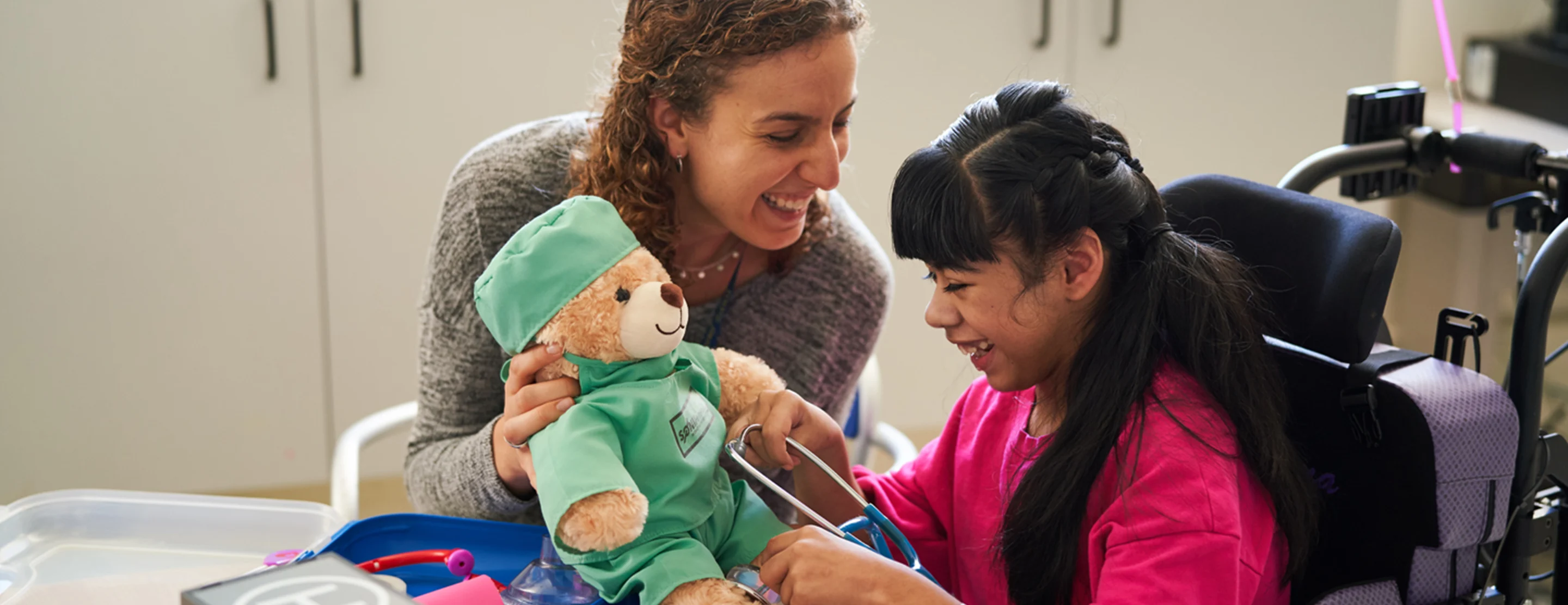
Child Life
Certified child life specialists ease the stress and anxiety of childhood illness through therapeutic play, schooling and family-focused support.
Family Amenities
Family-friendly amenities help you relax and take care of yourself while staying close to your child. We offer lounges, kitchens, showers, breastfeeding rooms and more.
Social Services at UCSF Benioff Children's Hospitals
Social workers ease the effect of illness, injury and hospitalization on your family with counseling and assistance to help you navigate the challenges.
Activity Rooms
Activity rooms offer a relaxed environment for children of all ages. Features include a playroom, digital arts studio and teen lounge. Find out more.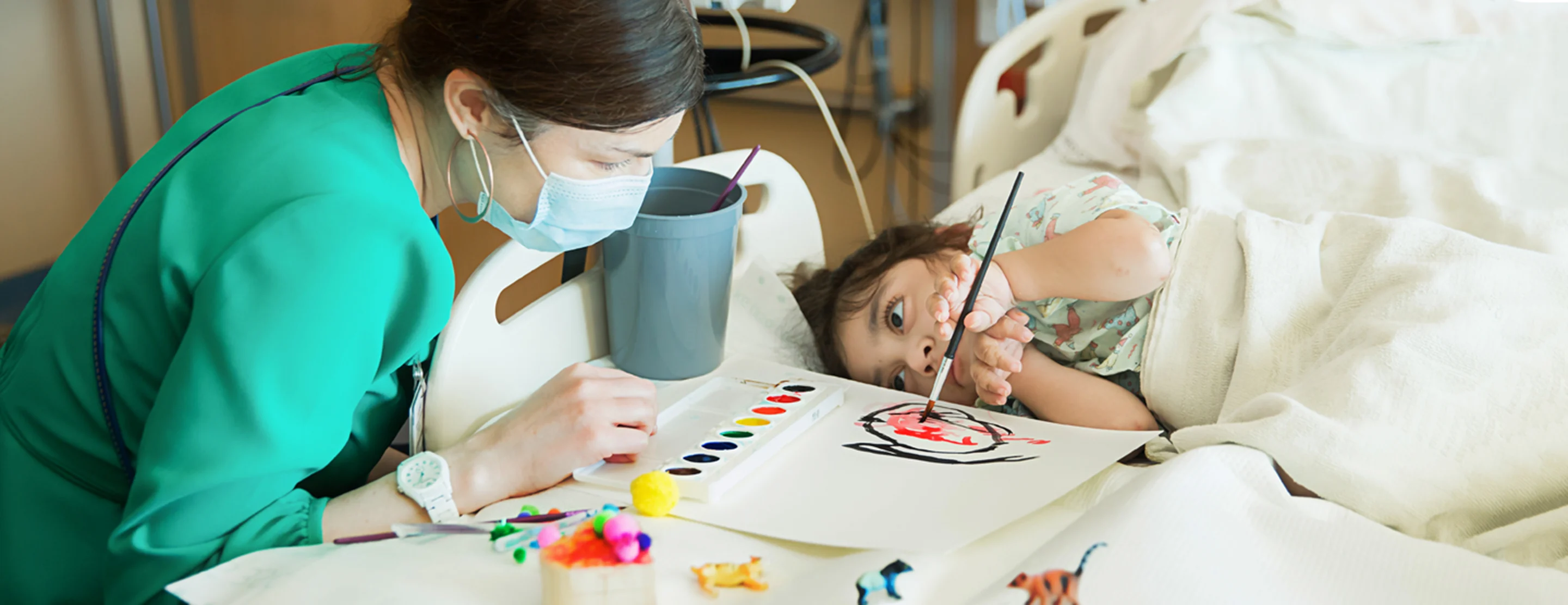
Pediatric Art Therapy Program
Art therapy helps kids and families express themselves, making it easier to cope with pediatric health issues. Group and bedside services are available.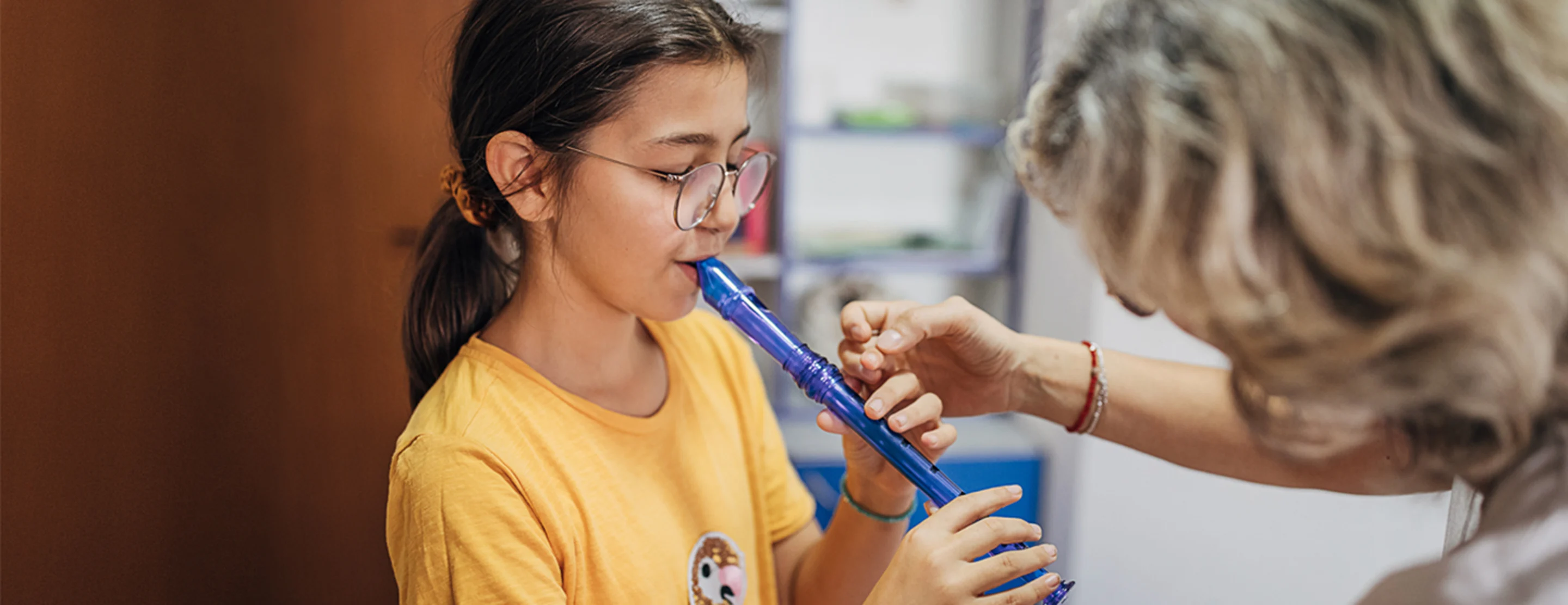
Pediatric Music Therapy Program
Board-certified music therapists help kids cope with illness and the feelings that come with it. Find out about group activities and bedside therapy.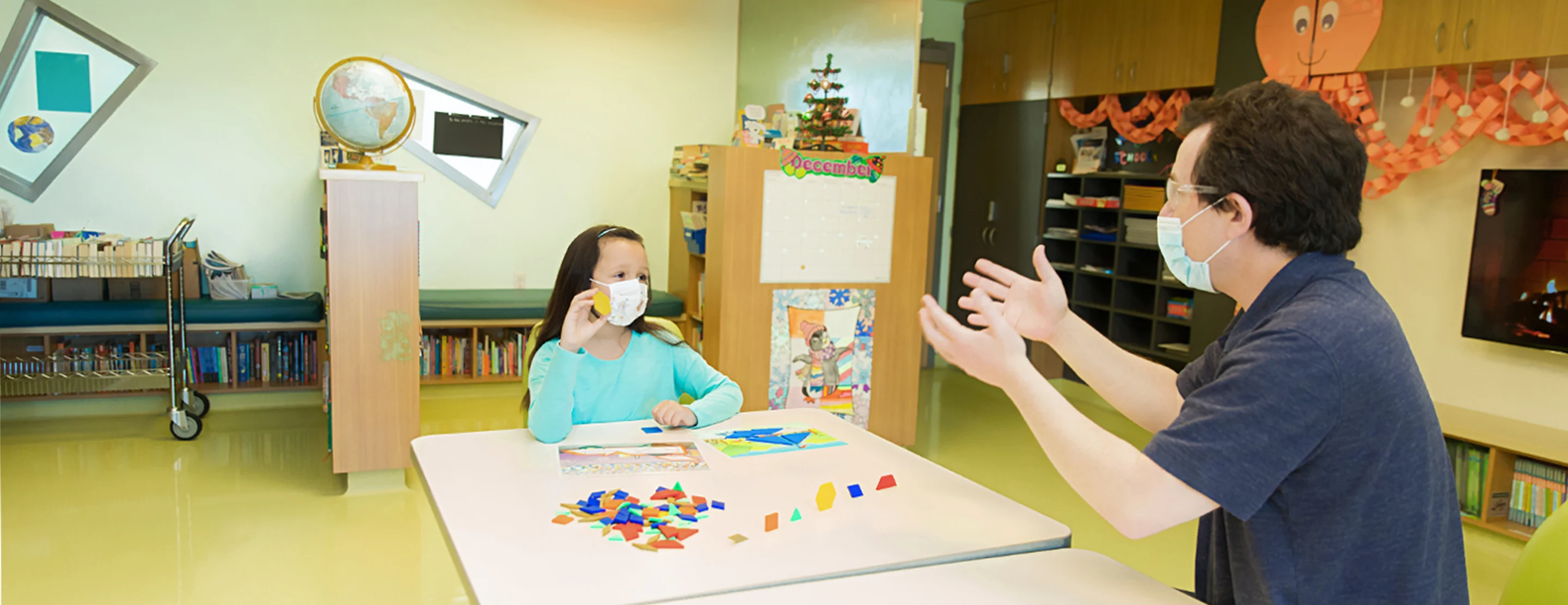
School Program for Hospitalized Children
Our schoolroom services and individual learning programs help children hospitalized at UCSF continue their education and get ready to return to school.
School Re-Entry Program
We help kids return to school after hospitalization by educating staff and students about their needs and recommending needed accommodations. Read more.
Individual Playtime & Instruction
If your child can't be around other kids for medical reasons, you can sign up for private sessions in our activity and school rooms. Find out how.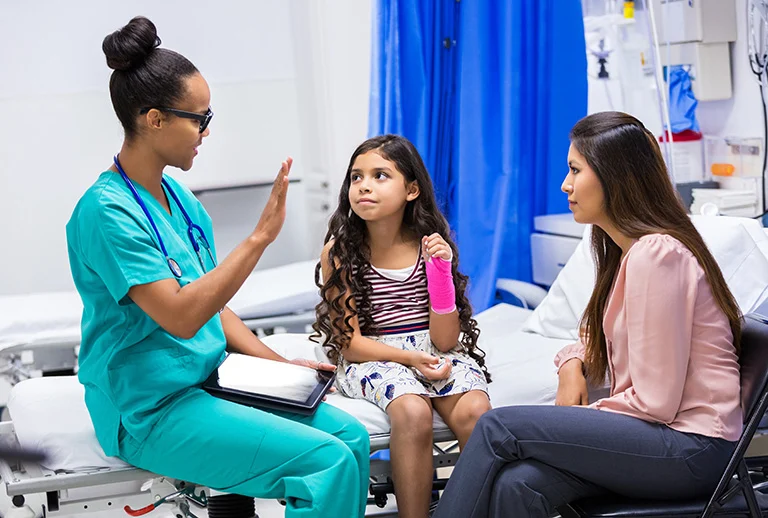
Interpreter Services & Communication Assistance at UCSF Benioff Children's Hospitals
Interpreter services in many languages and TDDs are available for families that need help communicating with care teams. Here's how to access them.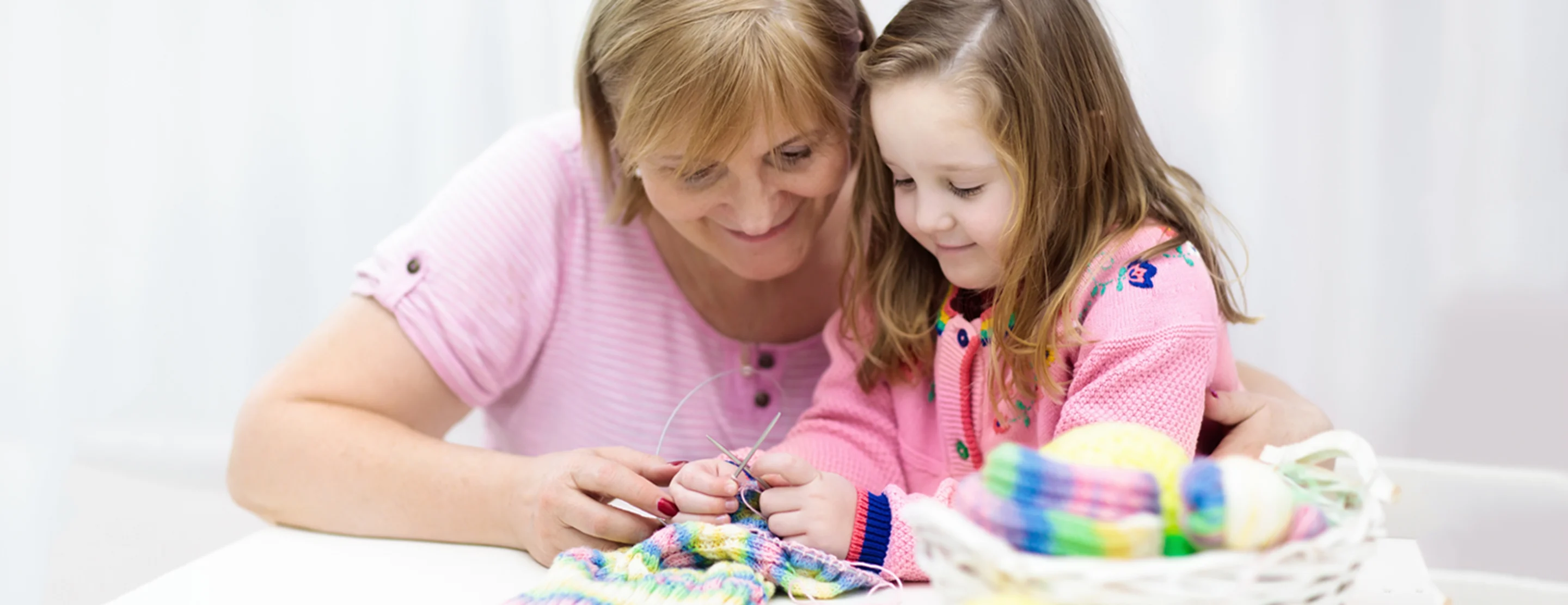
Parent Support Program
Weekly activities, including knitting, scrapbooking, chair massage and more, help family caregivers get a much-needed break. Find out more.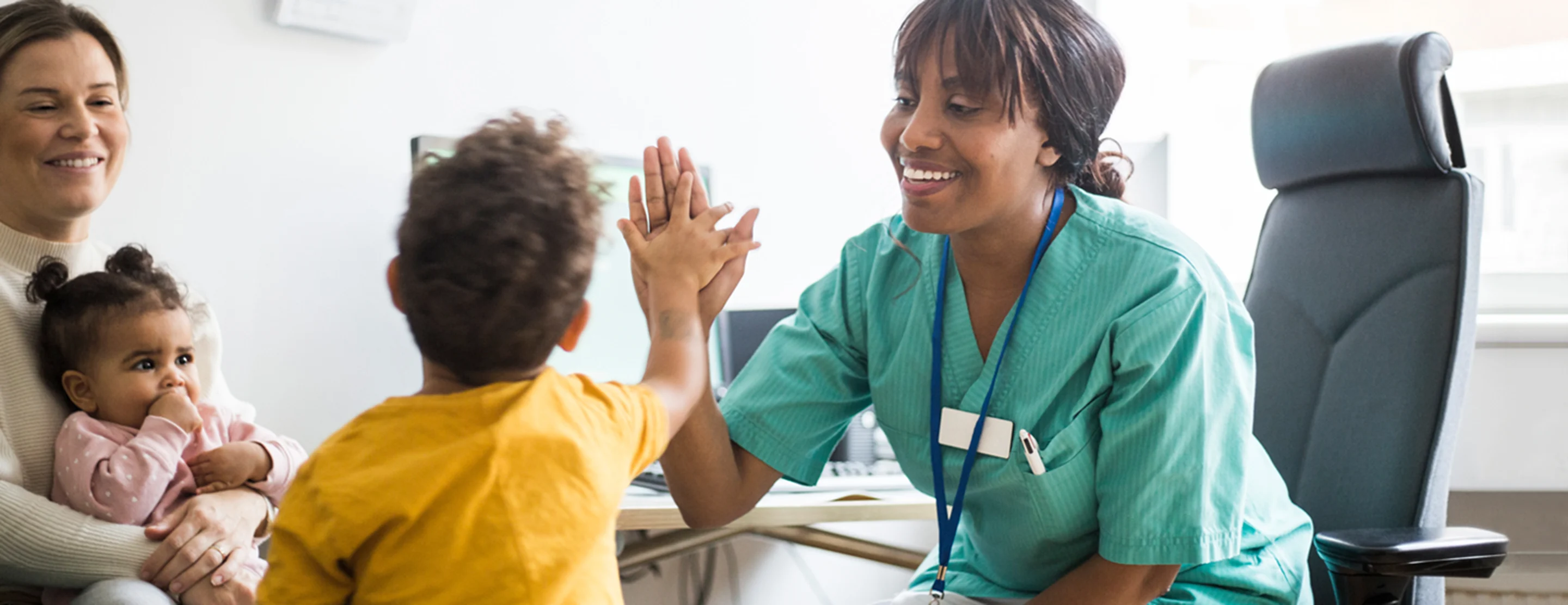
Patient Relations at UCSF Benioff Children's Hospitals
Patient relations reps and nursing supervisors are here to answer questions and address concerns. Learn about your rights, how to reach us and more.
Spiritual Care at UCSF Benioff Children's Hospitals
Chaplains help UCSF patients, families and staff cope with the spiritual and emotional challenges of childhood illness. Learn more.
International Services at UCSF Benioff Children's Hospitals
If you're coming to UCSF from outside the U.S., we coordinate your child's appointments and provide other helpful services. Here's how to get started.
Beads of Courage
We help children cope with cancer testing and treatment challenges by awarding colorful beads for each milestone they achieve. Find out about our program.
Camp Okizu
This overnight summer camp for children with cancer, siblings and families offers fun activities, education sessions and support in a beautiful setting.