Pediatric Precision Cancer Medicine Program
On this page
Why choose UCSF Benioff Children's Hospitals for personalized cancer care?
At UCSF Benioff Children's Hospitals, we are leading the way in precision cancer care by tailoring treatment to each child. Cancers can differ in important genetic and molecular ways.
State-of-the-art testing allows us to uncover these key differences so we can make more accurate diagnoses and select the most effective therapies. Through our clinical trials, children have access to promising new treatments before they're widely available.
Why choose UCSF Benioff Children's Hospitals for personalized cancer care?
At UCSF Benioff Children's Hospitals, we are leading the way in precision cancer care by tailoring treatment to each child. Cancers can differ in important genetic and molecular ways.
State-of-the-art testing allows us to uncover these key differences so we can make more accurate diagnoses and select the most effective therapies. Through our clinical trials, children have access to promising new treatments before they're widely available.
Leaders in precision cancer medicine
Our program is one of only a few nationwide offering clinical-grade RNA sequencing, which can reveal tumor characteristics that other tests may miss.Clinical trials for childhood cancers
As part of the National Cancer Institute's Pediatric Early Phase Clinical Trials Network, we offer one of the largest selections of trials in Northern California.Collaborative care
Our oncologists work with physicians nationwide to guide treatment decisions, so families benefit from our expertise while remaining close to home.Survivorship and support
We help cancer survivors understand their long-term health risks and make personalized care plans so they can thrive after treatment.
Genomic testing with UCSF500
The UCSF500 cancer gene panel is a sophisticated tool that analyzes both DNA and RNA to understand a tumor's molecular characteristics. It evaluates approximately 500 cancer-related genes, looking for changes (mutations) that could affect how the cancer behaves and responds to treatment.
The UCSF500 panel is part of routine care at UCSF, so every child we treat benefits from this advanced test. It helps us:
Confirm or refine a diagnosis
Detect changes, such as gene fusions, which are especially common in pediatric cancers
Identify new treatment opportunities for cancers that have relapsed or are resistant to treatment
Select treatments that are more likely to be effective
Opportunities for personalized therapies
We draw on molecular findings and our clinical expertise to better tailor treatment to each child. Testing can help us:
Better understand and predict how cancer might behave
Detect biomarkers that make a child eligible for a clinical trial
Determine whether we can safely increase or decrease the intensity of treatment
Discover gene alterations that can be targeted with specific therapies
Understanding inherited cancer risk
Another way we personalize care is through germline testing, which helps identify a child's inherited cancer risk. Germline testing analyzes DNA in normal cells, rather than tumor cells. It looks for genetic changes present at birth.
This information can help us understand a child's cancer risk and, in some cases, inform treatment or follow-up recommendations. Our pediatric hereditary cancer program provides comprehensive genetic testing, genetic counseling and guidance to support the whole family.
Highlights of our cancer care
Leading-edge treatments
We're among the first to offer new treatment options, as soon as they're proven safe and effective. In addition, patients can access promising experimental therapies by participating in one of our many clinical trials.Precision medicine
High-risk tumors are analyzed with the UCSF500 Cancer Gene Panel, a state-of-the-art test that identifies mutations in the tumor's DNA. The results can indicate the best treatment course and, in some cases, clarify the exact type of cancer.Seamless care, near and far
Dedicated patient navigators help families with managing referrals, insurance concerns and appointment planning. We work with patients and referring doctors well beyond the San Francisco Bay Area, thanks to our comprehensive telehealth system.Thorough follow-up
Our Pediatric Survivorship Program provides expert care to address any medical, psychological or social issues that arise after treatment is complete. The team also ensures smooth transitions to adult care providers as our patients leave childhood behind.
Providers

Anuradha Banerjee, MD
Pediatric Hematology-Oncology
Robert E. Goldsby, MD
Hematology and Medical Oncology • Medical Oncology
Arun Rangaswami, MD
Pediatric Hematology-Oncology
Alyssa Reddy, MD
Pediatric Neurology
Awards & achievements


Best in Northern California and top 10 in the nation for cancer care

Designated an early phase clinical trials core site by the Children's Oncology Group

Ranked among the nation's best in 11 specialties

Related services

Related conditions & treatments
Conditions
- Pediatric Cancer
- Pediatric Cancer Predisposition
Treatments
- Clinical Trials
- Genetic Cancer Risk Assessment
- Genetic Counseling
- Genetic Testing
- Genomics
- Targeted Molecular Therapy

Trials & research
Clinical trials
Larotrectinib to Enhance RAI Avidity in Differentiated Thyroid CancerOpens in a new window
Papillary thyroid cancer (PTC) is the most common form of differentiated thyroid cancer (DTC). The traditional first line treatment for patients with advanced DTC after surgical resection is radioactive iodine (RAI) therapy...
Research initiatives
Early-Phase Clinical Trials at UCSF: Pediatric Cancer
Search the directory of UCSF's active clinical trials open to children with cancer, including leukemia, lymphoma, neuroblastoma and brain tumors.
Support services
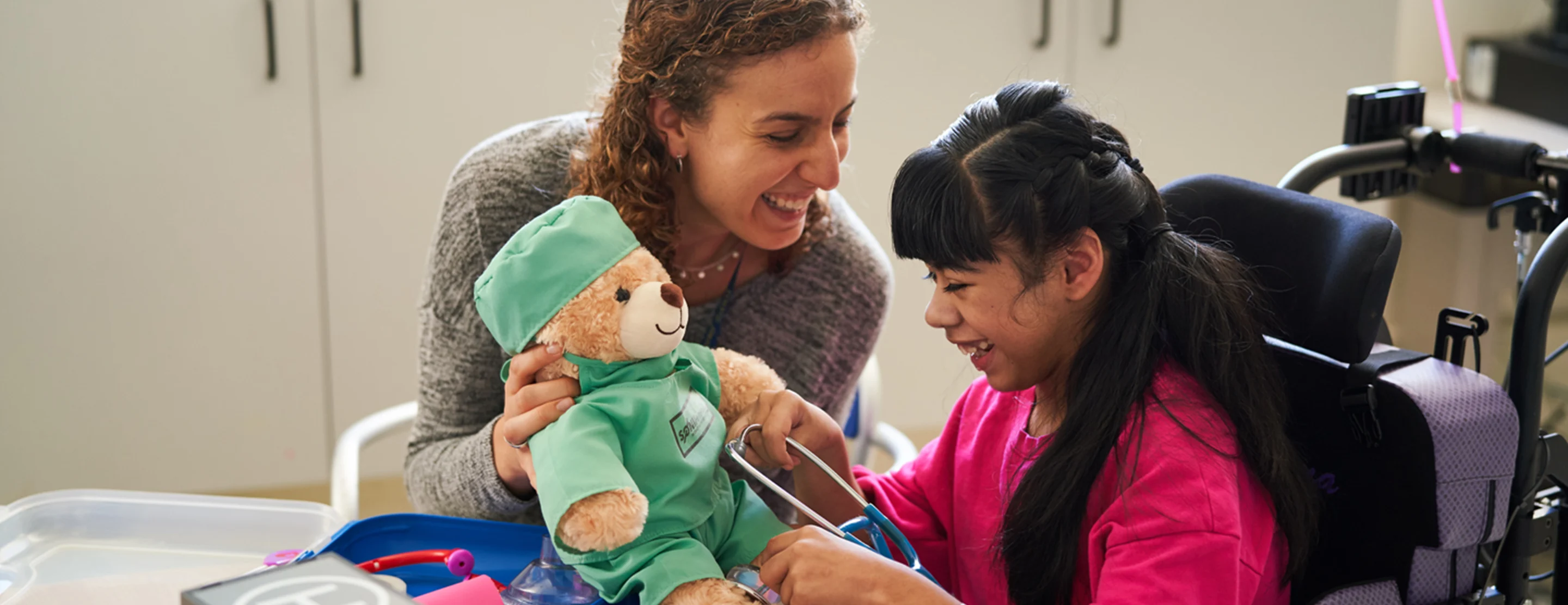
Child Life
Certified child life specialists ease the stress and anxiety of childhood illness through therapeutic play, schooling and family-focused support.
Beads of Courage
We help children cope with cancer testing and treatment challenges by awarding colorful beads for each milestone they achieve. Find out about our program.
Camp Okizu
This overnight summer camp for children with cancer, siblings and families offers fun activities, education sessions and support in a beautiful setting.
Individual Playtime & Instruction
If your child can't be around other kids for medical reasons, you can sign up for private sessions in our activity and school rooms. Find out how.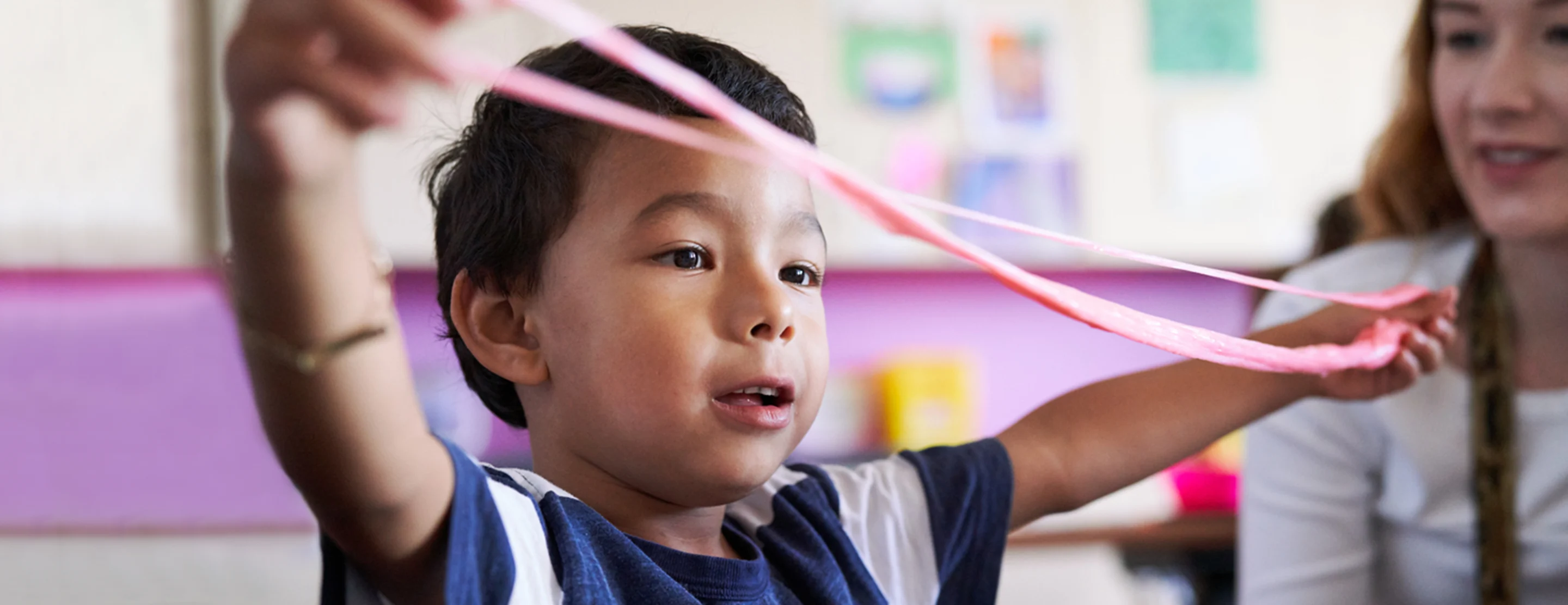
Activity Rooms
Activity rooms offer a relaxed environment for children of all ages. Features include a playroom, digital arts studio and teen lounge. Find out more.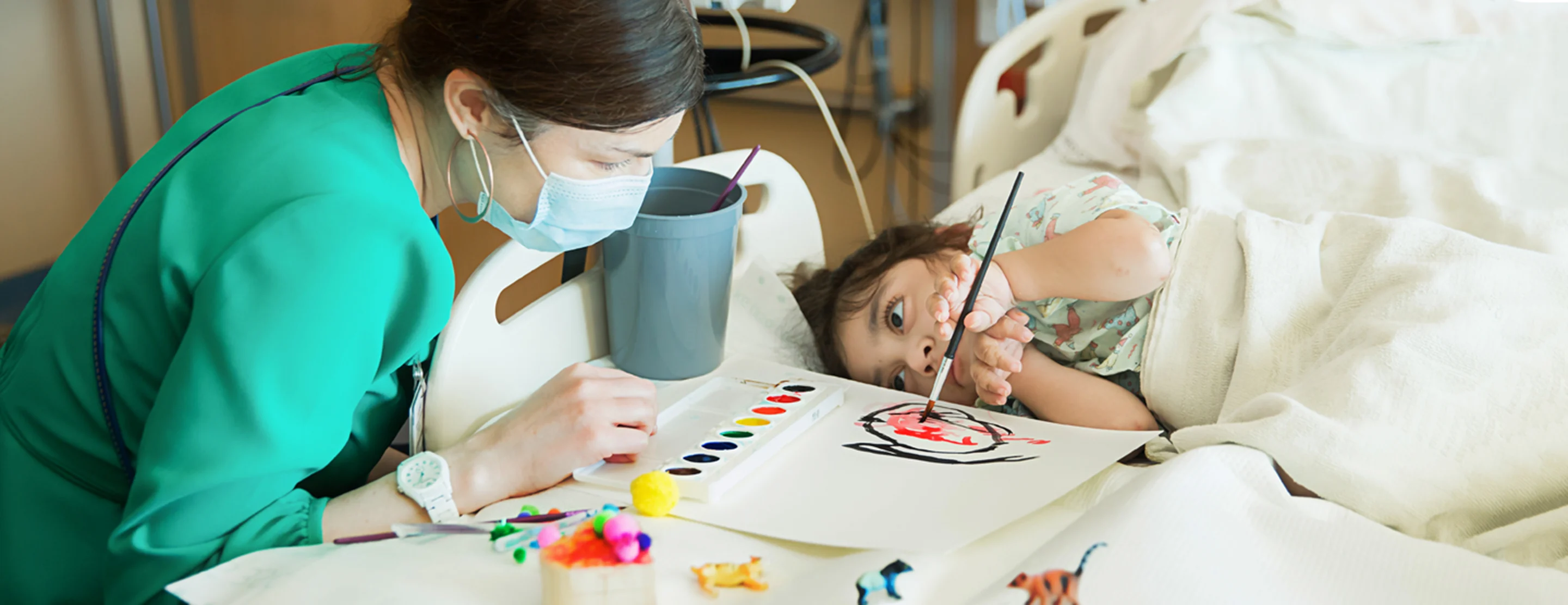
Pediatric Art Therapy Program
Art therapy helps kids and families express themselves, making it easier to cope with pediatric health issues. Group and bedside services are available.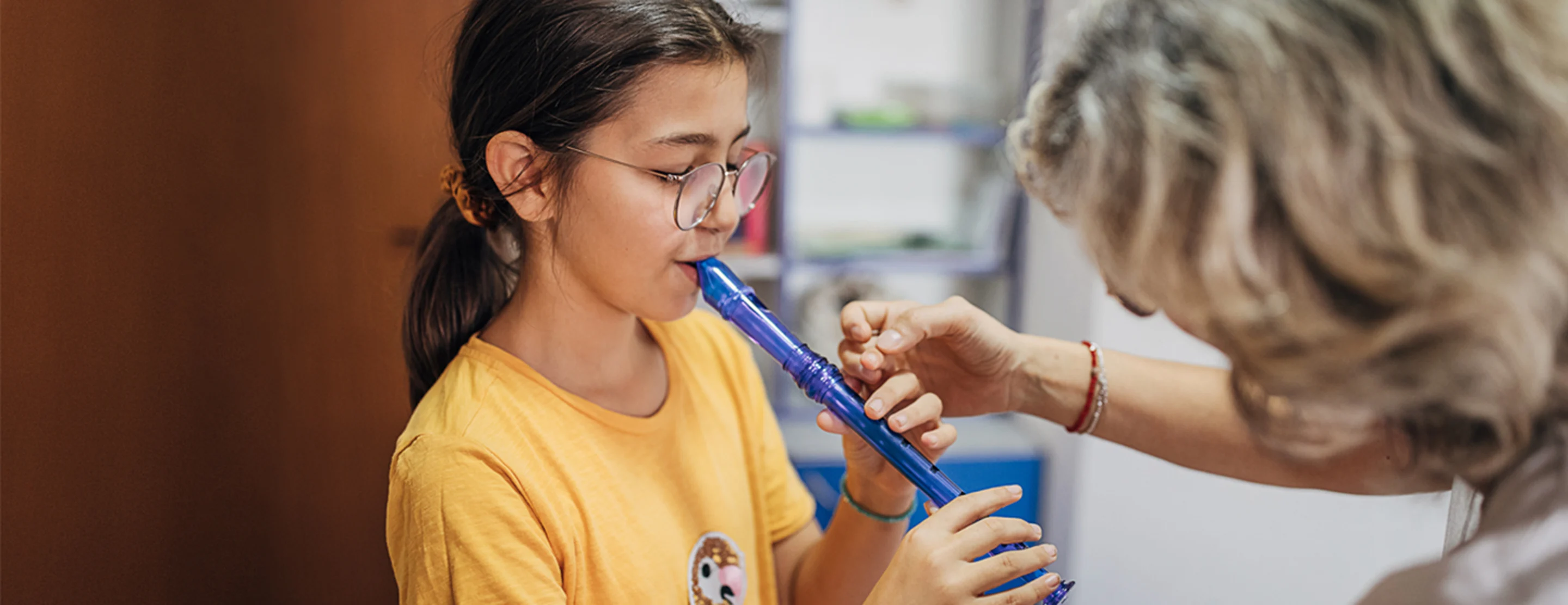
Pediatric Music Therapy Program
Board-certified music therapists help kids cope with illness and the feelings that come with it. Find out about group activities and bedside therapy.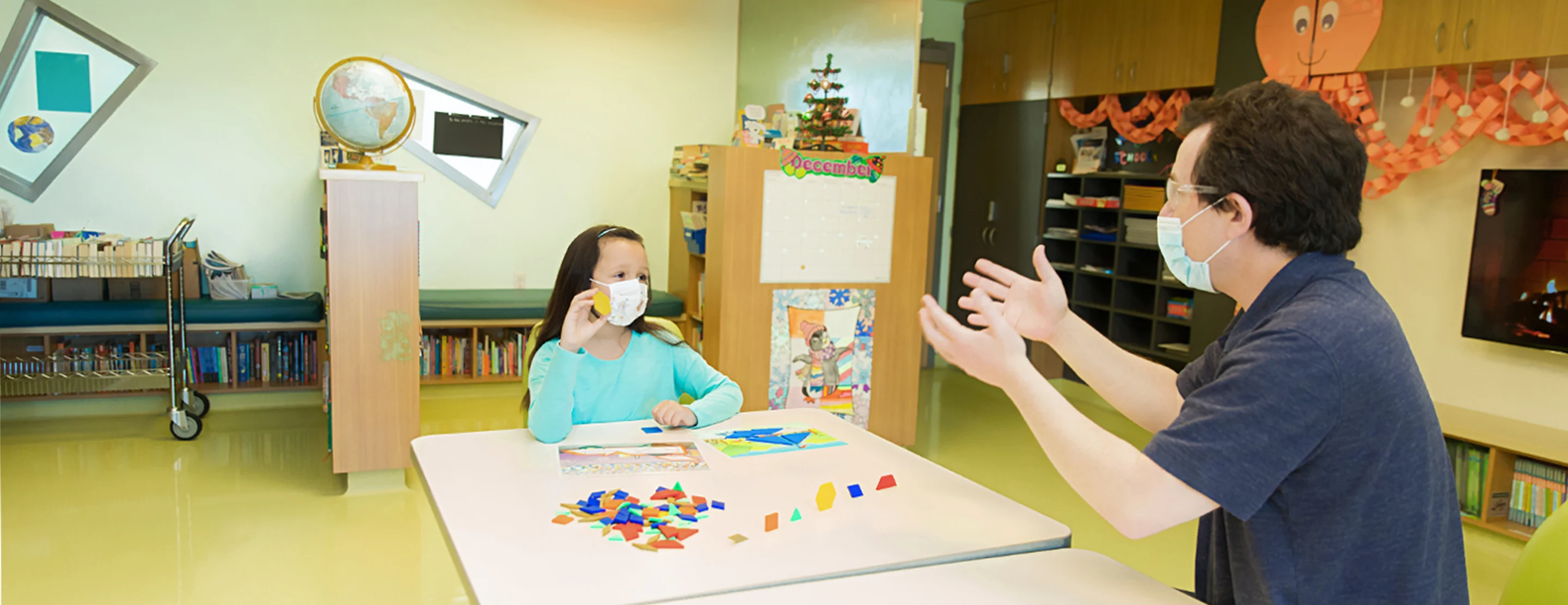
School Program for Hospitalized Children
Our schoolroom services and individual learning programs help children hospitalized at UCSF continue their education and get ready to return to school.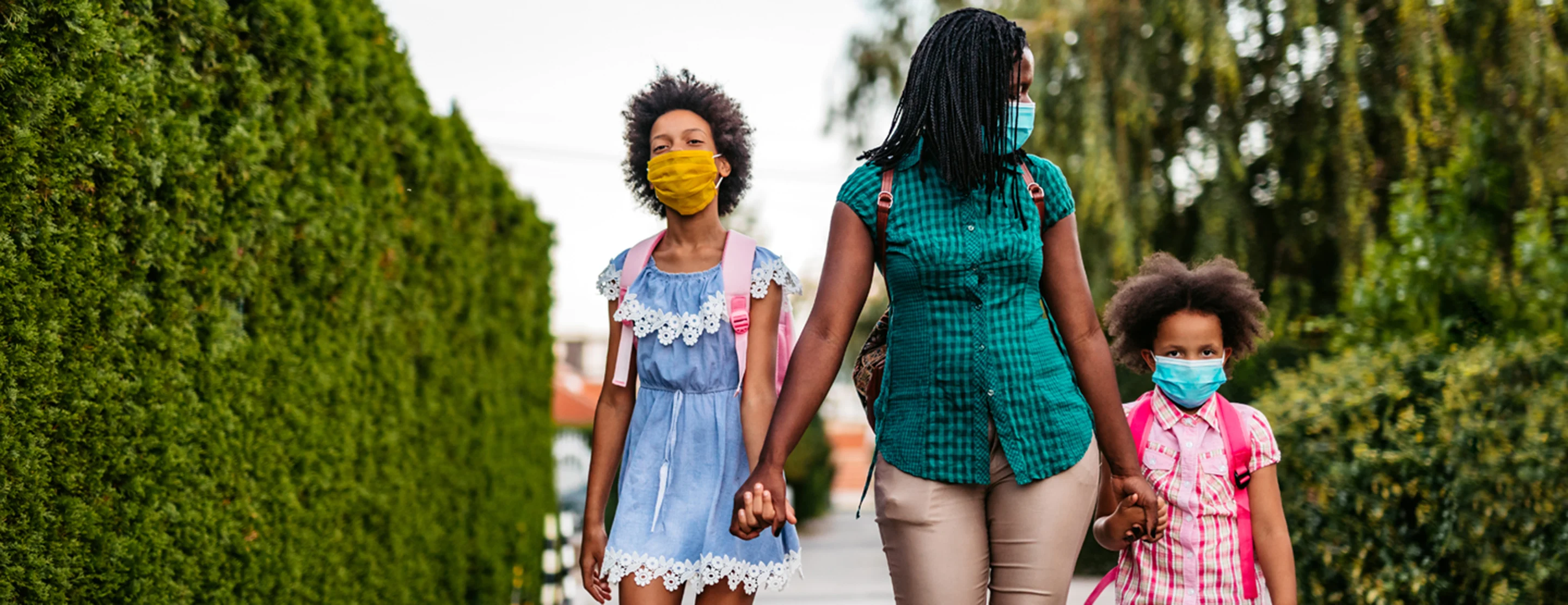
School Re-Entry Program
We help kids return to school after hospitalization by educating staff and students about their needs and recommending needed accommodations. Read more.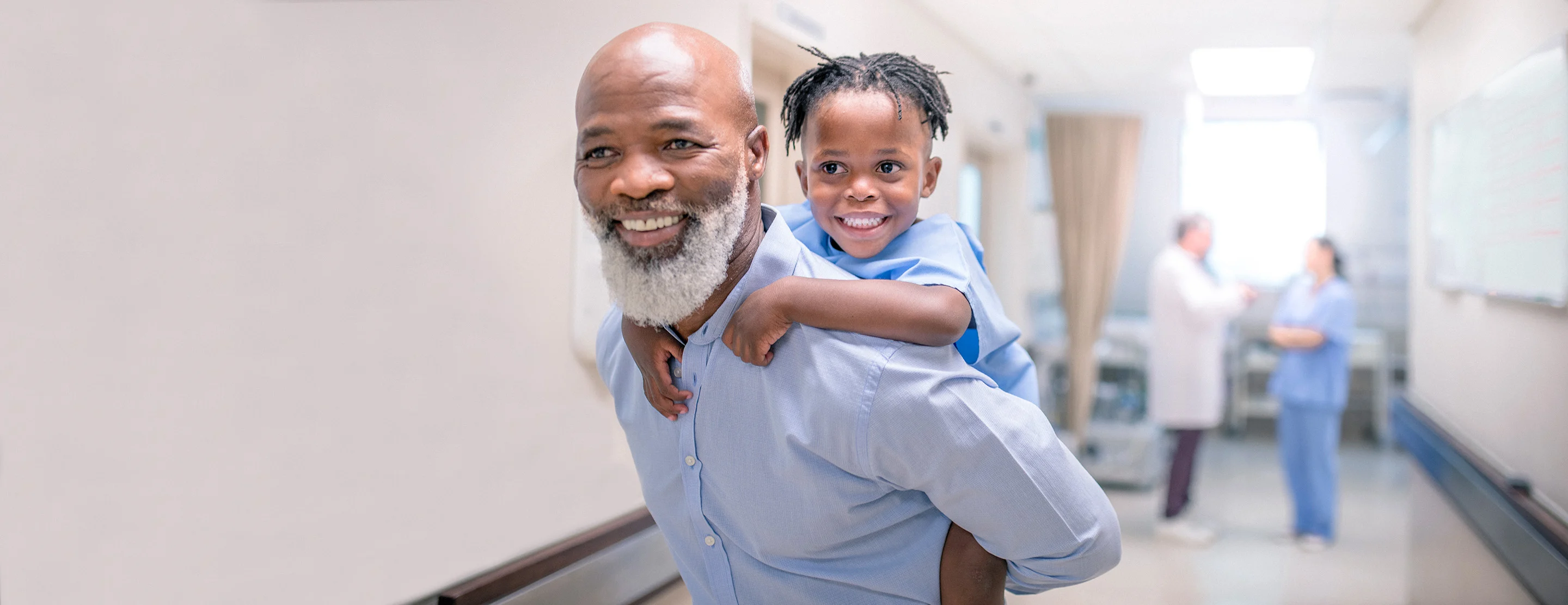
Family Amenities
Family-friendly amenities help you relax and take care of yourself while staying close to your child. We offer lounges, kitchens, showers, breastfeeding rooms and more.
Social Services at UCSF Benioff Children's Hospitals
Social workers ease the effect of illness, injury and hospitalization on your family with counseling and assistance to help you navigate the challenges.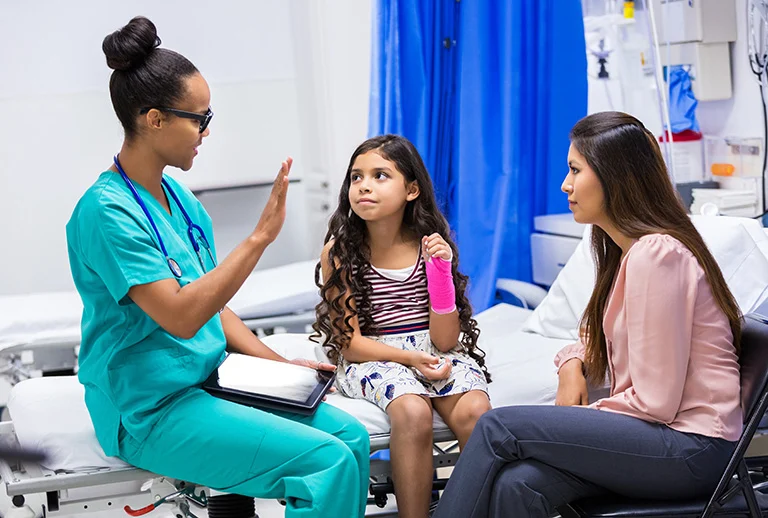
Interpreter Services & Communication Assistance at UCSF Benioff Children's Hospitals
Interpreter services in many languages and TDDs are available for families that need help communicating with care teams. Here's how to access them.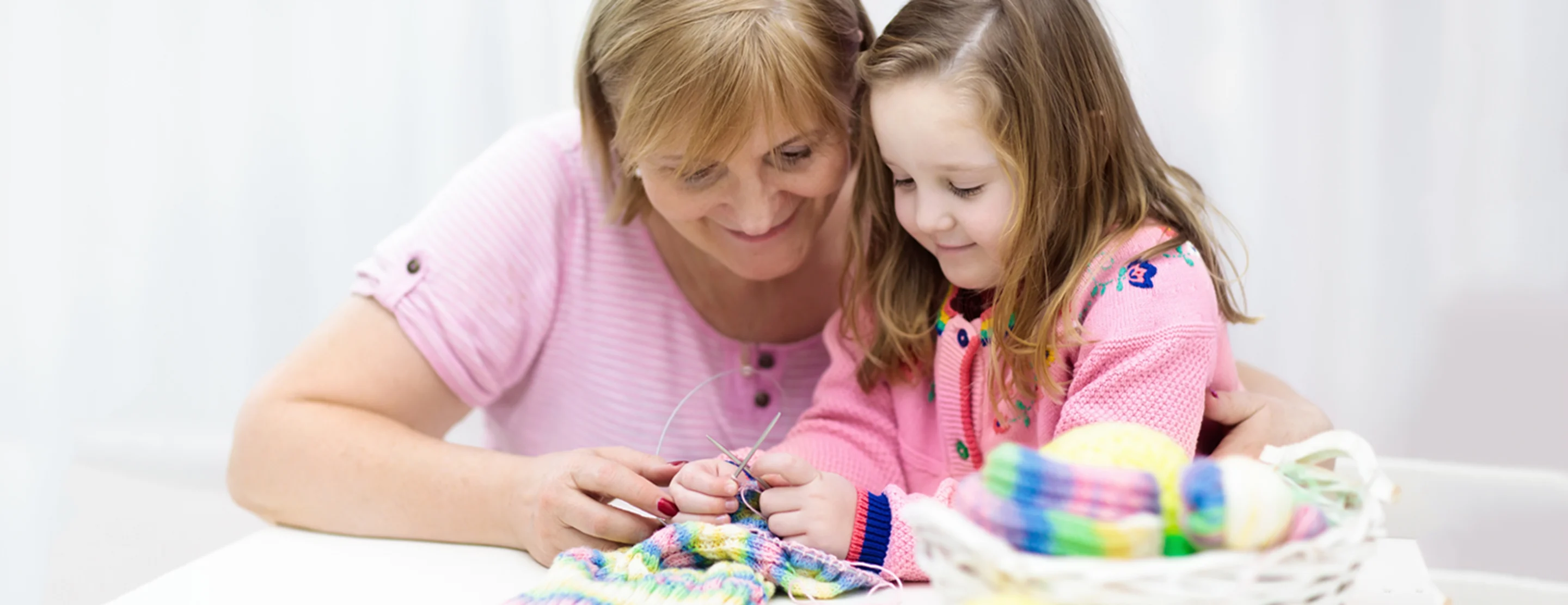
Parent Support Program
Weekly activities, including knitting, scrapbooking, chair massage and more, help family caregivers get a much-needed break. Find out more.
Patient Relations at UCSF Benioff Children's Hospitals
Patient relations reps and nursing supervisors are here to answer questions and address concerns. Learn about your rights, how to reach us and more.
Spiritual Care at UCSF Benioff Children's Hospitals
Chaplains help UCSF patients, families and staff cope with the spiritual and emotional challenges of childhood illness. Learn more.
International Services at UCSF Benioff Children's Hospitals
If you're coming to UCSF from outside the U.S., we coordinate your child's appointments and provide other helpful services. Here's how to get started.