Pediatric Liver Tumor & Hepatoblastoma
On this page
Why choose UCSF Benioff Children's Hospitals for pediatric liver cancer treatment?
Liver cancer in children is rare, which means it's especially important to seek care from specialists with deep expertise in diagnosing and treating it.
At UCSF Benioff Children's Hospitals, children and families find unmatched expertise, advanced treatments and unwavering support every step of the way. Our pediatric liver cancer program is among the nation's best. Internationally recognized doctors care for cancerous and noncancerous liver tumors in children, adolescents and young adults.
Why choose UCSF Benioff Children's Hospitals for pediatric liver cancer treatment?
Liver cancer in children is rare, which means it's especially important to seek care from specialists with deep expertise in diagnosing and treating it.
At UCSF Benioff Children's Hospitals, children and families find unmatched expertise, advanced treatments and unwavering support every step of the way. Our pediatric liver cancer program is among the nation's best. Internationally recognized doctors care for cancerous and noncancerous liver tumors in children, adolescents and young adults.
Pediatric liver cancer clinical trials
Our extensive clinical trials program gives patients early access to breakthrough therapies for relapsed diseases, including immunotherapies, such as CAR T-cell therapy.International liver tumor board
Our liver cancer specialists lead a global forum of surgeons, oncologists and pathologists who review complex cases and identify the most effective treatments available.Expertise in genetic predisposition syndromes
We specialize in conditions that increase liver cancer risk, including Beckwith-Wiedemann syndrome (BWS), Trisomy 18 and familial adenomatous polyposis (FAP).Collaborative care
Medical, surgical and radiation oncologists work alongside pathologists, gastroenterologists and other experts to design treatment tailored to each child.
Advanced genomic sequencing for liver tumors
Every child who comes to UCSF for cancer care benefits from the UCSF500 Cancer Gene Panel. This test analyzes a tumor's DNA to help identify what's driving the cancer. It may also reveal genetic predisposition syndromes or markers that help us select targeted therapies, predict treatment response and match patients to clinical trials.
Treatments for hepatoblastoma and other liver tumors
For many children with liver cancer, treatment involves a combination of therapies. Our goal is to cure cancer while protecting children's long-term health and quality of life.
Chemotherapy
Sometimes we give patients chemotherapy before surgery to shrink liver tumors so they're easier to remove. After surgery, chemotherapy can help destroy remaining cancer cells. For children who are waiting for a liver transplant, chemotherapy can help control tumor growth.
Cisplatin is the most common chemotherapy drug for liver cancer, but it can cause hearing loss. For some children with liver cancer that hasn't spread, we offer a medication called sodium thiosulfate (STS) alongside chemotherapy. This approach has been shown to reduce the risk of hearing loss by up to 50%.
Liver cancer surgery
Most children with liver cancer need surgery. We use minimally invasive techniques whenever possible to help them recover faster and with less pain.
We also use a breakthrough surgical technique that can detect cancer that has spread beyond the liver. During surgery, our surgeons inject a fluorescent dye into the bloodstream. When cancerous cells absorb the dye, they glow and can be seen in real time using a special camera. This helps surgeons locate and remove tumors that may not normally be visible on imaging scans.
Interventional radiology
Our interventional radiologists use catheter-based procedures to diagnose liver cancer. We perform minimally invasive, image-guided biopsies to collect tumor tissue for testing. This approach allows children to start treatment immediately after diagnosis, without having to wait to heal from a surgical biopsy.
We also use interventional procedures for children who aren't healthy enough for surgery or who need treatment to relieve symptoms. These procedures may include:
Radiofrequency ablation (RFA). Uses extreme heat to destroy tumors
Transarterial chemoembolization (TACE). Delivers a high dose of chemotherapy to the tumor while cutting off its blood supply
Transarterial radioembolization (TARE). Delivers radioactive beads directly to the tumor
Liver transplantation
A liver transplant may be needed for liver cancer that's still confined to the liver but can't be safely removed with surgery. UCSF's Pediatric Liver Transplant Program is one of the leading programs in the country.
We're among only a few hospitals offering living donor transplants. This allows us to schedule surgery at the right time for the patient instead of having to wait for a deceased donor organ to become available.
Our hepatologists are also national leaders in developing protocols to safely reduce immunosuppressive medications as soon as possible after liver transplant. This can help minimize the long-term side effects of these medications.
Children who have liver transplantation may have an increased risk of developing certain cancers later in life. Our oncologists, hepatologists and transplant surgeons work together to provide comprehensive, lifelong follow-up care to help manage these risks.
Providers

Kate Cheng, MD
Pediatric Gastroenterology • Pediatric Transplant Hepatology
Nicholas Fidelman, MD
Interventional Radiology
Sang-Mo Kang, MD
Transplant Surgery (Kidney) • Transplant Surgery (Liver)
Sarah L. Maxwell, MD
Pediatric Gastroenterology • Pediatric Transplant Hepatology
Awards & achievements

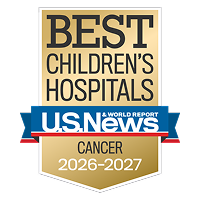
Best in Northern California and top 10 in the nation for cancer care

Designated an early phase clinical trials core site by the Children's Oncology Group

Best in Northern California and top 10 in the nation for gastroenterology & GI surgery
Ranked among the nation's best in 11 specialties

Related conditions & treatments
Conditions
- Cholangiocarcinoma
- Choledochal Cyst
- Fibrolamellar Carcinoma
- Focal Nodular Hyperplasia
- Hemangioendothelioma
- Hepatoblastoma
- Liver Cancer
- Liver Hemangioma
- Pediatric Cancer
Treatments
- Cancer Chemotherapy
- Fluorescence-Guided Surgery
- Genomics
- Liver Surgery
- Liver Transplant
- Living Donor Liver Transplant
- Radioembolization
- Radiofrequency Ablation

Trials & research
Clinical trials
ET140203 T Cells in Pediatric Subjects With Hepatoblastoma, HCN-NOS, or Hepatocellular CarcinomaOpens in a new window
Open-label, dose escalation, multi-center, Phase I/II clinical trial to assess the safety/tolerability and determine the recommended Phase II Dose (RP2D) of ET140203 T-cells in pediatric subjects who are AFP-positive/HLA-A2-positive and have relapsed/refractory HB, HCN-NOS, or HCC.Tegavivint for the Treatment of Recurrent or Refractory Solid Tumors, Including Lymphomas and Desmoid TumorsOpens in a new window
This phase I/II trial evaluates the highest safe dose, side effects, and possible benefits of tegavivint in treating patients with solid tumors that has come back (recurrent) or does not respond to treatment (refractory)...
Support services
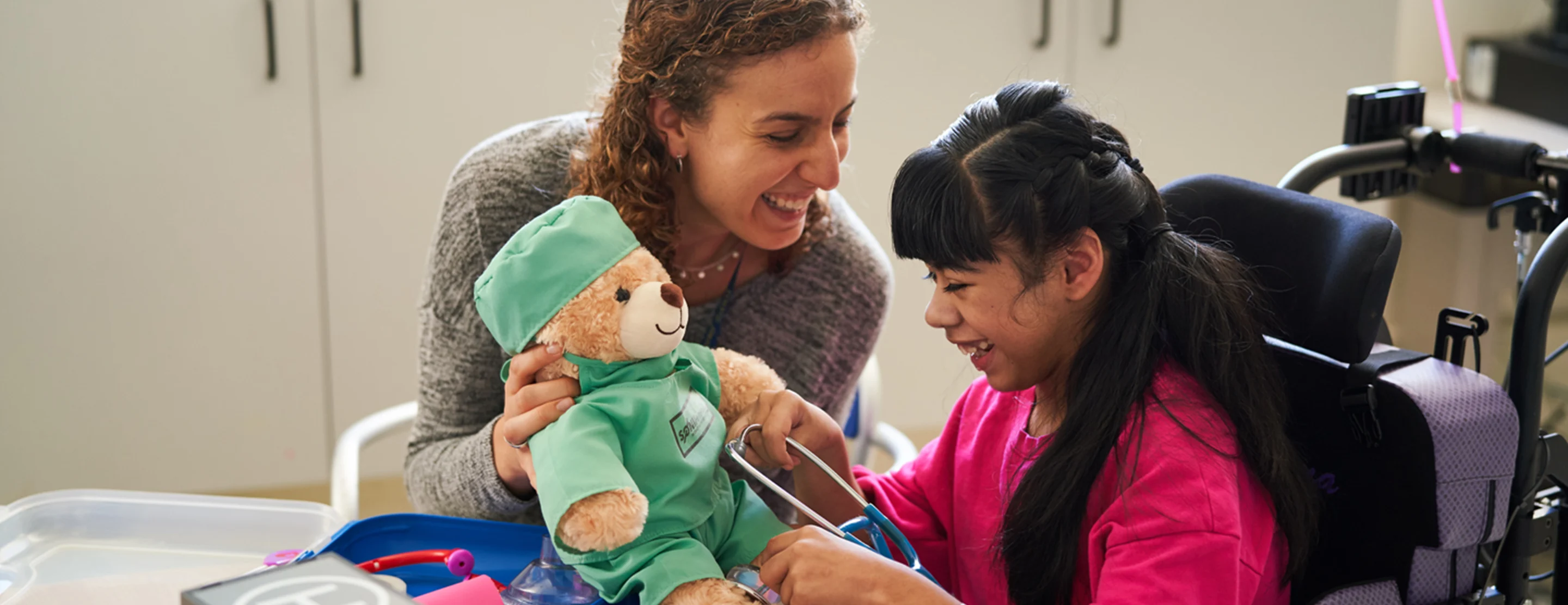
Child Life
Certified child life specialists ease the stress and anxiety of childhood illness through therapeutic play, schooling and family-focused support.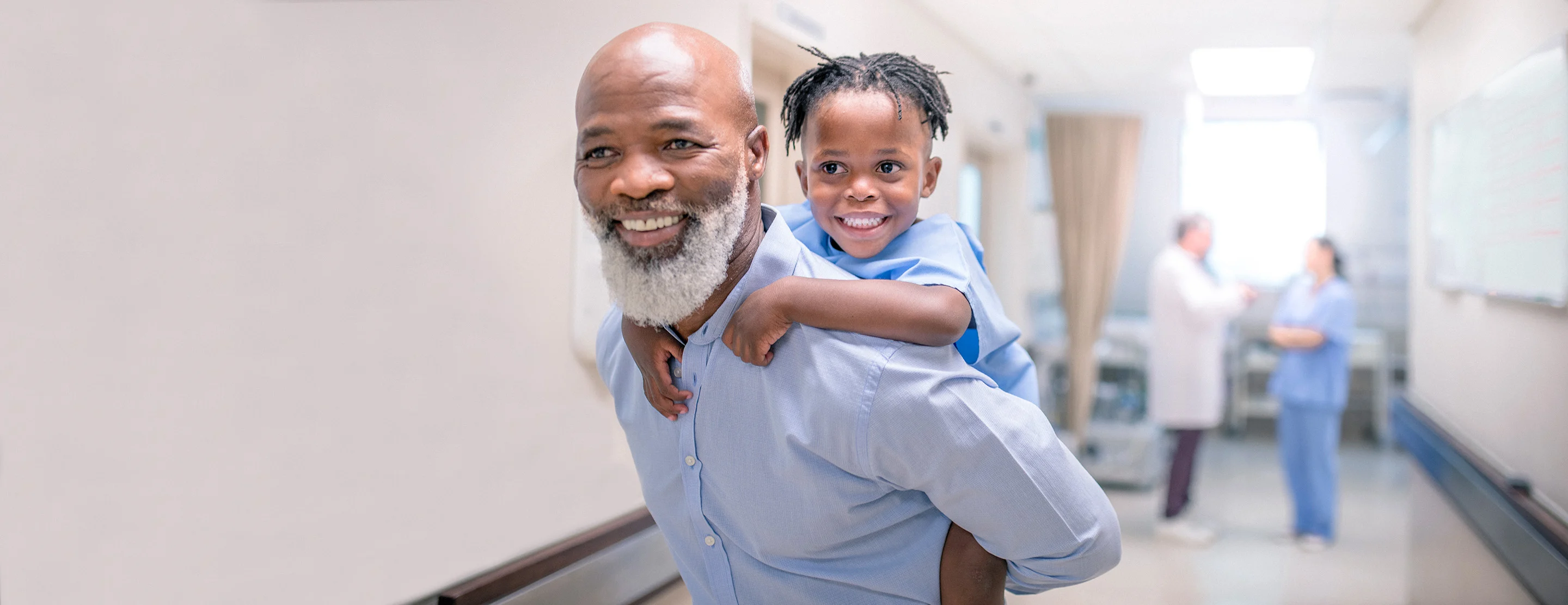
Family Amenities
Family-friendly amenities help you relax and take care of yourself while staying close to your child. We offer lounges, kitchens, showers, breastfeeding rooms and more.
Social Services at UCSF Benioff Children's Hospitals
Social workers ease the effect of illness, injury and hospitalization on your family with counseling and assistance to help you navigate the challenges.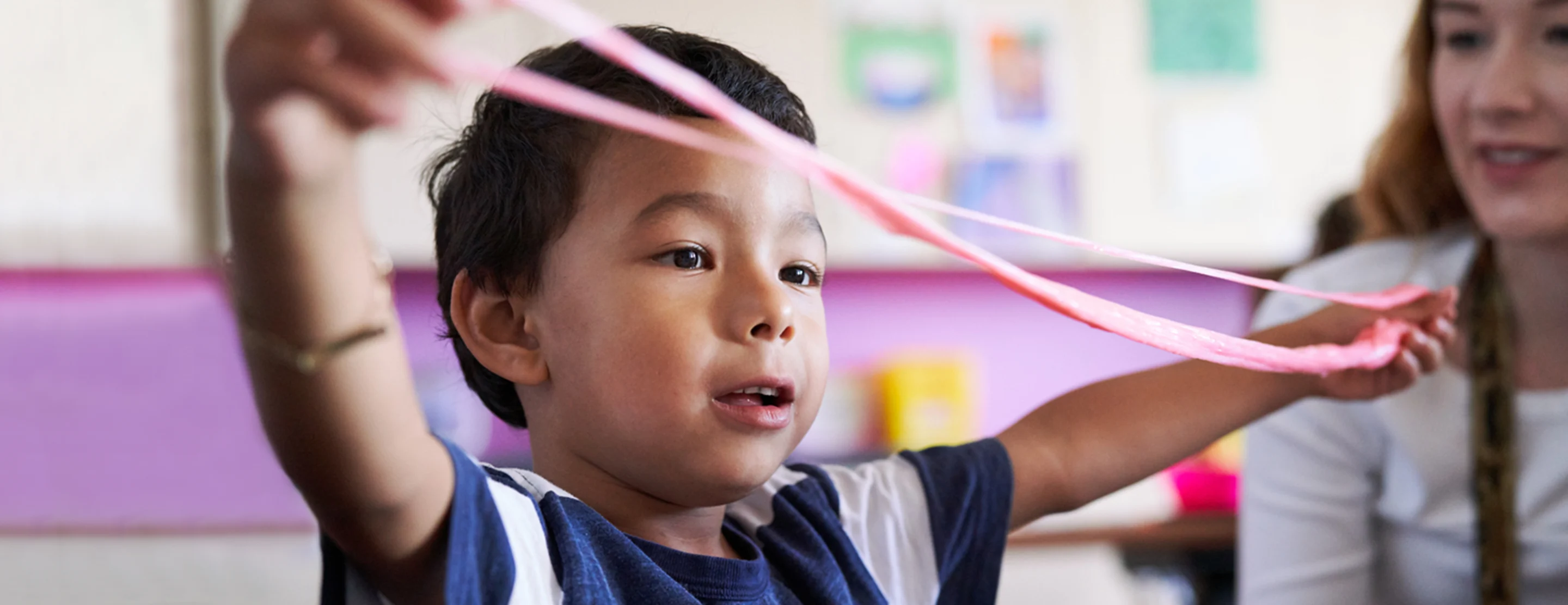
Activity Rooms
Activity rooms offer a relaxed environment for children of all ages. Features include a playroom, digital arts studio and teen lounge. Find out more.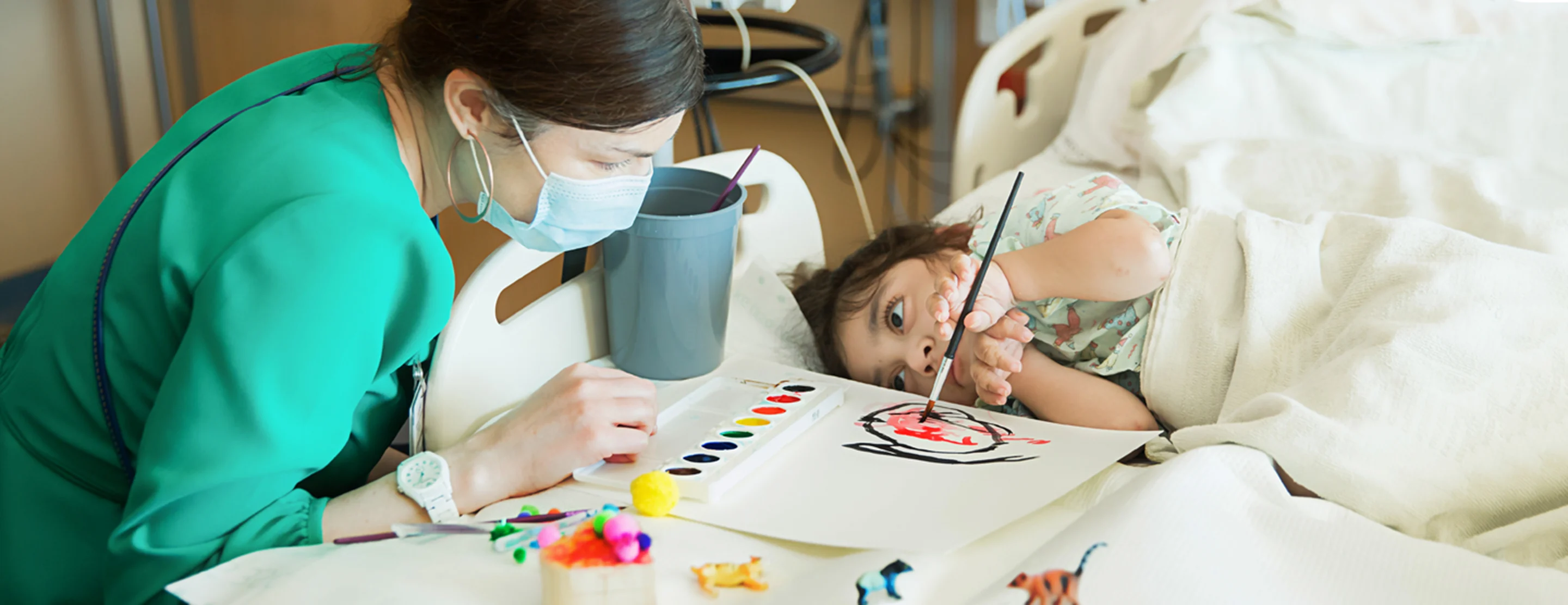
Pediatric Art Therapy Program
Art therapy helps kids and families express themselves, making it easier to cope with pediatric health issues. Group and bedside services are available.
Pediatric Music Therapy Program
Board-certified music therapists help kids cope with illness and the feelings that come with it. Find out about group activities and bedside therapy.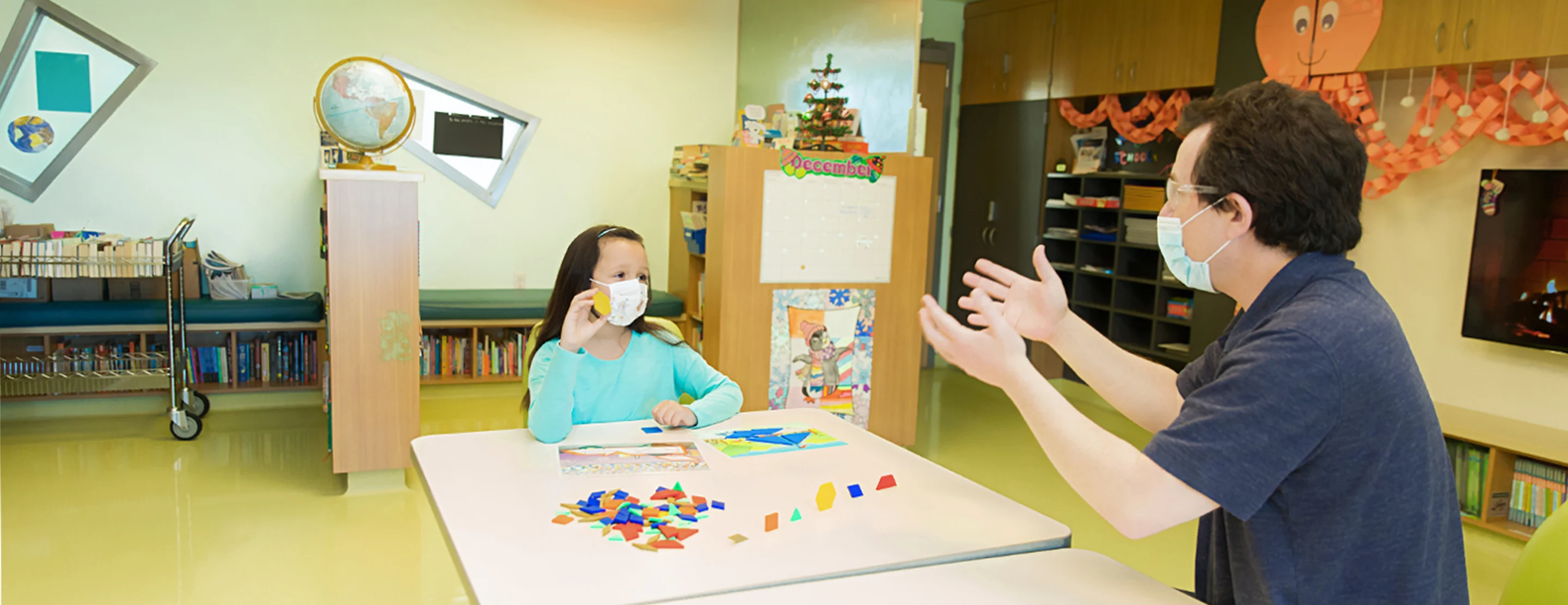
School Program for Hospitalized Children
Our schoolroom services and individual learning programs help children hospitalized at UCSF continue their education and get ready to return to school.
School Re-Entry Program
We help kids return to school after hospitalization by educating staff and students about their needs and recommending needed accommodations. Read more.
Individual Playtime & Instruction
If your child can't be around other kids for medical reasons, you can sign up for private sessions in our activity and school rooms. Find out how.
Interpreter Services & Communication Assistance at UCSF Benioff Children's Hospitals
Interpreter services in many languages and TDDs are available for families that need help communicating with care teams. Here's how to access them.
Parent Support Program
Weekly activities, including knitting, scrapbooking, chair massage and more, help family caregivers get a much-needed break. Find out more.
Patient Relations at UCSF Benioff Children's Hospitals
Patient relations reps and nursing supervisors are here to answer questions and address concerns. Learn about your rights, how to reach us and more.
Spiritual Care at UCSF Benioff Children's Hospitals
Chaplains help UCSF patients, families and staff cope with the spiritual and emotional challenges of childhood illness. Learn more.
International Services at UCSF Benioff Children's Hospitals
If you're coming to UCSF from outside the U.S., we coordinate your child's appointments and provide other helpful services. Here's how to get started.