Pediatric Solid Tumor Program
On this page
Why choose UCSF Benioff Children's Hospitals for pediatric solid tumor care?
At UCSF Benioff Children's Hospitals, we provide specialized care for children, adolescents and young adults (age 30 and younger) with extracranial solid tumors. These are masses of abnormal cells that occur outside the brain in bones, organs, muscles and other soft tissues.
Solid tumors require a different treatment approach than other childhood cancers. That's why it's so important to seek care from a specialized team with deep expertise in these conditions.
Families from across the Western U.S. come to us for our experience diagnosing and treating solid tumors, including:
Osteosarcoma and other bone tumors
We offer innovative therapies and family-focused care to achieve the best possible outcome for each child. If you live far away, we offer virtual follow-up visits and maintain close communication with your local care team, to ensure coordinated care close to home.
Why choose UCSF Benioff Children's Hospitals for pediatric solid tumor care?
At UCSF Benioff Children's Hospitals, we provide specialized care for children, adolescents and young adults (age 30 and younger) with extracranial solid tumors. These are masses of abnormal cells that occur outside the brain in bones, organs, muscles and other soft tissues.
Solid tumors require a different treatment approach than other childhood cancers. That's why it's so important to seek care from a specialized team with deep expertise in these conditions.
Families from across the Western U.S. come to us for our experience diagnosing and treating solid tumors, including:
Osteosarcoma and other bone tumors
We offer innovative therapies and family-focused care to achieve the best possible outcome for each child. If you live far away, we offer virtual follow-up visits and maintain close communication with your local care team, to ensure coordinated care close to home.
Advanced diagnostics
We use sophisticated tools to analyze the unique characteristics of tumors, helping us refine diagnoses and guide treatment.Early-phase clinical trials
We offer an extensive selection of early-phase clinical trials, giving our pediatric patients early access to breakthrough treatments.Coordinated care
Our pediatric oncologists, nurse practitioners, social workers and nurse coordinators work together to support your family and meet your child's needs.Access to specialized experts
Experts in pathology, radiology, surgery and oncology meet regularly to review each child's case and select the best treatment approach.
Advanced diagnostics for solid tumors
The UCSF500 Cancer Gene Panel is a state-of-the-art test using DNA and RNA sequencing to find genetic changes (mutations) that drive cancer. These insights help us make more precise diagnoses for rare or complex tumors. The results also allow us to plan more effective treatments and potentially match children to emerging therapies in clinical trials.
We are leaders in pharmacogenomics testing, which analyzes a child's blood to find out how they may respond to certain medications, including chemotherapy. This information enables us to select safer, more effective doses while reducing the risk of side effects.
Innovative, personalized therapies
Our team uses advanced technologies and specialized procedures to achieve the best possible outcome for each child:
Endoprosthetic reconstruction. For children with bone tumors, pediatric orthopedic surgeons offer expandable implants that grow with children, reducing the need for additional surgeries. We also design custom, 3D-printed prostheses for complex cases.
Fluorescence-guided surgery. Surgeons use a fluorescent contrast dye called indocyanine green (ICG) to illuminate hard-to-detect tumors that have spread (metastasized). This helps us remove tumors more precisely.
Radionuclide therapies. We are among only a few programs on the West Coast offering MIBG (metaiodobenzylguanidine) therapy for patients with relapsed or treatment-resistant neuroblastoma. This highly targeted treatment slows tumor growth and preserves healthy tissue.
Stereotactic body radiation therapy (SBRT). We target tumors with high doses of radiation, reducing treatment time from weeks to days. SBRT can help ease symptoms and improve quality of life for children with metastatic cancer.
Clinical trials for solid tumors
We participate in several leading early-phase clinical trial networks. Through these partnerships, we give children and young adults access to promising new treatments that may not be widely available.
Our participation includes:
Children's Oncology Group (COG) Pediatric Early Phase Clinical Trials Network (PEP-CTN), the only core site in Northern California
Pacific Pediatric Neuro-Oncology Consortium (PNOC)
New Approaches to Neuroblastoma Therapy (NANT) consortium
North American Consortium for Histiocytosis (NACHO)
Beat Childhood Cancer (BCC) Research Consortium
Providers

Matthew Nelson Decker, MD, PhD
Pediatric Hematology-Oncology
Benjamin Joshua Lerman, MD
Pediatric Hematology-Oncology
Amanda Marinoff, MD
Pediatric Hematology-Oncology
Jennifer Michlitsch, MD
Pediatric Hematology-Oncology
Awards & achievements

360+
patients treated with MIBG therapy, a leading-edge neuroblastoma treatment

Best in Northern California and top 10 in the nation for cancer care

Designated an early phase clinical trials core site by the Children's Oncology Group
Ranked among the nation's best in 11 specialties
Related services

Related conditions & treatments
Conditions
Treatments
- Cancer Chemotherapy
- Cancer Surgery
- Clinical Trials
- Fluorescence-Guided Surgery
- Genetic Testing
- Genomics
- Radionuclide Therapy
- Stereotactic Body Radiation Therapy

Trials & research
Clinical trials
Phase I Trial to Determine the Dose and Evaluate the PK and Safety of Lutetium Lu 177 Edotreotide Therapy in Pediatric Participants With SSTR-positive TumorsOpens in a new window
The purpose of the study is to determine the appropriate pediatric dosage and evaluate the pharmacokinetics (PK) and safety of Lutetium Lu 177 Edotreotide Targeted Radiopharmaceutical Therapy (RPT) as a monotherapy or following standard of care (SoC) in participants ≥2 to <18 years of age with somatostatin receptor (SSTR)-positive tumors.PEEL-224, Vincristine and Temozolomide in Pediatric Solid TumorsOpens in a new window
The phase 1 primary objective is to determine the pediatric recommended phase 2 dose (RP2D) of PEEL-224 as a single agent (phase 1A) and in combination with vincristine and temozolomide (phase 1B)...Silmitasertib (CX-4945) in Combination With Chemotherapy for Relapsed Refractory Solid TumorsOpens in a new window
The purpose of this study is to evaluate the investigational drug, silmitasertib (a pill taken by mouth), in combination with FDA approved drugs for solid tumors...
Research initiatives
Early-Phase Clinical Trials at UCSF: Pediatric Cancer
Search the directory of UCSF's active clinical trials open to children with cancer, including leukemia, lymphoma, neuroblastoma and brain tumors.
Support services
Child Life
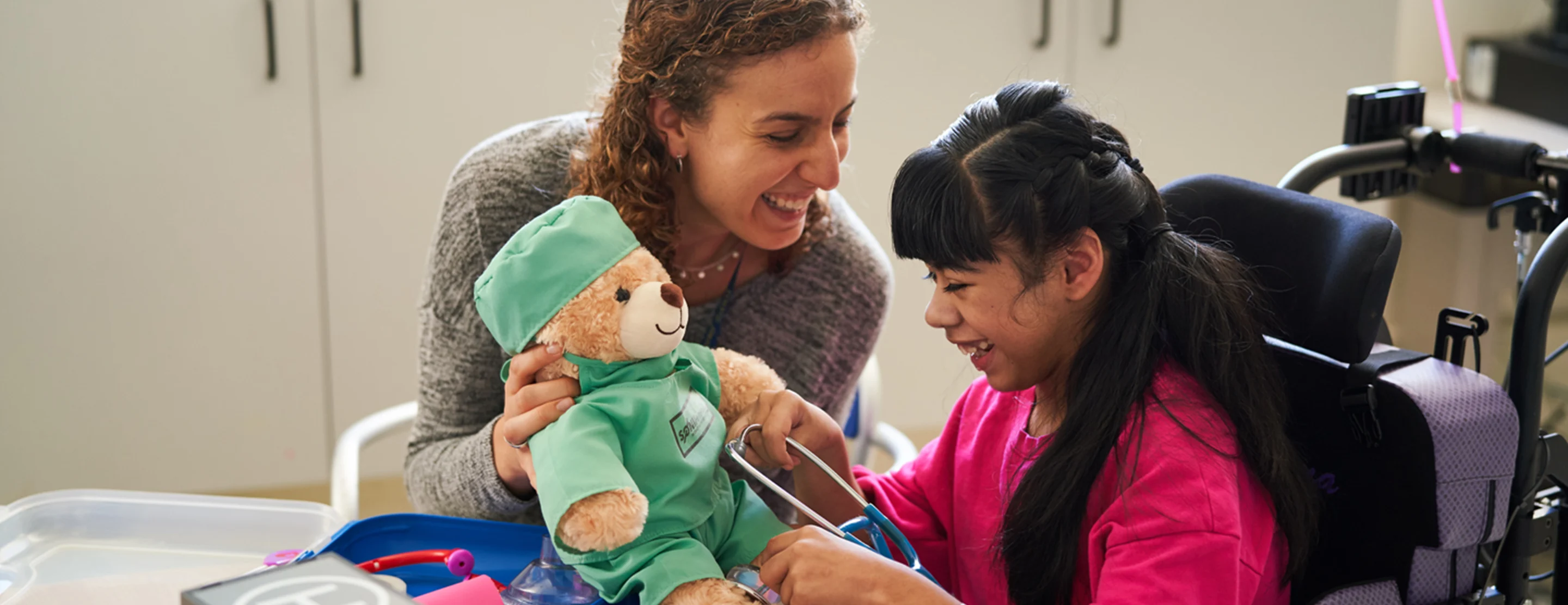
Certified child life specialists ease the stress and anxiety of childhood illness through therapeutic play, schooling and family-focused support.
Beads of Courage
We help children cope with cancer testing and treatment challenges by awarding colorful beads for each milestone they achieve. Find out about our program.
Camp Okizu
This overnight summer camp for children with cancer, siblings and families offers fun activities, education sessions and support in a beautiful setting.
Individual Playtime & Instruction
If your child can't be around other kids for medical reasons, you can sign up for private sessions in our activity and school rooms. Find out how.
Activity Rooms
Activity rooms offer a relaxed environment for children of all ages. Features include a playroom, digital arts studio and teen lounge. Find out more.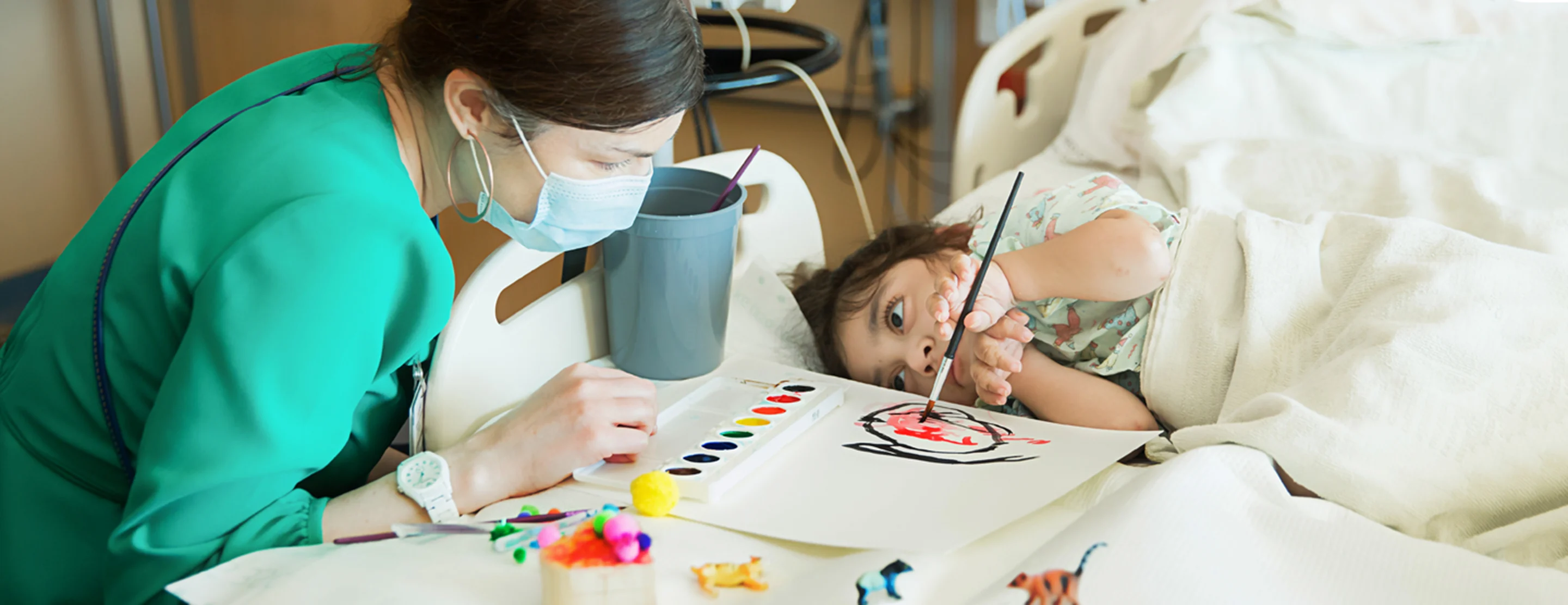
Pediatric Art Therapy Program
Art therapy helps kids and families express themselves, making it easier to cope with pediatric health issues. Group and bedside services are available.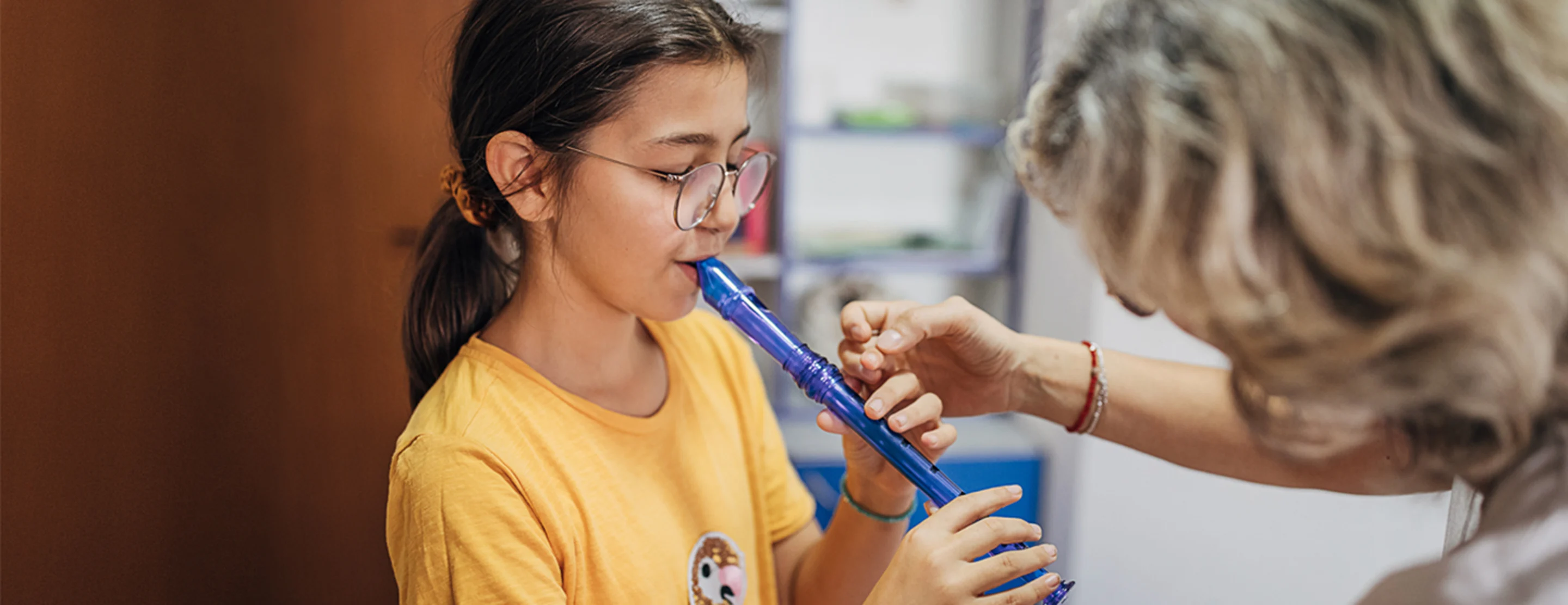
Pediatric Music Therapy Program
Board-certified music therapists help kids cope with illness and the feelings that come with it. Find out about group activities and bedside therapy.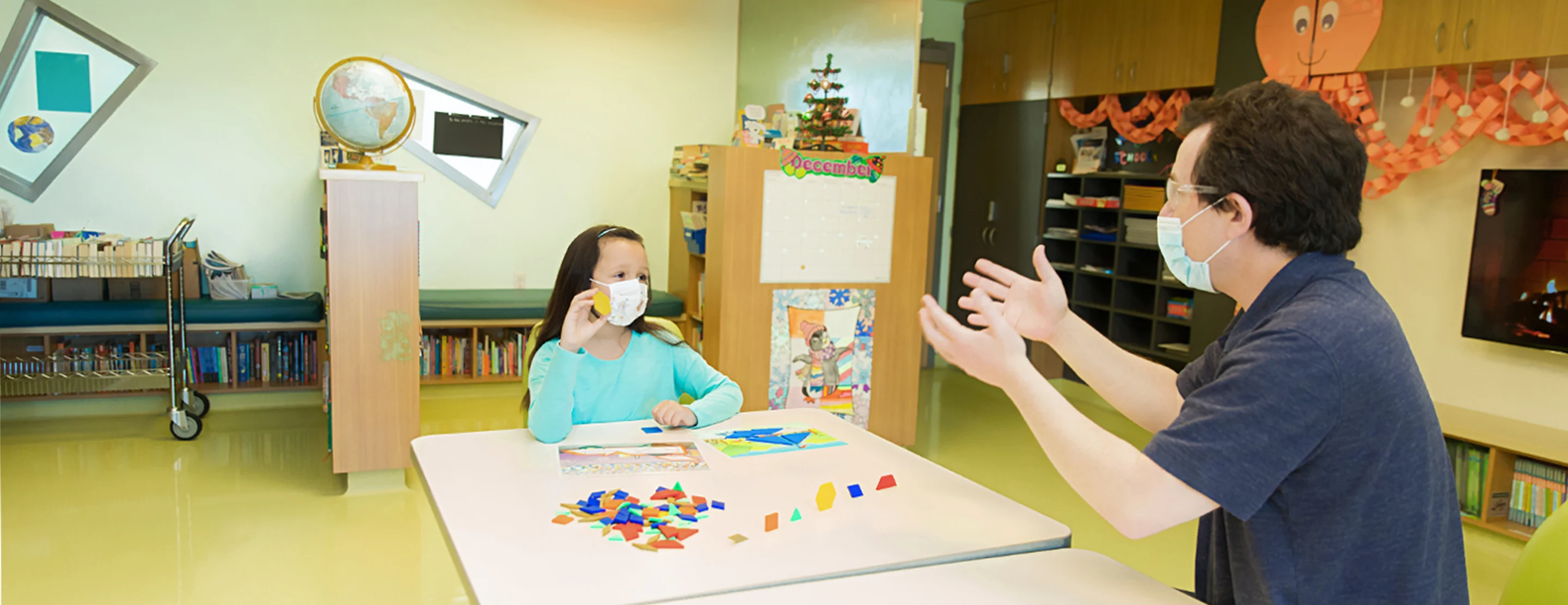
School Program for Hospitalized Children
Our schoolroom services and individual learning programs help children hospitalized at UCSF continue their education and get ready to return to school.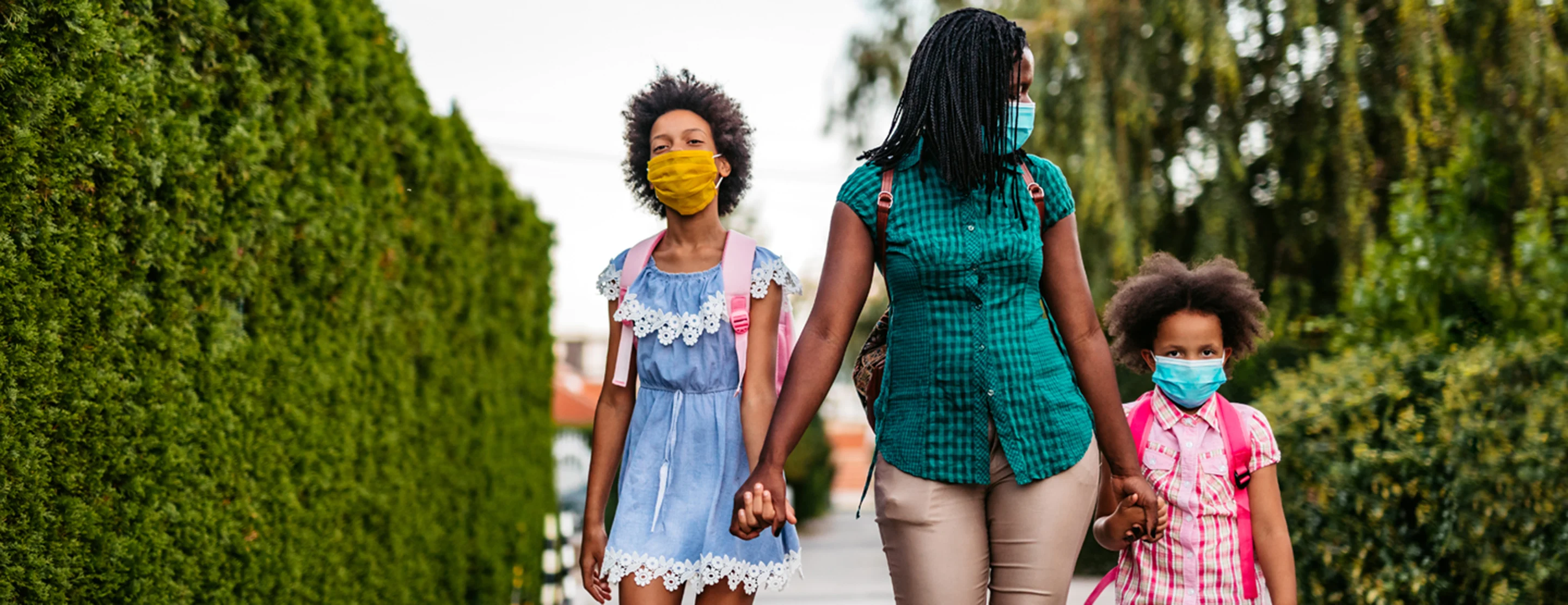
School Re-Entry Program
We help kids return to school after hospitalization by educating staff and students about their needs and recommending needed accommodations. Read more.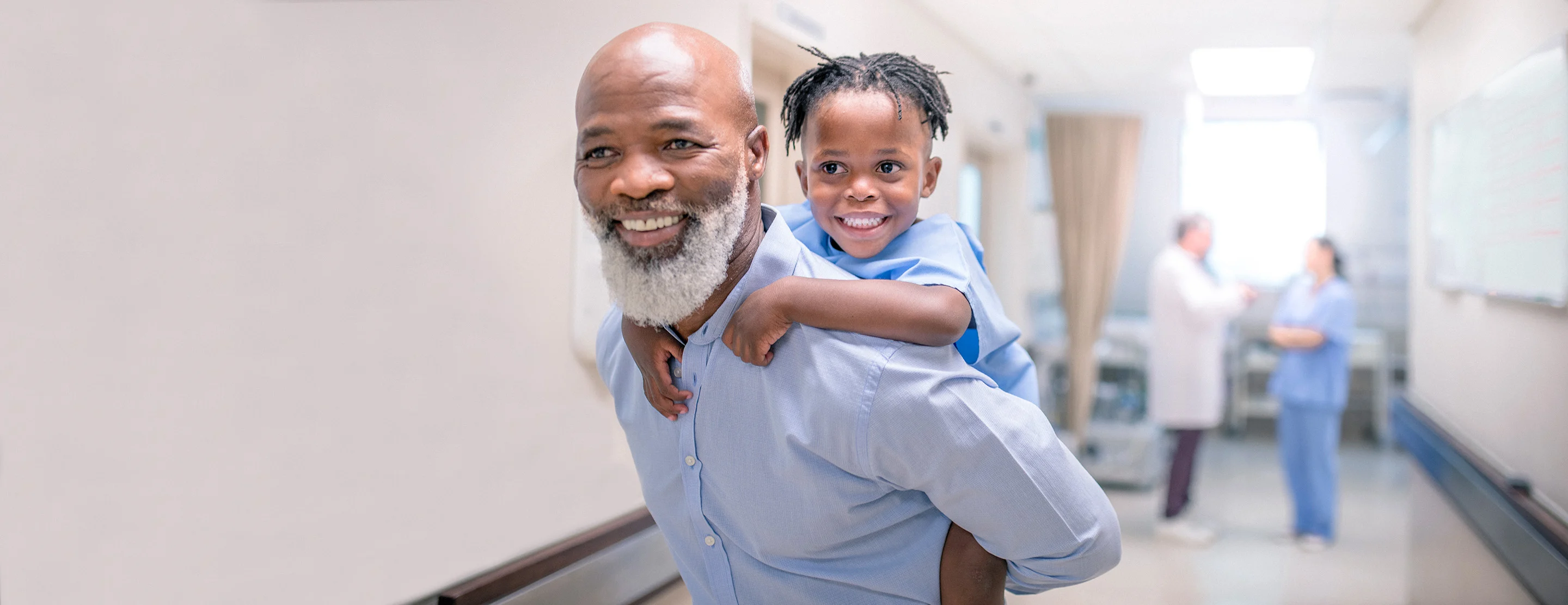
Family Amenities
Family-friendly amenities help you relax and take care of yourself while staying close to your child. We offer lounges, kitchens, showers, breastfeeding rooms and more.
Social Services at UCSF Benioff Children's Hospitals
Social workers ease the effect of illness, injury and hospitalization on your family with counseling and assistance to help you navigate the challenges.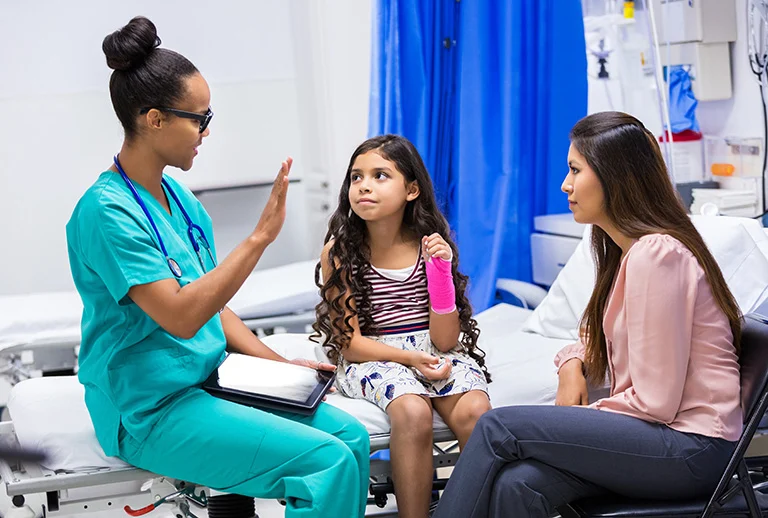
Interpreter Services & Communication Assistance at UCSF Benioff Children's Hospitals
Interpreter services in many languages and TDDs are available for families that need help communicating with care teams. Here's how to access them.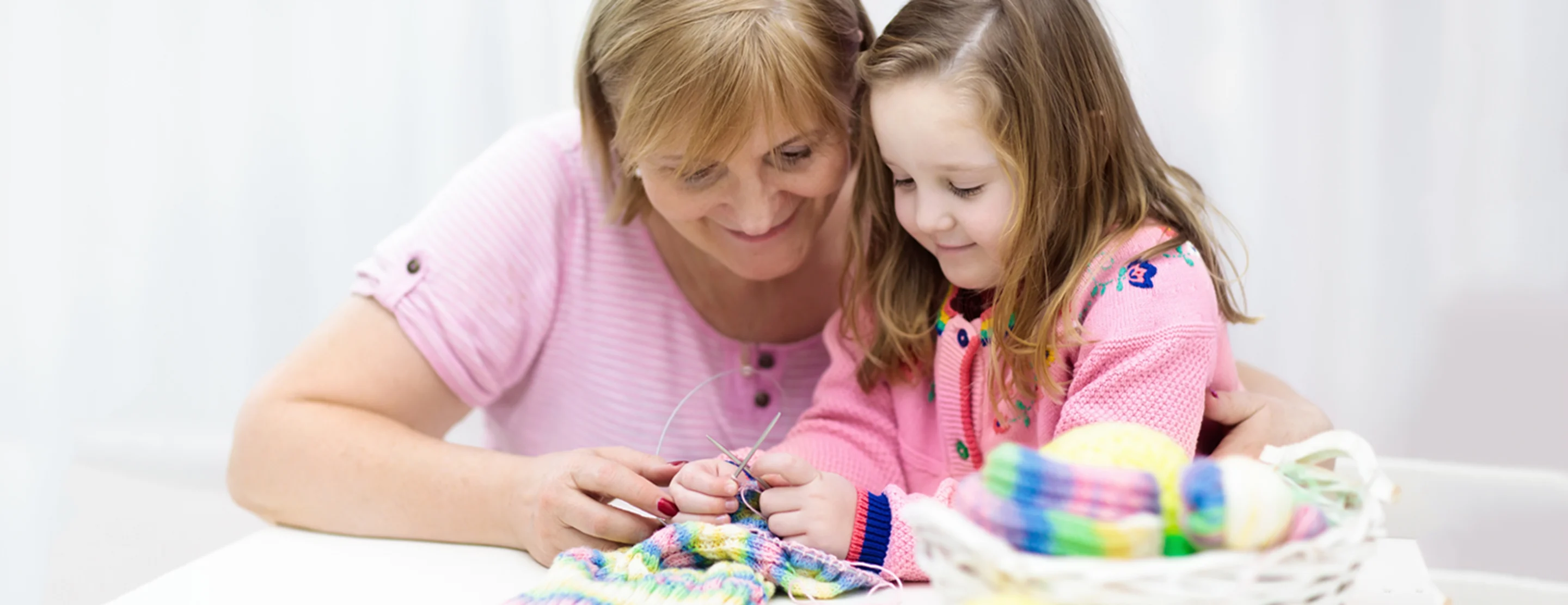
Parent Support Program
Weekly activities, including knitting, scrapbooking, chair massage and more, help family caregivers get a much-needed break. Find out more.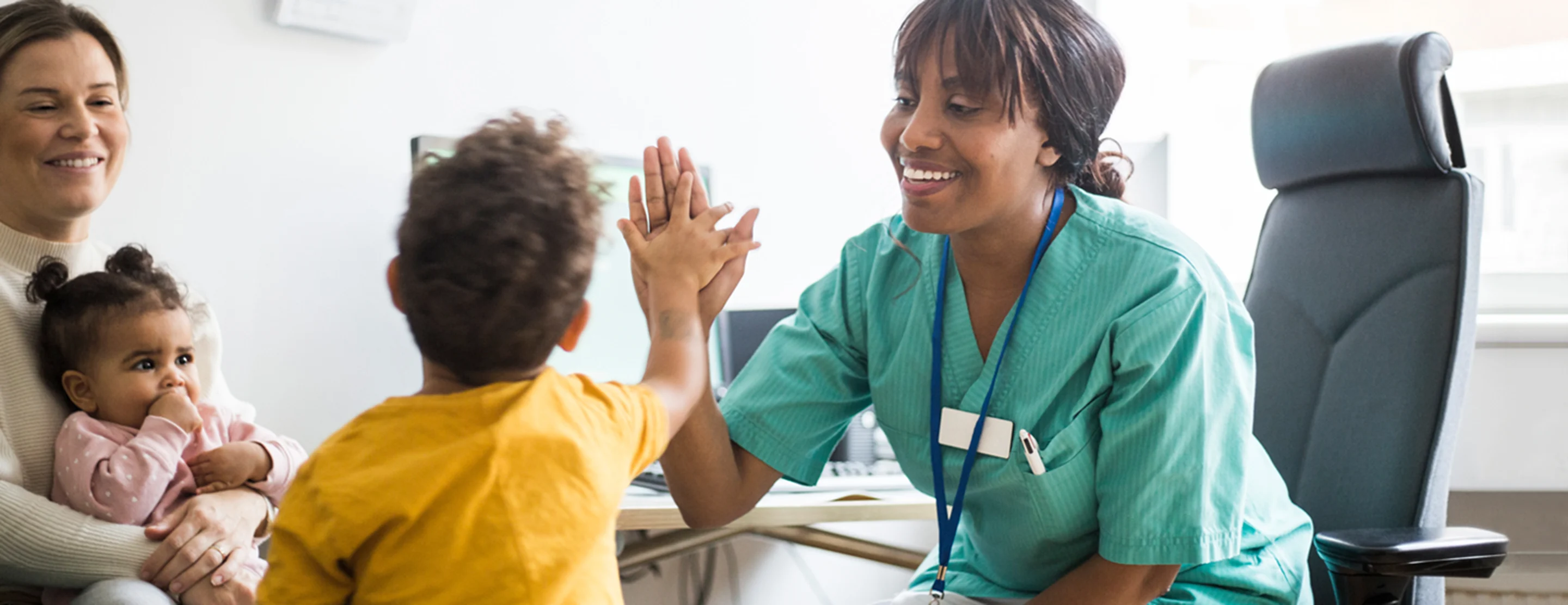
Patient Relations at UCSF Benioff Children's Hospitals
Patient relations reps and nursing supervisors are here to answer questions and address concerns. Learn about your rights, how to reach us and more.
Spiritual Care at UCSF Benioff Children's Hospitals
Chaplains help UCSF patients, families and staff cope with the spiritual and emotional challenges of childhood illness. Learn more.
International Services at UCSF Benioff Children's Hospitals
If you're coming to UCSF from outside the U.S., we coordinate your child's appointments and provide other helpful services. Here's how to get started.