Pediatric Neurosurgery

On this page
Why choose UCSF Benioff Children's Hospitals for pediatric neurosurgery?
UCSF Benioff Children's Hospitals is a destination for children who need neurosurgery for rare or difficult brain, spine, nerve and blood vessel conditions. Our board-certified, fellowship-trained pediatric neurosurgeons perform hundreds of procedures each year. That experience helps us tailor care to your child's condition, anatomy and development.
For complex cases, our neurosurgeons collaborate with UCSF specialists, including neurologists, neuro-oncologists, neurointerventional radiologists, rehabilitation specialists and other pediatric experts. Together, they develop a coordinated plan for your child.
Families come to us for exceptional pediatric expertise and options that may not be available elsewhere. We clearly explain each recommendation, answer your questions and help you move forward feeling informed and supported.
Why choose UCSF Benioff Children's Hospitals for pediatric neurosurgery?
UCSF Benioff Children's Hospitals is a destination for children who need neurosurgery for rare or difficult brain, spine, nerve and blood vessel conditions. Our board-certified, fellowship-trained pediatric neurosurgeons perform hundreds of procedures each year. That experience helps us tailor care to your child's condition, anatomy and development.
For complex cases, our neurosurgeons collaborate with UCSF specialists, including neurologists, neuro-oncologists, neurointerventional radiologists, rehabilitation specialists and other pediatric experts. Together, they develop a coordinated plan for your child.
Families come to us for exceptional pediatric expertise and options that may not be available elsewhere. We clearly explain each recommendation, answer your questions and help you move forward feeling informed and supported.
Exceptional surgical precision
Real-time imaging and detailed brain maps help our surgeons navigate delicate areas and protect healthy tissue.Full range of epilepsy procedures
Our epilepsy surgeons use a full range of targeted surgery, laser treatment and implanted devices to reduce or stop seizures.Care built just for kids
Child-sized equipment, pediatric anesthesiology and dedicated child life specialists help children feel secure throughout treatment.Advancing neurosurgical research
Our surgeon-scientists study brain tumors and other complex disorders to develop better surgical options for children.
Pediatric brain, spine and nerve surgery
Pediatric neurosurgery requires careful planning because these conditions can affect a child's growth, movement, learning and development.
Areas of expertise include:
Brain tumors. Our surgeons treat brain tumors, including skull base tumors, with a broad range of options such as image-guided resection, coordinating closely with neuro-oncology and radiation oncology specialists.
Blood vessel conditions. We have deep experience treating arteriovenous malformations (AVMs), aneurysms, other vascular malformations and stroke.
Brain and skull conditions. Our expertise includes pituitary disorders, Chiari malformation, hydrocephalus, craniofacial anomalies, craniosynostosis and head injuries.
Spine and nerve conditions. Children get expert care for spina bifida, scoliosis, spinal abnormalities, spinal cord tumors, spine injuries and brachial plexus injuries.
Epilepsy and movement disorders. Children receive skilled surgical care for epilepsy, cerebral palsy, spasticity, dystonia, essential tremor and juvenile Parkinson's disease.
Broad range of neurosurgery options
Our neurosurgeons create a personalized approach for each patient, determining the treatment option that will work best for your child.
Depending on your child's condition, we may recommend:
Endoscopic procedures. These minimally invasive methods use small openings to reach certain areas of the brain or spine.
Open surgery. These procedures remove tumors, relieve pressure or disconnect seizure-causing tissue, often using imaging and mapping for guidance.
Implanted devices. Advanced devices help control seizures or movement symptoms.
Laser treatment. These less invasive procedures are available for certain brain tumors or seizures, accessed through a small opening.
Radiation therapy. Gamma Knife and CyberKnife procedures don't require an incision.
Detailed planning for delicate procedures
Before surgery, we study your child's anatomy from every angle. Our team may use specialized imaging, detailed brain maps, virtual reality and 3D models to prepare for surgery.
These tools help us plan a precise route, anticipate challenges and explain the procedure clearly. In some cases, surgeons can review updated images during surgery and adjust their approach as needed, helping them make informed adjustments during the procedure.
Care through surgery and recovery
You are part of every decision for your child's care. We explain our recommendations, what to expect and how recovery may unfold.
Your child has a team of specialists ready to offer any care they may need throughout treatment:
Child life specialists prepare your child for procedures and help them feel comfortable.
Pediatric critical care doctors, anesthesiologists and nurses support your child during and after surgery.
Social workers help your family manage practical needs.
Rehabilitation specialists support movement, communication and daily activities when recovery requires additional care.
Research that expands possibilities
We are investigating pediatric brain tumors and other neurological disorders, studying new treatments and surgical approaches for children with serious or hard-to-treat conditions. Through this research, your child may have access to clinical trials testing promising therapies that are not widely available.
Related services
Locations (dynamic)
Providers (dynamic)

Doris Wang, MD, PhD
Neurosurgery • Pediatric Neurosurgery
Peter P. Sun, MD
Neurosurgery • Pediatric Neurosurgery
Sandeep M. Kunwar, MD
Pediatric Neurosurgery • Neurosurgery
Philip A. Starr, MD, PhD
Neurosurgery • Pediatric Neurosurgery
Providers (manual)

Nalin Gupta, MD, PhD
Neurosurgery
John Paul Andrews, MD
Neurosurgery • Pediatric Neurosurgery
Mitchel Berger, MD
Neurosurgery (Brain Tumors) • Neurosurgery
Winson S. Ho, MD
Pediatric Neurosurgery
Awards & achievements


#1
in NIH funding among U.S. neurology programs

One of the nation's best for neurology & neurosurgery

Ranked among the nation's best in 11 specialties


Related conditions & treatments
Conditions
- Aneurysm
- Arnold-Chiari Malformation
- Arteriovenous Malformation (AVM)
- Brachial Plexus Injury
- Brain and Spine Tumors
- Cerebral Palsy
- Cerebrovascular Accident (CVA)
- Congenital Hydrocephalus
- Craniofacial Anomalies
Treatments
- Brain Function Mapping
- Brain Surgery
- Clinical Trials
- Cyberknife
- Deep Brain Stimulation
- Endoscopic Neurosurgery
- Epilepsy Surgery
- Gamma Knife Radiosurgery
- Laser Interstitial Thermal Therapy

Clinical trials
Cerebellar Deep Brain Stimulation for Movement Disorders in Cerebral Palsy in Children and Young AdultsOpens in a new window
The purpose of this study is to test the safety of placing Deep Brain Stimulators (DBS) in a part of the brain called the cerebellum and using electrical stimulation of that part of the brain to treat movement symptoms related to cerebral palsy. Ten children and young adults with dyskinetic cerebral palsy will be implanted with a Medtronic Percept Primary Cell Neurostimulator...
Support services
Child Life
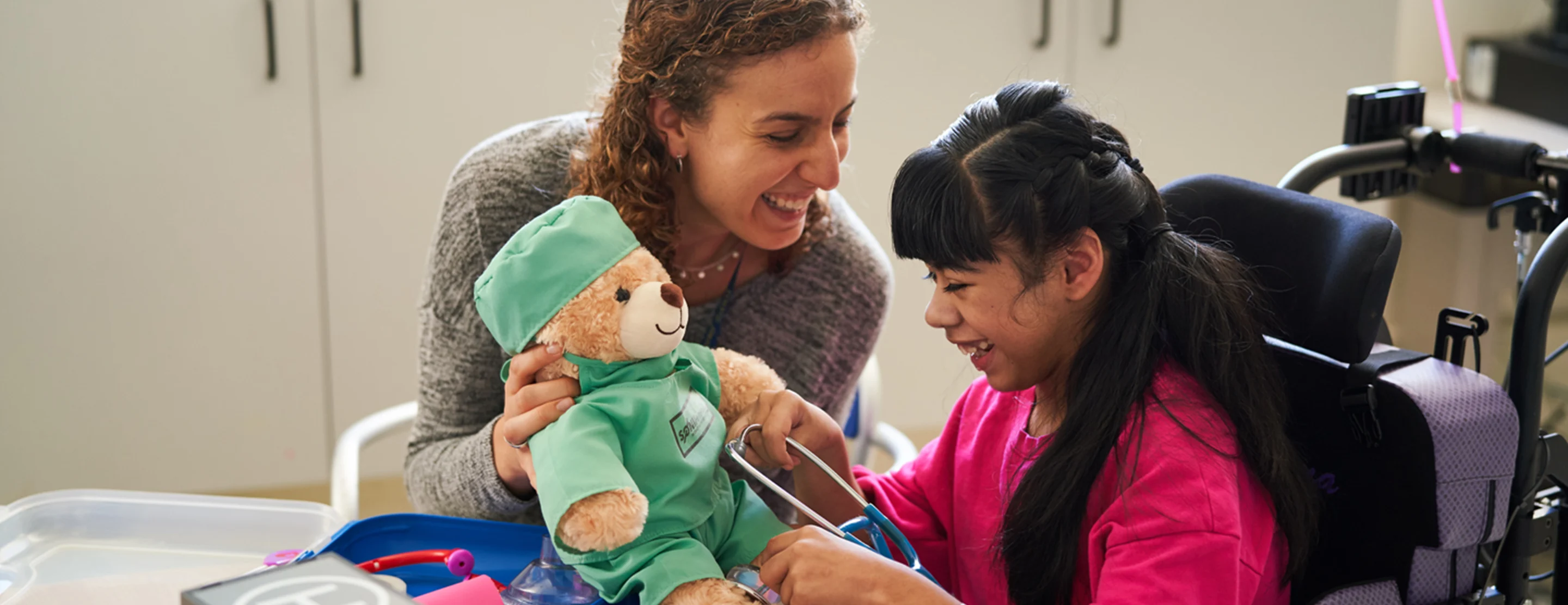
Certified child life specialists ease the stress and anxiety of childhood illness through therapeutic play, schooling and family-focused support.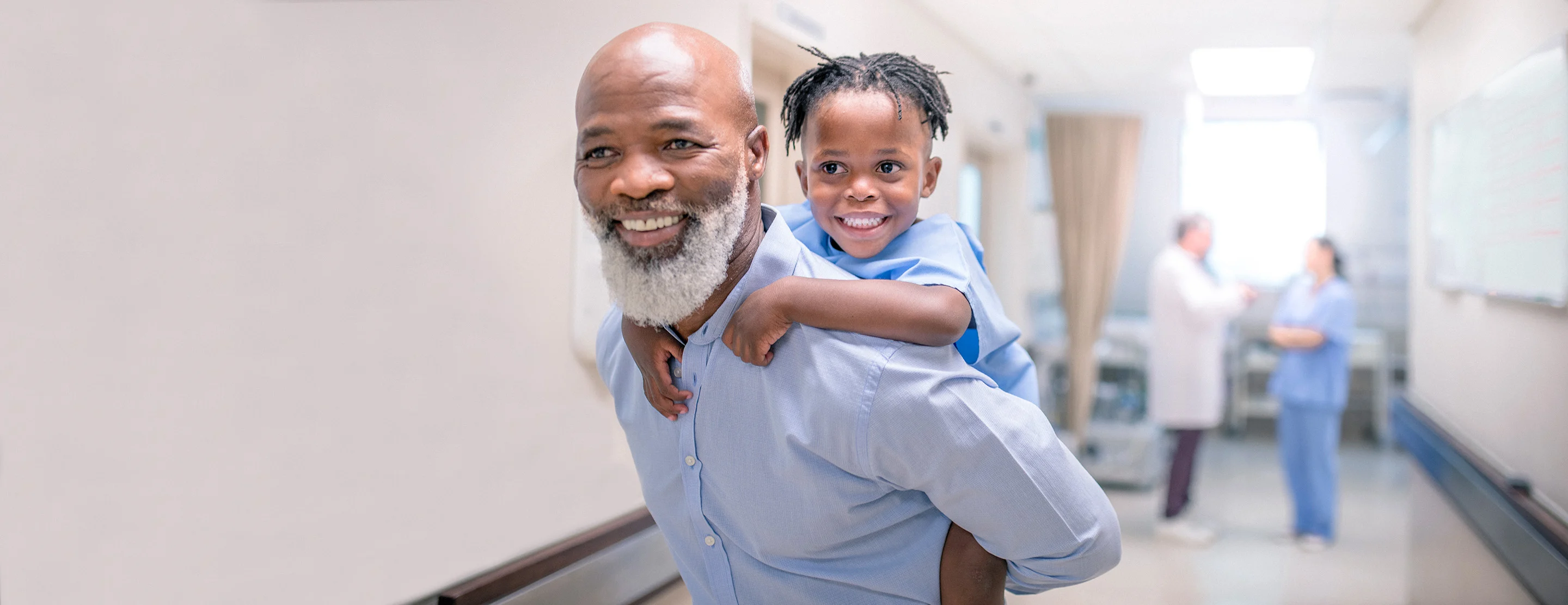
Family Amenities
Family-friendly amenities help you relax and take care of yourself while staying close to your child. We offer lounges, kitchens, showers, breastfeeding rooms and more.
Social Services at UCSF Benioff Children's Hospitals
Social workers ease the effect of illness, injury and hospitalization on your family with counseling and assistance to help you navigate the challenges.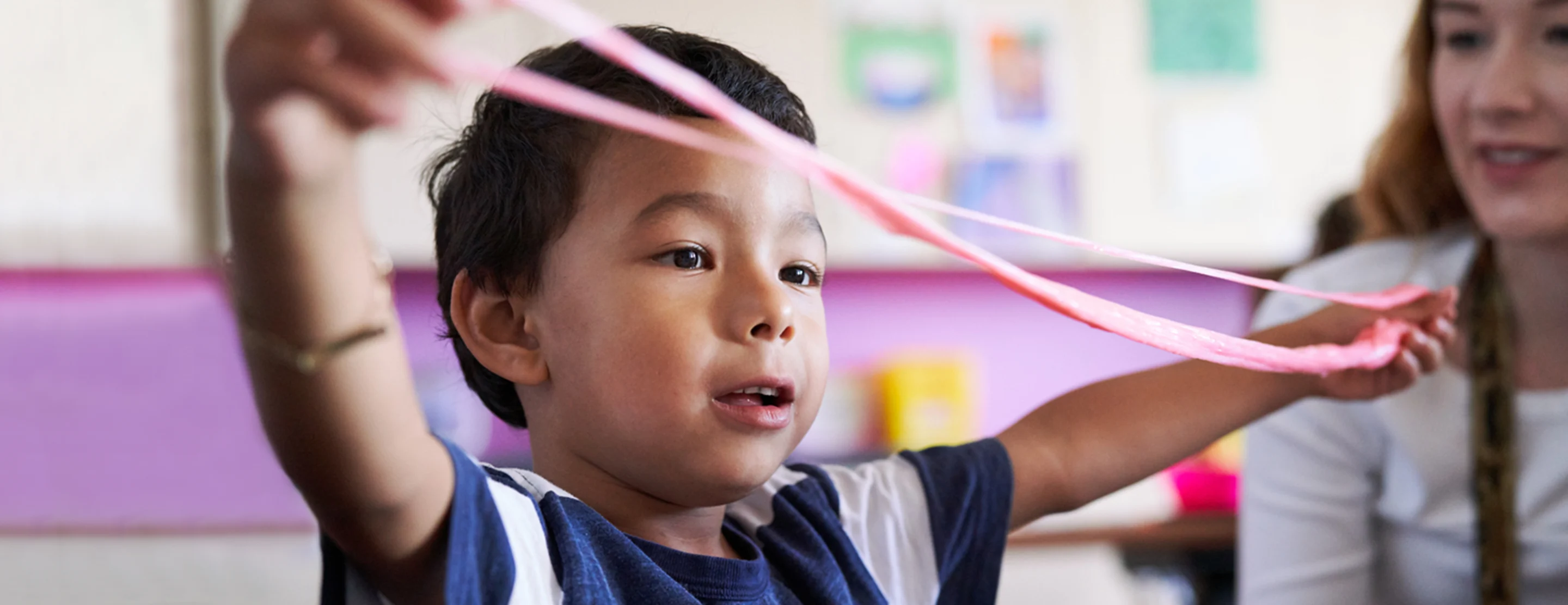
Activity Rooms
Activity rooms offer a relaxed environment for children of all ages. Features include a playroom, digital arts studio and teen lounge. Find out more.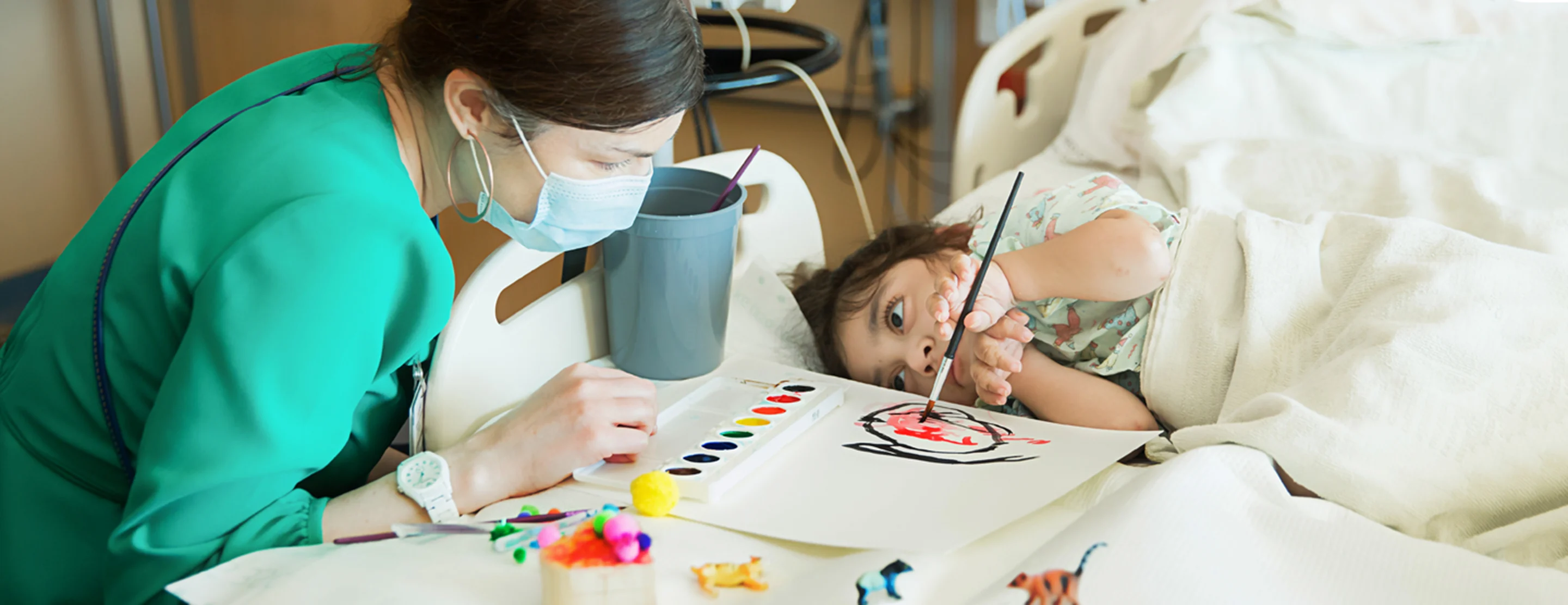
Pediatric Art Therapy Program
Art therapy helps kids and families express themselves, making it easier to cope with pediatric health issues. Group and bedside services are available.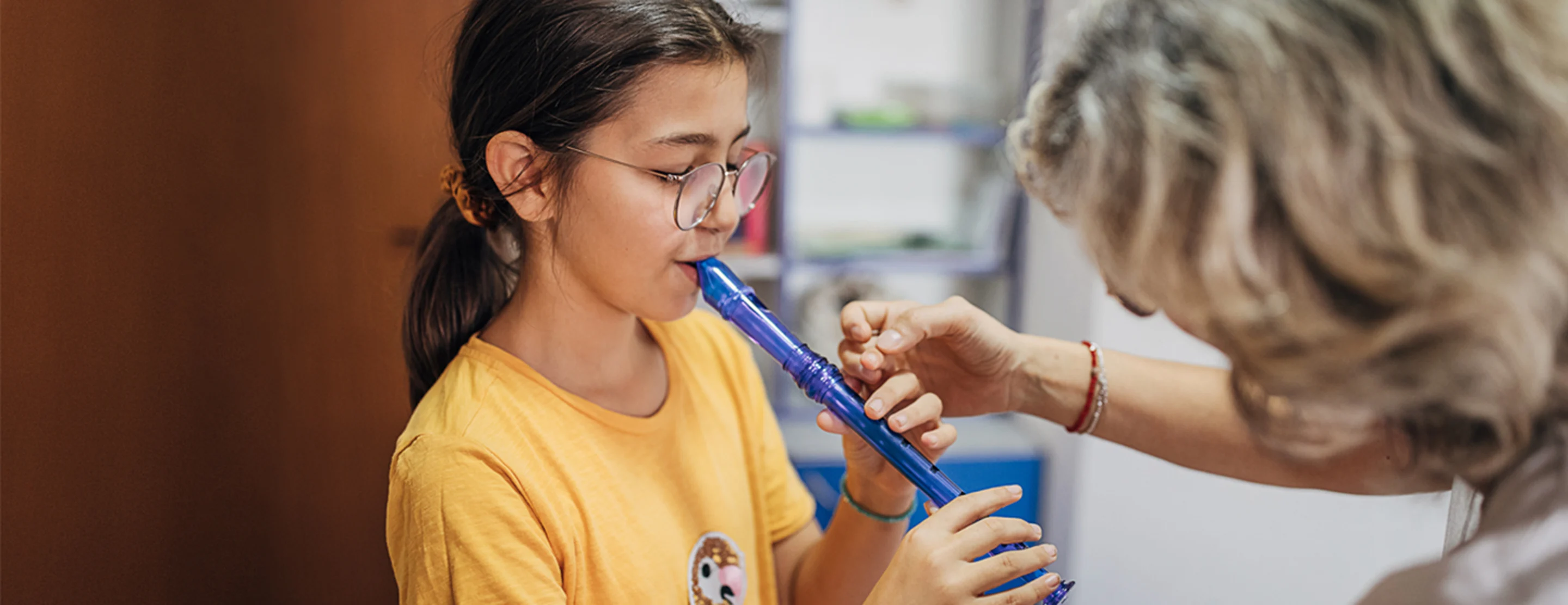
Pediatric Music Therapy Program
Board-certified music therapists help kids cope with illness and the feelings that come with it. Find out about group activities and bedside therapy.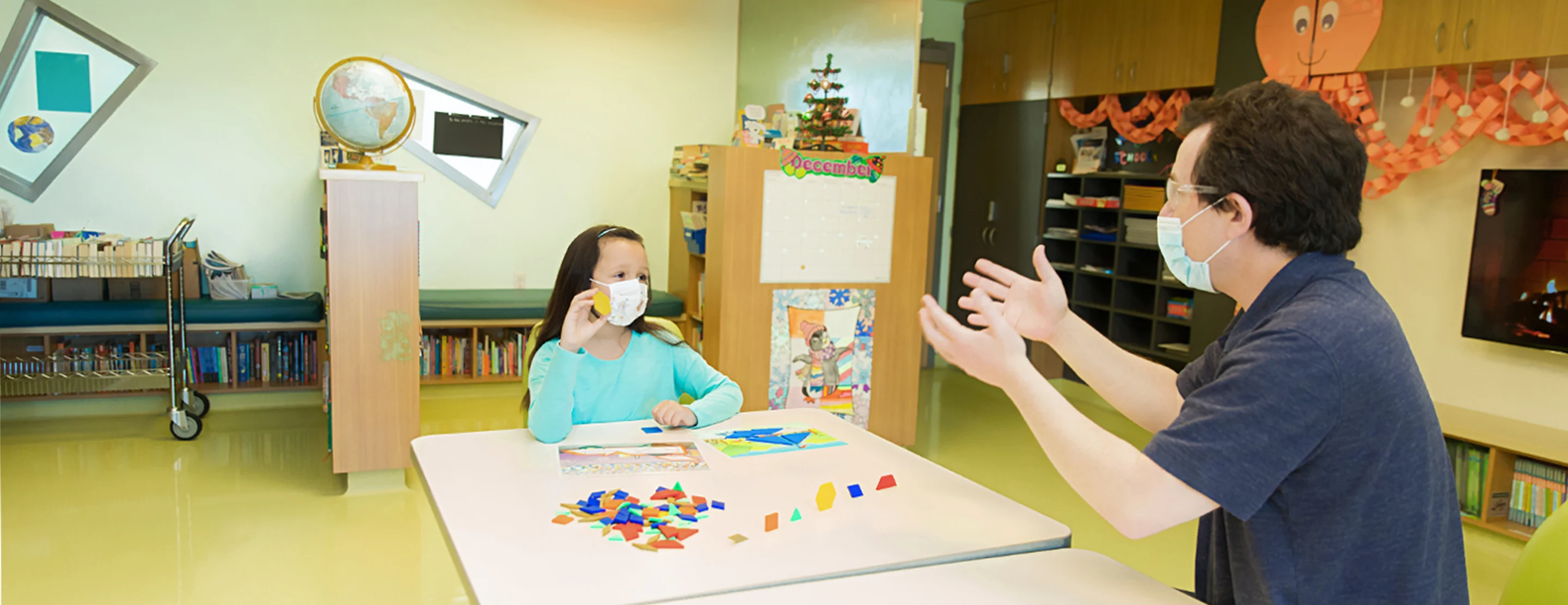
School Program for Hospitalized Children
Our schoolroom services and individual learning programs help children hospitalized at UCSF continue their education and get ready to return to school.
School Re-Entry Program
We help kids return to school after hospitalization by educating staff and students about their needs and recommending needed accommodations. Read more.
Individual Playtime & Instruction
If your child can't be around other kids for medical reasons, you can sign up for private sessions in our activity and school rooms. Find out how.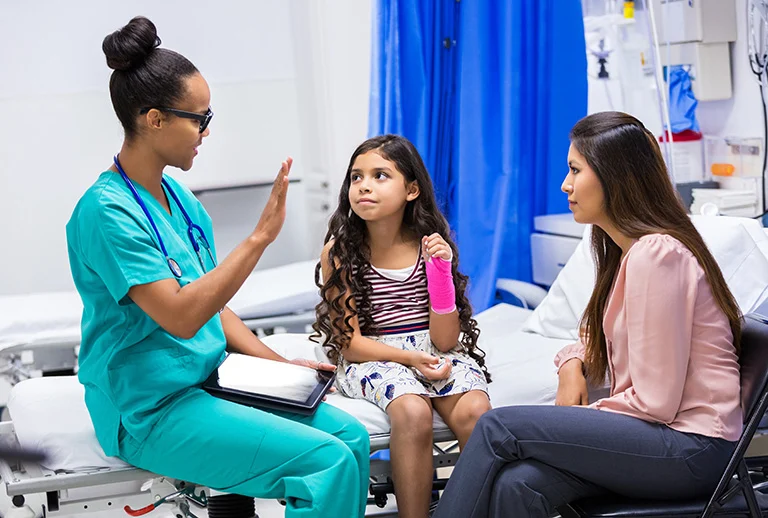
Interpreter Services & Communication Assistance at UCSF Benioff Children's Hospitals
Interpreter services in many languages and TDDs are available for families that need help communicating with care teams. Here's how to access them.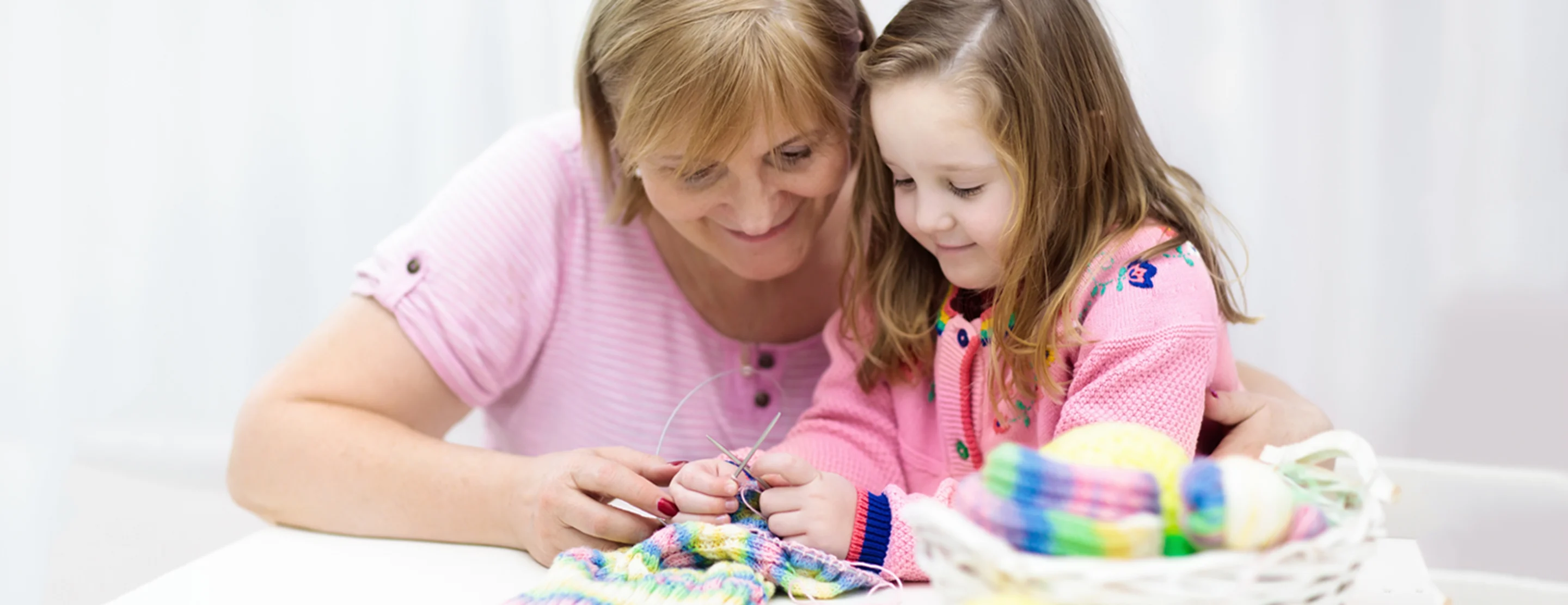
Parent Support Program
Weekly activities, including knitting, scrapbooking, chair massage and more, help family caregivers get a much-needed break. Find out more.
Patient Relations at UCSF Benioff Children's Hospitals
Patient relations reps and nursing supervisors are here to answer questions and address concerns. Learn about your rights, how to reach us and more.
Spiritual Care at UCSF Benioff Children's Hospitals
Chaplains help UCSF patients, families and staff cope with the spiritual and emotional challenges of childhood illness. Learn more.
International Services at UCSF Benioff Children's Hospitals
If you're coming to UCSF from outside the U.S., we coordinate your child's appointments and provide other helpful services. Here's how to get started.