Pediatric Bone Marrow Transplant (BMT), Cellular & Gene Therapy

On this page
Why choose UCSF Benioff Children's Hospitals for bone marrow transplant and advanced therapies?
At UCSF Benioff Children's Hospitals, we're leading the way in advanced therapies for children with complex conditions. Our specialized expertise, innovative treatments and access to clinical trials give children and families more options and new hope.
Families from across California and the U.S. turn to us for our depth of experience and expertise in these specialized treatments. If you need to travel for care, we connect you with resources for housing, transportation and other practical needs. After you return home, our doctors collaborate with your local care team to further support your child's recovery.
Breakthrough therapies
UCSF is often among the first in Northern California to offer the newest cellular and gene therapies for pediatric cancers and blood disorders.Outstanding outcomes
Our bone marrow transplant survival rates are among the highest in the nation, thanks to expert care before, during and after transplant.Multispecialty expertise
Specialists in pediatric blood and bone marrow transplant, infectious diseases and any other experts your child needs work together to provide exceptional care.Coordinated care
Dedicated patient navigators help support families with managing referrals, insurance concerns and appointment planning.
Advanced therapies for childhood diseases
Bone marrow transplantation, cellular therapies and gene therapies are transforming how we treat childhood diseases. At UCSF, we offer these therapies to children with a wide range of complex conditions, including:
Brain tumors and other solid tumors
Excellence in bone marrow transplantation
A bone marrow transplant, also called a stem cell transplant, may be part of your child's treatment plan. During this procedure, we replace diseased or damaged blood-forming stem cells with healthy cells from a closely matched donor.
A transplant may be recommended for children and young adults with:
Leukemia or lymphoma
Bone marrow failure syndromes
Autoimmune diseases
Immunodeficiency disorders
Inherited metabolic disorders, including lysosomal storage diseases
UCSF excels in every aspect of the transplant process, achieving excellent outcomes. Our comprehensive approach involves:
Thorough pretransplant evaluation to ensure children are good candidates
Stem cell collection through apheresis, a procedure that collects blood components and returns the remaining blood to your child's body
Personalized chemotherapy dosing to prepare children for treatment
Long-term follow-up care and a robust survivorship program
Pioneers in cellular therapy
UCSF is at the forefront of cellular therapies, such as CAR T-cell therapy, a type of immunotherapy. We were the first in California certified to provide CAR T-cell therapy to children with leukemia outside of a clinical trial. We're also one of only a few centers in Northern California offering the first FDA-approved CAR T-cell therapy, Kymriah.
CAR T-cell therapy uses a child's own immune cells, which are collected and modified in a laboratory to recognize and attack cancer cells. This advanced therapy may be used to treat children with B-cell acute lymphoblastic leukemia (B-ALL) when other treatments haven't worked or cancer returns after treatment.
Gene therapy for transfusion-dependent blood disorders
UCSF was among the first to offer gene therapies for children with sickle cell disease and beta thalassemia. These inherited blood disorders often require frequent blood transfusions and ongoing medical care.
Gene therapies are also available for inherited immune system and neurological disorders, including metachromatic leukodystrophy, Wiskott-Aldrich syndrome and Artemis-deficient severe combined immunodeficiency. Our program offers FDA-approved gene therapies, as well as access to clinical trials studying emerging gene treatments.
Gene therapy works by modifying a child's stem cells to correct the underlying genetic cause of the disease. For eligible patients, gene therapy may reduce or eliminate the need for transfusions and greatly improve their quality of life.
Highlights of our cancer care
Leading-edge treatments
We're among the first to offer new treatment options, as soon as they're proven safe and effective. In addition, patients can access promising experimental therapies by participating in one of our many clinical trials.Precision medicine
High-risk tumors are analyzed with the UCSF500 Cancer Gene Panel, a state-of-the-art test that identifies mutations in the tumor's DNA. The results can indicate the best treatment course and, in some cases, clarify the exact type of cancer.Seamless care, near and far
Dedicated patient navigators help families with managing referrals, insurance concerns and appointment planning. We work with patients and referring doctors well beyond the San Francisco Bay Area, thanks to our comprehensive telehealth system.Thorough follow-up
Our Pediatric Survivorship Program provides expert care to address any medical, psychological or social issues that arise after treatment is complete. The team also ensures smooth transitions to adult care providers as our patients leave childhood behind.
Providers

Julia Chu, MD, MPH
Pediatric Hematology-Oncology
Morton J. Cowan, MD
Pediatric Allergy and Immunology
Christopher Dvorak, MD
Medical Oncology • Pediatric Hematology-Oncology
Christine Higham, MD
Pediatric Hematology-Oncology
Awards & achievements


Best in Northern California and top 10 in the nation for cancer care


Accredited by the Foundation for Accreditation of Cellular Therapy

Ranked among the nation's best in 11 specialties

Related services

Related conditions & treatments
Conditions
- Acute Lymphoblastic Leukemia (ALL)
- Adrenoleukodystrophy
- Aplastic Anemia
- Autoimmune Diseases
- Blood Cancer
- Bone Marrow Failure Syndromes
- Diamond Blackfan Anemia
- Ewing Sarcoma
- Hodgkin's Lymphoma
Treatments
- Blood and Bone Marrow Transplant
- Bone Marrow Transplant
- Cancer Immunotherapy
- Chimeric Antigen Receptor T Cell Therapy
- Gene Therapy
- Pediatric Stem Cell Collection for Transplant
- Stem Cell Transplant
- Stem Cell Transplant for Aplastic Anemia
- Stem Cell Transplant for Hematological Malignancy
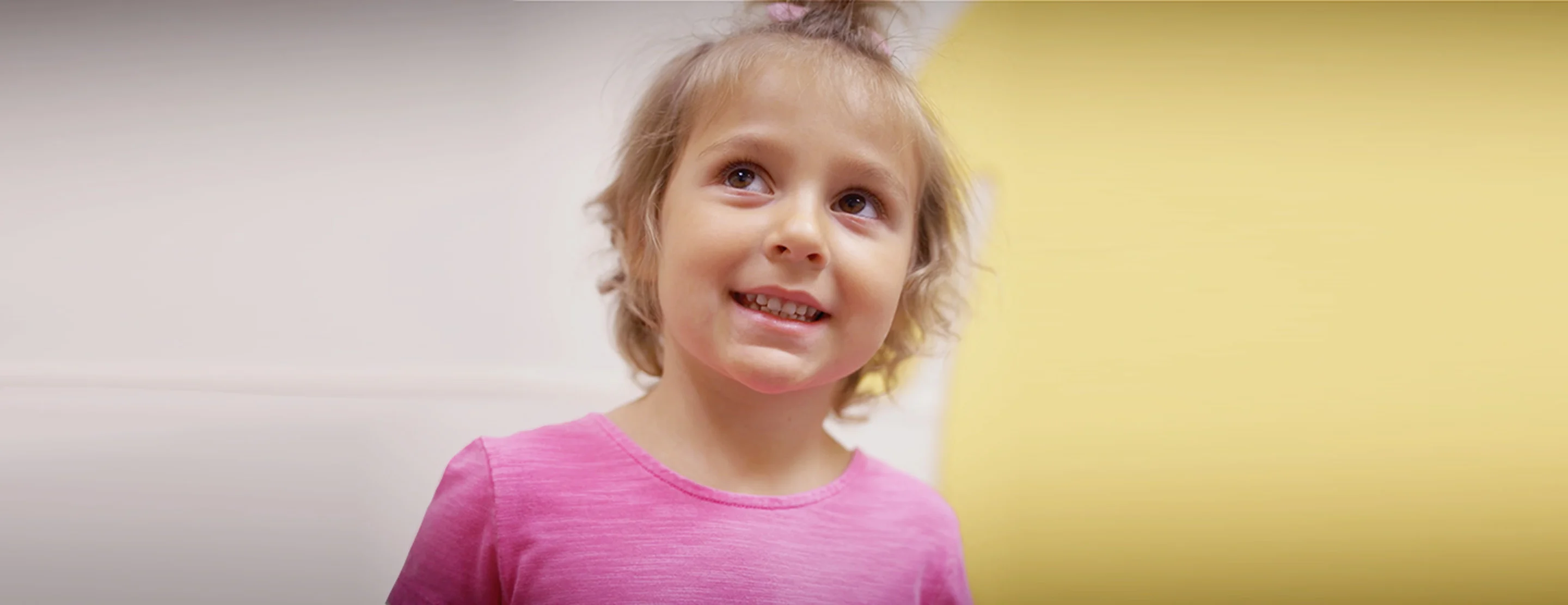
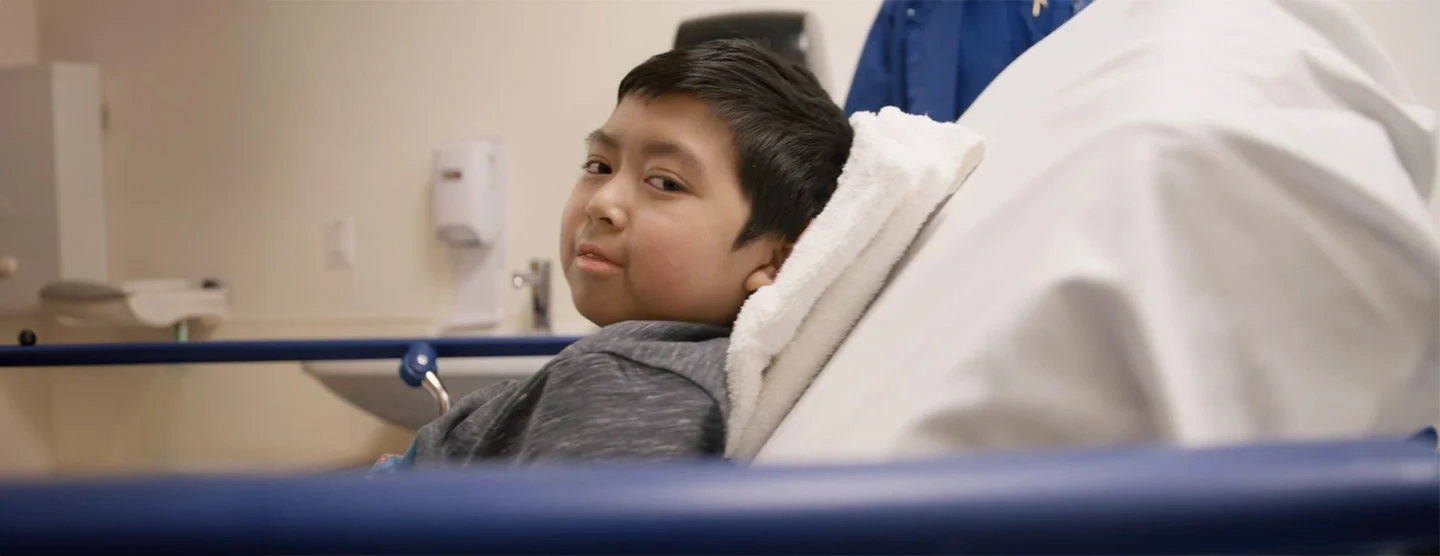
Patient stories
1 of 2

Trials & research
Clinical trials
A Study of the Drug Letermovir as Prevention of Cytomegalovirus Infection After Stem Cell Transplant in Pediatric PatientsOpens in a new window
This phase III single arm trial determines whether taking prophylactic letermovir will reduce the likelihood of infection with cytomegalovirus (CMV) in children and adolescents after stem cell transplant compared to estimated rate of infection without prophylaxis...Dinutuximab With Chemotherapy, Surgery and Stem Cell Transplantation for the Treatment of Children With Newly Diagnosed High Risk NeuroblastomaOpens in a new window
This phase III trial tests how well the addition of dinutuximab to Induction chemotherapy along with standard of care surgical resection of the primary tumor, radiation, stem cell transplantation, and immunotherapy works for treating children with newly diagnosed high-risk neuroblastoma...
Research initiatives
UCSF Division of Allergy Immunology and BMT ResearchOpens in a new window
The division studies disorders of the immune system – from food allergy trials to the genetic causes of immunodeficiency – advancing cellular therapies such as gene therapy and blood and marrow transplantation.Early-Phase Clinical Trials at UCSF: Pediatric Cancer
Search the directory of UCSF's active clinical trials open to children with cancer, including leukemia, lymphoma, neuroblastoma and brain tumors.
Support services
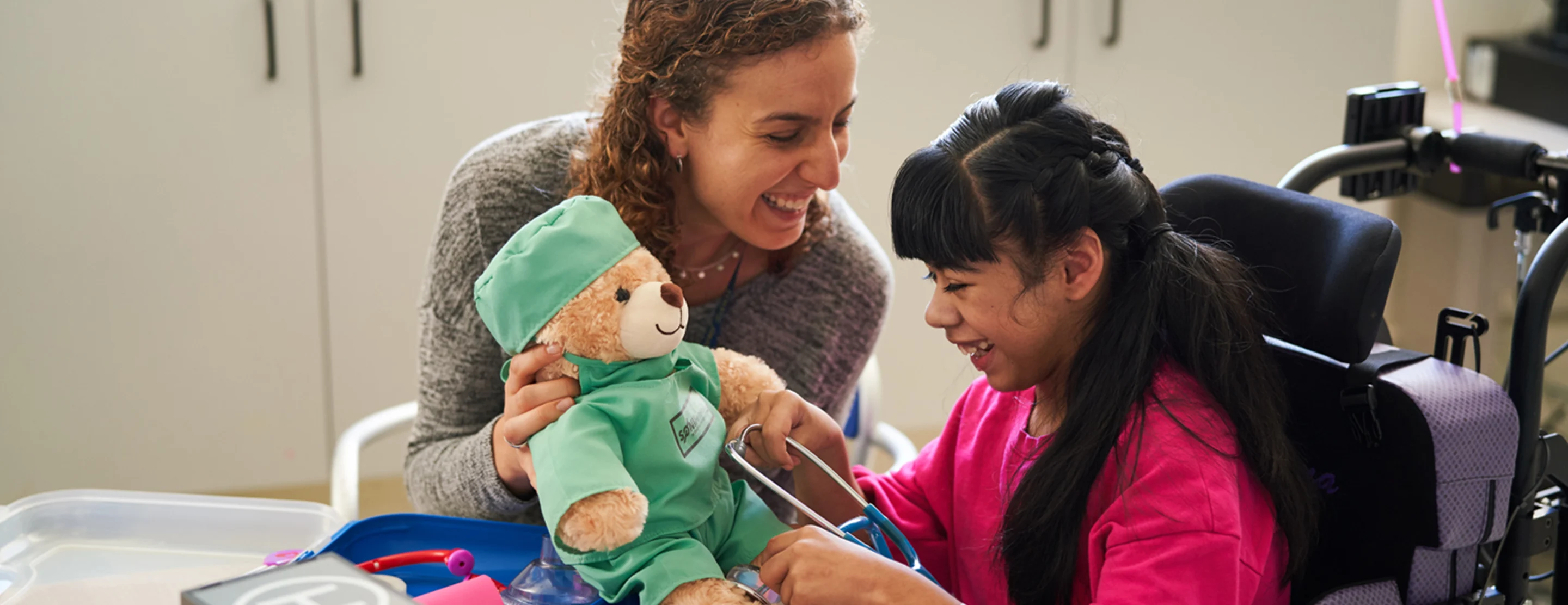
Child Life
Certified child life specialists ease the stress and anxiety of childhood illness through therapeutic play, schooling and family-focused support.
Family Amenities
Family-friendly amenities help you relax and take care of yourself while staying close to your child. We offer lounges, kitchens, showers, breastfeeding rooms and more.
Social Services at UCSF Benioff Children's Hospitals
Social workers ease the effect of illness, injury and hospitalization on your family with counseling and assistance to help you navigate the challenges.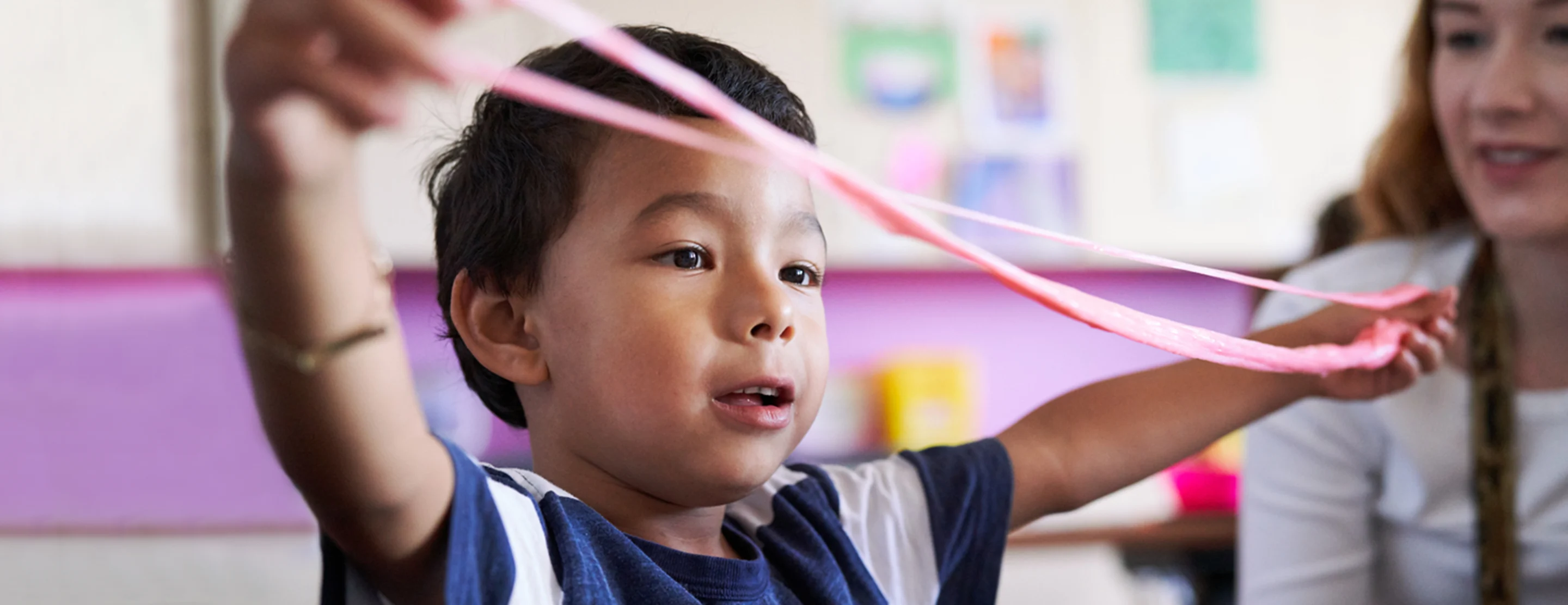
Activity Rooms
Activity rooms offer a relaxed environment for children of all ages. Features include a playroom, digital arts studio and teen lounge. Find out more.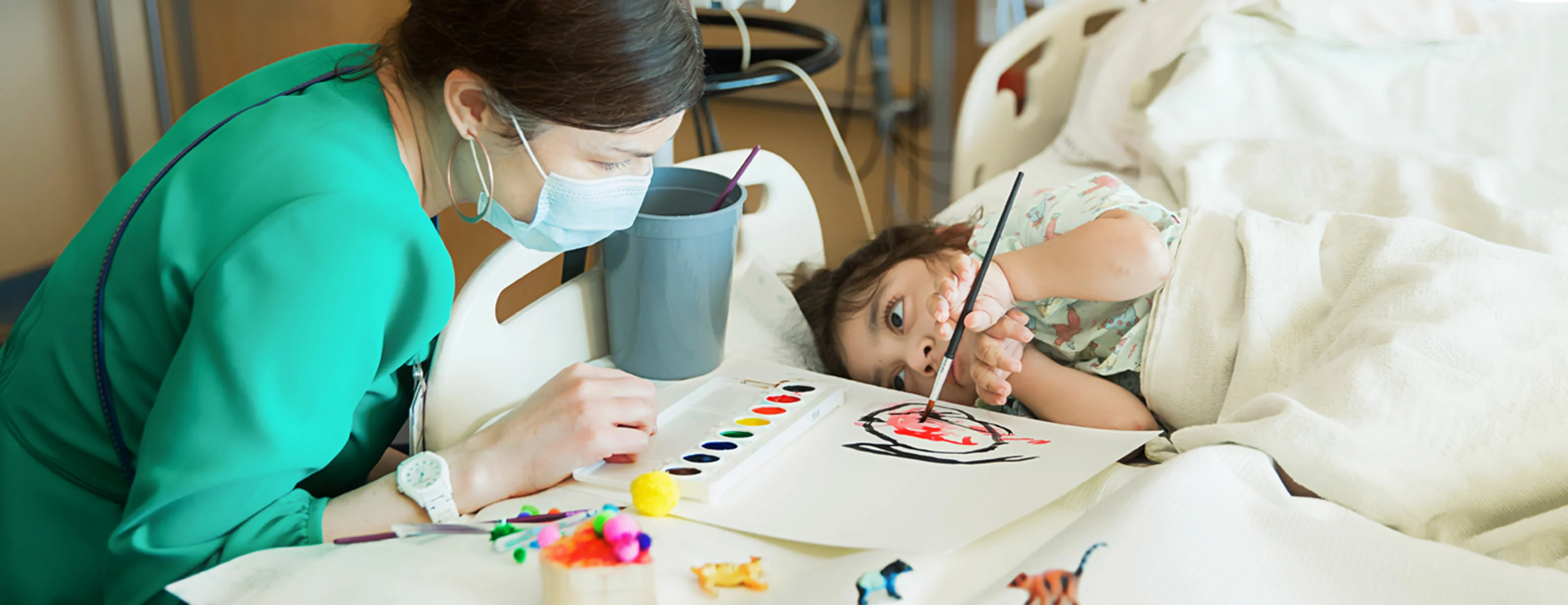
Pediatric Art Therapy Program
Art therapy helps kids and families express themselves, making it easier to cope with pediatric health issues. Group and bedside services are available.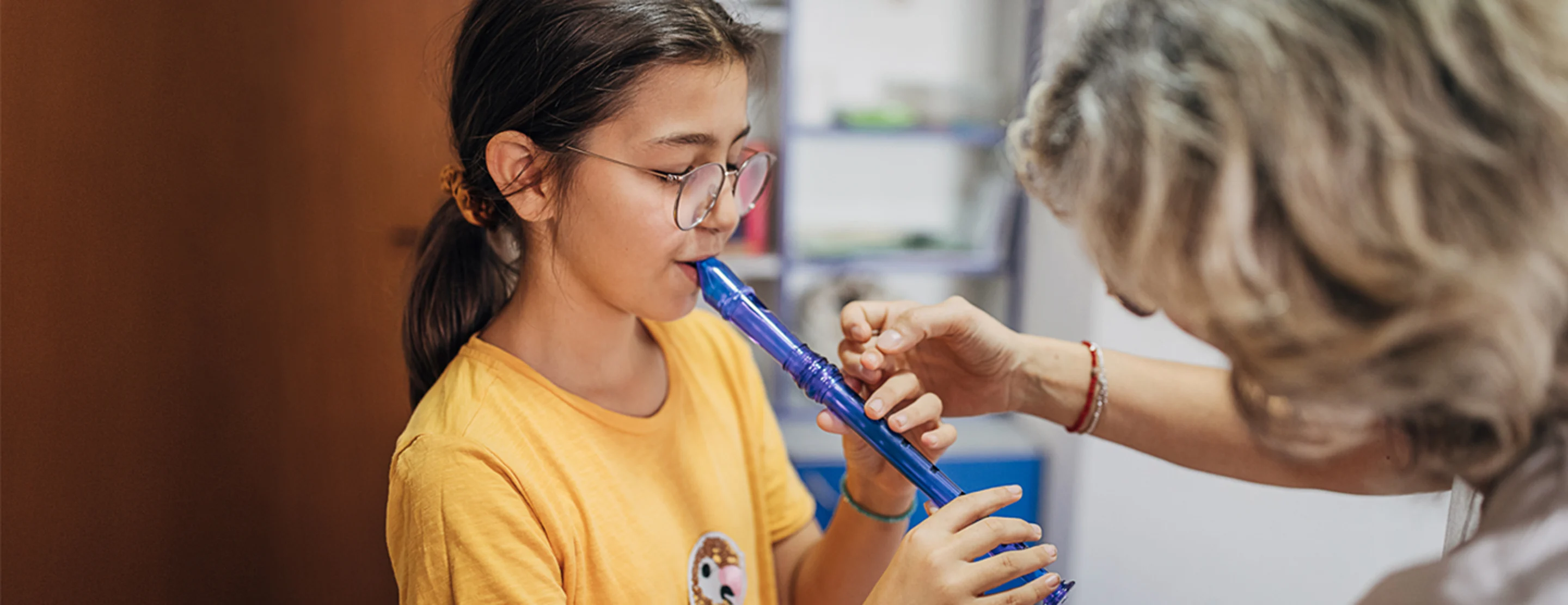
Pediatric Music Therapy Program
Board-certified music therapists help kids cope with illness and the feelings that come with it. Find out about group activities and bedside therapy.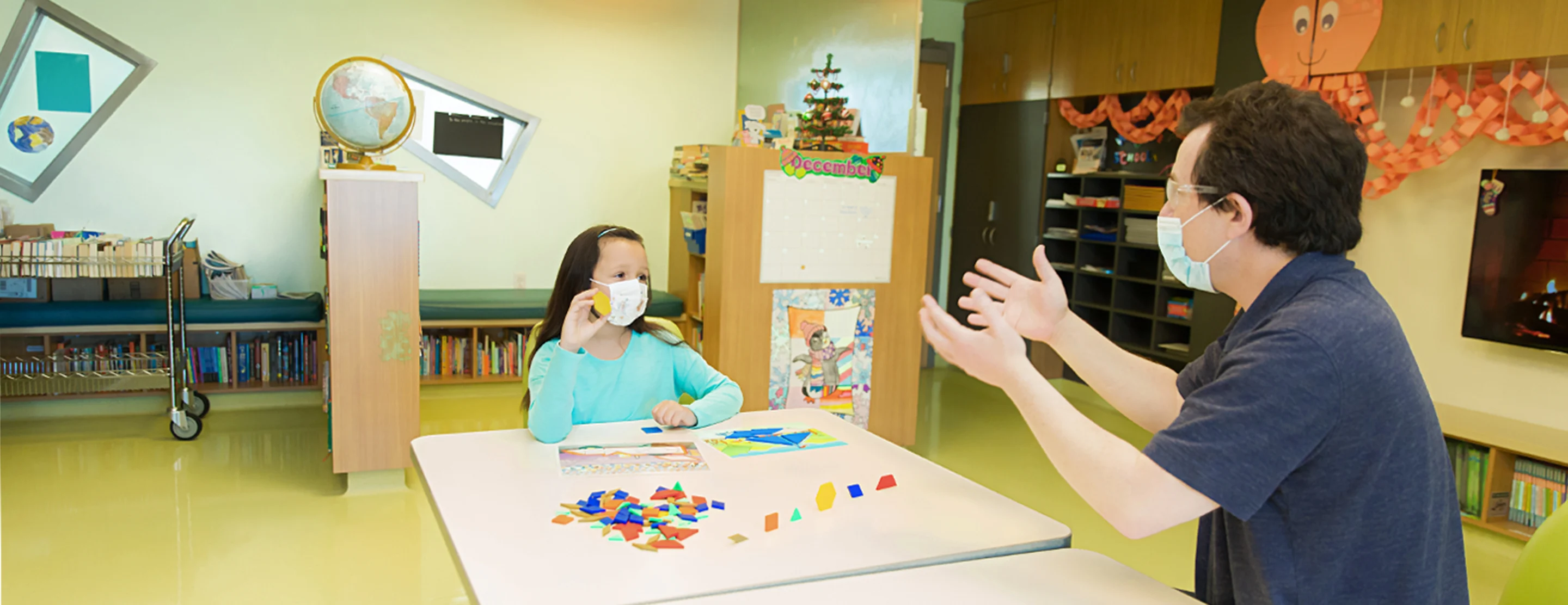
School Program for Hospitalized Children
Our schoolroom services and individual learning programs help children hospitalized at UCSF continue their education and get ready to return to school.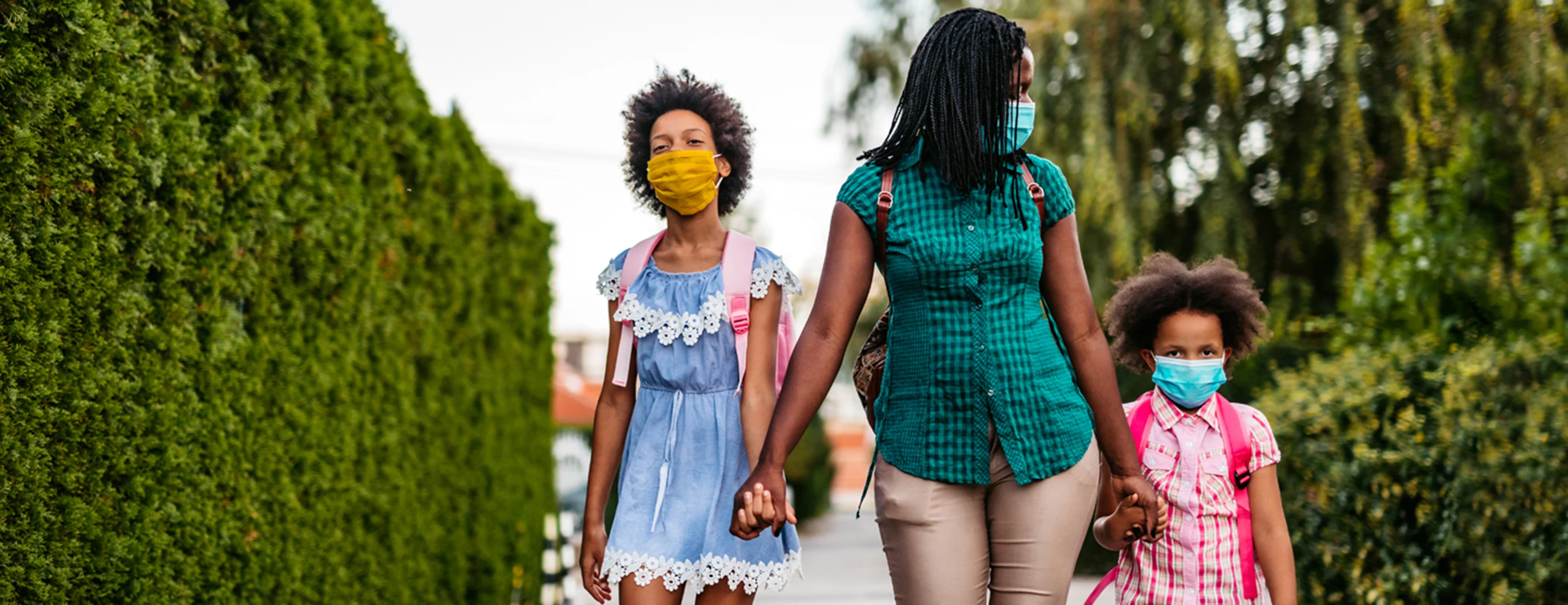
School Re-Entry Program
We help kids return to school after hospitalization by educating staff and students about their needs and recommending needed accommodations. Read more.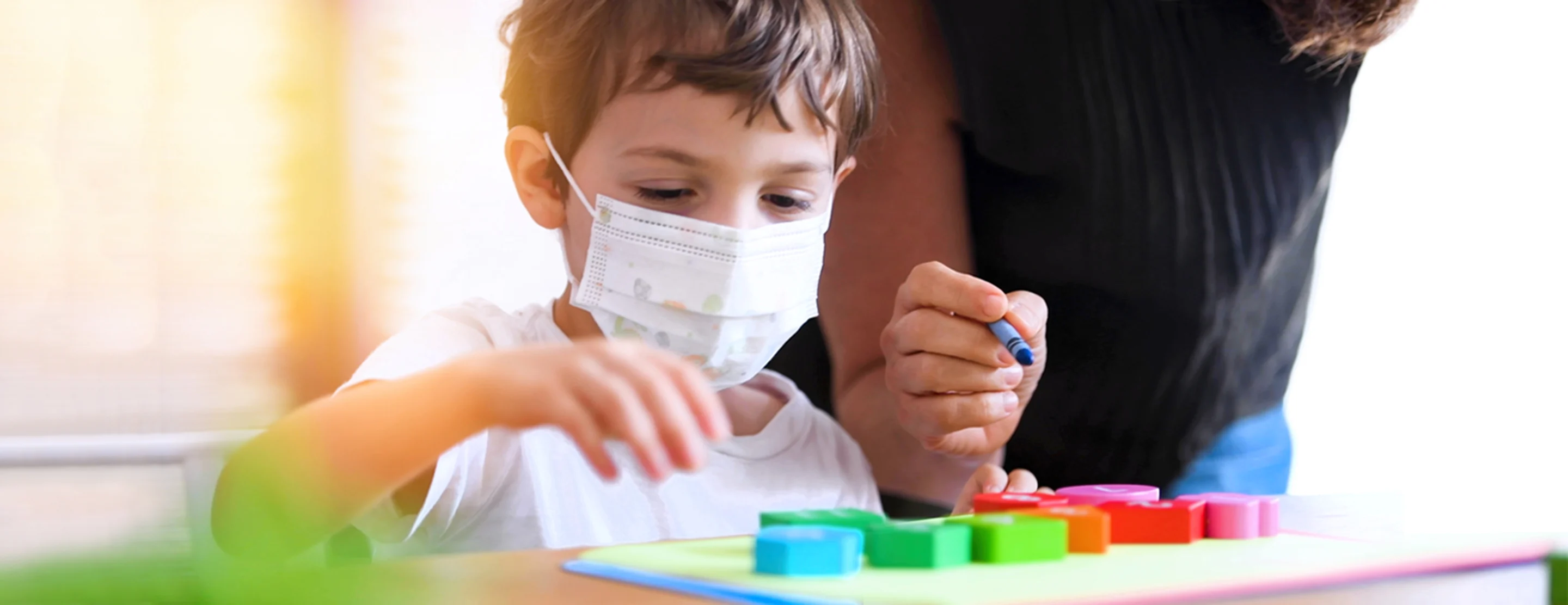
Individual Playtime & Instruction
If your child can't be around other kids for medical reasons, you can sign up for private sessions in our activity and school rooms. Find out how.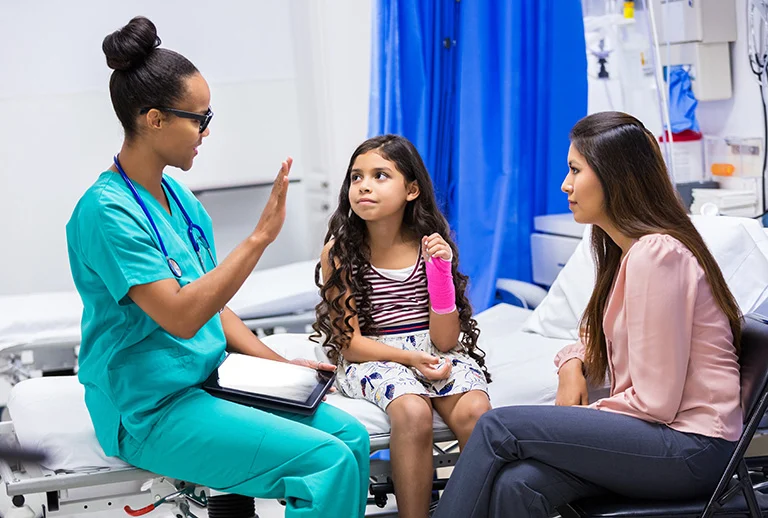
Interpreter Services & Communication Assistance at UCSF Benioff Children's Hospitals
Interpreter services in many languages and TDDs are available for families that need help communicating with care teams. Here's how to access them.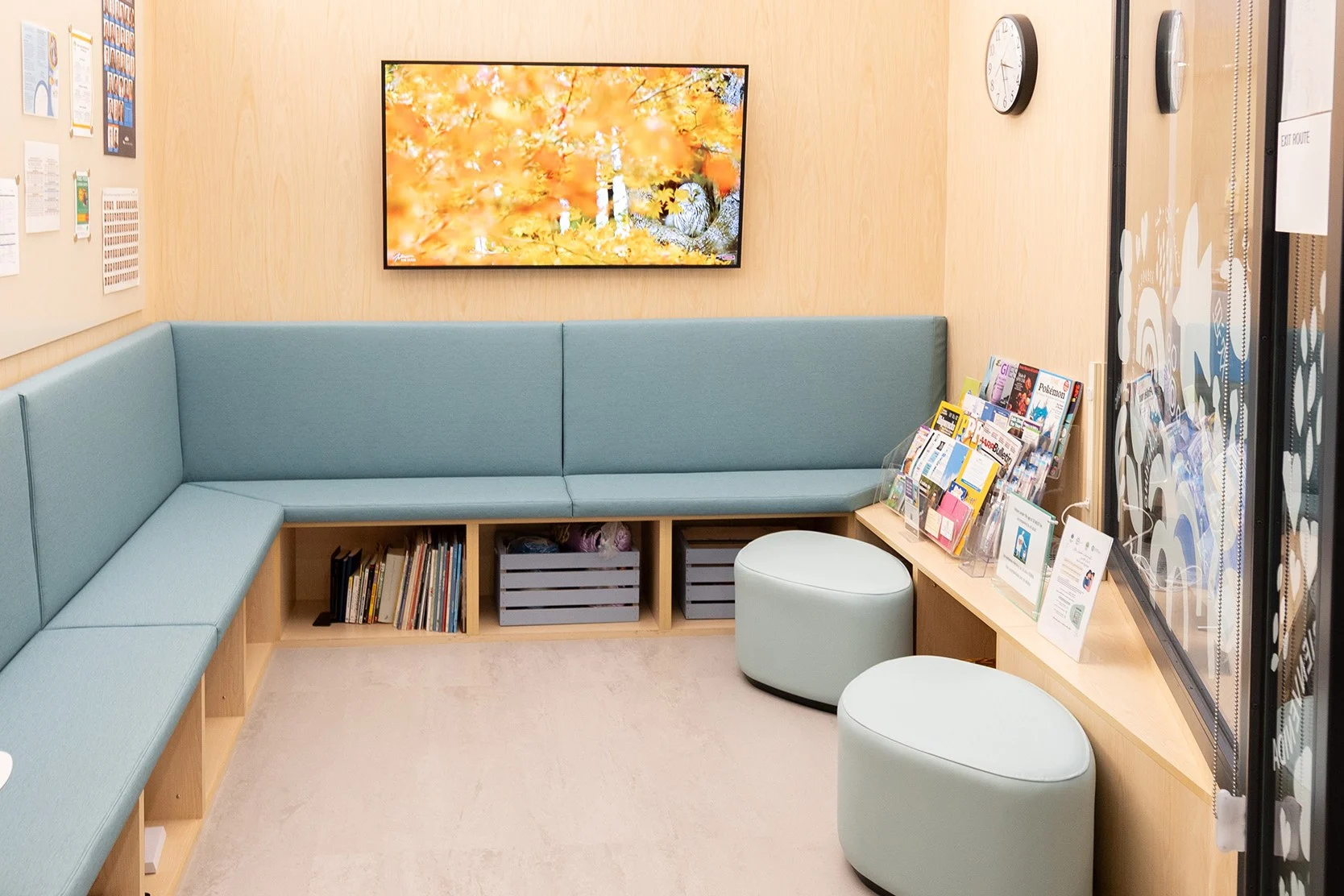
Family Resource Center
We help families cope with the challenges of childhood illness and hospitalization in a relaxing environment where parents can get a much-needed break.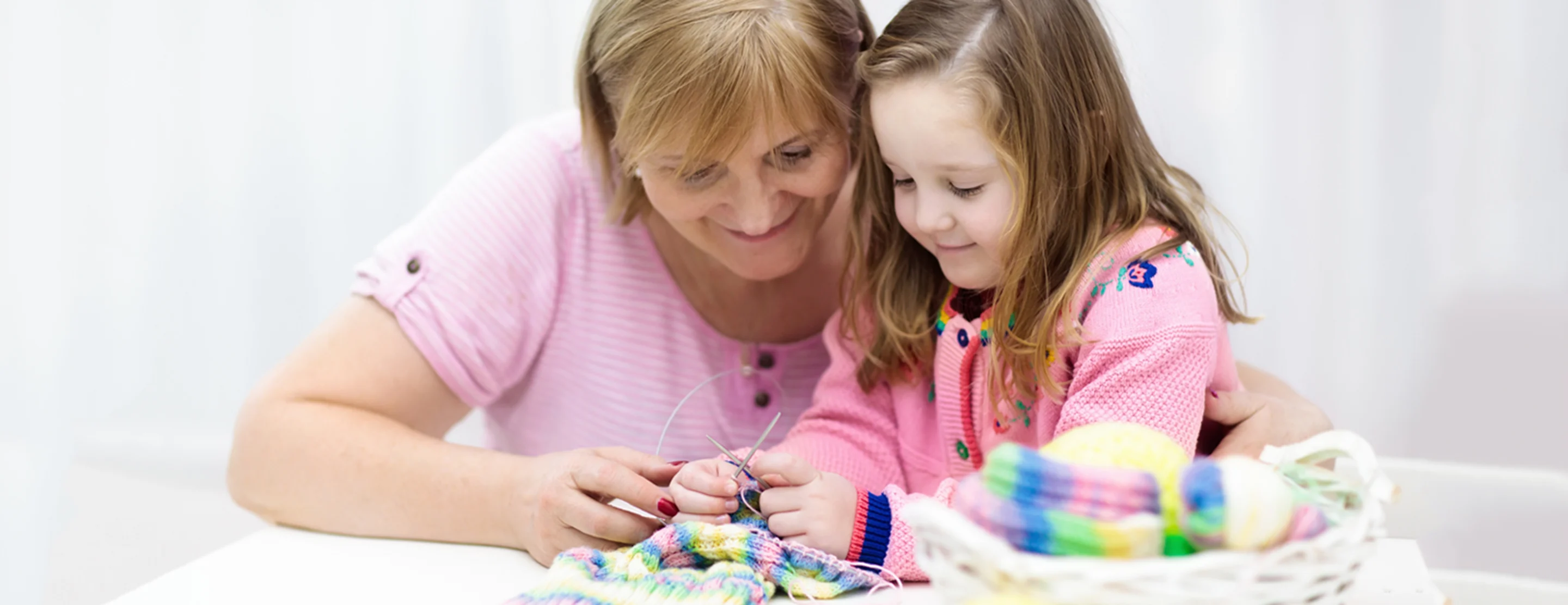
Parent Support Program
Weekly activities, including knitting, scrapbooking, chair massage and more, help family caregivers get a much-needed break. Find out more.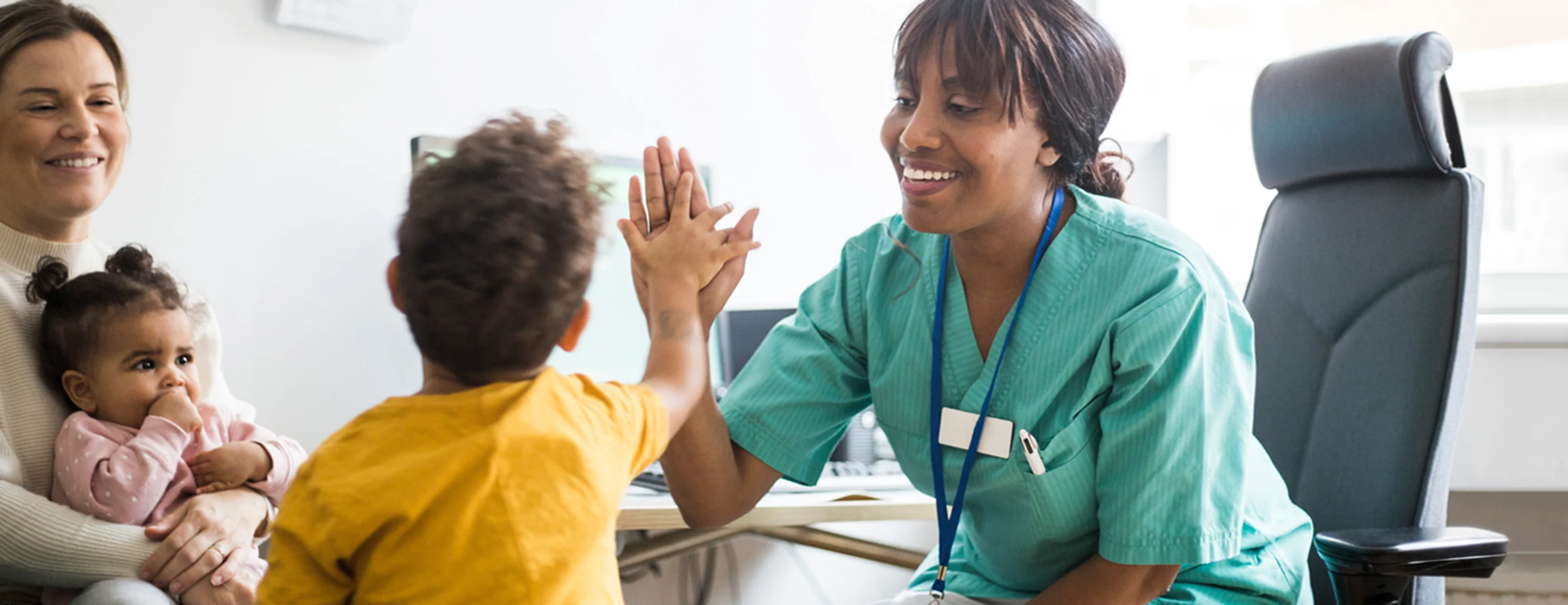
Patient Relations at UCSF Benioff Children's Hospitals
Patient relations reps and nursing supervisors are here to answer questions and address concerns. Learn about your rights, how to reach us and more.
Spiritual Care at UCSF Benioff Children's Hospitals
Chaplains help UCSF patients, families and staff cope with the spiritual and emotional challenges of childhood illness. Learn more.
International Services at UCSF Benioff Children's Hospitals
If you're coming to UCSF from outside the U.S., we coordinate your child's appointments and provide other helpful services. Here's how to get started.