Pediatric Survivorship Program
On this page
Why choose UCSF Benioff Children's Hospitals for cancer and transplant survivorship care?
For childhood cancer survivors and transplant recipients, finishing treatment means the start of a new journey. At UCSF Benioff Children's Hospitals, we help survivors of all ages protect their long-term health so they can live life to the fullest.
Our pediatric survivorship program supports cancer and bone marrow transplant survivors in managing the long-term effects of treatment. Whether or not you received care at UCSF, we work with you and your family to understand potential health risks and address concerns early. We recommend having an initial meeting with our survivorship team within three years of completing treatment.
Why choose UCSF Benioff Children's Hospitals for cancer and transplant survivorship care?
For childhood cancer survivors and transplant recipients, finishing treatment means the start of a new journey. At UCSF Benioff Children's Hospitals, we help survivors of all ages protect their long-term health so they can live life to the fullest.
Our pediatric survivorship program supports cancer and bone marrow transplant survivors in managing the long-term effects of treatment. Whether or not you received care at UCSF, we work with you and your family to understand potential health risks and address concerns early. We recommend having an initial meeting with our survivorship team within three years of completing treatment.
Specialized expertise
Survivors receive care and guidance from oncologists, psychologists, social workers, nurses and dietitians who specialize in survivorship.Support through adulthood
We work with childhood cancer and transplant survivors of all ages. Consistent treatment through adolescence and adulthood leads to better long-term outcomes.Care across specialties
We connect survivors to any specialists they need for related complications, including experts in fertility, cardiology, endocrinology and nephrology.Survivorship research
Our team is actively involved in survivorship research and stays current on the best practices to support children after treatment.
The importance of long-term care for childhood cancer and transplant survivors
Cancer and transplant treatment can have a significant impact on a child's life for years to come. Some side effects show up months or years after treatment ends, called late effects. These can affect many aspects of a person's physical health and their emotional and social well-being. Research shows survivorship programs can help identify and address these challenges and improve long-term outcomes for survivors.
Late effects of cancer or transplant treatment can include:
Chronic pain
Diabetes
Fertility problems
Growth or developmental delays
Heart, lung, kidney or liver problems
Other types of cancer (later in life)
Problems with learning and memory
Weight gain
Mental and emotional challenges after treatment are also common, such as:
Body image and self-esteem issues
Depression and anxiety
Difficulty returning to school or work
Fear that cancer will come back
Increased irritability or mood changes
Post-traumatic stress disorder (PTSD)
Social isolation or difficulty forming relationships
Substance use disorder
Our approach to survivorship care
Our goal is to help you smoothly transition from treatment to ongoing care with your primary care provider and any specialists you need. During your appointment, you meet with each member of our team so we can review your treatment history and create a personalized survivorship care plan.
We upload your treatment summary and screening recommendations to Passport for Care, the Children's Oncology Group online survivorship portal. The Children's Oncology Group is a leading pediatric cancer research organization. This gives you easy access to an electronic medical record that can be shared with any of your future health care providers.
Your survivorship consultation includes:
Coordination of recommended testing, such as blood work and heart, hearing, lung and bone health evaluations
Education and counseling about the late effects of cancer, cancer treatment and transplantation
Guidance on exercise, nutrition and healthy lifestyle habits
Individualized recommendations for screening and ongoing surveillance
Referrals to specialists, if needed
Survivors with complex needs and those with the highest risk of long-term complications may continue receiving follow-up care from our team.
Providers

Robert E. Goldsby, MD
Hematology and Medical Oncology • Medical Oncology

Natalie Wu, MD, MS
Pediatric Hematology-Oncology
Awards & achievements


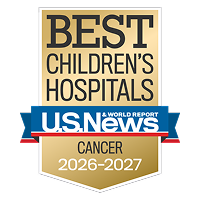
Best in Northern California and top 10 in the nation for cancer care

Designated an early phase clinical trials core site by the Children's Oncology Group

Ranked among the nation's best in 11 specialties

Related services

Related conditions & treatments
Conditions
- Cancer-Related Anxiety Disorder
- Cancer-Related Depression
- Cancer Survivor
- Infertility After Cancer Treatment
- Long Term Side Effects of Cancer Treatment
- Pediatric Cancer
- Post Traumatic Stress Disorder
Treatments
- Bone Marrow Transplant
- Cancer Screening
- Nutritional Counseling

Clinical trials
Walking Juntos: a physical activity study for Hispanic and Latino young cancer survivorsOpens in a new window
This clinical trial tests the impact of a culturally-tailored home-based physical activity program on physical fitness in Hispanic or Latino/Latina adolescent and young adult (AYA) childhood cancer survivors. After treatment for cancer, some AYA survivors experience long-term effects from the cancer and its treatment including weight gain, fatigue and decreased physical fitness...Mobile App to Help Survivors of Childhood Cancer Navigate Long-Term Follow-Up CareOpens in a new window
This clinical trial studies the effectiveness of a newly developed survivorship mobile application (app) designed for survivors, or their caregivers, of childhood cancer to help them better navigate long-term follow-up care...Childhood Cancer Survivor StudyOpens in a new window
The Childhood Cancer Survivor Study (CCSS) will investigate the long-term effects of cancer and its associated therapies...
Support services
Child Life
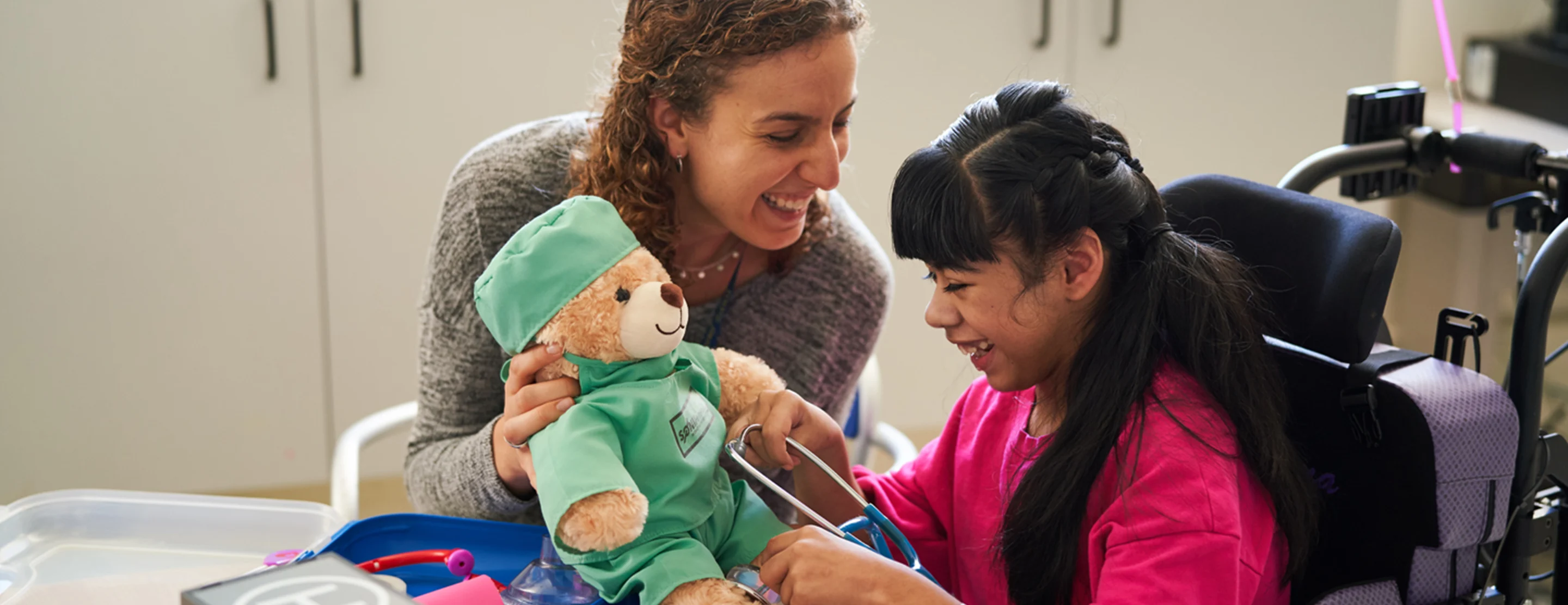
Certified child life specialists ease the stress and anxiety of childhood illness through therapeutic play, schooling and family-focused support.
Beads of Courage
We help children cope with cancer testing and treatment challenges by awarding colorful beads for each milestone they achieve. Find out about our program.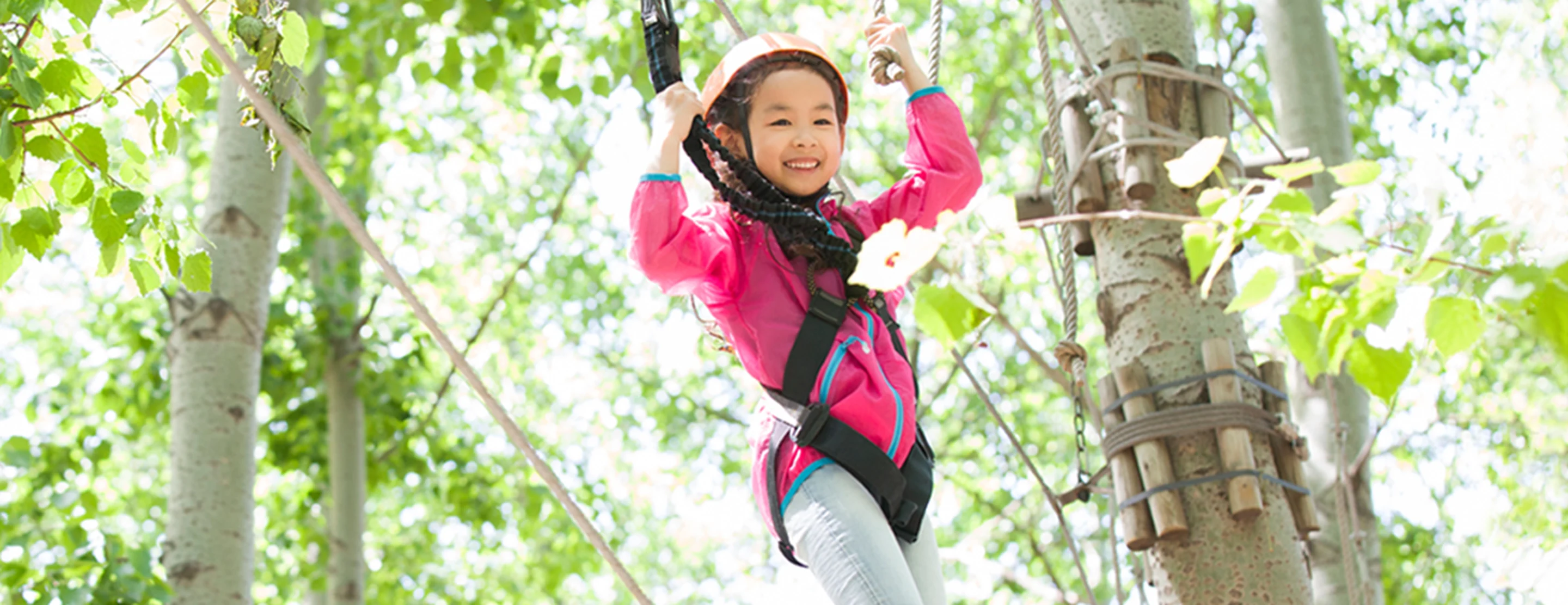
Camp Okizu
This overnight summer camp for children with cancer, siblings and families offers fun activities, education sessions and support in a beautiful setting.
Individual Playtime & Instruction
If your child can't be around other kids for medical reasons, you can sign up for private sessions in our activity and school rooms. Find out how.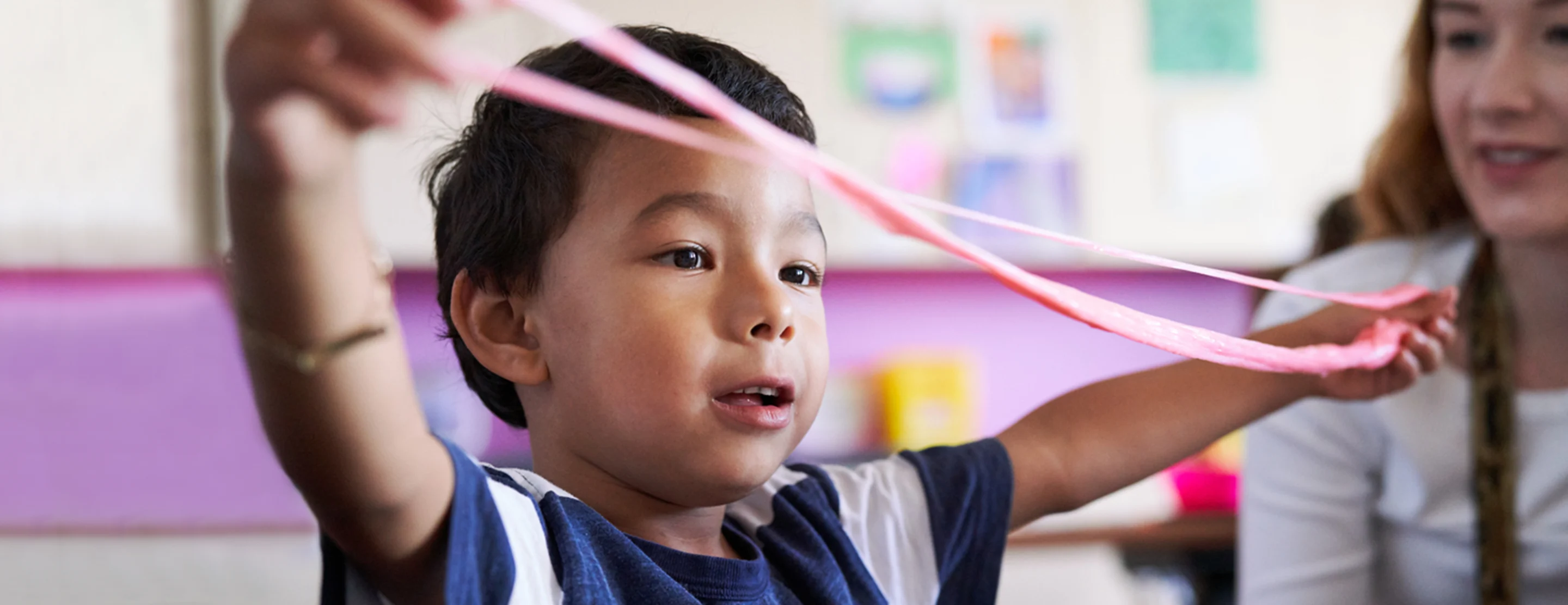
Activity Rooms
Activity rooms offer a relaxed environment for children of all ages. Features include a playroom, digital arts studio and teen lounge. Find out more.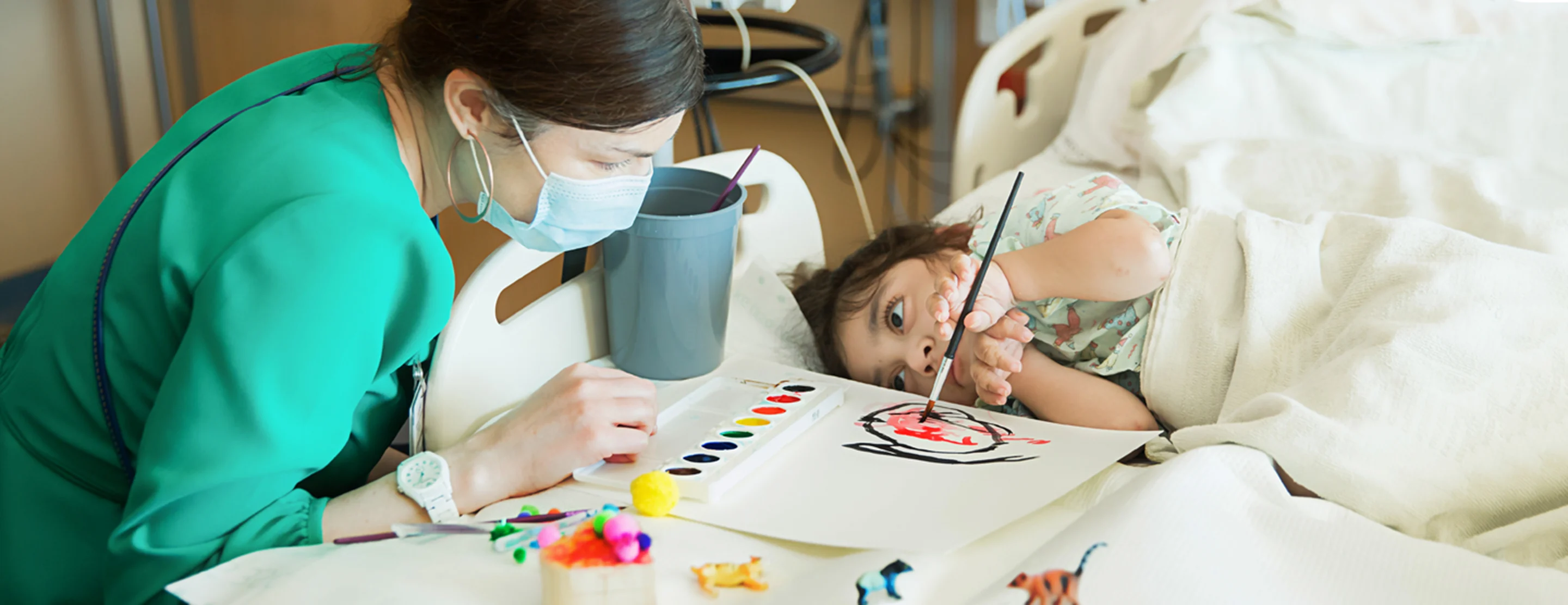
Pediatric Art Therapy Program
Art therapy helps kids and families express themselves, making it easier to cope with pediatric health issues. Group and bedside services are available.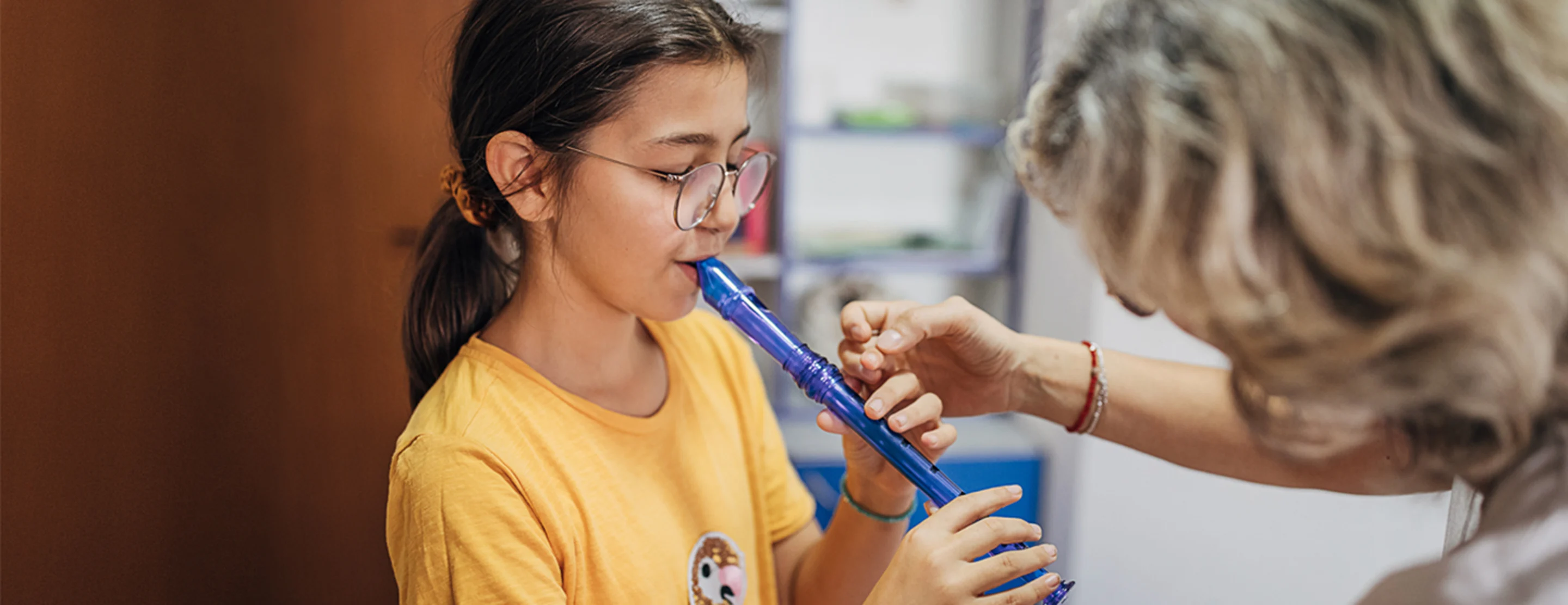
Pediatric Music Therapy Program
Board-certified music therapists help kids cope with illness and the feelings that come with it. Find out about group activities and bedside therapy.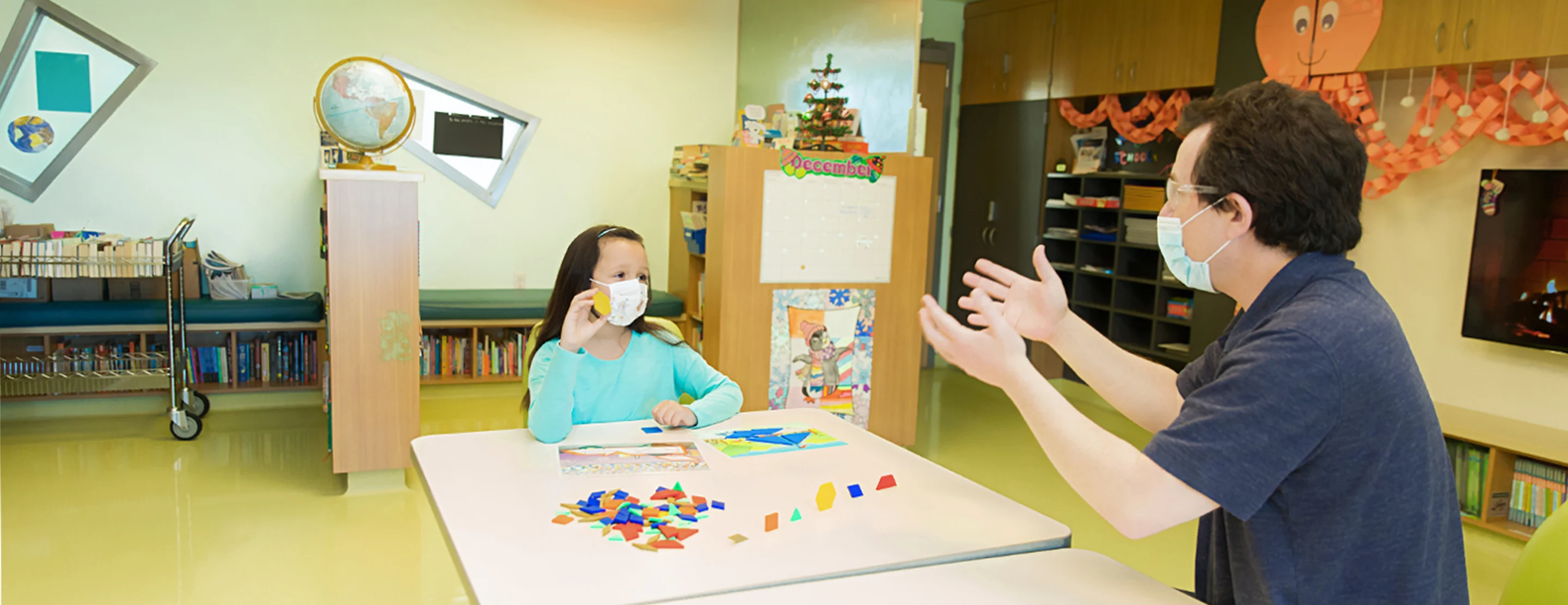
School Program for Hospitalized Children
Our schoolroom services and individual learning programs help children hospitalized at UCSF continue their education and get ready to return to school.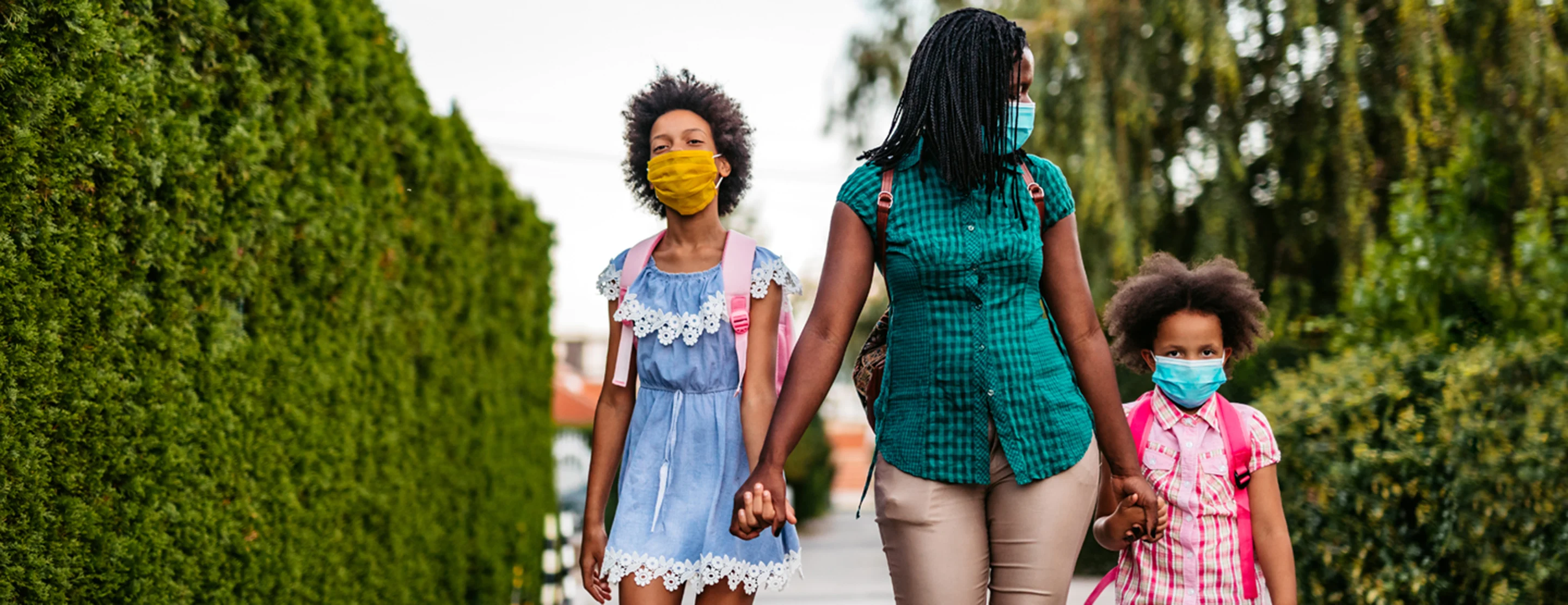
School Re-Entry Program
We help kids return to school after hospitalization by educating staff and students about their needs and recommending needed accommodations. Read more.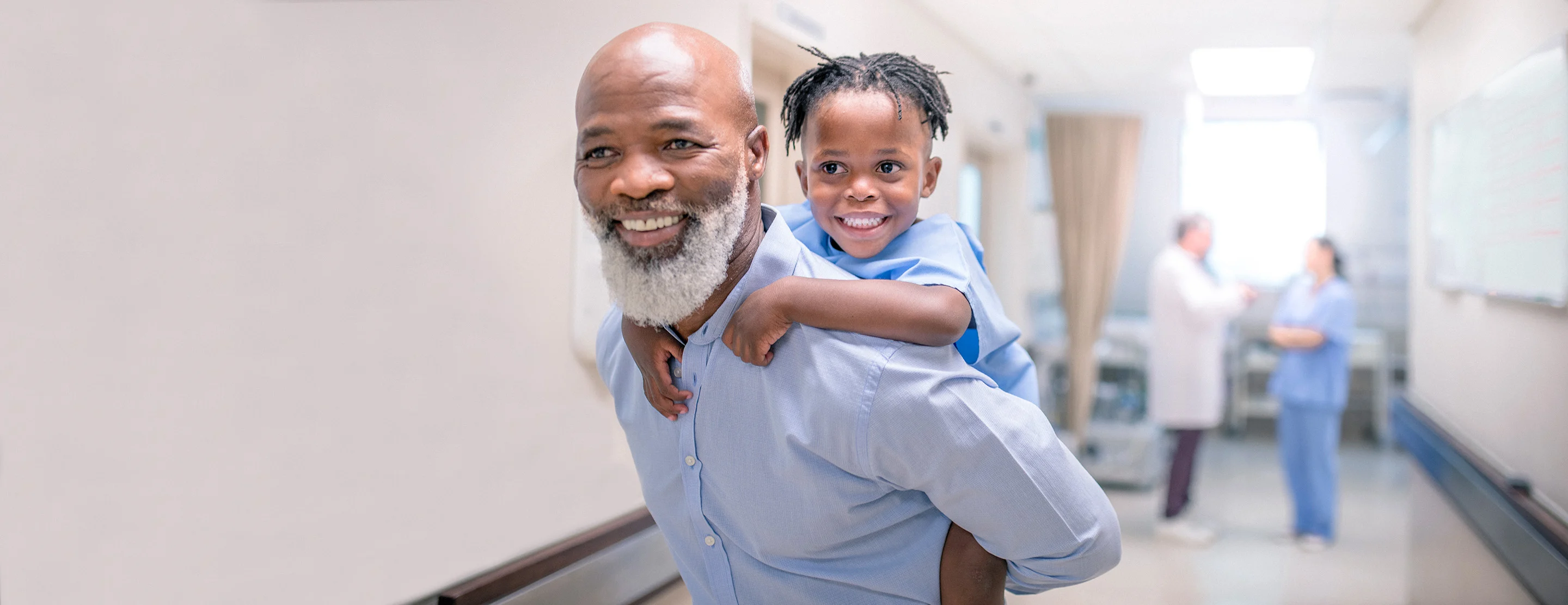
Family Amenities
Family-friendly amenities help you relax and take care of yourself while staying close to your child. We offer lounges, kitchens, showers, breastfeeding rooms and more.
Social Services at UCSF Benioff Children's Hospitals
Social workers ease the effect of illness, injury and hospitalization on your family with counseling and assistance to help you navigate the challenges.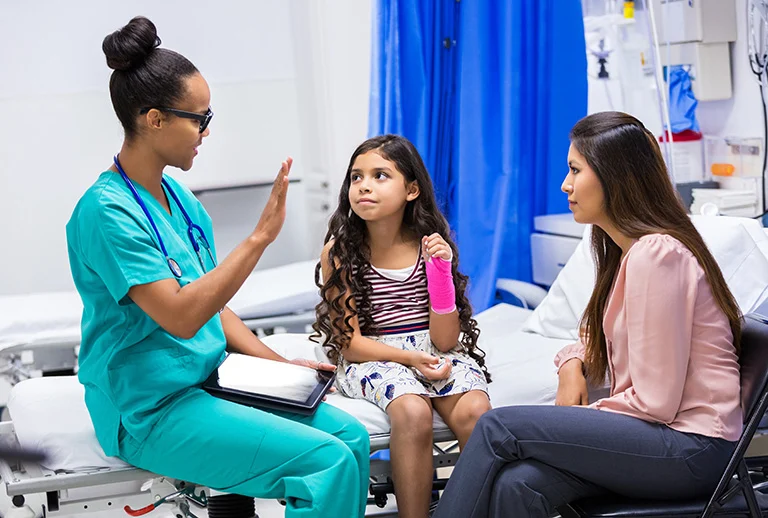
Interpreter Services & Communication Assistance at UCSF Benioff Children's Hospitals
Interpreter services in many languages and TDDs are available for families that need help communicating with care teams. Here's how to access them.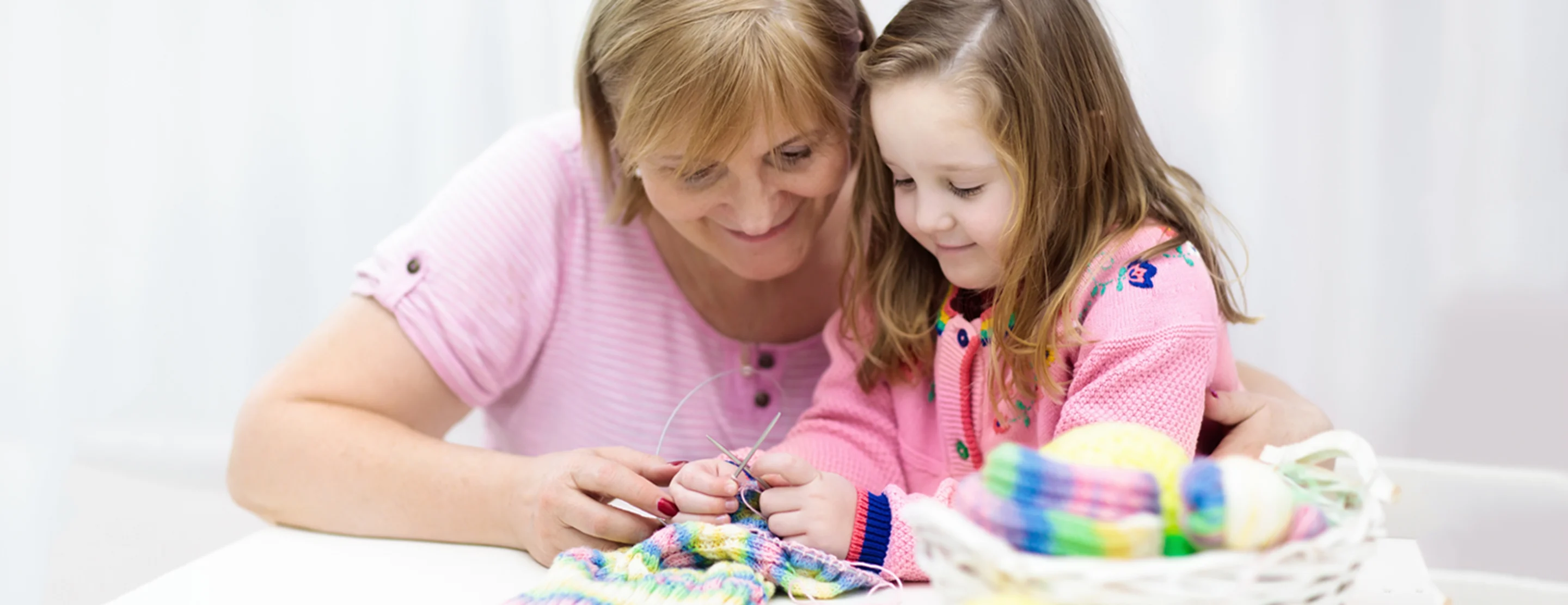
Parent Support Program
Weekly activities, including knitting, scrapbooking, chair massage and more, help family caregivers get a much-needed break. Find out more.
Patient Relations at UCSF Benioff Children's Hospitals
Patient relations reps and nursing supervisors are here to answer questions and address concerns. Learn about your rights, how to reach us and more.
Spiritual Care at UCSF Benioff Children's Hospitals
Chaplains help UCSF patients, families and staff cope with the spiritual and emotional challenges of childhood illness. Learn more.
International Services at UCSF Benioff Children's Hospitals
If you're coming to UCSF from outside the U.S., we coordinate your child's appointments and provide other helpful services. Here's how to get started.