Thalassemia Center
On this page
Why choose UCSF Benioff Children's Hospitals for thalassemia treatment?
At UCSF Benioff Children's Hospitals, you'll find one of the nation's largest and most comprehensive programs for diagnosing and treating thalassemia. We see patients from childhood through adulthood, providing specialized care throughout their lifespan.
Few pediatric hospitals offer a dedicated thalassemia program with the depth of expertise found here. Our physicians contribute to research and help develop thalassemia care standards followed by other hospitals around the country.
Managing thalassemia requires precise diagnosis, highly individualized treatment and careful monitoring, making it essential to get care from a comprehensive program. We treat all types and severities of the disorder, including alpha and beta thalassemia.
Why choose UCSF Benioff Children's Hospitals for thalassemia treatment?
At UCSF Benioff Children's Hospitals, you'll find one of the nation's largest and most comprehensive programs for diagnosing and treating thalassemia. We see patients from childhood through adulthood, providing specialized care throughout their lifespan.
Few pediatric hospitals offer a dedicated thalassemia program with the depth of expertise found here. Our physicians contribute to research and help develop thalassemia care standards followed by other hospitals around the country.
Managing thalassemia requires precise diagnosis, highly individualized treatment and careful monitoring, making it essential to get care from a comprehensive program. We treat all types and severities of the disorder, including alpha and beta thalassemia.
Breakthrough gene therapy
UCSF was among the first on the West Coast to offer Zynteglo and Casgevy – life-changing gene therapies for transfusion-dependent beta thalassemia.Nationally recognized hemoglobinopathy lab
Our lab is the only one of its kind in the U.S. We use specialized testing and next-generation sequencing to diagnose hemoglobin disorders.Specialized fetal medicine care
Maternal-fetal medicine specialists and hematologists deliver advanced care for patients with alpha thalassemia major, including in utero transfusions and comprehensive care after birth.Support for families
Social workers, dietitians, psychologists and nurses help families manage the everyday challenges of living with thalassemia.
Our collaborative approach to thalassemia care
Thalassemia is a genetic blood condition that reduces your body's ability to produce healthy red blood cells and hemoglobin. Hemoglobin is a protein that carries oxygen throughout your body. As a result, thalassemia can affect many aspects of a person's health.
Our team of specialists works together to manage thalassemia and support healthy development so patients can stay active and feel their best.
At UCSF, patients and their families have access to:
Hematologists
Cardiologists
Endocrinologists
Geneticists
Hepatologists
Nephrologists
Orthopedists
Radiologists
Reproductive endocrinologists
Transfusion medicine specialists
Our treatments for thalassemia
Thalassemia care often includes medications, called chelation therapy, and blood transfusions. Stem cell transplants and gene therapy are important options for patients receiving regular transfusions, which we discuss with families.
Blood transfusions
Blood transfusions are the most common treatment for thalassemia. Some people need a blood transfusion every few weeks. A transfusion delivers healthy red blood cells from a donor to prevent anemia and ensure their body gets enough oxygen.
At UCSF, we have an advanced blood bank and experts in transfusion medicine to make these procedures as safe, effective and comfortable as possible. Our specialized lab provides donor blood for patients with thalassemia that is closely matched to their own, including rare blood types. They also supply blood for people with red blood cell antibodies, which are produced by immune cells and attack donor red blood cells.
Chelation therapy
People who receive regular blood transfusions have a high risk of iron overload. This is a serious complication where iron builds up in vital organs, such as the heart and liver. To prevent this, chelation therapy uses medications to remove excess iron from the body. These medicines are usually taken by mouth but can also be injected under the skin or infused into a vein.
Advanced monitoring for iron overload
During chelation therapy, we monitor iron levels and organ function using blood tests and specialized T2 star (T2*) MRI scans, which measure iron buildup in the heart and liver. This advanced, noninvasive technology is not widely available and helps us better protect each patient's long-term health.
Stem cell transplant and gene therapy for thalassemia
Gene therapy is an option for people with transfusion-dependent beta thalassemia. Two FDA-approved gene therapies, Zynteglo and Casgevy, are available at UCSF. These one-time treatments can eliminate the need for blood transfusions.
Gene therapy involves modifying a patient's stem cells, which are cells that make other blood cells. Treatment requires chemotherapy, hospitalization and intensive follow-up monitoring. We discuss the risks and benefits with families to help them make informed decisions.
A stem cell transplant is another potential cure for thalassemia. This procedure uses stem cells collected from a matched donor, either a sibling or unrelated person. UCSF is home to one of the top pediatric stem cell transplant programs in the nation.
Learn more about our expertise in blood and marrow transplant.
Providers

Ayca Erkin-Cakmak, MD, MPH
Endocrinology • Pediatric Endocrinology
Ashutosh Lal, MBBS, MD
Pediatric Hematology-Oncology
Sylvia Singer, MD
Pediatric Hematology-Oncology
Elliott Vichinsky, MD
Pediatric Hematology-Oncology
Awards & achievements



Accredited by the Foundation for Accreditation of Cellular Therapy

Ranked among the nation's best in 11 specialties


Related conditions & treatments
Conditions
- Anemia
- Hemoglobinopathies
- Thalassemia
Treatments
- Blood and Bone Marrow Transplant
- Chelation Therapy
- Gene Therapy
- Stem Cell Transplant

Clinical trials
A Research Study Looking at Long-term Treatment With Etavopivat in People With Sickle Cell Disease or ThalassaemiaOpens in a new window
Etavopivat is a new medicine under development for treating blood disorders like sickle cell disease and thalassaemia. Sickle cell disease and thalassaemia are inherited blood disorders that affect haemoglobin. Haemoglobin is the protein that carries oxygen through the body. This study is looking into how safe treatment with etavopivat is and how well it works over a long period of time...
Life-changing gene therapy helps kids with beta thalassemia
Support services
Child Life
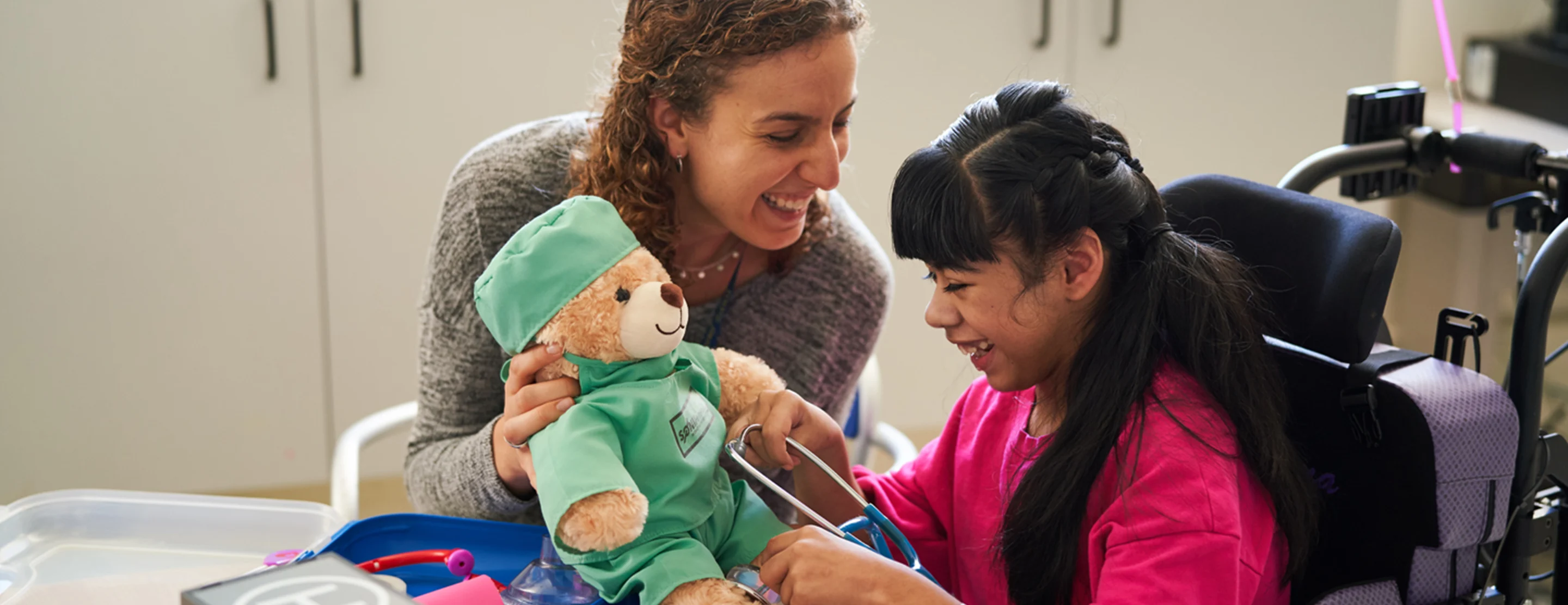
Certified child life specialists ease the stress and anxiety of childhood illness through therapeutic play, schooling and family-focused support.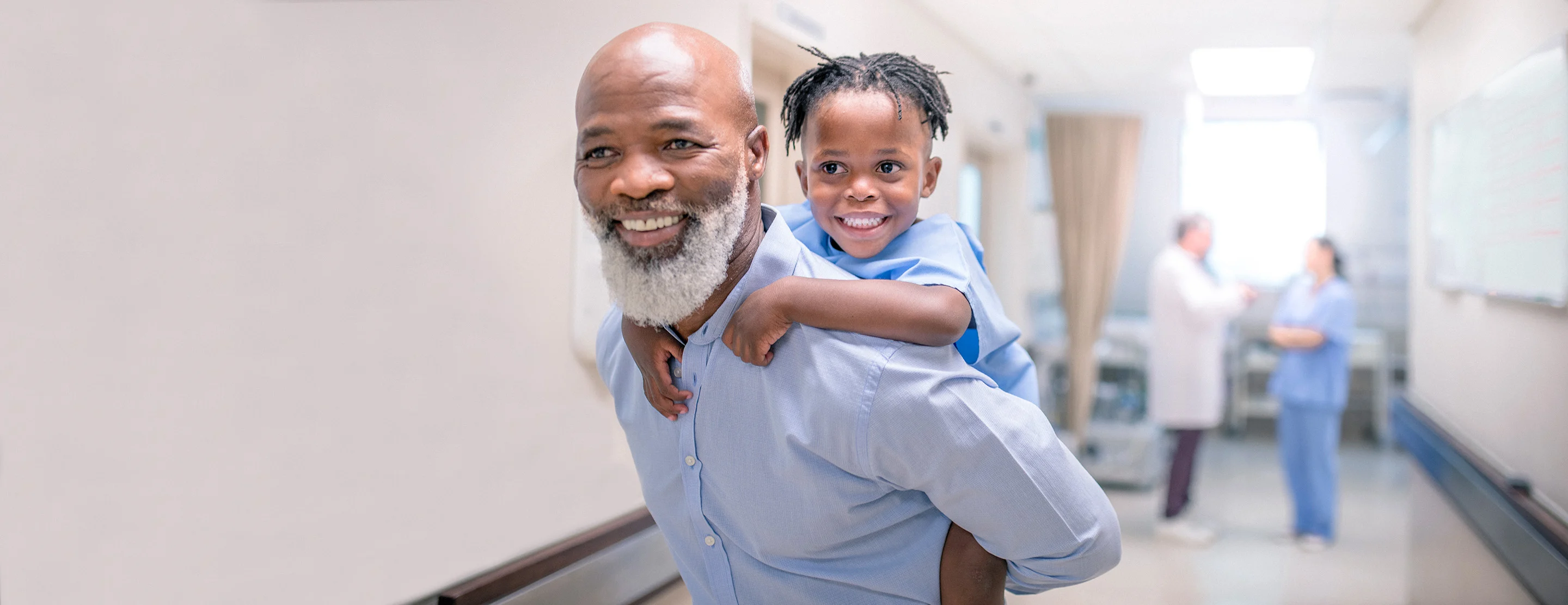
Family Amenities
Family-friendly amenities help you relax and take care of yourself while staying close to your child. We offer lounges, kitchens, showers, breastfeeding rooms and more.
Social Services at UCSF Benioff Children's Hospitals
Social workers ease the effect of illness, injury and hospitalization on your family with counseling and assistance to help you navigate the challenges.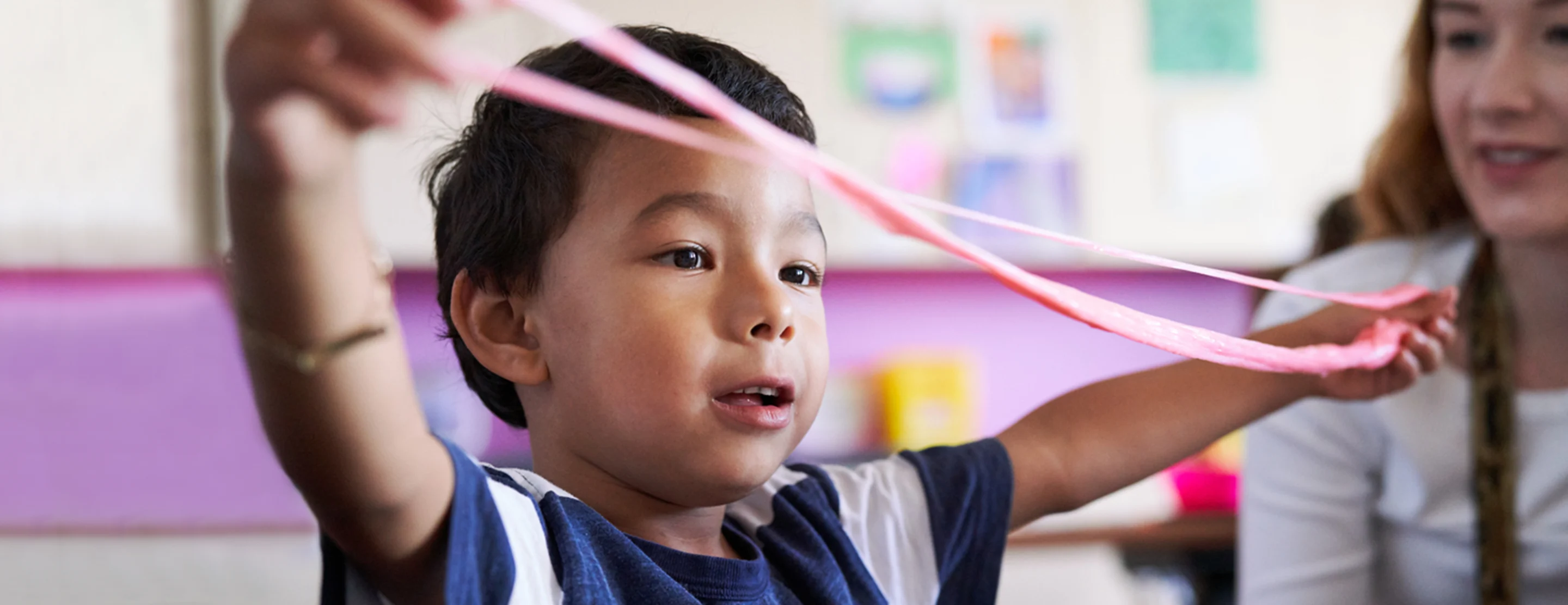
Activity Rooms
Activity rooms offer a relaxed environment for children of all ages. Features include a playroom, digital arts studio and teen lounge. Find out more.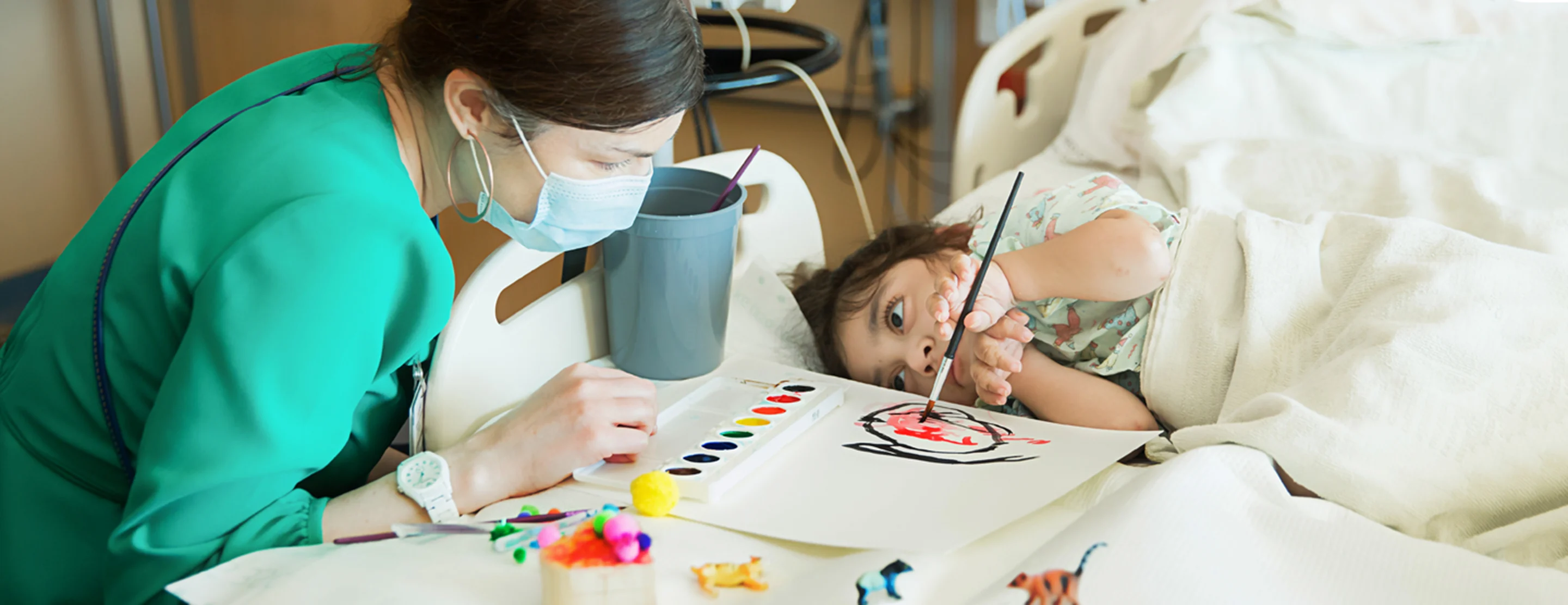
Pediatric Art Therapy Program
Art therapy helps kids and families express themselves, making it easier to cope with pediatric health issues. Group and bedside services are available.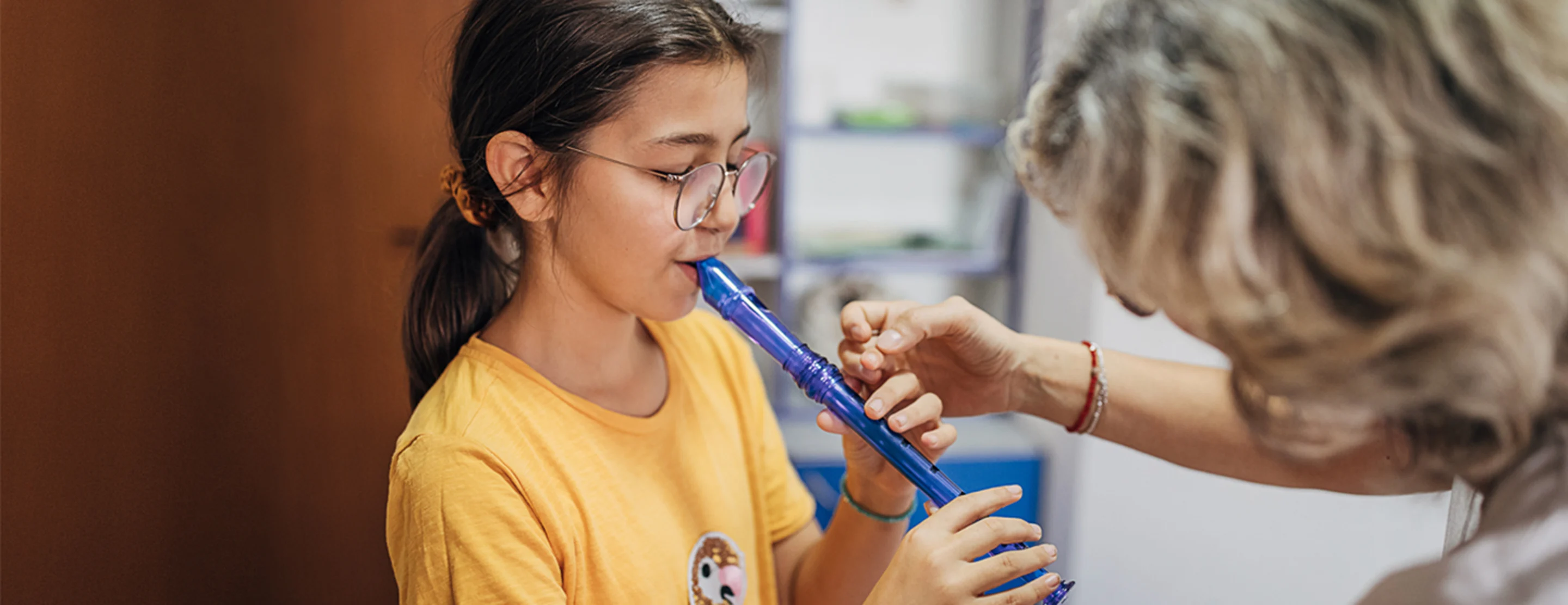
Pediatric Music Therapy Program
Board-certified music therapists help kids cope with illness and the feelings that come with it. Find out about group activities and bedside therapy.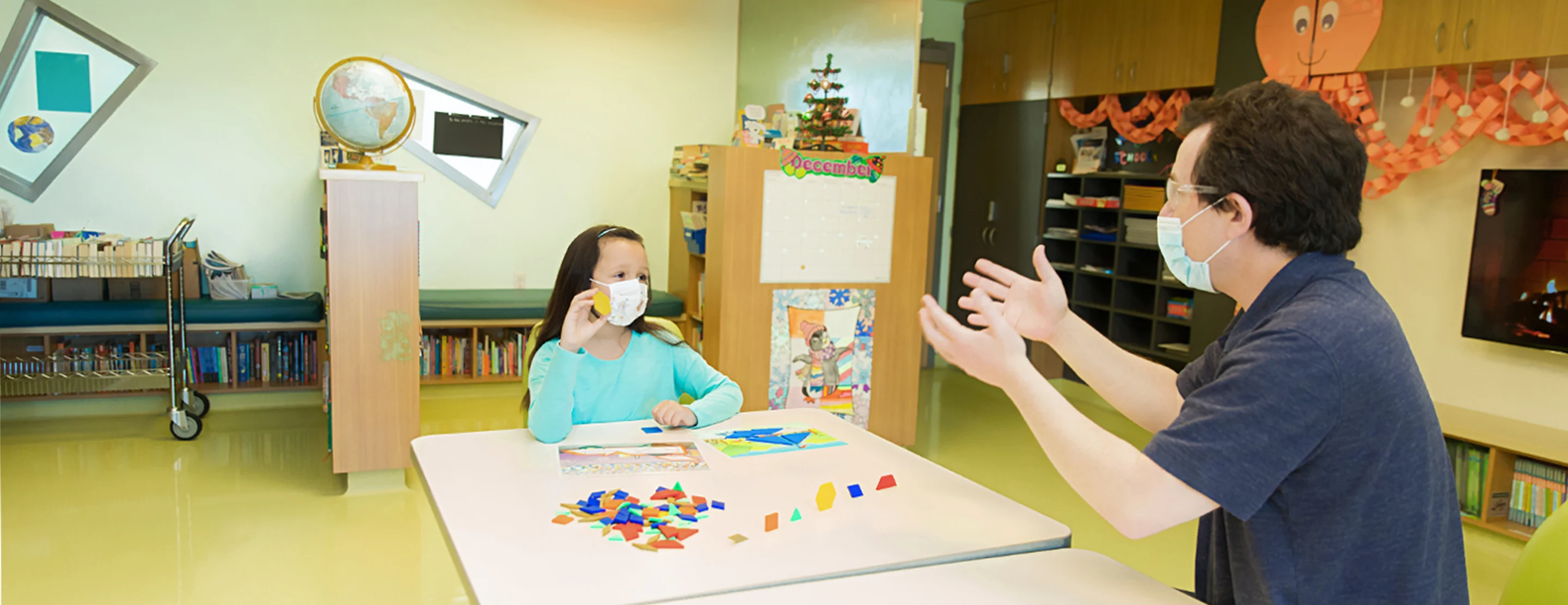
School Program for Hospitalized Children
Our schoolroom services and individual learning programs help children hospitalized at UCSF continue their education and get ready to return to school.
School Re-Entry Program
We help kids return to school after hospitalization by educating staff and students about their needs and recommending needed accommodations. Read more.
Individual Playtime & Instruction
If your child can't be around other kids for medical reasons, you can sign up for private sessions in our activity and school rooms. Find out how.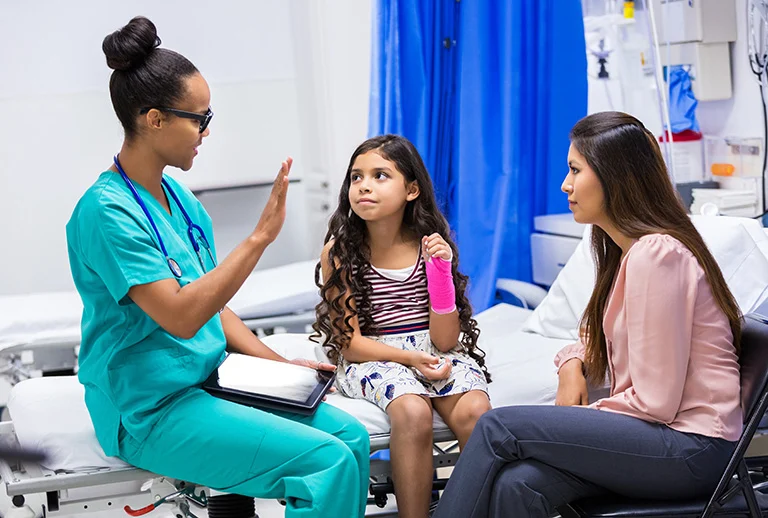
Interpreter Services & Communication Assistance at UCSF Benioff Children's Hospitals
Interpreter services in many languages and TDDs are available for families that need help communicating with care teams. Here's how to access them.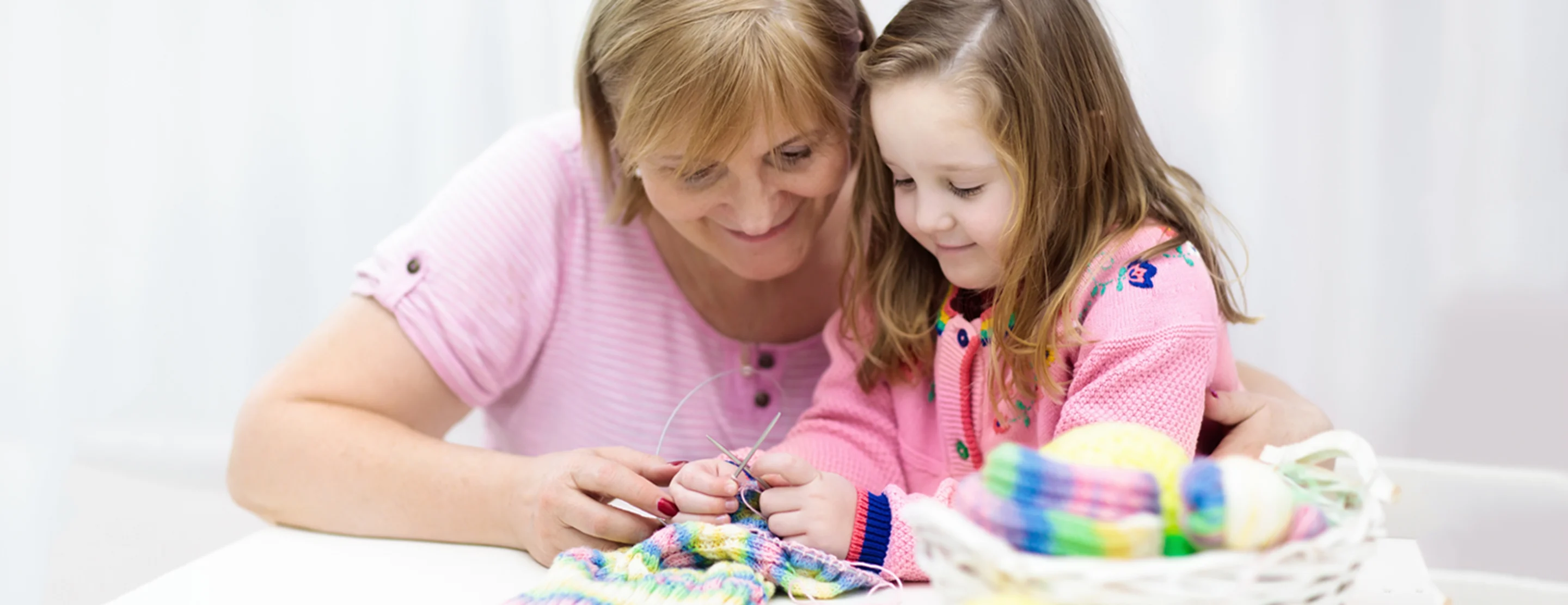
Parent Support Program
Weekly activities, including knitting, scrapbooking, chair massage and more, help family caregivers get a much-needed break. Find out more.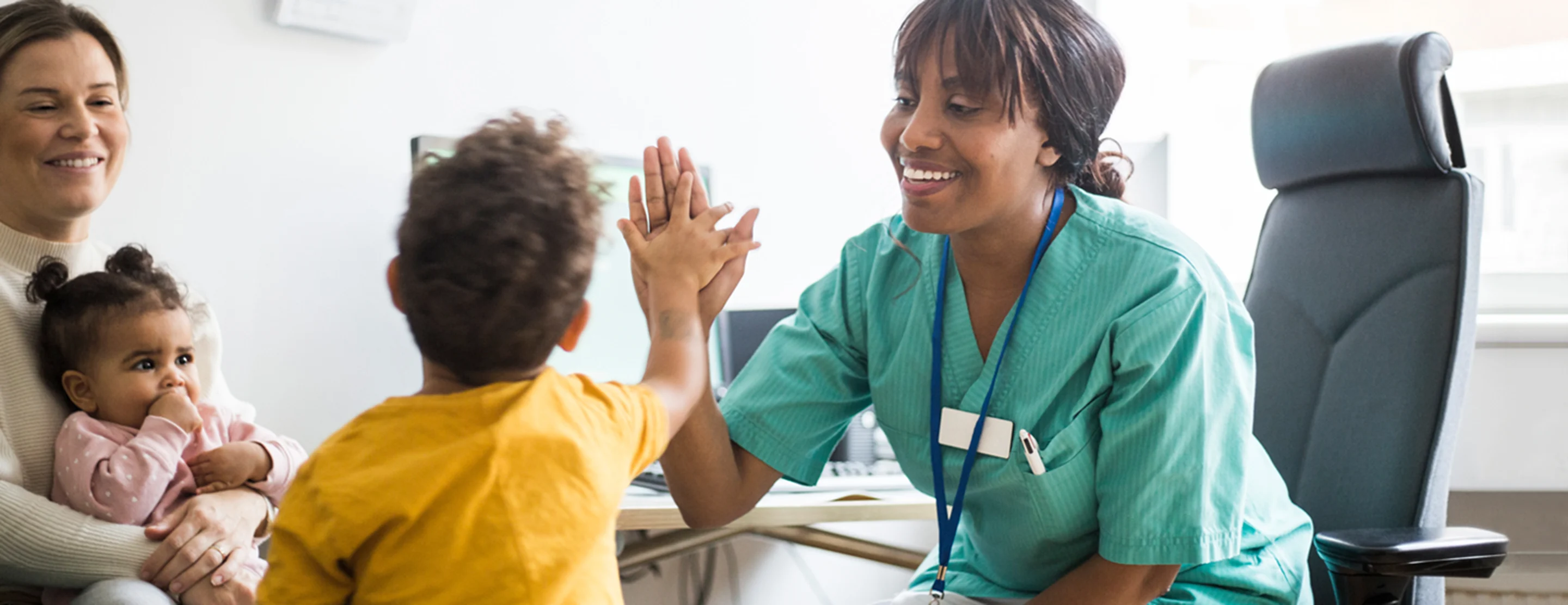
Patient Relations at UCSF Benioff Children's Hospitals
Patient relations reps and nursing supervisors are here to answer questions and address concerns. Learn about your rights, how to reach us and more.
Spiritual Care at UCSF Benioff Children's Hospitals
Chaplains help UCSF patients, families and staff cope with the spiritual and emotional challenges of childhood illness. Learn more.
International Services at UCSF Benioff Children's Hospitals
If you're coming to UCSF from outside the U.S., we coordinate your child's appointments and provide other helpful services. Here's how to get started.