Comprehensive Sickle Cell Center

On this page
Why choose UCSF Benioff Children's Hospitals for sickle cell disease treatment?
Living with sickle cell disease can be challenging for children and families, but you don't have to navigate it alone.
UCSF is home to the largest and most comprehensive sickle cell disease center in the Western U.S. We provide expert care, advanced therapies and clinical trials for people across the country. Our team addresses every aspect of sickle cell disease – from preventing complications and managing pain to supporting school and family life.
Sickle cell specialists at UCSF care for people with all forms of the disease at every age, from infancy through adulthood. As teens become young adults (between ages 18 to 24), we help them take charge of their health and seamlessly transition to adult specialists.
Why choose UCSF Benioff Children's Hospitals for sickle cell disease treatment?
Living with sickle cell disease can be challenging for children and families, but you don't have to navigate it alone.
UCSF is home to the largest and most comprehensive sickle cell disease center in the Western U.S. We provide expert care, advanced therapies and clinical trials for people across the country. Our team addresses every aspect of sickle cell disease – from preventing complications and managing pain to supporting school and family life.
Sickle cell specialists at UCSF care for people with all forms of the disease at every age, from infancy through adulthood. As teens become young adults (between ages 18 to 24), we help them take charge of their health and seamlessly transition to adult specialists.
Leaders in sickle cell disease care
Since 1973, our program has been at the forefront of research into more advanced treatments and potential cures for sickle cell disease.Collaborative team
Hematologists, psychologists, genetic counselors and dietitians work together to address every aspect of care.Comprehensive support services
Our dedicated sickle cell social workers connect patients and families to any resources they need, including housing, food, transportation and insurance assistance.Customized pain management
Each patient receives a personalized plan to help them manage pain, identify pain crises and know when to seek emergency care.
Our approach to sickle cell disease treatment
Sickle cell disease is an inherited blood disorder that causes red blood cells to become sickled, or crescent shaped. These misshapen cells can block blood flow and reduce oxygen delivery throughout the body. This can lead to serious health complications, such as anemia and acute episodes of severe pain (pain crises).
At UCSF, families find age-appropriate care at every stage of life. Our team partners with patients and families to manage symptoms, prevent complications and support healthy growth and development.
Pain management
We work closely with patients and families to find the best pain management solutions for acute and chronic pain. Many care team members are involved in helping our patients, including:
Emergency room physicians
Orthopedic surgeons
Pain specialists
Psychologists
Antibiotics
Sickle cell disease is identified through routine newborn screening, allowing our team to begin care early. Infants with sickle cell disease typically take penicillin to prevent infections. Children continue taking antibiotics until age 5, after completing all routine immunizations. Some children may need to take antibiotics longer.
Hydroxyurea treatment
Hydroxyurea is the most widely used treatment for sickle cell disease. Most children start taking it daily during their first year of life to reduce red blood cell sickling and improve blood flow.
Hydroxyurea can reduce:
Pain crises
Hospitalizations
Need for blood transfusions
Episodes of acute chest syndrome (difficulty breathing, chest pain and coughing)
Stroke risk
Hydroxyurea is a safe and effective, FDA-approved treatment that's supported by decades of research. Our team helps families establish a daily medication routine so children receive the greatest possible benefit from treatment.
Blood transfusions
Most people with sickle cell disease need blood transfusions at some point in their lives. Transfusions reduce the amount of sickled red blood cells and improve blood flow, lowering the risk of complications, such as stroke.
Whether your child needs transfusions depends on their symptoms and how they respond to hydroxyurea. Children with a high risk of stroke may need transfusions to prevent one. Children who have had a stroke need transfusions every two to four weeks.
Our hematologists and transfusion medicine specialists work together to ensure safe, carefully matched transfusions and reduce the risk of complications.
Bone marrow transplant and gene therapy
A bone marrow transplant (BMT) may be an option for children with a closely matched donor, which could be a sibling, parent or unrelated donor. The procedure replaces a patient's abnormal stem cells with healthy donor stem cells, which can produce healthy, new red blood cells.
Gene therapy is a newer treatment for people with sickle cell disease. The procedure collects a patient's own stem cells, modifies them in a lab to reduce sickling and infuses them back into the patient's bloodstream. UCSF offers both FDA-approved gene therapies for children – Casgevy (age 2 and older) and Lyfgenia (age 12 and older).
UCSF researchers are also leading a groundbreaking clinical trial that's taking a different approach to gene therapy. It uses gene editing to directly correct the genetic cause of sickle cell disease, with the aim of curing the condition.
Both BMT and gene therapy may cure sickle cell disease, but they are intensive treatments with long-term risks, including infertility. Our team helps families understand the risks and benefits so they can make informed treatment decisions.
Learn more about our expertise in blood and marrow transplant.
Specialized care for brain and reproductive health
Our multispecialty teams address the specific needs of people with sickle cell disease. For brain health, experts in hematology, neuropsychology, neuroradiology and neurovascular medicine work together to monitor stroke risk and evaluate cognitive function.
We also offer reproductive health care for adult and adolescent patients with sickle cell disease. Experts in adolescent medicine, gynecology, maternal-fetal medicine and urology work together to provide comprehensive care. Our team addresses concerns such as pain management during menstruation, pregnancy planning, genetic counseling and managing priapism (prolonged, painful erection).
For patients with infertility and those planning to have gene therapy or bone marrow transplant, we offer fertility preservation counseling. Our hematologists and obstetricians work closely together to help patients have the healthiest, safest pregnancies possible.
Providers

Elliott Vichinsky, MD
Pediatric Hematology-Oncology
Neha Bhasin, MD
Pediatric Hematology-Oncology
Judith Cavazos, PhD
Psychology
Robert Ward Hagar, MD
Pediatric Hematology-Oncology
Awards & achievements



Accredited by the Foundation for Accreditation of Cellular Therapy

Ranked among the nation's best in 11 specialties


Related conditions & treatments
Conditions
- Anemia
- Hemoglobinopathies
- Pediatric Sickle-Cell Disease
- Priapism
Treatments
- Bone Marrow Transplant
- Clinical Trials
- Fertility Preservation
- Gene Therapy
- Genetic Counseling
- Pain Management
- Stem Cell Transplant for Sickle-Cell Disease

Clinical trials
Zinc Supplementation in Sickle Cell Disease: A Precursor to the Think Zinc for Bones TrialOpens in a new window
The goal of this short term prospective Phase II study is to compare the effects of two alternate daily doses of zinc (25 and 40 mg/day) in 34 randomly assigned homozygous Sickle Cell Disease (SCD-SS) patients aged 15-40 years old...Transplantation of Clustered Regularly Interspaced Short Palindromic Repeats Modified Hematopoietic Progenitor Stem Cells (CRISPR_SCD001) in Patients With Severe Sickle Cell DiseaseOpens in a new window
This is an open label, non-randomized, 2-center, phase 1/2 trial of a single infusion of sickle allele modified cluster of differentiation (CD34+) hematopoietic stem progenitor cells (HSPCs) in subjects with in subjects ≥12 years old to 35 years old severe Sickle Cell Disease (SCD)...The Efficacy and Safety of Rilzabrutinib in Participants Aged 10 to 65 Years With Sickle-cell DiseaseOpens in a new window
This is a multicenter, randomized, double-blind, placebo-controlled, parallel-group, flexible-adaptive, group-sequential study (Part A), followed by an open-label LTE period (Part B) to investigate the efficacy, and safety of rilzabrutinib in participants with sickle-cell disease (SCD)...Safety, Efficacy, and Pharmacokinetics of CSL889 in Adults and Adolescents With Sickle Cell Disease During Vaso-Occlusive CrisisOpens in a new window
This is a phase 2, randomized, multiple-dose, placebo-controlled study designed to evaluate the safety, efficacy, and pharmacokinetics (PK) of CSL889 (human hemopexin) when given intravenously (IV) to adults and adolescents with sickle cell disease (SCD) experiencing vaso-occlusive crises (VOC)...
Recommended reading

Raising a Child with Sickle Cell Disease: Tips for Parents
If your child has sickle cell disease, these tips can help you monitor their health, prevent illness and know when to call your child's doctor.
Support services
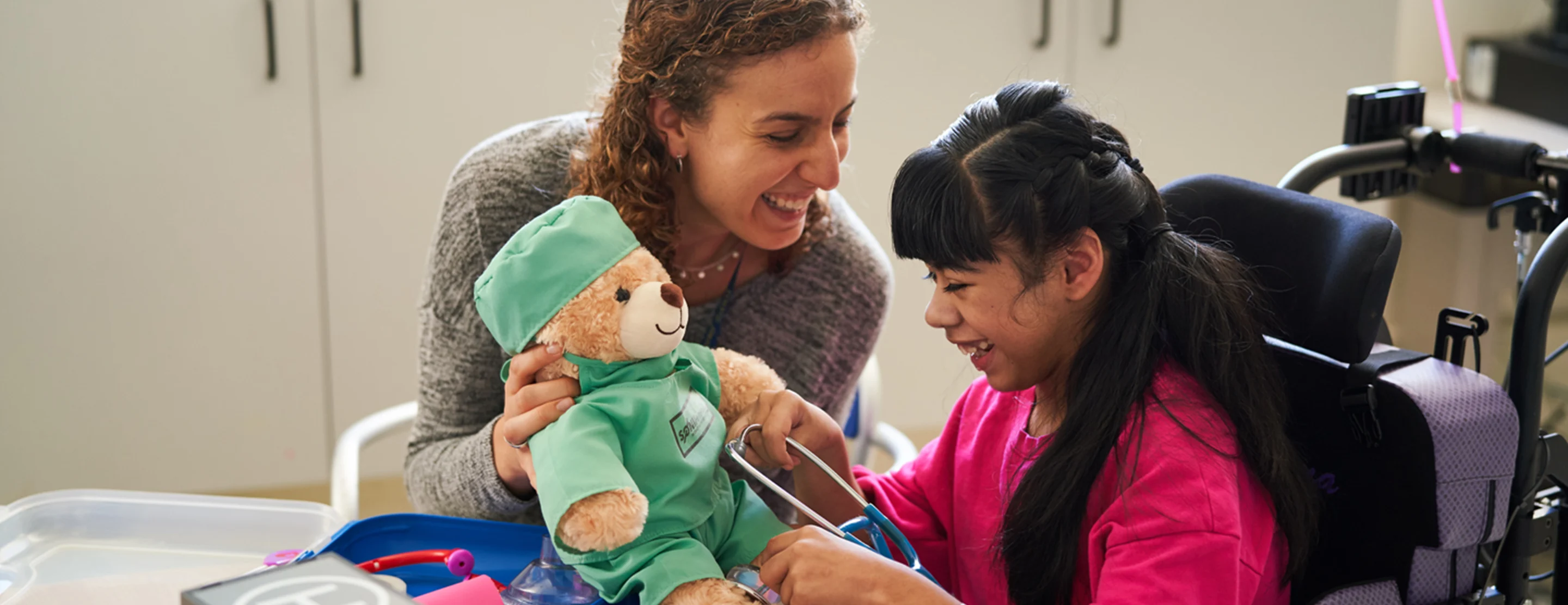
Child Life
Certified child life specialists ease the stress and anxiety of childhood illness through therapeutic play, schooling and family-focused support.
Family Amenities
Family-friendly amenities help you relax and take care of yourself while staying close to your child. We offer lounges, kitchens, showers, breastfeeding rooms and more.
Social Services at UCSF Benioff Children's Hospitals
Social workers ease the effect of illness, injury and hospitalization on your family with counseling and assistance to help you navigate the challenges.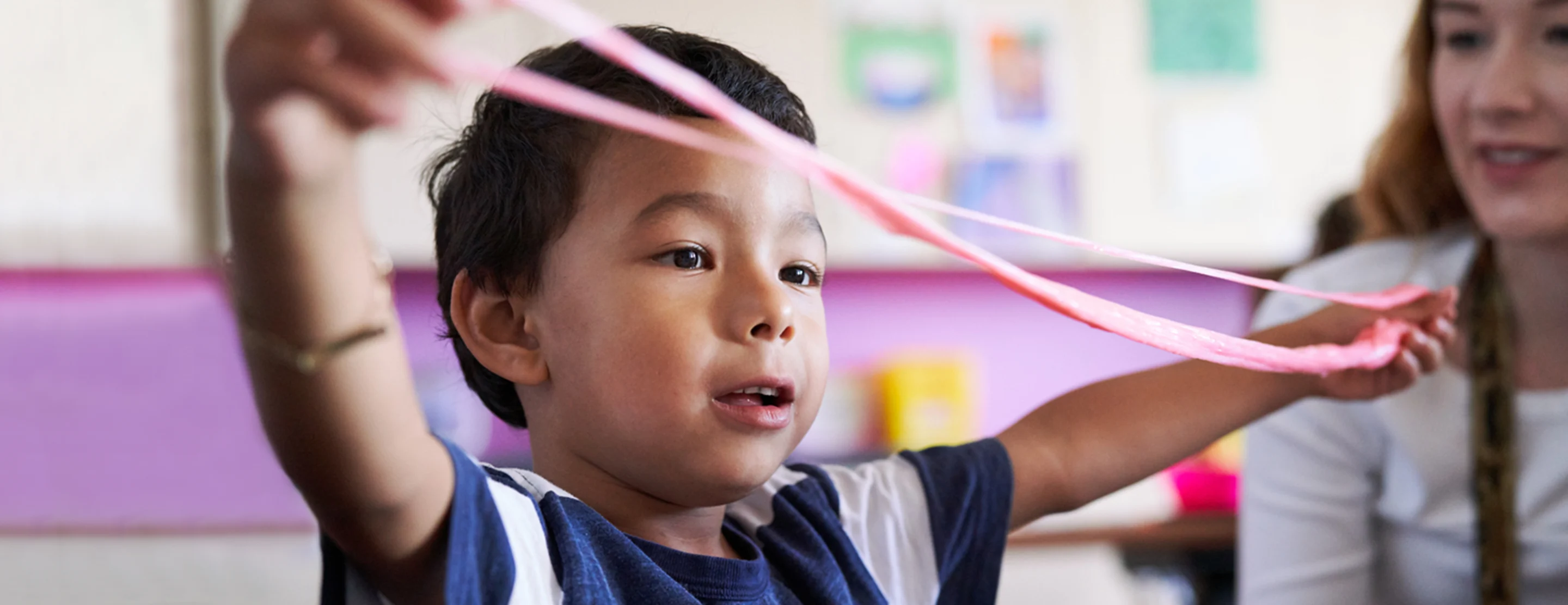
Activity Rooms
Activity rooms offer a relaxed environment for children of all ages. Features include a playroom, digital arts studio and teen lounge. Find out more.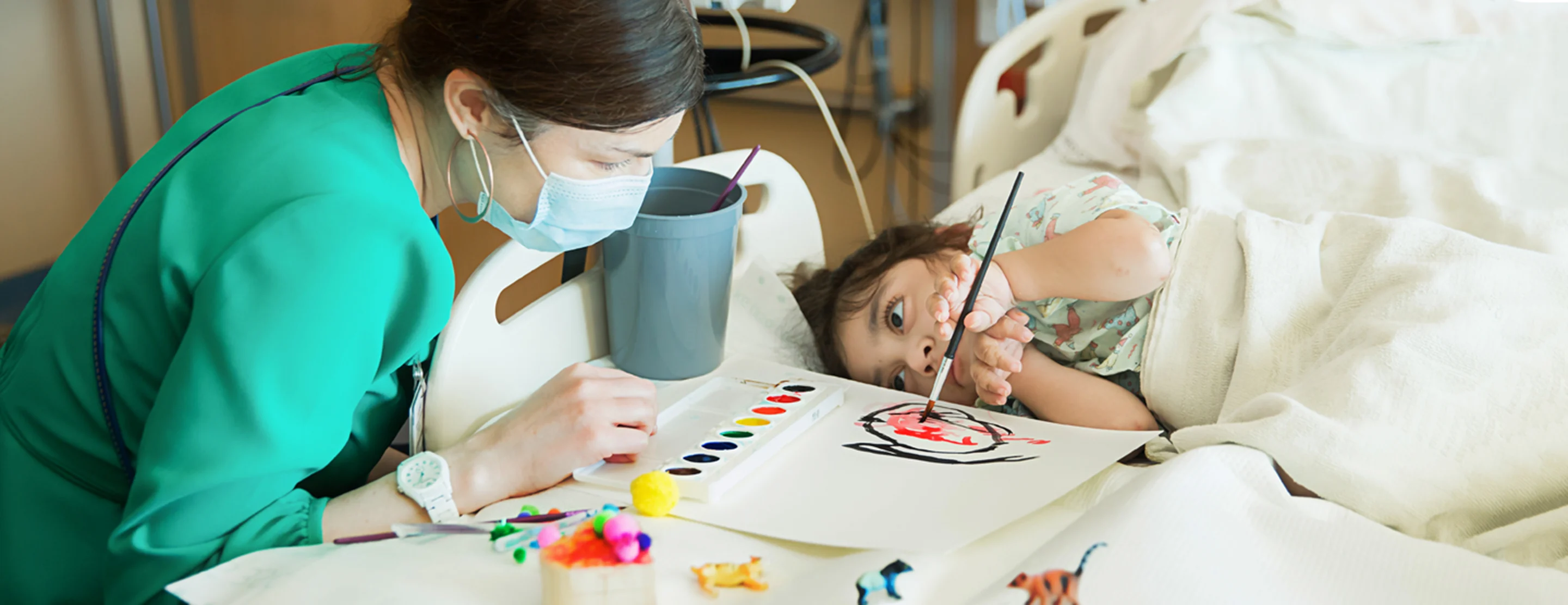
Pediatric Art Therapy Program
Art therapy helps kids and families express themselves, making it easier to cope with pediatric health issues. Group and bedside services are available.
Pediatric Music Therapy Program
Board-certified music therapists help kids cope with illness and the feelings that come with it. Find out about group activities and bedside therapy.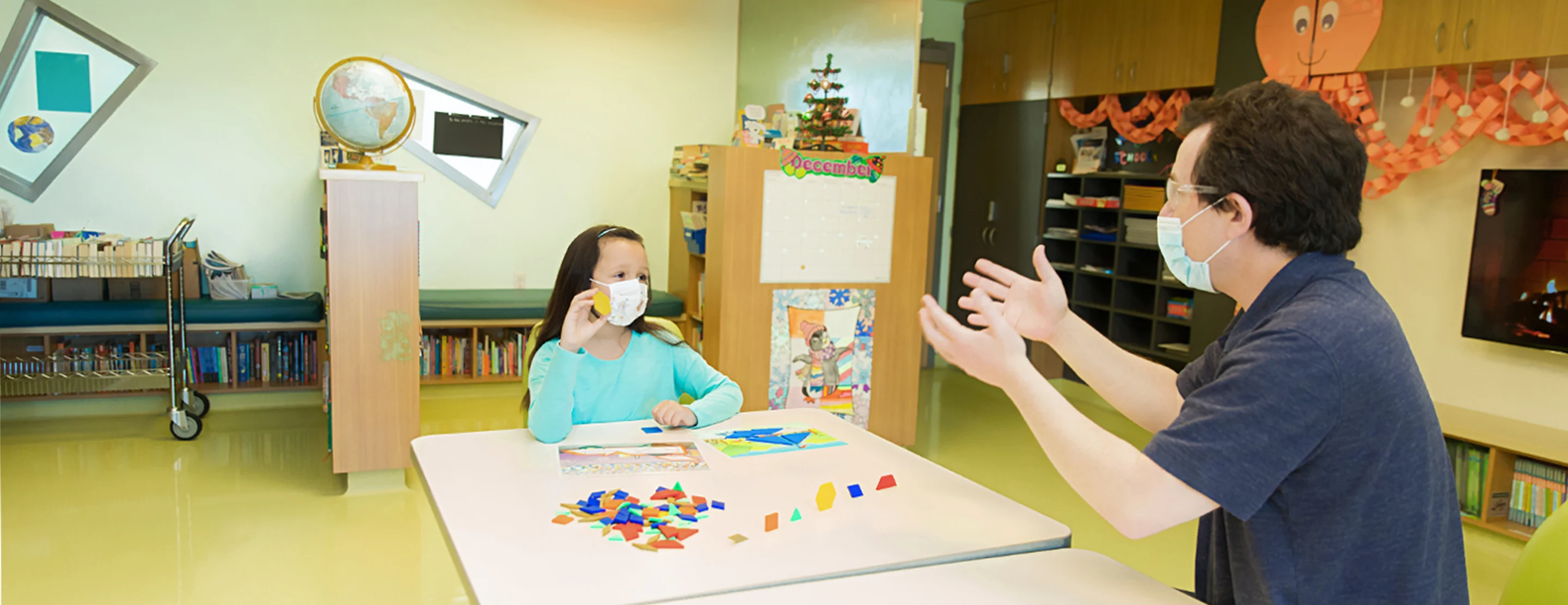
School Program for Hospitalized Children
Our schoolroom services and individual learning programs help children hospitalized at UCSF continue their education and get ready to return to school.
School Re-Entry Program
We help kids return to school after hospitalization by educating staff and students about their needs and recommending needed accommodations. Read more.
Individual Playtime & Instruction
If your child can't be around other kids for medical reasons, you can sign up for private sessions in our activity and school rooms. Find out how.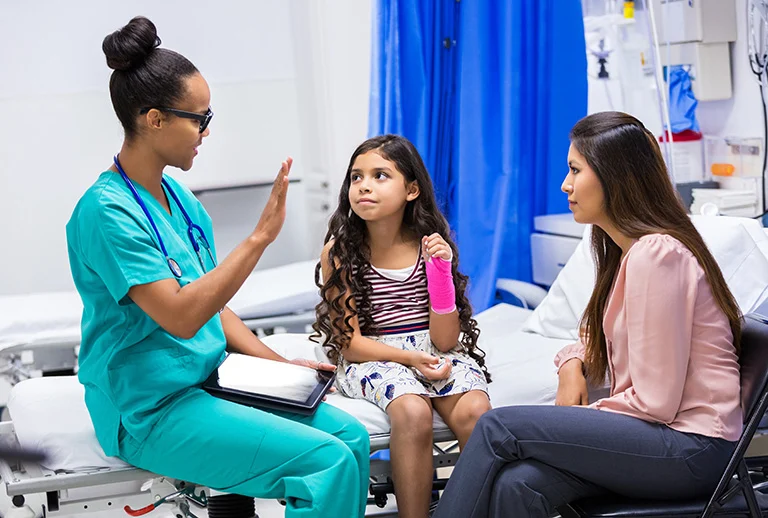
Interpreter Services & Communication Assistance at UCSF Benioff Children's Hospitals
Interpreter services in many languages and TDDs are available for families that need help communicating with care teams. Here's how to access them.
Parent Support Program
Weekly activities, including knitting, scrapbooking, chair massage and more, help family caregivers get a much-needed break. Find out more.
Patient Relations at UCSF Benioff Children's Hospitals
Patient relations reps and nursing supervisors are here to answer questions and address concerns. Learn about your rights, how to reach us and more.
Spiritual Care at UCSF Benioff Children's Hospitals
Chaplains help UCSF patients, families and staff cope with the spiritual and emotional challenges of childhood illness. Learn more.
International Services at UCSF Benioff Children's Hospitals
If you're coming to UCSF from outside the U.S., we coordinate your child's appointments and provide other helpful services. Here's how to get started.