Pediatric Gene Therapy
On this page
What is gene therapy?
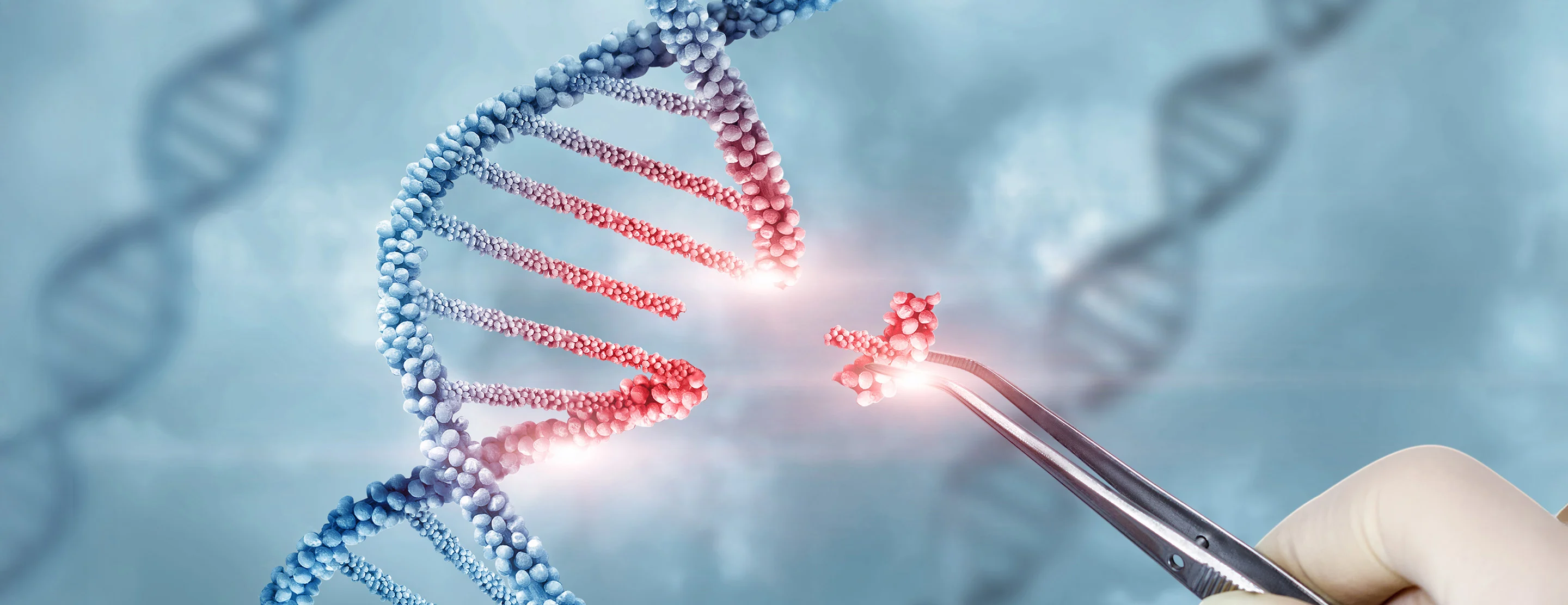
Gene therapy is an advanced treatment that aims to correct certain conditions by addressing the underlying genetic cause. Instead of just managing symptoms, gene therapy works at the source – your child's genes – to help the body function the way it was meant to. The Pediatric Bone Marrow Transplant (BMT), Cellular & Gene Therapy program uses this cutting-edge approach to treat certain genetic blood disorders, metabolic conditions and neurodegenerative diseases. These include:
- Beta thalassemia. We offer two gene treatments that work in different ways to help the body make hemoglobin: betibeglogene autotemcel (Zynteglo) and exagamglogene autotemcel (Casgevy). The treatments aren't a cure, but thanks to the therapy, many patients no longer need regular blood transfusions.
- Childhood cerebral adrenoleukodystrophy (CCALD). Elivaldogene autotemcel (Skysona) provides a healthy version of the gene that causes the disease. It doesn’t cure CALD but can slow down its progression.
- Metachromatic leukodystrophy (MLD). Atidarsagene autotemcel (Lenmeldy) delivers a healthy copy of the gene that causes this rare nervous system disorder. It's been shown to prevent or significantly reduce development of severe motor and cognitive impairments in children born with MLD.
- Severe combined immunodeficiency (SCID). UCSF is leading the world's only clinical trial of gene therapy to treat severe combined immunodeficiency (SCID). So far, numerous children born with Artemis-SCID and X-linked SCID have had their immune systems successfully restored.
- Sickle cell disease. We offer two gene therapies, exagamglogene autotemcel (Casgevy) and lovotibeglogene autotemcel (Lyfgenia). They use different gene-editing methods to fix the gene responsible for sickle cell. Both help reduce the condition's painful symptoms.
The procedure
The procedure for gene therapy is much the same as for a bone-marrow or stem-cell transplant. Stem cells are collected from your child. The cells are sent to a special lab, where the faulty gene is modified and a healthy version introduced back into the cells. The new modified cells are then reinfused back into your child, where they proliferate and spread the normal gene to all the blood cells. To learn more, visit our bone marrow transplant page.
UCSF Benioff Children's Hospitals medical specialists have reviewed this information. It is for educational purposes only and is not intended to replace the advice of your child's doctor or other health care provider. We encourage you to discuss any questions or concerns you may have with your child's provider.
Awards & achievements



Accredited by the Foundation for Accreditation of Cellular Therapy

Ranked among the nation's best in 11 specialties

Related services
Explore what we do
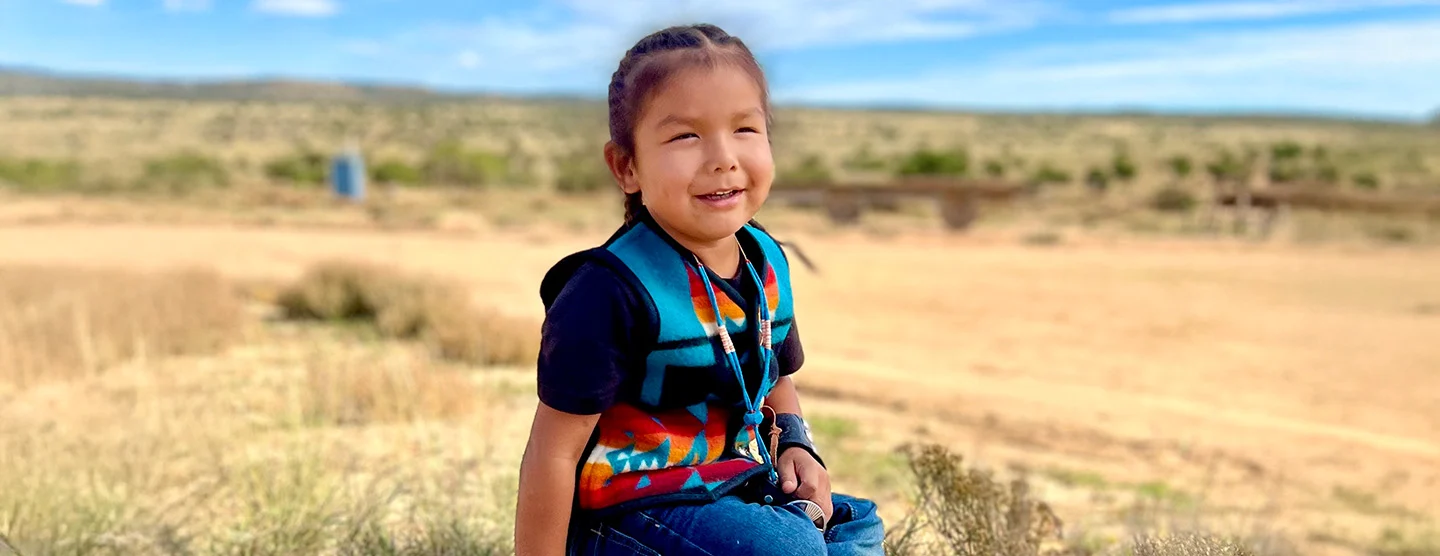
"Bubble baby" no more thanks to gene therapyOpens in a new window
Because of a faulty gene, HT was born without a functioning immune system. With breakthrough treatment to correct that gene, he became the first child in the world to be cured of the life-threatening condition.
Clinical trials
Transplantation of Clustered Regularly Interspaced Short Palindromic Repeats Modified Hematopoietic Progenitor Stem Cells (CRISPR_SCD001) in Patients With Severe Sickle Cell DiseaseOpens in a new window
This is an open label, non-randomized, 2-center, phase 1/2 trial of a single infusion of sickle allele modified cluster of differentiation (CD34+) hematopoietic stem progenitor cells (HSPCs) in subjects with in subjects ≥12 years old to 35 years old severe Sickle Cell Disease (SCD)...
Related conditions & treatments
Conditions
- Pediatric Sickle-Cell Disease
- Severe Combined Immunodeficiency
Treatments