Pediatric Liver Transplant Program

On this page
Why choose UCSF Benioff Children's Hospitals for pediatric liver transplant?
Children who need liver transplants receive skilled, attentive care from our dedicated team. We have one of the world's most experienced pediatric liver transplant programs, designated a center of excellence by the U.S. Department of Health and Human Services. U.S. News & World Report ranks our children's hospitals among the top programs for gastroenterology and GI surgery.
We treat some of the most challenging and rare liver conditions in infants, children and teens. More than half of our pediatric transplant patients are under age 2, giving us deep experience with young children.
You can schedule an appointment online with a patient care navigator to discuss your child's options. They coordinate details, guide scheduling and help you understand each step with more confidence.
Why choose UCSF Benioff Children's Hospitals for pediatric liver transplant?
Children who need liver transplants receive skilled, attentive care from our dedicated team. We have one of the world's most experienced pediatric liver transplant programs, designated a center of excellence by the U.S. Department of Health and Human Services. U.S. News & World Report ranks our children's hospitals among the top programs for gastroenterology and GI surgery.
We treat some of the most challenging and rare liver conditions in infants, children and teens. More than half of our pediatric transplant patients are under age 2, giving us deep experience with young children.
You can schedule an appointment online with a patient care navigator to discuss your child's options. They coordinate details, guide scheduling and help you understand each step with more confidence.
Nationally recognized outcomes
Our survival rates rank among the country's highest, including for children with severe liver disease.Living donor expertise
Our living donor program helps more children receive a liver sooner and can reduce time on the waitlist.Global transplant experience
Our adult and pediatric teams have performed 4,500+ liver transplants, including rare and complex pediatric cases.Fast access to guidance
Patient care navigators help families understand options, schedule quickly and get urgent cases moving.
More transplant options for safer care
When your child needs a liver transplant, every option matters. Our team evaluates living and deceased donor livers, whole livers and partial grafts. We use these options to help your child receive the right liver as quickly and safely as possible.
Our transplant outcomes

100%
three-year survival after a living donor transplant

100%
of transplanted livers still working at three years
95%
one-year survival after a deceased donor transplant

92%
three-year survival after a deceased donor transplant
Advanced techniques reduce waitlist times
Our team provides close, expert care while your child waits for a liver. We care for children with complex liver conditions, including biliary atresia, genetic liver diseases, liver tumors and liver failure.
Our expertise in leading-edge transplantation techniques enables us to expand the pool of livers for pediatric patients, reducing wait times. We helped pioneer techniques that make liver transplantation safer and expand donor options.
Our advanced expertise includes:
Living donor liver transplants. This option can help some children receive a liver sooner.
Split liver transplantation techniques. Our surgeons can split a deceased donor liver to help two recipients (a child and an adult).
Experience with challenging grafts. We have expertise in using technically challenging grafts (the part of the liver that is transplanted). We can work with uniquely shaped donor livers, expanding the pool of usable organs.
Use of liver perfusion devices. Specialized equipment preserves organs during transport, enabling us to use organs from farther away.
Multispecialty, family-centered care
Our core transplant medical team meets several times each week to review our pre- and post-transplant patients. This collaboration ensures consistency, shared knowledge and close attention in your child's care.
Your child's team may include:
Hepatologists
Transplant surgeons
Gastroenterologists
Infectious disease specialists
Anesthesiologists
Pharmacists
Nurses
Transplant psychologists
Child life specialists, patient care navigators, social workers and other support staff
Children with liver tumors or hepatoblastoma receive coordinated care from transplant, liver and cancer specialists.
The entire team focuses on compassionate, family-centered care. Your nurse navigator guides you through the process, and we communicate with you at every step so you are informed and confident in your child's care.
Post-transplant care
Care after transplant is critical to your child's long-term health and quality of life. We monitor liver function and your child's growth and development throughout childhood and into early adulthood.
Our team routinely looks for safe ways to reduce immunosuppressant medications after transplant. We balance this approach with careful monitoring to protect your child's new liver. Through research, we continue studying ways to minimize or even eliminate these medications for some children.
Providers

Kate Cheng, MD
Pediatric Gastroenterology • Pediatric Transplant Hepatology
Christopher E. Freise, MD
Transplant Surgery (Pancreas) • Transplant Surgery
James M. Gardner, MD, PhD
Pediatric Transplant Surgery • Pediatric Transplant Surgery (Kidney)
Sang-Mo Kang, MD
Transplant Surgery (Kidney) • Transplant Surgery (Liver)
Awards & achievements

Best in Northern California and top 10 in the nation for gastroenterology & GI surgery
Ranked among the nation's best in 11 specialties


Related conditions & treatments
Mom's liver donation saves her daughter's life
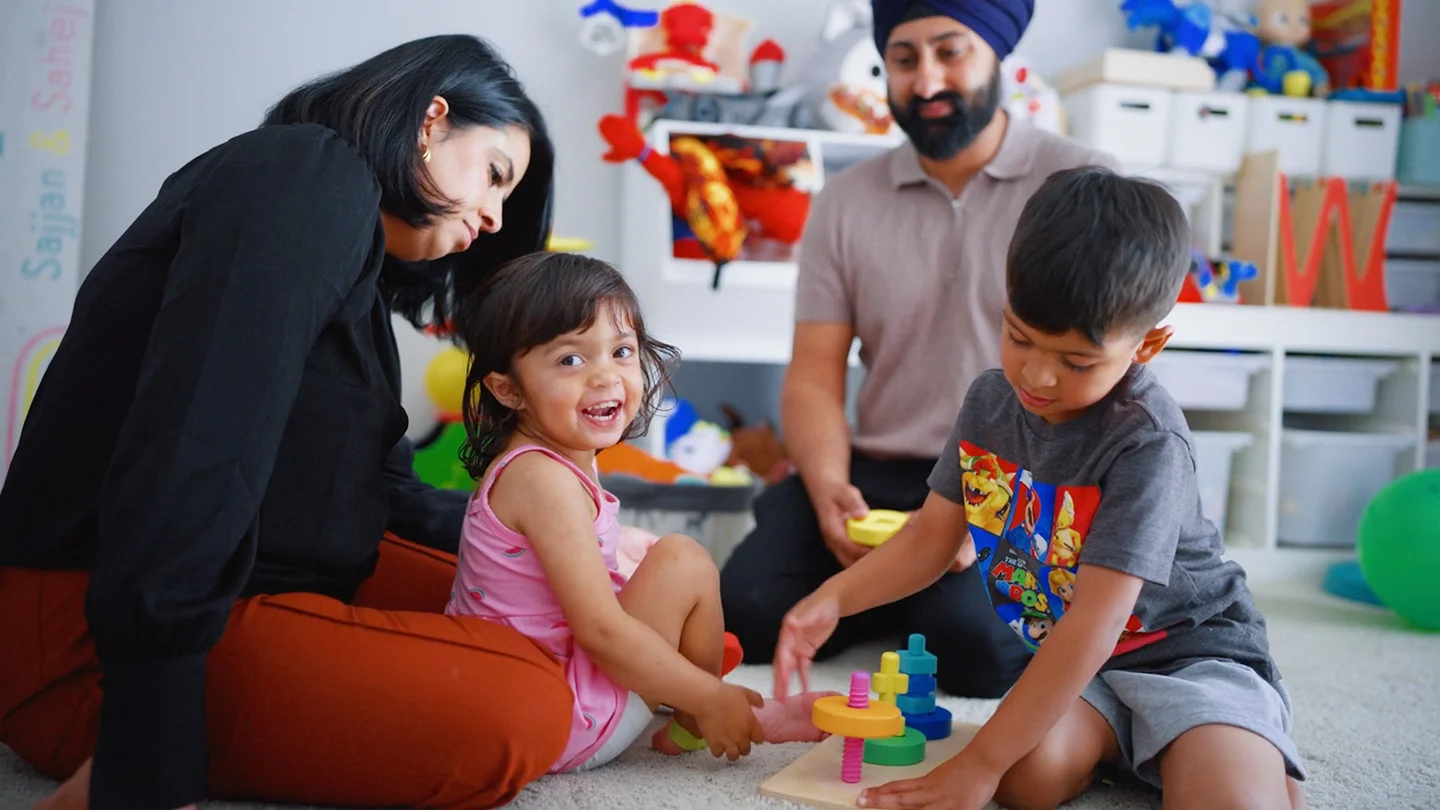
Two moms donated organs to their infant daughters
A living liver donor saved a child's life

Trials & research
Clinical trials
Health Advocate for Children After Liver TransplantOpens in a new window
The HEAL-Tx is a 90-day intervention, in which a Health Advocate works with eligible families to identify and apply for community-based resources, alert healthcare providers to challenges the family is encountering, and guide health system navigation (e.g., coordinating appointments)...
Research initiatives
UCSF Division of Transplant Surgery ResearchOpens in a new window
The UCSF Division of Transplant Surgery conducts research aimed at expanding medication options, refining surgical techniques and improving methods of preventing transplant rejection.
Support services
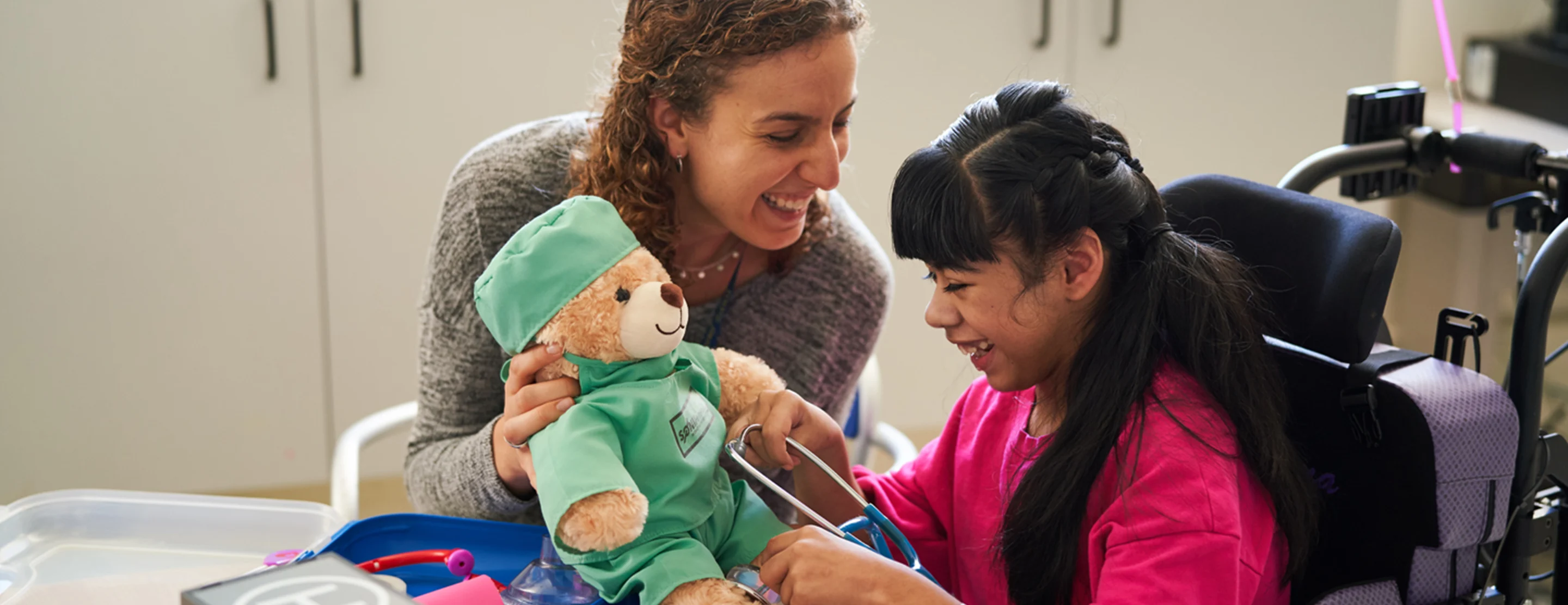
Child Life
Certified child life specialists ease the stress and anxiety of childhood illness through therapeutic play, schooling and family-focused support.
Family Amenities
Family-friendly amenities help you relax and take care of yourself while staying close to your child. We offer lounges, kitchens, showers, breastfeeding rooms and more.
Social Services at UCSF Benioff Children's Hospitals
Social workers ease the effect of illness, injury and hospitalization on your family with counseling and assistance to help you navigate the challenges.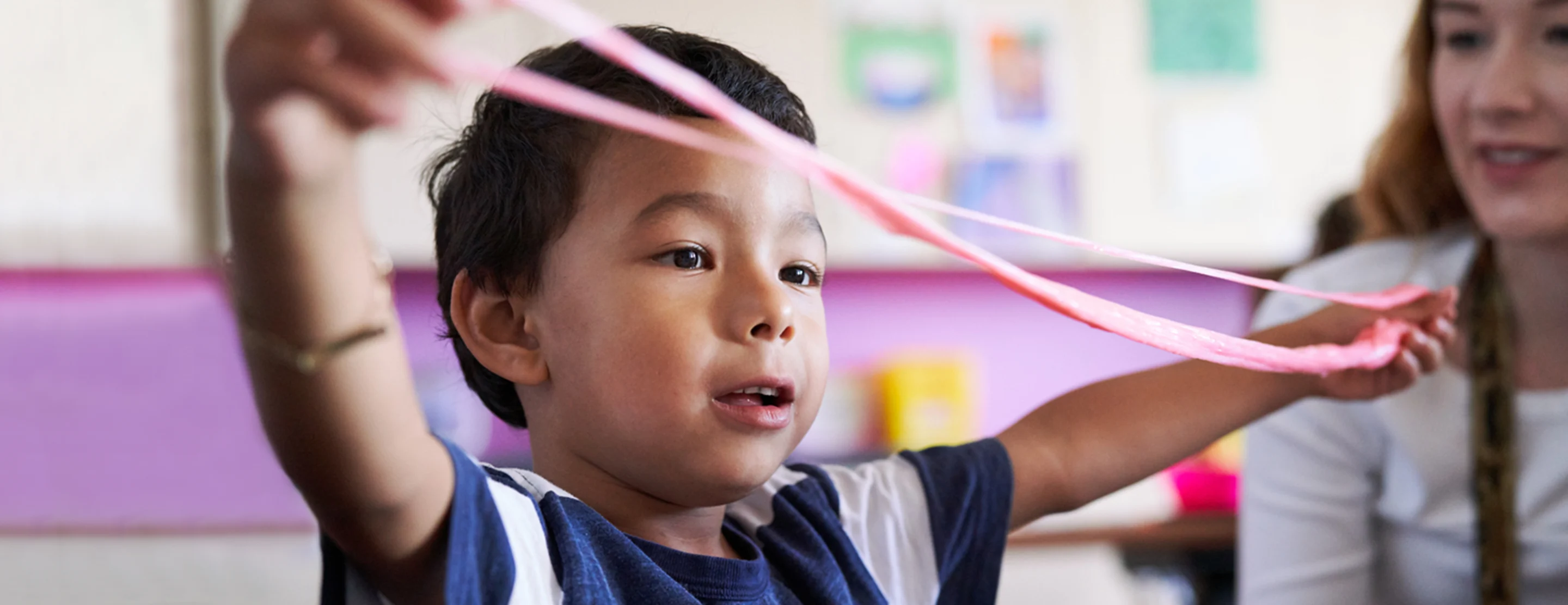
Activity Rooms
Activity rooms offer a relaxed environment for children of all ages. Features include a playroom, digital arts studio and teen lounge. Find out more.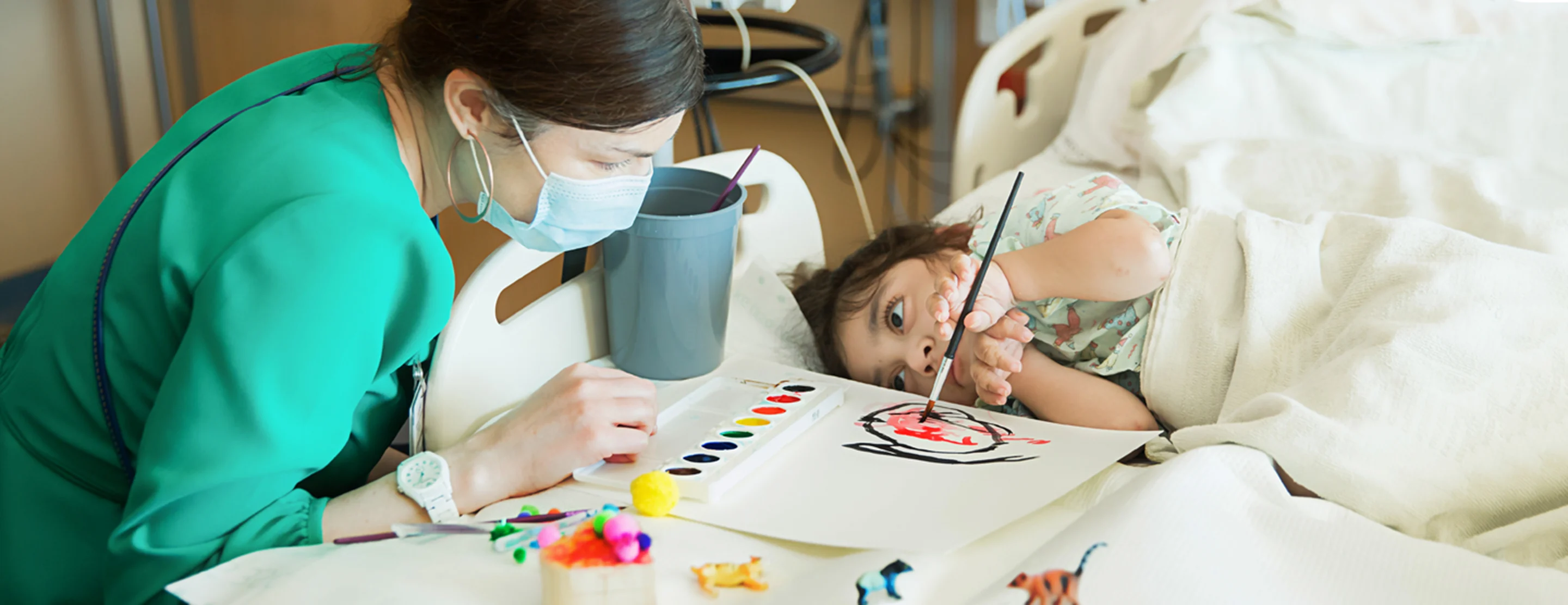
Pediatric Art Therapy Program
Art therapy helps kids and families express themselves, making it easier to cope with pediatric health issues. Group and bedside services are available.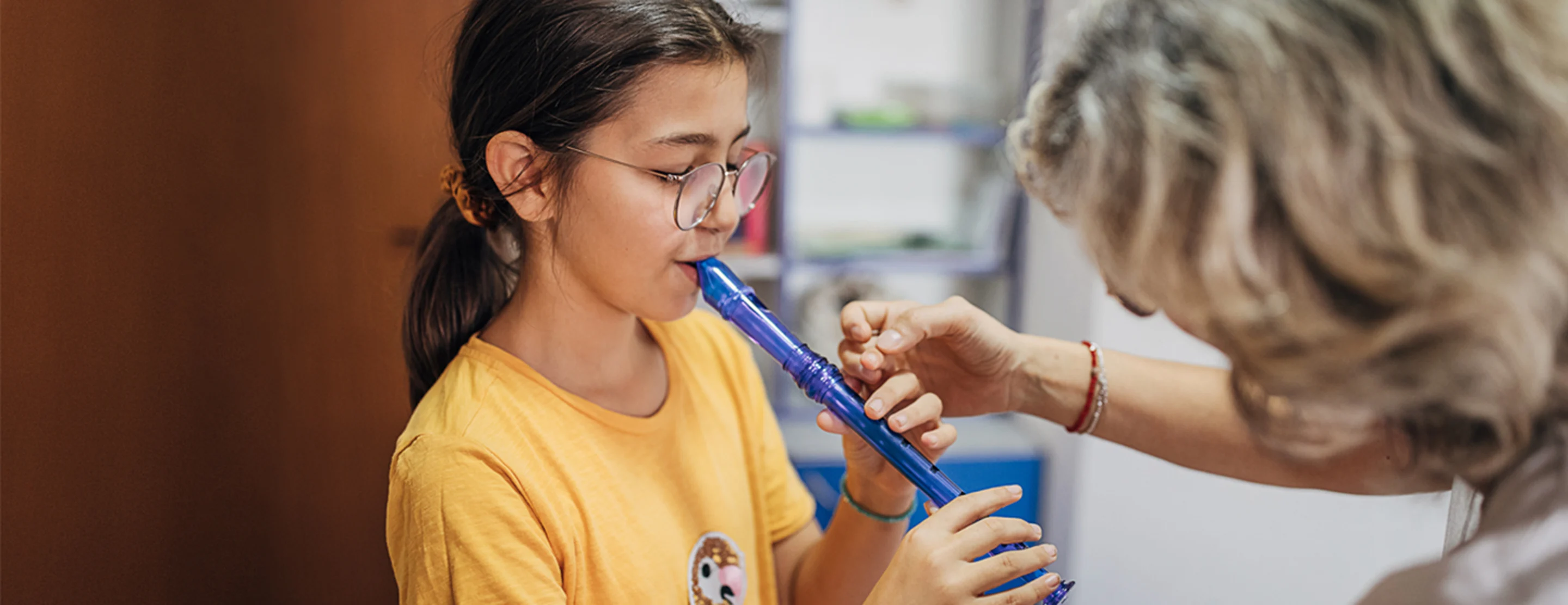
Pediatric Music Therapy Program
Board-certified music therapists help kids cope with illness and the feelings that come with it. Find out about group activities and bedside therapy.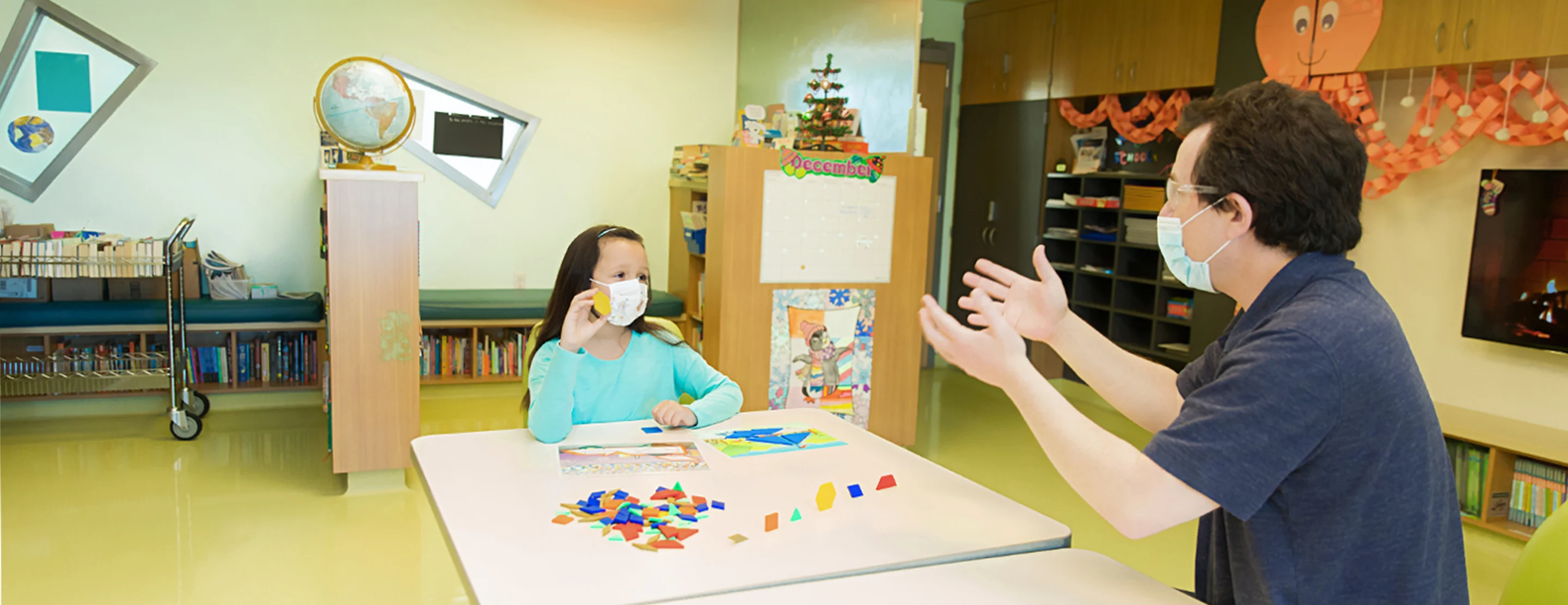
School Program for Hospitalized Children
Our schoolroom services and individual learning programs help children hospitalized at UCSF continue their education and get ready to return to school.
School Re-Entry Program
We help kids return to school after hospitalization by educating staff and students about their needs and recommending needed accommodations. Read more.
Individual Playtime & Instruction
If your child can't be around other kids for medical reasons, you can sign up for private sessions in our activity and school rooms. Find out how.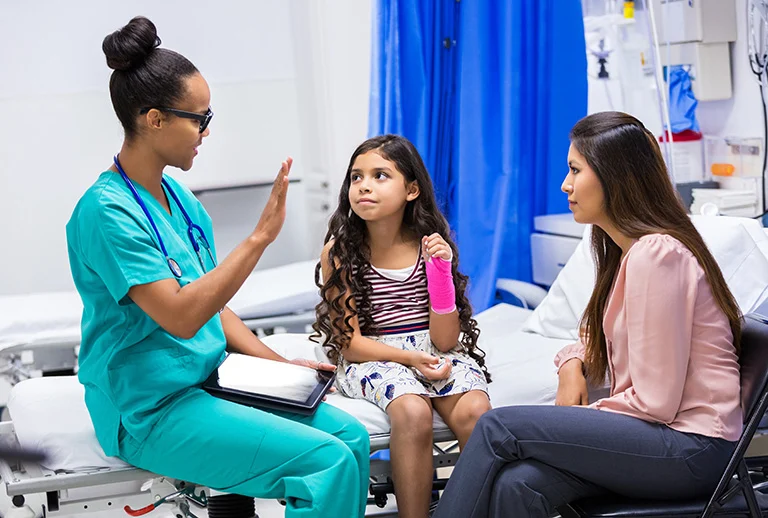
Interpreter Services & Communication Assistance at UCSF Benioff Children's Hospitals
Interpreter services in many languages and TDDs are available for families that need help communicating with care teams. Here's how to access them.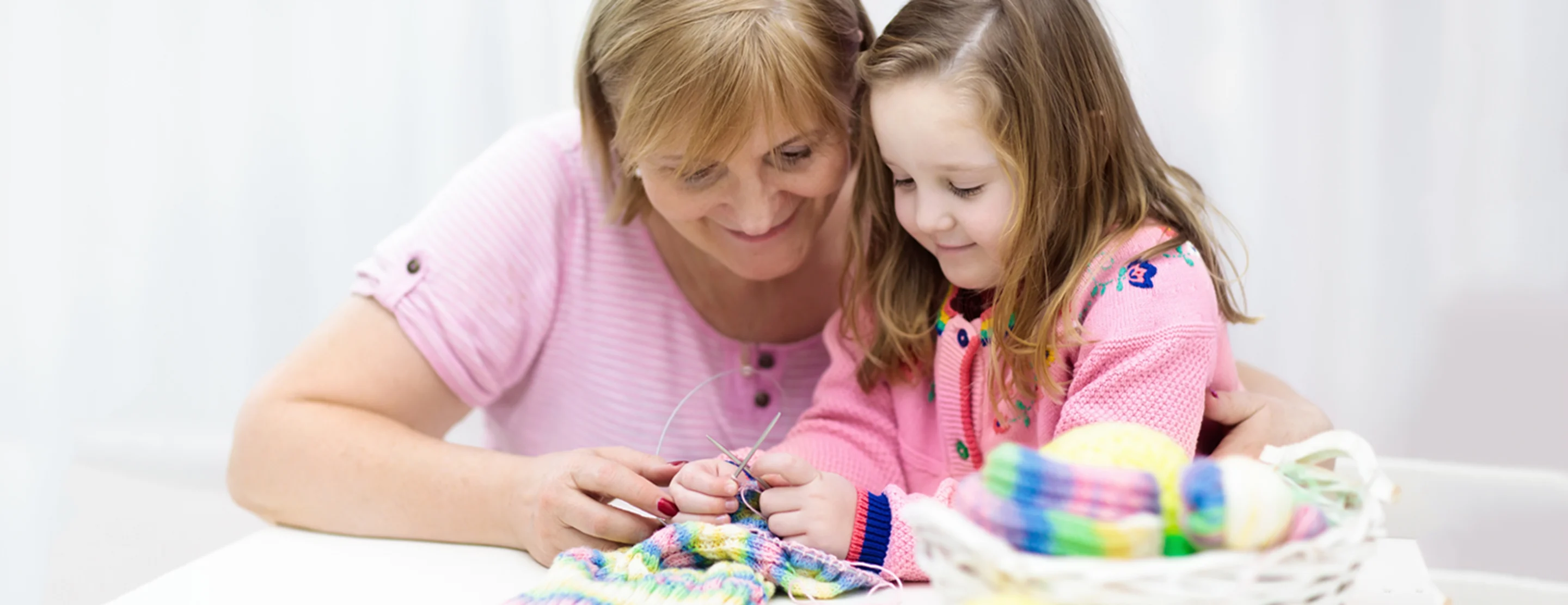
Parent Support Program
Weekly activities, including knitting, scrapbooking, chair massage and more, help family caregivers get a much-needed break. Find out more.
Patient Relations at UCSF Benioff Children's Hospitals
Patient relations reps and nursing supervisors are here to answer questions and address concerns. Learn about your rights, how to reach us and more.
Spiritual Care at UCSF Benioff Children's Hospitals
Chaplains help UCSF patients, families and staff cope with the spiritual and emotional challenges of childhood illness. Learn more.
International Services at UCSF Benioff Children's Hospitals
If you're coming to UCSF from outside the U.S., we coordinate your child's appointments and provide other helpful services. Here's how to get started.