Pediatric Retinoblastoma Program

On this page
Get care
Why choose UCSF Benioff Children's Hospitals for retinoblastoma treatment?
At UCSF Benioff Children's Hospitals, our experts provide comprehensive evaluation and care for retinoblastoma. Retinoblastoma is a rare cancer of the retina, the tissue at the back of the eye that senses light and color. Because it's uncommon, it's important to get care from a highly specialized, experienced team like ours that routinely treats this condition.Why choose UCSF Benioff Children's Hospitals for retinoblastoma treatment?
At UCSF Benioff Children's Hospitals, our experts provide comprehensive evaluation and care for retinoblastoma. Retinoblastoma is a rare cancer of the retina, the tissue at the back of the eye that senses light and color. Because it's uncommon, it's important to get care from a highly specialized, experienced team like ours that routinely treats this condition.Get care
Retinoblastoma expertise
Your child is in the care of an ophthalmologist with fellowship training in ocular oncology and deep expertise in pediatric retinoblastoma.Advanced retinoblastoma treatments
We offer highly specialized treatments, including intra-arterial chemotherapy delivered directly to the eye.Coordinated care
Families meet with our ocular oncology team members in a single visit, including an ocular oncologist, nurse, social worker and genetic counselor.Family-centered support
We offer helpful resources for families that travel to us for treatment, such as parking assistance and lodging at UCSF's Family House.
Our approach to retinoblastoma care
Retinoblastoma is highly treatable when detected early. That's why we focus on prompt diagnosis and timely treatment. Your family has access to all the specialists your child needs, with coordinated care at every step.
Retinoblastoma diagnosis
Most children with retinoblastoma are diagnosed within the first few years of life, usually before age 5. Retinoblastoma results from a change (mutation) in a gene called RB1.
This mutation can be hereditary (passed down through families) or occur randomly. Our ocular oncology team provides a comprehensive eye exam, imaging and genetic testing to check for retinoblastoma and assess each child's risk.
Genetic testing for retinoblastoma
Genetic testing can determine whether a child has an inherited RB1 gene mutation. This information helps guide treatment decisions and long-term monitoring.
If an expectant parent has a known RB1 gene mutation, we can do prenatal testing to determine if their baby has it. Knowing before birth whether a baby has an increased risk allows us to plan early screening and begin treatment soon after delivery, if needed.
Families with an increased risk of retinoblastoma can receive ongoing care through UCSF's pediatric cancer genetics and prevention program. Genetic counselors help families understand the results of genetic testing and what they may mean for their child's risk of retinoblastoma and other cancers over time.
Retinoblastoma treatment
Children with retinoblastoma receive expert care from our pediatric oncology team. We tailor treatment to each child, based on:
Their age
Size and location of the tumor
Whether one or both eyes are affected
Whether cancer has spread to other areas
Your child may receive anesthesia for some exams and treatments. Our pediatric anesthesia team carefully monitors your child to help ensure their safety and comfort.
Treatment options include:
Intravenous chemotherapy. Children younger than 3 months may have chemotherapy through an IV until they're old enough for other treatments.
Intra-arterial chemotherapy. An interventional neuroradiologist delivers chemotherapy directly to the eye through the ophthalmic arteries.
Intravitreal chemotherapy. This treatment delivers chemotherapy directly into the vitreous, the clear gel in front of the retina.
Focal treatments. We may use laser therapy (heat) or cryotherapy (cold) to destroy small eye tumors while preserving the eye.
Enucleation. This surgery removes the eye. We may recommend it when cancer affects only one eye and has not spread beyond that eye.
For cancer that has spread beyond the eye to the optic nerve or brain, we may use high-dose chemotherapy followed by stem cell transplantation. We may also offer radiation therapy to help ease symptoms from cancer that has spread to the brain, spine or other areas of the body.
Ongoing care and support
We connect families to resources for continued care and support after treatment, including:
Eye exams. Our ophthalmologists provide regular exams to evaluate vision and recommend protective eyewear, when needed.
Prosthetic eye care. If your child has had enucleation and uses a prosthetic (artificial) eye, we provide guidance on prosthetic care. Our social worker can also work with your child's school to arrange accommodations and learning support.
Survivorship care. Children who have had chemotherapy or a stem cell transplant can receive follow-up care through our pediatric survivorship program.
Accordion 1
Providers (dynamic)

Armin Afshar, MD, MBA
Ophthalmology (Ocular Oncology) • Pediatric Ophthalmology
Providers (manual)
Armin Afshar, MD, MBA
Ophthalmology (Ocular Oncology) • Pediatric Ophthalmology
Nicola Cadenas, MS
Genetic Counseling
Awards & achievements


Best in Northern California and top 10 in the nation for cancer care

Ranked among the nation's best in 11 specialties


Related conditions & treatments
Conditions
- Eye Cancer
- Hereditary Retinoblastoma
- Pediatric Cancer
- RB1 Gene
- Retinoblastoma
Treatments
- Cancer Chemotherapy
- Enucleation
- Genetic Counseling
- Genetic Testing
- Intraarterial Chemotherapy of Tumors
- Ocular Oncology
- Radiation Treatment
- Stem Cell Transplant

Research initiatives
UCSF Department of Ophthalmology ResearchOpens in a new window
The UCSF Department of Ophthalmology and the Francis I. Proctor Foundation for Research in Ophthalmology are dedicated to uncovering the causes and mechanisms of eye diseases, with the goals of fighting vision loss and restoring sight.Early-Phase Clinical Trials at UCSF: Pediatric Cancer
Search the directory of UCSF's active clinical trials open to children with cancer, including leukemia, lymphoma, neuroblastoma and brain tumors.
Support services
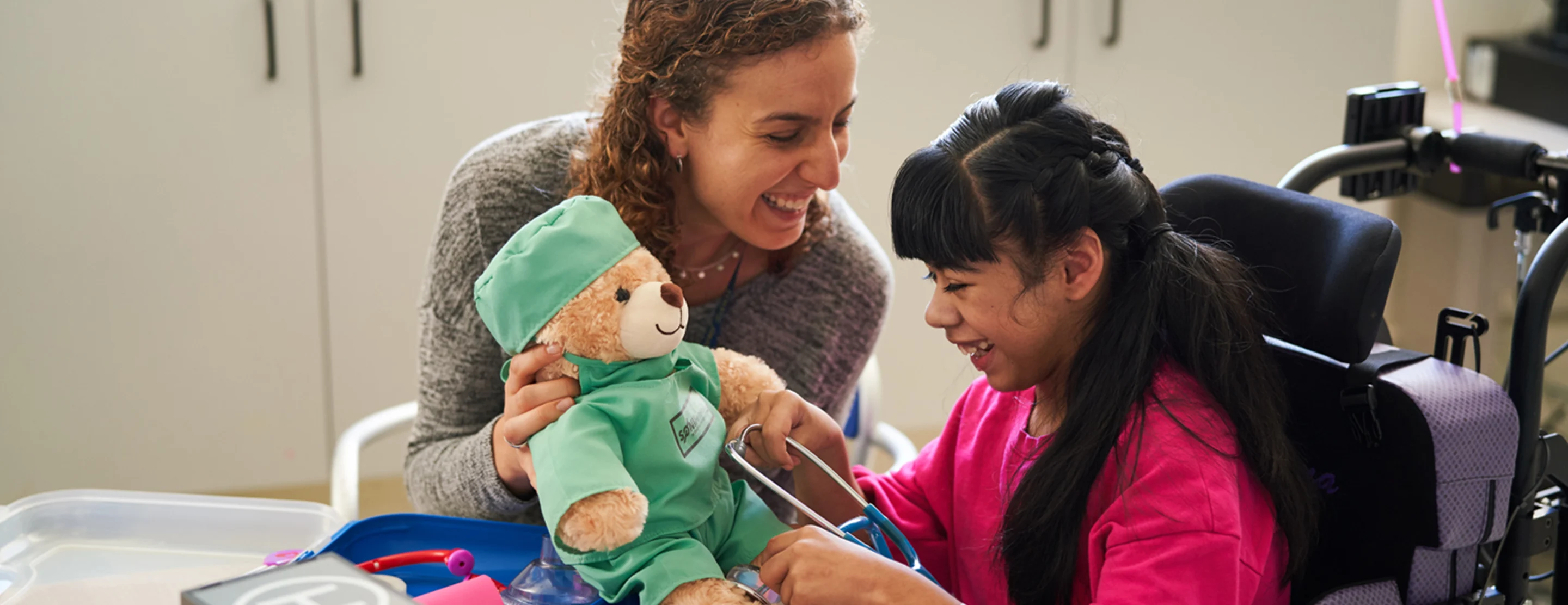
Child Life
Certified child life specialists ease the stress and anxiety of childhood illness through therapeutic play, schooling and family-focused support.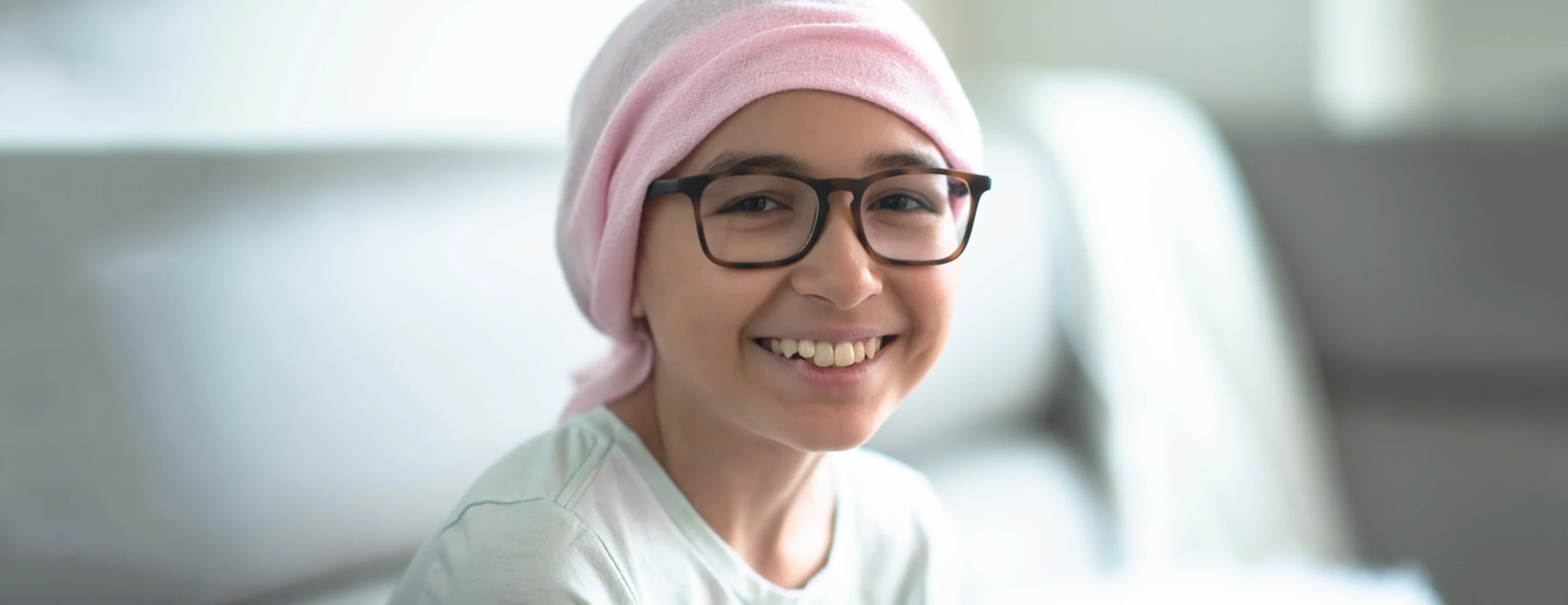
Beads of Courage
We help children cope with cancer testing and treatment challenges by awarding colorful beads for each milestone they achieve. Find out about our program.
Camp Okizu
This overnight summer camp for children with cancer, siblings and families offers fun activities, education sessions and support in a beautiful setting.
Individual Playtime & Instruction
If your child can't be around other kids for medical reasons, you can sign up for private sessions in our activity and school rooms. Find out how.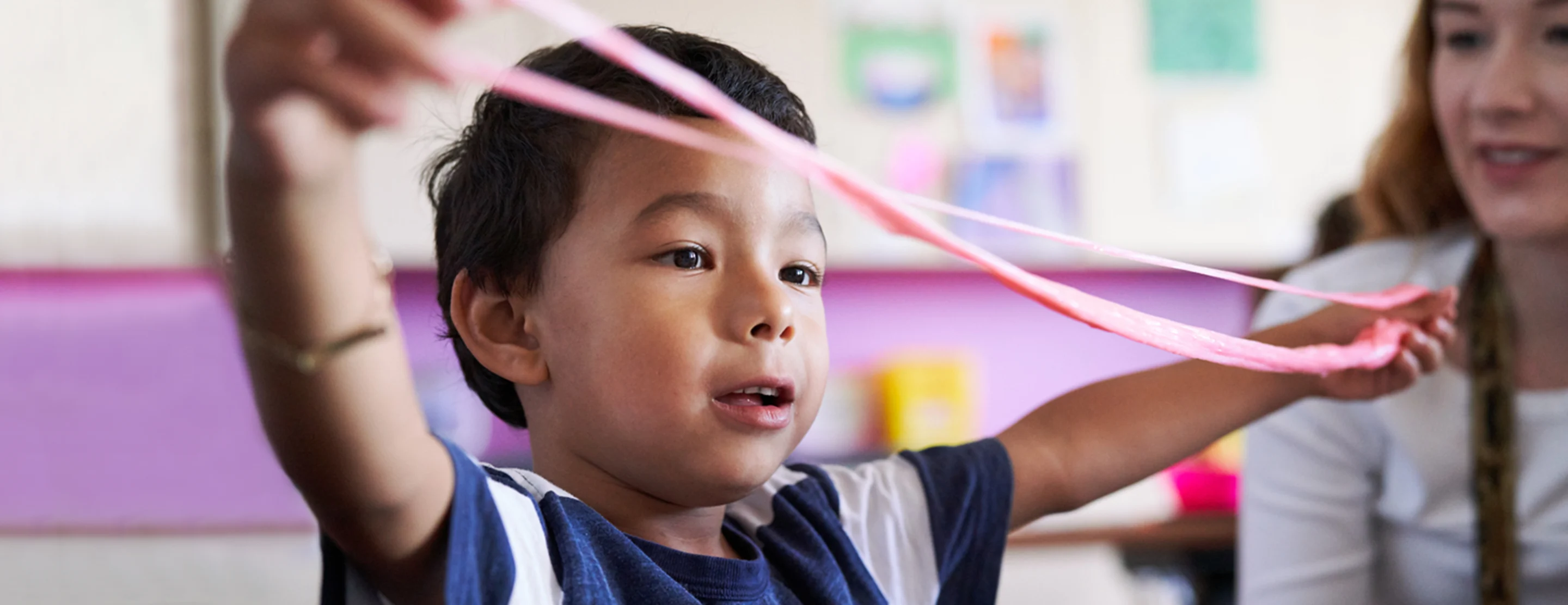
Activity Rooms
Activity rooms offer a relaxed environment for children of all ages. Features include a playroom, digital arts studio and teen lounge. Find out more.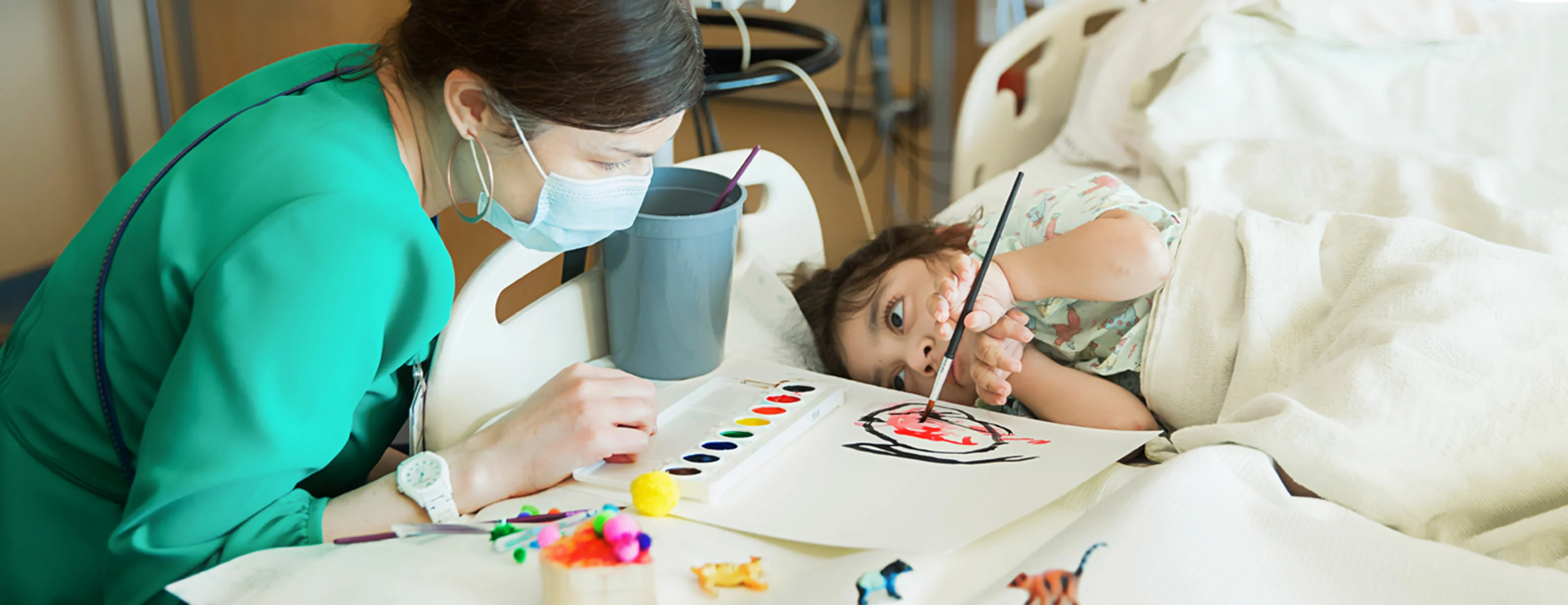
Pediatric Art Therapy Program
Art therapy helps kids and families express themselves, making it easier to cope with pediatric health issues. Group and bedside services are available.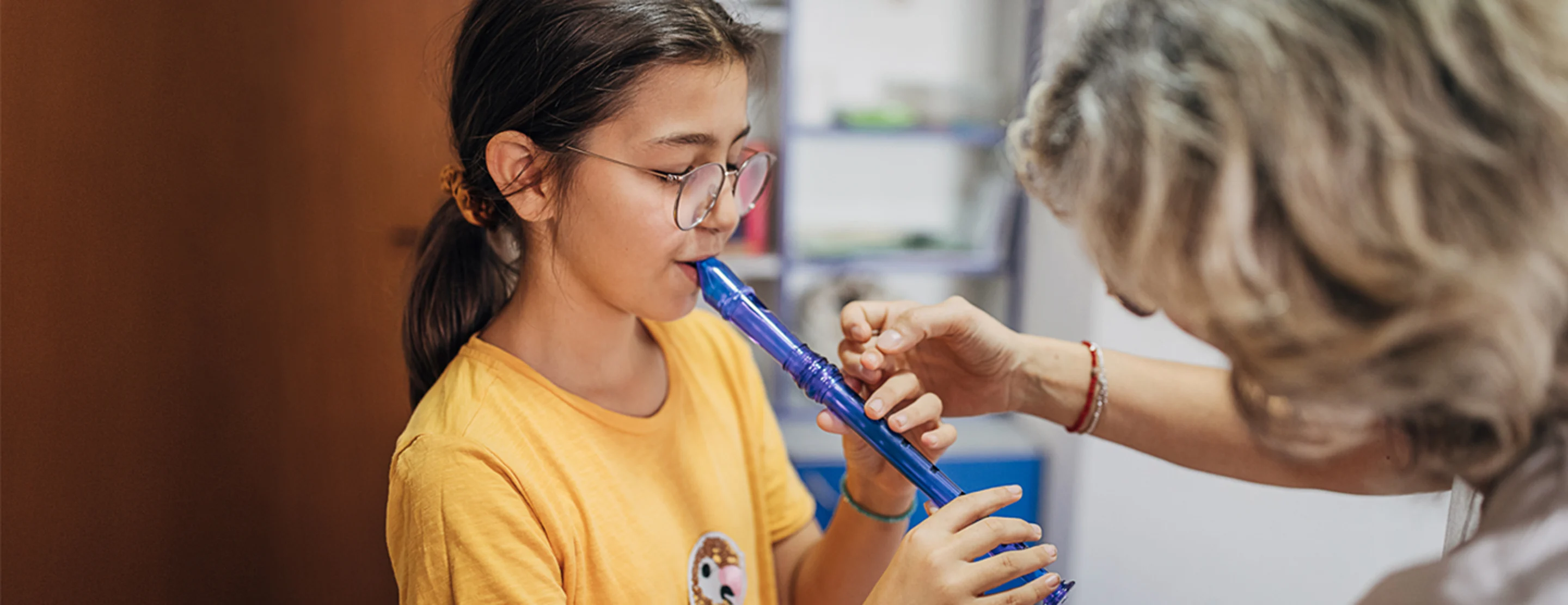
Pediatric Music Therapy Program
Board-certified music therapists help kids cope with illness and the feelings that come with it. Find out about group activities and bedside therapy.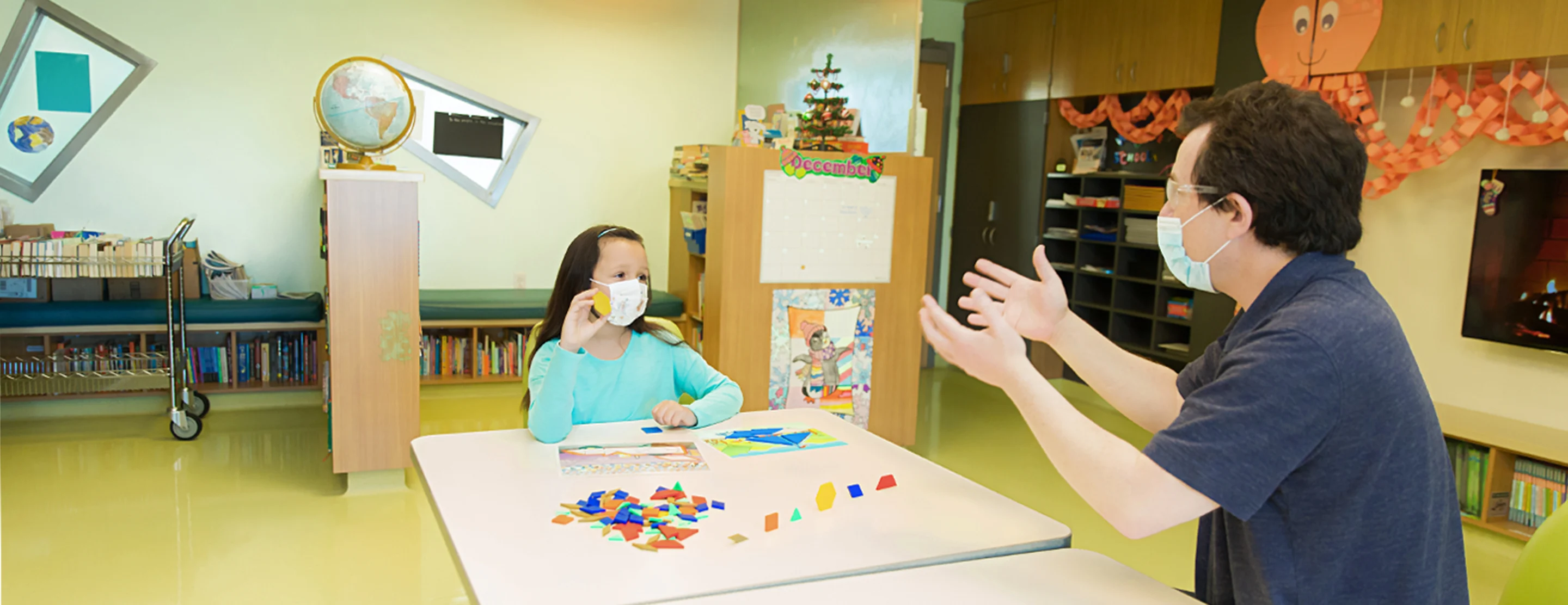
School Program for Hospitalized Children
Our schoolroom services and individual learning programs help children hospitalized at UCSF continue their education and get ready to return to school.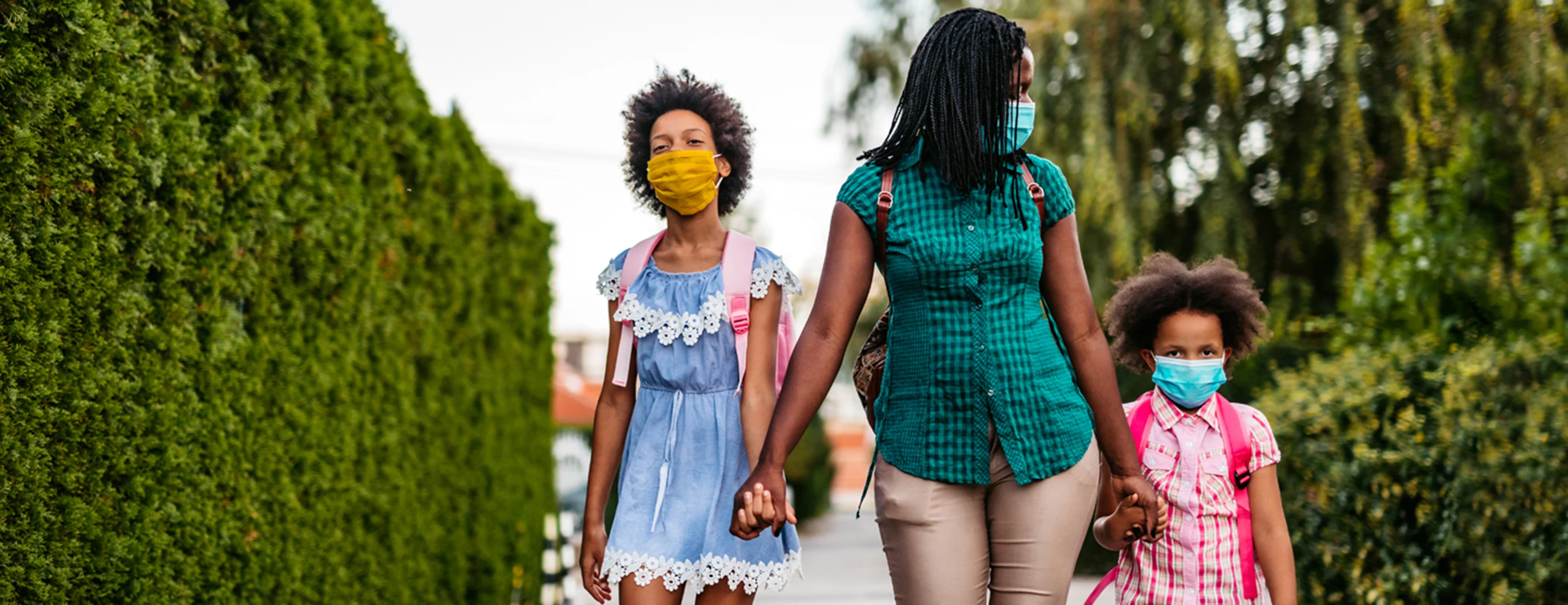
School Re-Entry Program
We help kids return to school after hospitalization by educating staff and students about their needs and recommending needed accommodations. Read more.
Family Amenities
Family-friendly amenities help you relax and take care of yourself while staying close to your child. We offer lounges, kitchens, showers, breastfeeding rooms and more.
Social Services at UCSF Benioff Children's Hospitals
Social workers ease the effect of illness, injury and hospitalization on your family with counseling and assistance to help you navigate the challenges.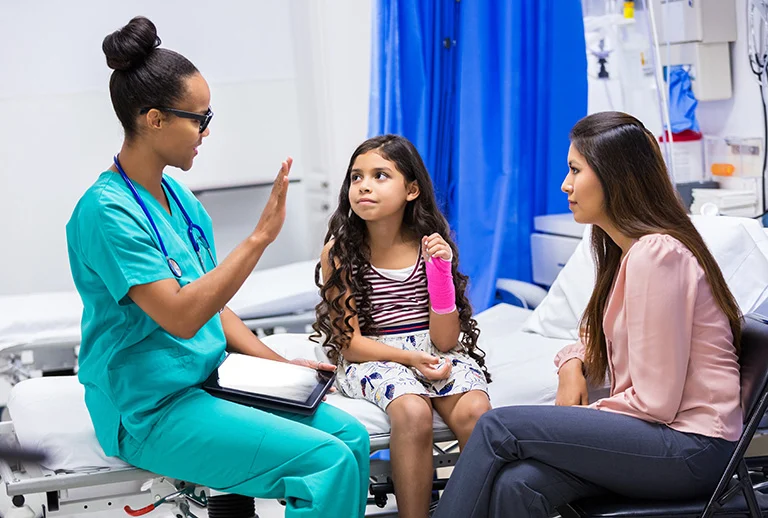
Interpreter Services & Communication Assistance at UCSF Benioff Children's Hospitals
Interpreter services in many languages and TDDs are available for families that need help communicating with care teams. Here's how to access them.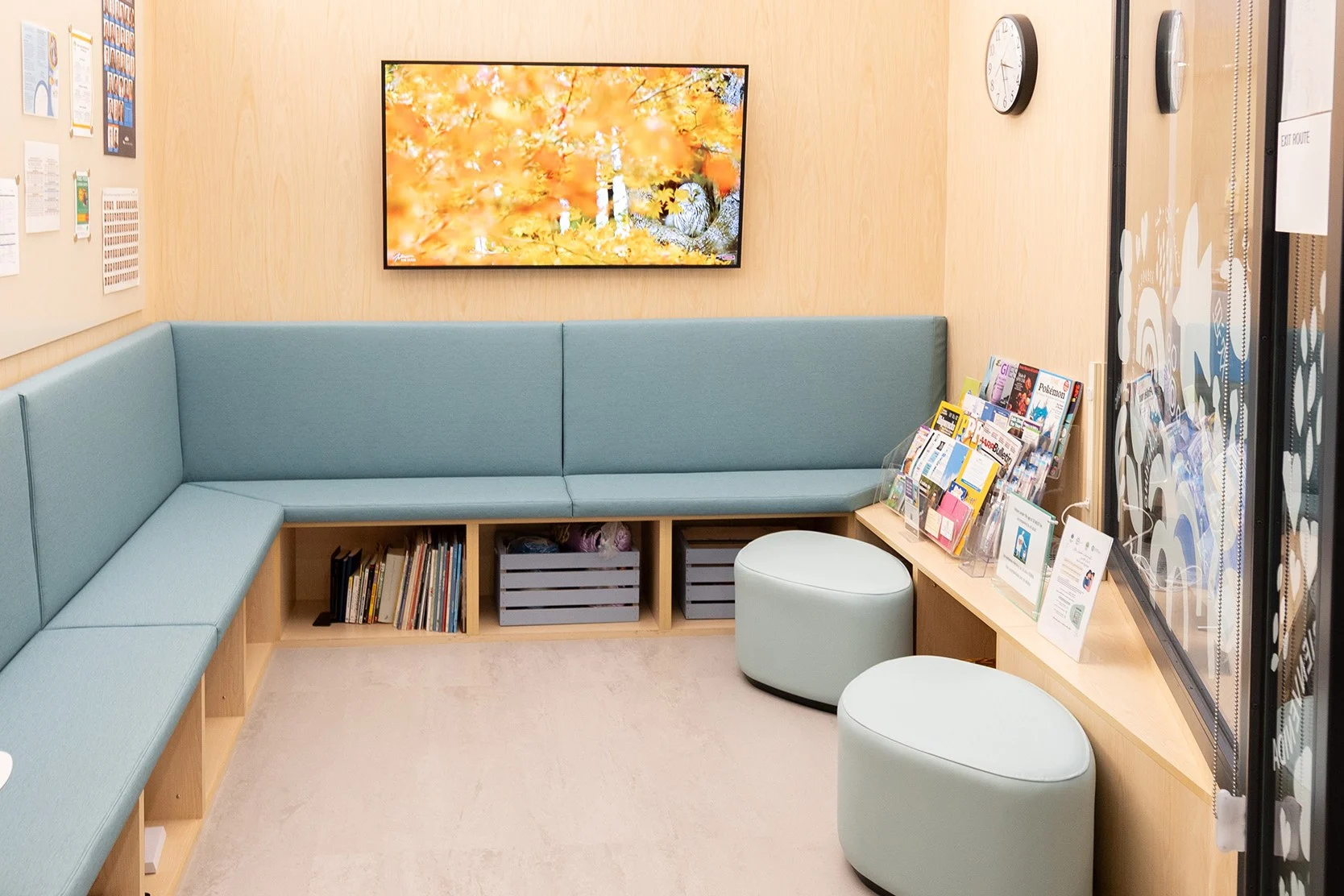
Family Resource Center
We help families cope with the challenges of childhood illness and hospitalization in a relaxing environment where parents can get a much-needed break.
Parent Support Program
Weekly activities, including knitting, scrapbooking, chair massage and more, help family caregivers get a much-needed break. Find out more.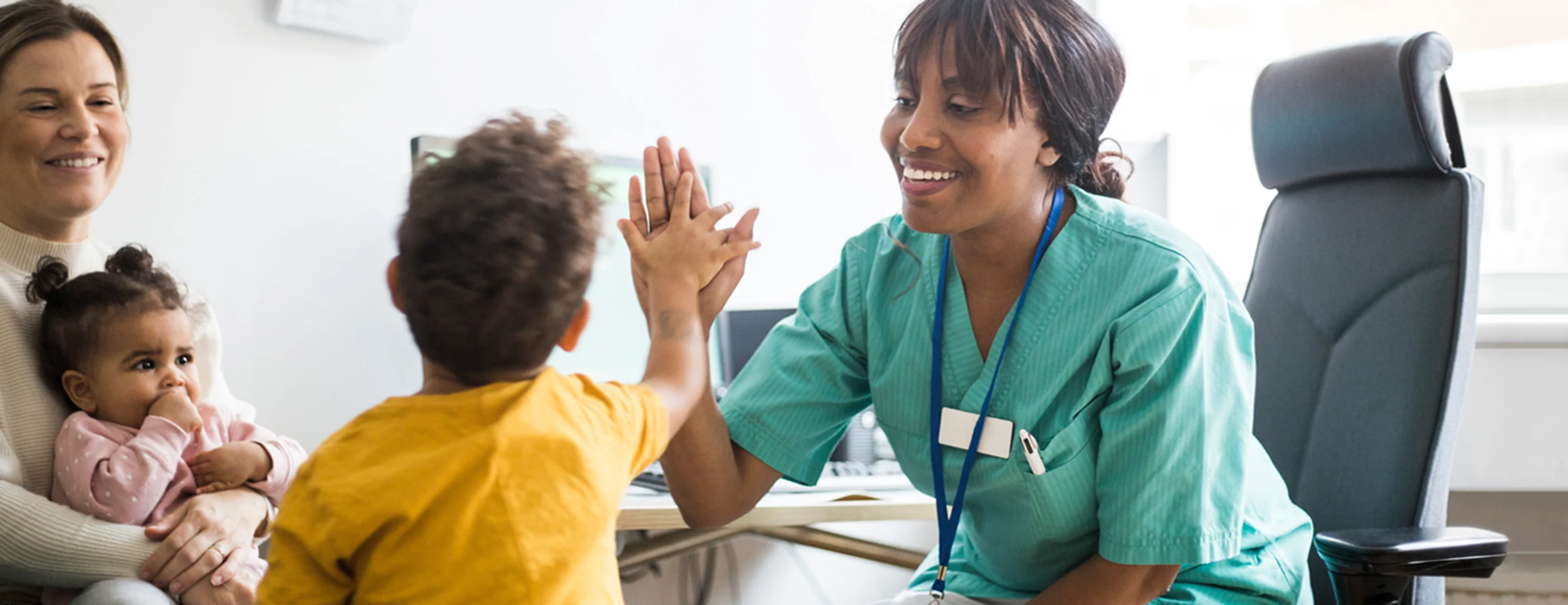
Patient Relations at UCSF Benioff Children's Hospitals
Patient relations reps and nursing supervisors are here to answer questions and address concerns. Learn about your rights, how to reach us and more.
Spiritual Care at UCSF Benioff Children's Hospitals
Chaplains help UCSF patients, families and staff cope with the spiritual and emotional challenges of childhood illness. Learn more.
International Services at UCSF Benioff Children's Hospitals
If you're coming to UCSF from outside the U.S., we coordinate your child's appointments and provide other helpful services. Here's how to get started.
Authoring Notes
Preprod-only checklist. Remove this component before promoting to prod.
Content source URLs (1)
Word doc notes (6)
Emily Quinlan · 2026-09-16T09:20:00Z
Anchored to: “Pediatric Retinoblastoma Program”
UCSF: Per Jenny 6/25/26: "I recommend that we keep this as a dedicated service page called Pediatric Retinoblastoma Program on the new site.
I don't think we should fold it into our condition page on retinoblastoma or our pediatric ophtho service page or broaden its framing to something like pediatric eye cancer.
Google Search Console data and a Claude-assisted analysis show that the legacy page captures searches specific to patients and referrers who are looking for pediatric retinoblastoma care. Rolling the content into a page on a broader topic (like ophtho or eye cancer) would dilute this.
Also, apparently, broadening to "eye cancer" would be misleading since other eye cancers would likely involve other specialties and providers, so the page title would end up implying something that the page content wouldn't support. And retinoblastoma is the most common form of pediatric eye cancer, so it makes sense to have a program dedicated to it.
A reason not to fold it into the retinoblastoma condition page is that that page meets a different search intent that's more focused on understanding the condition. What we have to say about our retinoblastoma expertise/differentiators can have a stronger impact in SEO/AIO when housed on a dedicated service page than it would on a condition page, which, as more of a "health library" type of page, has to compete with heavy-hitters like Mayo Clinic, Wikipedia, etc. Where we can shine is on a page focused on the care we provide and on helping people easily find their way to the appointment/referral CTAs, locations, providers, etc."
Emily Quinlan · 2026-09-16T09:28:00Z
Anchored to: “CTA 1 (Optional)”
UCSF: Phone number: (415) 514-6918
Margaret LeFevre · 2026-09-23T16:52:00Z
Anchored to: “Review”
Valerie: Both Fabienne Hollinger RN, MSN, and FNP-C
Dr. Anu Banerjee are named in Airtable as R2 reviewers. Can you confirm for us, if possible, who the Primary R2 Reviewer should be?
Pratz, Valerie · 2026-09-24T10:36:00Z
Anchored to: “Review”
Banerjee
Lauren Lamb · 2026-10-08T08:48:00Z
Anchored to: “N/A”
UCSF: We interviewed Fabienne Hollinger on 7/21/26, but per Valerie Pratz, Dr. Banerjee should be the primary SME reviewer. Dr. Banerjee never replied with feedback by our requested due date of 10/6/26, so per our process, we are moving this page into R3 final review with Tim McGrath on 10/8/26.
Lauren Lamb · 2026-10-23T11:46:00Z
Anchored to: “Pediatric Retinoblastoma Program”
UCSF: Page title updated to “Pediatric Retinoblastoma Program” per Valerie Pratz and Tim McGrath. Todd advised page title updates in the CDP will be automatically handled and cross-checked.