Pediatric Epilepsy Program

On this page
Why choose UCSF Benioff Children's Hospitals for pediatric epilepsy care?
From newborns to teens, children with every type of epilepsy receive expert diagnosis and treatment. We also care for rare and genetic epilepsies, including infantile spasms, neonatal seizures, Dravet syndrome and PCDH19 epilepsy.
Families come to us for first-time evaluations, challenging cases and second opinions when seizures continue. Together, we clarify your child's diagnosis and create a personalized treatment plan that prioritizes their safety and well-being.
Your child's care plan may include medication, diet therapy, neuromodulation, surgery or clinical trials. For children who need inpatient care, we offer continuous video EEG monitoring to capture seizures and guide treatment decisions.
The National Association of Epilepsy Centers has recognized our program as a level 4 epilepsy center, the highest level. We offer advanced diagnosis, treatment and support services in one coordinated program. Our patients may also access clinical trials testing promising new therapies.
Why choose UCSF Benioff Children's Hospitals for pediatric epilepsy care?
From newborns to teens, children with every type of epilepsy receive expert diagnosis and treatment. We also care for rare and genetic epilepsies, including infantile spasms, neonatal seizures, Dravet syndrome and PCDH19 epilepsy.
Families come to us for first-time evaluations, challenging cases and second opinions when seizures continue. Together, we clarify your child's diagnosis and create a personalized treatment plan that prioritizes their safety and well-being.
Your child's care plan may include medication, diet therapy, neuromodulation, surgery or clinical trials. For children who need inpatient care, we offer continuous video EEG monitoring to capture seizures and guide treatment decisions.
The National Association of Epilepsy Centers has recognized our program as a level 4 epilepsy center, the highest level. We offer advanced diagnosis, treatment and support services in one coordinated program. Our patients may also access clinical trials testing promising new therapies.
Attentive, personalized team care
We help your family feel at ease, respected and truly heard. We deeply value the bonds we create with our patients and their families.Support beyond seizures
We offer counseling, individual and family therapy, school support, social work and dietary guidance for children living with epilepsy.Next-generation technology
We use virtual and augmented reality to map your child's brain and plan procedures, ensuring the safest, most precise procedure possible.Advanced surgical expertise
Families across the Western U.S. turn to our surgeons for complex epilepsy care.
Advanced testing to understand seizures
Clear answers start with precise testing. We use detailed brain imaging and electrical studies to locate seizure activity. These tools help us understand how seizures affect your child's brain.
Tests that help us understand brain structure and function may include:
MRI and functional MRI
Electroencephalogram (EEG, an electrical study of brain waves)
When seizures need deeper study, we use advanced mapping and monitoring tools. These may include:
Magnetoencephalography (MEG). This imaging technique, which is not widely available, shows the brain's electrical signals, helping us pinpoint seizure activity.
Single-photon emission computed tomography (SPECT). This advanced scan uses a special dye to show blood flow patterns during a seizure.
EEG source localization. This testing helps us find where seizures may begin.
Inpatient epilepsy monitoring. Our team studies seizures over a few days to guide treatment planning.
Intracranial seizure mapping. Specialists study seizures directly from the brain.
Expert team focused on childhood epilepsy
We take time to listen, answer your questions and explain your child's care. Our epilepsy specialists and pediatric neurosurgeons work together when seizures need advanced evaluation or treatment.
Some families come to UCSF Benioff Children's Hospitals after receiving a diagnosis or treatment plan elsewhere. We review your child's history, tests and current medications. Then we help you understand what may come next.
Your care team includes providers with focused training in childhood epilepsy. The team may include:
Dual-certified specialists (pediatric neurology and epilepsy)
Pediatric neurosurgeons
Neuropsychologists
Child psychiatrists
Dietitians
Social workers and an education liaison
Advanced epilepsy treatment options
Medicine helps many children, but some seizures need a different approach. We help you understand the full range of epilepsy treatments, including advanced options that can help your child live a more active life.
Treatment may include:
Anti-seizure medications. We're experts in optimizing anti-seizure medications, especially for hard-to-treat epilepsy. We go beyond routine prescribing to create highly tailored regimens.
Customized ketogenic diet therapy. Our dietitians work with you and your child to develop a personalized diet that may help control seizures.
Neuromodulation therapies. Our specialists have extensive experience with devices for controlling seizures. We may combine implanted devices for vagal nerve stimulation (VNS), responsive neurostimulation (RNS) or deep brain stimulation (DBS) with other therapies for seizure control.
Robot-assisted surgery. We're one of the few programs in the region using robot-assisted surgery to place electrodes for seizure mapping.
Laser ablation. Surgeons use focused heat to treat some seizure-causing areas.
Epilepsy surgery. Our surgeons offer a full range of procedures to remove or disconnect seizure-causing tissue, such as resection.
3D planning tools for complex care
We may use virtual reality and augmented reality to create 3D brain models. These tools can help visualize the seizure focus and planned surgical path.
These tools may help with:
Better understanding of complex brain anatomy. 3D models help us study areas other scans may not show clearly.
Improved surgical planning and precision. Surgeons can compare approaches and plan each step before surgery.
Helping families visualize treatment. Immersive images can show the seizure focus and planned surgical path.
Support for school, mental health and family life
Epilepsy can affect learning, behavior, mood and daily routines. Our team helps your child and family manage those challenges, providing support for mental health concerns, dietary needs, school guidance and practical needs.
Locations (dynamic)
Providers

Danilo Bernardo Jr., MD
Neurology • Pediatric Neurology
Marisa Gardner, MD
Pediatric Neurology
Jacquelyn A. Gold, MD
Pediatric Neurology
Ernesto Gonzalez-Giraldo, MD
Pediatric Neurology
Awards & achievements

#1
in NIH funding among U.S. neurology programs

Level 4
Accredited level 4 epilepsy center (National Association of Epilepsy Centers)

One of the nation's best for neurology & neurosurgery
Ranked among the nation's best in 11 specialties
Related services

Related conditions & treatments
Conditions
- Childhood Epilepsy
- Epilepsy
- Infantile Spasms
- Pediatric Epilepsy
Treatments
- Deep Brain Stimulation
- Dietary Management in Epilepsy
- Electroencephalography
- Epilepsy Diet Therapy
- Epilepsy Monitoring Unit Evaluation (EMU)
- Epilepsy Surgery
- Epilepsy Surgery Evaluation
- Laser Interstitial Thermal Therapy
- Magnetoencephalography MEG
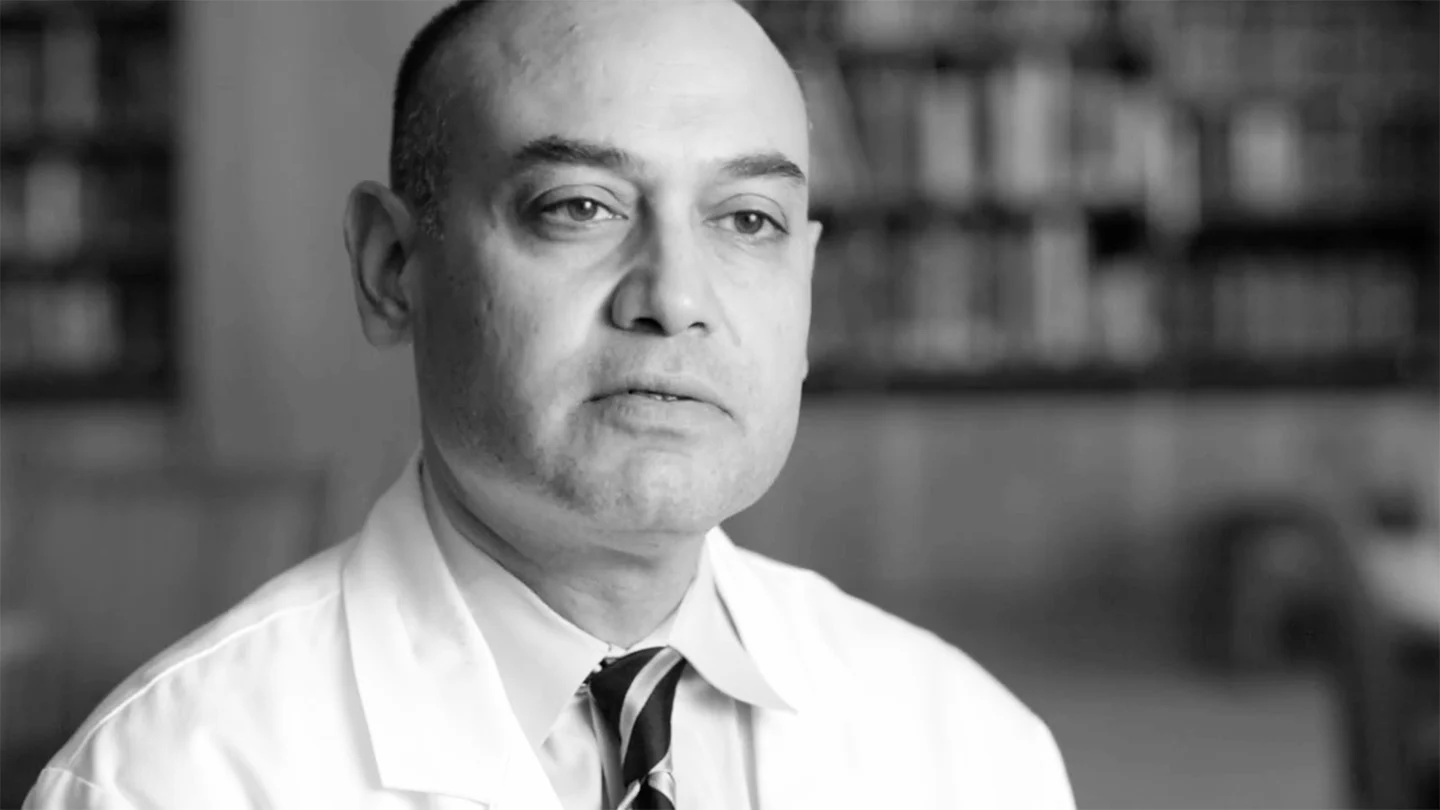
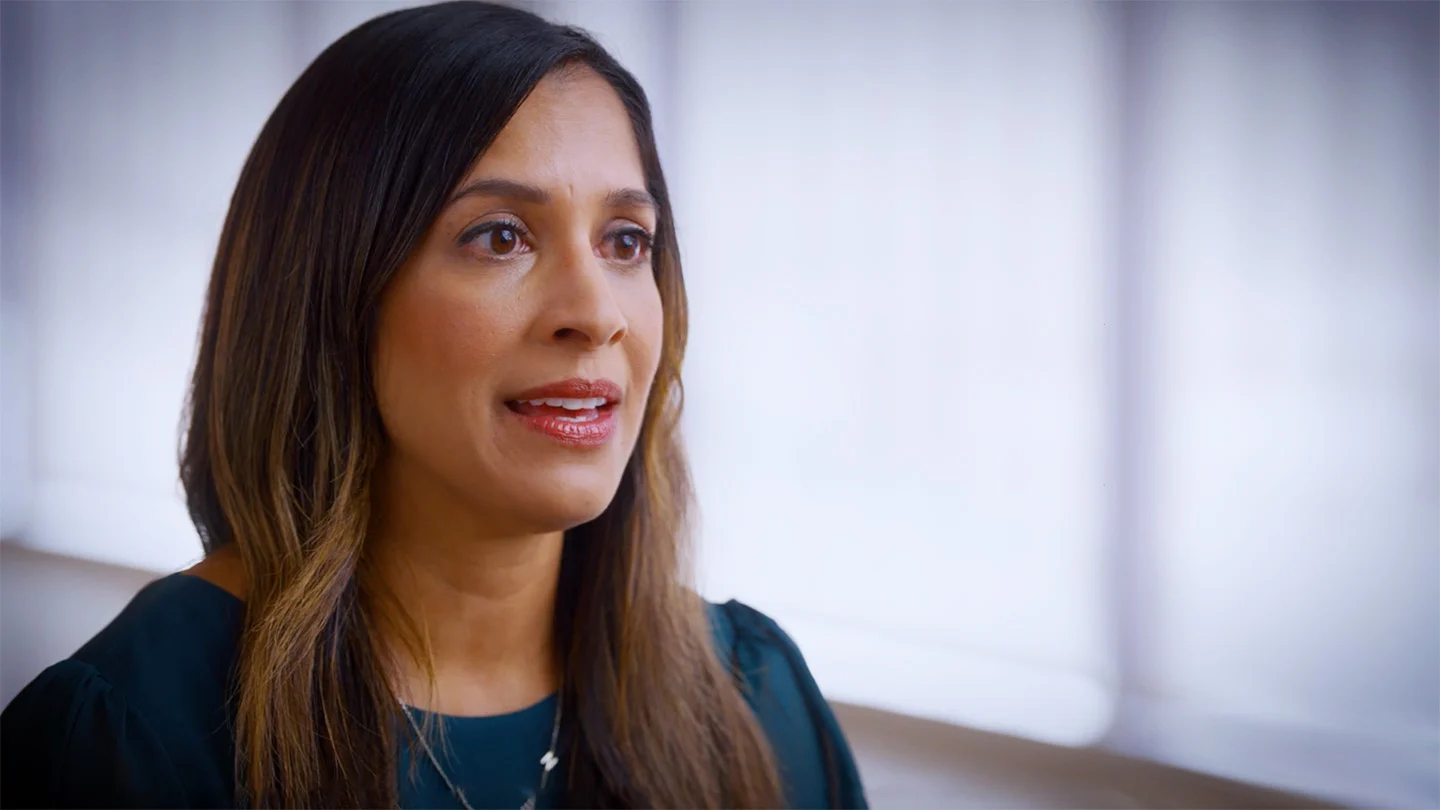
Meet our epilepsy experts
1 of 2

Trials & research
Clinical trials
A Clinical Study to Evaluate the Safety and Efficacy of ETX101 in Infants and Children With SCN1A-Positive Dravet SyndromeOpens in a new window
ENDEAVOR is a Phase 1/2, 2-part, multicenter study to evaluate the safety and efficacy of ETX101 in participants with SCN1A-positive Dravet syndrome aged ≥6 to <36 months (Part 1A), aged ≥48 months to <18 years (Part 1B), and aged ≥6 to <48 months (Part 2)...
Research initiatives
Support services
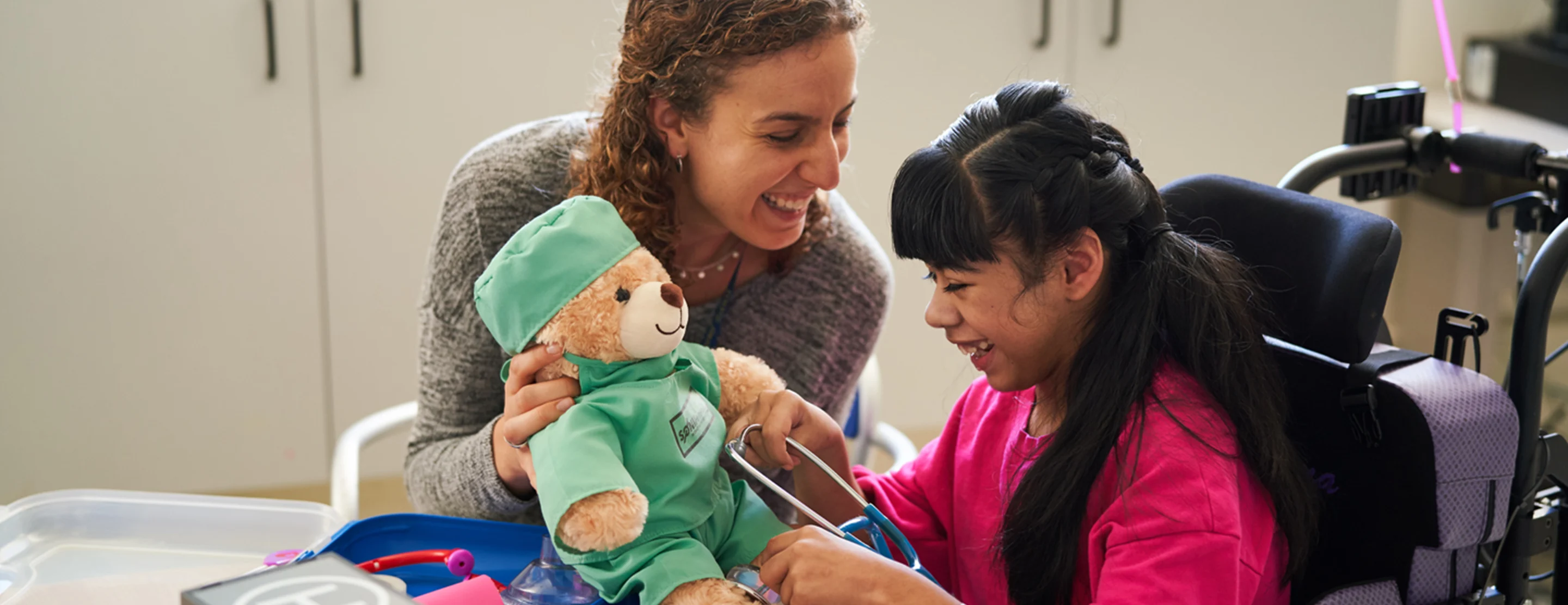
Child Life
Certified child life specialists ease the stress and anxiety of childhood illness through therapeutic play, schooling and family-focused support.
Family Amenities
Family-friendly amenities help you relax and take care of yourself while staying close to your child. We offer lounges, kitchens, showers, breastfeeding rooms and more.
Social Services at UCSF Benioff Children's Hospitals
Social workers ease the effect of illness, injury and hospitalization on your family with counseling and assistance to help you navigate the challenges.
Activity Rooms
Activity rooms offer a relaxed environment for children of all ages. Features include a playroom, digital arts studio and teen lounge. Find out more.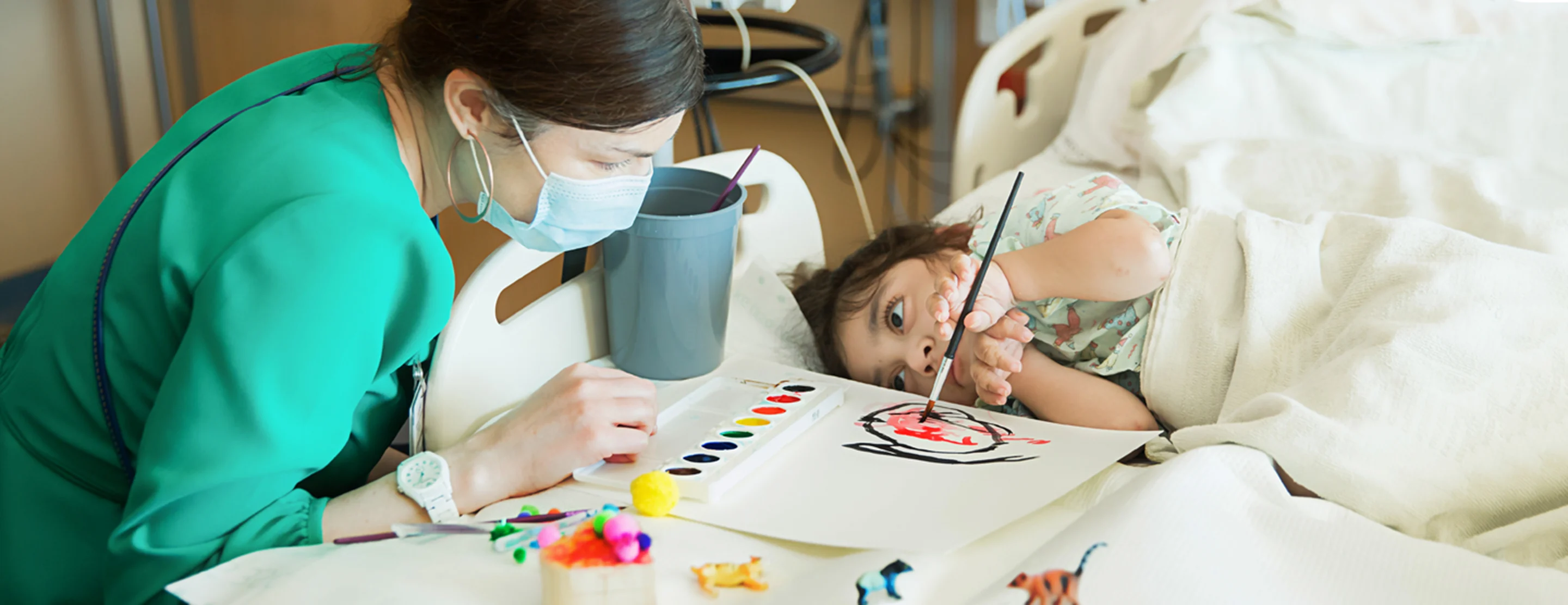
Pediatric Art Therapy Program
Art therapy helps kids and families express themselves, making it easier to cope with pediatric health issues. Group and bedside services are available.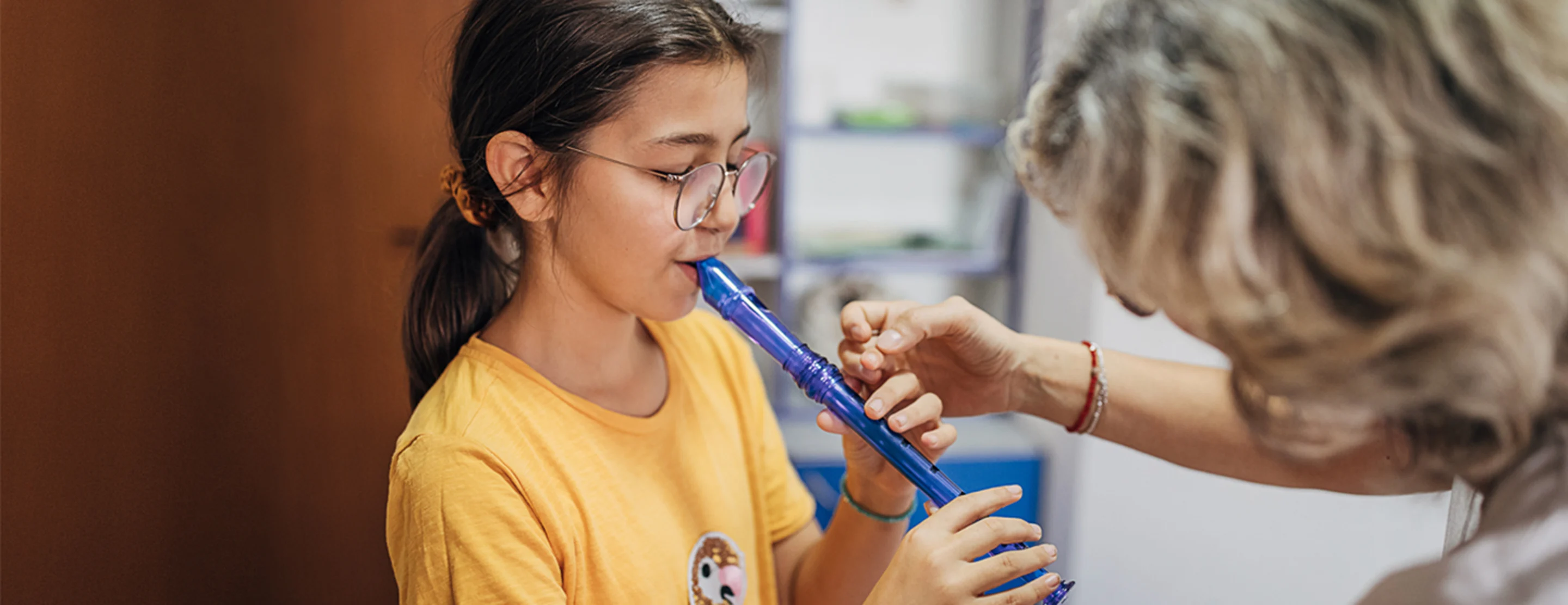
Pediatric Music Therapy Program
Board-certified music therapists help kids cope with illness and the feelings that come with it. Find out about group activities and bedside therapy.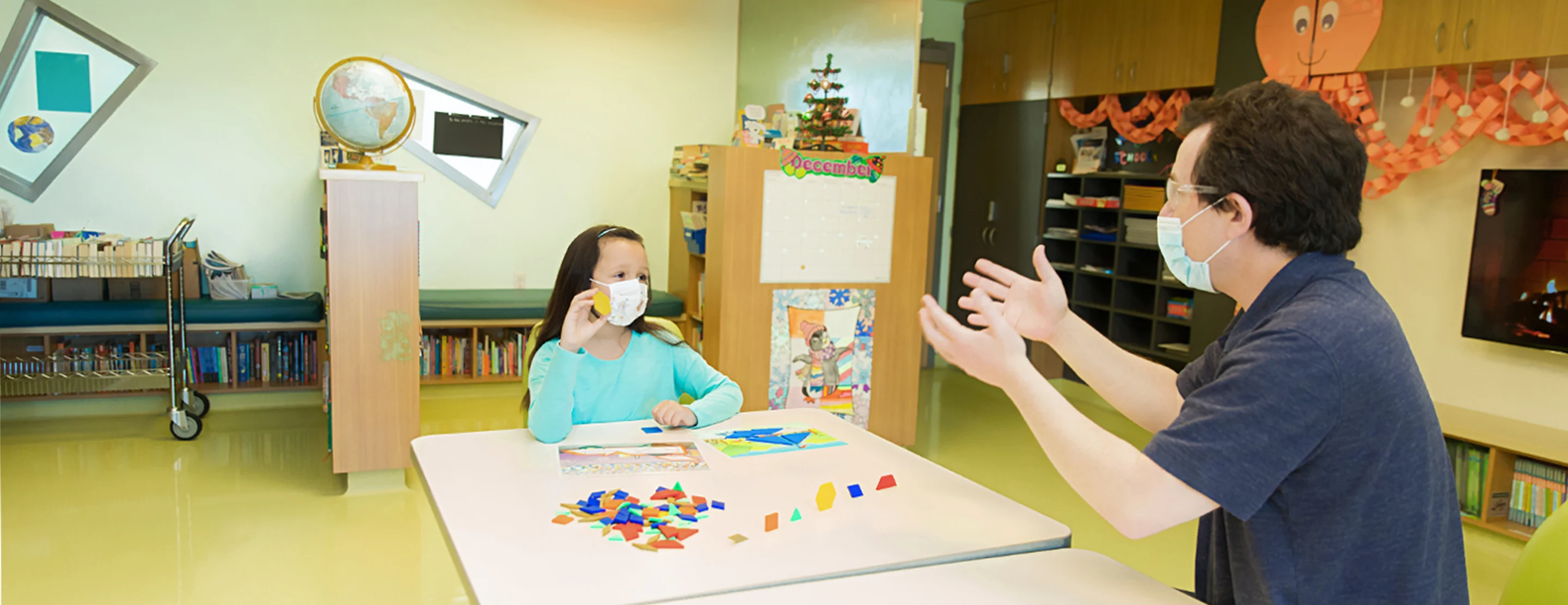
School Program for Hospitalized Children
Our schoolroom services and individual learning programs help children hospitalized at UCSF continue their education and get ready to return to school.
School Re-Entry Program
We help kids return to school after hospitalization by educating staff and students about their needs and recommending needed accommodations. Read more.
Individual Playtime & Instruction
If your child can't be around other kids for medical reasons, you can sign up for private sessions in our activity and school rooms. Find out how.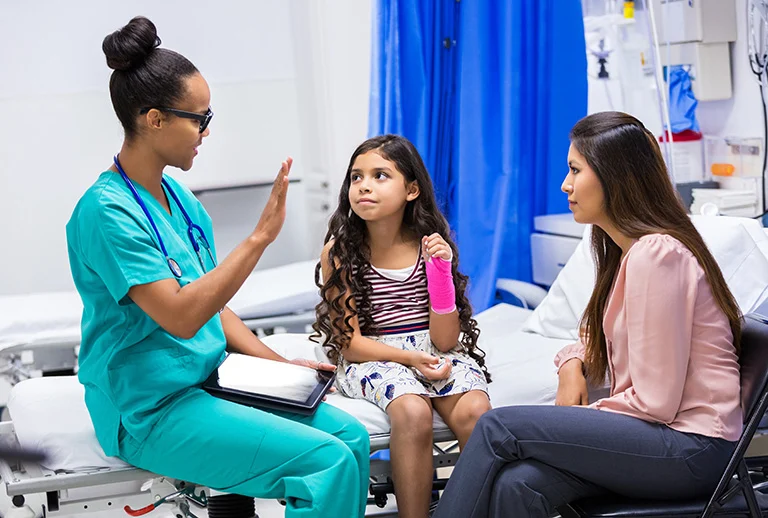
Interpreter Services & Communication Assistance at UCSF Benioff Children's Hospitals
Interpreter services in many languages and TDDs are available for families that need help communicating with care teams. Here's how to access them.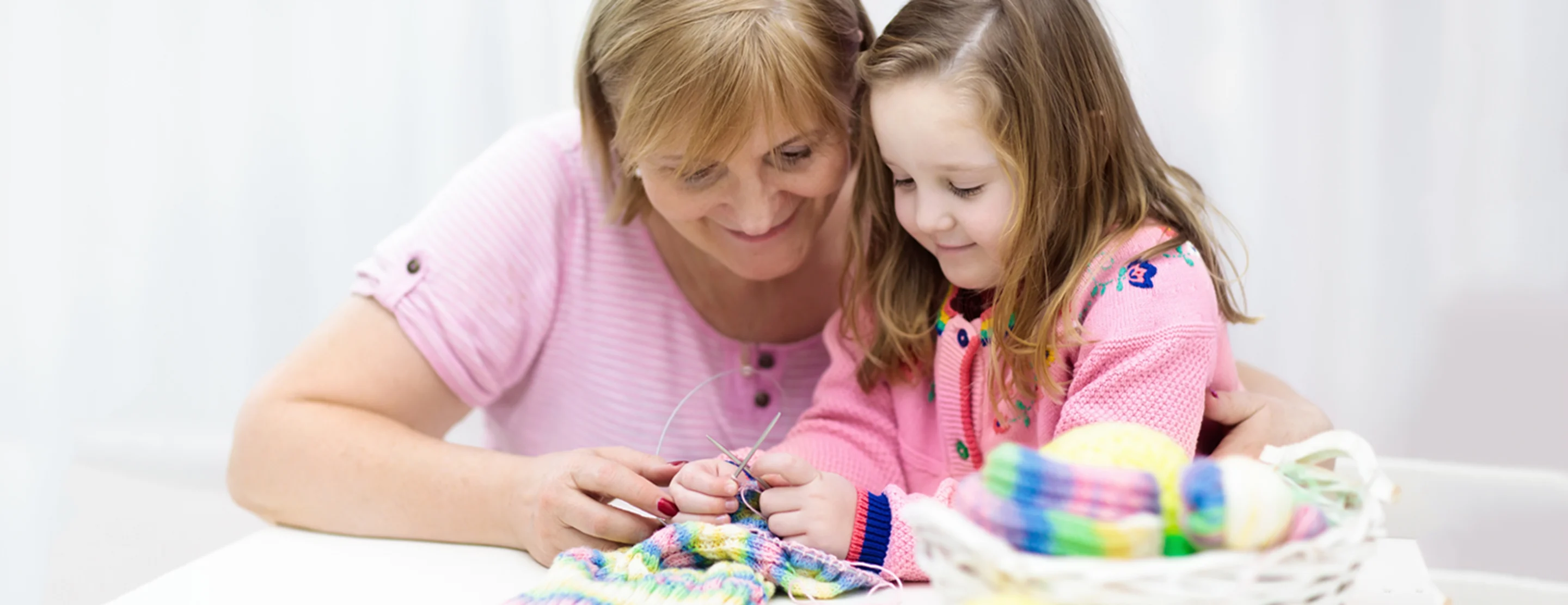
Parent Support Program
Weekly activities, including knitting, scrapbooking, chair massage and more, help family caregivers get a much-needed break. Find out more.
Patient Relations at UCSF Benioff Children's Hospitals
Patient relations reps and nursing supervisors are here to answer questions and address concerns. Learn about your rights, how to reach us and more.
Spiritual Care at UCSF Benioff Children's Hospitals
Chaplains help UCSF patients, families and staff cope with the spiritual and emotional challenges of childhood illness. Learn more.
International Services at UCSF Benioff Children's Hospitals
If you're coming to UCSF from outside the U.S., we coordinate your child's appointments and provide other helpful services. Here's how to get started.