Pediatric Cerebrovascular & Stroke Program

On this page
Why choose UCSF Benioff Children's Hospitals for pediatric cerebrovascular and stroke care?
Children with challenging neurovascular conditions need a team with deep pediatric expertise. We are one of the few programs nationwide offering highly specialized neurovascular care for the most complex cases.
We care for children with stroke and rare blood vessel conditions affecting the brain, spinal cord or nearby vessels. These conditions can include arteriovenous malformations (AVMs), other vascular malformations, aneurysms, moyamoya disease and genetic causes of cerebrovascular disease.
Families come to us for urgent stroke care, long-term follow-up and second opinions. We often help when a child's condition seems especially complex for standard treatment. We also lead research that helps improve care for children with stroke and vascular lesions.
Why choose UCSF Benioff Children's Hospitals for pediatric cerebrovascular and stroke care?
Children with challenging neurovascular conditions need a team with deep pediatric expertise. We are one of the few programs nationwide offering highly specialized neurovascular care for the most complex cases.
We care for children with stroke and rare blood vessel conditions affecting the brain, spinal cord or nearby vessels. These conditions can include arteriovenous malformations (AVMs), other vascular malformations, aneurysms, moyamoya disease and genetic causes of cerebrovascular disease.
Families come to us for urgent stroke care, long-term follow-up and second opinions. We often help when a child's condition seems especially complex for standard treatment. We also lead research that helps improve care for children with stroke and vascular lesions.
Pediatric vascular neurology expertise
Our specialists understand how stroke and blood vessel disorders affect children's developing brains and plan safe, effective treatments.Coordinated care
Specialists, nurses and navigators coordinate across services, providing seamless care that is appropriate for your child's diagnosis and needs.Options for complex vascular lesions
Our team can combine embolization, stereotactic radiosurgery (radiation therapy) and surgery to treat complex blood vessel concerns.Research that advances care
We lead studies that improve how doctors diagnose, treat and prevent pediatric stroke and vascular lesions.
Team-based cerebrovascular expertise
We bring together pediatric experts who offer your child individualized, comprehensive care, including:
Neurologists and vascular neurologists
Neurosurgeons
Neuroendovascular surgeons
Hematologists
Radiation oncologists
Rehabilitation medicine specialists
Neuropsychologists
In addition, nurses and care navigators provide attentive care and help guide your child and family at every step.
Imaging guidance for cerebrovascular and stroke care
We use imaging tests to study your child's blood vessels and surrounding brain tissue. These tests help us understand risk, measure blood flow and plan safe, precise care.
Your child's evaluation may include:
CT scans. These tests quickly show bleeding, stroke or other urgent changes in the brain.
MRI. We use this to get detailed images of the brain, spinal cord and blood vessels.
Angiography. This test shows blood flow through the vessels and helps specialists plan treatment.
Intraoperative angiography. During surgery, we check blood flow and confirm treatment results.
Advanced treatment options
Your child's plan may include one treatment or a staged approach combining several treatments. We're one of the few programs nationwide offering highly advanced cerebrovascular treatments, which may include:
Medication. Lowers stroke risk or treats related conditions
Embolization. Reduces abnormal blood flow through tiny tools inside blood vessels
Stereotactic radiosurgery. Radiation therapy to close off abnormal blood vessels, including Gamma Knife or CyberKnife treatment
Surgery. Repairs or removes a vascular lesion
Rehabilitation. Supports movement, speech, learning and daily activities
Care for complex conditions
Some vascular lesions need more than one treatment approach. Our specialists may combine embolization and stereotactic radiosurgery.
This approach can reduce risk and help make surgery possible. It may also help us perform safe, effective procedures for children whose conditions were considered inoperable elsewhere.
We offer advanced devices and techniques when they may help your child. We tailor each option to your child's size, development and condition.
Recovery and follow-up
After urgent treatment or a stroke diagnosis, we offer services supporting your child's healing and recovery. Follow-up care may include:
Neuropsychology
School support
Ongoing imaging
Virtual care when appropriate, for California residents
Fast, convenient care
Immediate access
Our team of specialists is available to evaluate patients showing possible stroke symptoms five to 10 minutes after they arrive.Collaborative care
We're experienced in partnering with primary care doctors both near and far to ensure each patient's healing journey is uninterrupted.Transfer support
To coordinate swift, seamless transfers to UCSF, our Pediatric Access Center is available 24 hours a day, 7 days a week.Remote follow-up
Patients who live outside the San Francisco Bay Area can receive postsurgical care at home through our comprehensive telehealth system.
Providers

Christine Fox, MD, MS
Neurology (Vascular Neurology) • Pediatric Neurology
Matthew Amans, MD, MS
Radiology • Radiology (Neuroradiology)
Heather Fullerton, MD, MA
Neurology (Vascular Neurology) • Pediatric Neurology
Nalin Gupta, MD, PhD
Neurosurgery
Awards & achievements

2003
Founded in 2003

24/7
24/7 access to pediatric stroke specialists

One of the nation's best for neurology & neurosurgery
Designated a center of excellence by the Alliance to Cure Cavernous Malformation
Ranked among the nation's best in 11 specialties

Accreditations & memberships

Cure HHT Center of Excellence
We received a Center of Excellence designation from Cure HHT, the leading organization for HHT research funding, education and patient advocacy.

Related conditions & treatments
Conditions
- Aneurysm
- Arterial Dissection
- Arteriovenous Malformation (AVM)
- Cerebrovascular Disorders
- Hereditary Hemorrhagic Telangiectasia
- Moyamoya
- Vascular Malformation
- Vascular Malformations of the Brain
- Vein of Galen Malformation
Treatments
- Angiography
- Cerebral Angiogram
- Cyberknife
- Gamma Knife Radiosurgery
- Stereotactic Radiosurgery
- Stroke Rehabilitation
- AVM Embolization
Trials & research
Clinical trials
Comprehensive HHT Outcomes Registry of the United States (CHORUS)Opens in a new window
The Comprehensive HHT Outcomes Registry of the United States (CHORUS) is an observational registry of patients diagnosed with Hereditary Hemorrhagic Telangiectasia (HHT). The purpose of this study is to better understand HHT, the symptoms and complications it causes, and the impact the disease has on people's lives...
Recommended reading
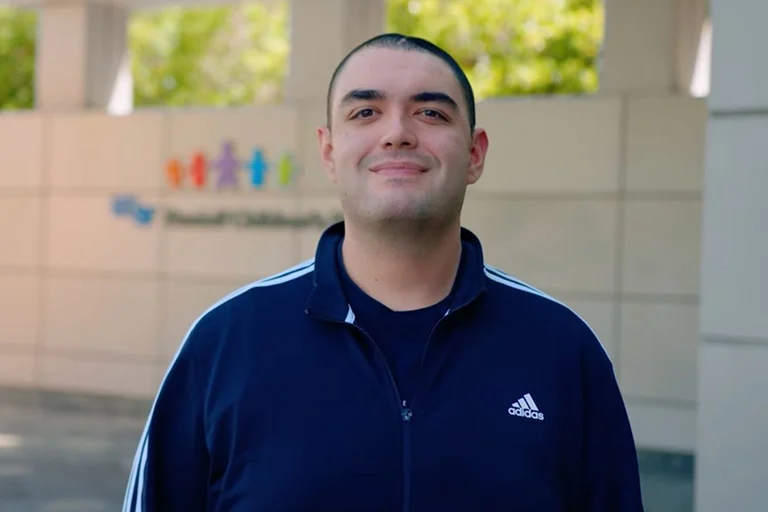
A stroke left 17-year-old Andrew hunched on the floor in painOpens in a new window
Read how UCSF care and research helped a teenager recover after a hemorrhagic stroke caused by an AVM.
Support services
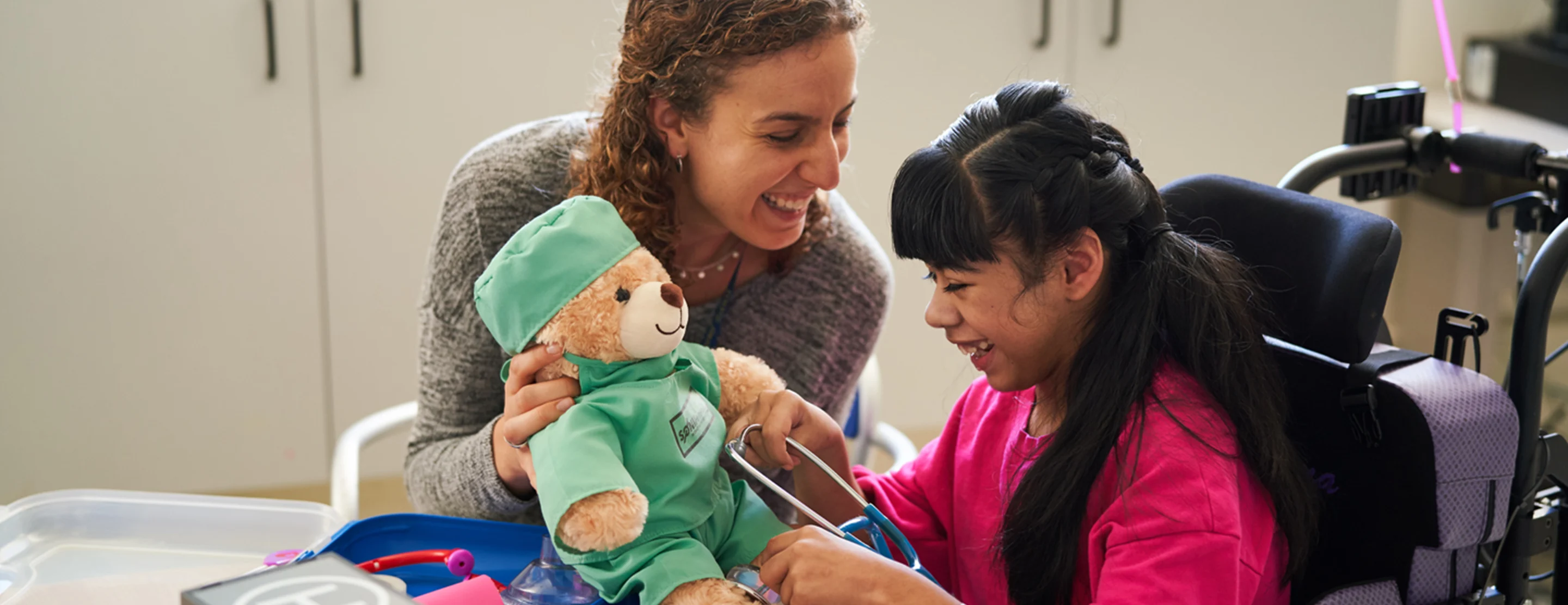
Child Life
Certified child life specialists ease the stress and anxiety of childhood illness through therapeutic play, schooling and family-focused support.
Family Amenities
Family-friendly amenities help you relax and take care of yourself while staying close to your child. We offer lounges, kitchens, showers, breastfeeding rooms and more.
Social Services at UCSF Benioff Children's Hospitals
Social workers ease the effect of illness, injury and hospitalization on your family with counseling and assistance to help you navigate the challenges.
Activity Rooms
Activity rooms offer a relaxed environment for children of all ages. Features include a playroom, digital arts studio and teen lounge. Find out more.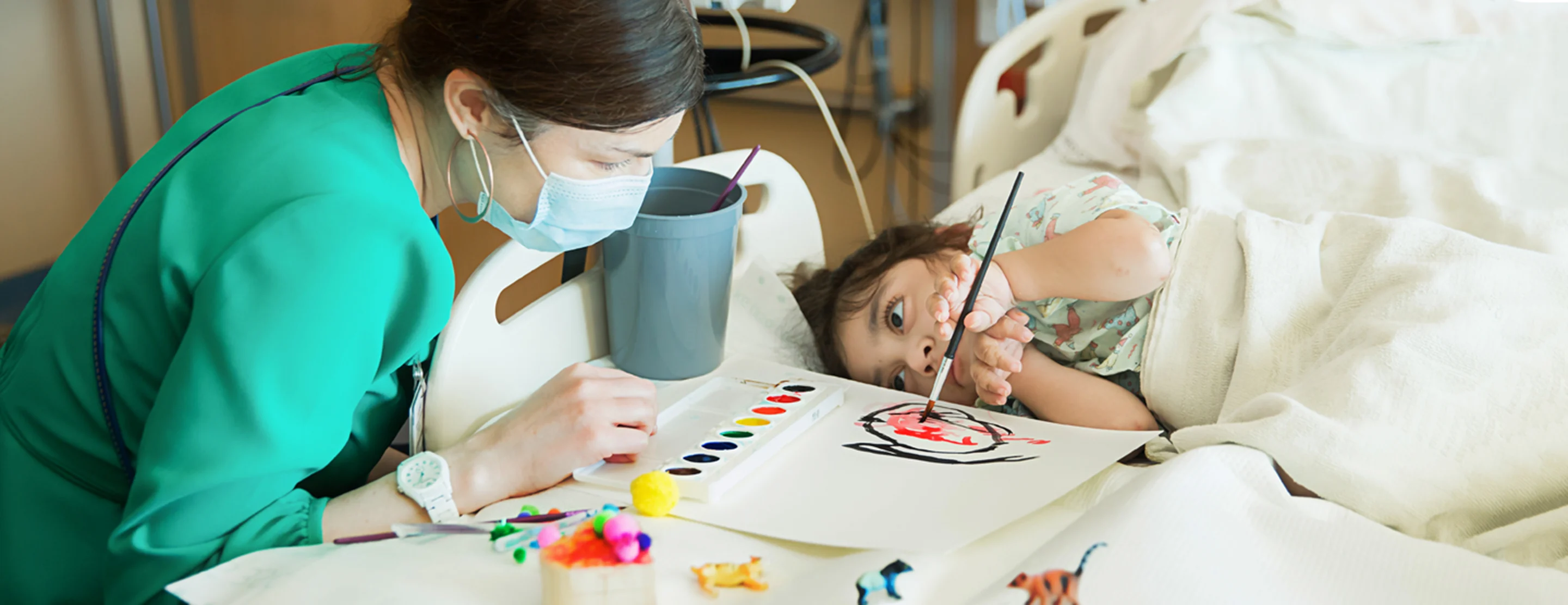
Pediatric Art Therapy Program
Art therapy helps kids and families express themselves, making it easier to cope with pediatric health issues. Group and bedside services are available.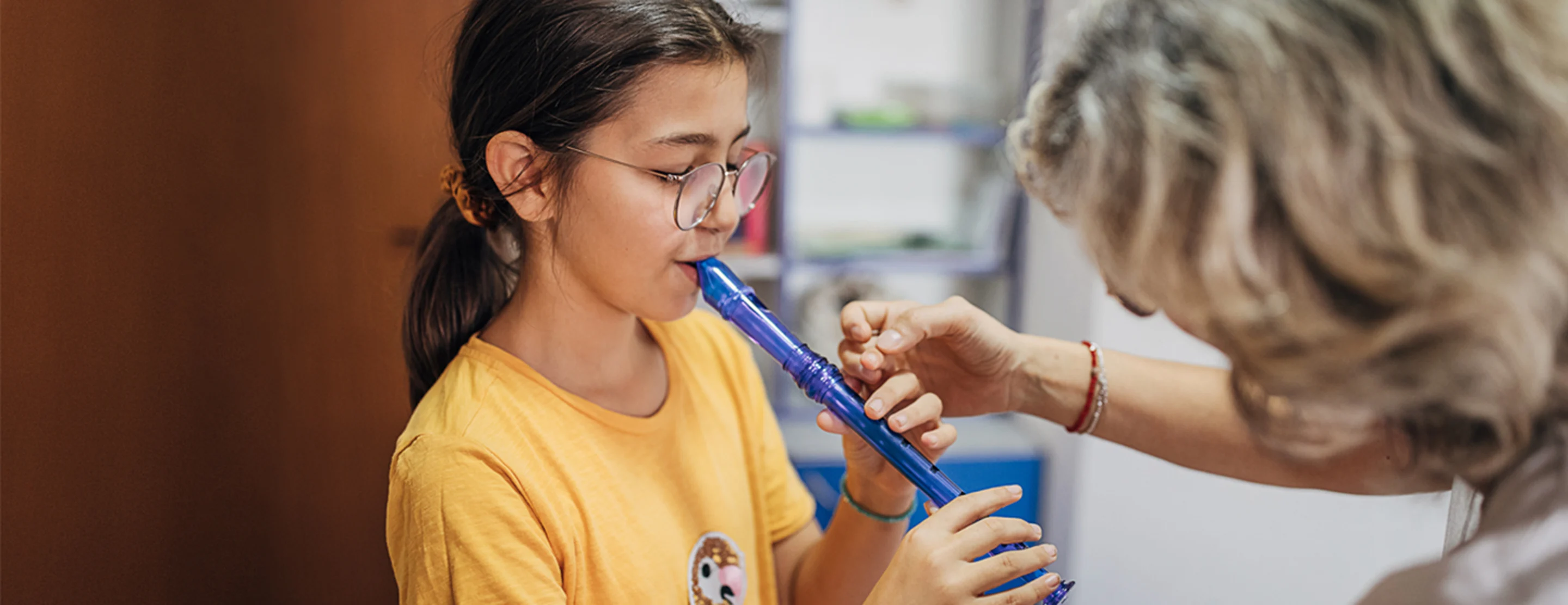
Pediatric Music Therapy Program
Board-certified music therapists help kids cope with illness and the feelings that come with it. Find out about group activities and bedside therapy.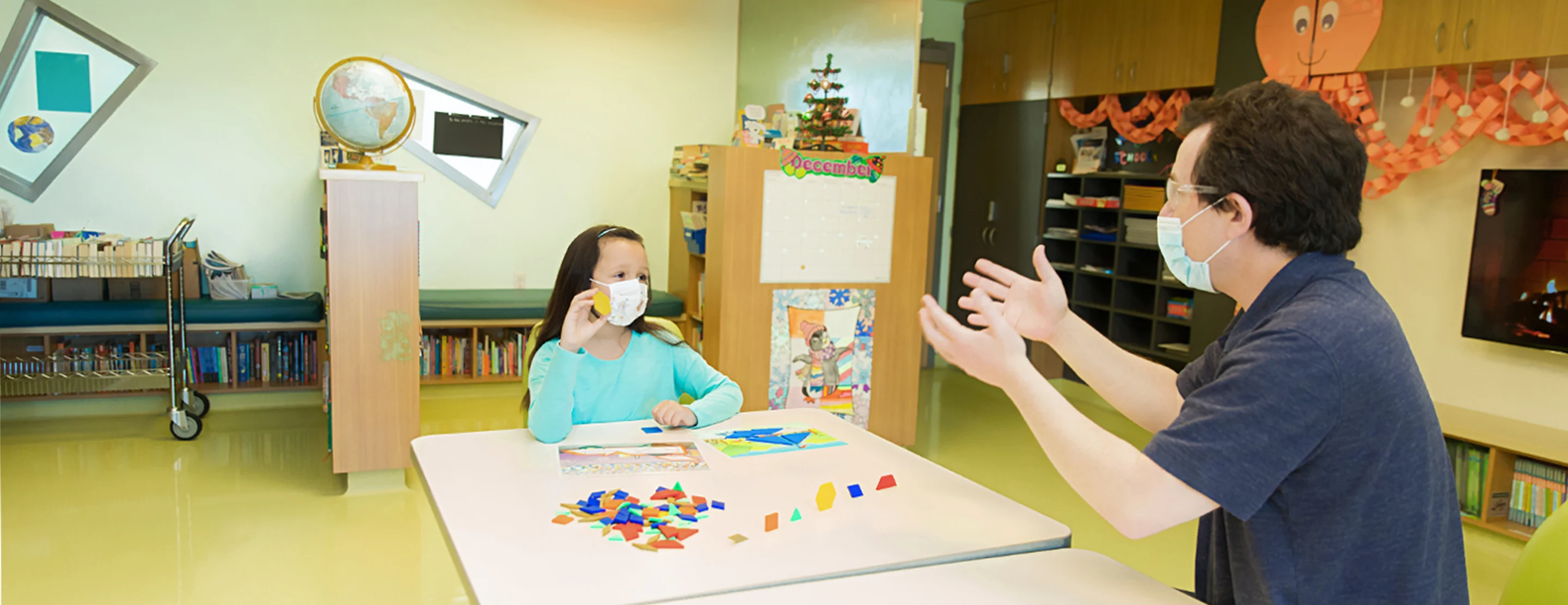
School Program for Hospitalized Children
Our schoolroom services and individual learning programs help children hospitalized at UCSF continue their education and get ready to return to school.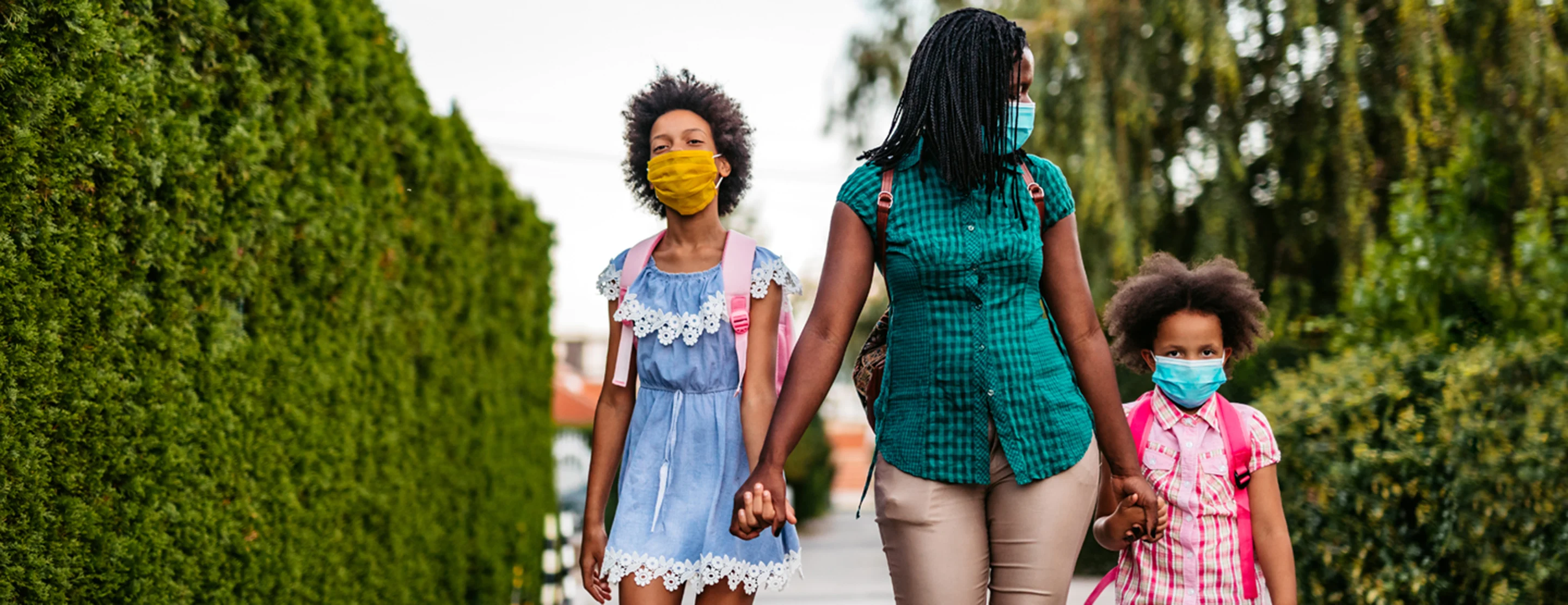
School Re-Entry Program
We help kids return to school after hospitalization by educating staff and students about their needs and recommending needed accommodations. Read more.
Individual Playtime & Instruction
If your child can't be around other kids for medical reasons, you can sign up for private sessions in our activity and school rooms. Find out how.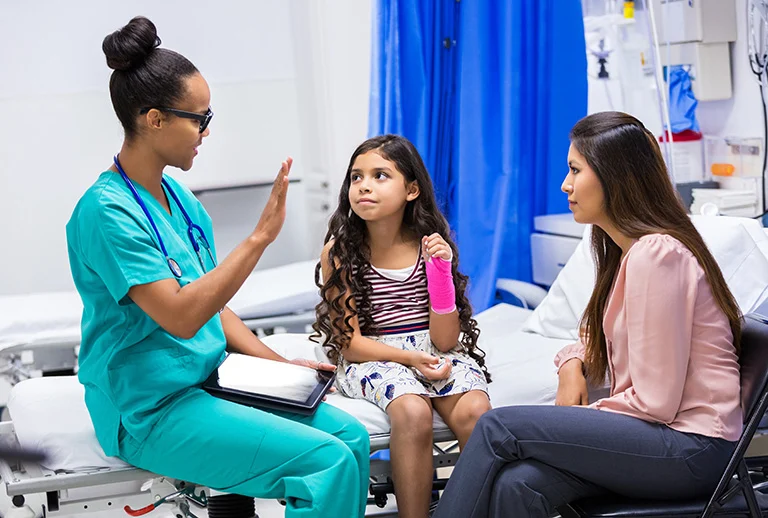
Interpreter Services & Communication Assistance at UCSF Benioff Children's Hospitals
Interpreter services in many languages and TDDs are available for families that need help communicating with care teams. Here's how to access them.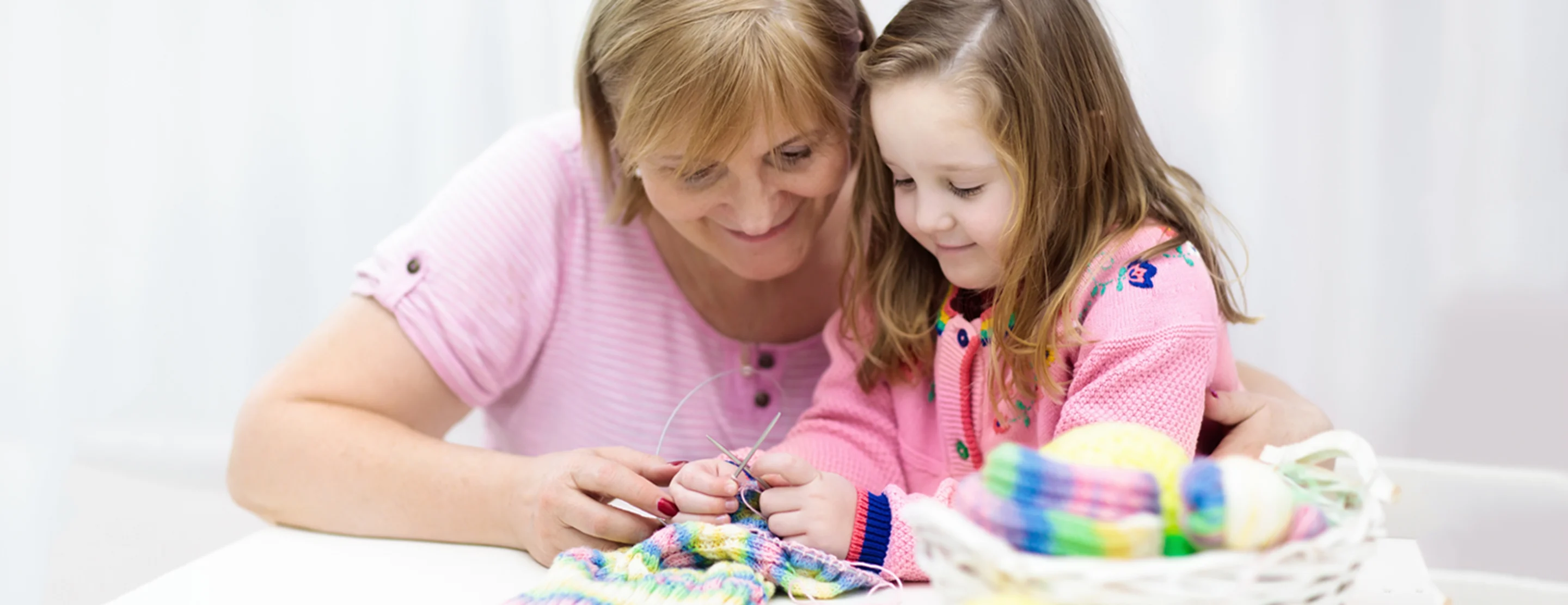
Parent Support Program
Weekly activities, including knitting, scrapbooking, chair massage and more, help family caregivers get a much-needed break. Find out more.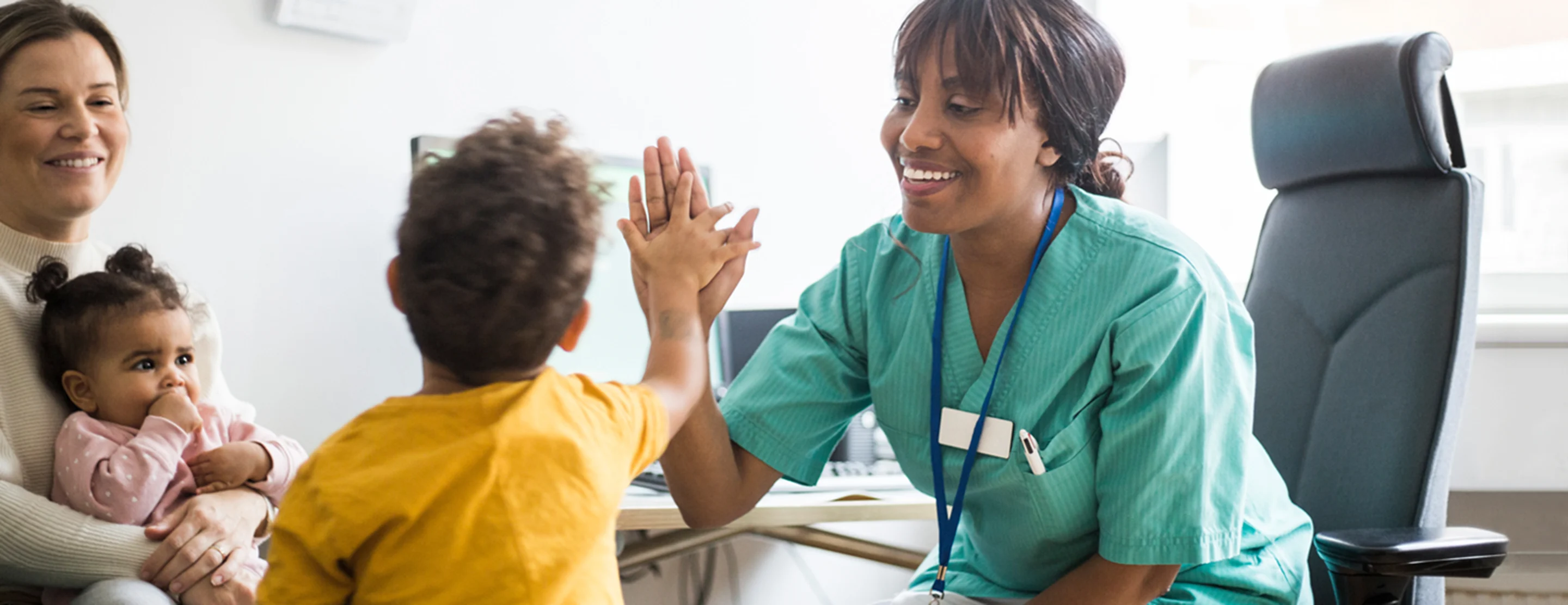
Patient Relations at UCSF Benioff Children's Hospitals
Patient relations reps and nursing supervisors are here to answer questions and address concerns. Learn about your rights, how to reach us and more.
Spiritual Care at UCSF Benioff Children's Hospitals
Chaplains help UCSF patients, families and staff cope with the spiritual and emotional challenges of childhood illness. Learn more.
International Services at UCSF Benioff Children's Hospitals
If you're coming to UCSF from outside the U.S., we coordinate your child's appointments and provide other helpful services. Here's how to get started.