Pediatric Hemophilia & Thrombosis Center

On this page
Why choose UCSF Benioff Children's Hospitals for bleeding and clotting disorder treatment?
Our pediatric hematologists provide specialized care for children and adolescents with bleeding and clotting disorders, including hemophilia and thrombosis. We partner with families to help prevent bleeding, manage complications and support children in living active, healthy lives.
As part of the United States Hemophilia Treatment Center (HTC) Network, families receive coordinated care from specialists with expertise in rare bleeding disorders and access to research opportunities. This designation indicates nationally recognized standards of care and studies show that patients treated at HTCs experience better outcomes.
We care for young people from infancy through early adulthood with:
Hemophilia A, B and C
Bleeding disorders of unknown cause (BDUC)
von Willebrand disease
Blood clots, including deep vein thrombosis (DVT) and pulmonary embolisms (PE)
Rare clotting factor deficiencies
Thrombophilia, including factor V Leiden thrombophilia
Why choose UCSF Benioff Children's Hospitals for bleeding and clotting disorder treatment?
Our pediatric hematologists provide specialized care for children and adolescents with bleeding and clotting disorders, including hemophilia and thrombosis. We partner with families to help prevent bleeding, manage complications and support children in living active, healthy lives.
As part of the United States Hemophilia Treatment Center (HTC) Network, families receive coordinated care from specialists with expertise in rare bleeding disorders and access to research opportunities. This designation indicates nationally recognized standards of care and studies show that patients treated at HTCs experience better outcomes.
We care for young people from infancy through early adulthood with:
Hemophilia A, B and C
Bleeding disorders of unknown cause (BDUC)
von Willebrand disease
Blood clots, including deep vein thrombosis (DVT) and pulmonary embolisms (PE)
Rare clotting factor deficiencies
Thrombophilia, including factor V Leiden thrombophilia
Collaborative care
Pediatric hematologists, nurse practitioners, social workers and physical therapists work together to put your child's needs first.Hemophilia clinical trials
Our extensive selection of clinical trials helps children access promising new treatments, such as gene therapies for hemophilia.Regional Hemophilia Treatment Network
Our hemophilia specialists partner with regional HTCs to share expertise and research and expand access to care.Support for families
We connect families with helpful resources through groups, such as the Northern California Bleeding Disorders Foundation.
Comprehensive bleeding and clotting disorder treatment
Our team carefully reviews each child's medical and family history, including risk factors, symptoms and bleeding or clotting episodes. Hematologists at our center are trained to recognize the subtle signs of bleeding irregularities and select the most appropriate tests.
We offer a full range of diagnostic evaluations for bleeding and clotting disorders. Whenever possible, patients get all the testing they need in a single visit to help get answers faster. Our laboratory staff has specialized expertise in these disorders, providing advanced analysis for accurate results.
Individualized hemophilia management
For children with severe hemophilia and spontaneous bleeding, we often recommend prophylaxis (preventive treatment) to stop bleeding before it occurs. Prophylaxis may include regular use of clotting factor replacement, which are medicines that help your child's clotting system work better. Prophylaxis reduces the risk of certain long-term complications, such as joint damage.
These therapies can be given as an infusion into a vein or an injection under the skin. Our team teaches families how to confidently and safely administer injections at home.
For children with infrequent bleeding, we may take a more conservative approach. In these cases, our team provides guidance on managing bleeding if your child has an injury or accident or needs surgery. We also help families understand how to manage bleeding risks in daily life, from medication use to safe physical activity.
Our bleeding disorder experts collaborate with other specialists to provide coordinated care for specialized health needs, including:
Menstruation in adolescents. We work with gynecologists to diagnose and treat patients with heavy menstrual bleeding, anemia or suspected bleeding disorders.
Hereditary hemorrhagic telangiectasia (HHT). Our multispecialty team cares for children who have (or may have) HHT, a genetic disorder that causes abnormal blood vessel development.
Hemophilia and family planning. As children with hemophilia grow into adulthood, hematologists and maternal-fetal medicine specialists provide guidance and specialized care before and during pregnancy.
Specialized thrombosis care
Blood clots can develop in children for many reasons, ranging from medication or treatment side effects to traumatic injuries or infections. Some children also have genetic conditions that increase their clotting risk, such as inherited thrombophilia.
We provide consultation, diagnosis and treatment for children with or at risk for blood clots. Our hematologists work closely with specialists in interventional radiology, vascular medicine and imaging. We help prevent clots from growing and reduce the risk of new clots forming.
The most common treatment is medications that thin the blood and prevent clots, called anticoagulants, such as heparin. We teach families how to safely give these medications as injections at home.
We also offer a newer treatment called direct oral anticoagulants (DOACs). Originally used for adults, two types of DOACs are now FDA-approved for certain types of blood clots in children.
DOACs are taken by mouth, so they don't require daily injections, which reduces pain and stress for kids. Our team played an active role in clinical trials that helped develop these therapies for pediatric care.
Providers

Alison Matsunaga, MD
Pediatric Hematology-Oncology
Shreya Agarwal, MD
Pediatric Hematology-Oncology
Mary B. Lesh, NP
Hematology and Medical Oncology • Medical Oncology
Shawn K. Norris, PT
Physical Therapy
Awards & achievements


Ranked among the nation's best in 11 specialties


Related conditions & treatments
Conditions
- Bleeding Disorder
- Blood Clotting Disorder
- Deep Vein Thrombosis
- Factor V Leiden
- Heavy Menstrual Bleeding
- Hemophilia
- Hereditary Hemorrhagic Telangiectasia
- Pulmonary Embolism
- Thrombophilia
Treatments
- Anticoagulation

Clinical trials
A Study to Investigate the Safety and Effectiveness of a Coagulation Factor IX Gene Insertion Therapy (REGV131-LNP1265) in Pediatric, Adolescent and Adult Participants With Hemophilia BOpens in a new window
Participants in this study have a genetic mutation, specifically in the coagulation (blood clotting) Factor 9 gene that causes severe or moderately severe hemophilia B. This study is researching an experimental gene insertion therapy (the adding of a gene into your DNA) called REGV131-LNP1265, also called the "study drug"...ATHN Transcends: A Natural History Study of Non-Neoplastic Hematologic DisordersOpens in a new window
In parallel with the growth of ATHN's clinical studies, the number of new therapies for all blood disorders is increasing significantly. Some of the recently FDA-approved therapies for congenital and acquired hematologic conditions have not yet demonstrated long-term safety and effectiveness beyond the pivotal trials that led to their approval...
Support services
Child Life
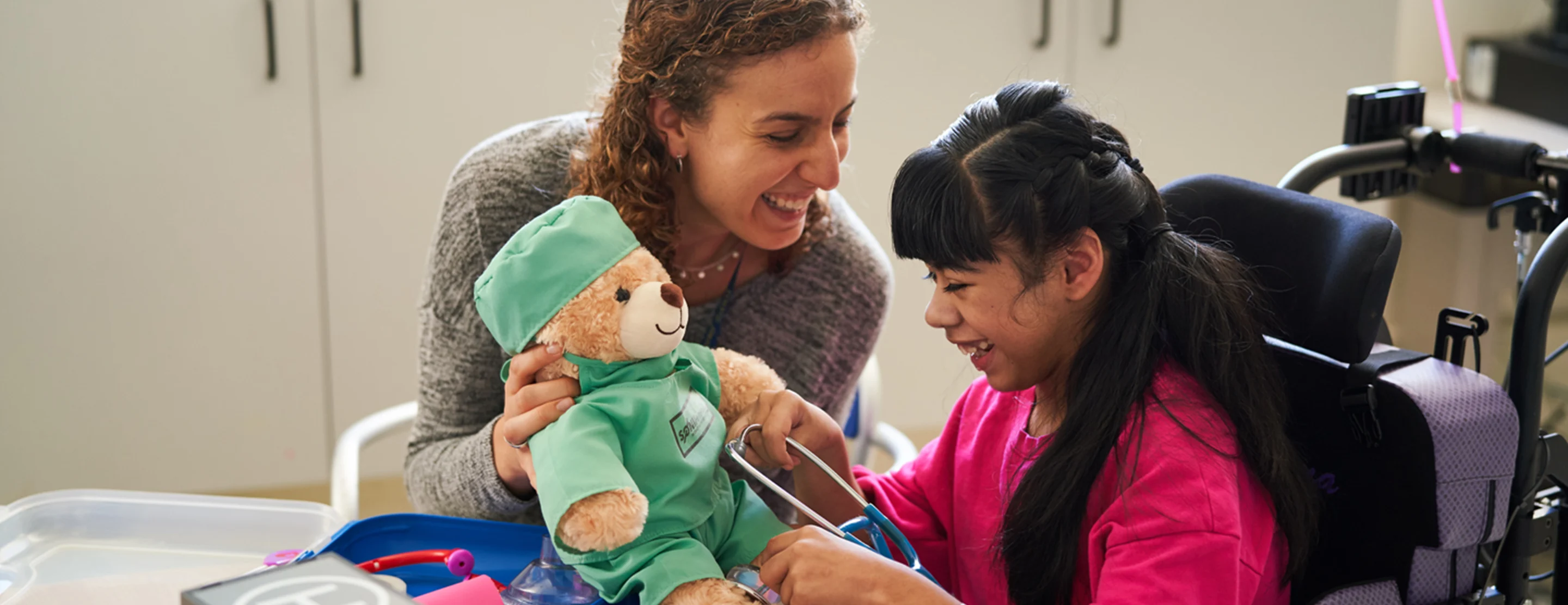
Certified child life specialists ease the stress and anxiety of childhood illness through therapeutic play, schooling and family-focused support.
Hemophilia Support Network for Parents
The hemophilia support network gives parents a chance to learn from each other and discuss important issues affecting children with this blood disorder.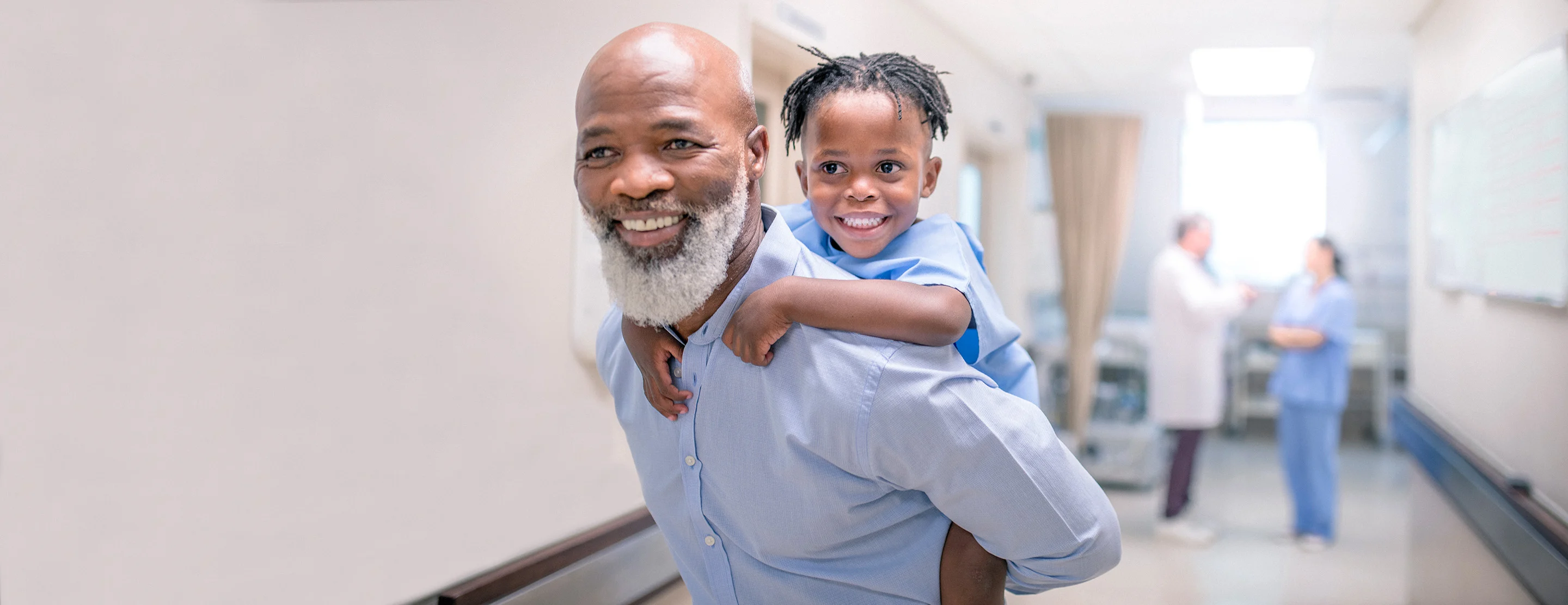
Family Amenities
Family-friendly amenities help you relax and take care of yourself while staying close to your child. We offer lounges, kitchens, showers, breastfeeding rooms and more.
Social Services at UCSF Benioff Children's Hospitals
Social workers ease the effect of illness, injury and hospitalization on your family with counseling and assistance to help you navigate the challenges.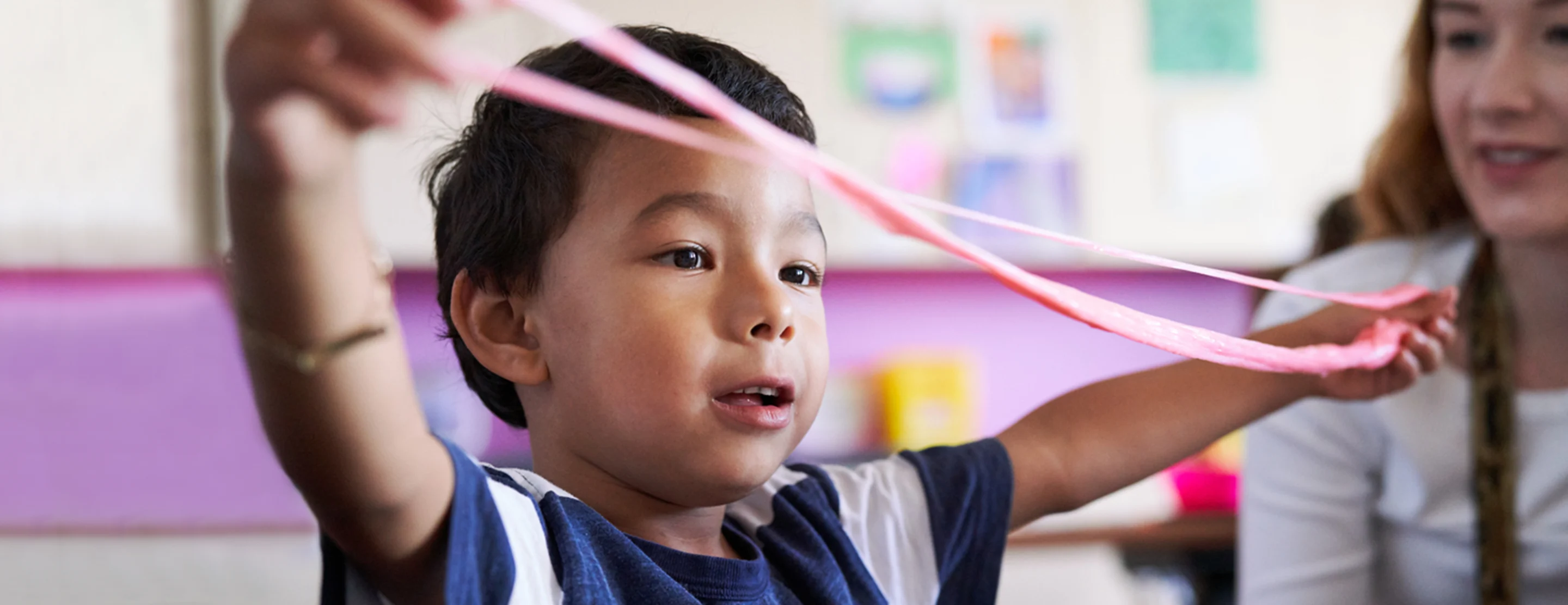
Activity Rooms
Activity rooms offer a relaxed environment for children of all ages. Features include a playroom, digital arts studio and teen lounge. Find out more.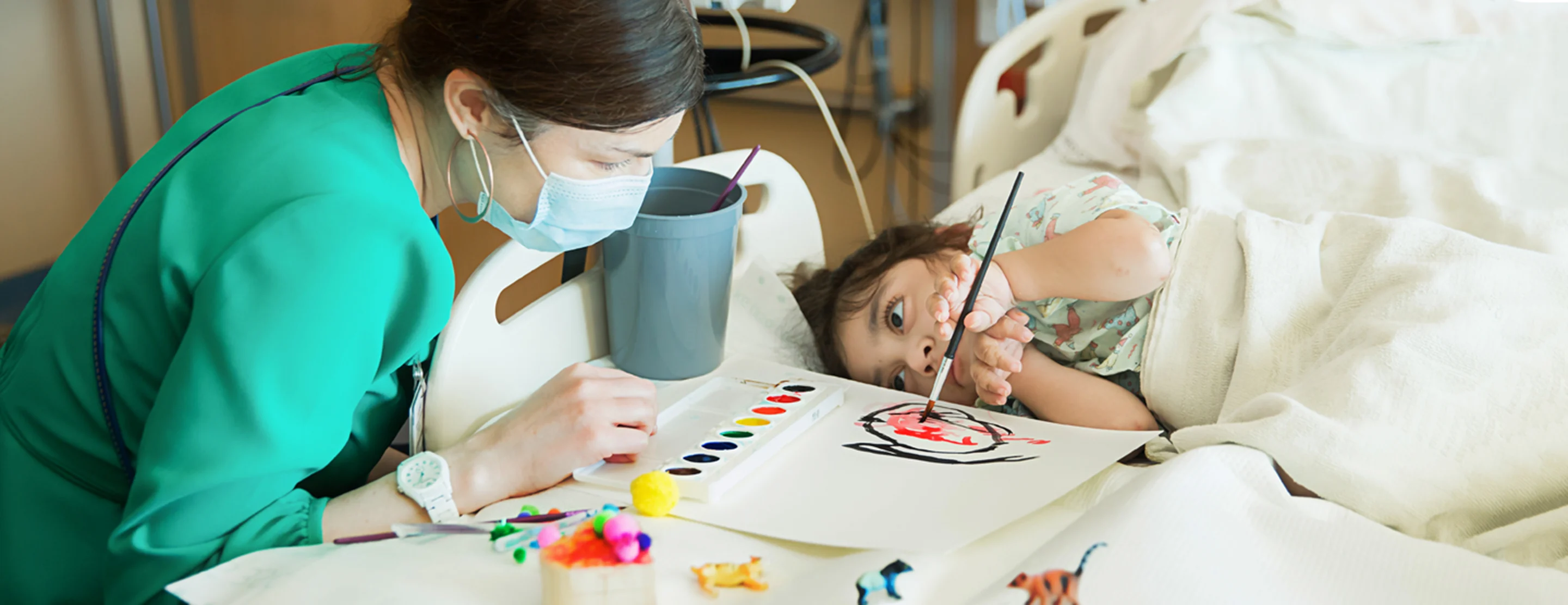
Pediatric Art Therapy Program
Art therapy helps kids and families express themselves, making it easier to cope with pediatric health issues. Group and bedside services are available.
Pediatric Music Therapy Program
Board-certified music therapists help kids cope with illness and the feelings that come with it. Find out about group activities and bedside therapy.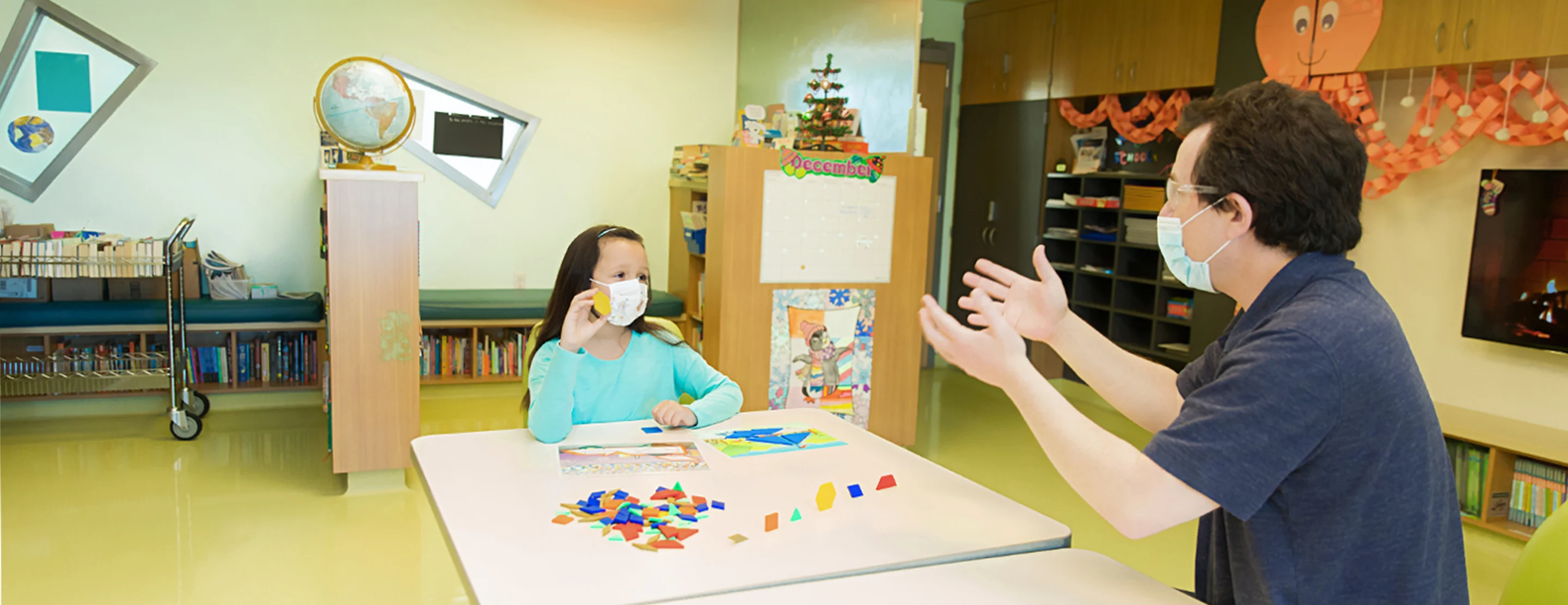
School Program for Hospitalized Children
Our schoolroom services and individual learning programs help children hospitalized at UCSF continue their education and get ready to return to school.
School Re-Entry Program
We help kids return to school after hospitalization by educating staff and students about their needs and recommending needed accommodations. Read more.
Individual Playtime & Instruction
If your child can't be around other kids for medical reasons, you can sign up for private sessions in our activity and school rooms. Find out how.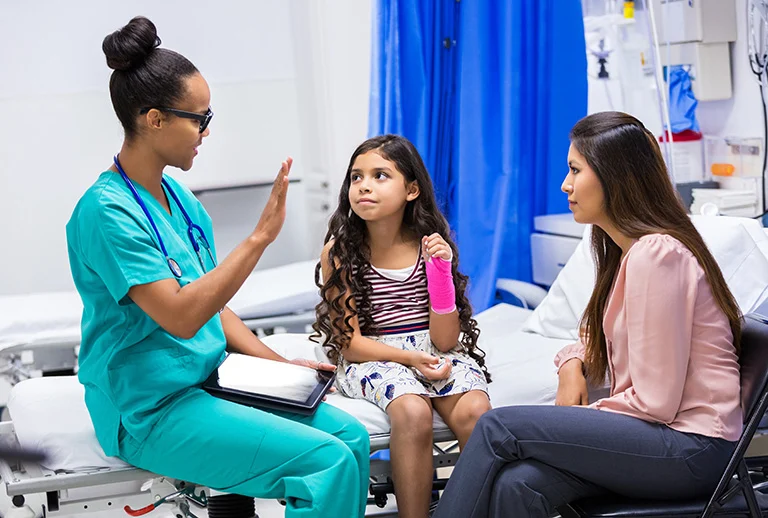
Interpreter Services & Communication Assistance at UCSF Benioff Children's Hospitals
Interpreter services in many languages and TDDs are available for families that need help communicating with care teams. Here's how to access them.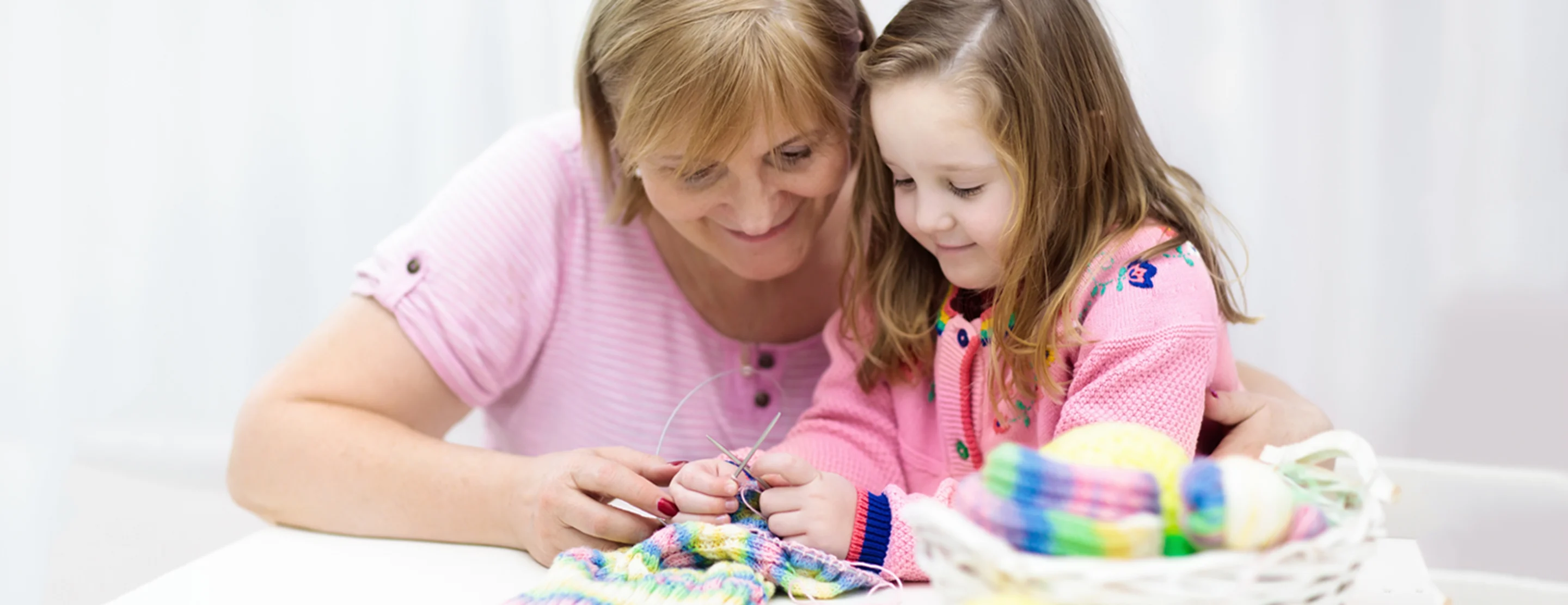
Parent Support Program
Weekly activities, including knitting, scrapbooking, chair massage and more, help family caregivers get a much-needed break. Find out more.
Patient Relations at UCSF Benioff Children's Hospitals
Patient relations reps and nursing supervisors are here to answer questions and address concerns. Learn about your rights, how to reach us and more.
Spiritual Care at UCSF Benioff Children's Hospitals
Chaplains help UCSF patients, families and staff cope with the spiritual and emotional challenges of childhood illness. Learn more.
International Services at UCSF Benioff Children's Hospitals
If you're coming to UCSF from outside the U.S., we coordinate your child's appointments and provide other helpful services. Here's how to get started.