Pediatric Spina Bifida Program

On this page
Why choose UCSF Benioff Children's Hospitals for spina bifida care?
Children with spina bifida get comprehensive services from infancy to young adulthood at UCSF Benioff Children's Hospitals. We are one of the few programs in Northern California providing specialized, long-term spina bifida care.
Spina bifida, a spinal cord defect, may be diagnosed by an OB-GYN through routine prenatal screening during pregnancy. Experts in our world-renowned fetal treatment center help you understand the diagnosis, offer genetic testing and discuss potential care options, which may include surgery before or after your baby is born.
As your child gets older, our neurosurgeons, urologists, orthopedists and rehabilitation specialists create a coordinated plan to manage the complex effects of spina bifida. Our team works with you to help your child live the most active, comfortable life possible.
Whether your child needs leg bracing or surgery, we tailor treatments to their age, type of spina bifida and growth. We see your child regularly as they get older, making sure they have the resources they need to feel their best.
Why choose UCSF Benioff Children's Hospitals for spina bifida care?
Children with spina bifida get comprehensive services from infancy to young adulthood at UCSF Benioff Children's Hospitals. We are one of the few programs in Northern California providing specialized, long-term spina bifida care.
Spina bifida, a spinal cord defect, may be diagnosed by an OB-GYN through routine prenatal screening during pregnancy. Experts in our world-renowned fetal treatment center help you understand the diagnosis, offer genetic testing and discuss potential care options, which may include surgery before or after your baby is born.
As your child gets older, our neurosurgeons, urologists, orthopedists and rehabilitation specialists create a coordinated plan to manage the complex effects of spina bifida. Our team works with you to help your child live the most active, comfortable life possible.
Whether your child needs leg bracing or surgery, we tailor treatments to their age, type of spina bifida and growth. We see your child regularly as they get older, making sure they have the resources they need to feel their best.
Multispecialty, lifelong spina bifida care
Pediatric specialists work together to provide seamless care at every stage of your child's development, adjusting the treatment plan as they grow.Prenatal consultations and fetal surgeryOpens in a new window
Our fetal treatment experts provide genetic testing, care counseling and fetal surgery to treat spina bifida before birth.Family-centered support
Social workers and neuropsychologists provide emotional, behavioral, cognitive and developmental support and empower families to care for their child.Comprehensive treatment plans
We combine therapies, supportive care and surgery to help your child reach the highest level of mobility and independence possible.
Care for spina bifida and congenital spinal cord conditions
Spina bifida and related congenital spinal cord conditions occur when the spine, spinal cord or surrounding tissues do not develop typically before birth. Your child may receive a diagnosis prenatally (before birth), at birth or later in childhood.
Our team provides specialized care and comprehensive services to children with all types of congenital spine conditions.
Types of spina bifida we treat
Occulta. A mild form where the vertebrae are not formed correctly, but the spinal cord and its covering are undamaged
Meningocele. A more severe form where membranes protrude from the spinal opening and form a fluid-filled sac on the back
Myelomeningocele. The most severe type where the membranes and spinal cord are exposed through an opening in the spine
Lipomyelomeningocele and lipomyelocele. Types of closed spina bifida where fatty tissue connects to the spinal cord and may cause tethering
Congenital spinal cord conditions we treat
Complex tethered spinal cord. Spinal cord is abnormally attached within the spinal canal
Dermal sinus tract. Abnormal connection between the skin and deeper tissues near the spine that may extend toward the spinal canal
Split cord malformation. Part of the spinal cord is divided into two
Caudal regression syndrome. Lower spine and sacrum do not develop completely
Comprehensive team-based care
Since spina bifida affects multiple parts of the body, we provide coordinated care to meet your child's medical and functional needs. Your child's care team may include experts in:
Fetal surgery
Neurosurgery
Orthopedics
Physiatry (rehabilitation medicine)
Orthotics
Physical therapy
Urology
The care team also supports your child's social, developmental and psychosocial needs through integrated services, such as:
Social work
Nutrition counseling
Neuropsychology/developmental medicine
Fetal surgery for spina bifida
Sometimes, coordinated spina bifida care starts before babies are born. Our fetal medicine specialists provide comprehensive counseling and partner with your OB-GYN to help safely deliver your baby and plan their care after birth.
If your provider diagnoses myelomeningocele prenatally, you may consult with a surgeon to discuss whether fetal surgery is the best option. Research shows fetal surgery may reduce complications of myelomeningocele.
UCSF is an international leader in fetal surgery and pioneered many fetal surgery techniques used today. Our fetal surgery program is among the most experienced in the world, using advanced surgical techniques to help improve outcomes for you and your baby.
Newborn care
After your baby is born, we immediately assess their neurologic, bladder and bowel function. Our rehabilitation team is involved in your baby's care early on to assess your baby and help you understand their needs. Your baby receives attentive care and close monitoring in our neonatal intensive care unit (NICU).
Postnatal surgery for spina bifida
Typically, surgery to repair a myelomeningocele happens shortly after birth. Your newborn receives a neurological evaluation and, if needed, surgery to repair the spinal cord. Your baby's neurosurgeon will speak with you about the right timing and type of surgery for your child.
Babies with myelomeningocele may also have hydrocephalus, a buildup of cerebrospinal fluid (CSF) in the ventricles of the brain. Before your child's procedure, our pediatric neurosurgeons discuss hydrocephalus treatment with you and answer your questions.
Urologic management
Most children with spina bifida have nerve damage that impacts bladder control. The condition, called neurogenic bladder, requires lifelong care.
Our pediatric urologists specialize in managing urologic concerns caused by spina bifida and other congenital spine conditions. We use medication, surgery and other therapies to help your child's bladder and bowels function as well as possible.
Long-term care and follow-up
We see infants every three to six months. Visits may become less frequent as your child gets older and their needs change.
At every age, our team makes sure your child has what they need to stay as independent and mobile as possible, which may include leg braces or a wheelchair. We also help your child get early access to a developmental therapist near your home who can provide physical and occupational therapy.
Our providers see your child until they're 21 and then help them transition to adult specialties as needed.
Locations (dynamic)
Providers (dynamic)

Michael J. DiSandro, MD
Urology • Pediatric Urology
Kade Sigford, MD
Pediatric Physical Medicine and Rehabilitation
Natalia Leva, MD
Pediatric Urology
Yumi Mitsuya, MD
Pediatric Physical Medicine and Rehabilitation
Providers (manual)

Laurence S. Baskin, MD
Pediatric Urology
Hillary L. Copp, MD, MS
Urology • Pediatric Urology
Taron R. Davis, MD
Pediatric Physical Medicine and RehabilitationMichael J. DiSandro, MD
Urology • Pediatric Urology
Awards & achievements

One of the nation's best for neurology & neurosurgery

Best in Northern California for orthopedics


Best in Northern California for urology
Ranked among the nation's best in 11 specialties
Related services

Related conditions & treatments
Conditions
- Hydrocephalus
- Lipomyelomeningocele
- Meningocele
- Myelomeningocele
- Neurogenic Urinary Bladder
- Spina Bifida
- Spinal Cord Anomalies
- Tethered Spinal Cord Syndrome
Treatments
- Bracing
- Fetal Surgery
- Newborn Care
- Physical Therapy
- Spina Bifida Surgery
- Transition of Youth with Special Care Needs

Clinical trials
Bowel Continence Across the Lifespan in People With Spina BifidaOpens in a new window
The goal of this observational study is to learn how different enema programs affect bowel control in children and adults with spina bifida. An enema program involves putting liquid into the large intestine (colon) to help someone poop. The main questions it aims to answer are: 1. How well do different enema programs prevent bowel accidents? 2...
Managing your child's hydrocephalus shunt

Accreditations & memberships

Spina Bifida Association (SBA) Clinic Care PartnerOpens in a new window
The SBA recognizes UCSF as a Clinic Care Partner, highlighting our commitment to providing comprehensive care to children with spina bifida.
Support services
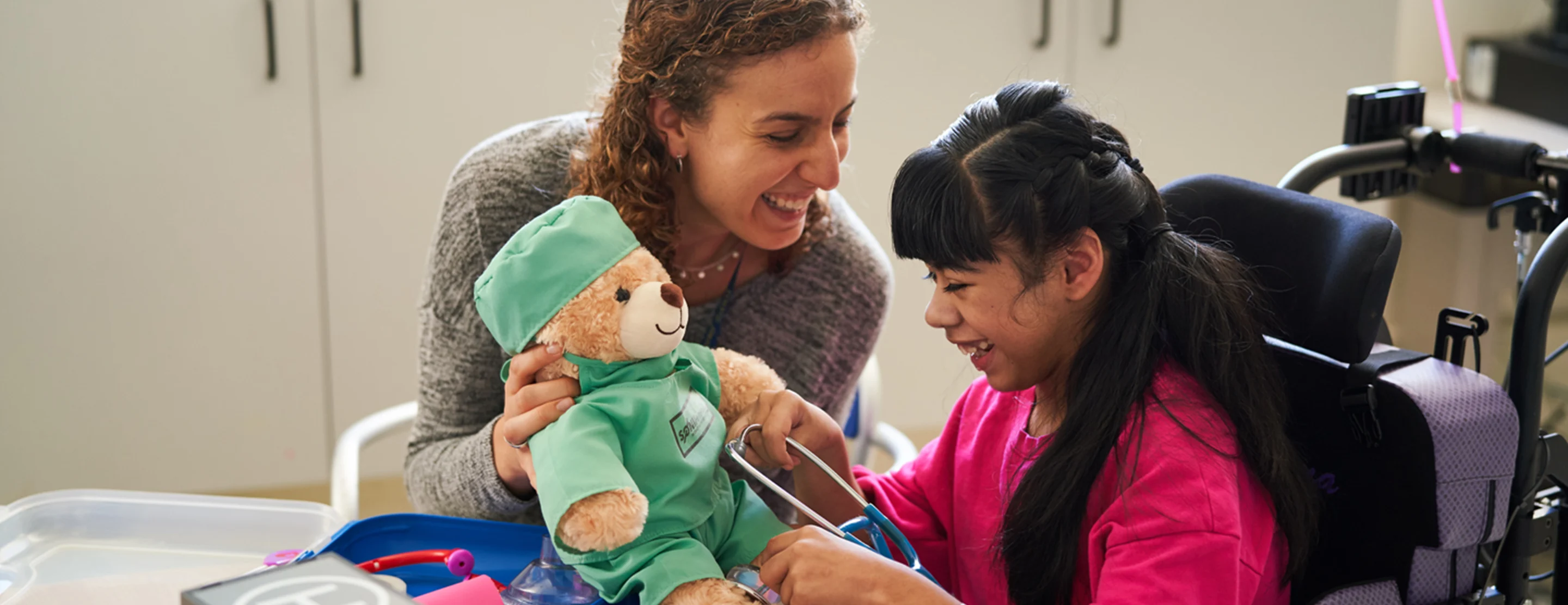
Child Life
Certified child life specialists ease the stress and anxiety of childhood illness through therapeutic play, schooling and family-focused support.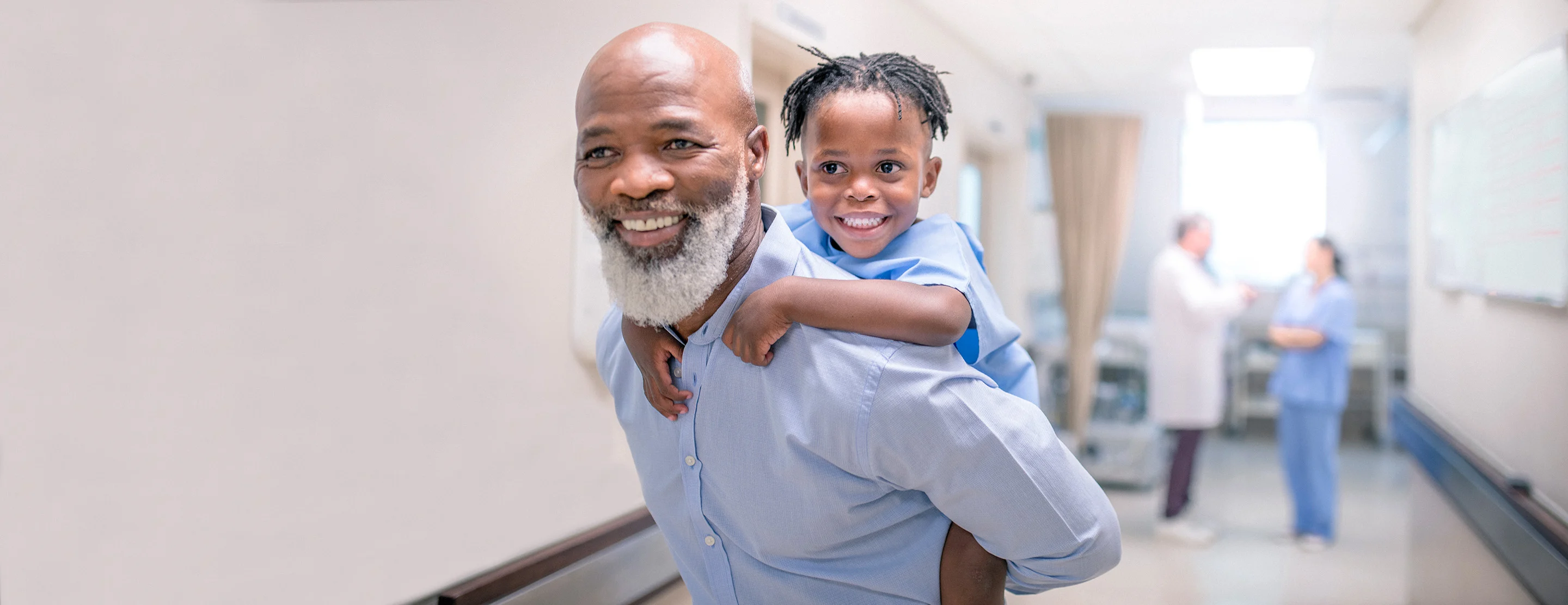
Family Amenities
Family-friendly amenities help you relax and take care of yourself while staying close to your child. We offer lounges, kitchens, showers, breastfeeding rooms and more.
Social Services at UCSF Benioff Children's Hospitals
Social workers ease the effect of illness, injury and hospitalization on your family with counseling and assistance to help you navigate the challenges.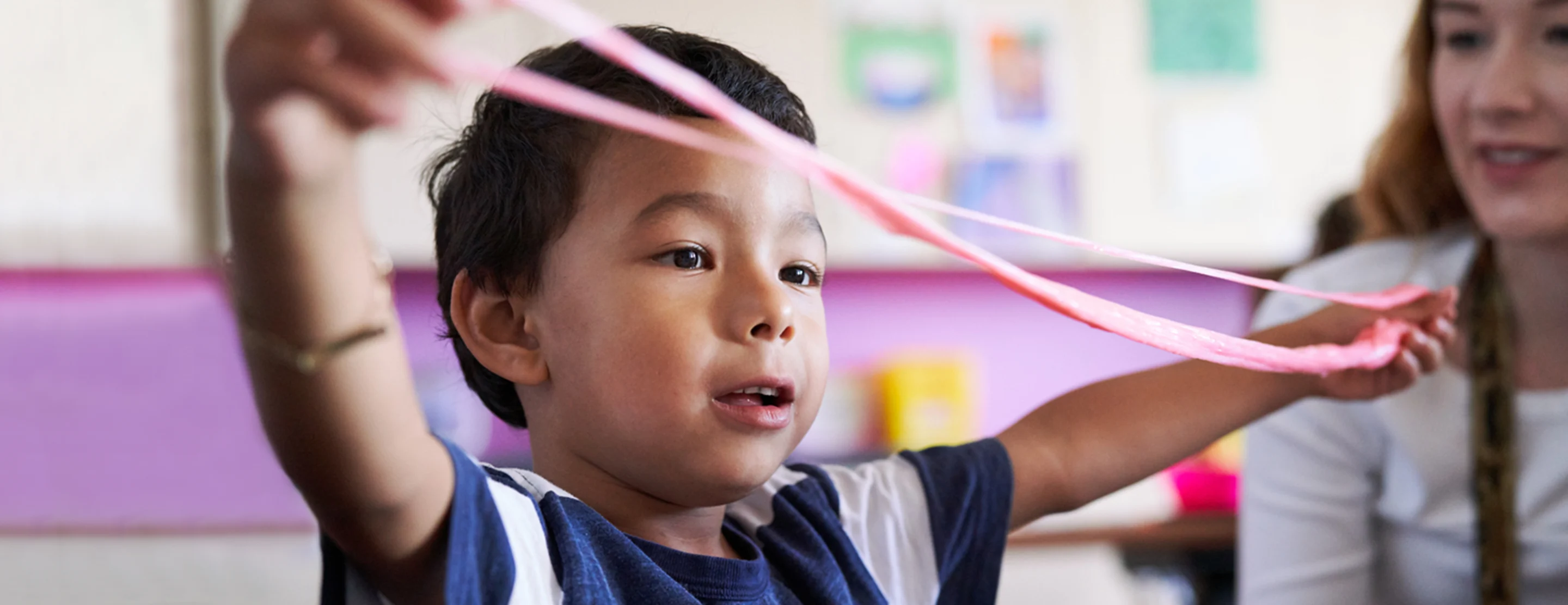
Activity Rooms
Activity rooms offer a relaxed environment for children of all ages. Features include a playroom, digital arts studio and teen lounge. Find out more.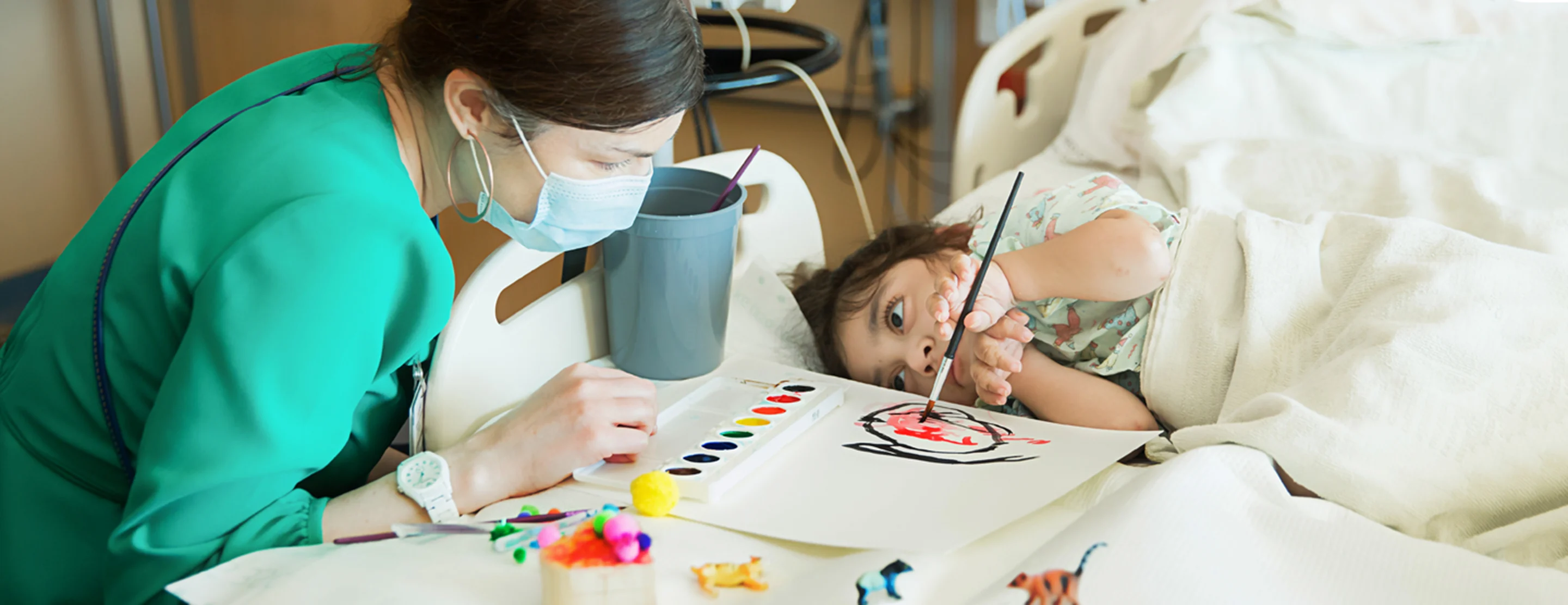
Pediatric Art Therapy Program
Art therapy helps kids and families express themselves, making it easier to cope with pediatric health issues. Group and bedside services are available.
Pediatric Music Therapy Program
Board-certified music therapists help kids cope with illness and the feelings that come with it. Find out about group activities and bedside therapy.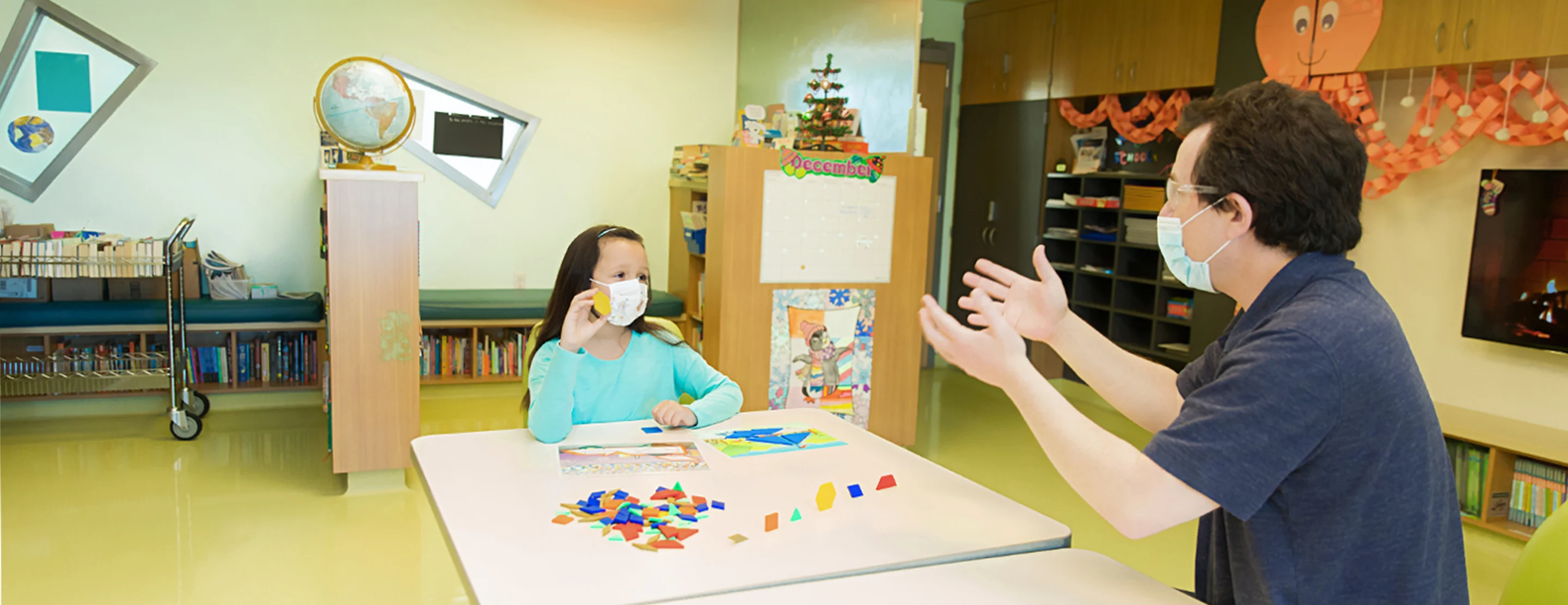
School Program for Hospitalized Children
Our schoolroom services and individual learning programs help children hospitalized at UCSF continue their education and get ready to return to school.
School Re-Entry Program
We help kids return to school after hospitalization by educating staff and students about their needs and recommending needed accommodations. Read more.
Individual Playtime & Instruction
If your child can't be around other kids for medical reasons, you can sign up for private sessions in our activity and school rooms. Find out how.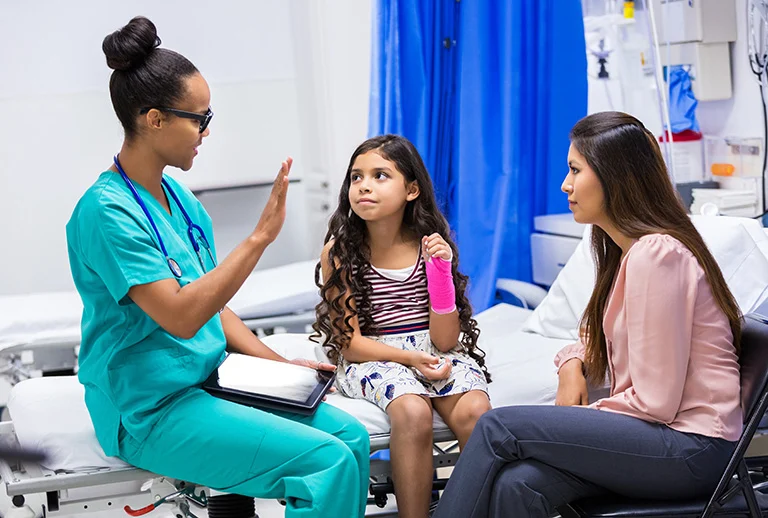
Interpreter Services & Communication Assistance at UCSF Benioff Children's Hospitals
Interpreter services in many languages and TDDs are available for families that need help communicating with care teams. Here's how to access them.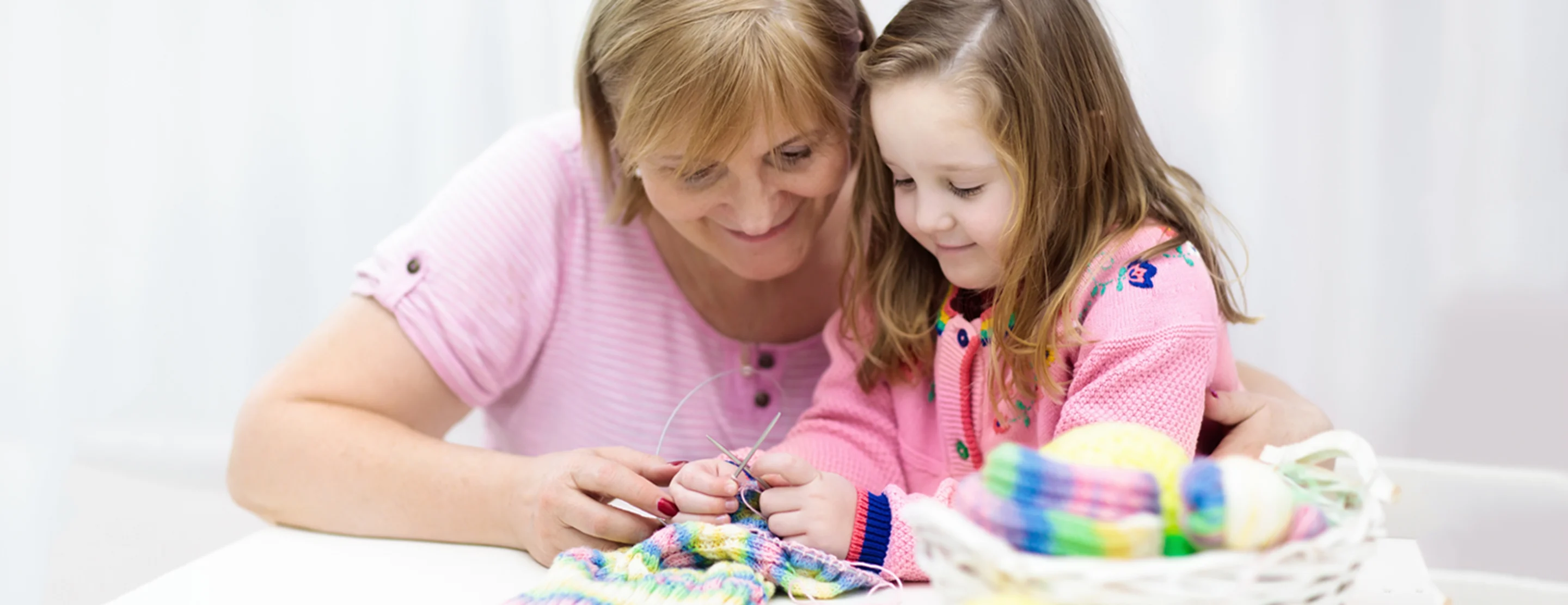
Parent Support Program
Weekly activities, including knitting, scrapbooking, chair massage and more, help family caregivers get a much-needed break. Find out more.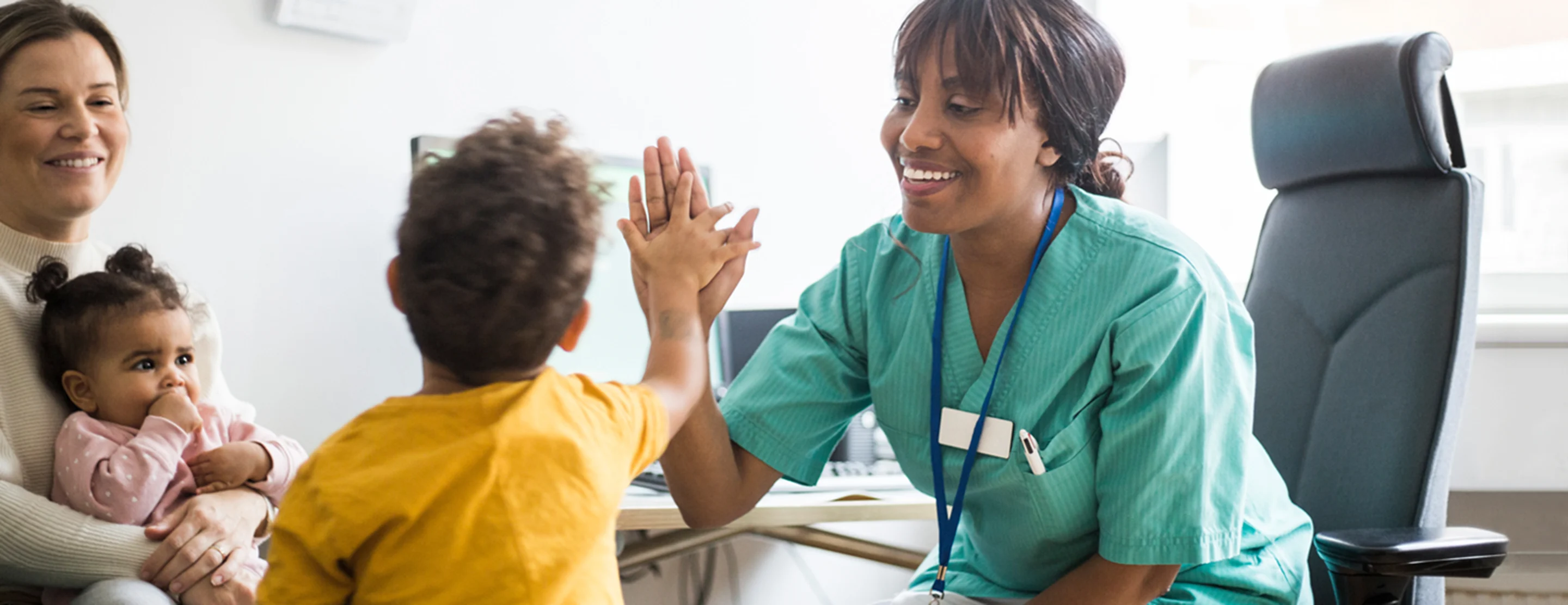
Patient Relations at UCSF Benioff Children's Hospitals
Patient relations reps and nursing supervisors are here to answer questions and address concerns. Learn about your rights, how to reach us and more.
Spiritual Care at UCSF Benioff Children's Hospitals
Chaplains help UCSF patients, families and staff cope with the spiritual and emotional challenges of childhood illness. Learn more.
International Services at UCSF Benioff Children's Hospitals
If you're coming to UCSF from outside the U.S., we coordinate your child's appointments and provide other helpful services. Here's how to get started.
Authoring Notes
Preprod-only checklist. Remove this component before promoting to prod.
Content source URLs (1)
Warnings (5)
- Care keyword 'fetal surgery for spina bifida' not found under /sitecore/content/UCSFWEB/Shared/Base/Data/Clinical Tag Library/Clinical Keywords — add an entry to clinical_keyword_aliases.json if the Sitecore item is named differently.
- Care keyword 'myelomeningocele repair' not found under /sitecore/content/UCSFWEB/Shared/Base/Data/Clinical Tag Library/Clinical Keywords — add an entry to clinical_keyword_aliases.json if the Sitecore item is named differently.
- Care keyword 'pediatric spina bifida program' not found under /sitecore/content/UCSFWEB/Shared/Base/Data/Clinical Tag Library/Clinical Keywords — add an entry to clinical_keyword_aliases.json if the Sitecore item is named differently.
- Care keyword 'spina bifida care' not found under /sitecore/content/UCSFWEB/Shared/Base/Data/Clinical Tag Library/Clinical Keywords — add an entry to clinical_keyword_aliases.json if the Sitecore item is named differently.
- H1 renamed 'Spina Bifida Program' -> 'Pediatric Spina Bifida Program' (from CDP New Page H1 Override); MetaTitle updated to match. Eyeball the body copy and meta description for the old name (leave adult-care mentions as-is).
Word doc notes (9)
Lauren Lamb · 2025-08-19T12:24:00Z
Anchored to: “Meta and tags”
Primary keyword:
pediatric spina bifida program
Secondary keywords: myelomeningocele repair, spina bifida care, fetal surgery for spina bifida
Morgan Redding · 2026-07-14T15:38:00Z
Anchored to: “marketing”
UCSF Web Team: SMEs requested these provider updates:
Remove Mary Jo Potts as she retired. Add Dr. Mitul Kapadia, Add Dr. Jasmine Ng; Dr Kade Sigford, Dr. Kayla Williams, for neurosurgery add Dr. Peter Sun, for social work Add Jessica Peck, add Winson Ho MD
Morgan Redding · 2026-07-14T15:40:00Z
Anchored to: “us”
UCSF Web Team: SMEs said to change the hours of the SF clinic to:
Second and fourth Tuesday of the month 1 - 5 p.m.
Morgan Redding · 2026-07-14T16:39:00Z
Anchored to: “Research shows fetal surgery may reduce complications of myelomeningocele.”
Source: https://www.ucsfbenioffchildrens.org/conditions/spina-bifida
Morgan Redding · 2026-07-17T11:25:00Z
Anchored to: “evelopmental medicine”
UCSF PROD: Please link the Developmental Medicine page in the Related Services component.
https://www.ucsfbenioffchildrens.org/clinics/developmental-medicine-clinic
Gila Rose · 2026-07-19T06:02:00Z
Anchored to: “Managing your child’s hydrocephalus shunt”
UCSF: This link is on the hydrocephalus condition page. The SMEs said it might be good to include here since the majority of babies have to have a shunt.
Lauren Lamb · 2026-09-04T10:49:00Z
Anchored to: “Fetal surgery Neurosurgery Orthopedics Physiatry (rehabilitation medicine) Orthotics Physical therapy Urology”
UCSF PROD: Please be sure these are included in the dynamic “Related Services” component
Morgan Redding · 2026-09-22T13:00:00Z
Anchored to: “h3>Urologic management</h3> Most children with spina bifida have nerve damage that impacts bladder control. The condition, called neurogenic bladder, requires lifelong care. Our pediatric urologists specialize in managing urologic concerns caused by spina bifida and other congenital spine conditions. We use medication, surgery and other therapies to help your child’s bladder and bowels function as well as possible.”
Source: https://urology.ucsf.edu/patient-info/children/spina-bifida/myelomeningocele/neurogenic-bladder
Lauren Lamb · 2026-09-25T12:40:00Z
Anchored to: “adult counterpart”
UCSF: Valerie asked us to omit the adult counterpart media feature as there isn’t a corresponding spina bifida adult care page, and because there would be many other adult-related specialties. Valerie requested we just leave the mention of the transition of care in the copy above and remove this component.