
Pediatric Urology
On this page
Pediatric urology services
Our pediatric urologists care for babies and children with a wide range of urologic and genital conditions, from common concerns such as bed-wetting to complex birth defects that require surgery. We work with you and your child to help your family feel informed, supported and comfortable throughout the process.
For your convenience, we see patients at several Bay Area locations. Our specialty areas include bladder and bowel issues, hypospadias repair and other complex urologic conditions.
Bladder and bowel issues
Incontinence is common in kids and has many potential causes. We carefully evaluate each child to identify any underlying health conditions that cause bladder or bowel issues, so we can determine the right treatment approach.
Parents and caregivers get step-by-step support and guidance to help their child with:
Bed-wetting or daytime incontinence
Constipation
Frequent urinary tract infections (UTIs)
Stool or urine leakage
Hypospadias repair
Hypospadias is a common birth defect affecting the penis. In children with hypospadias, the urethra opens on the underside of the penis rather than at the tip. Children with severe hypospadias need treatment so they can urinate normally.
In most cases, our surgeons can repair the opening with an outpatient procedure, typically when the child is 6 to 18 months old. Your pediatric urologist can recommend the right timing for your child's hypospadias repair.
Our team is also investigating causes of hypospadias, including possible genetic and environmental factors.
Vesicoureteral reflux (VUR) care
Vesicoureteral reflux (VUR) affects urine flow and may cause frequent UTIs, bed-wetting or painful urination.
To diagnose VUR, we use a test called a voiding cystourethrogram. Our team is experienced in making this test as quick and painless as possible, and results are available immediately.
We then create a personalized treatment plan based on your child's symptoms and your family's preferences. Some children outgrow VUR. Until they do, we may prescribe daily antibiotics to prevent infections and behavioral modifications to avoid accidents.
Other children need surgery. When surgery is necessary, our team uses the least invasive approach possible.
Complex urological conditions
Our team has the expertise to address complex urological conditions, such as:
Bladder exstrophy, a birth defect in which the bladder develops outside the body
Wilms tumor, a type of kidney cancer that mainly affects children
Differences in sex development that cause atypical genitals
Children with these conditions need care from multiple specialists. We work closely with experts in fetal medicine, nephrology, endocrinology, oncology, radiology, orthopedic surgery and neurosurgery to support the best possible outcomes for each child.
Minimally invasive urologic surgery
Some children need surgery to correct urologic or genital problems. Pediatric urologists at UCSF Benioff Children's Hospitals pioneered minimally invasive approaches to complex urologic procedures and continue to use these techniques today.
Minimally invasive procedures, including robot-assisted surgery, use small incisions and are often completed within a few hours. Most children can go home the same day.
We routinely use outpatient procedures to treat hypospadias, undescended testicles, hernias, hydroceles and severe defects of the penis.
Our surgeons also excel in treating children who've had a previous surgery that was unsuccessful. We work to find the approach that best meets your child's needs and can provide lasting relief.
Pediatric urology services
Our pediatric urologists care for babies and children with a wide range of urologic and genital conditions, from common concerns such as bed-wetting to complex birth defects that require surgery. We work with you and your child to help your family feel informed, supported and comfortable throughout the process.
For your convenience, we see patients at several Bay Area locations. Our specialty areas include bladder and bowel issues, hypospadias repair and other complex urologic conditions.
Bladder and bowel issues
Incontinence is common in kids and has many potential causes. We carefully evaluate each child to identify any underlying health conditions that cause bladder or bowel issues, so we can determine the right treatment approach.
Parents and caregivers get step-by-step support and guidance to help their child with:
Bed-wetting or daytime incontinence
Constipation
Frequent urinary tract infections (UTIs)
Stool or urine leakage
Hypospadias repair
Hypospadias is a common birth defect affecting the penis. In children with hypospadias, the urethra opens on the underside of the penis rather than at the tip. Children with severe hypospadias need treatment so they can urinate normally.
In most cases, our surgeons can repair the opening with an outpatient procedure, typically when the child is 6 to 18 months old. Your pediatric urologist can recommend the right timing for your child's hypospadias repair.
Our team is also investigating causes of hypospadias, including possible genetic and environmental factors.
Vesicoureteral reflux (VUR) care
Vesicoureteral reflux (VUR) affects urine flow and may cause frequent UTIs, bed-wetting or painful urination.
To diagnose VUR, we use a test called a voiding cystourethrogram. Our team is experienced in making this test as quick and painless as possible, and results are available immediately.
We then create a personalized treatment plan based on your child's symptoms and your family's preferences. Some children outgrow VUR. Until they do, we may prescribe daily antibiotics to prevent infections and behavioral modifications to avoid accidents.
Other children need surgery. When surgery is necessary, our team uses the least invasive approach possible.
Complex urological conditions
Our team has the expertise to address complex urological conditions, such as:
Bladder exstrophy, a birth defect in which the bladder develops outside the body
Wilms tumor, a type of kidney cancer that mainly affects children
Differences in sex development that cause atypical genitals
Children with these conditions need care from multiple specialists. We work closely with experts in fetal medicine, nephrology, endocrinology, oncology, radiology, orthopedic surgery and neurosurgery to support the best possible outcomes for each child.
Minimally invasive urologic surgery
Some children need surgery to correct urologic or genital problems. Pediatric urologists at UCSF Benioff Children's Hospitals pioneered minimally invasive approaches to complex urologic procedures and continue to use these techniques today.
Minimally invasive procedures, including robot-assisted surgery, use small incisions and are often completed within a few hours. Most children can go home the same day.
We routinely use outpatient procedures to treat hypospadias, undescended testicles, hernias, hydroceles and severe defects of the penis.
Our surgeons also excel in treating children who've had a previous surgery that was unsuccessful. We work to find the approach that best meets your child's needs and can provide lasting relief.
Locations (dynamic)
Providers (dynamic)

Laurence S. Baskin, MD
Pediatric Urology
Hillary L. Copp, MD, MS
Urology • Pediatric Urology
Natalia Leva, MD
Pediatric Urology
Yi Li, MD
Pediatric Urology
Awards & achievements



Best in Northern California for urology

Ranked among the nation's best in 11 specialties


Related conditions & treatments
Conditions
- Bladder Exstrophy
- Constipation
- Cryptorchidism
- Disorders of Sexual Development
- Enuresis
- Frequent Urinary Tract Infections
- Hydrocele
- Hydronephrosis
- Hypospadias
Treatments
- Minimally Invasive Treatment for Vesicoureteral Reflux (VUR)
- Pediatric Robotic Urologic Surgery
- Robotic Urological Surgery
- Vesicoureteral Reflux (VUR) Surgery
Video visits

Telehealth: Virtual Visits for Your Child
Many appointments can be handled via virtual care instead of in person. If you’re a California resident and would like a video visit, please request one when you schedule.

Research initiatives
UCSF Baskin LabOpens in a new window
The Baskin Laboratory investigates the causes of pediatric urological diseases present at birth or acquired later. The lab's research has a special focus on curing and preventing hypospadias, in which the urethra's opening is on the underside of the penis.
Support services
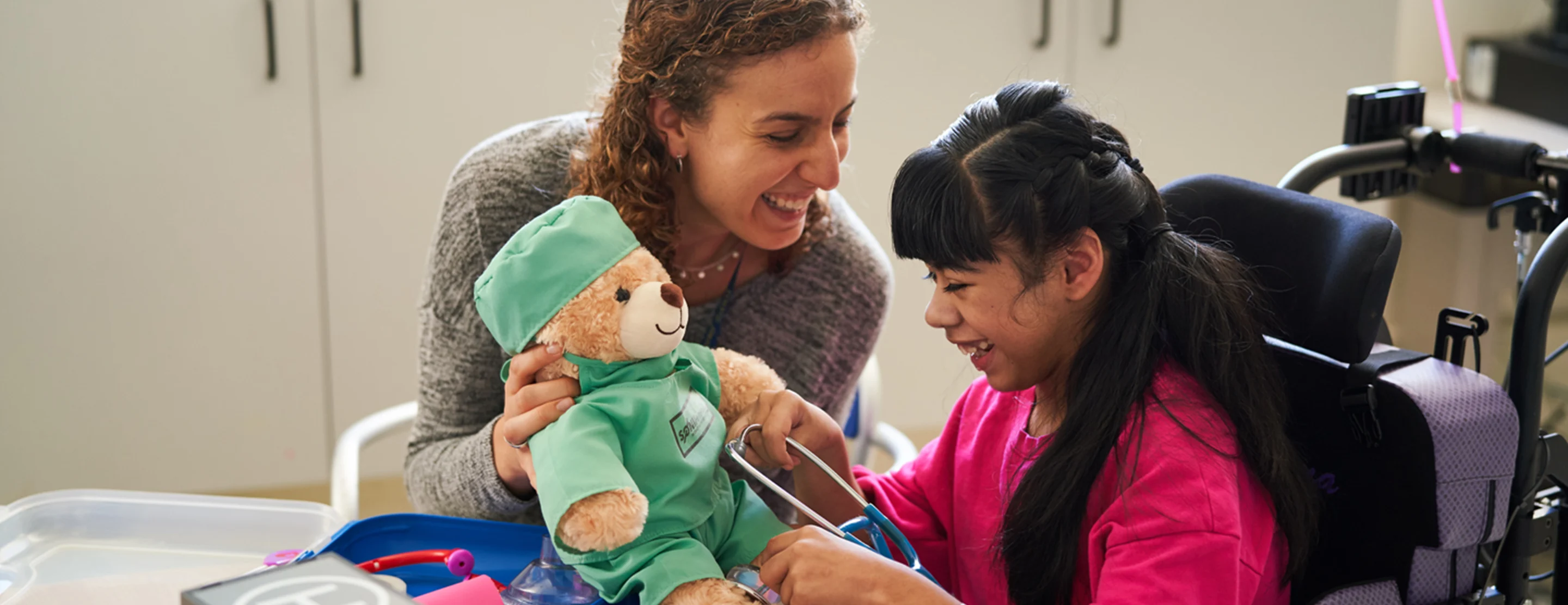
Child Life
Certified child life specialists ease the stress and anxiety of childhood illness through therapeutic play, schooling and family-focused support.
Family Amenities
Family-friendly amenities help you relax and take care of yourself while staying close to your child. We offer lounges, kitchens, showers, breastfeeding rooms and more.
Social Services at UCSF Benioff Children's Hospitals
Social workers ease the effect of illness, injury and hospitalization on your family with counseling and assistance to help you navigate the challenges.
Activity Rooms
Activity rooms offer a relaxed environment for children of all ages. Features include a playroom, digital arts studio and teen lounge. Find out more.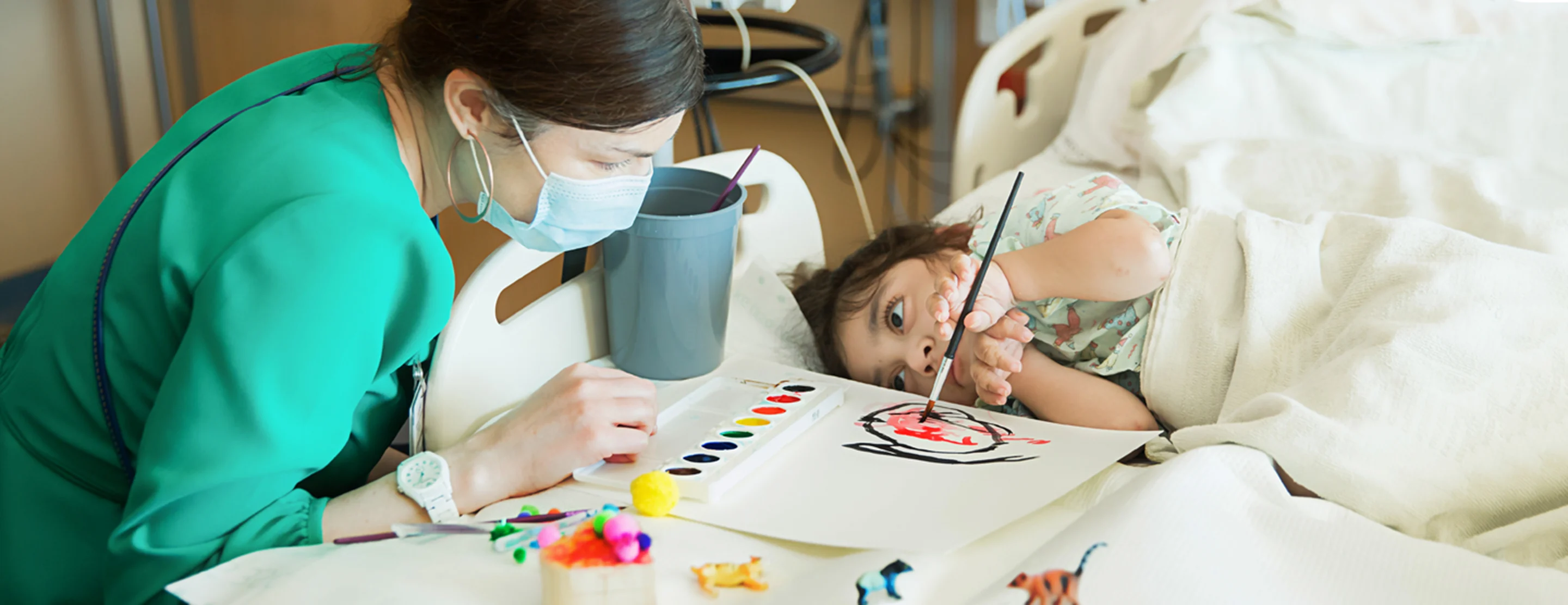
Pediatric Art Therapy Program
Art therapy helps kids and families express themselves, making it easier to cope with pediatric health issues. Group and bedside services are available.
Pediatric Music Therapy Program
Board-certified music therapists help kids cope with illness and the feelings that come with it. Find out about group activities and bedside therapy.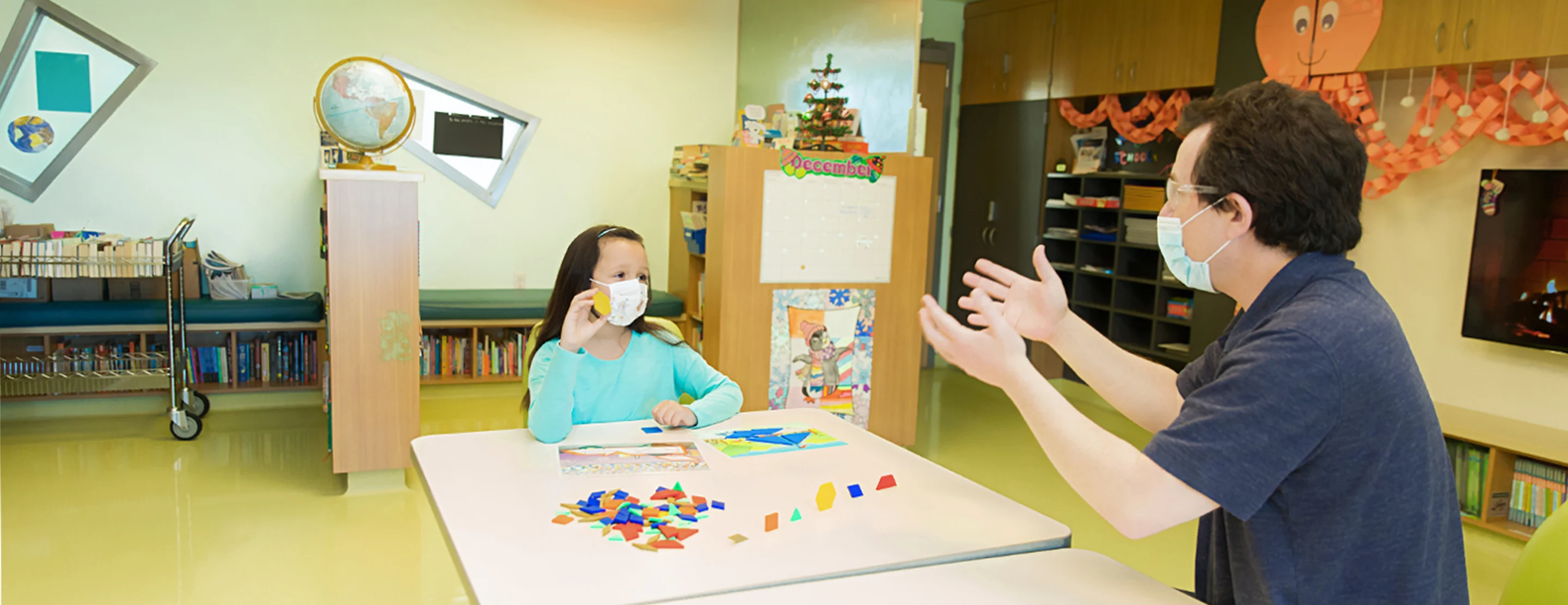
School Program for Hospitalized Children
Our schoolroom services and individual learning programs help children hospitalized at UCSF continue their education and get ready to return to school.
School Re-Entry Program
We help kids return to school after hospitalization by educating staff and students about their needs and recommending needed accommodations. Read more.
Individual Playtime & Instruction
If your child can't be around other kids for medical reasons, you can sign up for private sessions in our activity and school rooms. Find out how.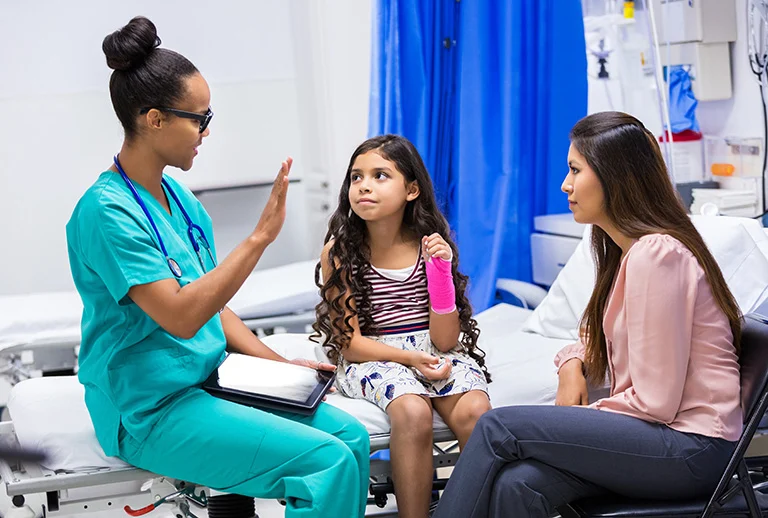
Interpreter Services & Communication Assistance at UCSF Benioff Children's Hospitals
Interpreter services in many languages and TDDs are available for families that need help communicating with care teams. Here's how to access them.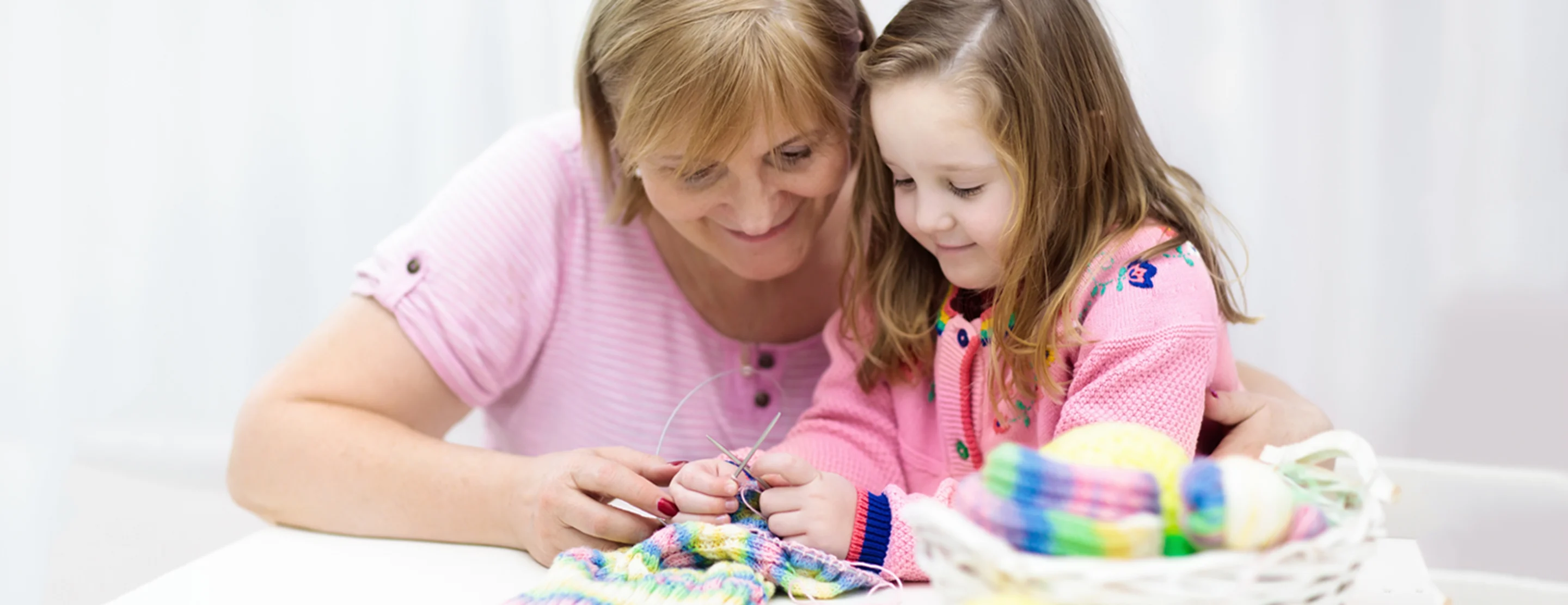
Parent Support Program
Weekly activities, including knitting, scrapbooking, chair massage and more, help family caregivers get a much-needed break. Find out more.
Patient Relations at UCSF Benioff Children's Hospitals
Patient relations reps and nursing supervisors are here to answer questions and address concerns. Learn about your rights, how to reach us and more.
Spiritual Care at UCSF Benioff Children's Hospitals
Chaplains help UCSF patients, families and staff cope with the spiritual and emotional challenges of childhood illness. Learn more.
International Services at UCSF Benioff Children's Hospitals
If you're coming to UCSF from outside the U.S., we coordinate your child's appointments and provide other helpful services. Here's how to get started.