Pediatric Medical Genetics
On this page
Complete care for children with genetic disorders
At UCSF Benioff Children's Hospitals, we provide comprehensive evaluations and care for infants and children with or at risk for genetic disorders. Our team includes board-certified, fellowship-trained pediatric medical geneticists – doctors that specialize in diagnosing and treating rare and complex inherited diseases. They work closely with genetic counselors who guide your family through the testing process and help explain results.
Who we help
We work with families and children who have:
Congenital conditions (present at birth)
Developmental delays
Family history of a genetic condition
Learning differences
Genetic disorders result from changes (mutations) in DNA, which can occur randomly or be passed down through families. In addition to caring for your child, we help you understand any genetic risk factors other family members may have.
What to expect
At your first appointment, we do a complete physical exam and review your child's medical and family history. Your child's doctor may also order genetic testing, other blood tests, imaging exams or additional diagnostic procedures.
UCSF offers state-of-the-art diagnostic tests for a wide range of genetic disorders, delivering prompt, precise results. Our capabilities include whole genome sequencing, which is the most comprehensive genetic test available. It analyzes nearly all of a patient's DNA to look for genetic changes.
We also connect you to experts who can help manage every aspect of your child's health and maximize their quality of life. UCSF is home to some of the nation's top pediatric specialists in endocrinology, oncology, neurology and cardiology. They stay in close communication with your child's medical geneticist and pediatrician to deliver seamless, coordinated care.
Specialized expertise in inherited metabolic diseases
Our genetic medicine program in San Francisco provides diagnosis, disease management and education for children and adults living with inborn errors of metabolism (IEMs). IEMs, such as lysosomal storage diseases, are genetic disorders that affect the body's ability to turn food into energy. Families throughout Northern California turn to us for our expertise in these rare conditions.
Leaders in genetic disorder research
We're committed to advancing our understanding of genetic disorders through research and innovation. Our breakthroughs are helping us pinpoint the causes of pediatric illnesses and deliver more accurate diagnoses and better treatments.
Complete care for children with genetic disorders
At UCSF Benioff Children's Hospitals, we provide comprehensive evaluations and care for infants and children with or at risk for genetic disorders. Our team includes board-certified, fellowship-trained pediatric medical geneticists – doctors that specialize in diagnosing and treating rare and complex inherited diseases. They work closely with genetic counselors who guide your family through the testing process and help explain results.
Who we help
We work with families and children who have:
Congenital conditions (present at birth)
Developmental delays
Family history of a genetic condition
Learning differences
Genetic disorders result from changes (mutations) in DNA, which can occur randomly or be passed down through families. In addition to caring for your child, we help you understand any genetic risk factors other family members may have.
What to expect
At your first appointment, we do a complete physical exam and review your child's medical and family history. Your child's doctor may also order genetic testing, other blood tests, imaging exams or additional diagnostic procedures.
UCSF offers state-of-the-art diagnostic tests for a wide range of genetic disorders, delivering prompt, precise results. Our capabilities include whole genome sequencing, which is the most comprehensive genetic test available. It analyzes nearly all of a patient's DNA to look for genetic changes.
We also connect you to experts who can help manage every aspect of your child's health and maximize their quality of life. UCSF is home to some of the nation's top pediatric specialists in endocrinology, oncology, neurology and cardiology. They stay in close communication with your child's medical geneticist and pediatrician to deliver seamless, coordinated care.
Specialized expertise in inherited metabolic diseases
Our genetic medicine program in San Francisco provides diagnosis, disease management and education for children and adults living with inborn errors of metabolism (IEMs). IEMs, such as lysosomal storage diseases, are genetic disorders that affect the body's ability to turn food into energy. Families throughout Northern California turn to us for our expertise in these rare conditions.
Leaders in genetic disorder research
We're committed to advancing our understanding of genetic disorders through research and innovation. Our breakthroughs are helping us pinpoint the causes of pediatric illnesses and deliver more accurate diagnoses and better treatments.
Related services
Providers (dynamic)
Irene Chang, MD
Medical Genetics and GenomicsHind Al Saif, MD
Medical Genetics and Genomics
Robert Wallerstein, MD, MS
Medical Genetics and Genomics
Mary E. Norton, MD
Medical Genetics and Genomics • Maternal-Fetal Medicine
Providers (manual)
Hind Al Saif, MD
Medical Genetics and Genomics
Randeep Kaur Brar, MD
Medical Genetics and Genomics • Neurology (Neurogenetics)
Reva Frankel, MD
Medical Genetics and Genomics
Joseph Shieh, MD, PhD
Medical Genetics and Genomics
Awards & achievements


Ranked among the nation's best in 11 specialties


Related conditions & treatments
Conditions
- Developmental Delay
- Genetic Disorders
- Inborn Errors of Metabolism
- Lysosomal Diseases
Treatments
- Genetic Counseling
- Genetic Testing
- Whole Genome Sequencing

Trials & research
Clinical trials
RNA to the RESCUE: Evaluation to Assess the Clinical Utility of RNA Sequencing in Establishing a Genetic Diagnosis or Adjudicating a Previously Established Genetic Diagnosis.Opens in a new window
The goal of this observational study is to see if ribonucleic acid (RNA) sequencing can improve the diagnostic yield and accuracy of genetic testing compared to gene sequencing alone. Participants will be asked to share their medical history and prior genetic testing results, and to donate a blood sample for testing.
Research initiatives
Recommended reading

Support services
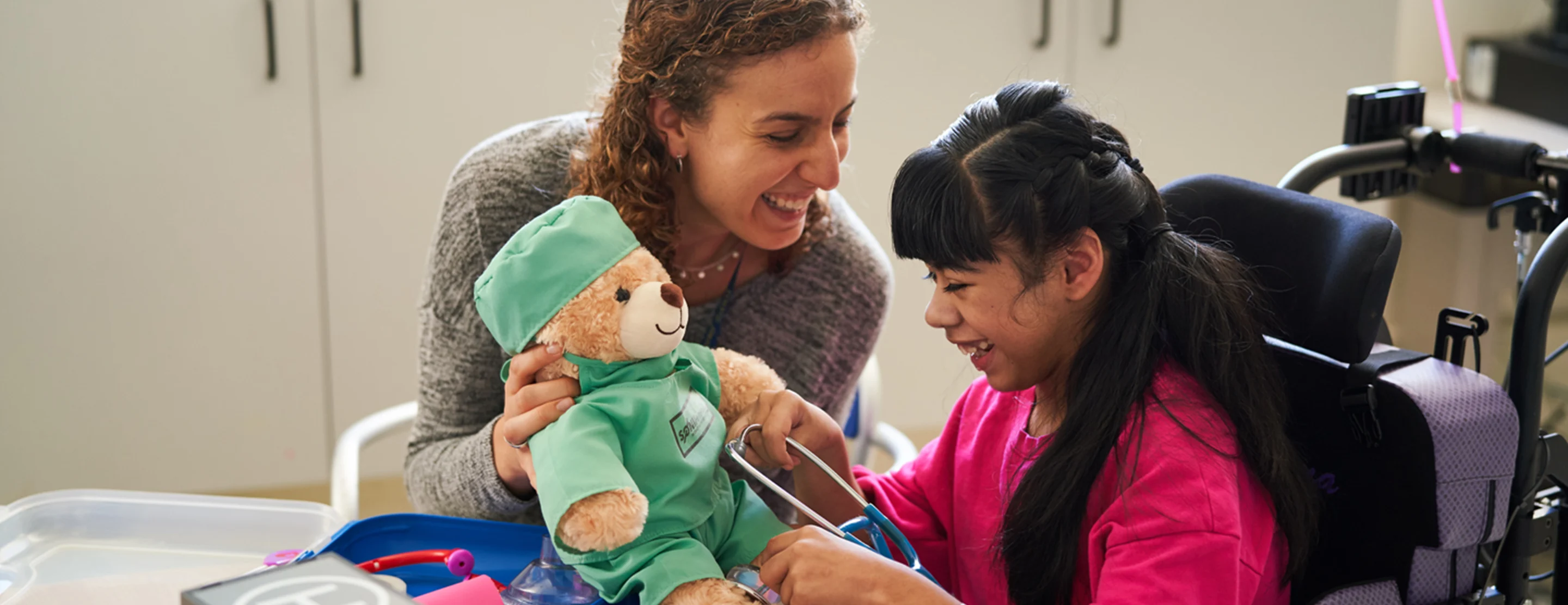
Child Life
Certified child life specialists ease the stress and anxiety of childhood illness through therapeutic play, schooling and family-focused support.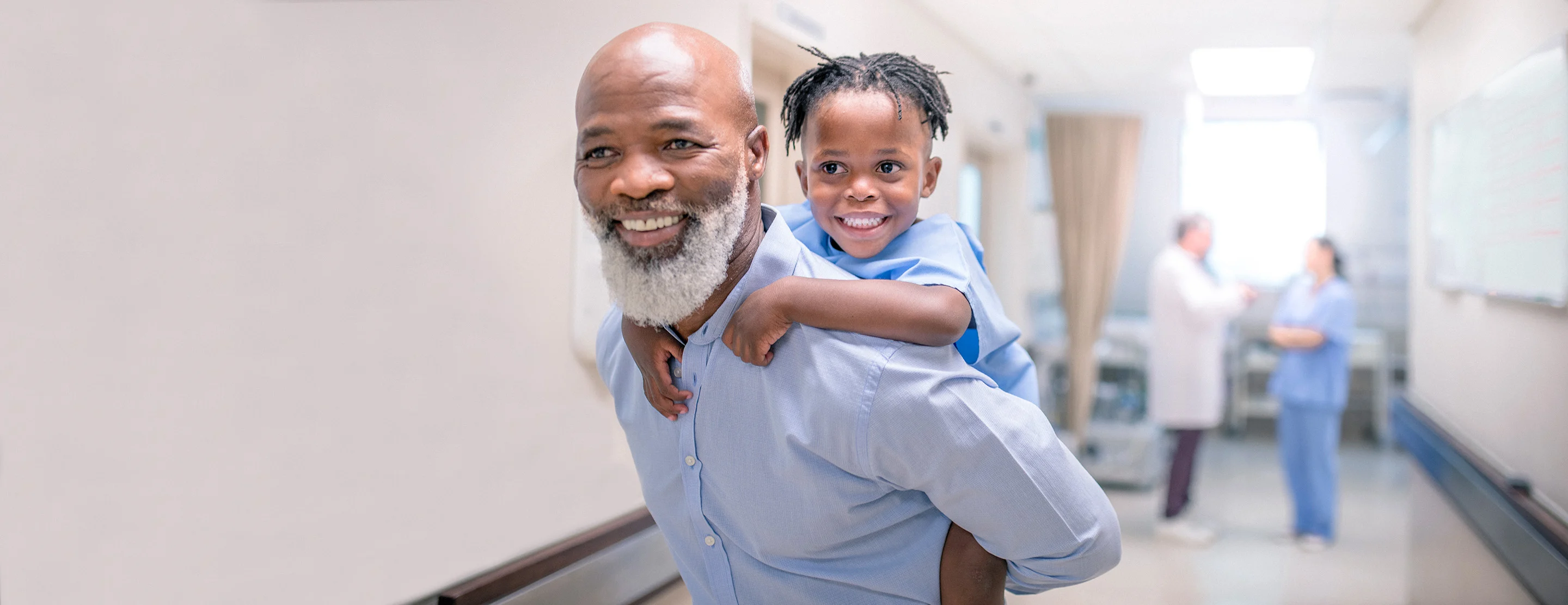
Family Amenities
Family-friendly amenities help you relax and take care of yourself while staying close to your child. We offer lounges, kitchens, showers, breastfeeding rooms and more.
Social Services at UCSF Benioff Children's Hospitals
Social workers ease the effect of illness, injury and hospitalization on your family with counseling and assistance to help you navigate the challenges.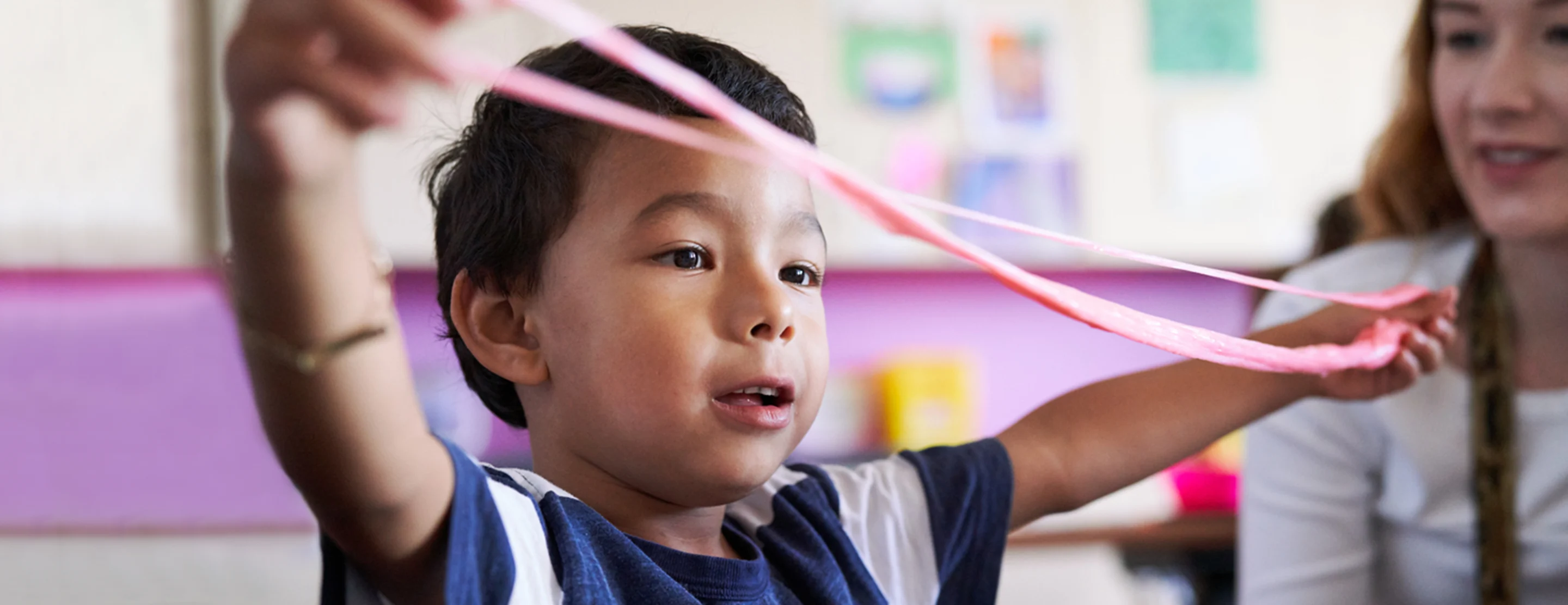
Activity Rooms
Activity rooms offer a relaxed environment for children of all ages. Features include a playroom, digital arts studio and teen lounge. Find out more.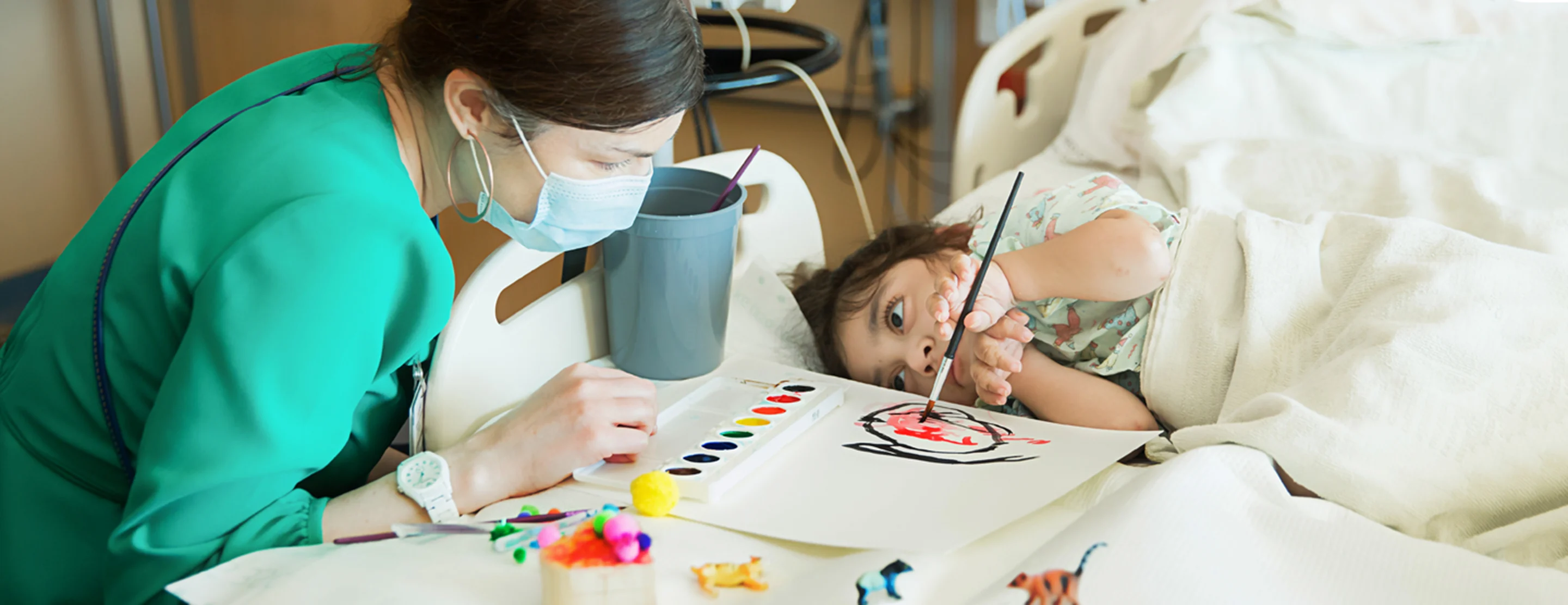
Pediatric Art Therapy Program
Art therapy helps kids and families express themselves, making it easier to cope with pediatric health issues. Group and bedside services are available.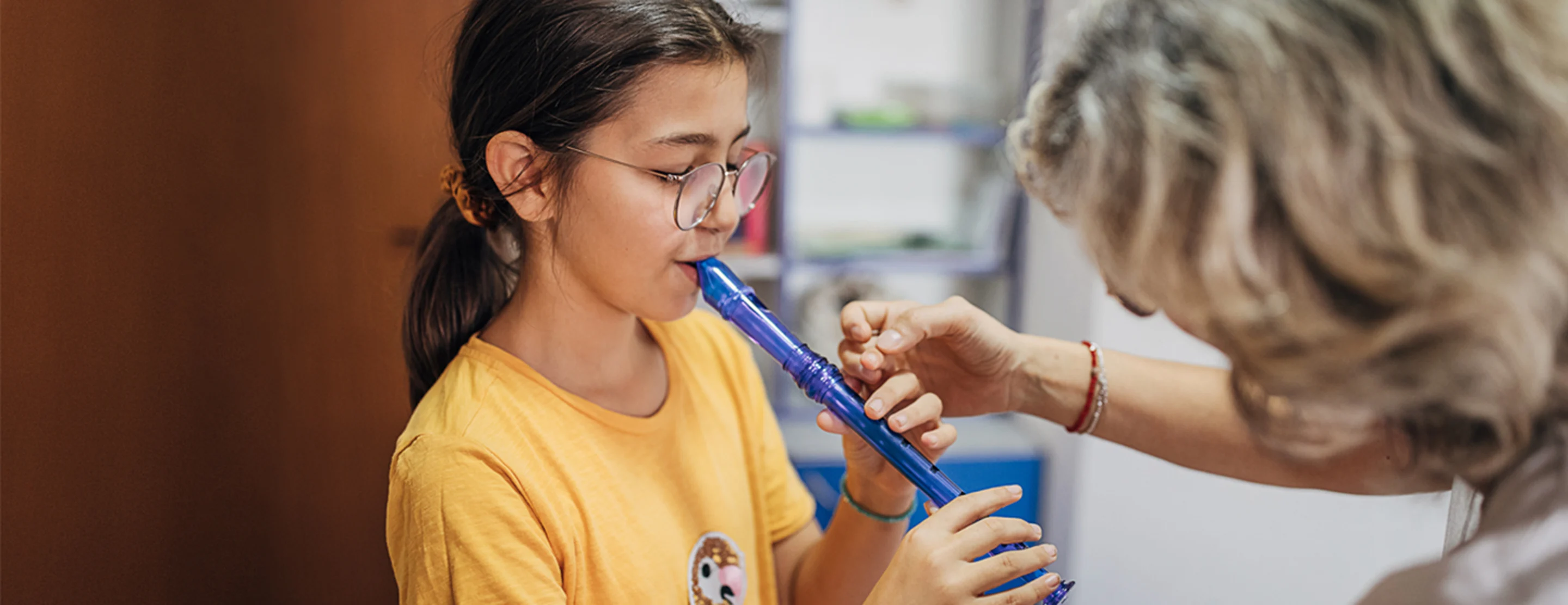
Pediatric Music Therapy Program
Board-certified music therapists help kids cope with illness and the feelings that come with it. Find out about group activities and bedside therapy.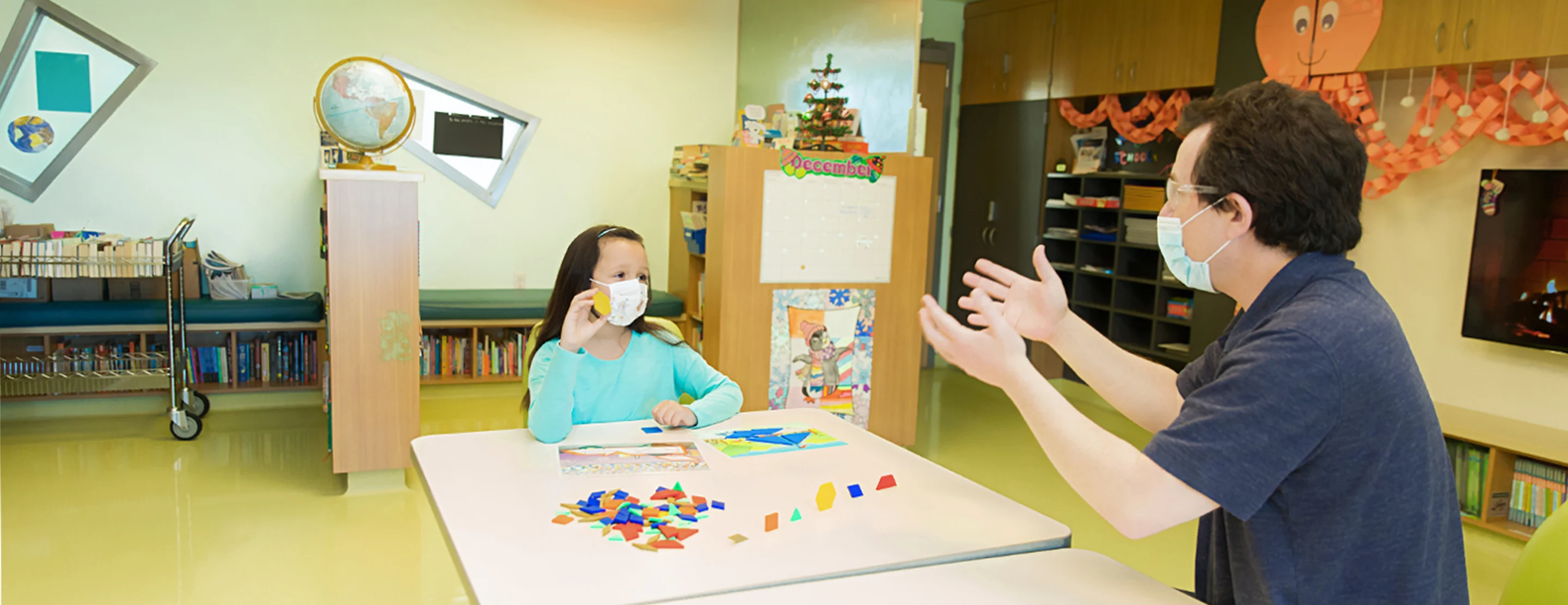
School Program for Hospitalized Children
Our schoolroom services and individual learning programs help children hospitalized at UCSF continue their education and get ready to return to school.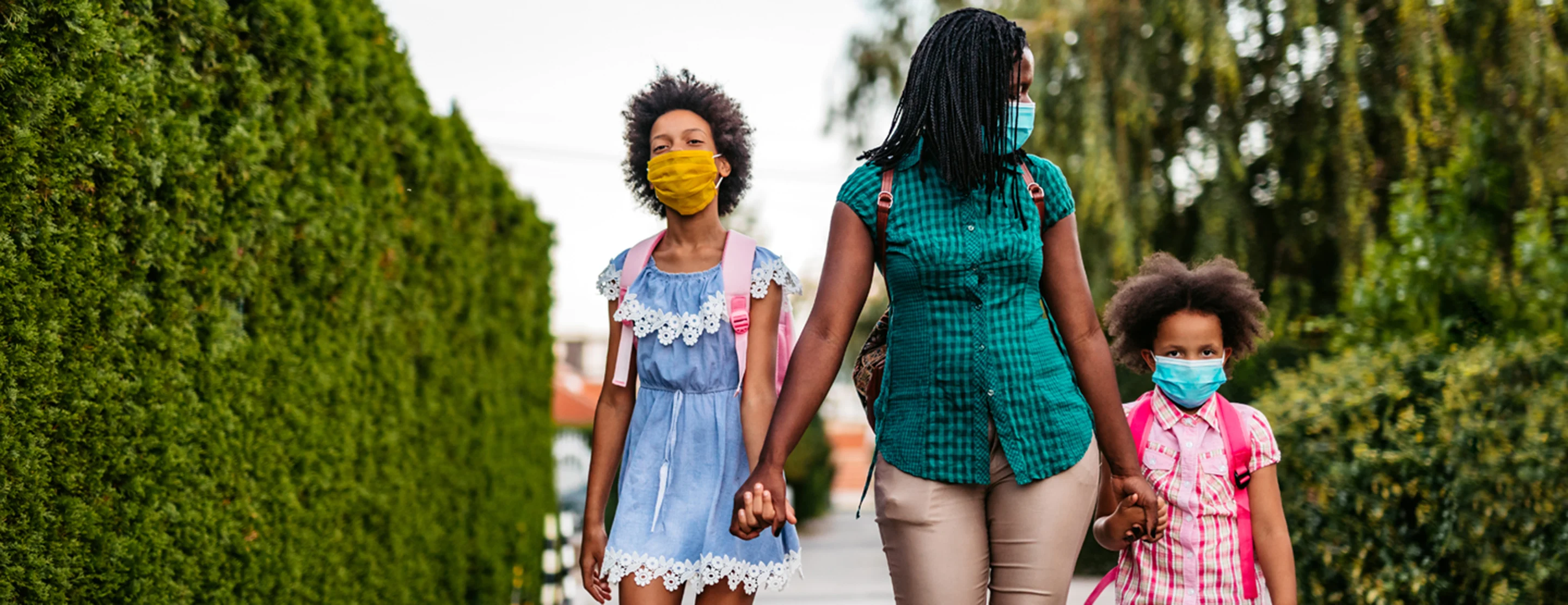
School Re-Entry Program
We help kids return to school after hospitalization by educating staff and students about their needs and recommending needed accommodations. Read more.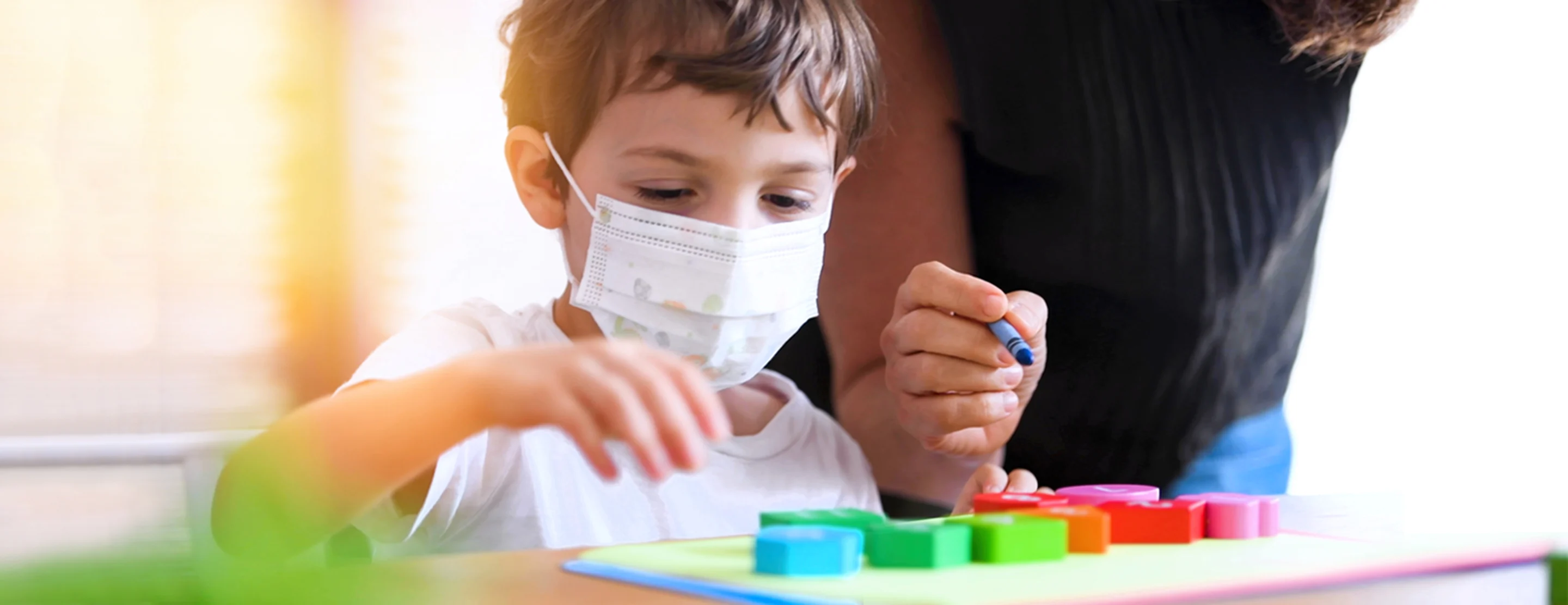
Individual Playtime & Instruction
If your child can't be around other kids for medical reasons, you can sign up for private sessions in our activity and school rooms. Find out how.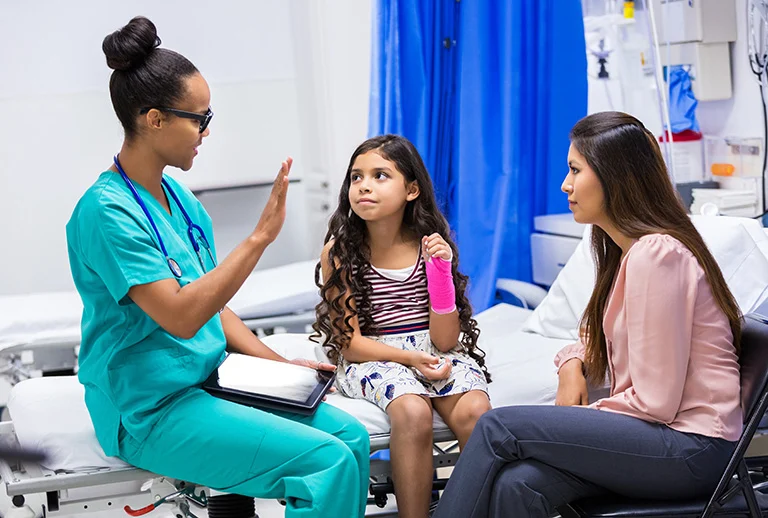
Interpreter Services & Communication Assistance at UCSF Benioff Children's Hospitals
Interpreter services in many languages and TDDs are available for families that need help communicating with care teams. Here's how to access them.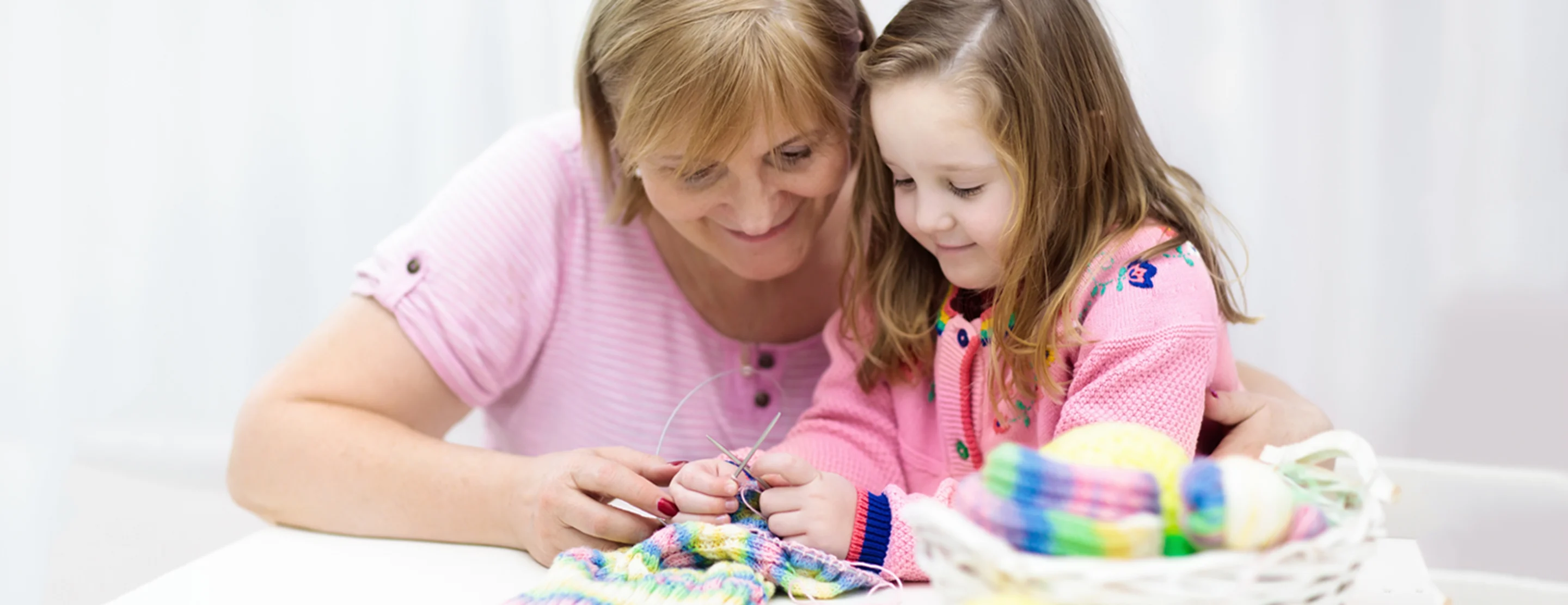
Parent Support Program
Weekly activities, including knitting, scrapbooking, chair massage and more, help family caregivers get a much-needed break. Find out more.
Patient Relations at UCSF Benioff Children's Hospitals
Patient relations reps and nursing supervisors are here to answer questions and address concerns. Learn about your rights, how to reach us and more.
Spiritual Care at UCSF Benioff Children's Hospitals
Chaplains help UCSF patients, families and staff cope with the spiritual and emotional challenges of childhood illness. Learn more.
International Services at UCSF Benioff Children's Hospitals
If you're coming to UCSF from outside the U.S., we coordinate your child's appointments and provide other helpful services. Here's how to get started.