Pediatric Cardiovascular Genetics

On this page
Why choose UCSF Benioff Children's Hospitals for pediatric cardiovascular genetics?
Cardiovascular genetics examines how genetic changes, or mutations, may contribute to heart conditions. For children with complex heart conditions, UCSF Benioff Children's Hospitals offer exceptional genetics expertise.
We're one of the few pediatric programs nationwide to integrate cardiovascular-focused medical genetics directly into heart care. Our cardiovascular genetics team works within the Pediatric Heart Center, so your child's genetics and cardiology specialists evaluate complex findings together to determine the best path forward.
UCSF researchers are at the forefront of inherited cardiovascular disease research and have helped identify many of its underlying genes, paving the way for more effective therapies. We stay current with the newest diagnostic and treatment approaches, evaluating research to bring the latest understanding of cardiovascular genetics into your child's care.
Why choose UCSF Benioff Children's Hospitals for pediatric cardiovascular genetics?
Cardiovascular genetics examines how genetic changes, or mutations, may contribute to heart conditions. For children with complex heart conditions, UCSF Benioff Children's Hospitals offer exceptional genetics expertise.
We're one of the few pediatric programs nationwide to integrate cardiovascular-focused medical genetics directly into heart care. Our cardiovascular genetics team works within the Pediatric Heart Center, so your child's genetics and cardiology specialists evaluate complex findings together to determine the best path forward.
UCSF researchers are at the forefront of inherited cardiovascular disease research and have helped identify many of its underlying genes, paving the way for more effective therapies. We stay current with the newest diagnostic and treatment approaches, evaluating research to bring the latest understanding of cardiovascular genetics into your child's care.
Answers for complex conditionsOpens in a new window
When other tests don't explain a heart condition, our whole-genome sequencing and other advanced tests may provide answers.Guidance for your whole family
After we identify a disease-causing mutation, we coordinate testing to connect at-risk relatives with the cardiovascular specialists they need.Deeper genetic review
Our specialists investigate each genetic finding and review complex results in weekly meetings to understand what they mean for your family.Bridge to adult heart care
Growing patients and affected adult relatives can connect with UCSF cardiovascular specialists for ongoing follow-up.
Who needs a cardiovascular genetics evaluation?
Some families come to us after other testing has left important questions unanswered. Others need an evaluation that looks beyond a known heart diagnosis for signs of rare genetic conditions.
Reasons for referral may include:
Aortic conditions, including aortic aneurysm and aortic dissection
Cardiomyopathies, including arrhythmogenic, dilated and hypertrophic cardiomyopathy
Congenital heart defects that may be part of a genetic syndrome
Connective tissue syndromes that can affect the heart or blood vessels, such as Marfan syndrome
Familial hypercholesterolemia, an inherited condition causing high cholesterol
Inherited rhythm disorders (arrhythmias), such as Brugada syndrome and long QT syndrome
Sudden cardiac death or cardiac arrest in a close relative
Our specialized expertise enables us to recognize connections among heart conditions, subtle symptoms elsewhere in the body and family history. Those connections can reveal genetic conditions that are difficult to identify through routine cardiovascular evaluation alone.
How a genetic diagnosis guides next steps
Timely access to UCSF cardiovascular genetics expertise can inform treatment or surgery when children need decisions made quickly. A genetic diagnosis also helps shape monitoring, treatment and procedures throughout your child's cardiovascular care.
When a genetic finding points to a specific heart risk, we can bring in experts in electrophysiology, noninvasive cardiology or interventional cardiology. This comprehensive approach gives your child direct access to specialists who can evaluate genetic test results and guide next steps. For certain inherited conditions, specialists can also help you understand clinical trial opportunities.
Flexible virtual care and in-person visits
Video visits make it easier for your family to meet with our genetics team. Many appointments can happen from home, with scheduling that works around school and family routines. Virtual care appointments are available to patients residing in California.
For more involved evaluations, your child's medical geneticist may recommend an in-person visit to gather additional information.
Highlights of our heart care
A whole-child approach
We believe in caring for the whole child. This means addressing all of your child's medical needs while also nurturing their emotional, developmental and social well-being.Built for kids
We're part of a children's hospital, and pediatric heart care is our only focus – we don't treat adults. All our doctors and nurses are specially trained in caring for babies and children, and our facilities and equipment were designed with their needs in mind.Extra support for patients
Child life specialists are experts in helping kids cope with medical procedures and hospitalization. Using play, education and therapeutic techniques tailored to the child's age and needs, they make the health care experience more positive for the whole family.Extra support for families
Our Family Resource Center provides information, amenities and comfort to parents and other caregivers, making it easier for you to remain with your child during a hospitalization.
Providers

Othman A. Aljohani, MBBS, MPH
Pediatric Cardiology
Karyn Austin, MD
Pediatric Cardiology • Cardiology (Electrophysiology)
Kishor Avasarala, MD
Pediatric Cardiology • Cardiology (Electrophysiology)
Shabnam Peyvandi, MD
Pediatric Cardiology
Awards & achievements


Best in Northern California for cardiology & heart surgery

Ranked among the nation's best in 11 specialties


Related conditions & treatments
Conditions
- Aortic Aneurysm
- Aortic Diseases
- Arrhythmia
- Brugada Syndrome
- Cardiac Genetics
- Cardiomyopathy
- Catecholaminergic Polymorphic Ventricular Tachycardia
- Congenital Heart Disease
- Connective Tissue Disorder
Treatments
- Clinical Trials
- Genetic Testing
- Virtual Care
- Whole Genome Sequencing

Clinical trials
Study to Evaluate Safety, Tolerability and Efficacy of Inclisiran in Children With Homozygous Familial HypercholesterolemiaOpens in a new window
This is a pivotal phase III study designed to evaluate safety, tolerability, and efficacy of inclisiran in children (aged 2 to <12 years) with homozygous familial hypercholesterolemia (HoFH) and elevated low density lipoprotein cholesterol (LDLC).Evaluation of A Clinical Diagnostic Test for CRDSOpens in a new window
Calcium Release Deficiency Syndrome (CRDS) is a novel inherited arrhythmia syndrome secondary to RyR2 loss-of-function that confers a risk of sudden cardiac death. Diagnosis of CRDS presently requires cellular-based in vitro confirmation that an RyR2 variant causes loss-of-function...Non-interventional Study of Seroprevalence of Pre-existing Antibodies Against Adenovirus-associated Virus Vector (AAV9) and the Progression of Disease in Patients With Plakophilin 2 (PKP2)-Associated Arrhythmogenic Right Ventricular Cardiomyopathy (ARVC)Opens in a new window
This is a multicenter, non-interventional study to observe the natural progression of the disease and to study the prevalence of pre-existing antibodies to AAV9 used for gene therapy in a population of patients with PKP2 gene-associated ARVC. Participation from all patients is encouraged regardless of interest in or eligibility for gene therapy.
Support services
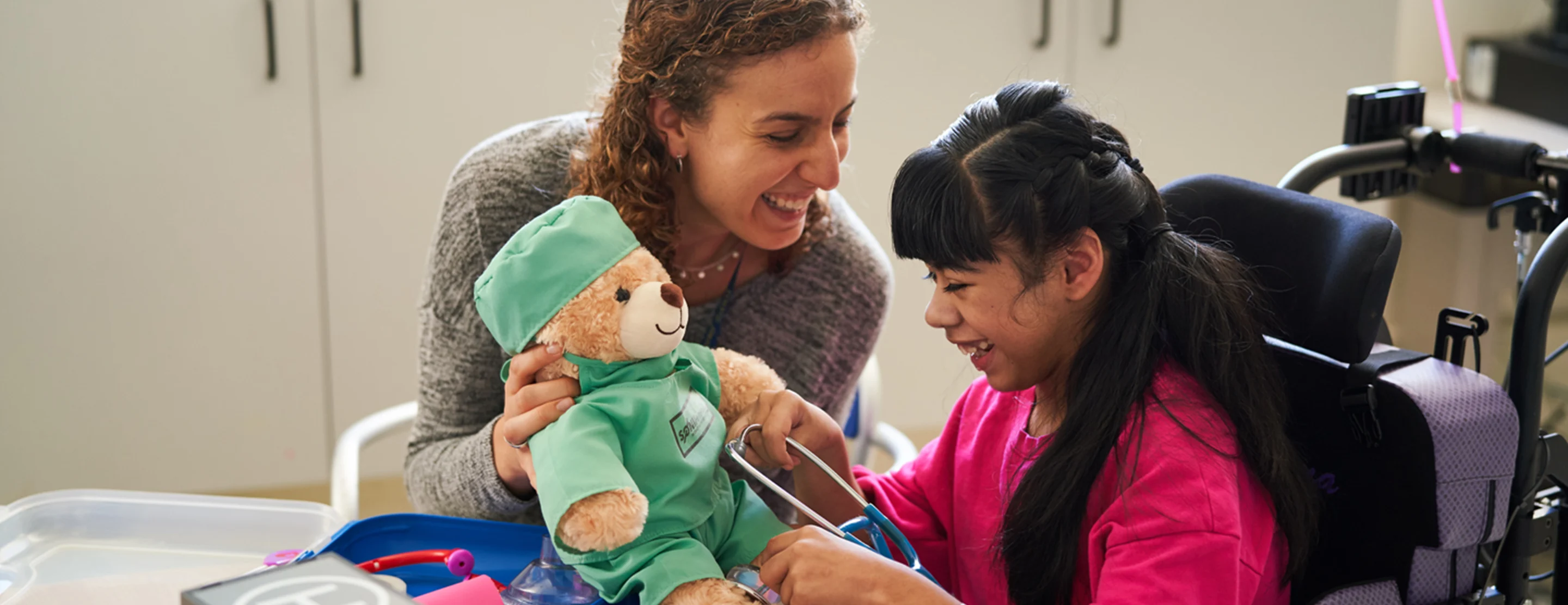
Child Life
Certified child life specialists ease the stress and anxiety of childhood illness through therapeutic play, schooling and family-focused support.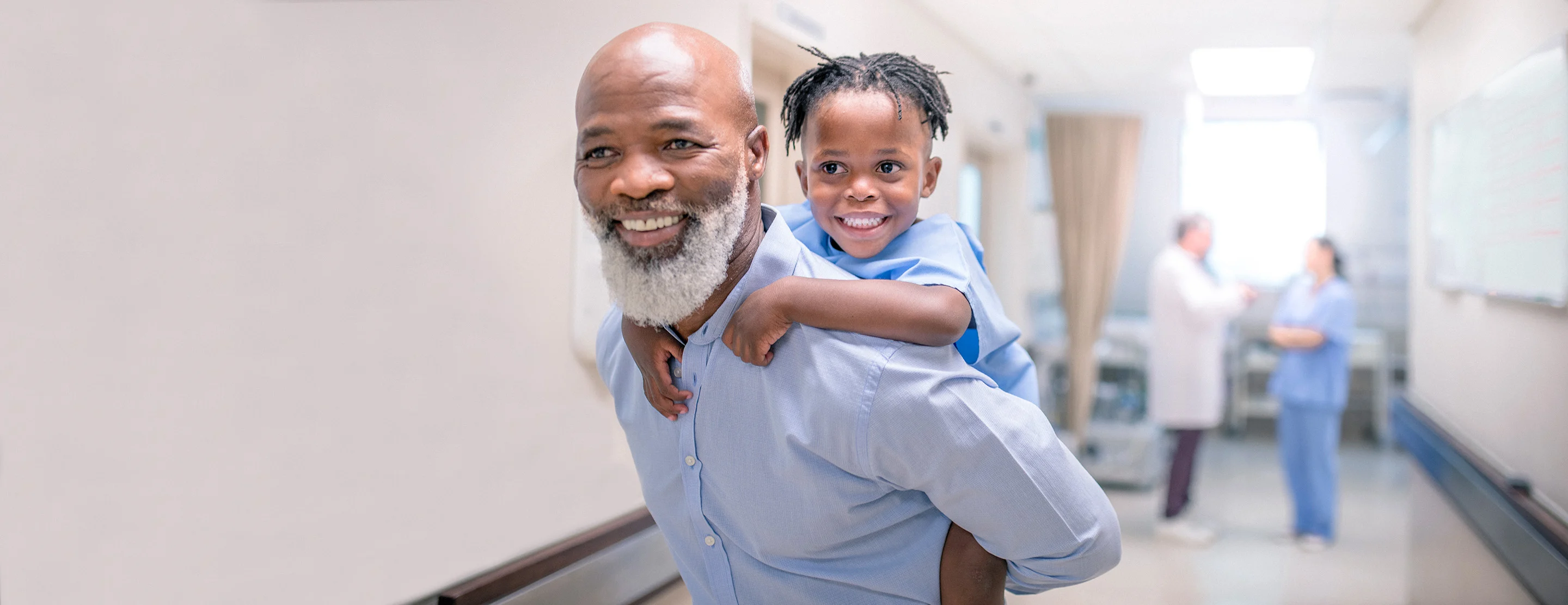
Family Amenities
Family-friendly amenities help you relax and take care of yourself while staying close to your child. We offer lounges, kitchens, showers, breastfeeding rooms and more.
Social Services at UCSF Benioff Children's Hospitals
Social workers ease the effect of illness, injury and hospitalization on your family with counseling and assistance to help you navigate the challenges.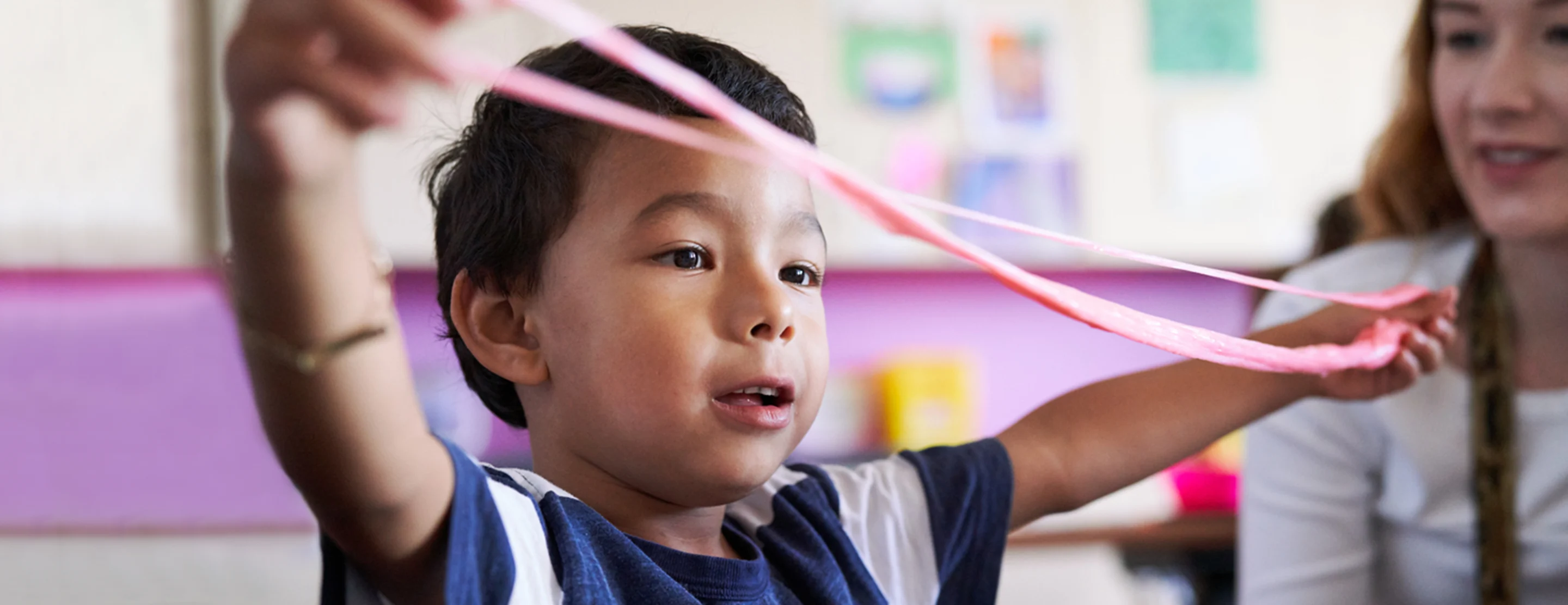
Activity Rooms
Activity rooms offer a relaxed environment for children of all ages. Features include a playroom, digital arts studio and teen lounge. Find out more.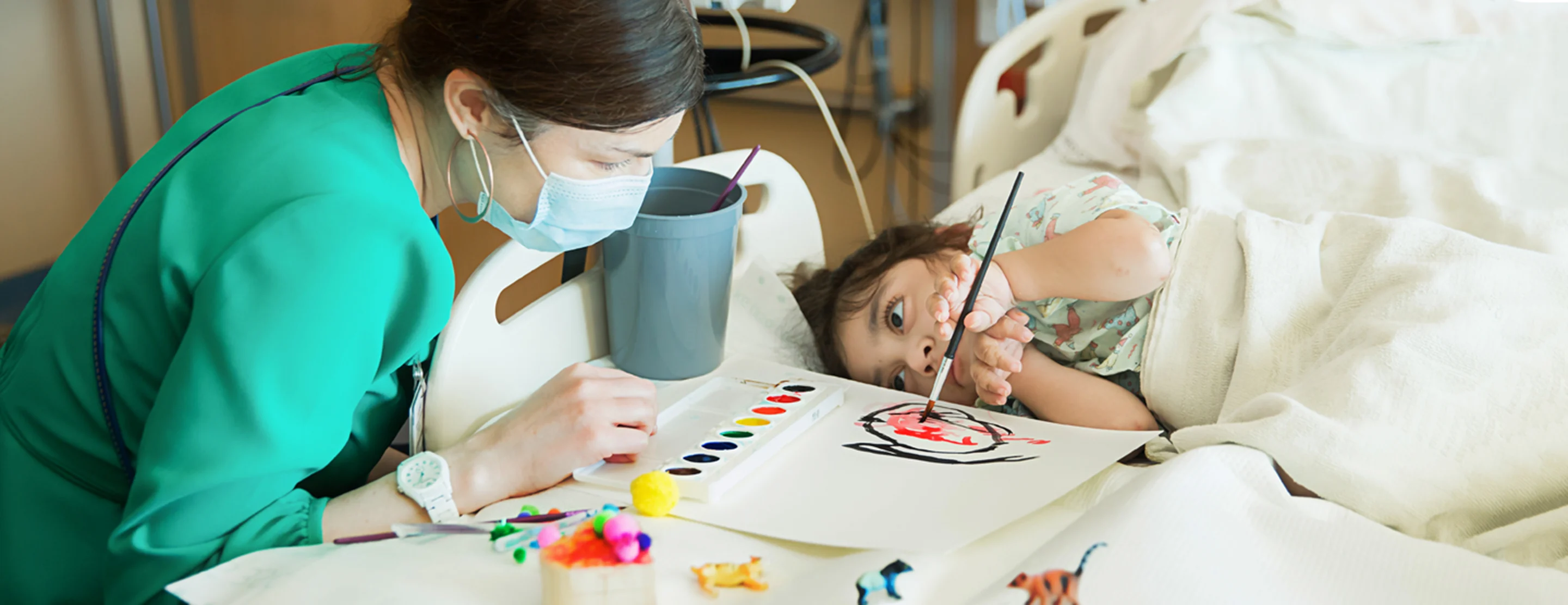
Pediatric Art Therapy Program
Art therapy helps kids and families express themselves, making it easier to cope with pediatric health issues. Group and bedside services are available.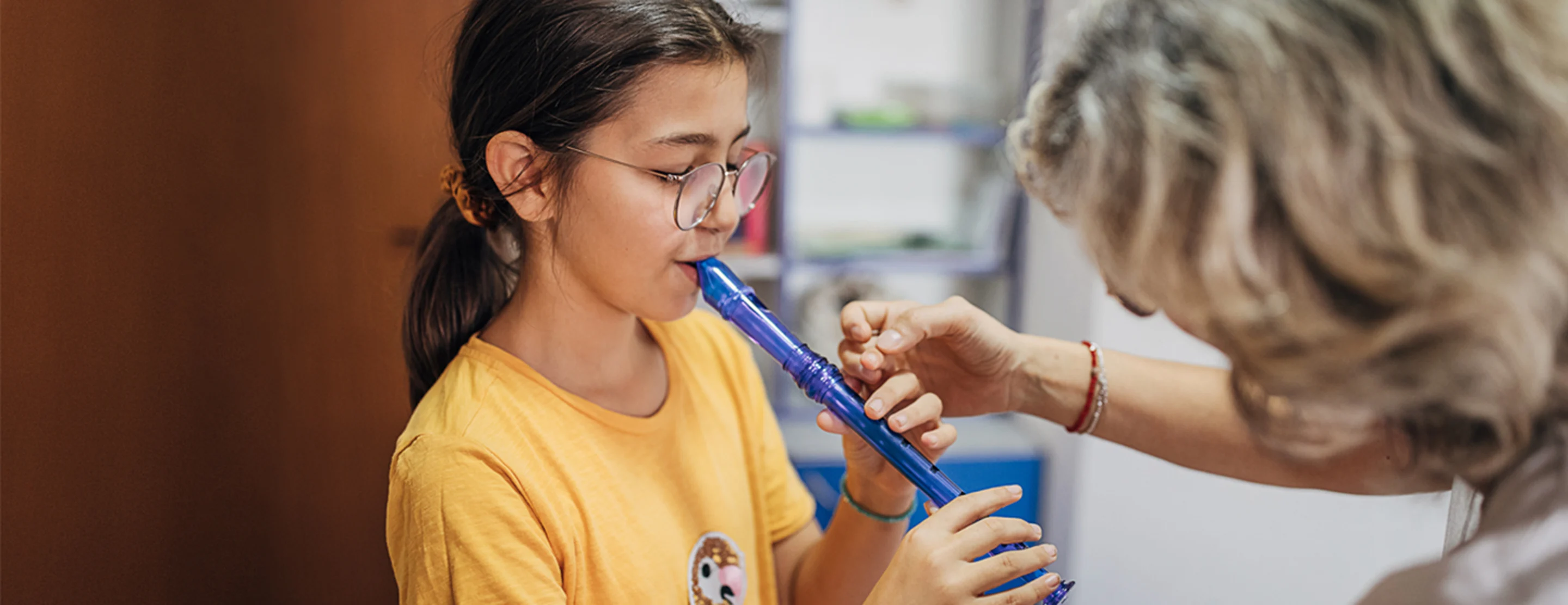
Pediatric Music Therapy Program
Board-certified music therapists help kids cope with illness and the feelings that come with it. Find out about group activities and bedside therapy.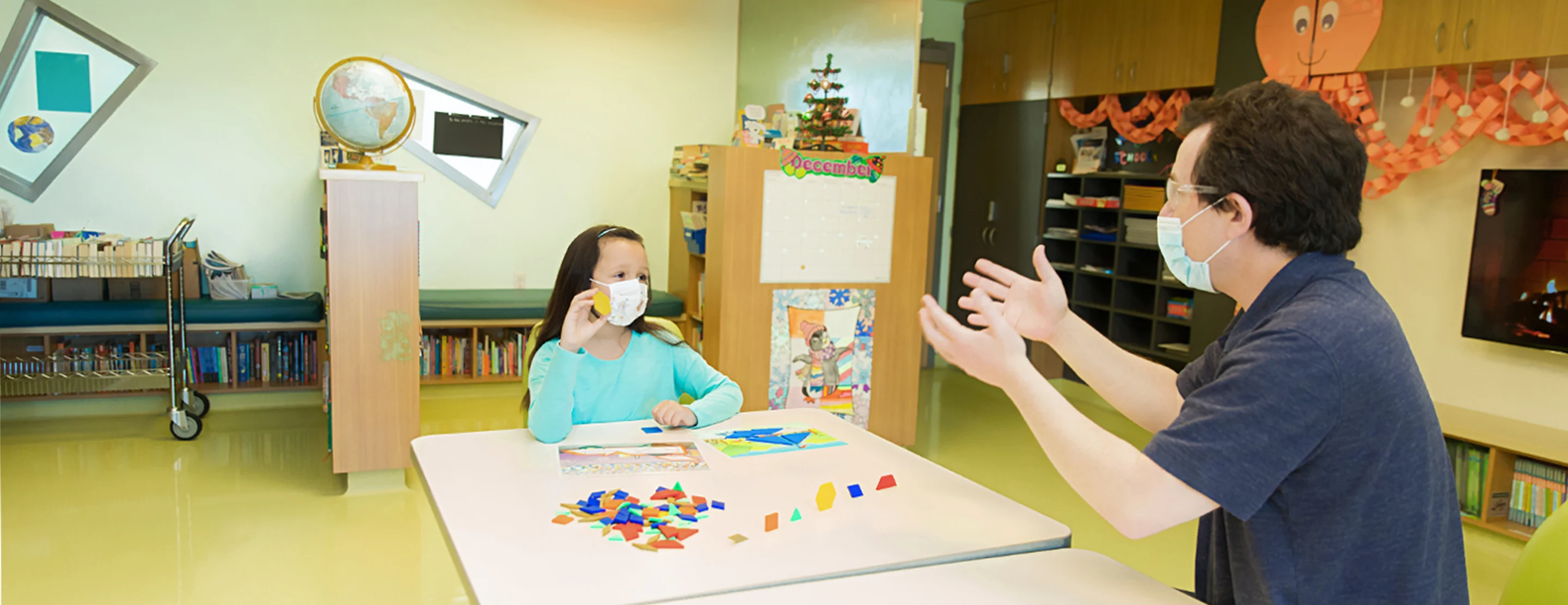
School Program for Hospitalized Children
Our schoolroom services and individual learning programs help children hospitalized at UCSF continue their education and get ready to return to school.
School Re-Entry Program
We help kids return to school after hospitalization by educating staff and students about their needs and recommending needed accommodations. Read more.
Individual Playtime & Instruction
If your child can't be around other kids for medical reasons, you can sign up for private sessions in our activity and school rooms. Find out how.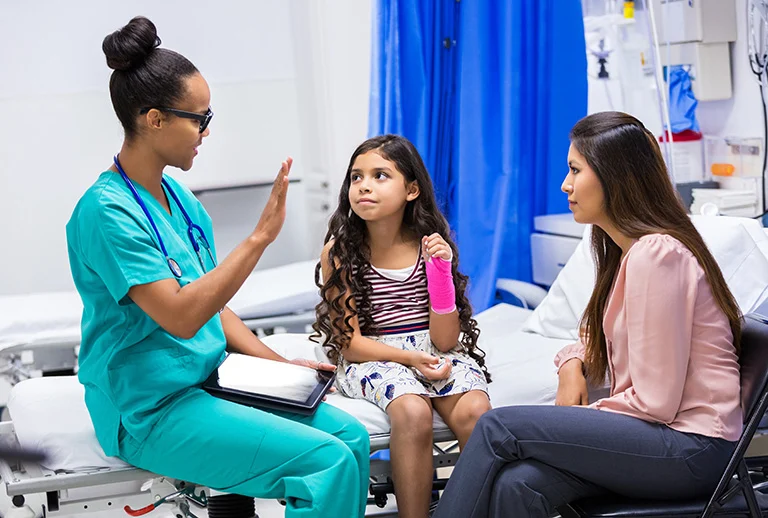
Interpreter Services & Communication Assistance at UCSF Benioff Children's Hospitals
Interpreter services in many languages and TDDs are available for families that need help communicating with care teams. Here's how to access them.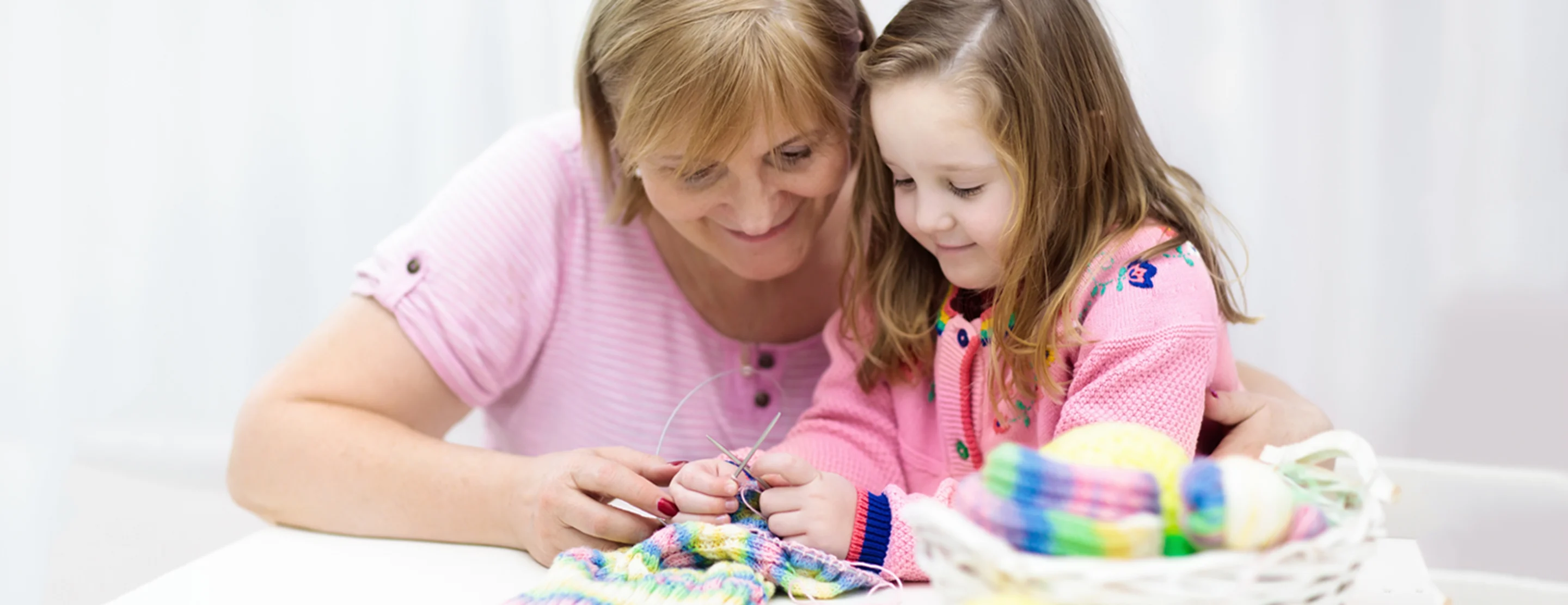
Parent Support Program
Weekly activities, including knitting, scrapbooking, chair massage and more, help family caregivers get a much-needed break. Find out more.
Patient Relations at UCSF Benioff Children's Hospitals
Patient relations reps and nursing supervisors are here to answer questions and address concerns. Learn about your rights, how to reach us and more.
Spiritual Care at UCSF Benioff Children's Hospitals
Chaplains help UCSF patients, families and staff cope with the spiritual and emotional challenges of childhood illness. Learn more.
International Services at UCSF Benioff Children's Hospitals
If you're coming to UCSF from outside the U.S., we coordinate your child's appointments and provide other helpful services. Here's how to get started.