Differences in Sex Development (DSD)
On this page
Compassionate care for children with DSD
At UCSF Benioff Children's Hospitals, our pediatric specialists have extensive experience diagnosing and treating newborns and children with differences in sex development. We use the latest, evidence-based guidelines to design a long-term, individualized care plan that supports your child's physical, emotional and social needs.
Differences in sex development (DSD) describes a group of conditions where a person's genitals and reproductive organs develop differently from what's expected. Also called disorders of sexual differentiation, these conditions are congenital, meaning they're present at birth.
People with DSD may have both male and female sexual characteristics. We treat the full range of DSDs, including androgen insensitivity syndrome, congenital adrenal hyperplasia and Turner syndrome.
Our pediatric specialists work as a team to provide comprehensive care. We meet with patients and families regularly to help them feel comfortable and informed. In our program, you have access to experts in pediatric:
Endocrinology, including reproductive endocrinology
Compassionate care for children with DSD
At UCSF Benioff Children's Hospitals, our pediatric specialists have extensive experience diagnosing and treating newborns and children with differences in sex development. We use the latest, evidence-based guidelines to design a long-term, individualized care plan that supports your child's physical, emotional and social needs.
Differences in sex development (DSD) describes a group of conditions where a person's genitals and reproductive organs develop differently from what's expected. Also called disorders of sexual differentiation, these conditions are congenital, meaning they're present at birth.
People with DSD may have both male and female sexual characteristics. We treat the full range of DSDs, including androgen insensitivity syndrome, congenital adrenal hyperplasia and Turner syndrome.
Our pediatric specialists work as a team to provide comprehensive care. We meet with patients and families regularly to help them feel comfortable and informed. In our program, you have access to experts in pediatric:
Endocrinology, including reproductive endocrinology
Providers

Laurence S. Baskin, MD
Pediatric Urology
Hillary L. Copp, MD, MS
Urology • Pediatric Urology
Michael J. DiSandro, MD
Urology • Pediatric Urology
Ayca Erkin-Cakmak, MD, MPH
Endocrinology • Pediatric Endocrinology
Awards & achievements


One of the nation's best for endocrinology & diabetes care

Best in Northern California for urology

Ranked among the nation's best in 11 specialties


Related conditions & treatments
Conditions
- Ambiguous Genitalia
- Androgen Insensitivity
- Congenital Adrenal Hyperplasia
- Disorders of Sexual Development
- Disorders of Sexual Differentiation
- Turner Syndrome

Research initiatives
UCSF Baskin LabOpens in a new window
The Baskin Laboratory investigates the causes of pediatric urological diseases present at birth or acquired later. The lab's research has a special focus on curing and preventing hypospadias, in which the urethra's opening is on the underside of the penis.
Support services
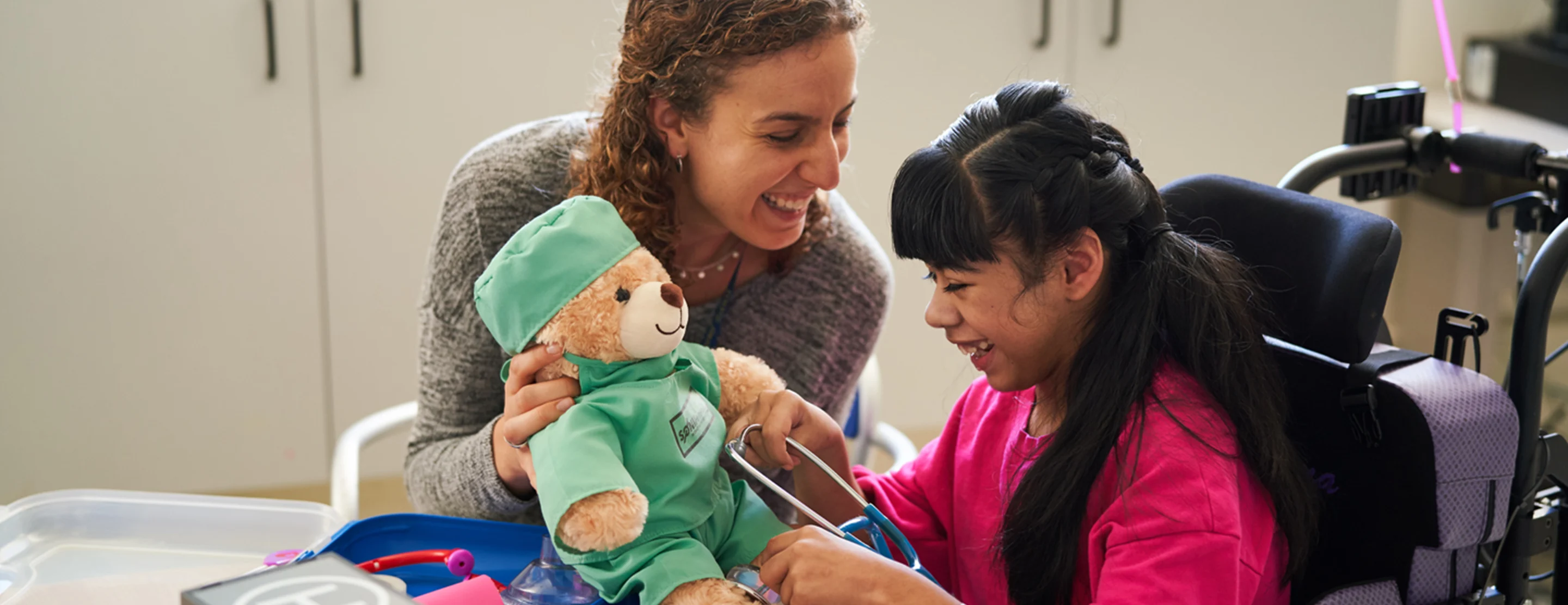
Child Life
Certified child life specialists ease the stress and anxiety of childhood illness through therapeutic play, schooling and family-focused support.
Family Amenities
Family-friendly amenities help you relax and take care of yourself while staying close to your child. We offer lounges, kitchens, showers, breastfeeding rooms and more.
Social Services at UCSF Benioff Children's Hospitals
Social workers ease the effect of illness, injury and hospitalization on your family with counseling and assistance to help you navigate the challenges.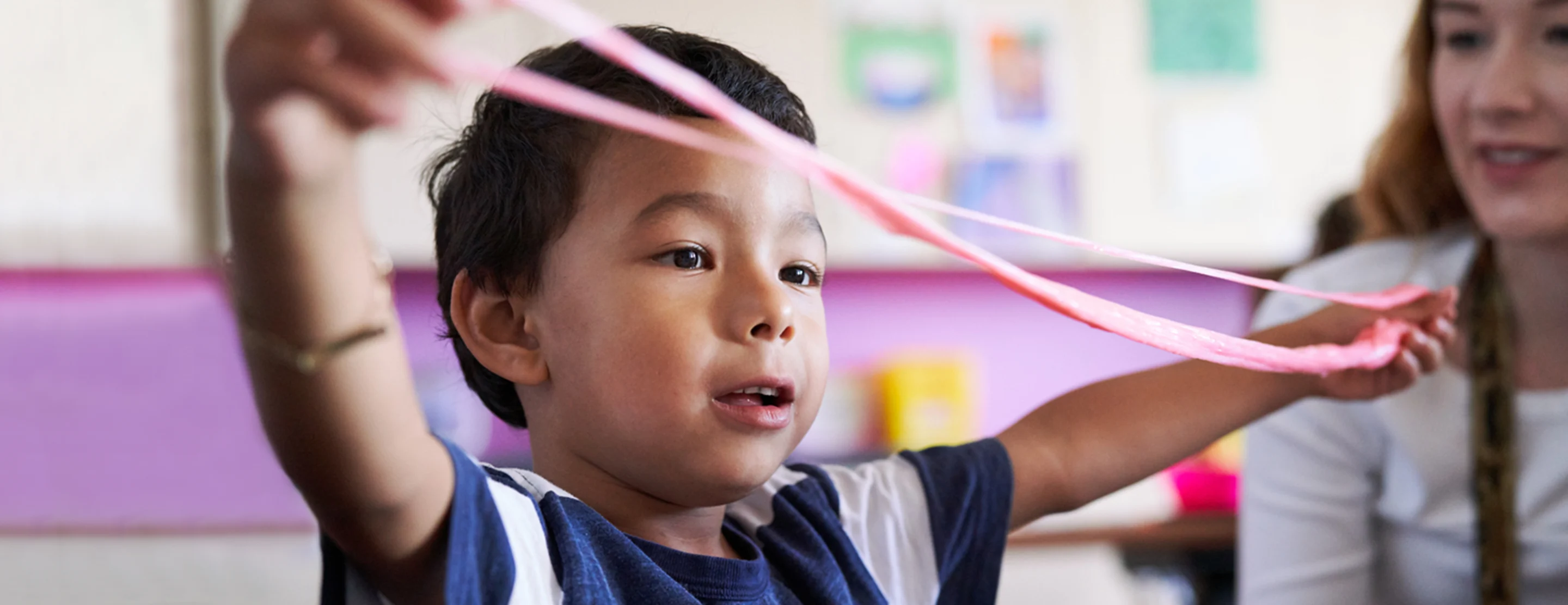
Activity Rooms
Activity rooms offer a relaxed environment for children of all ages. Features include a playroom, digital arts studio and teen lounge. Find out more.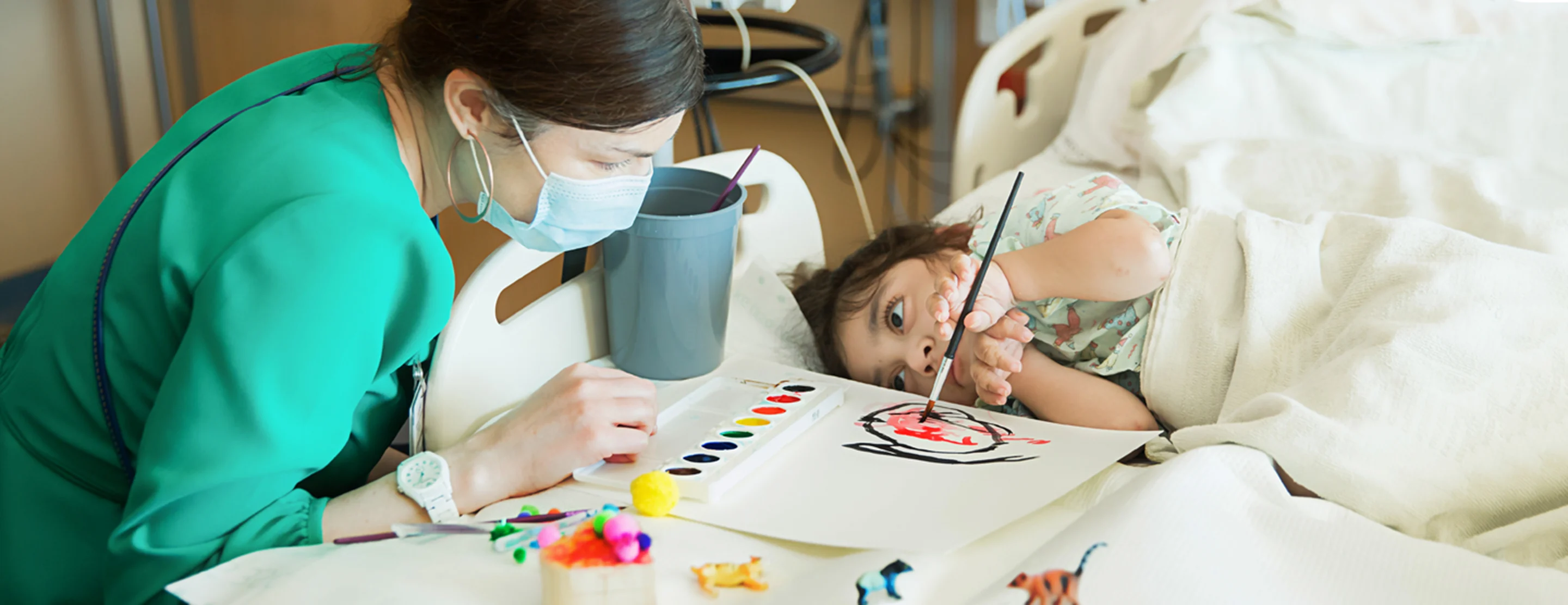
Pediatric Art Therapy Program
Art therapy helps kids and families express themselves, making it easier to cope with pediatric health issues. Group and bedside services are available.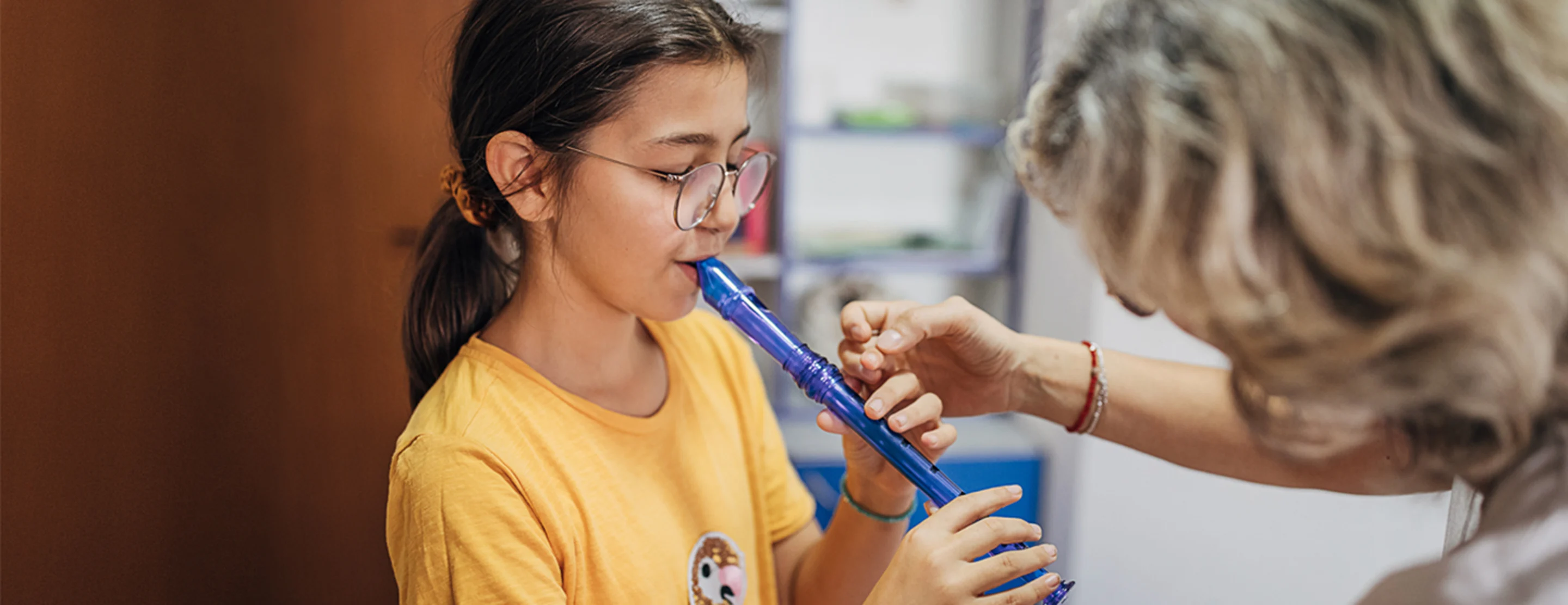
Pediatric Music Therapy Program
Board-certified music therapists help kids cope with illness and the feelings that come with it. Find out about group activities and bedside therapy.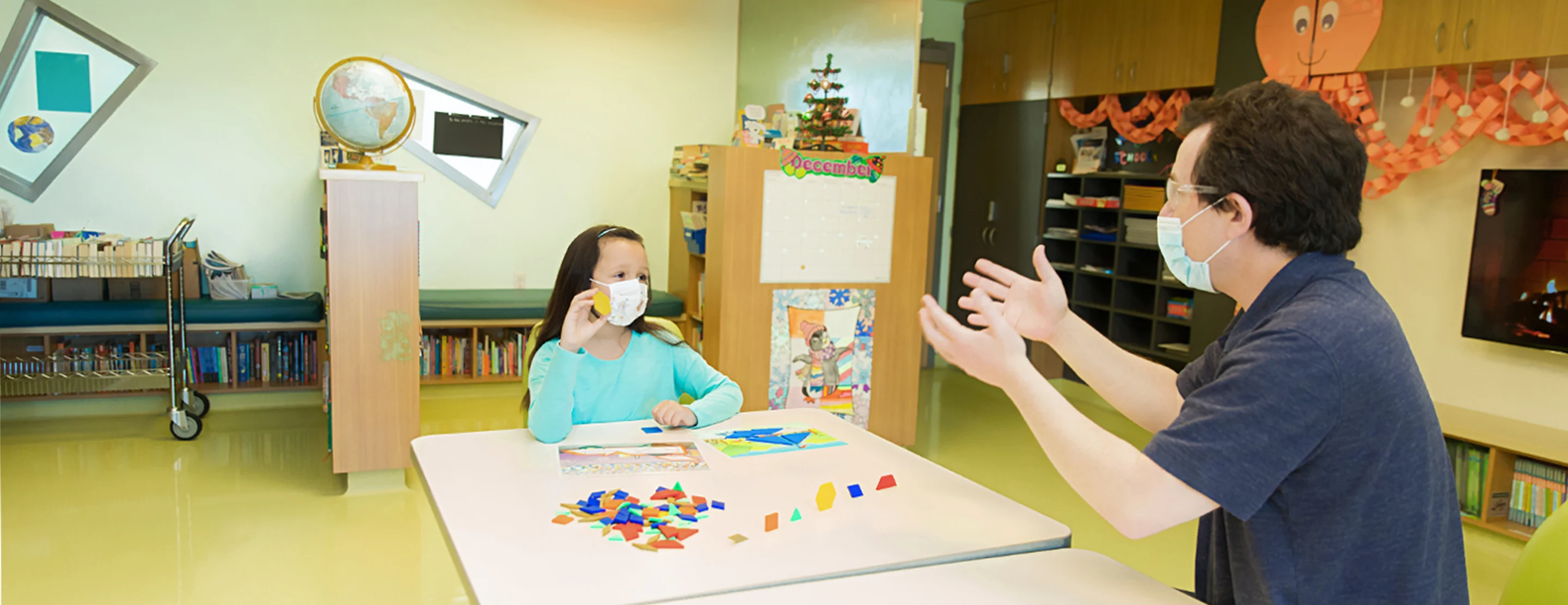
School Program for Hospitalized Children
Our schoolroom services and individual learning programs help children hospitalized at UCSF continue their education and get ready to return to school.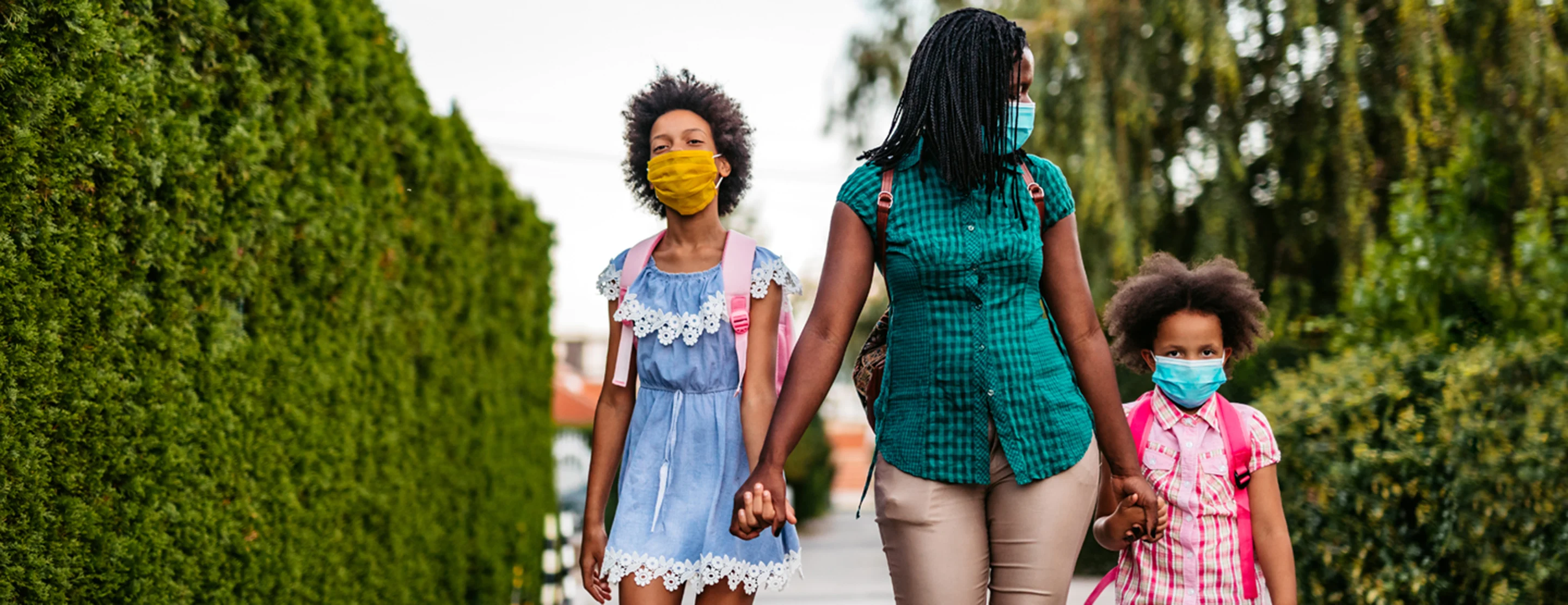
School Re-Entry Program
We help kids return to school after hospitalization by educating staff and students about their needs and recommending needed accommodations. Read more.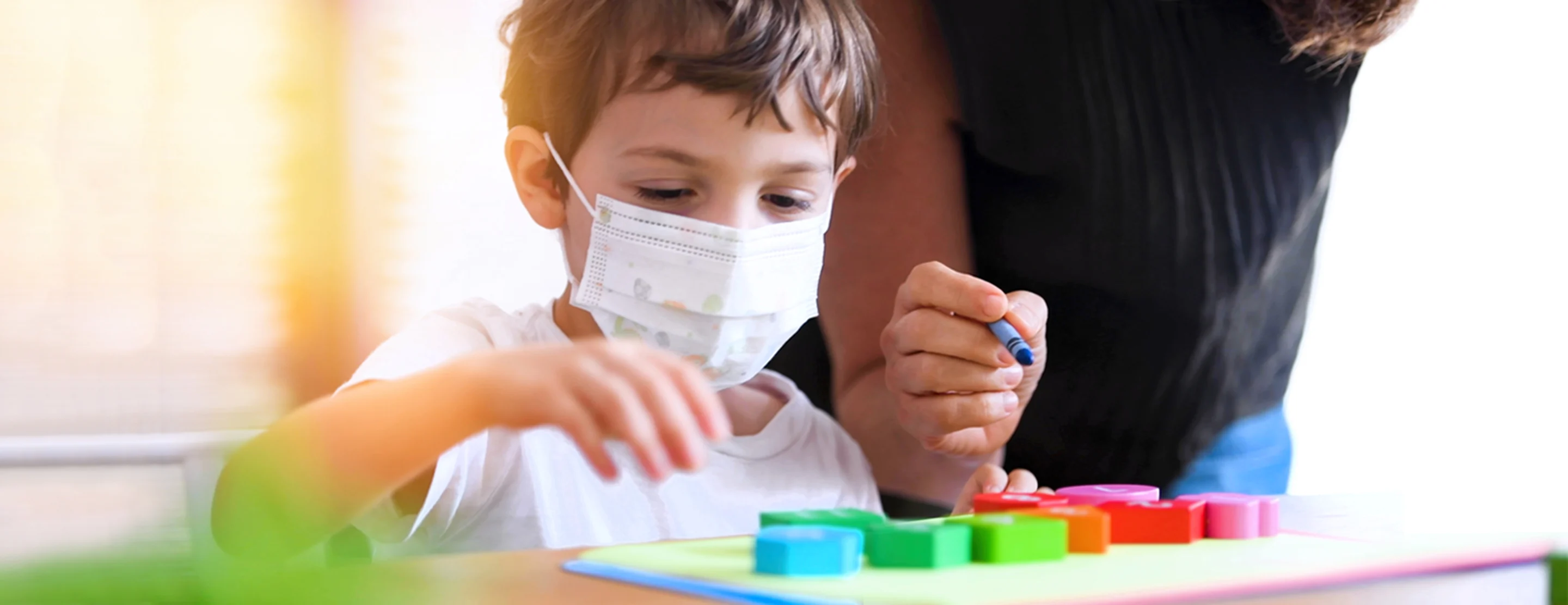
Individual Playtime & Instruction
If your child can't be around other kids for medical reasons, you can sign up for private sessions in our activity and school rooms. Find out how.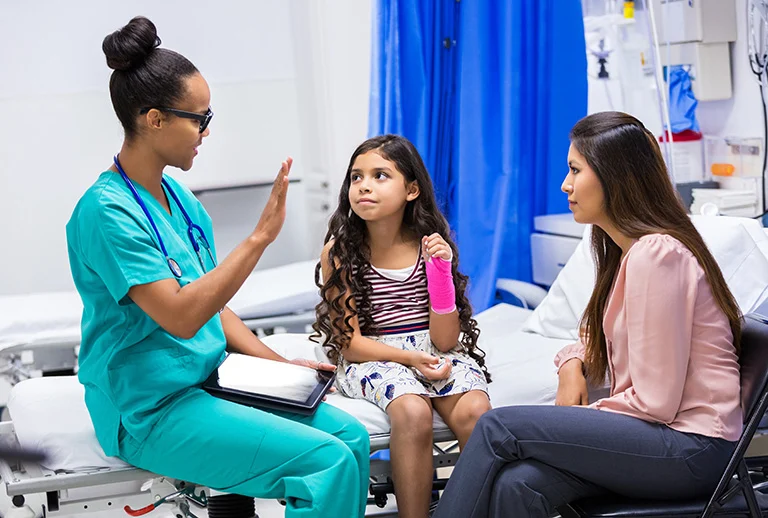
Interpreter Services & Communication Assistance at UCSF Benioff Children's Hospitals
Interpreter services in many languages and TDDs are available for families that need help communicating with care teams. Here's how to access them.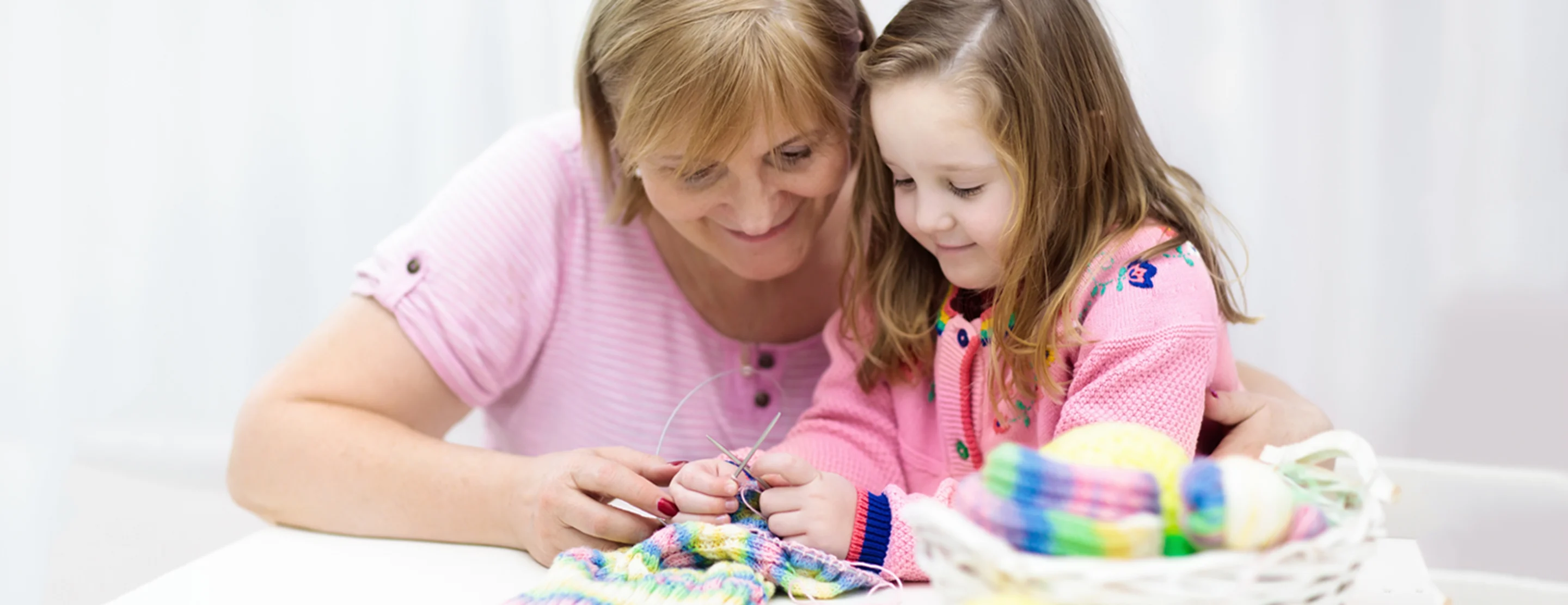
Parent Support Program
Weekly activities, including knitting, scrapbooking, chair massage and more, help family caregivers get a much-needed break. Find out more.
Patient Relations at UCSF Benioff Children's Hospitals
Patient relations reps and nursing supervisors are here to answer questions and address concerns. Learn about your rights, how to reach us and more.
Spiritual Care at UCSF Benioff Children's Hospitals
Chaplains help UCSF patients, families and staff cope with the spiritual and emotional challenges of childhood illness. Learn more.
International Services at UCSF Benioff Children's Hospitals
If you're coming to UCSF from outside the U.S., we coordinate your child's appointments and provide other helpful services. Here's how to get started.