
Pediatric Cellular Therapy
On this page
What is cellular therapy?
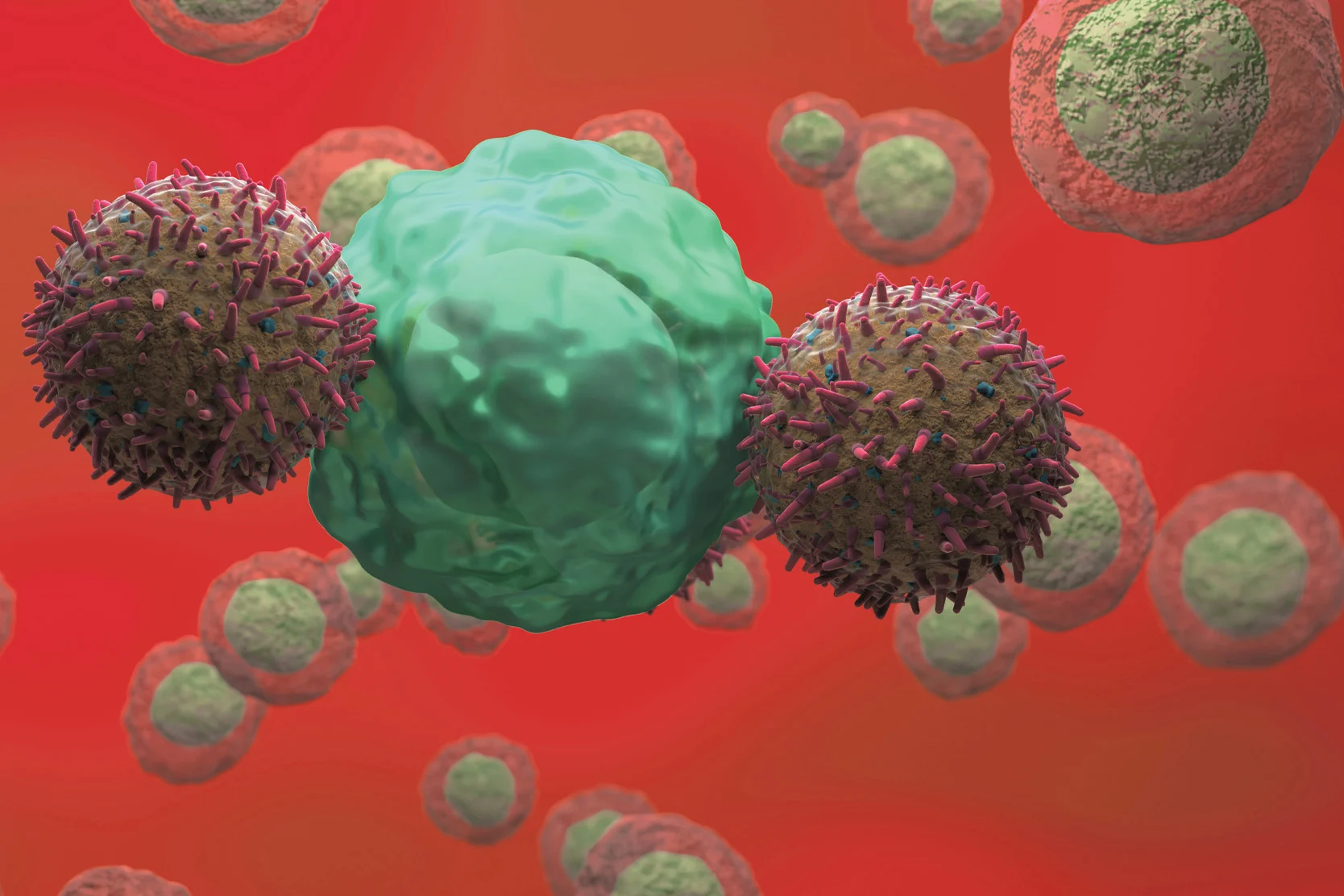
Cellular therapy, also called immunotherapy, is a type of treatment that harnesses the body's immune system to fight disease. It uses living cells, modified in a lab, to fight cancer and other illnesses. Cellular therapy offers a life-saving option when standard treatments aren't working. The Pediatric Bone Marrow Transplant (BMT), Cellular & Gene Therapy program provides the following types of cellular therapy, either alone or in combination with other treatments:
CAR T-cell therapy: For this treatment, T cells, a powerful type of immune cell, are collected from the patient, genetically engineered to seek out and destroy cancer cells and then infused back into the patient. We use CAR T-cell therapy for certain blood cancers that resist standard treatment or have returned after treatment. Patients get a one-time infusion. The therapy has successfully brought long-term reduction or even disappearance of symptoms for many patients with B-cell non-Hodgkin's lymphoma and B-cell acute lymphoblastic leukemia. UCSF researchers are now evaluating CAR T-cell therapy for other blood cancers, brain tumors, other solid tumors and lupus.
Remestemcel-L-rknd (Ryoncil): This treatment is made from special cells (mesenchymal stromal cells) derived from the bone marrow of healthy adult donors. The medication harnesses the natural healing and immune-regulating properties of these special cells to treat severe graft-versus-host disease, a serious complication that can occur after a bone marrow transplant.
Cellular therapies are custom-made, which means every child's treatment is tailored to their unique needs. From collecting cells to monitoring recovery, our team of experts provide ongoing support for both patients and families.
UCSF Benioff Children's Hospitals medical specialists have reviewed this information. It is for educational purposes only and is not intended to replace the advice of your child's doctor or other health care provider. We encourage you to discuss any questions or concerns you may have with your child's provider.
Awards & achievements



Accredited by the Foundation for Accreditation of Cellular Therapy

Ranked among the nation's best in 11 specialties

Best in Northern California and top 10 in the nation for cancer care

Related services
Clinical trials
Axatilimab in Combination With Extracorporeal Photopheresis (ECP) in Chronic Graft-versus-Host DiseaseOpens in a new window
The purpose of this study is to see whether giving participants a combination treatment of Axatilimab and Extracorporeal Photopheresis (ECP) is effective against chronic Graft-versus-Host Disease (cGVHD).
Related conditions & treatments
Conditions
- Acute Lymphoblastic Leukemia (ALL)
- Graft Versus Host Disease
- Leukemia
- Non-Hodgkin Lymphoma
Treatments