Myelodysplastic Syndromes in Children
On this page
Overview
Myelodysplastic syndromes, also called pre-leukemia or "smoldering" leukemia, are diseases in which the bone marrow – the spongy tissue inside the large bones – does not function normally.
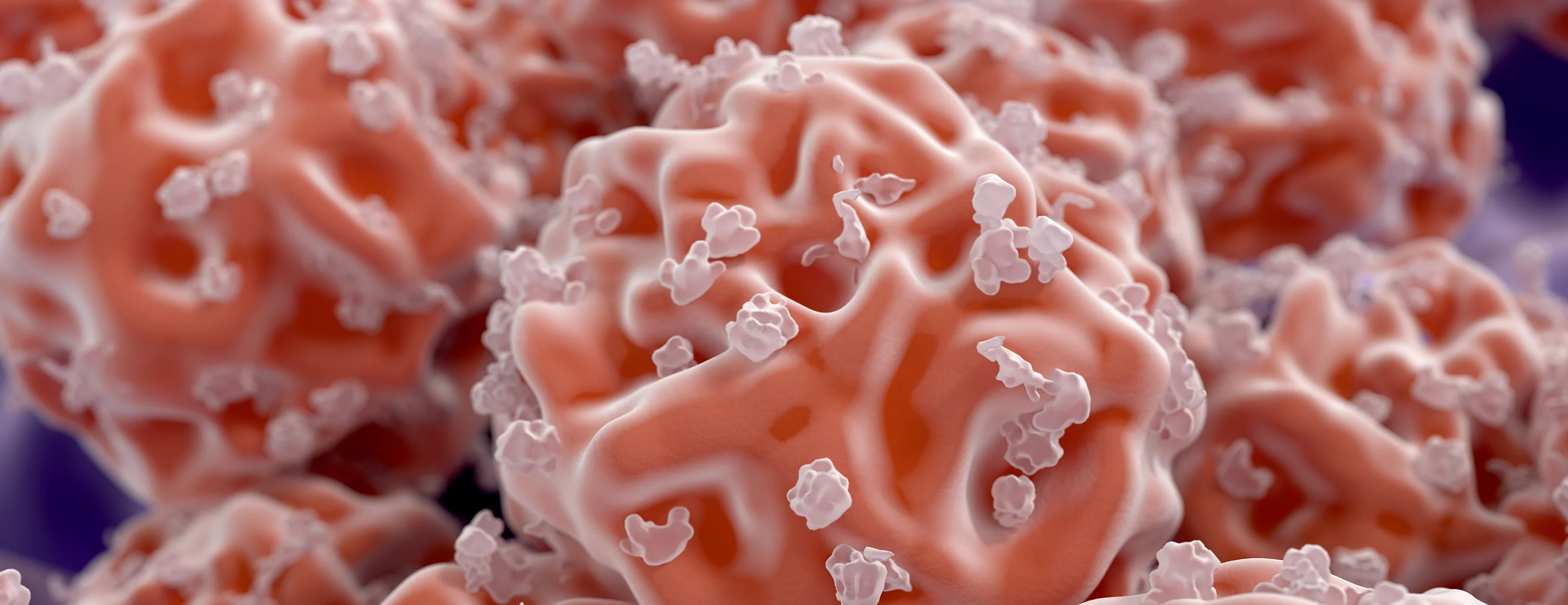
Normally bone marrow cells called "blasts" develop or mature into several different types of blood cells, including red blood cells that carry oxygen and other materials to all tissues of the body; white blood cells that fight infection; and platelets that make the blood clot. If cells in the bone marrow are injured or abnormal, they may behave abnormally. In myelodysplastic syndromes, the abnormality causes the bone marrow cells to develop into defective red cells, white cells and platelets. In acute myeloid leukemia, which is the more quickly advancing form of the disease, cells stop maturing altogether.
Myelodysplastic syndromes or acute myeloid leukemia may arise without any known cause or may be due to prior treatment with drugs or radiation for other diseases. Myelodysplastic syndromes occur most often in older people, but they also are found in children and young people.
The name myelodysplastic syndromes is based on how the bone marrow cells and blood cells appear under a microscope. There are five types of myelodysplastic syndromes:
- Chronic myelomonocytic leukemia
- Refractory anemia
- Refractory anemia with excess blasts
- Refractory anemia with excess blasts in transformation
- Refractory anemia with ringed sideroblasts
Signs & symptoms
The symptoms of myelodysplastic syndromes are caused by a shortage of cells ordinarily made by the bone marrow:
- Anemia. Too few red cells causes anemia, which makes a child feel tired, unable to exercise, feel short of breath or experience headaches.
- Infections. A lack of white cells makes it hard for children to fight infections.
- Bleeding or bruising. Too few platelets may cause a child to bleed or bruise more easily.
Often, myelodysplastic syndromes are diagnosed when children seem to be suffering from anemia.
Diagnosis
If your child experiences any symptoms of myelodysplastic syndromes, his or her doctor may order blood tests to count the number of each type of blood cell. If the results of the blood test are abnormal, the doctor may order a bone marrow biopsy. During this test, a needle is inserted into a bone and a small amount of bone marrow is removed and examined under a microscope. The doctor then can determine the disease and plan the best treatment.
Treatment
Treatment options for myelodysplastic syndromes include:
Blood cell transfusions
Often, the main treatment for myelodysplastic syndromes is a transfusion of red blood cells or platelets, administered intravenously by a needle into a vein, to control anemia or bleeding. Vitamins or other drugs also may be given to treat anemia.
Chemotherapy
Chemotherapy involves administering drugs to kill cancer cells. These drugs may be taken orally or may be injected by needle into a vein or muscle. This type of therapy is called a systemic treatment because the drug enters the bloodstream, travels through the body and can kill cancer cells throughout the body. For acute lymphocytic leukemia (ALL), chemotherapy drugs may be injected through the spine into the fluid that surrounds the brain and spinal cord. This is known as intrathecal chemotherapy.
Biological therapy
Biological therapy attempts to stimulate or restore the ability of your child's immune system to fight cancer. It uses substances produced by your child's body or made in a laboratory to boost, direct or restore the natural defenses against disease. Biological therapy is sometimes called biological response modifier therapy or immunotherapy.
Bone marrow transplant
In a bone marrow transplant (BMT), your child is given high doses of chemotherapy, and sometimes radiation therapy, to destroy all bone marrow in the body. After the existing bone marrow is destroyed, healthy bone marrow from a donor is transplanted back into your child. Healthy marrow comes from a donor whose tissue is the same or almost the same as your child's. The donor may be a twin, who would be the best match; a brother, sister or other relative; or an unrelated person. The healthy marrow is given to your child intravenously through a needle in the vein. A transplant using marrow from a relative or unrelated person is called an allogeneic bone marrow transplant.
Another type of bone marrow transplant, called an autologous transplant, uses the child's own bone marrow. But that treatment has not been found effective in treating myelodysplastic syndromes.
UCSF Benioff Children's Hospitals medical specialists have reviewed this information. It is for educational purposes only and is not intended to replace the advice of your child's doctor or other health care provider. We encourage you to discuss any questions or concerns you may have with your child's provider.
Contact us
Awards & achievements


Best in Northern California and top 10 in the nation for cancer care

Ranked among the nation's best in 11 specialties

Recommended reading
Pediatric Bone Marrow Transplant Process
Read up on the six phases of the BMT process, from making the transplant decision to leaving the hospital - and what this means for your child.
The Pediatric Bone Marrow Transplant Decision
Learn how the bone marrow transplant (BMT) decision is made, from initial consultation to pre-transplant work-up and evaluation.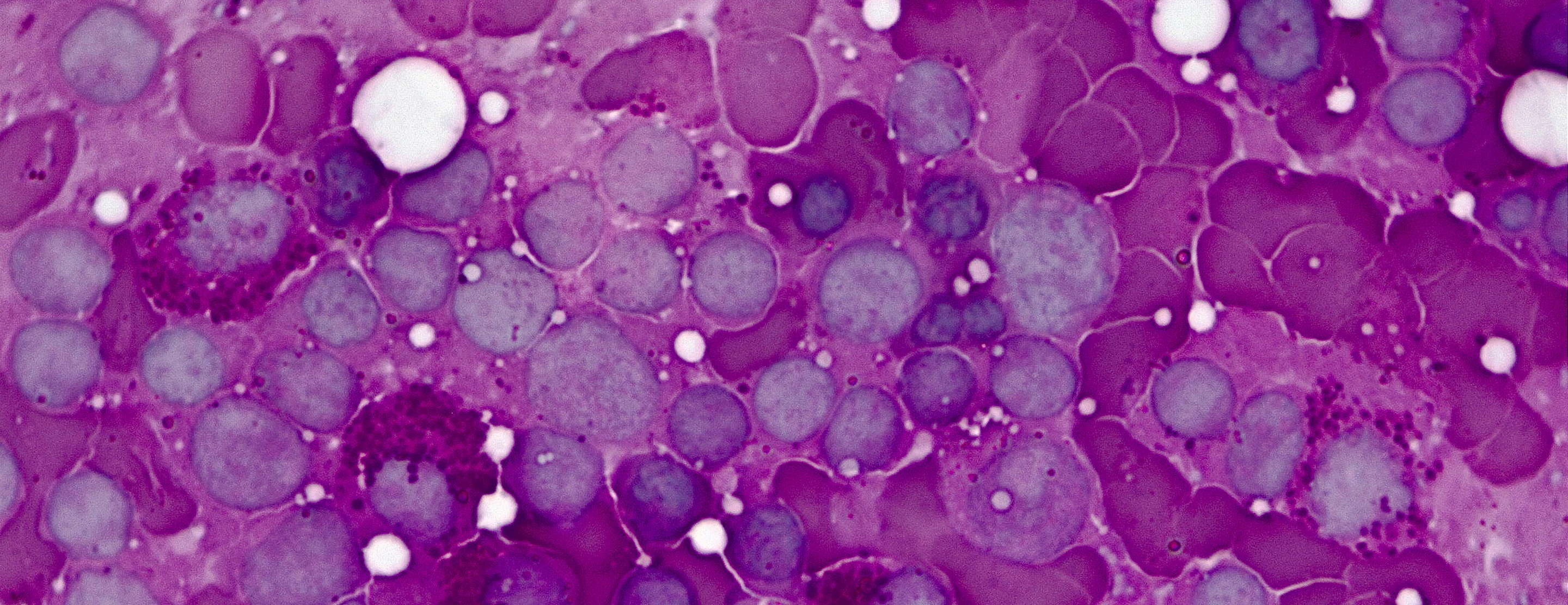
What Is Bone Marrow?
Bone marrow makes stem cells, which produce platelets and white and red blood cells. Here's why those cells are important to your child's health.
Clinical trials
A Study to Find the Highest Dose of Imetelstat in Combination With Fludarabine and Cytarabine for Patients With AML, MDS or JMML That Has Come Back or Does Not Respond to TherapyOpens in a new window
This phase I trial tests the safety, side effects, and best dose of imetelstat in combination with fludarabine and cytarabine in treating patients with acute myeloid leukemia (AML), myelodysplastic syndrome (MDS) or juvenile myelomonocytic leukemia (JMML) that has not responded to previous treatment (refractory) or that has come back after a period of improvement (recurrent)...Venetoclax Basket Trial for High Risk Hematologic MalignanciesOpens in a new window
This trial is evaluating the safety and tolerability of venetoclax with chemotherapy in pediatric and young adult patients with hematologic malignancies, including myelodysplastic syndrome (MDS), acute myeloid leukemia derived from myelodysplastic syndrome (MDS/AML), and acute lymphoblastic leukemia (ALL)/lymphoblastic lymphoma (LBL). The names of the study drugs involved in this study are below...Tagraxofusp in Pediatric Patients With Relapsed or Refractory CD123 Expressing Hematologic MalignanciesOpens in a new window
Tagraxofusp is a protein-drug conjugate consisting of a diphtheria toxin redirected to target CD123 has been approved for treatment in pediatric and adult patients with blastic plasmacytoid dendritic cell neoplasm (BPDCN). This trial aims to examine the safety of this novel agent in pediatric patients with relapsed/refractory hematologic malignancies...The Pediatric Acute Leukemia (PedAL) Screening Trial - A Study to Test Bone Marrow and Blood in Children With Leukemia That Has Come Back After Treatment or Is Difficult to Treat - A Leukemia & Lymphoma Society and Children's Oncology Group StudyOpens in a new window
This study aims to use clinical and biological characteristics of acute leukemias to screen for patient eligibility for available pediatric leukemia sub-trials...
Related conditions & treatments
Helpful resources
Support services

Camp Okizu
This overnight summer camp for children with cancer, siblings and families offers fun activities, education sessions and support in a beautiful setting.
Child Life
Certified child life specialists ease the stress and anxiety of childhood illness through therapeutic play, schooling and family-focused support.
Family Amenities
Family-friendly amenities help you relax and take care of yourself while staying close to your child. We offer lounges, kitchens, showers, breastfeeding rooms and more.
Glogau Teddy Bear Rescue Fund
Families that need additional assistance during their child's hospital stay have access to toys, hotel vouchers and other amenities. Find out more.
Interpreter Services & Communication Assistance at UCSF Benioff Children's Hospitals
Interpreter services in many languages and TDDs are available for families that need help communicating with care teams. Here's how to access them.
Social Services at UCSF Benioff Children's Hospitals
Social workers ease the effect of illness, injury and hospitalization on your family with counseling and assistance to help you navigate the challenges.
Spiritual Care at UCSF Benioff Children's Hospitals
Chaplains help UCSF patients, families and staff cope with the spiritual and emotional challenges of childhood illness. Learn more.