Pediatric Primary Ciliary Dyskinesia (PCD) Care
On this page
Why choose UCSF Benioff Children's Hospitals for PCD care?
Pediatric primary ciliary dyskinesia (PCD) is a rare genetic condition affecting the lungs, airways and sinuses. At UCSF Benioff Children's Hospitals, we help children with PCD and their families manage symptoms and access supportive therapies.
We offer PCD testing to confirm a suspected diagnosis. If your child has PCD, our multispecialty team provides a comprehensive treatment plan to slow disease progression and support your child's growth and development.
As part of the PCD Foundation Clinical and Research Centers Network (PCDF-CRCN), we offer our patients access to PCD clinical trials evaluating promising new therapies.
Why choose UCSF Benioff Children's Hospitals for PCD care?
Pediatric primary ciliary dyskinesia (PCD) is a rare genetic condition affecting the lungs, airways and sinuses. At UCSF Benioff Children's Hospitals, we help children with PCD and their families manage symptoms and access supportive therapies.
We offer PCD testing to confirm a suspected diagnosis. If your child has PCD, our multispecialty team provides a comprehensive treatment plan to slow disease progression and support your child's growth and development.
As part of the PCD Foundation Clinical and Research Centers Network (PCDF-CRCN), we offer our patients access to PCD clinical trials evaluating promising new therapies.
Multispecialty approach
PCD affects more than the lungs. Our team includes multiple specialists who create a care plan addressing all aspects of your child's health.Nationally recognized program
Our program is certified by the PCD Foundation and California Children's Services, meaning your child's PCD care meets rigorous, high standards.Family-focused support
We help families manage their child's treatment plan and integrate it into daily life, so you can feel confident caring for your child at home.Access to PCD clinical trials
Your child may have the opportunity to enroll in clinical trials and access promising therapies that aren't yet widely available.
Our pediatric primary ciliary dyskinesia (PCD) program
PCD affects cilia, the hair cells in the lungs and sinuses. When the cilia don't move as they should, mucus and bacteria clog the airway. PCD leads to infections in the lungs, ears and sinuses. Children may have a cough that doesn't go away and frequent nasal congestion, often starting in infancy.
Children with PCD get close monitoring and attentive care at UCSF Benioff Children's Hospitals. Our team offers PCD testing, regular assessments and personalized treatment plans to slow disease progression and help your child feel their best.
Your child's care team includes PCD specialists and experts in:
Pulmonology
Otolaryngology (ear, nose and throat)
Respiratory therapy
Audiology
Genetic counseling
Nutrition
Social services
PCD testing
If your child has PCD symptoms, such as chronic lung and ear infections, your provider may recommend PCD testing. We may use several tests to confirm a diagnosis, such as:
Exhaled nitric oxide testing. Our pulmonary function labs have specialized equipment and pediatric training to perform this minimally invasive test, which measures the level of nitric oxide your child exhales.
Imaging. We view your child's lungs or other organs using an X-ray or a chest CT scan.
Genetic testing. This blood test looks for genetic markers of PCD so we can determine if other family members need testing or care.
Ciliary biopsy. We take a small tissue sample from the nose or airway to help us assess how well the cilia are working.
PCD therapies
Pediatric primary ciliary dyskinesia affects each child differently, and symptoms can change over time. Therapies focus on preventing infection and helping your child breathe easier. We personalize your child's care plan and help you integrate it into your family's routine.
Providers

Ngoc P. Ly, MD
Pediatric Pulmonology • Pediatric Sleep Medicine
Elizabeth Gibb, MD
Pediatric Pulmonology • Pediatric Sleep Medicine
Kensho Iwanaga, MD, MS
Pediatric Pulmonology • Pediatric Sleep Medicine
Garani S. Nadaraja, MD
Pediatric Otolaryngology
Awards & achievements


One of the nation's best for pulmonology & lung surgery

Ranked among the nation's best in 11 specialties


Related conditions & treatments
Conditions
- Bronchiectasis
- Chronic Ear Infections
- Chronic Lung Disease
- Chronic Sinus Infection
- Ciliary Dyskinesia
- Recurrent Lung Infections
Treatments
- Clinical Trials
- Genetic Testing
- Pulmonary Function Tests (PFT)
- Bronchoscopy

Accreditations & memberships

Certified pediatric primary ciliary dyskinesia careOpens in a new window
Certified by the PCD Foundation and California Children's Services, our program meets the highest standards for providing specialized PCD care.
Support services
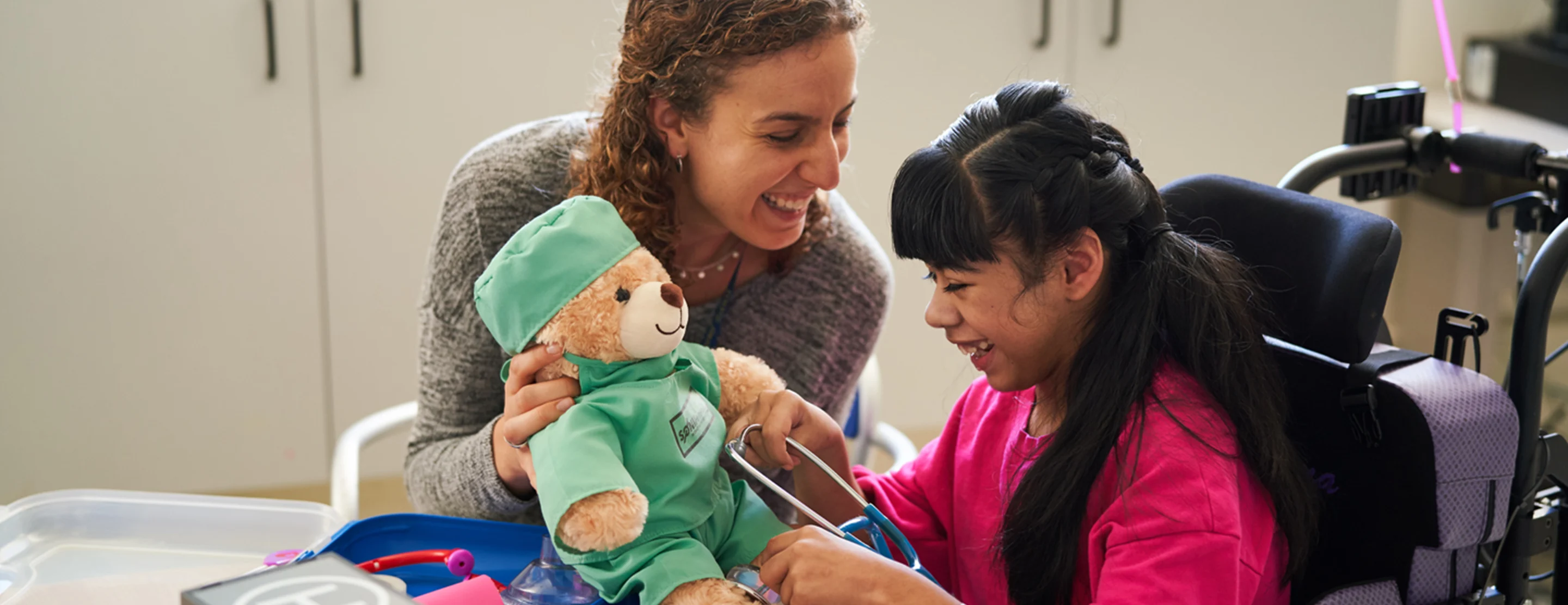
Child Life
Certified child life specialists ease the stress and anxiety of childhood illness through therapeutic play, schooling and family-focused support.
Family Amenities
Family-friendly amenities help you relax and take care of yourself while staying close to your child. We offer lounges, kitchens, showers, breastfeeding rooms and more.
Social Services
Social workers ease the effect of illness, injury and hospitalization on your family with counseling and assistance to help you navigate the challenges.
Activity Rooms
Activity rooms offer a relaxed environment for children of all ages. Features include a playroom, digital arts studio and teen lounge. Find out more.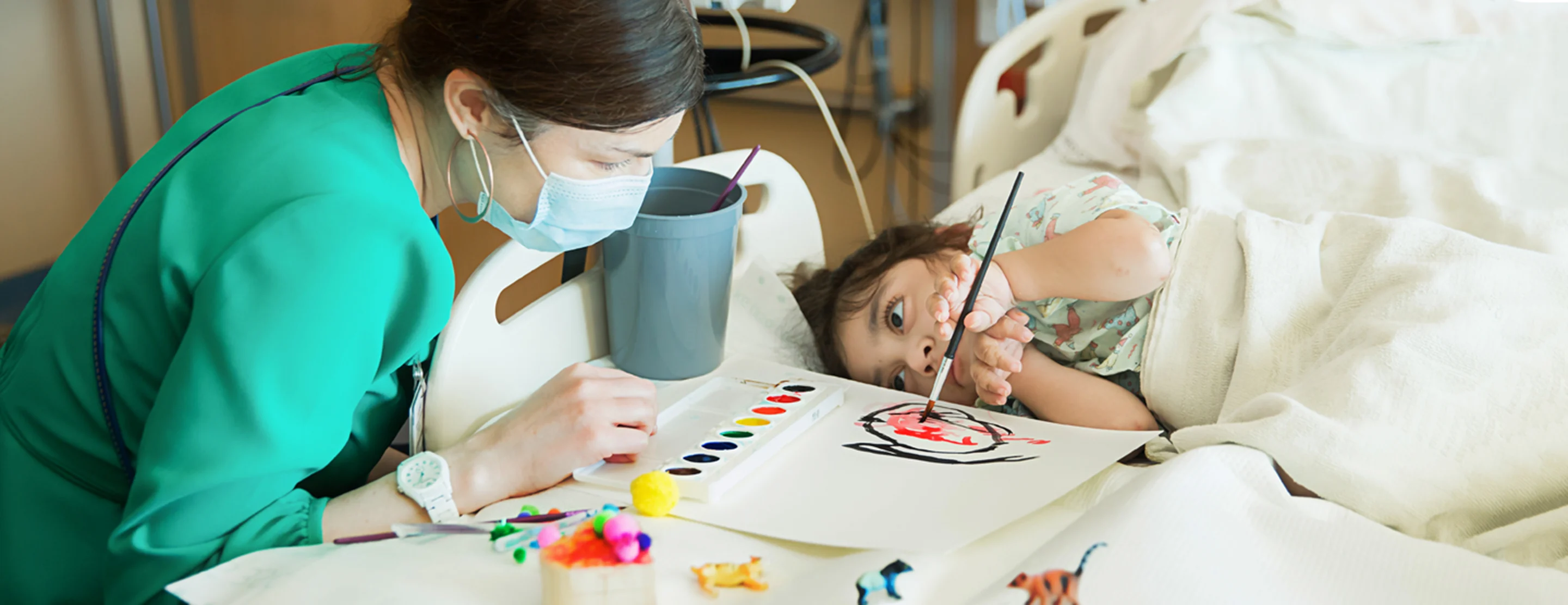
Art Therapy
Art therapy helps kids and families express themselves, making it easier to cope with pediatric health issues. Group and bedside services are available.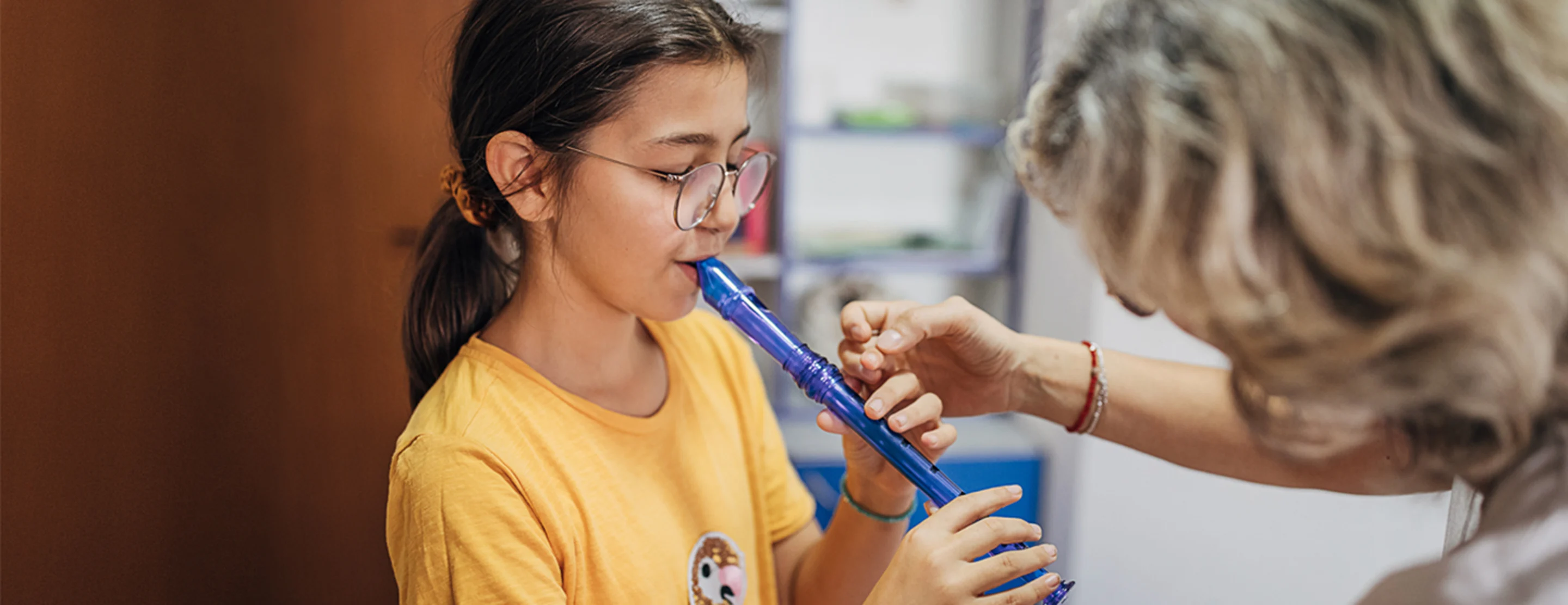
Music Therapy Program
Board-certified music therapists help kids cope with illness and the feelings that come with it. Find out about group activities and bedside therapy.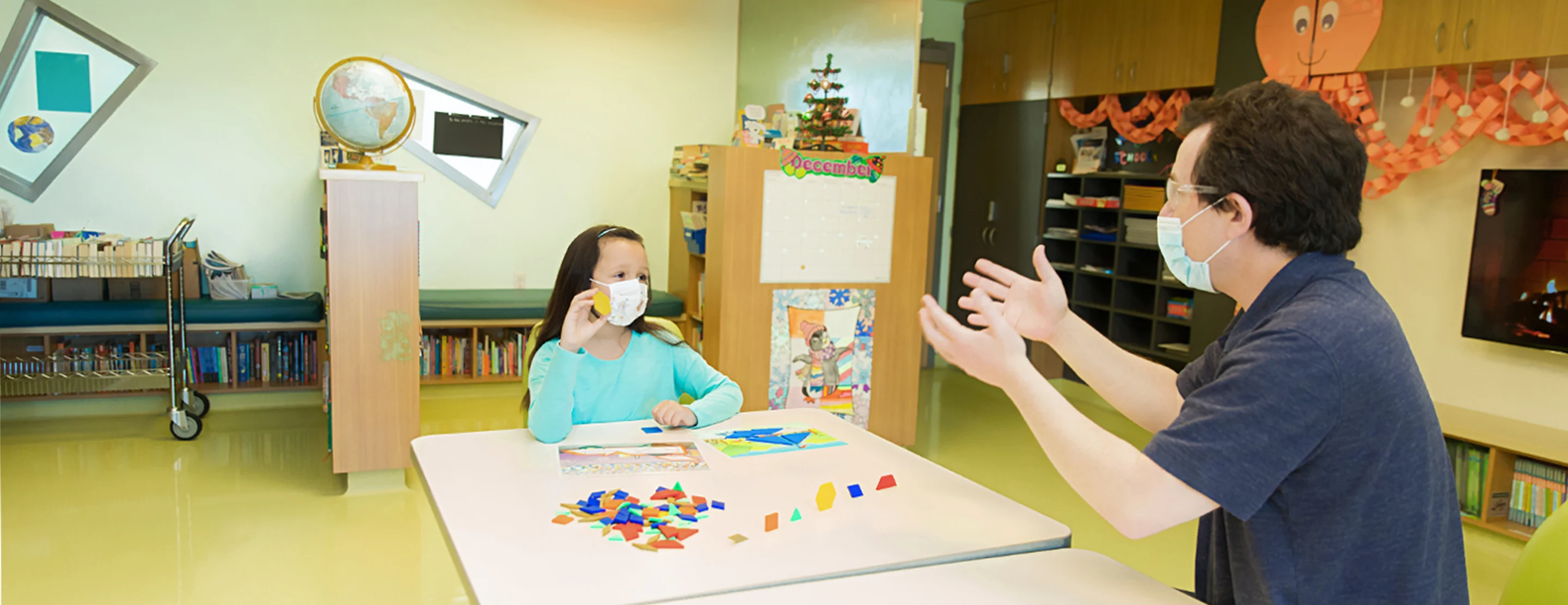
School Program
Our schoolroom services and individual learning programs help children hospitalized at UCSF continue their education and get ready to return to school.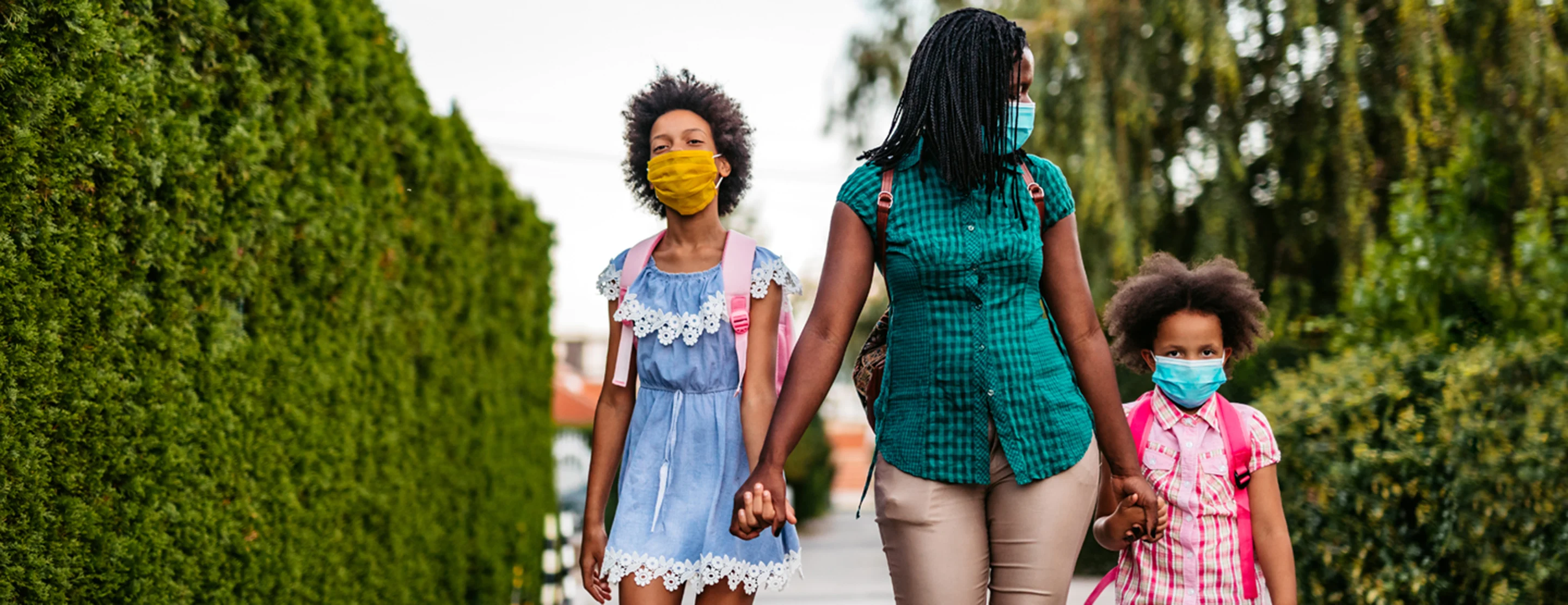
School Re-Entry Program
We help kids return to school after hospitalization by educating staff and students about their needs and recommending needed accommodations. Read more.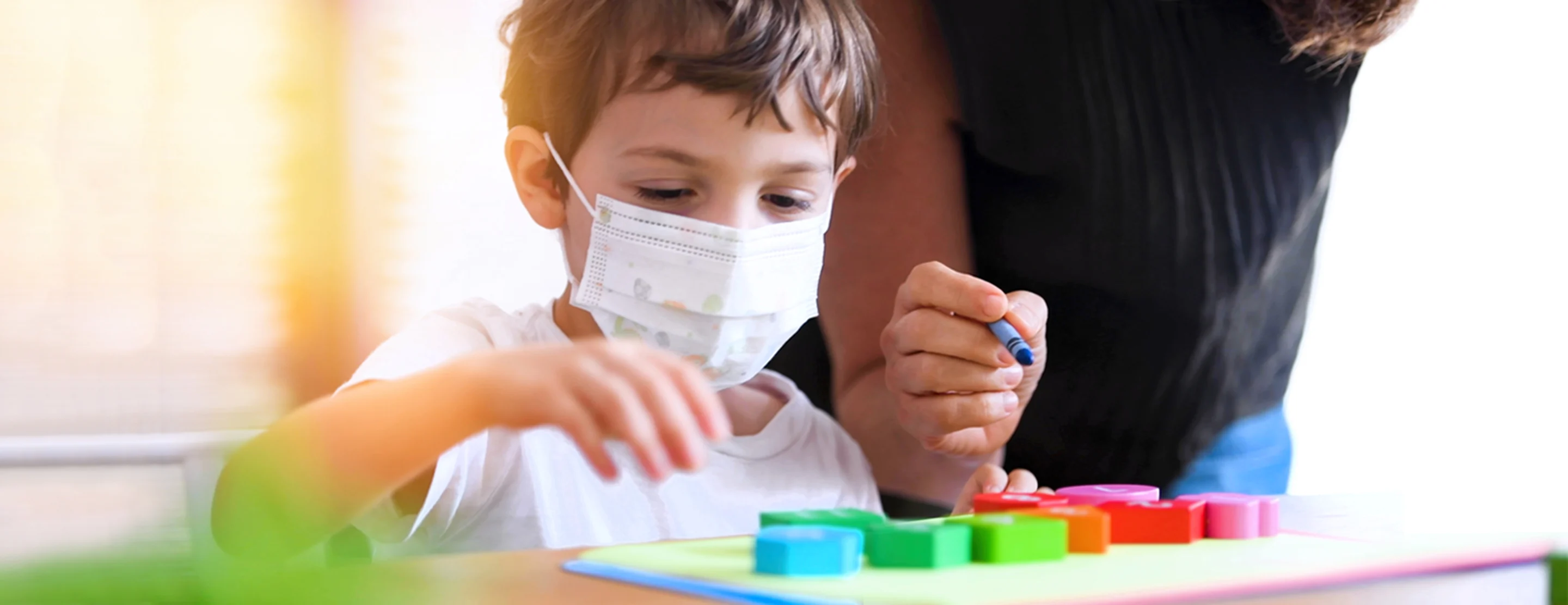
Individual Playtime & Instruction
If your child can't be around other kids for medical reasons, you can sign up for private sessions in our activity and school rooms. Find out how.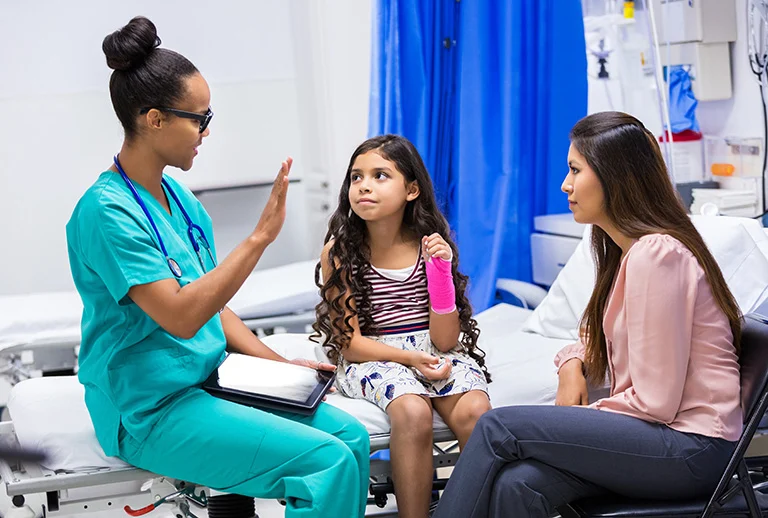
Interpreter Services & Communication Assistance
Interpreter services in many languages and TDDs are available for families that need help communicating with care teams. Here's how to access them.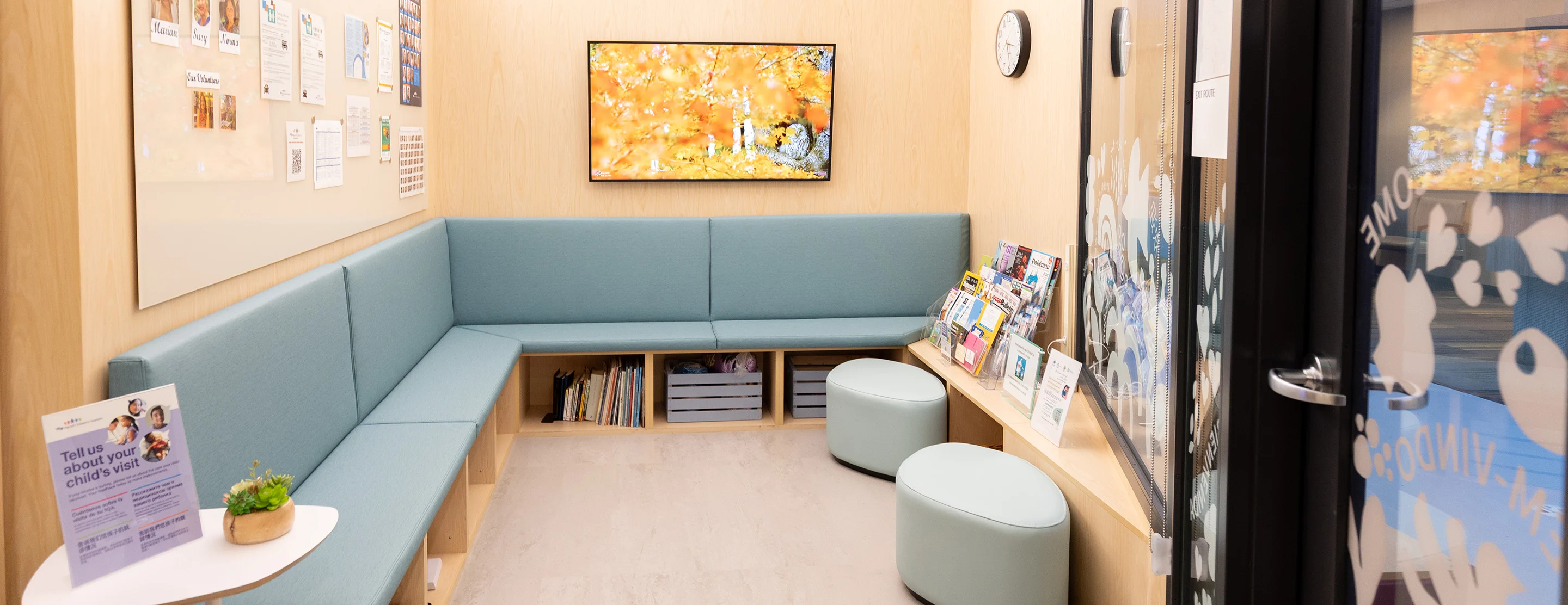
Family Resource Center
We help families cope with the challenges of childhood illness and hospitalization in a relaxing environment where parents can get a much-needed break.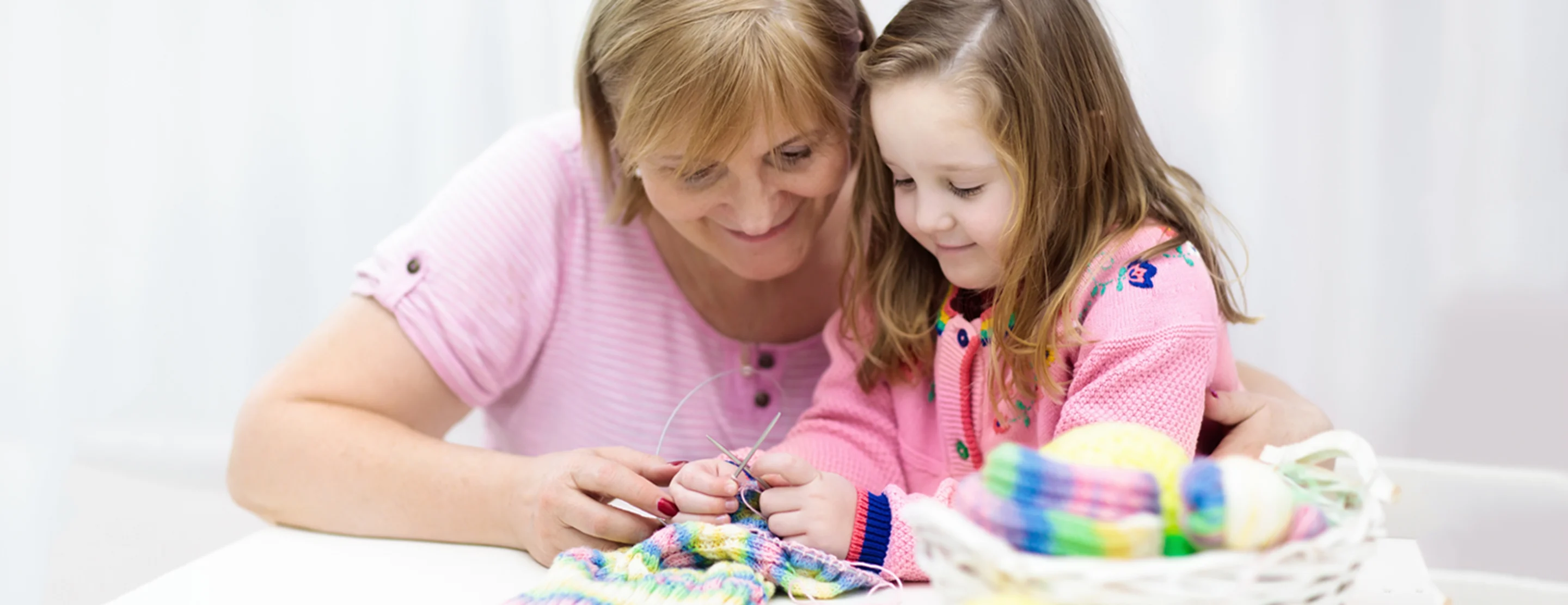
Parent Support Program
Weekly activities, including knitting, scrapbooking, chair massage and more, help family caregivers get a much-needed break. Find out more.
Patient Relations
Patient relations reps and nursing supervisors are here to answer questions and address concerns. Learn about your rights, how to reach us and more.
Spiritual Care
Chaplains help UCSF patients, families and staff cope with the spiritual and emotional challenges of childhood illness. Learn more.
International Services
If you're coming to UCSF from outside the U.S., we coordinate your child's appointments and provide other helpful services. Here's how to get started.