Pediatric Eosinophilic Gastrointestinal Disease (EGID) Care

On this page
Why choose UCSF Benioff Children's Hospitals for eosinophilic gastrointestinal disease (EGID) care?
Our pediatric gastroenterologists have extensive experience in diagnosing and treating all types of eosinophilic gastrointestinal disease (EGID), including the most common, eosinophilic esophagitis (EoE). We work closely with UCSF's allergy specialists to provide coordinated care, from diagnosis to long-term management.
When possible, we use minimally invasive testing to reduce stress on your child. Our EGID program is one of the few in the U.S. to offer transnasal endoscopy to diagnose EoE. We also use an esophageal string test to monitor older children with EoE. These quick and convenient in-office procedures do not require anesthesia, which means less preparation and stress on your child. Afterward, they can return to their regular activities.
UCSF's program was one of the first in Northern California to provide specialized care for EGID. U.S. News & World Report consistently ranks us among the top hospitals in the nation for gastroenterology and GI surgery.
Many families travel to UCSF to see our providers, recognized leaders in pediatric EGID care. We offer accommodations for traveling families, including coordinated, multispecialty appointments and virtual care options.
Why choose UCSF Benioff Children's Hospitals for eosinophilic gastrointestinal disease (EGID) care?
Our pediatric gastroenterologists have extensive experience in diagnosing and treating all types of eosinophilic gastrointestinal disease (EGID), including the most common, eosinophilic esophagitis (EoE). We work closely with UCSF's allergy specialists to provide coordinated care, from diagnosis to long-term management.
When possible, we use minimally invasive testing to reduce stress on your child. Our EGID program is one of the few in the U.S. to offer transnasal endoscopy to diagnose EoE. We also use an esophageal string test to monitor older children with EoE. These quick and convenient in-office procedures do not require anesthesia, which means less preparation and stress on your child. Afterward, they can return to their regular activities.
UCSF's program was one of the first in Northern California to provide specialized care for EGID. U.S. News & World Report consistently ranks us among the top hospitals in the nation for gastroenterology and GI surgery.
Many families travel to UCSF to see our providers, recognized leaders in pediatric EGID care. We offer accommodations for traveling families, including coordinated, multispecialty appointments and virtual care options.
Multispecialty approach to EGID treatment
Your child's care team includes pediatric specialists in gastroenterology, allergy, immunology and nutrition who provide holistic, coordinated care.Minimally invasive EoE testing
We offer in-office testing that is not widely available, including transnasal endoscopy and esophageal string testing for EoE.Family-centered support
You receive personalized, ongoing support. Our dietitians and social workers provide resources, meal plans and other tools to help minimize EGID symptoms.Virtual care options
California families may be eligible for virtual appointments for follow-up care, reducing travel time.
Comprehensive EGID care for children
Eosinophilic diseases develop when high levels of eosinophils (a type of white blood cell) build up in one or multiple parts of the digestive system, causing swallowing and eating problems.
We treat all types of EGIDs, including in the:
Esophagus (eosinophilic esophagitis)
Stomach and small intestine (eosinophilic gastritis, eosinophilic gastroenteritis and eosinophilic enteritis)
Large intestine (eosinophilic colitis)
Our EGID program offers the combined experience of several pediatric specialists. Your child's care team may include:
Gastroenterologists
Allergists
Dietitians
Social workers
Eosinophilic gastrointestinal disease testing
Your first visit with us lasts about two hours. We review your child's medical history and perform a physical exam. We may recommend testing to help us confirm a diagnosis and identify which foods may be triggering their symptoms. Tests may include:
Skin prick or patch test
Transnasal endoscopy
Transnasal endoscopy is an anesthesia-free alternative to traditional endoscopy that's used to diagnose EoE. Before the procedure, we numb the inside of your child's nose and mouth with a topical anesthetic to keep them comfortable.
We gently insert a thin, flexible camera through the nose to examine your child's esophagus, stomach and small intestine. Your child may use our virtual reality (VR) goggles during the endoscopy as a helpful distraction.
EGID treatments
We work with you to find the right therapies, helping your child manage symptoms and feel their best. Depending on their diagnosis and symptoms, we may recommend a combination of several therapies, including:
Dietary changes
Oral medications
Biologics (injectable medications)
Follow-up and monitoring
We provide ongoing care and follow-up visits to monitor eosinophilic gastrointestinal disease. We track your child's symptoms, growth and response to treatment over time.
If your child is trying a new medication or has a symptom flare-up, we may recommend an endoscopy or other testing to help us adjust their care plan.
Esophageal string test for EoE
We may use an esophageal string test to monitor older children with EoE. The in-office test doesn't require anesthesia or recovery time.
Here's what to expect during an esophageal string test:
Your child swallows a small capsule attached to a string. The other end of the string is taped to their cheek or finger.
The capsule dissolves, while the string absorbs esophageal secretions for one hour.
Your child's provider gently pulls the string out through the mouth.
The string is sent to the lab, where we measure the absorbed secretions to monitor for inflammation in the esophagus.
Results from the esophageal string test help us tailor your child's treatment plan and measure changes in EoE.
Providers

Laurence E. Cheng, MD, PhD
Allergy and Immunology • Pediatric Allergy and Immunology
Shelly Chatterjee Choudhury, MBBS
Pediatric Gastroenterology
Morna J. Dorsey, MD, MS
Pediatric Allergy and Immunology
Jennifer Duong, MD
Pediatric Gastroenterology
Awards & achievements


Best in Northern California and top 10 in the nation for gastroenterology & GI surgery

Ranked among the nation's best in 11 specialties


Related conditions & treatments
Conditions
- Eosinophilic Colitis
- Eosinophilic Enteritis
- Eosinophilic Esophagitis
- Eosinophilic Gastritis
Treatments
- Allergy Testing
- Biologic Therapy for Gastrointestinal Diseases

Trials & research
Clinical trials
A Study of Dupilumab in Small Children With an Allergic Condition of the Esophagus (Food Pipe): Eosinophilic EsophagitisOpens in a new window
This study is researching an experimental drug called dupilumab (called "study drug"). The study is focused on children with active eosinophilic esophagitis (EoE; an inflammatory disease of the esophagus) which impacts feeding and nourishment. The aim of the study is to see how safe, tolerable, and effective the study drug is when given for 24 weeks to children with active EoE...
Support services
Child Life
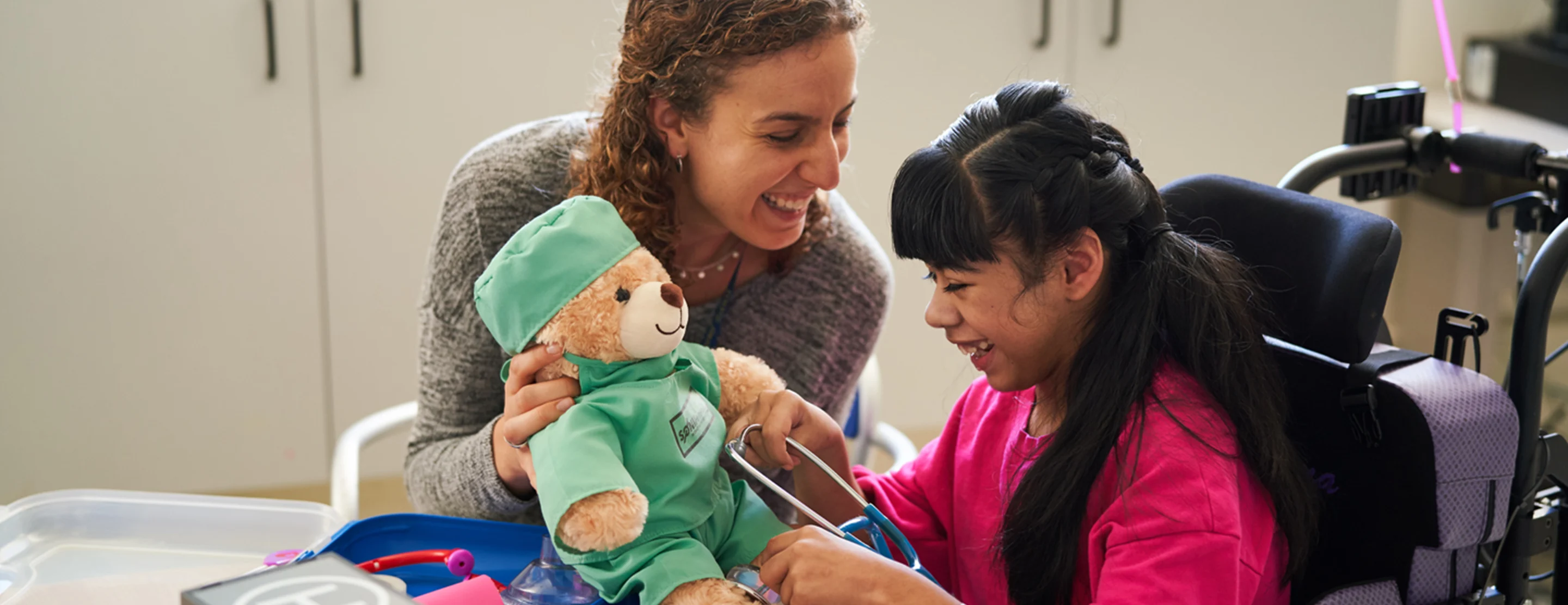
Certified child life specialists ease the stress and anxiety of childhood illness through therapeutic play, schooling and family-focused support.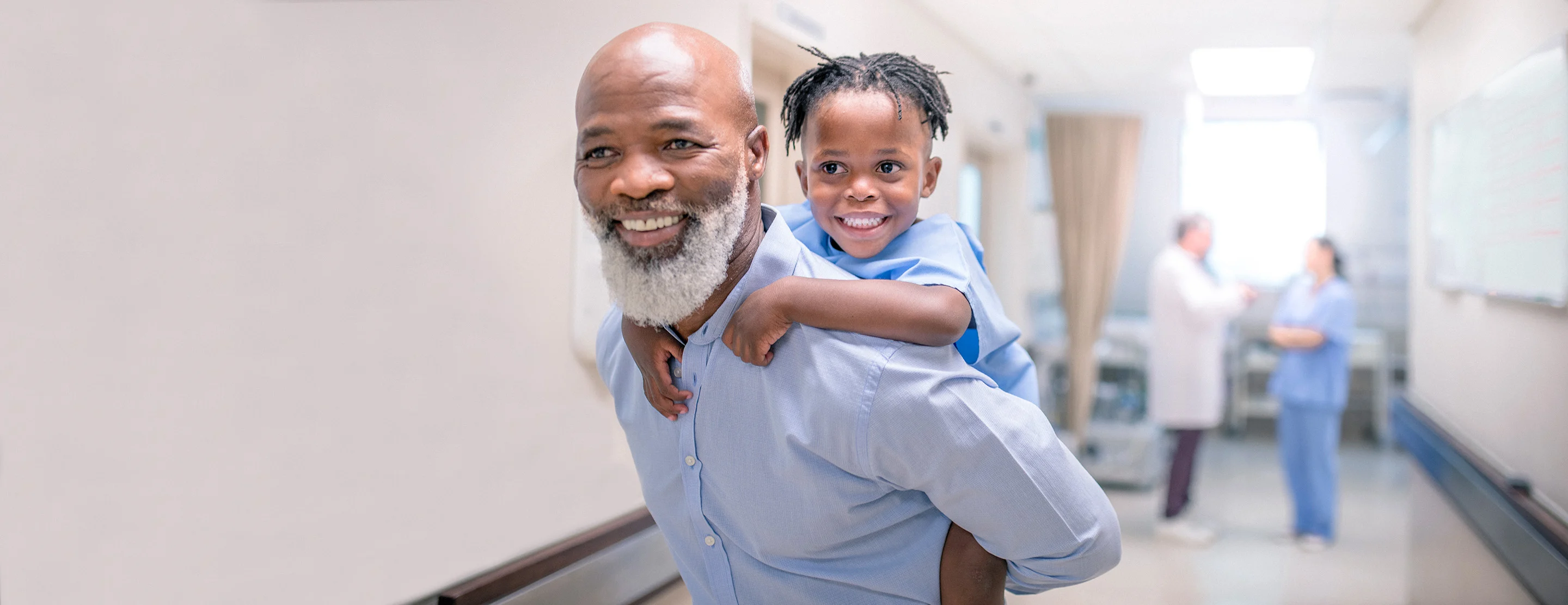
Family Amenities
Family-friendly amenities help you relax and take care of yourself while staying close to your child. We offer lounges, kitchens, showers, breastfeeding rooms and more.
Social Services at UCSF Benioff Children's Hospitals
Social workers ease the effect of illness, injury and hospitalization on your family with counseling and assistance to help you navigate the challenges.
Activity Rooms
Activity rooms offer a relaxed environment for children of all ages. Features include a playroom, digital arts studio and teen lounge. Find out more.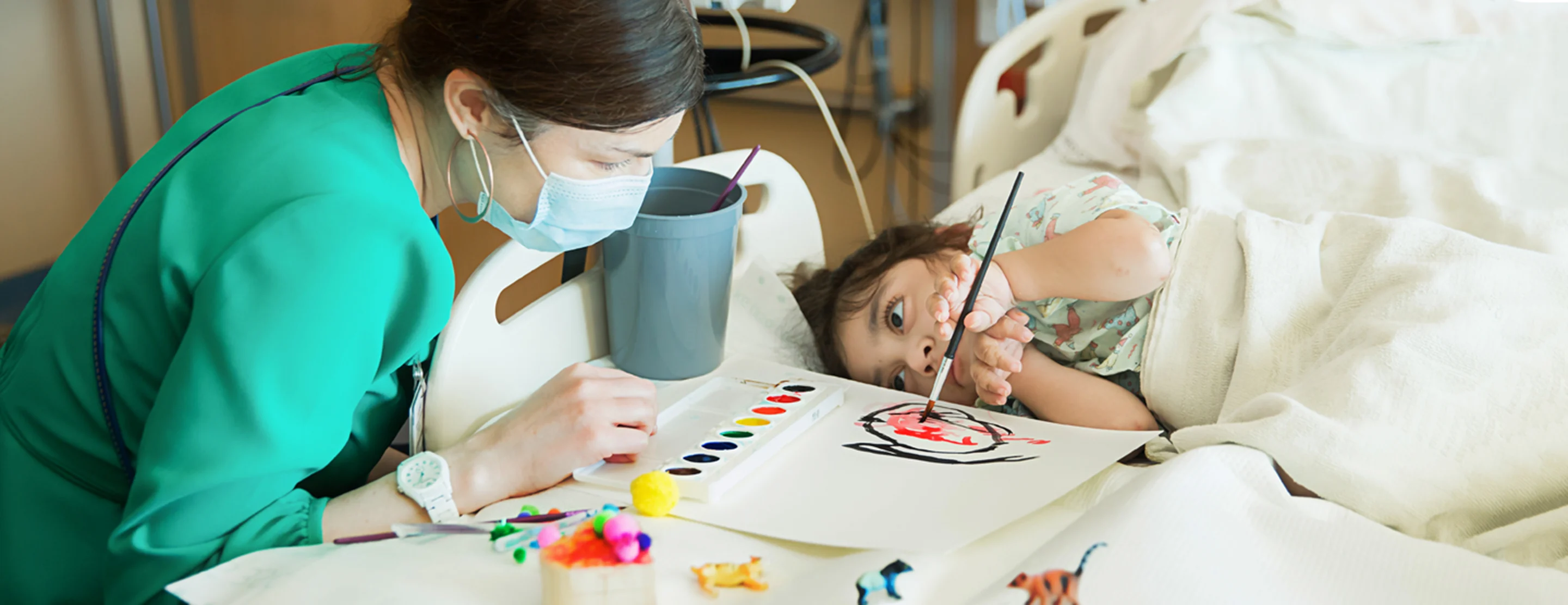
Pediatric Art Therapy Program
Art therapy helps kids and families express themselves, making it easier to cope with pediatric health issues. Group and bedside services are available.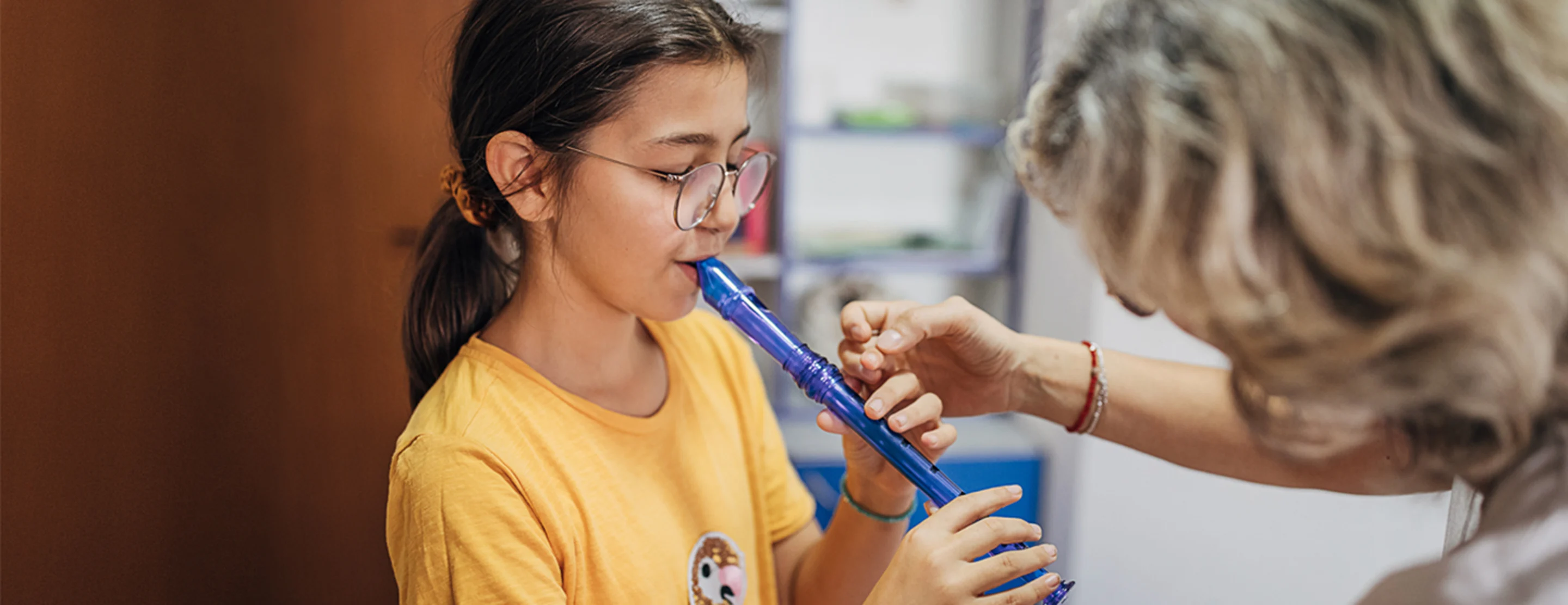
Pediatric Music Therapy Program
Board-certified music therapists help kids cope with illness and the feelings that come with it. Find out about group activities and bedside therapy.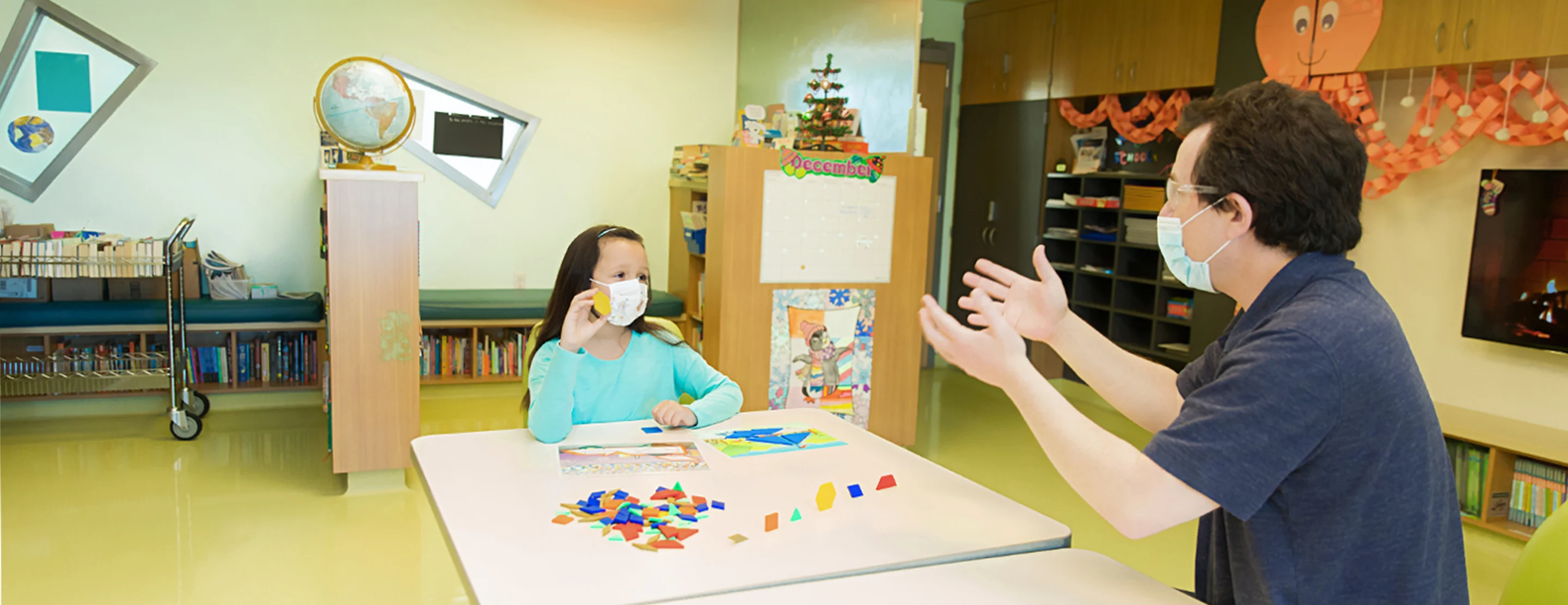
School Program for Hospitalized Children
Our schoolroom services and individual learning programs help children hospitalized at UCSF continue their education and get ready to return to school.
School Re-Entry Program
We help kids return to school after hospitalization by educating staff and students about their needs and recommending needed accommodations. Read more.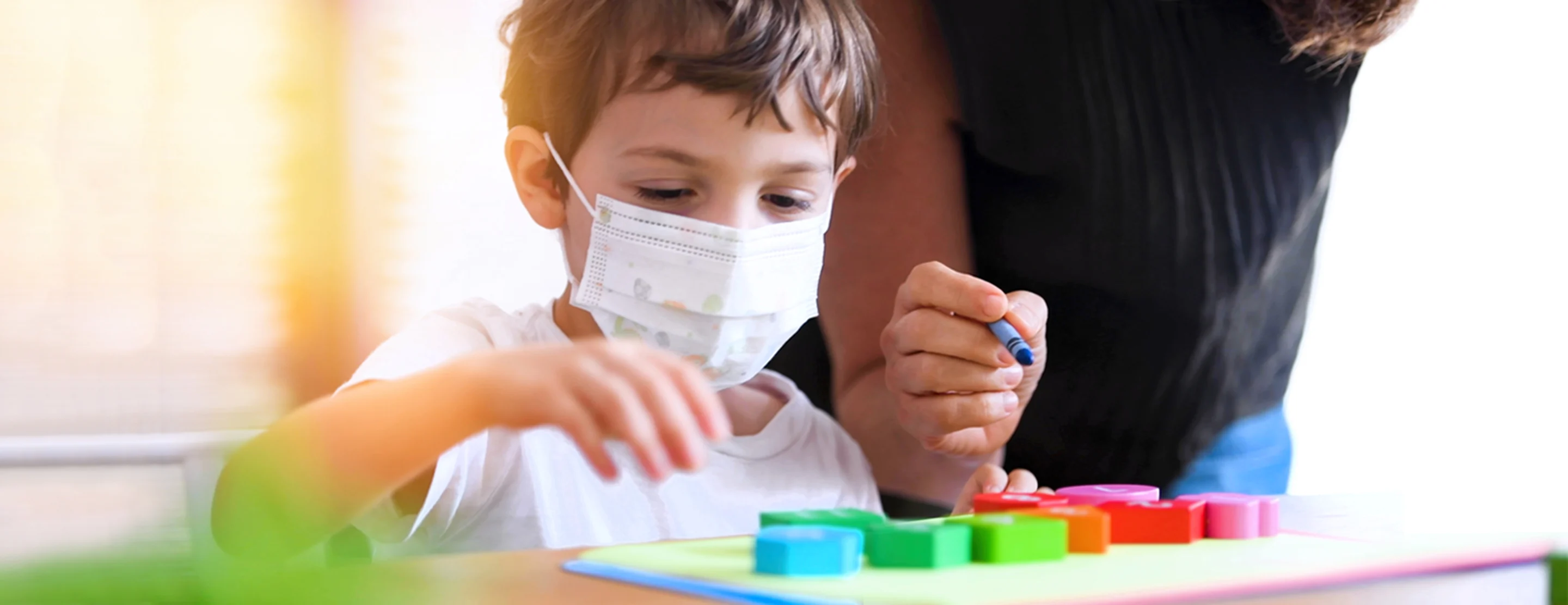
Individual Playtime & Instruction
If your child can't be around other kids for medical reasons, you can sign up for private sessions in our activity and school rooms. Find out how.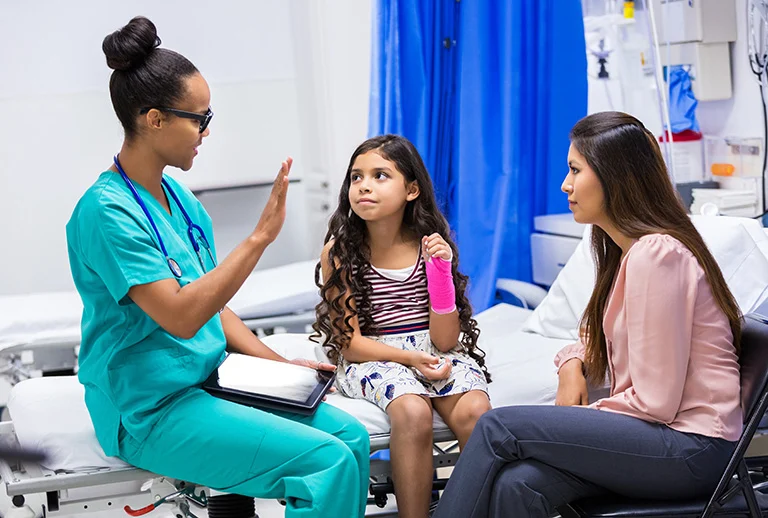
Interpreter Services & Communication Assistance at UCSF Benioff Children's Hospitals
Interpreter services in many languages and TDDs are available for families that need help communicating with care teams. Here's how to access them.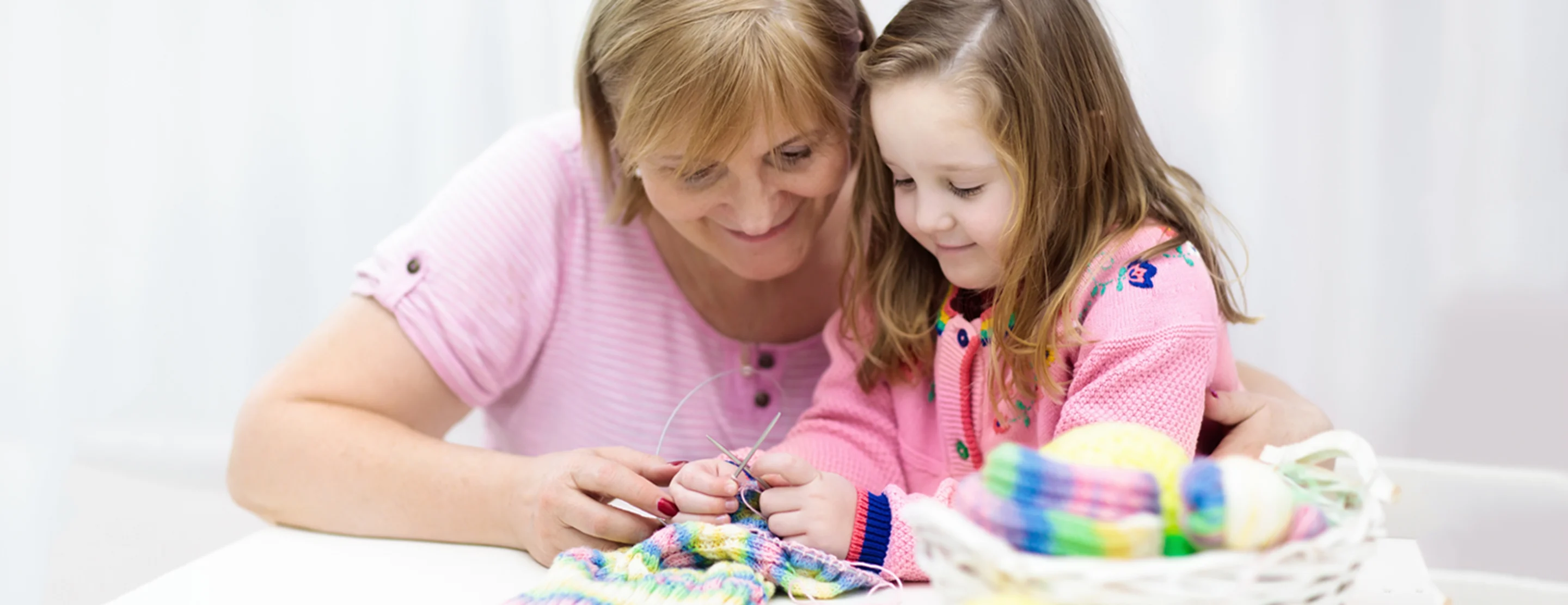
Parent Support Program
Weekly activities, including knitting, scrapbooking, chair massage and more, help family caregivers get a much-needed break. Find out more.
Patient Relations at UCSF Benioff Children's Hospitals
Patient relations reps and nursing supervisors are here to answer questions and address concerns. Learn about your rights, how to reach us and more.
Spiritual Care at UCSF Benioff Children's Hospitals
Chaplains help UCSF patients, families and staff cope with the spiritual and emotional challenges of childhood illness. Learn more.
International Services at UCSF Benioff Children's Hospitals
If you're coming to UCSF from outside the U.S., we coordinate your child's appointments and provide other helpful services. Here's how to get started.