Pediatric Aerodigestive Care

On this page
Get care
Why choose UCSF Benioff Children's Hospitals for aerodigestive care?
Children with breathing, feeding and swallowing issues get specialized care at UCSF Benioff Children's Hospitals. Aerodigestive disorders typically affect multiple body functions. When you come for an appointment with your child, you meet with several pediatric experts from various specialties to discuss your child's symptoms. Together, we create a treatment plan focused on helping your child breathe and feed better.
We use advanced, minimally invasive diagnostic tests that aren't widely available, including triple endoscopy and functional endoscopic evaluation of swallowing (FEES). These tests help us pinpoint the aerodigestive issue so we can recommend the right therapies.
Our team connects you to specialty services when needed, including occupational and feeding therapy to help your child improve their feeding, chewing and swallowing skills.
Why choose UCSF Benioff Children's Hospitals for aerodigestive care?
Children with breathing, feeding and swallowing issues get specialized care at UCSF Benioff Children's Hospitals. Aerodigestive disorders typically affect multiple body functions. When you come for an appointment with your child, you meet with several pediatric experts from various specialties to discuss your child's symptoms. Together, we create a treatment plan focused on helping your child breathe and feed better.
We use advanced, minimally invasive diagnostic tests that aren't widely available, including triple endoscopy and functional endoscopic evaluation of swallowing (FEES). These tests help us pinpoint the aerodigestive issue so we can recommend the right therapies.
Our team connects you to specialty services when needed, including occupational and feeding therapy to help your child improve their feeding, chewing and swallowing skills.
Get care
Team-based approach
Pediatric experts in gastroenterology, pulmonology, otolaryngology, nutrition and speech-language pathology recommend the right therapies for your child.Advanced diagnostic procedures
We use minimally invasive techniques and combined procedures that minimize your child's exposure to anesthesia and radiation.Comprehensive support and feeding options
Our team helps your child navigate feeding challenges by offering different food textures, formulas, medications and feeding tubes if necessary.Seamless transition to specialty care
If your child needs advanced care from a specialist, such as an allergist, we promptly connect you to a UCSF pediatric expert.
Our pediatric aerodigestive program
Our multispecialty approach makes it easier for families to get answers about their child's feeding, swallowing and breathing issues. In a single visit, several pediatric specialists meet with you and your child to discuss their symptoms and possible causes. During the appointment, you may meet with experts in:
Otolaryngology (ENT)
Gastroenterology
Pulmonology
Speech-language pathology or occupational therapy
Nutrition
Together, we develop a plan to diagnose the condition and improve feeding and swallowing. Your child's care plan may include diagnostic procedures and supportive therapies.
Some aerodigestive disorders need surgical correction. Our specially trained pediatric surgeons talk with you about your child's surgical options.
Aerodigestive diagnostic procedures
To diagnose pediatric aerodigestive disorders, we may use:
Functional endoscopic evaluation of swallowing (FEES). Typically done in infants and older children, FEES is an anesthesia-free endoscopic procedure that helps us view the upper airway and assess how well your child is swallowing. It does not require an X-ray.
Transnasal endoscopy. This anesthesia-free procedure is an alternative to traditional endoscopy that we use to diagnose eosinophilic esophagitis (EoE).
Video fluoroscopic swallow study. During this procedure, also called a modified barium swallow study, we use X-ray technology to assess your toddler's swallowing ability while they eat and drink.
Triple endoscopy (triple scope). We give your child anesthesia, so they are asleep and comfortable. During the procedure, we examine the upper airway, lower airway and upper digestive tract.
These minimally invasive procedures use small, thin instruments and methods that are gentler on the body. We explain to your child in age-appropriate language what to expect during the test.
Breathing, feeding and swallowing therapies
If your child has a pediatric feeding disorder, our team connects you to feeding therapies and specialty care. With the right support, many babies and toddlers recover from these feeding issues as they get older.
After a diagnosis, our team may recommend:
Nutritional counseling with a pediatric registered dietitian
Feeding therapy with an occupational therapist or speech-language pathologist
Referral to UCSF experts in other specialties as needed
Care for complex airway disorders
Children with complex airway disorders may need a tracheostomy or gastrostomy tube (G-tube) to help them breathe or get nutrition. Our skilled pediatric surgeons specialize in tracheostomy and G-tube placement, using child-specific techniques to support the best outcome. After the surgery, we provide families with education and support, so you can feel confident caring for your child at home.
Providers

Jennifer Duong, MD
Pediatric Gastroenterology
Kalen Hendra, MD
Pediatric Pulmonology • Pediatrics
Scott Daniel Hirsch, MD
Otolaryngology - Head and Neck Surgery • Pediatric Otolaryngology
Kensho Iwanaga, MD, MS
Pediatric Pulmonology • Pediatric Sleep Medicine
Awards & achievements


Best in Northern California and top 10 in the nation for gastroenterology & GI surgery

One of the nation's best for pulmonology & lung surgery

Ranked among the nation's best in 11 specialties


Related conditions & treatments
Conditions
- Airway Disorders
- Aspiration Pneumonitis
- Asthma
- Bronchomalacia
- Dysphagia
- Eosinophilic Esophagitis
- Esophageal Stricture
- Feeding Problems
- Gastroesophageal Reflux Disease
Treatments
- Aerodigestive Care
- Bronchoscopy
- Feeding Tube Management
- Feeding Tube Placement
- Laryngoscopy
- Nutritional Counseling
- Speech Therapy
- Swallow Therapy
- Swallowing Evaluation

Trials & research
Clinical trials
A Study of Dupilumab in Small Children With an Allergic Condition of the Esophagus (Food Pipe): Eosinophilic EsophagitisOpens in a new window
This study is researching an experimental drug called dupilumab (called "study drug"). The study is focused on children with active eosinophilic esophagitis (EoE; an inflammatory disease of the esophagus) which impacts feeding and nourishment. The aim of the study is to see how safe, tolerable, and effective the study drug is when given for 24 weeks to children with active EoE...
Support services
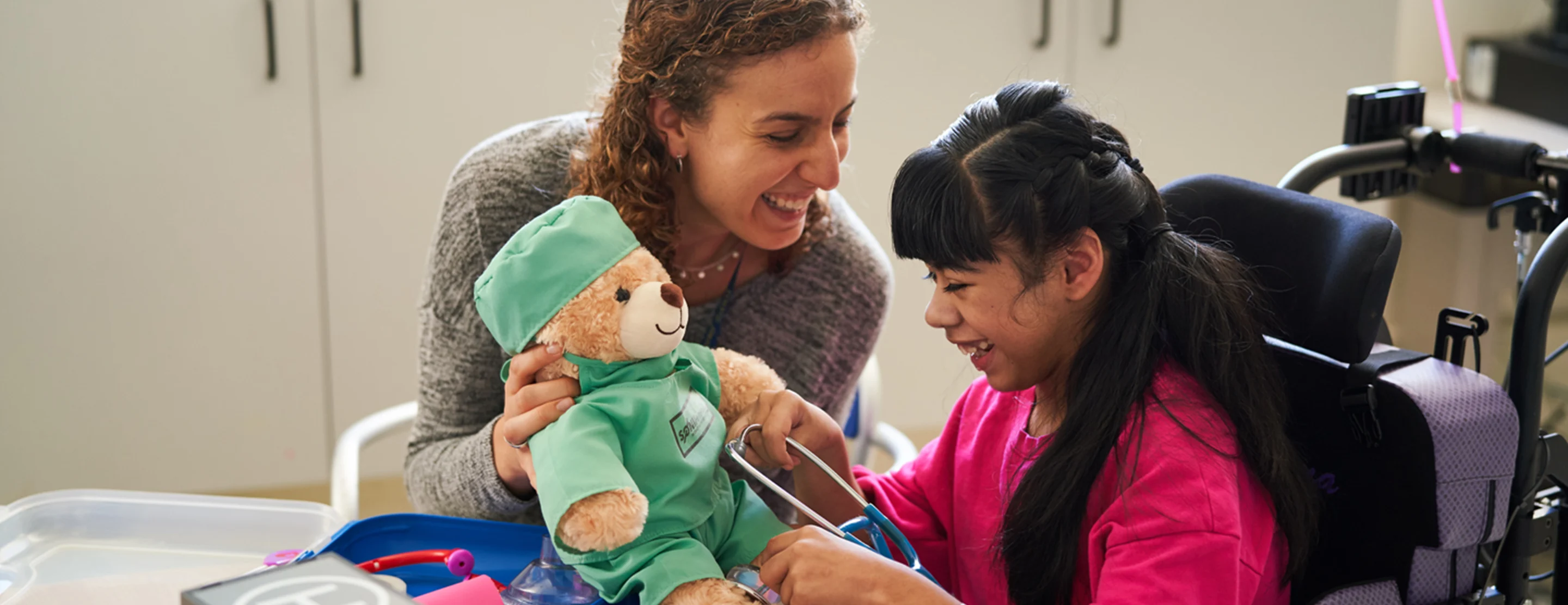
Child Life
Certified child life specialists ease the stress and anxiety of childhood illness through therapeutic play, schooling and family-focused support.
Family Amenities
Family-friendly amenities help you relax and take care of yourself while staying close to your child. We offer lounges, kitchens, showers, breastfeeding rooms and more.
Social Services at UCSF Benioff Children's Hospitals
Social workers ease the effect of illness, injury and hospitalization on your family with counseling and assistance to help you navigate the challenges.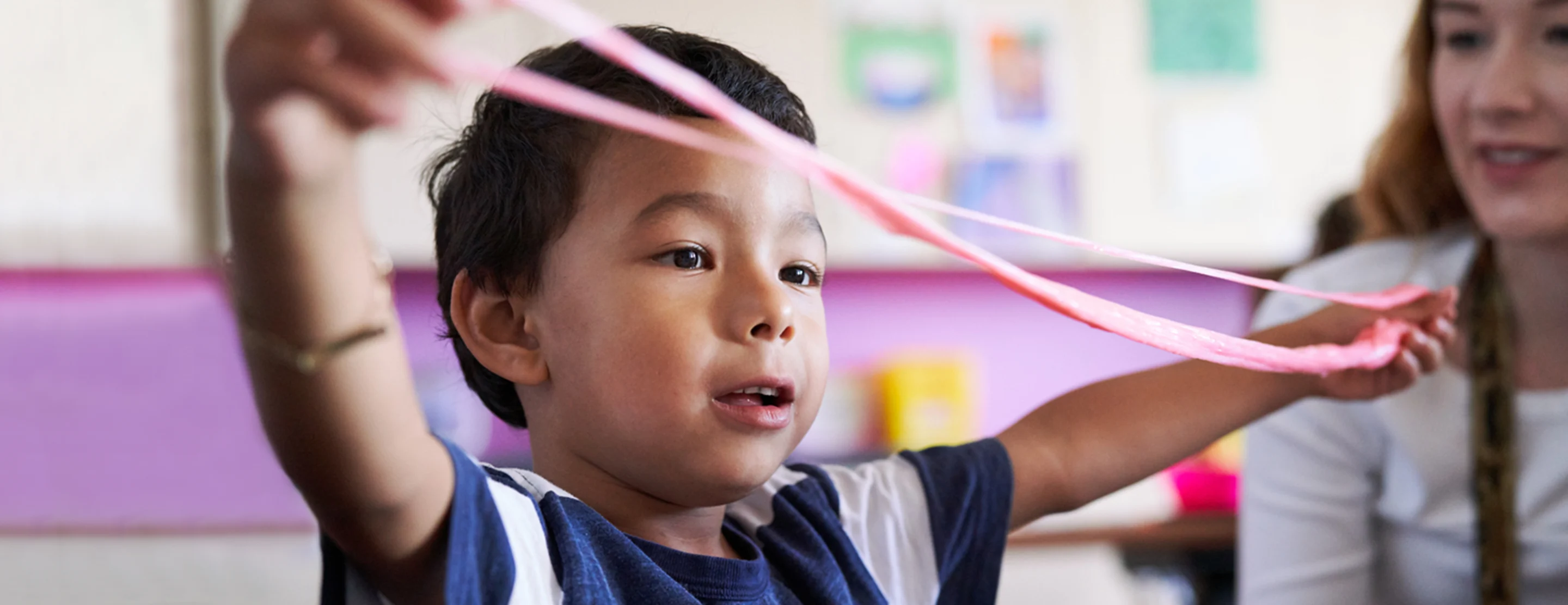
Activity Rooms
Activity rooms offer a relaxed environment for children of all ages. Features include a playroom, digital arts studio and teen lounge. Find out more.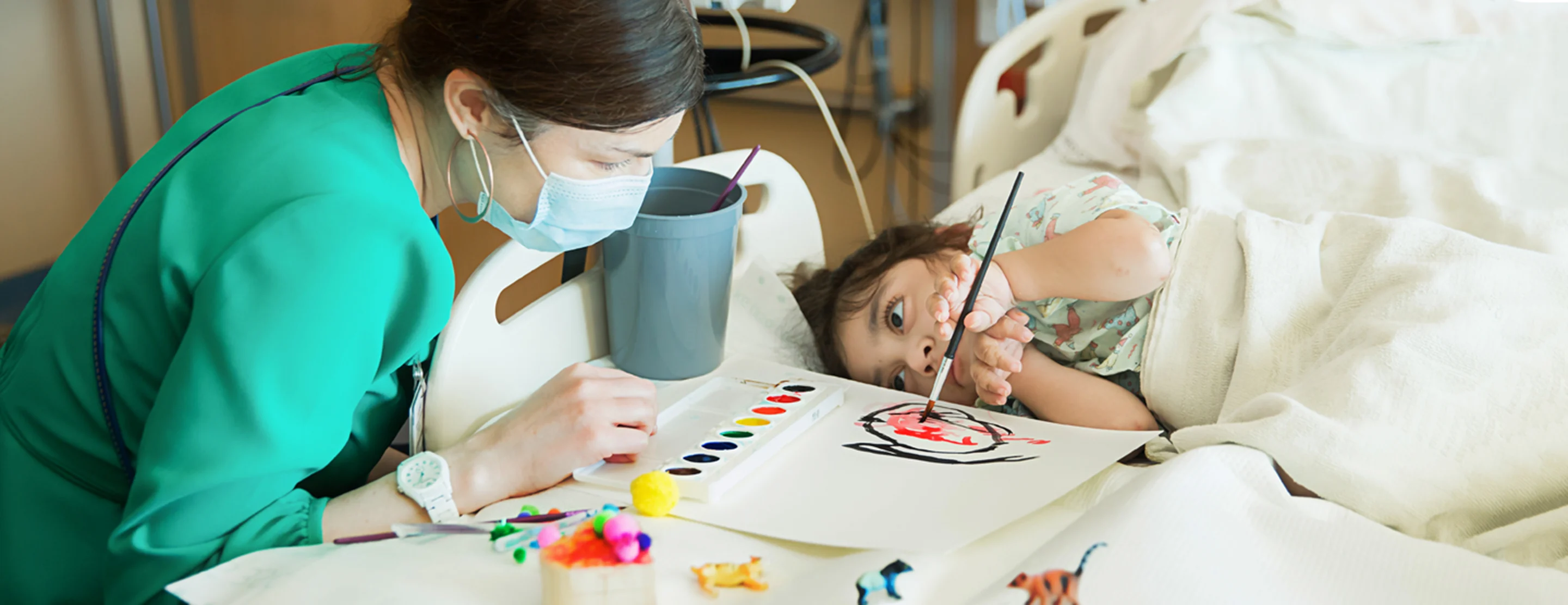
Pediatric Art Therapy Program
Art therapy helps kids and families express themselves, making it easier to cope with pediatric health issues. Group and bedside services are available.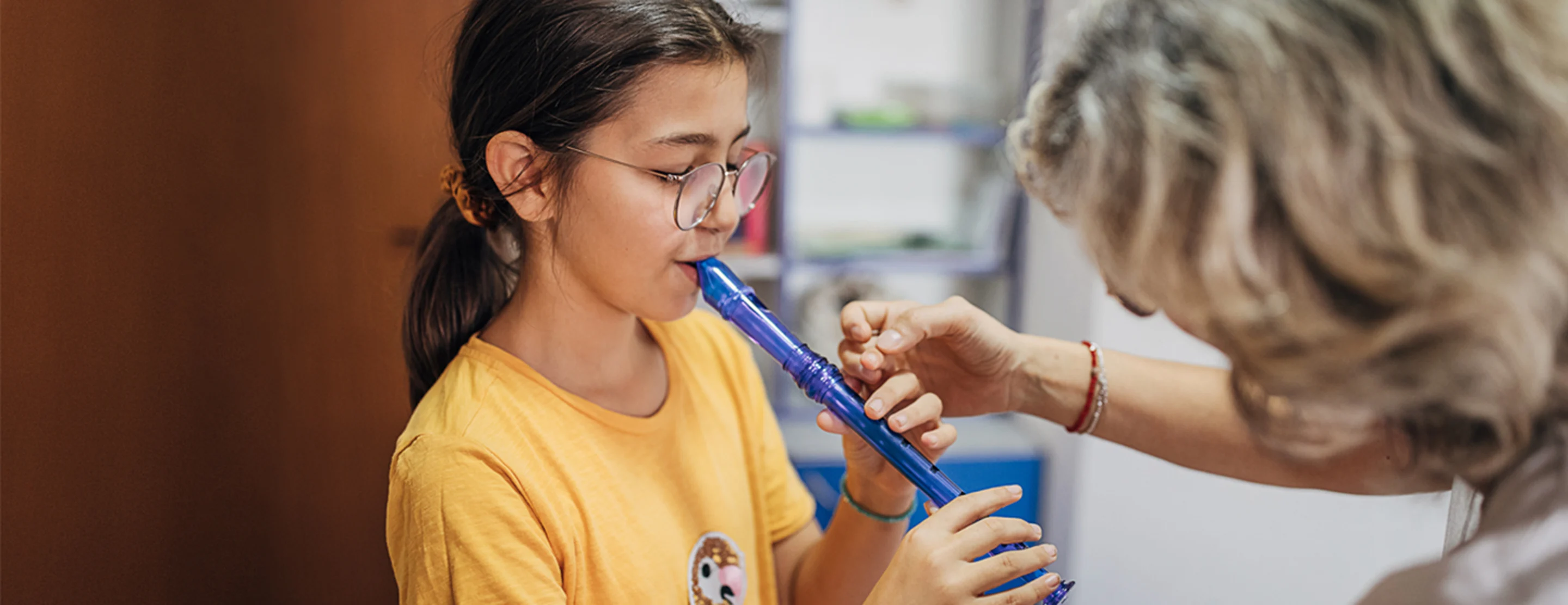
Pediatric Music Therapy Program
Board-certified music therapists help kids cope with illness and the feelings that come with it. Find out about group activities and bedside therapy.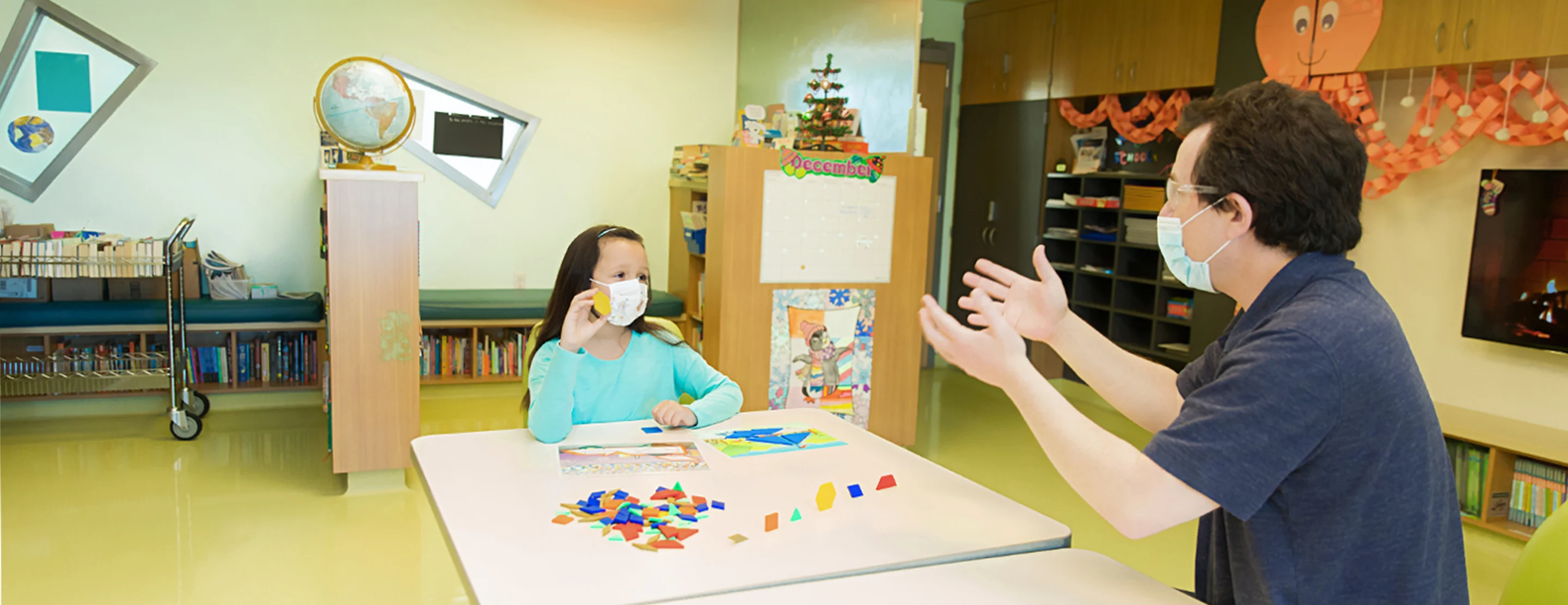
School Program for Hospitalized Children
Our schoolroom services and individual learning programs help children hospitalized at UCSF continue their education and get ready to return to school.
School Re-Entry Program
We help kids return to school after hospitalization by educating staff and students about their needs and recommending needed accommodations. Read more.
Individual Playtime & Instruction
If your child can't be around other kids for medical reasons, you can sign up for private sessions in our activity and school rooms. Find out how.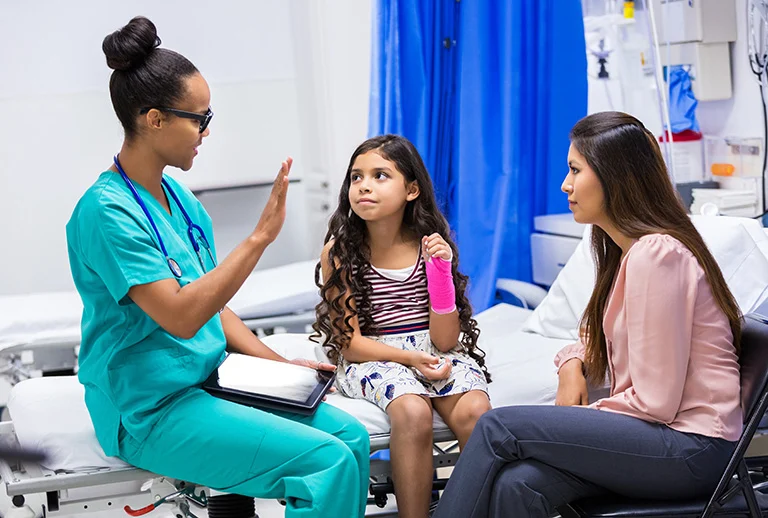
Interpreter Services & Communication Assistance at UCSF Benioff Children's Hospitals
Interpreter services in many languages and TDDs are available for families that need help communicating with care teams. Here's how to access them.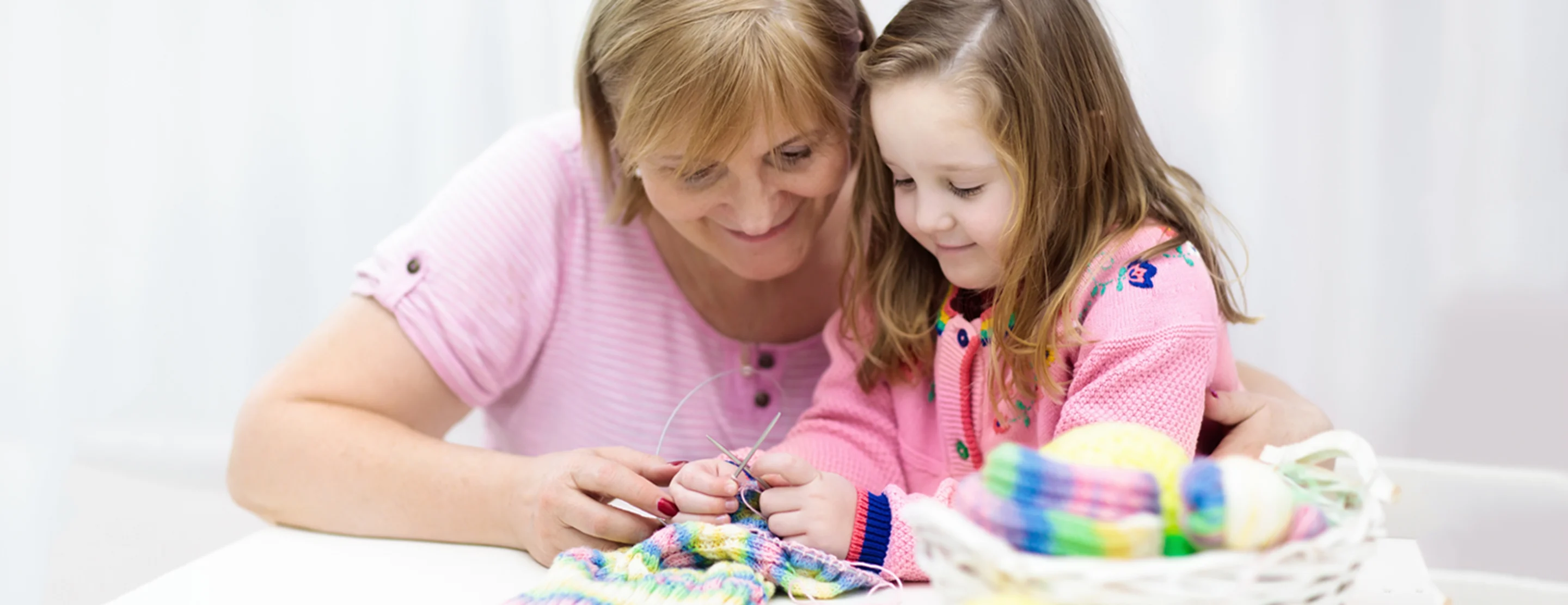
Parent Support Program
Weekly activities, including knitting, scrapbooking, chair massage and more, help family caregivers get a much-needed break. Find out more.
Patient Relations at UCSF Benioff Children's Hospitals
Patient relations reps and nursing supervisors are here to answer questions and address concerns. Learn about your rights, how to reach us and more.
Spiritual Care at UCSF Benioff Children's Hospitals
Chaplains help UCSF patients, families and staff cope with the spiritual and emotional challenges of childhood illness. Learn more.
International Services at UCSF Benioff Children's Hospitals
If you're coming to UCSF from outside the U.S., we coordinate your child's appointments and provide other helpful services. Here's how to get started.