Fetal Cardiovascular Program
On this page
Why choose UCSF Benioff Children's Hospitals for fetal heart care?
Our fetal cardiovascular program is one of the top programs of its kind in the country. We use advanced techniques and technology to diagnose and treat fetal heart conditions, which are heart problems detected in babies before birth.
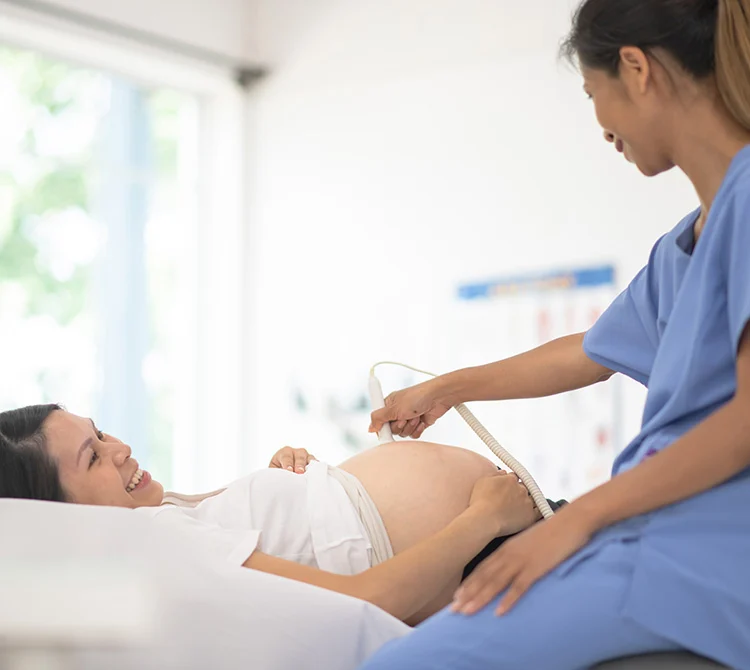
We work closely with the UCSF Fetal Treatment Center, so you and your baby get specialized, comprehensive care before and after birth. We offer fetal echocardiograms (specialized heart imaging) as early as 12 weeks of pregnancy. Our team performs thousands of these tests each year, giving us deep knowledge and expertise.
Sometimes, your baby may need treatment before birth. Our highly experienced fetal surgeons perform complex in utero therapies, giving us expertise in these innovative procedures.
After birth, your baby receives outstanding care and advanced monitoring from our neonatal cardiovascular specialists. If your baby needs surgery, our neonatal cardiovascular surgeons are experienced in performing complex heart surgeries. We have some of the best newborn heart surgery outcomes in the country.
Why choose UCSF Benioff Children's Hospitals for fetal heart care?
Our fetal cardiovascular program is one of the top programs of its kind in the country. We use advanced techniques and technology to diagnose and treat fetal heart conditions, which are heart problems detected in babies before birth.
We work closely with the UCSF Fetal Treatment Center, so you and your baby get specialized, comprehensive care before and after birth. We offer fetal echocardiograms (specialized heart imaging) as early as 12 weeks of pregnancy. Our team performs thousands of these tests each year, giving us deep knowledge and expertise.
Sometimes, your baby may need treatment before birth. Our highly experienced fetal surgeons perform complex in utero therapies, giving us expertise in these innovative procedures.
After birth, your baby receives outstanding care and advanced monitoring from our neonatal cardiovascular specialists. If your baby needs surgery, our neonatal cardiovascular surgeons are experienced in performing complex heart surgeries. We have some of the best newborn heart surgery outcomes in the country.
Early fetal echocardiogram
Parents with risk factors for congenital heart disease (CHD) in their unborn child can get a fetal echocardiogram as early as 12 weeks.Advanced genetic testingOpens in a new window
UCSF offers whole genome sequencing (WGS) to help diagnose congenital heart conditions and determine the best treatment.Specialized newborn care
Newborn babies, including premature and low birthweight infants with heart conditions, get advanced cardiovascular care in our neonatal and pediatric cardiac ICU.Research-led therapies
We are pioneering new approaches to fetal heart care. Your family benefits from the latest treatments informed by ongoing research and innovation.
Comprehensive fetal heart care
As national experts in fetal heart problems, we routinely diagnose and treat complex and rare heart conditions in babies before birth.
Our early imaging and genetic testing options help you make the right decisions for your family as early as possible. Our experts guide you every step of the way, supporting the best outcome for your baby.
After your baby is born, they receive highly specialized care from our neonatal cardiovascular specialists.
Early imaging and testing for fetal heart conditions
We may recommend an early fetal echocardiogram for parents with risk factors for having babies with CHDs, especially if CHDs run in your family or if your OB-GYN has early concerns about your pregnancy. We are one of the few programs in California offering fetal heart imaging as early as 12-14 weeks, helping you get answers sooner.
We also offer whole genome sequencing, the most comprehensive genetic test available. It helps diagnose genetic syndromes that may cause heart problems. Identifying these syndromes early enables our experts to plan treatment before and after birth.
Coordinated services at the Fetal Treatment Center
We partner with the Fetal Treatment Center, where you get care and support from a team of leading specialists, including experts in:
Fetal and pediatric cardiology
Maternal-fetal medicine
Genetics
Neurology
Neonatology
Palliative care
Our team partners with you to coordinate care, plan your delivery and create the best treatment plan for your family.
Local support
You don't have to stay in San Francisco to be our patient. We coordinate with your OB-GYN, so you can receive most of your pregnancy care locally.
Advanced treatment options
If our fetal cardiologists diagnose a fetal heart issue, we help you understand treatment options and what life may look like for you and your baby after birth.
Cardiac in utero therapy
In some situations, treatment shouldn't wait. We are one of the few programs in California offering cardiac in utero therapy, including both medications and needle-based cardiac interventions to treat heart problems before birth.
Neonatal cardiac surgery
If your baby needs heart surgery after birth, our neonatal cardiovascular experts are here to help. They have some of the best outcomes in the U.S. We use catheter-based interventional palliation, a minimally invasive technique, to stabilize newborns with heart defects that may have a higher risk of surgical complications.
Specialized heart care for newborns
After your baby is born, they receive advanced care in the Nurturing Environment for Small hearTs (NEST). Located in our Pediatric Cardiac Intensive Care Unit, the special wing supports newborn development with cycled lighting, low noise levels and special support for families.
Follow-up care for babies with congenital heart disease
Our Healthy Hearts & Minds Program offers follow-up care and monitoring for families after they leave the hospital. As your child grows, our congenital heart disease experts screen them for developmental delays and connect you to community resources.
UCSF's Pediatric Heart Center provides expert care and monitoring for common and complex pediatric heart conditions, including single ventricle heart defects. Our team makes sure your child gets the care they need to support their heart health as they grow and develop.
Providers

Anita J. Moon-Grady, MD
Pediatric Cardiology
Shabnam Peyvandi, MD
Pediatric Cardiology
Howard M. Rosenfeld, MD
Pediatric Cardiology
Michael Brook, MD
Pediatric Cardiology
Awards & achievements

2,300+
fetal echocardiograms performed each year

2,800+
fetal heart ultrasounds performed each year

Best in Northern California for cardiology & heart surgery
Ranked among the nation's best in 11 specialties

Related conditions & treatments
Conditions
- Aortic Coarctation
- Arrhythmia
- Atrial Septal Defect (ASD)
- Cardiomyopathy
- Congenital Atresia of the Pulmonary Valve
- Congenital Heart Disease
- Congenital Stenosis of the Aortic Valve
- Fetal Congenital Heart Disease
- Hypoplastic Left Heart Syndrome
Treatments
- Echocardiography
- Fetal Cardiology
- Fetal Echocardiograms
- Fetal Intervention
- Fetal Surgery
- Multidisciplinary Care for Complex Fetal Conditions
- Whole Genome Sequencing
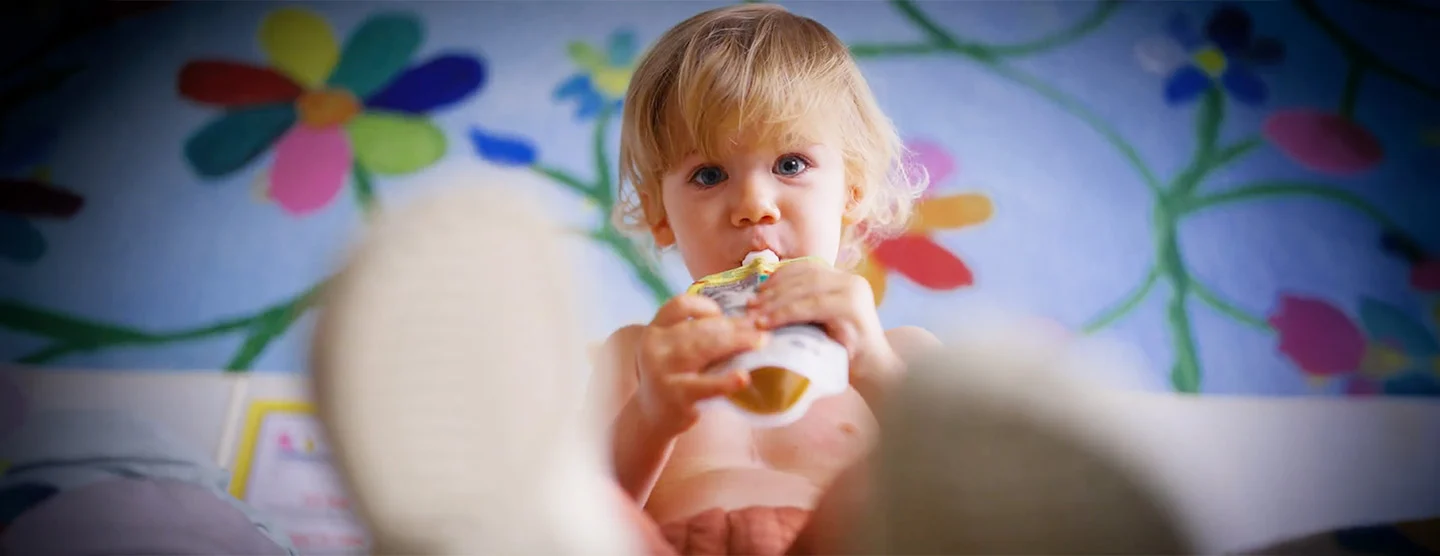
Saving Miles: A story of hope

Trials & research
Clinical trials
Effect of Fetal Aortic Valvuloplasty on OutcomesOpens in a new window
In one of the most severe congenital heart defects, hypoplastic left heart syndrome (HLHS), the left ventricle is underdeveloped and the prognosis is worse than in most other heart defects. The underdevelopment can occur gradually during fetal growth caused by a narrowing of the aortic valve...
Research initiatives
Understanding the fetal heart-brain connectionOpens in a new window
Our physician researchers are studying the brains of fetuses with congenital heart disease diagnoses, shaping the future of prenatal neurodevelopmental care.UCSF Pediatric Heart Center ResearchOpens in a new window
Our team strives to improve the understanding and treatment of children with congenital and acquired heart disease through basic science, clinical trials and translational research.UCSF Fetal Treatment Center ResearchOpens in a new window
Since its founding, the UCSF Fetal Treatment Center has been on the forefront of fetal therapy research. Together, researchers and doctors from many disciplines work to improve options for the smallest patients.
Support services
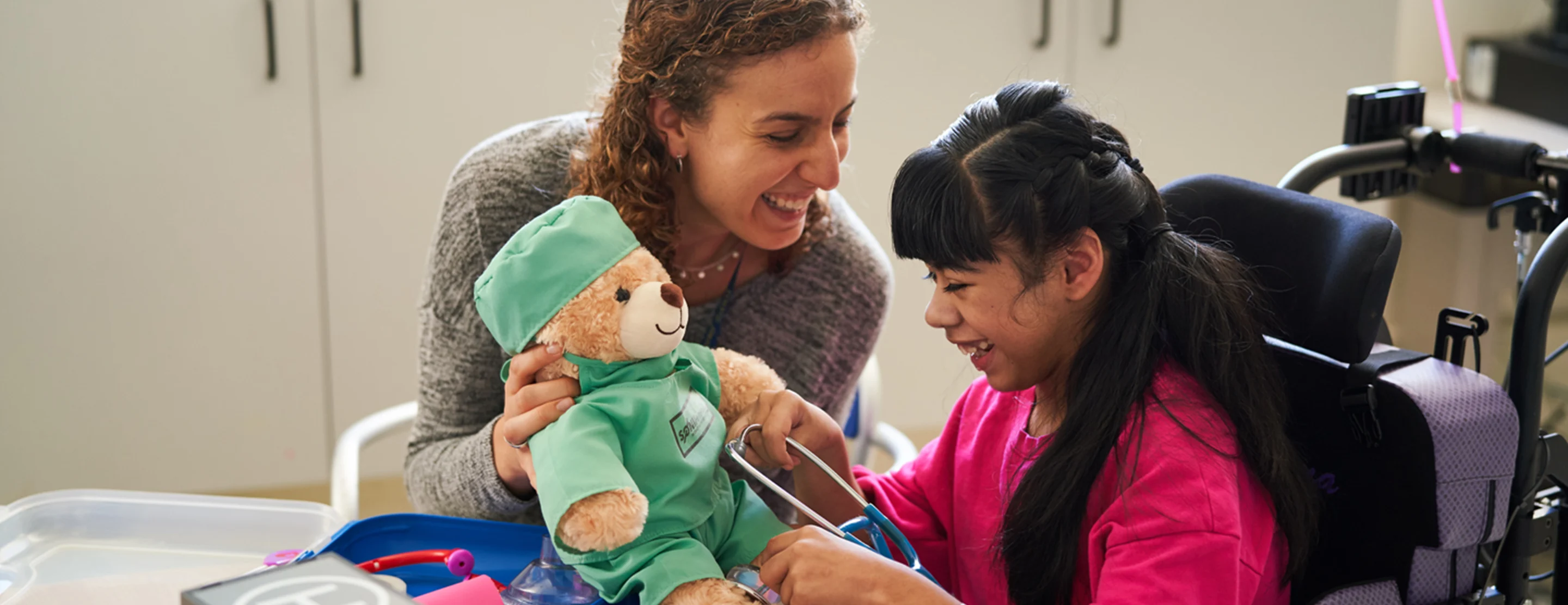
Child Life
Certified child life specialists ease the stress and anxiety of childhood illness through therapeutic play, schooling and family-focused support.
Family Amenities
Family-friendly amenities help you relax and take care of yourself while staying close to your child. We offer lounges, kitchens, showers, breastfeeding rooms and more.
Social Services at UCSF Benioff Children's Hospitals
Social workers ease the effect of illness, injury and hospitalization on your family with counseling and assistance to help you navigate the challenges.
Activity Rooms
Activity rooms offer a relaxed environment for children of all ages. Features include a playroom, digital arts studio and teen lounge. Find out more.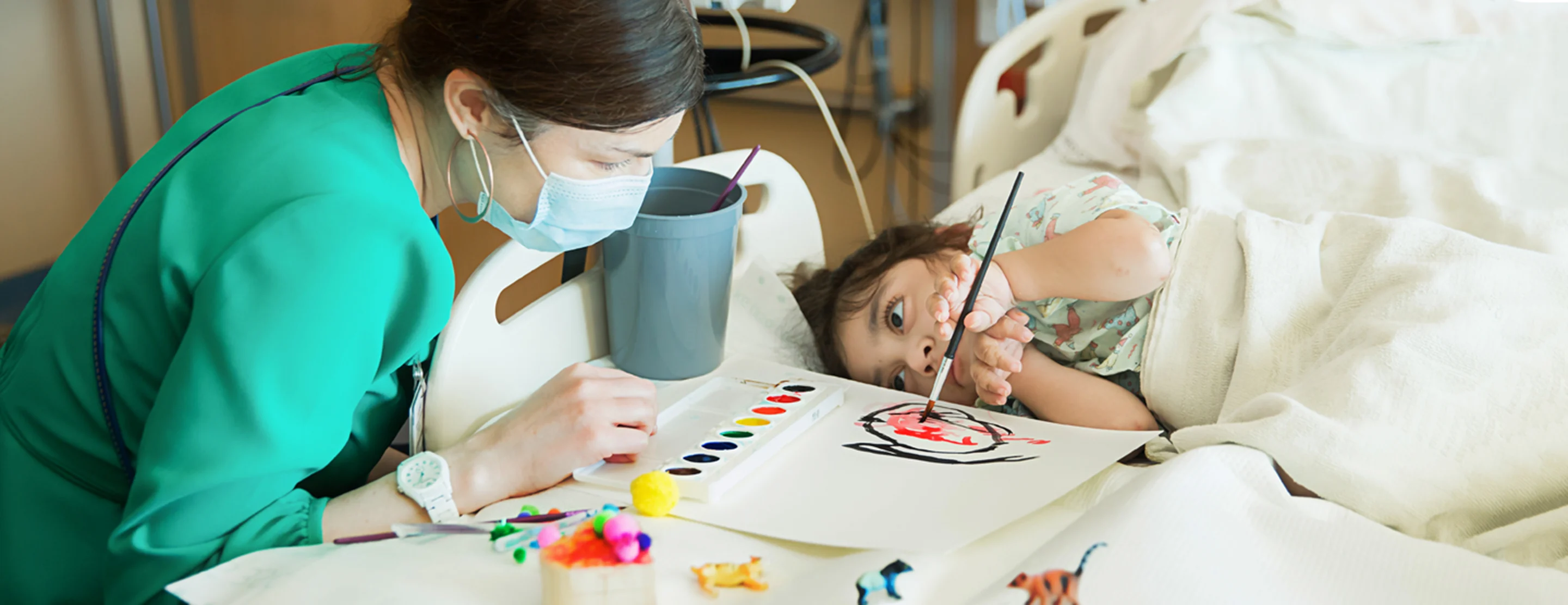
Pediatric Art Therapy Program
Art therapy helps kids and families express themselves, making it easier to cope with pediatric health issues. Group and bedside services are available.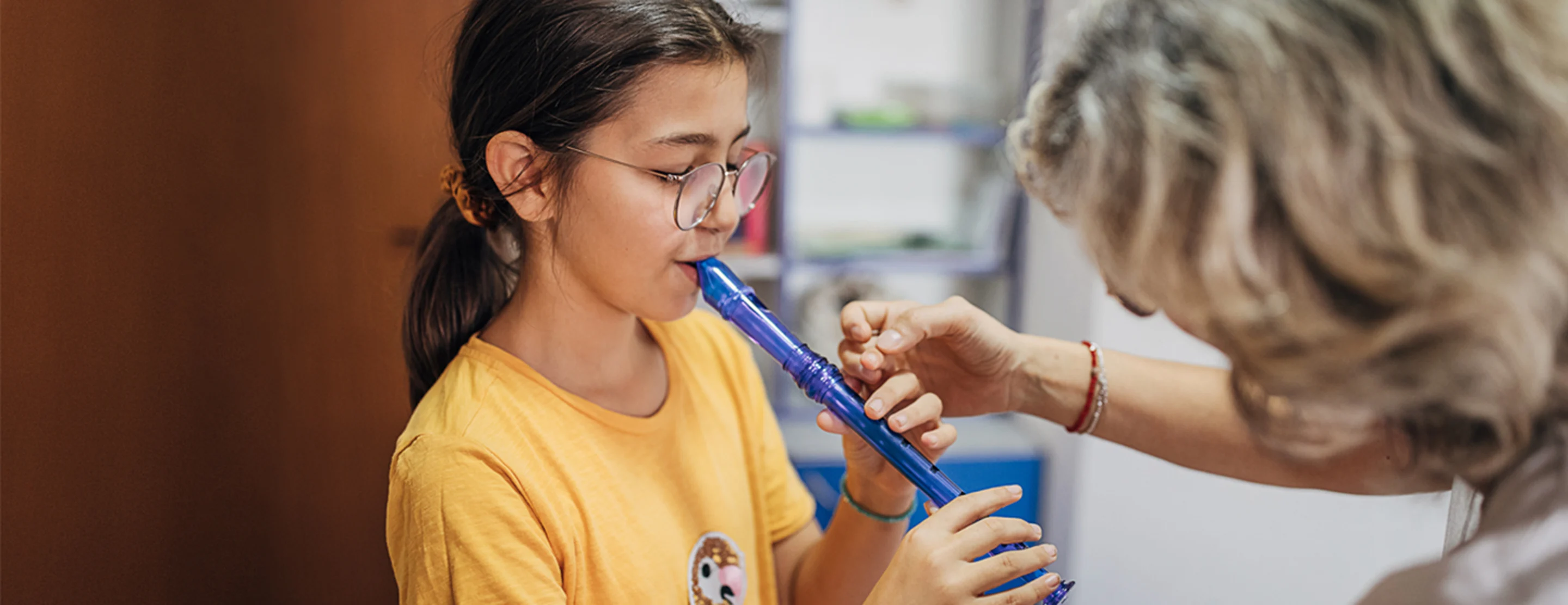
Pediatric Music Therapy Program
Board-certified music therapists help kids cope with illness and the feelings that come with it. Find out about group activities and bedside therapy.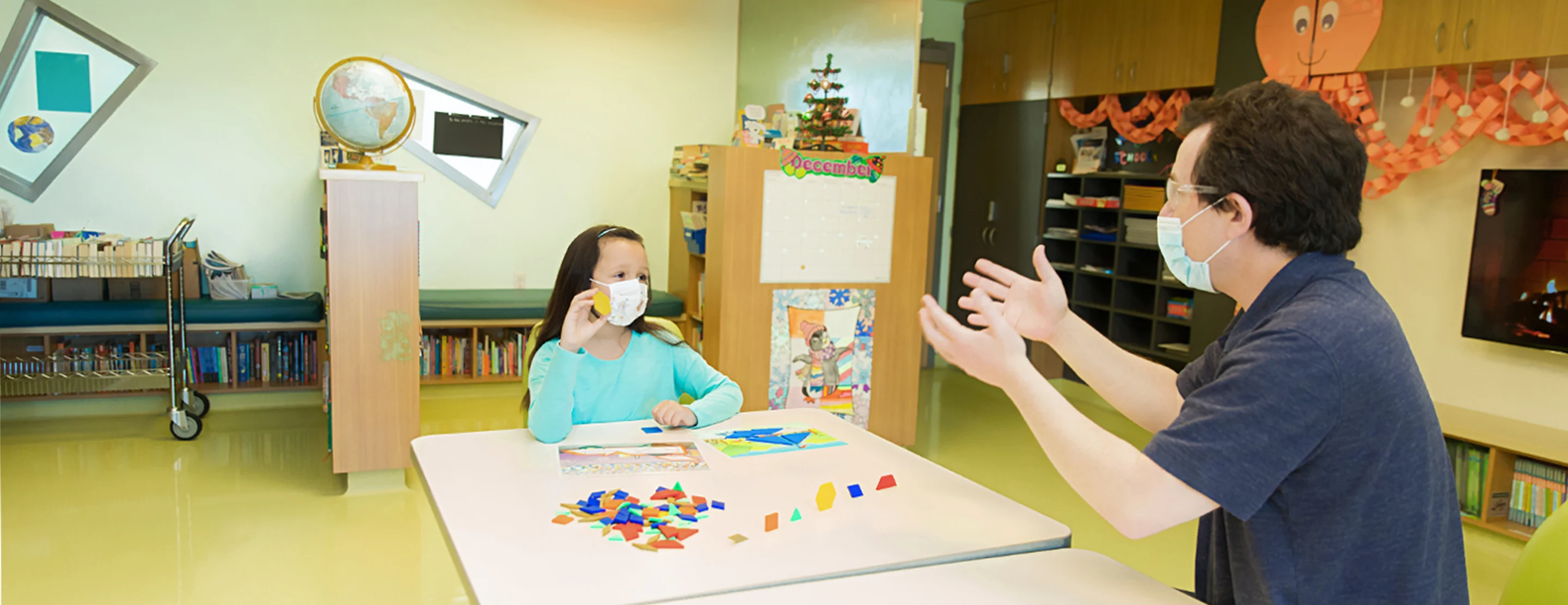
School Program for Hospitalized Children
Our schoolroom services and individual learning programs help children hospitalized at UCSF continue their education and get ready to return to school.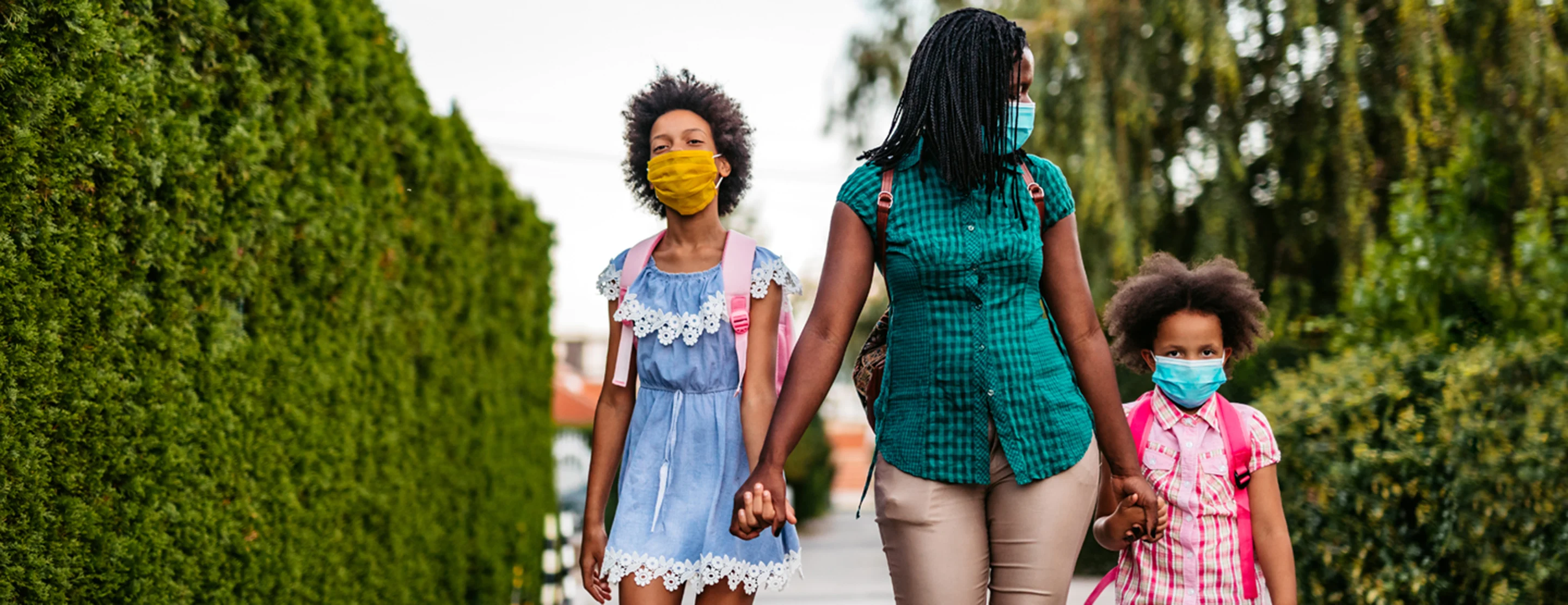
School Re-Entry Program
We help kids return to school after hospitalization by educating staff and students about their needs and recommending needed accommodations. Read more.
Individual Playtime & Instruction
If your child can't be around other kids for medical reasons, you can sign up for private sessions in our activity and school rooms. Find out how.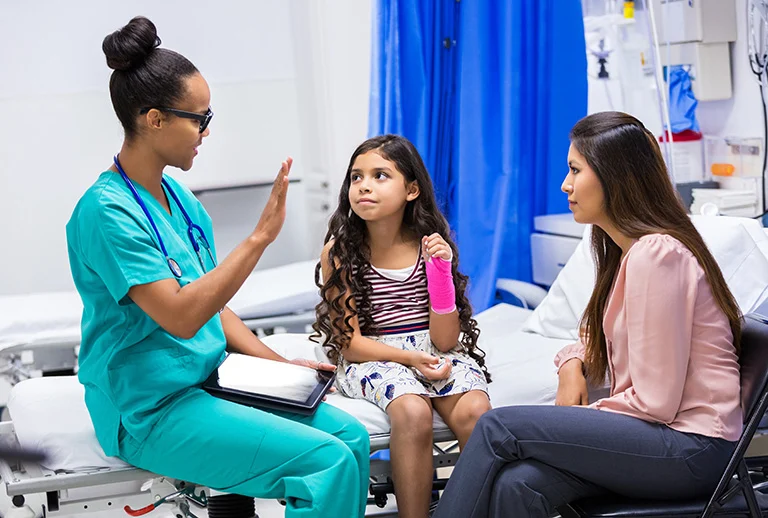
Interpreter Services & Communication Assistance at UCSF Benioff Children's Hospitals
Interpreter services in many languages and TDDs are available for families that need help communicating with care teams. Here's how to access them.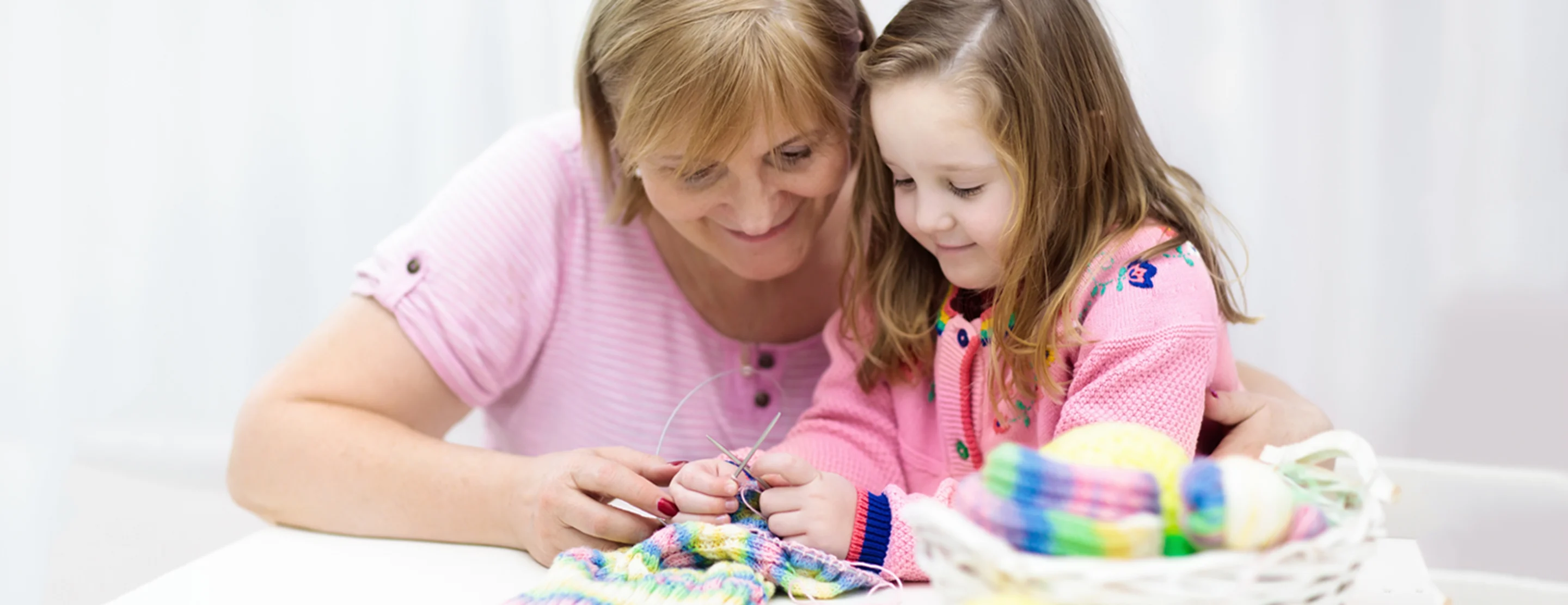
Parent Support Program
Weekly activities, including knitting, scrapbooking, chair massage and more, help family caregivers get a much-needed break. Find out more.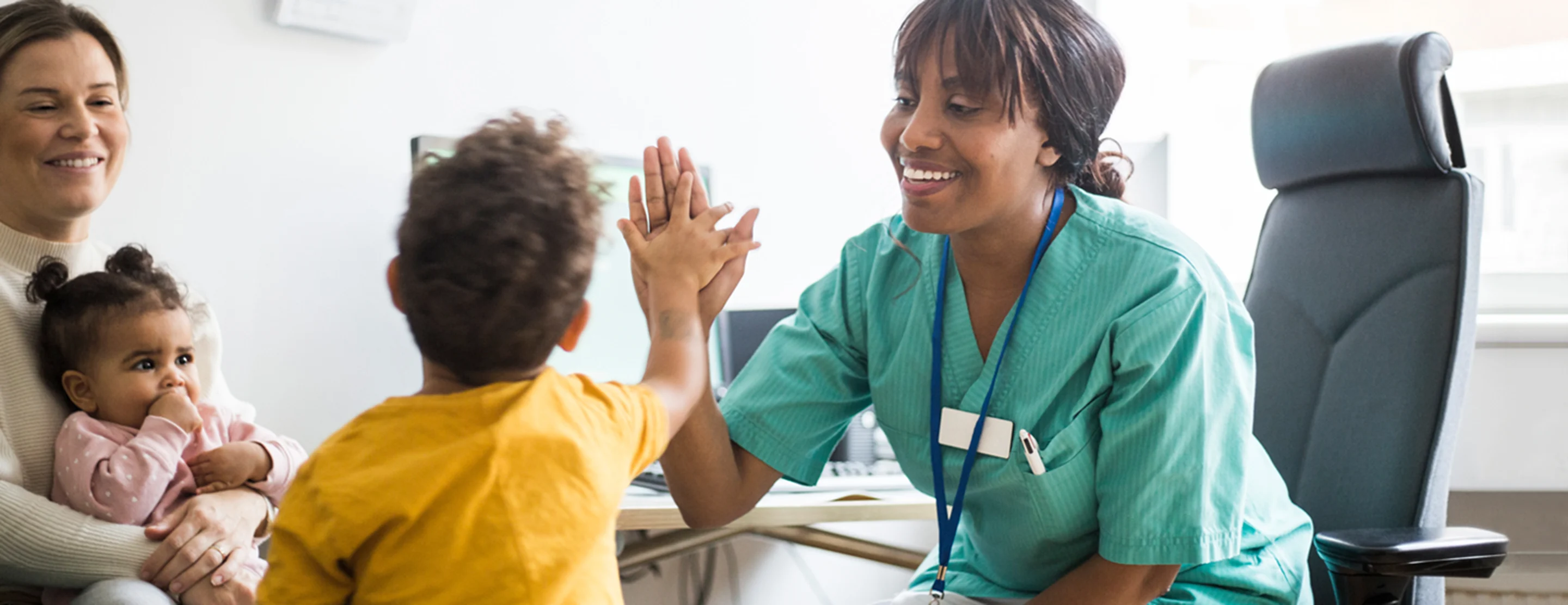
Patient Relations at UCSF Benioff Children's Hospitals
Patient relations reps and nursing supervisors are here to answer questions and address concerns. Learn about your rights, how to reach us and more.
Spiritual Care at UCSF Benioff Children's Hospitals
Chaplains help UCSF patients, families and staff cope with the spiritual and emotional challenges of childhood illness. Learn more.
International Services at UCSF Benioff Children's Hospitals
If you're coming to UCSF from outside the U.S., we coordinate your child's appointments and provide other helpful services. Here's how to get started.