
Neurological Exams for Children

A neurological exam is a series of tests to assess the nervous system, which includes the brain, spinal cord and nerves. Also called a neuro exam, it's used to evaluate children and adults for neurological conditions.
Because the nervous system controls so many of the body's functions, a neurological exam has multiple parts. The doctor may focus on certain parts of the exam, depending on your child's symptoms and the type of condition that may be causing them. The doctor will also tailor the exam to your child's age and stage of development.
A pediatric neurologist will typically perform the exam. However, other types of health care providers can also perform neurological exams.
Why your child may need a neurological exam
A neurological exam may be necessary if:
- Your child has symptoms that may be due to a neurological disorder. Such symptoms include weakness; pain; numbness; and issues with balance, coordination or mental ability.
- Your child had an injury that may have affected their brain, spinal cord or nerves.
- Your child was diagnosed with a neurological condition and the care team wants to check whether the condition is progressing or a treatment is helping.
What to expect during a neurological exam
The appointment may begin with a discussion of your child's symptoms, developmental history and medical history. Young children can remain on your lap during parts of the exam to help them stay relaxed.
Next, the doctor will perform tests to assess various parts of your child's nervous system, including:
- Muscles and motor skills. In addition to observing your child while they're moving and at rest, the doctor may perform tests of their muscle tone and coordination, such as having your child push against the doctor's hand, reach for a toy or touch their own nose.
- Walking and balance. The doctor may watch your child walk or run barefoot, looking for abnormalities.
- Mental status. To assess attention capacity and thinking abilities, older children may be asked to answer questions or perform mental tasks. For younger kids, the doctor may simply observe how your child interacts with you or how they engage with age-appropriate toys, such as building blocks.
- Cranial nerves. These 12 pairs of nerves connect the brain to areas of the head, neck, chest and abdomen. The doctor will check any cranial nerves that may be related to your child's symptoms or suspected condition. This may include testing your child's hearing, vision, eye movements and sense of smell.
- Reflexes. A reflex is an automatic reaction to a trigger. When testing reflexes, the doctor may lightly tap your child's knee, elbow or ankle with a small rubber hammer. Your child's reaction helps the doctor understand how well the nerves connecting the spinal cord and the muscles are working. Infants have special reflexes that typically disappear as they grow. Doctors assess these reflexes with specific tests – for example, seeing whether your baby makes stepping motions when the soles of their feet touch a hard surface.
- Sensory nerves. The doctor may touch your child's skin with various objects to assess their ability to sense touch, hot and cold, discomfort and vibrations. If your child is younger than about 5 or 6 years old, this part of the exam may be more difficult to perform and they may need repeated testing.
- Autonomic nervous system. Among its many jobs, the nervous system controls basic body functions that happen without us needing to think about them, such as breathing, digestion and heart rate. These functions are controlled by autonomic nerves. The doctor may assess their health by checking your child's blood pressure and heart rate, for example.
The doctor may also examine your child's spine and head, including measuring their head circumference, an indirect way of assessing brain growth.
Follow-up tests
Based on the neuro exam results, your child's doctor may order additional tests to help rule out certain conditions or confirm a diagnosis. These tests may include:
- Blood or urine tests
- Genetic tests
- Imaging tests, such as MRI, CT and ultrasound
- Cerebrospinal fluid (CSF) collection
- Biopsy
- Electroencephalography (EEG)
- Electromyography (EMG)
If you have questions about your child's neurological exam or follow-up tests, please don't hesitate to ask the medical team.
UCSF Benioff Children's Hospitals medical specialists have reviewed this information. It is for educational purposes only and is not intended to replace the advice of your child's doctor or other health care provider. We encourage you to discuss any questions or concerns you may have with your child's provider.
Recommended reading
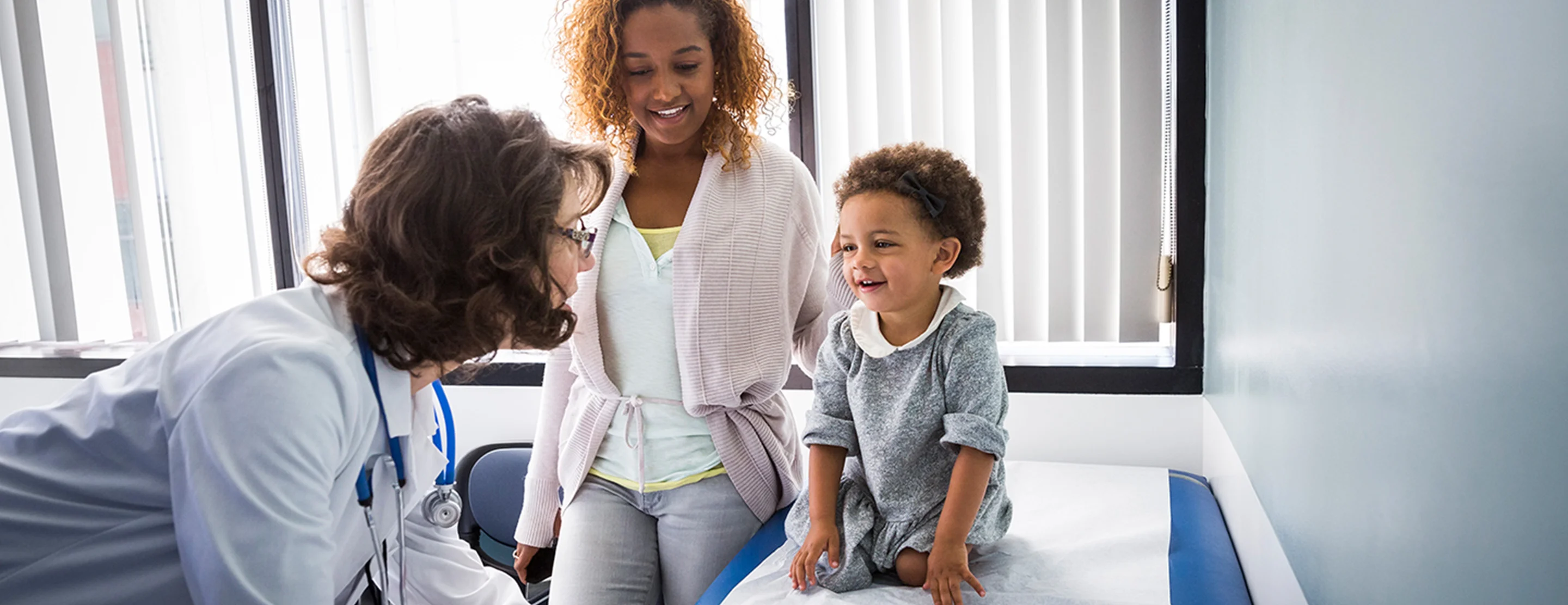
What Is a Pediatric Neurologist?
Pediatric neurologists are doctors who specialize in diagnosing and treating neurological disorders in kids. Learn how they can help your child.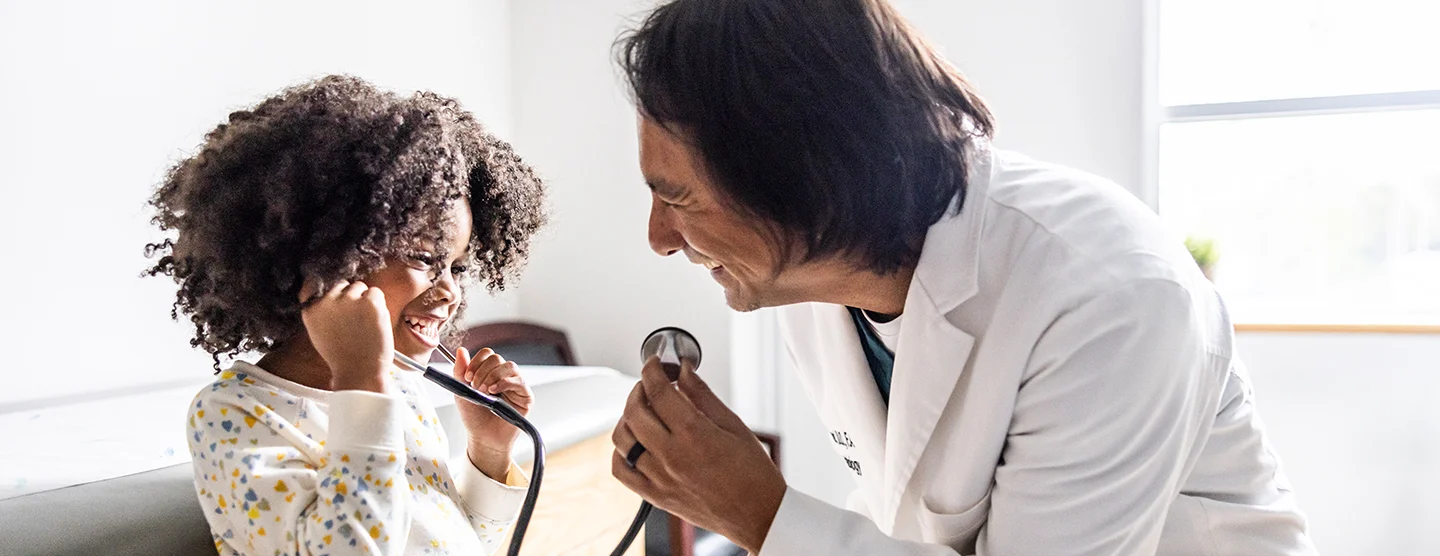
What Is a Pediatric Neurosurgeon?
Pediatric neurosurgeons specialize in performing brain and spinal procedures in children. Learn how these surgeons can help your child.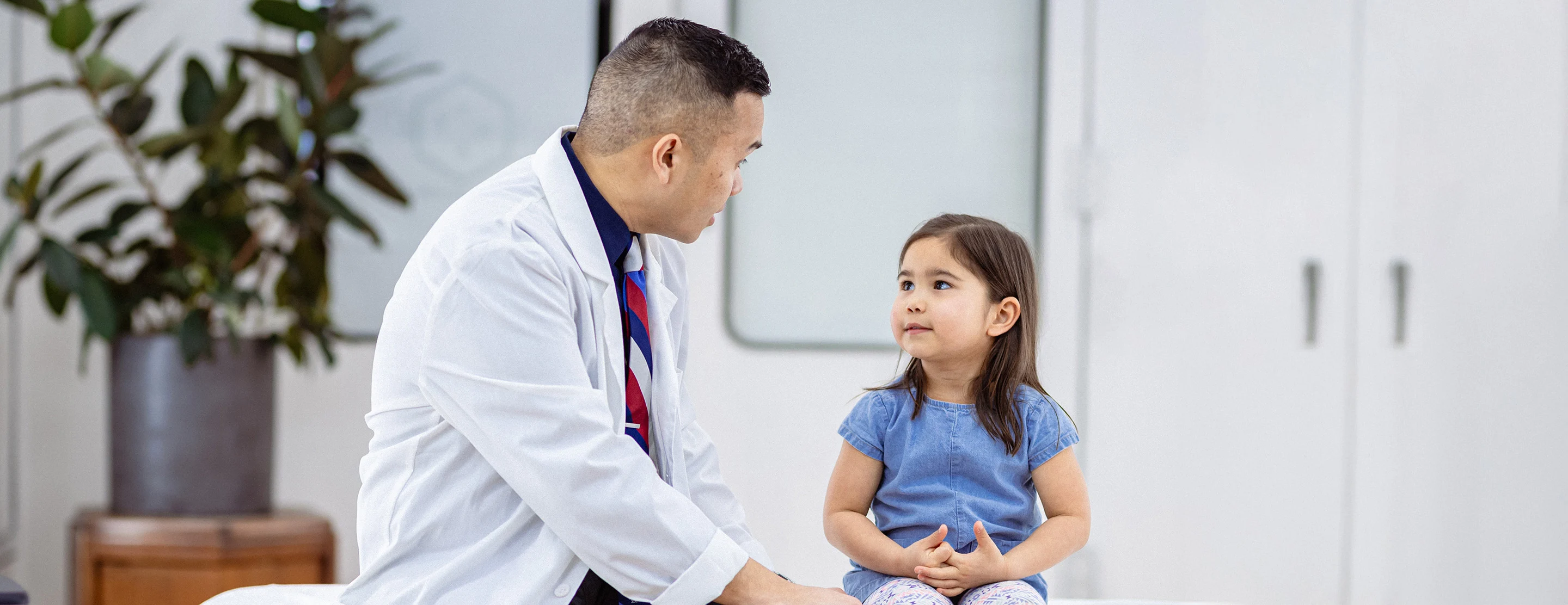
What Is a Neuropediatrician?
Learn about the expertise and services available from neuropediatricians at the UCSF Pediatric Brain Center.
Related services

Related conditions & treatments
Conditions