
Introducing Your Baby to Solid Foods FAQs
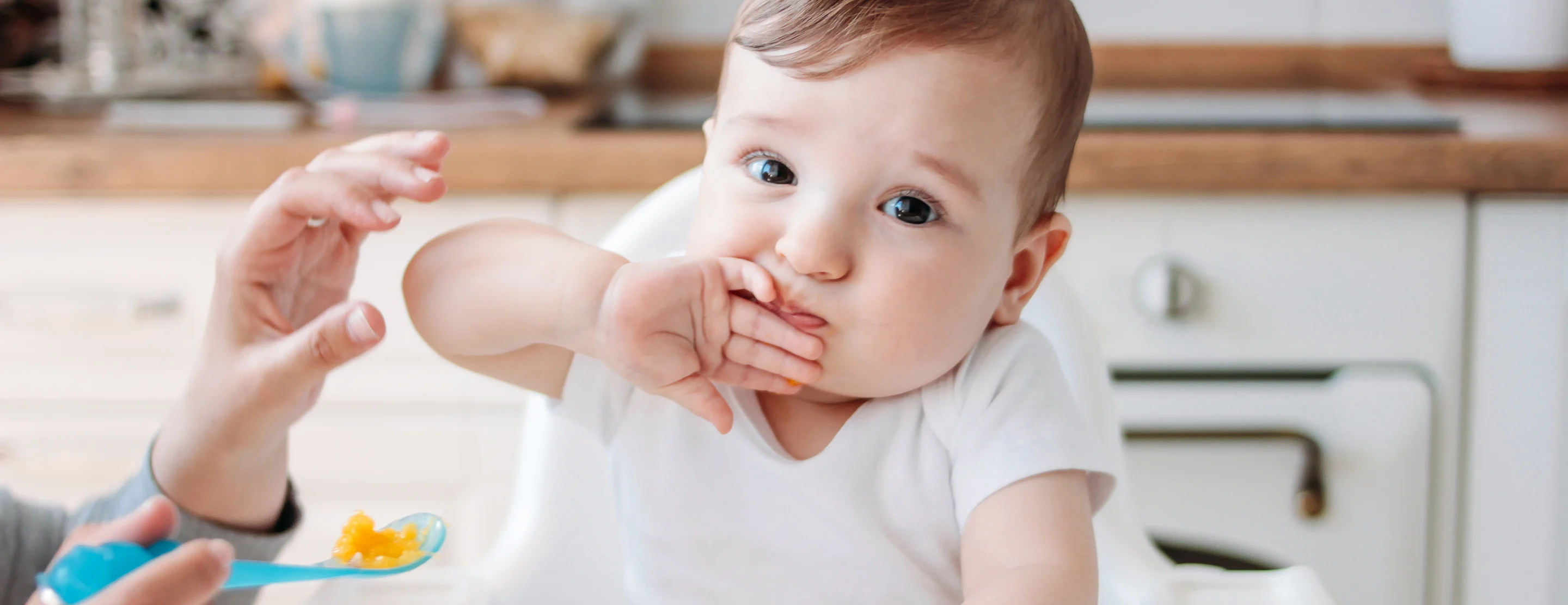
Most babies grow beautifully on breast milk or formula for the first 6 months, and do not need any solid food before this age. Also, before 6 months of age, most infants have a reflex that causes them to push their tongue against a spoon, making it difficult for them to swallow solid food properly. Introducing solid foods before 5 to 6 months of age may also increase the baby's risk of developing food allergies and obesity.
Your baby will show readiness to eat solids in several ways:
- Your baby's physical development allows him or her to sit without support. When babies can sit easily, they have usually lost the tongue thrust reflex.
- Your baby watches you eat and demonstrates an interest in food.
- Your baby is able to reach out and grab objects.
By 6 months of age, your baby has outgrown the amount of iron he or she received from you before birth. Now your baby needs an additional iron source to prevent anemia. Eating solid food also helps your baby learn many new things, including how to swallow food and, eventually, how to feed him or herself. It also exposes babies to many new tastes and textures.
However, between 6 and 9 months of age, most of the calories your baby needs to grow will still come from breast milk or formula. So, always feed your baby breast milk or formula before offering solid food.
Since babies need extra iron, their best first food is an iron-fortified baby cereal. Once solid foods are introduced, babies do not absorb as much iron from breast milk — another reason to make sure that your baby's first food is a good source of iron.
- Choose a time when you and your baby are both relaxed and ready to enjoy mealtime.
- Prepare an iron-fortified baby cereal, such as rice, barley or oatmeal infant cereal. Mix several tablespoons of dry cereal with formula, water or breast milk. The cereal should be the consistency of cream of wheat — smooth and semi-liquid.
- Sit your baby in your lap or in a highchair.
- Use a small spoon to feed your baby.
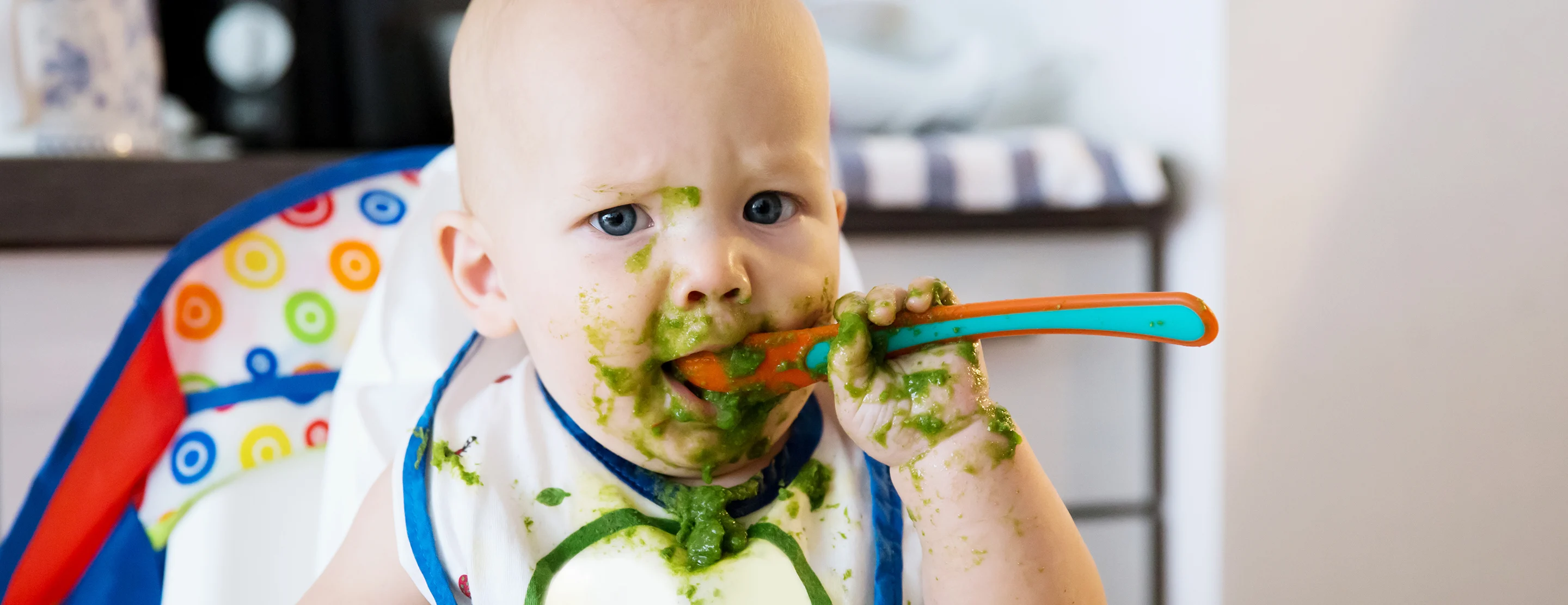
- Your baby may look a little confused at first, and most of the first feeding may end up on his or her face, hands and bib. Don't worry. Your baby will gradually become more comfortable with feedings. Try talking gently to your baby to help him or her relax.
- As your baby begins to enjoy mealtimes, increase the consistency of the cereal so it is like oatmeal. You can also gradually increase the amount of food you offer.
- If your baby spits out the cereal, cries or isn't interested, stop the feeding. You can try again in a few days.
Please don't put cereal or baby food in a bottle. Your baby needs to learn the difference between liquid and solid foods. Babies need to learn how to move solid food around in their mouth, how to take bites from a spoon and rest between bites, and to stop eating when full. These are all experiences that help babies develop good eating habits.
You can give plain baby cereal for several months, but most parents enjoy offering their baby a variety of new foods.
After you've given your baby several different types of cereal, consider offering a vegetable or meat. Chicken or turkey is a good source of zinc for breast-fed infants. After your baby is enjoying several different vegetables, you can then try fruit.
After introducing a new food, wait four to five days before giving your baby any new foods, so you can watch for signs of an allergic reaction.
Be aware that cereal, applesauce and bananas can cause constipation. If your baby becomes constipated, you may try giving him or her an ounce or two of diluted prune or pear juice. You can mix your baby's cereal with prune or pear juice. Or, try offering extra fruits like plums and peaches.
- Choose single-item foods, like squash or bananas.
- Always read labels. Make sure there is only one ingredient, and look for any added ingredients that can cause allergies, such as orange juice.
- Avoid mixed baby foods, like baby dinners. They have less nutritional value and aren't a good value for the money.
- Don't give your child "baby desserts." They add extra calories without being nutritious.
Certainly. If you do, please remember:
- Do not add salt, sugar or seasonings to your baby's food.
- You can freeze extra food in ice cube trays, and defrost small portions later when needed.
- Know that some vegetables, such as carrots, beets, spinach, collard greens and turnips, can contain nitrates, a chemical that can cause an unusual type of anemia. Don't cook these foods for your baby. Store-bought baby food has had the nitrates removed and is fine.
The American Academy of Pediatrics now recommends giving peanut-containing products to infants at "high risk" of developing allergies between four and 11 months, in countries where peanut allergies are common.
Scientific evidence suggests that delaying the introduction of peanuts may be linked to a greater risk of developing peanut allergies.
However, babies who experience severe eczema, egg allergy or other related diseases in their first four to six months may benefit from seeing an allergist who can give patient-specific advice on early introduction of peanuts, the academy says.
Do not give your baby any honey for the first year of life. It can cause infant botulism, a type of food poisoning that can lead to death.
Also, remember that some foods can irritate your baby's digestive system. Avoid highly spicy or greasy foods. Also avoid foods that could easily cause choking, such as small candies, popcorn, raisins, grapes, or hotdogs cut in circles.
If your baby as several episodes of vomiting after trying a new food, has diarrhea, develops a rash, or has swelling of the lips or eyes, he or she may be having an allergic reaction. Stop the feeding and call your baby's doctor.
Your baby's stools may become firmer and may have a different, stronger odor. Some foods will appear in the stool undigested, and you may see peas, corn or tomato skins in your baby's diaper. Bananas often cause little black threads to appear in the stool. This is just the center part of the banana.
If your baby's stools become extremely loose, watery or full of mucous, the baby's intestinal tract may be a little irritated. Consider removing the new food from your baby's diet for a while. Irritation around the anus does not mean the baby is allergic to a food.
Since most of your baby's nutrition still comes from breast milk or formula, you do not need to worry about how often you are offering solid foods. Feed your baby when it is fun, easy and convenient for you. Most babies enjoy eating once a day at first. Parents should let babies show when they are interested and how much they want to eat.
Used by permission of Jane E. Anderson, M.D.
UCSF Benioff Children's Hospitals medical specialists have reviewed this information. It is for educational purposes only and is not intended to replace the advice of your child's doctor or other health care provider. We encourage you to discuss any questions or concerns you may have with your child's provider.
Recommended reading
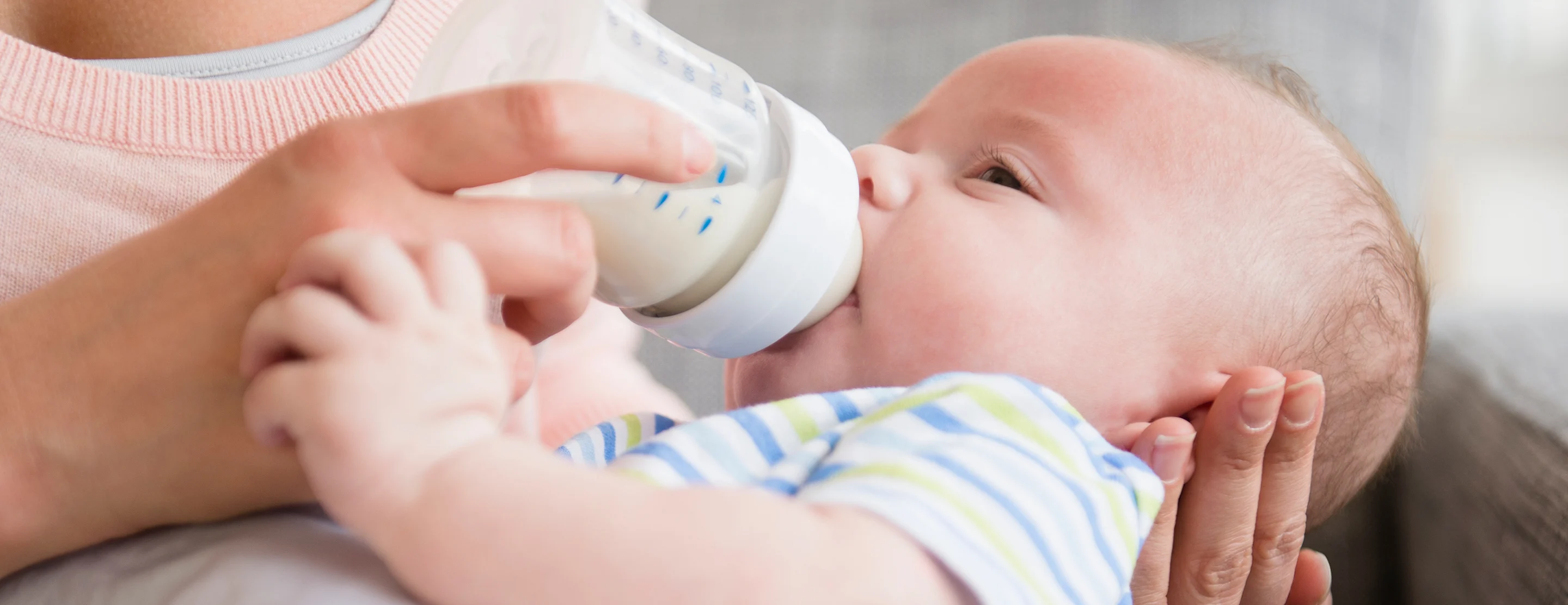
Breast Milk or Formula? A Guide for New Parents
Breast milk and infant formula benefit your baby in different ways. Read our tips to help feeding time go smoothly and ensure your child is well nourished.
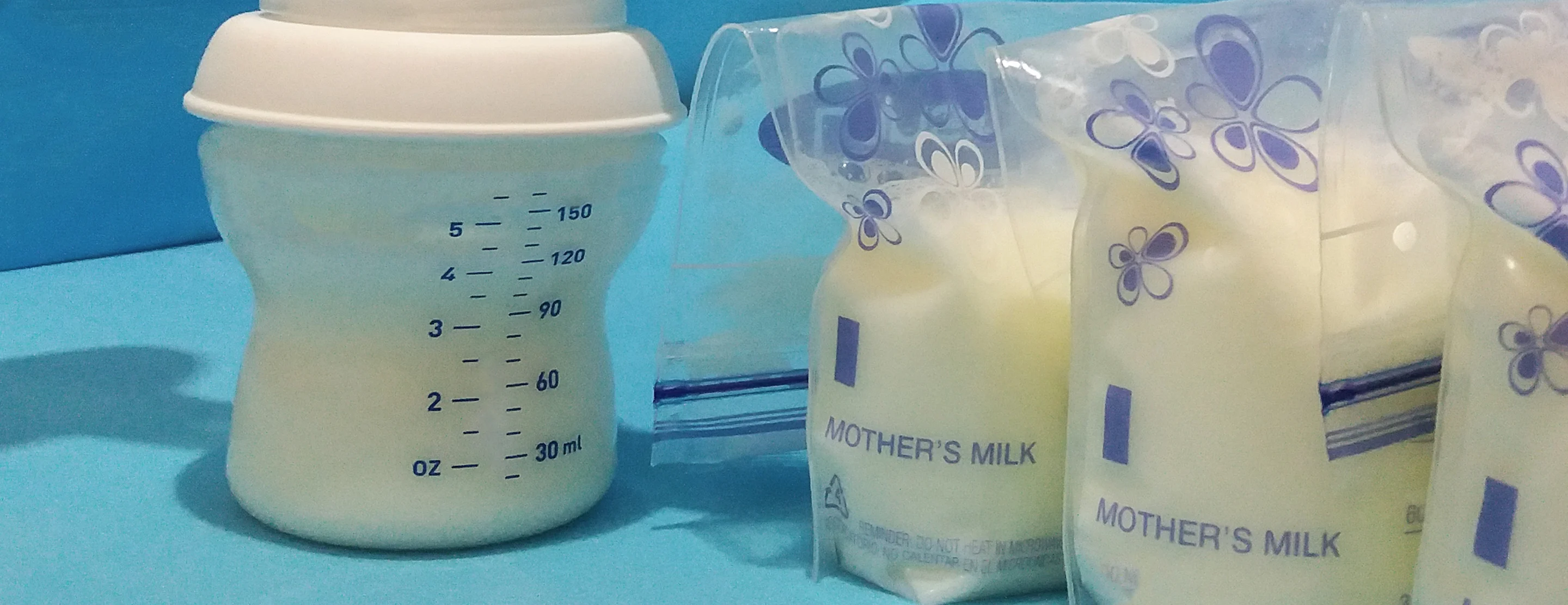
Breastfeeding and Returning to Work
If you are breastfeeding and returning to work, read our tips to ensure a smooth transition for you and your baby.
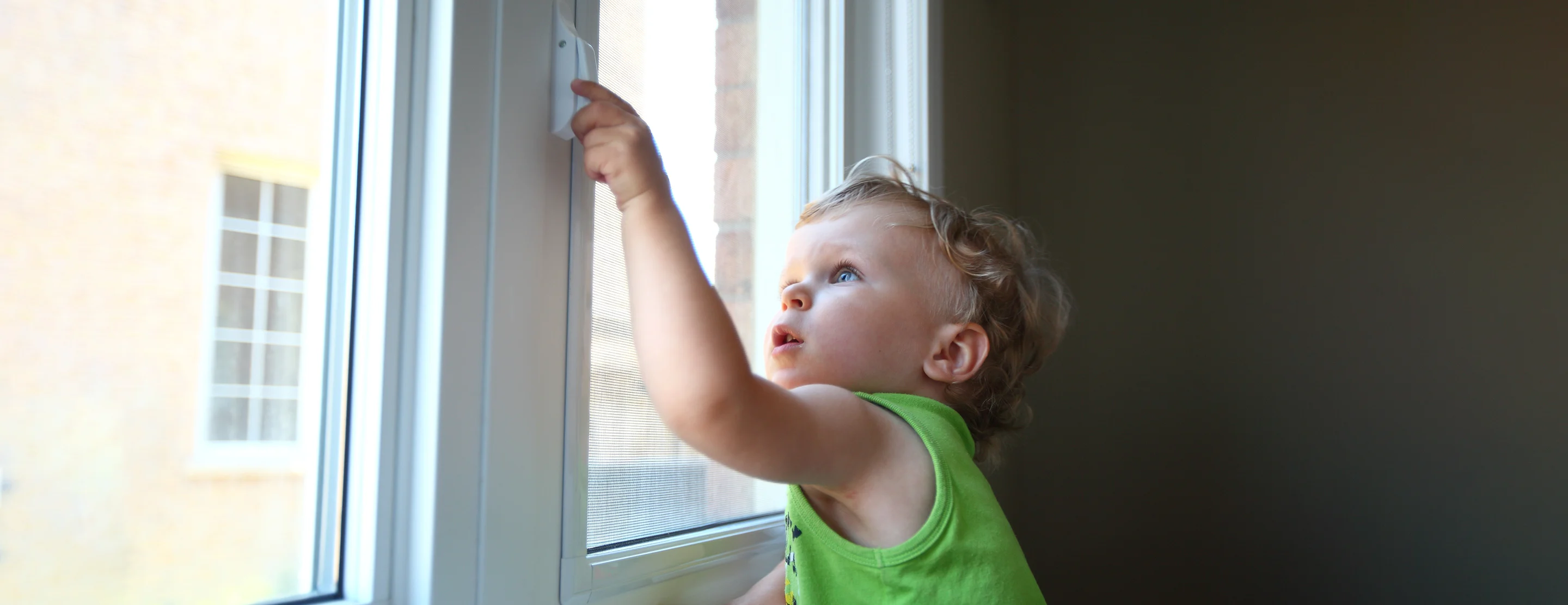
Childproofing Your Home
We offer childproofing tips to make your home safer for your little one. Learn about hazards and how to prevent injuries in bathrooms, kitchens and more.
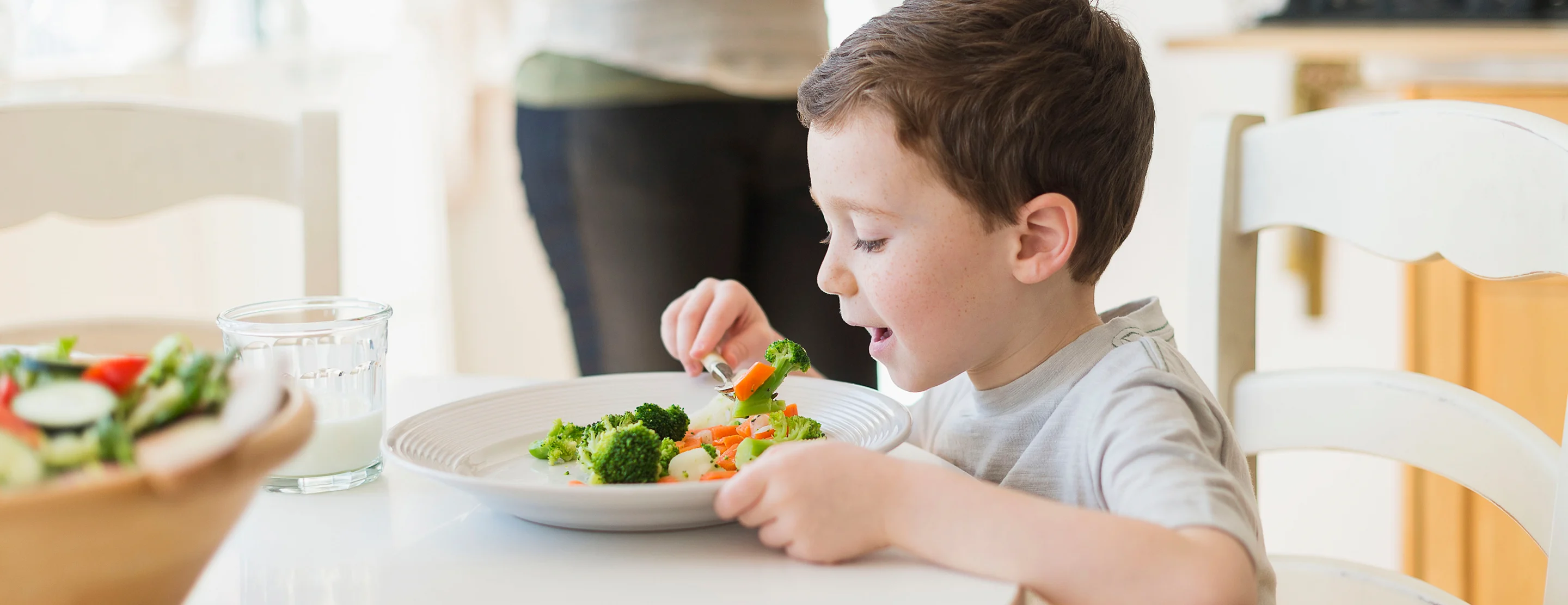
Establishing Good Eating Habits in Children
Establishing good eating habits requires effort from children and their parents. Read more about each of your responsibilities and what not to worry about.

FAQ: Baby Bottle Weaning
Weaning your child from a baby bottle to a cup requires time, patience and consistency. For a smooth transition, read our answers to FAQs.
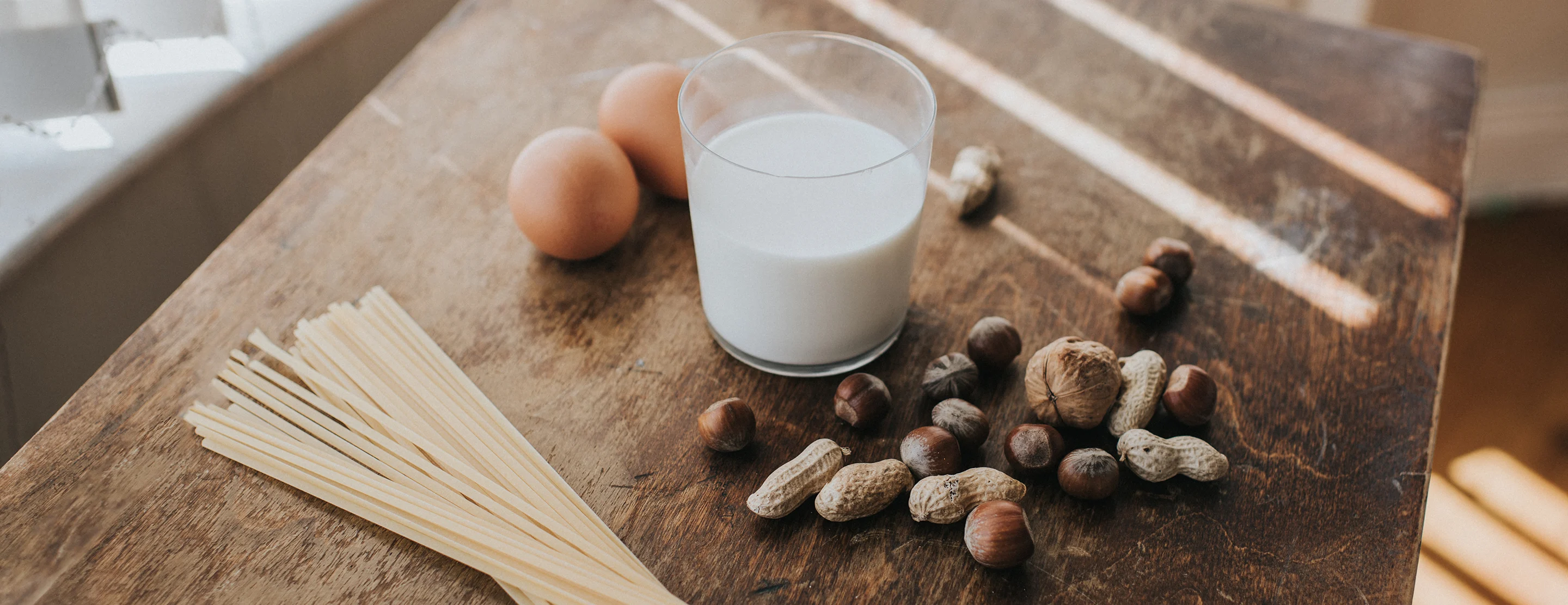
Managing Your Child's Food Allergies
Younger children are more likely to develop food allergies. Find out about allergy-causing foods, signs of an allergic reaction, treatments and more.
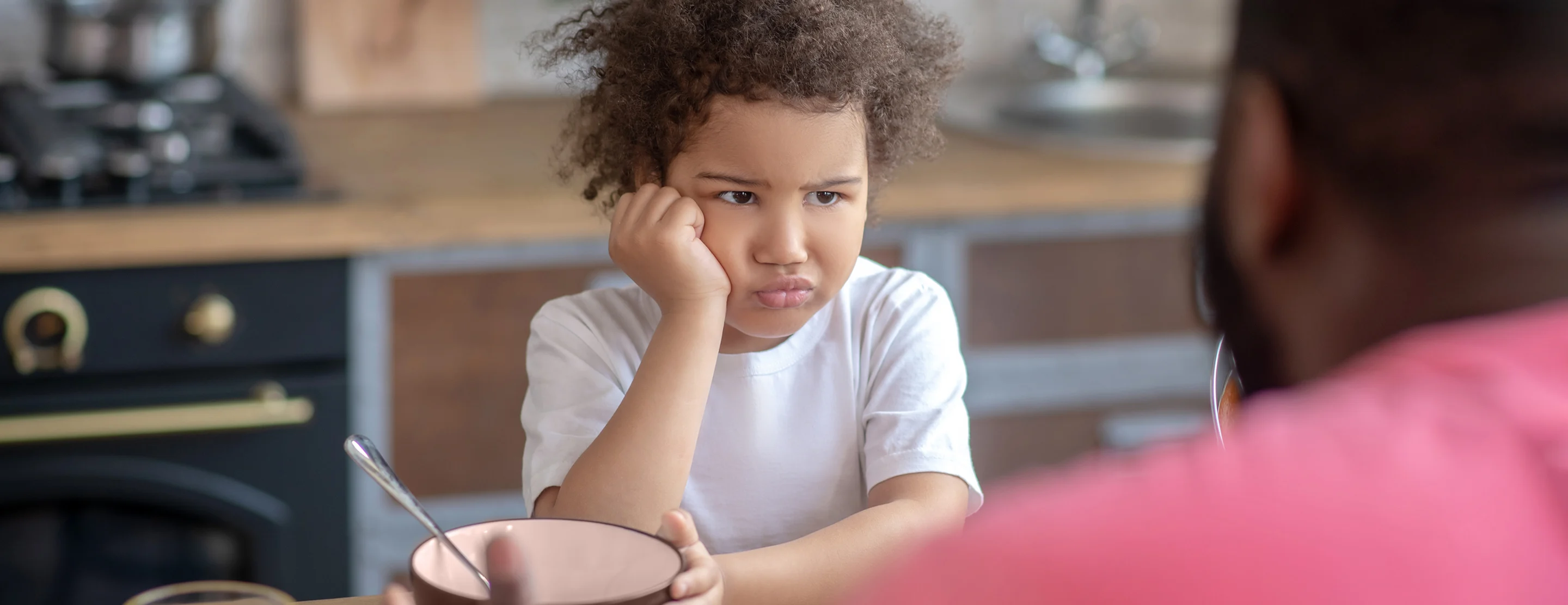
Picky Eaters: Tips for Parents
Children are more sensitive to certain food experiences. There are steps parents can take to prevent mealtime battles over picky eating habits. Read on.
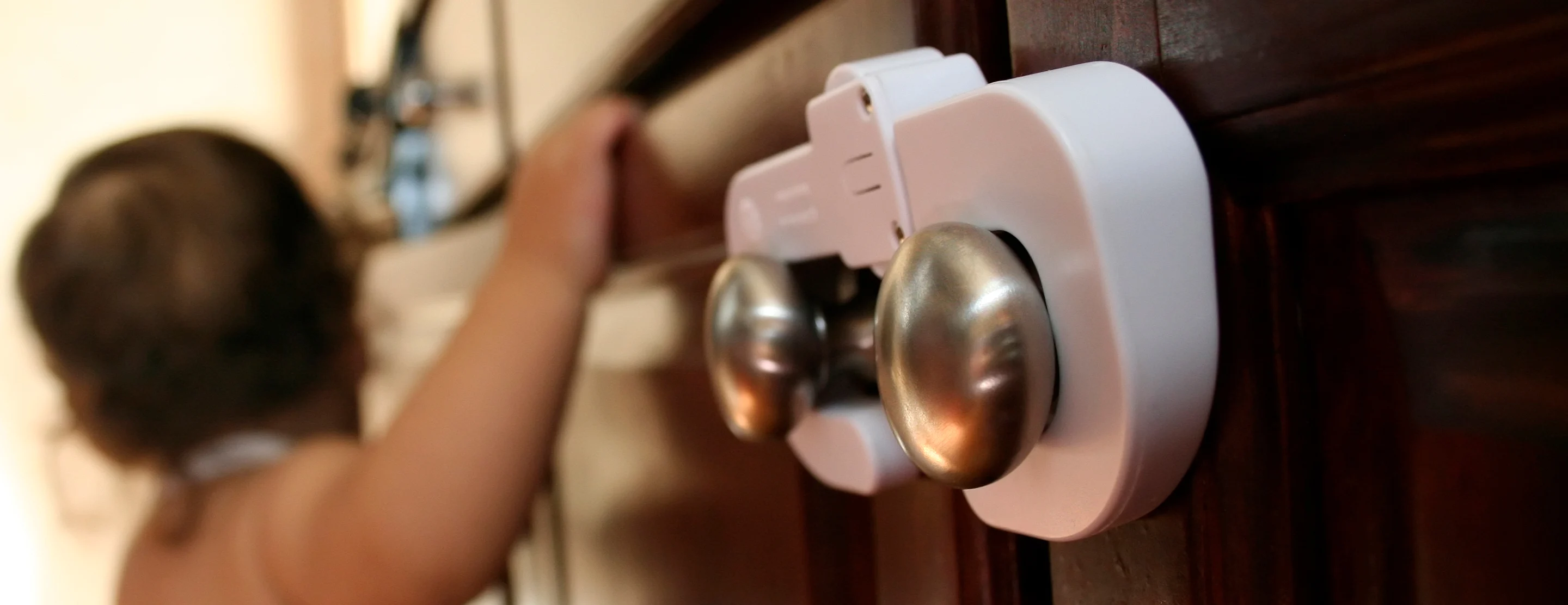
Preventing Poisoning in Children
Young children face a higher risk of poisoning. Read our tips for parents and other caregivers for keeping kids safe and how to report a poison emergency.

Preventing Weight Problems in Children
Taking steps to prevent weight problems can help your child avoid other health issues. Read our preventive tips about food, physical activity and more.

Recommended Vaccines for Your Child
Experts recommend that children receive vaccinations (shots) to protect them from 13 serious illnesses. Find out which ones and how often shots are needed.

Siblings and a New Baby
Bringing a new baby into your family can be difficult for their siblings. Find out how to support your older children through this transition.
Starting Your Baby on Solid Foods
As your baby's swallowing and chewing muscles develop, it may be time for solid foods. Learn how to introduce solids, buying and making baby food and more.

Sweet Drinks and Childhood Obesity
Sweetened drinks are high in calories and contribute to obesity. Learn about the impact of regularly consuming these beverages and what to drink instead.

Teething in Babies
Teething is uncomfortable for your child, and it can be difficult to know when it's happening. Learn how to spot the signs and help them get relief.

Your Baby at 4 Months
Your 4-month-old baby might enjoy laughing more than eating. Read about developmental milestones, such as teething, and get tips for feeding and sleeping.

Your Baby at 6 Months
Your 6-month-old baby may be sleeping 6 to 8 hours at night. Read about developmental milestones, such as teething, and get tips for feeding and sleeping.

Your Baby at 9 Months
At 9 months old, your baby may be learning to pull up to stand. Read about safety tips and developmental milestones in feeding, sleeping and language.

Your Baby at 12 Months
Your 12-month-old baby is becoming an independent eater. Learn about developmental milestones and tips for feeding, dental care and car and water safety.
