
FAQ: Baby Bottle Weaning

Weaning your child from a bottle may be a challenge. Once the decision to wean is made, consistency is essential and all caregivers should be aware that your child is transitioning from the bottle to the cup. Remember that weaning is usually a long, gradual process.
UCSF Benioff Children's Hospitals medical specialists have reviewed this information. It is for educational purposes only and is not intended to replace the advice of your child's doctor or other health care provider. We encourage you to discuss any questions or concerns you may have with your child's provider.
Recommended reading

Breast Milk or Formula? A Guide for New Parents
Breast milk and infant formula benefit your baby in different ways. Read our tips to help feeding time go smoothly and ensure your child is well nourished.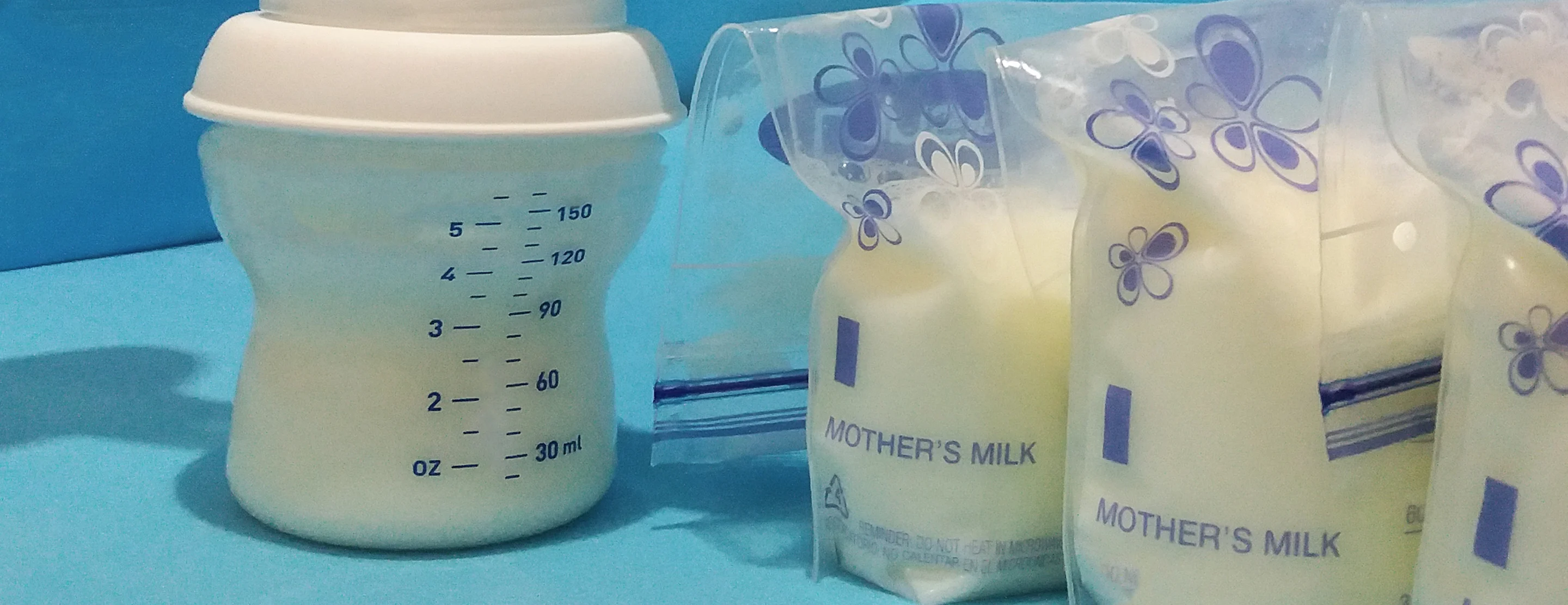
Breastfeeding and Returning to Work
If you are breastfeeding and returning to work, read our tips to ensure a smooth transition for you and your baby.
Childproofing Your Home
We offer childproofing tips to make your home safer for your little one. Learn about hazards and how to prevent injuries in bathrooms, kitchens and more.
Establishing Good Eating Habits in Children
Establishing good eating habits requires effort from children and their parents. Read more about each of your responsibilities and what not to worry about.
FAQ: Children and Nutrition
Is my child eating enough? How often should they have snacks? Get answers to pediatric nutrition FAQs and more.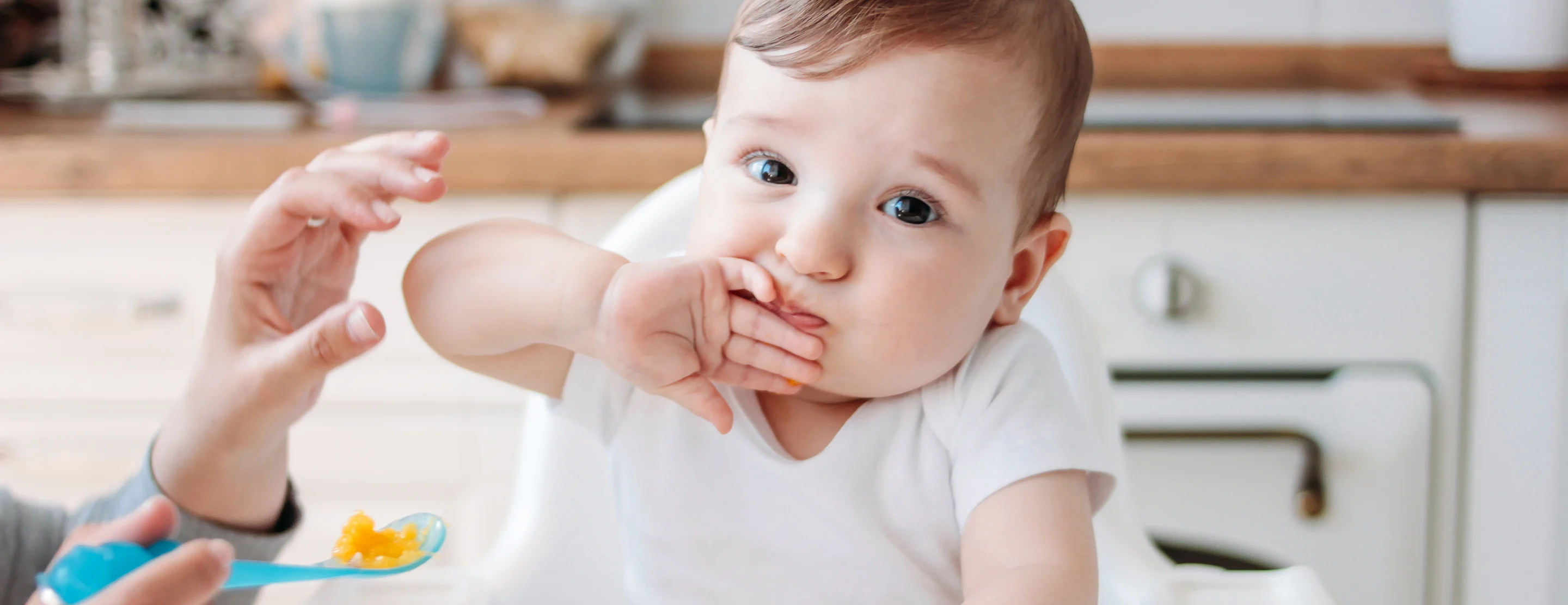
Introducing Your Baby to Solid Foods FAQs
From baby's first foods to signs of allergies, new parents often have questions about feeding their baby solid foods. Read our answers to FAQs.
Picky Eaters: Tips for Parents
Children are more sensitive to certain food experiences. There are steps parents can take to prevent mealtime battles over picky eating habits. Read on.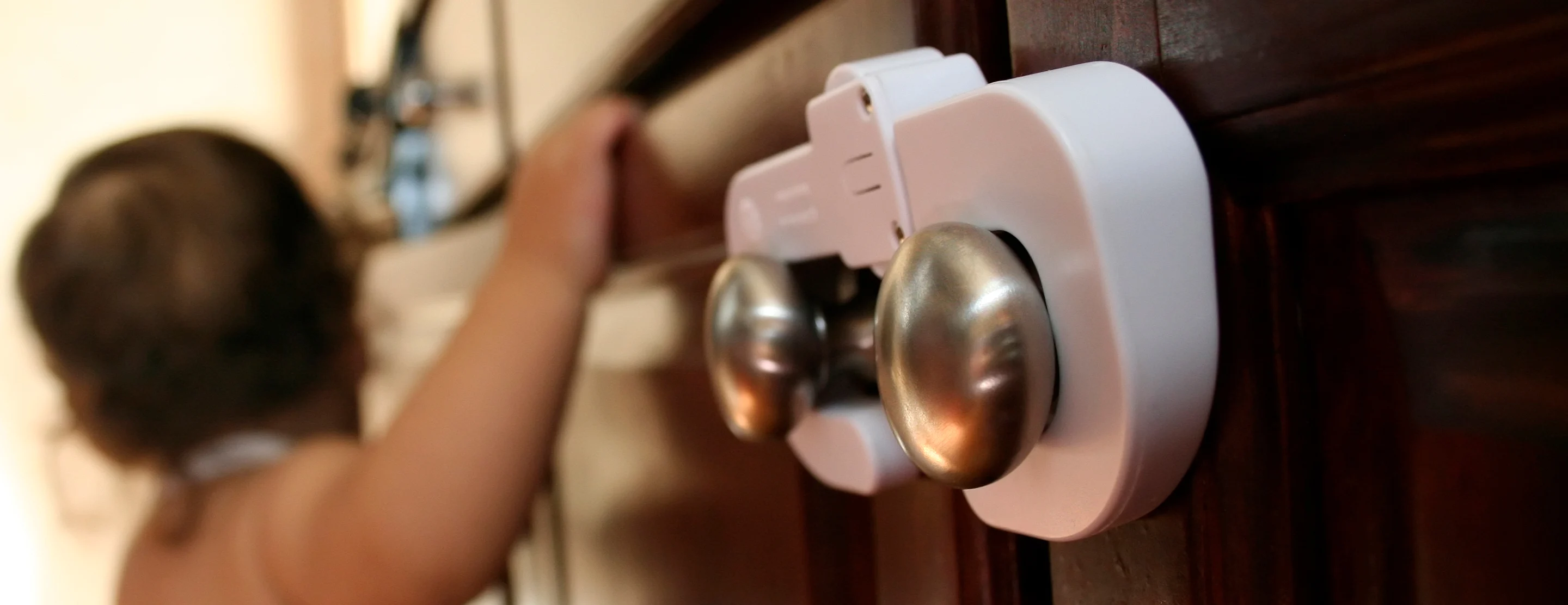
Preventing Poisoning in Children
Young children face a higher risk of poisoning. Read our tips for parents and other caregivers for keeping kids safe and how to report a poison emergency.
Preventing Weight Problems in Children
Taking steps to prevent weight problems can help your child avoid other health issues. Read our preventive tips about food, physical activity and more.
Siblings and a New Baby
Bringing a new baby into your family can be difficult for their siblings. Find out how to support your older children through this transition.
Starting Your Baby on Solid Foods
As your baby's swallowing and chewing muscles develop, it may be time for solid foods. Learn how to introduce solids, buying and making baby food and more.
Sweet Drinks and Childhood Obesity
Sweetened drinks are high in calories and contribute to obesity. Learn about the impact of regularly consuming these beverages and what to drink instead.
Teaching Toddlers Good Food Habits
When your child is between the ages of 1 and 3, it's a good time to start practicing good food habits, even if they don't eat much. Read our helpful tips.
Teething in Babies
Teething is uncomfortable for your child, and it can be difficult to know when it's happening. Learn how to spot the signs and help them get relief.