
Infection in Premature Infants

Although all newborns are at an increased risk of developing infections, this is particularly true of premature babies because their immune systems haven't fully matured. As a result, they may not be able to adequately fight off bacteria, fungi, viruses and other organisms that can cause infections.
Some babies are born with infections they got from their mothers, while others develop infections from the environment, especially those who have a vascular catheter. Microorganisms that normally live on the skin may cause infection if they enter the body through these catheters or other tubes inserted into the baby's body. However, these catheters and tubes are often necessary so the baby can receive required nutrition and medications, and to allow a painless way to draw blood for tests.
There are various infections that can affect premature babies, including:
- Sepsis, a blood infection
- Pneumonia
- Meningitis, infection of the membranes surrounding the brain
Infections are usually treated with antibiotics or antiviral drugs.
Because newborns are so susceptible to germs, visitors to the Neonatal Intensive Care Unit (NICU) at UCSF Benioff Children's Hospital will be asked to wash their hands before and after touching babies. Anyone who is sick should not visit.
UCSF Benioff Children's Hospitals medical specialists have reviewed this information. It is for educational purposes only and is not intended to replace the advice of your child's doctor or other health care provider. We encourage you to discuss any questions or concerns you may have with your child's provider.
Recommended reading

Feeding Difficulties in Premature Infants
Premature babies can experience feeding difficulties. But they are often temporary. Learn more about the causes and specialized care we deliver.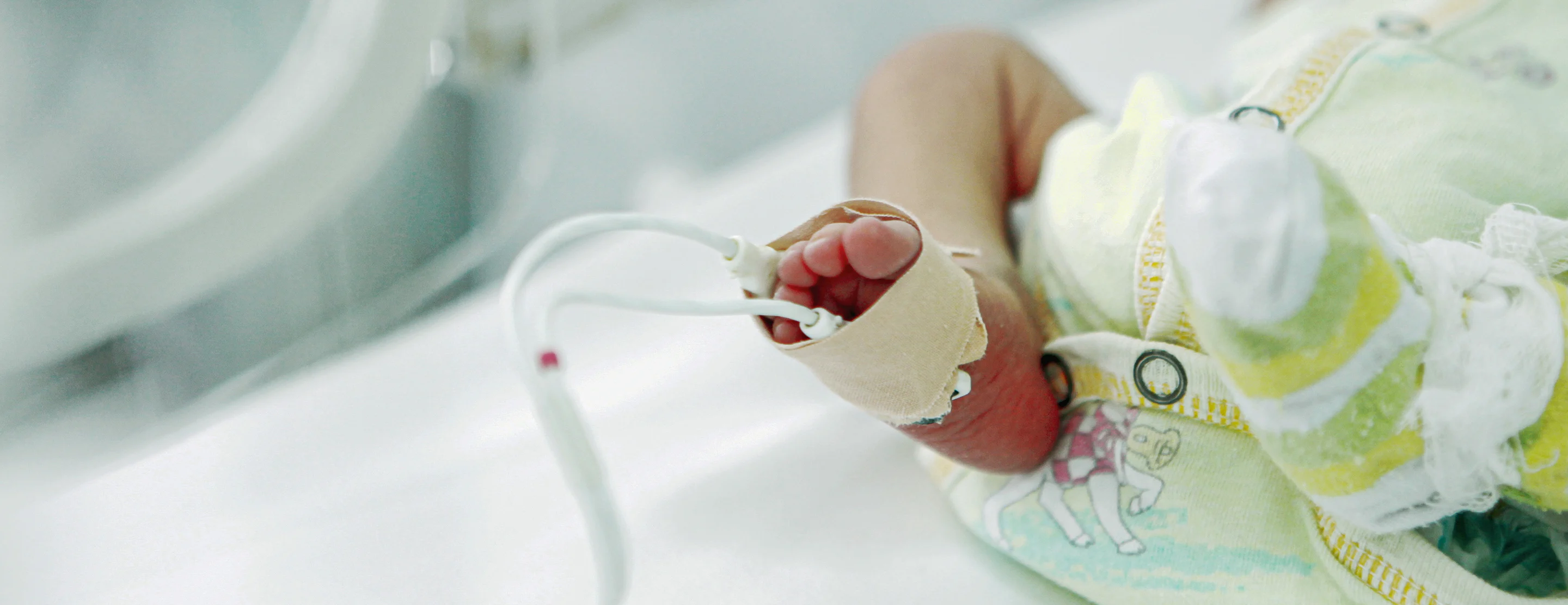
NICU Glossary
Our glossary explains the terms we use in the intensive care nursery in language that's easy to understand. Learn about chest tubes, respirators and more.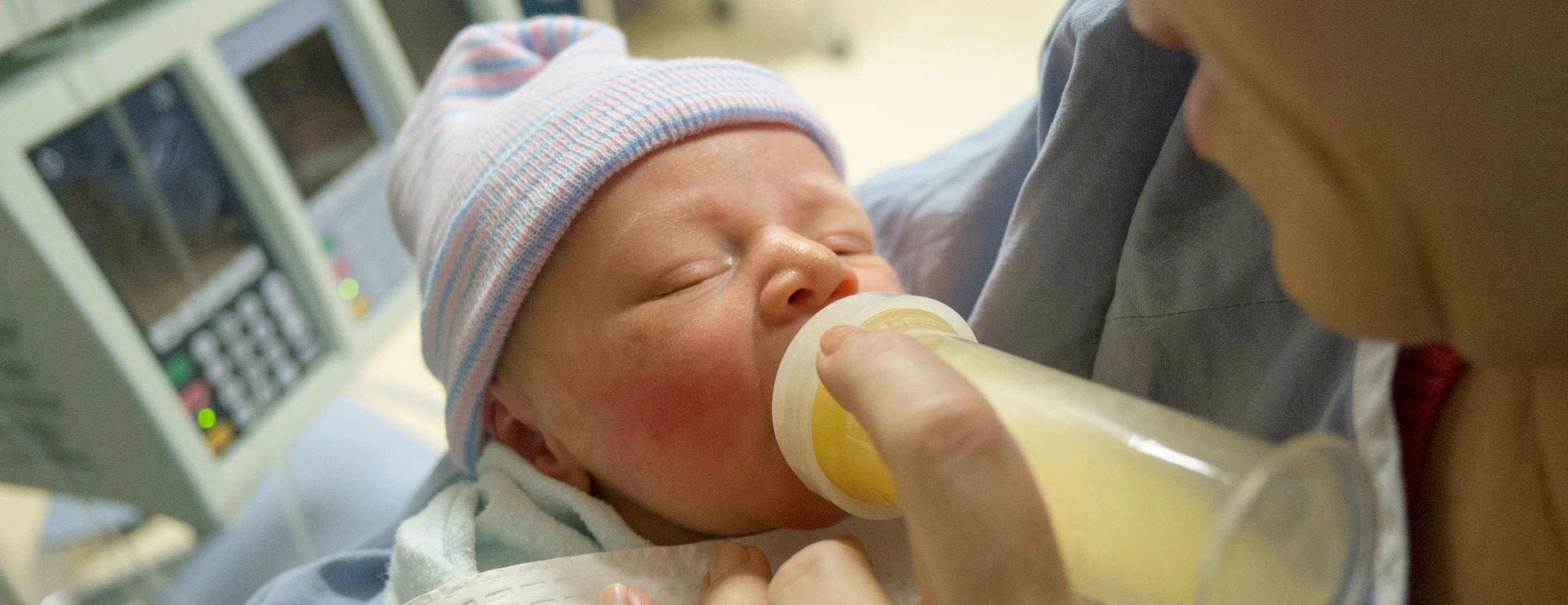
A Parent's Guide to the NICU
Is your baby in the intensive care nursery? Our guide helps you take an active role in your child's care, know what to expect and access support services.
