Periventricular Leukomalacia
On this page
Overview
Periventricular leukomalacia, or PVL, involves injury to the brain. The periventricular area contains important nerve fibers that carry messages from the brain to the muscles of the body. Although all babies can develop the disease, premature babies are at an increased risk. The more premature the baby, the greater the risk of PVL.
PVL is caused by a lack of oxygen or blood flow to the periventricular area of the baby's brain either in the womb, at delivery, or during the first days of life. This may result in the death or loss of brain tissue.
Signs & symptoms
Babies with PVL typically don't show any obvious symptoms while they're still newborns, but they're at an increased risk for motor disorders, delayed mental development, coordination problems and vision and hearing impairments. PVL may be accompanied by a hemorrhage or bleeding in the brain and may also lead to cerebral palsy.
Diagnosis
Premature babies who are at risk for PVL usually have a head ultrasound four to eight weeks after birth, when PVL becomes detectable. The ultrasound can detect cysts that may develop because of PVL. A magnetic resonance imaging scan, or MRI, of the baby's brain may also be performed.
Treatment
Unfortunately, there are no specific treatments for PVL at this time. However, current research focuses on why PVL occurs and how to prevent it.
UCSF Benioff Children's Hospitals medical specialists have reviewed this information. It is for educational purposes only and is not intended to replace the advice of your child's doctor or other health care provider. We encourage you to discuss any questions or concerns you may have with your child's provider.
Awards & achievements


Ranked among the nation's best in 11 specialties

Recommended reading
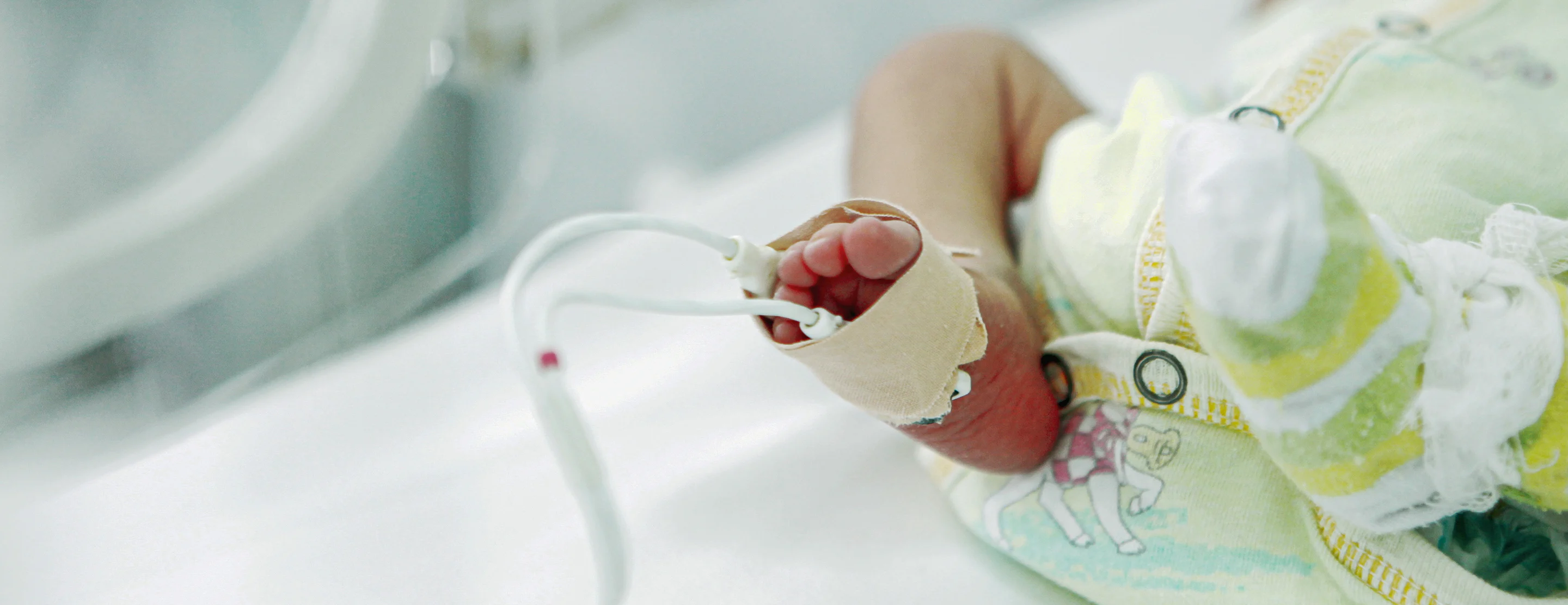
NICU Glossary
Our glossary explains the terms we use in the intensive care nursery in language that's easy to understand. Learn about chest tubes, respirators and more.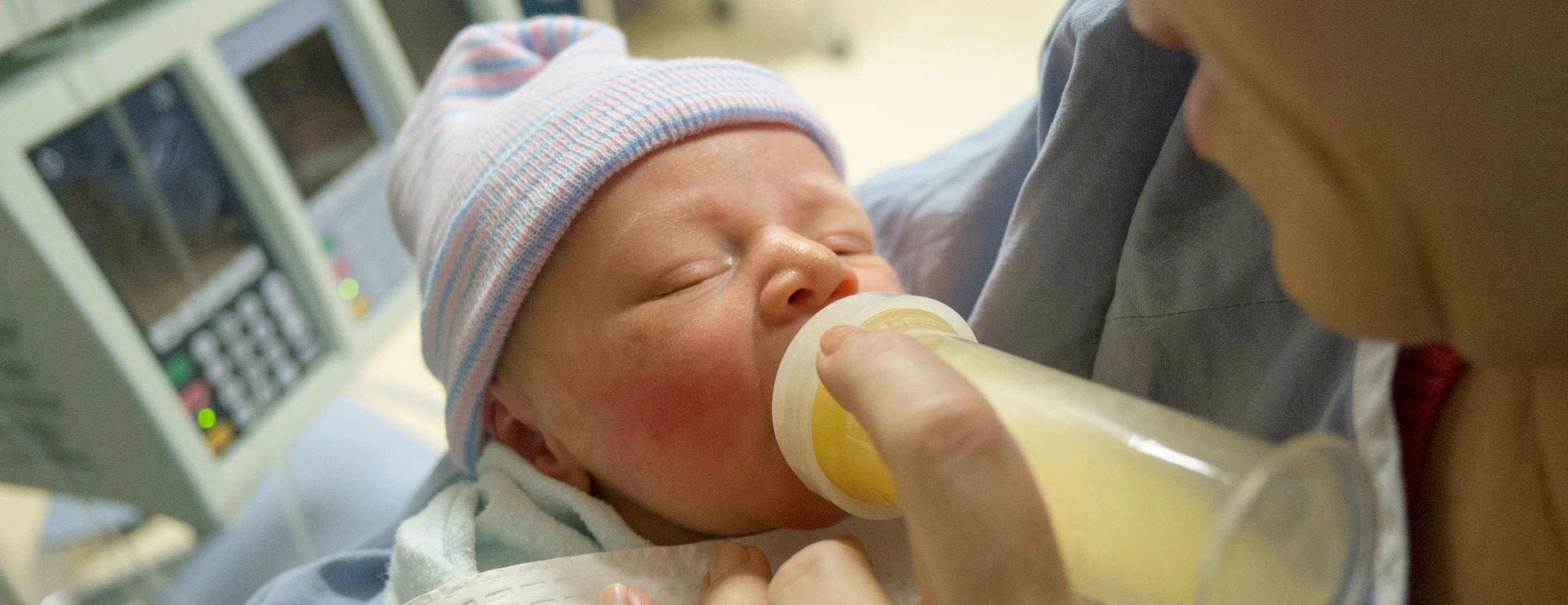
A Parent's Guide to the NICU
Is your baby in the intensive care nursery? Our guide helps you take an active role in your child's care, know what to expect and access support services.
Clinical trials
Neonatal White Matter Injury Trial (WRAP)Opens in a new window
The researchers are investigating a new treatment for white matter injury, which is a common type of brain injury in premature babies. The drug, clemastine, is experimental. This means that the drug is not approved by the Food and Drug Administration (FDA) for the treatment of white matter injury...
Related conditions & treatments
Conditions
Support services

Family Amenities
Family-friendly amenities help you relax and take care of yourself while staying close to your child. We offer lounges, kitchens, showers, breastfeeding rooms and more.
Glogau Teddy Bear Rescue Fund
Families that need additional assistance during their child's hospital stay have access to toys, hotel vouchers and other amenities. Find out more.
Interpreter Services & Communication Assistance at UCSF Benioff Children's Hospitals
Interpreter services in many languages and TDDs are available for families that need help communicating with care teams. Here's how to access them.
Patient Relations at UCSF Benioff Children's Hospitals
Patient relations reps and nursing supervisors are here to answer questions and address concerns. Learn about your rights, how to reach us and more.
Social Services at UCSF Benioff Children's Hospitals
Social workers ease the effect of illness, injury and hospitalization on your family with counseling and assistance to help you navigate the challenges.
Spiritual Care at UCSF Benioff Children's Hospitals
Chaplains help UCSF patients, families and staff cope with the spiritual and emotional challenges of childhood illness. Learn more.