Pediatric Primary Immune Regulatory Disorder (PIRD) Care

On this page
Tailored care for primary immune regulatory disorder (PIRD)
Primary immune regulatory disorder (PIRD) is a name for a group of rare immune system disorders with a genetic cause. Symptoms of PIRD usually appear within the first few years of life and include hyperinflammation (overactive immune system), severe allergies and autoimmune conditions. PIRD can be difficult to treat.
Targeted PIRD testing and therapies
Children with PIRD have an immune system that may be overactive, underactive or doesn't respond as it should to challenges.
Many genetic mutations can lead to PIRD. Our specialists use genetic testing to determine the underlying cause of the condition. Once they have the right diagnosis, they design a treatment plan for your child that targets the immune system issue.
For example, a genetic test may show a defect in a gene that makes a specific protein that plays an important role in regulating the immune system. Our team can then treat the child with a drug that delivers this vital protein.
Stem cell transplant
For some patients, the best treatment is a stem cell transplant (also known as bone marrow transplant or BMT). In these cases, we collaborate with our Pediatric Bone Marrow Transplant (BMT), Cellular & Gene Therapy team to provide seamless, comprehensive care.
Tailored care for primary immune regulatory disorder (PIRD)
Primary immune regulatory disorder (PIRD) is a name for a group of rare immune system disorders with a genetic cause. Symptoms of PIRD usually appear within the first few years of life and include hyperinflammation (overactive immune system), severe allergies and autoimmune conditions. PIRD can be difficult to treat.
Targeted PIRD testing and therapies
Children with PIRD have an immune system that may be overactive, underactive or doesn't respond as it should to challenges.
Many genetic mutations can lead to PIRD. Our specialists use genetic testing to determine the underlying cause of the condition. Once they have the right diagnosis, they design a treatment plan for your child that targets the immune system issue.
For example, a genetic test may show a defect in a gene that makes a specific protein that plays an important role in regulating the immune system. Our team can then treat the child with a drug that delivers this vital protein.
Stem cell transplant
For some patients, the best treatment is a stem cell transplant (also known as bone marrow transplant or BMT). In these cases, we collaborate with our Pediatric Bone Marrow Transplant (BMT), Cellular & Gene Therapy team to provide seamless, comprehensive care.
Providers

Morna J. Dorsey, MD, MS
Pediatric Allergy and Immunology
Kristin A. Shimano, MD
Pediatric Hematology-Oncology
Sofia Verstraete, MD
Pediatric Gastroenterology
Emily Von Scheven, MD
Rheumatology • Pediatric Rheumatology
Awards & achievements


Ranked among the nation's best in 11 specialties


Related conditions & treatments
Conditions
- Allergic Disorders
- Autoimmune Diseases
- Genetic Disorders
- Immune Dysregulation
- Ipex Syndrome
Treatments
- Bone Marrow Transplant
- Genetic Testing
- Stem Cell Transplant

Clinical trials
A Study of Treatment of Inflammation Before Stem Cell Transplant in People With a Primary Immune Regulatory Disorder (PIRD) and/or an Autoinflammatory ConditionOpens in a new window
The researchers are doing this study to find out whether emapalumab or a combination of fludarabine and dexamethasone are effective in preparing people with a primary immune regulatory disorder (PIRD) and/or an autoinflammatory condition to receive a stem cell transplant...
Support services
Child Life
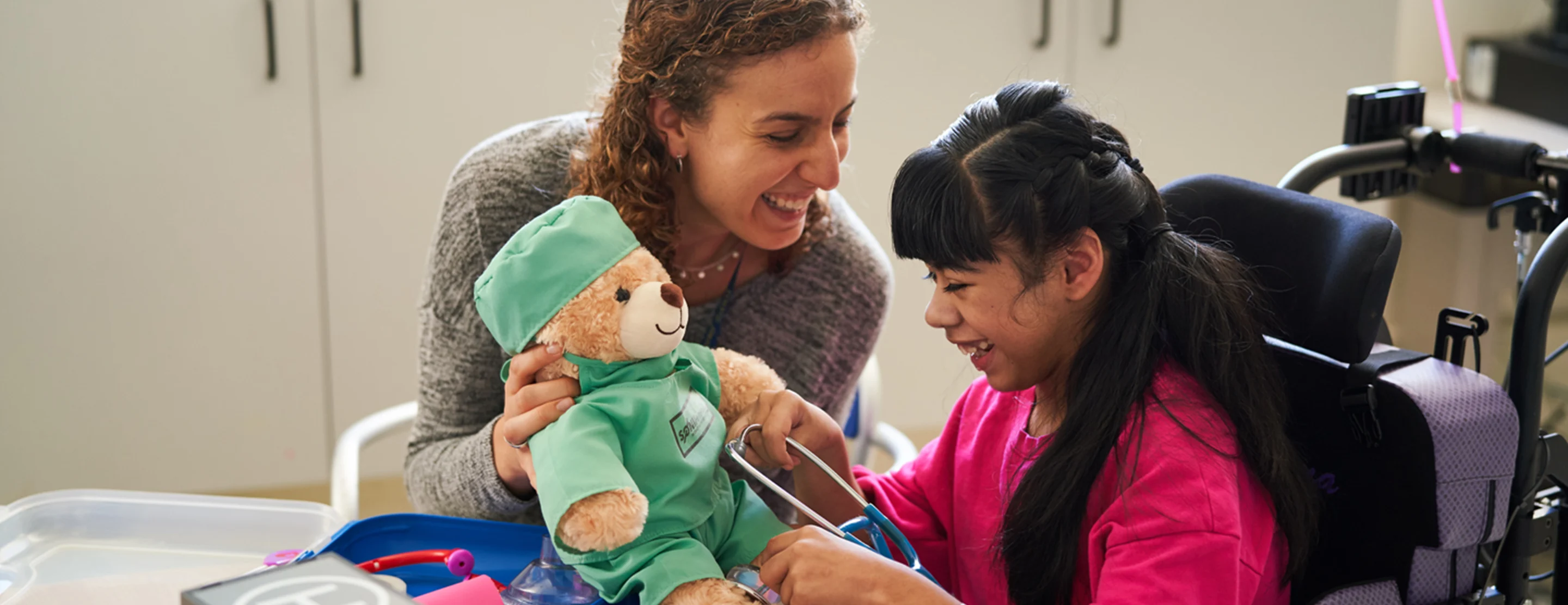
Certified child life specialists ease the stress and anxiety of childhood illness through therapeutic play, schooling and family-focused support.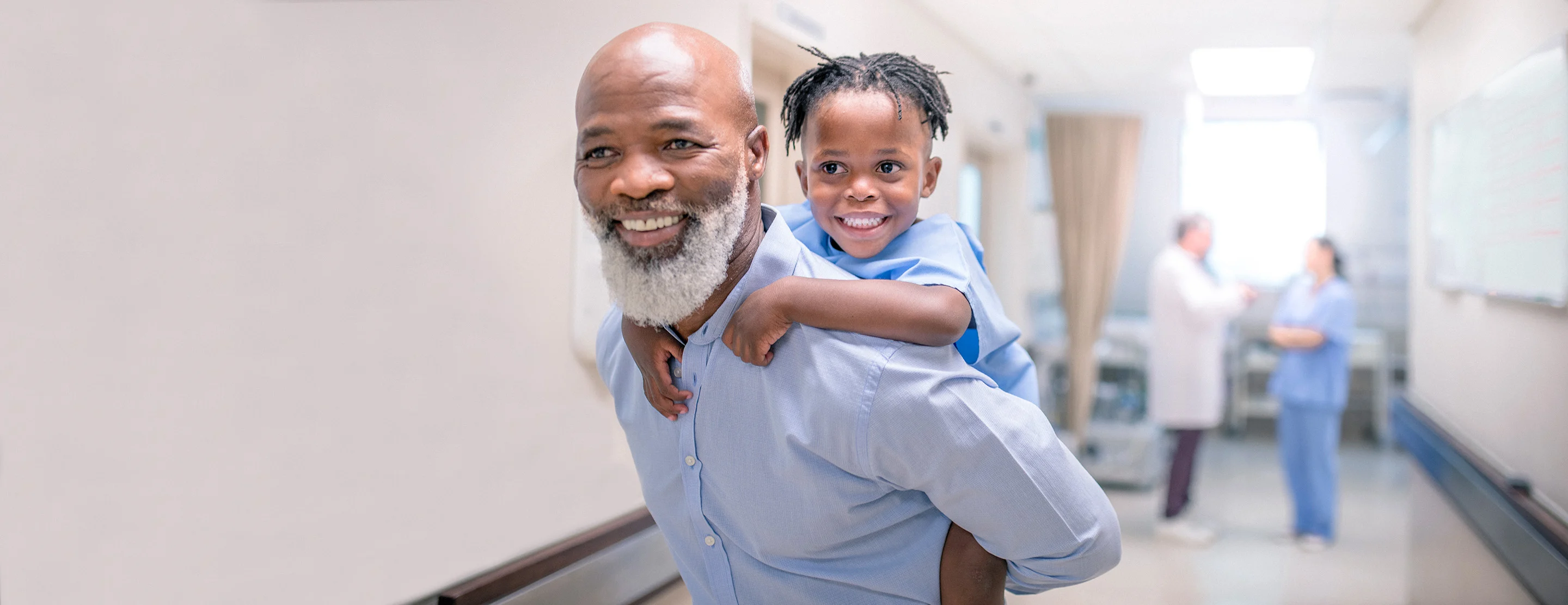
Family Amenities
Family-friendly amenities help you relax and take care of yourself while staying close to your child. We offer lounges, kitchens, showers, breastfeeding rooms and more.
Social Services at UCSF Benioff Children's Hospitals
Social workers ease the effect of illness, injury and hospitalization on your family with counseling and assistance to help you navigate the challenges.
Activity Rooms
Activity rooms offer a relaxed environment for children of all ages. Features include a playroom, digital arts studio and teen lounge. Find out more.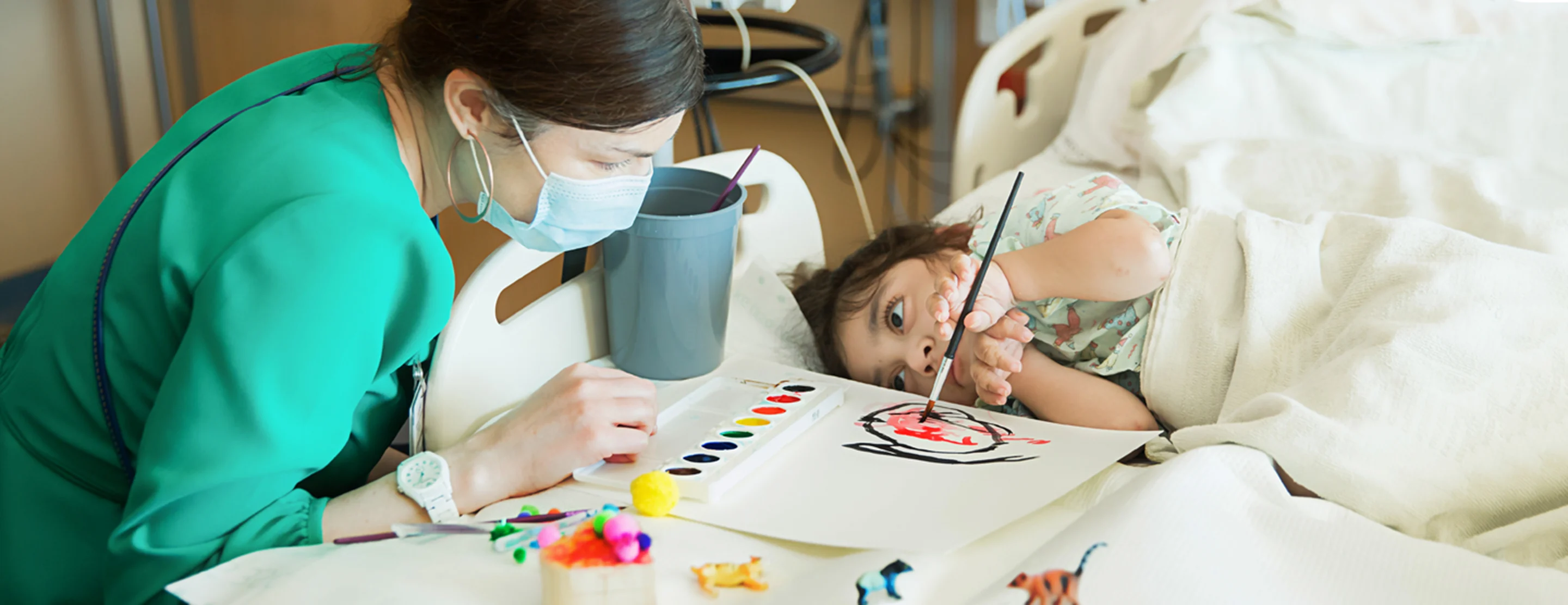
Pediatric Art Therapy Program
Art therapy helps kids and families express themselves, making it easier to cope with pediatric health issues. Group and bedside services are available.
Pediatric Music Therapy Program
Board-certified music therapists help kids cope with illness and the feelings that come with it. Find out about group activities and bedside therapy.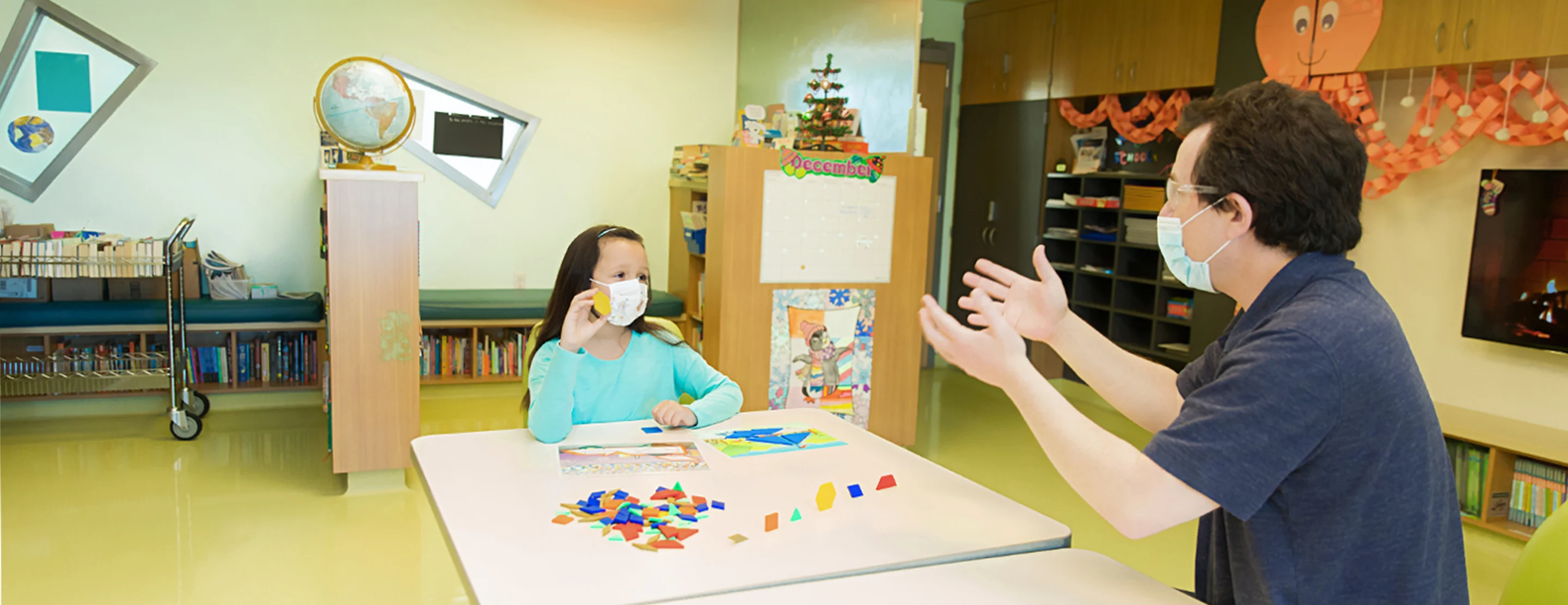
School Program for Hospitalized Children
Our schoolroom services and individual learning programs help children hospitalized at UCSF continue their education and get ready to return to school.
School Re-Entry Program
We help kids return to school after hospitalization by educating staff and students about their needs and recommending needed accommodations. Read more.
Individual Playtime & Instruction
If your child can't be around other kids for medical reasons, you can sign up for private sessions in our activity and school rooms. Find out how.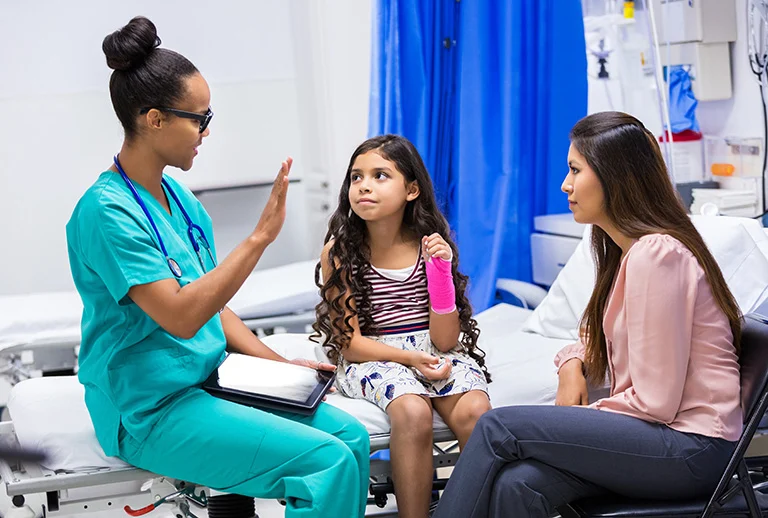
Interpreter Services & Communication Assistance at UCSF Benioff Children's Hospitals
Interpreter services in many languages and TDDs are available for families that need help communicating with care teams. Here's how to access them.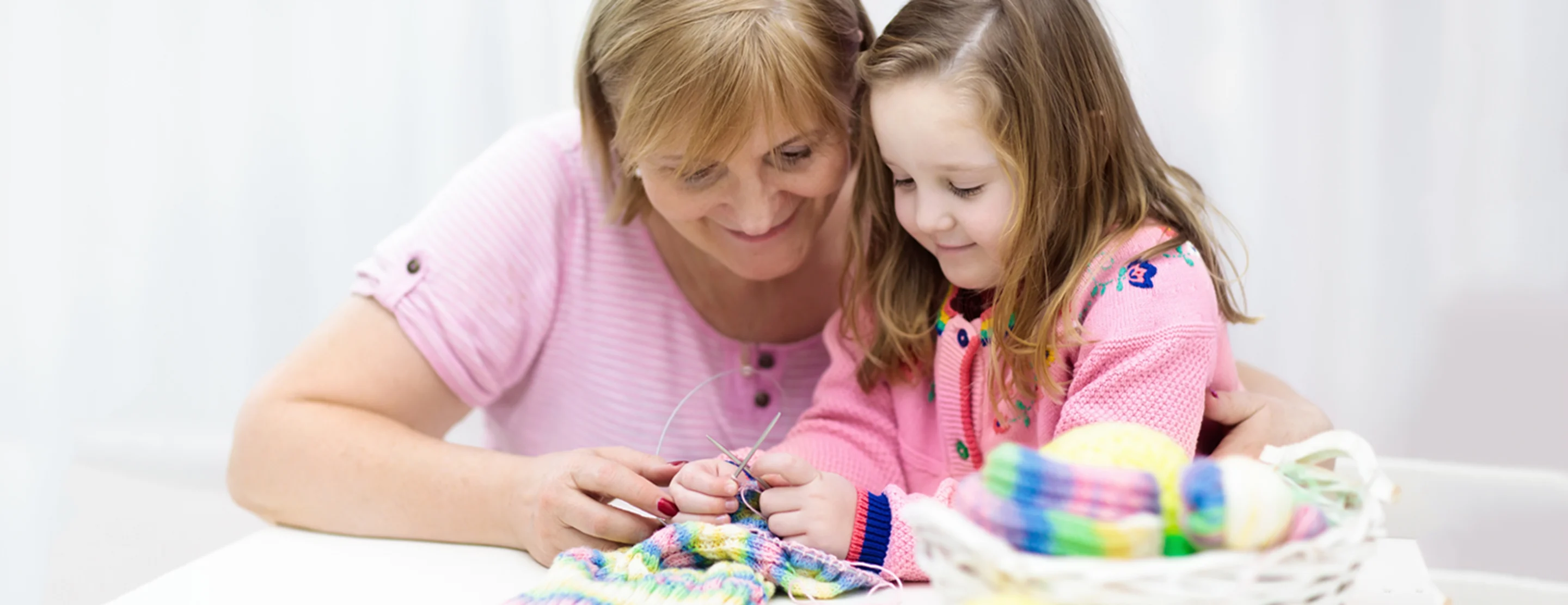
Parent Support Program
Weekly activities, including knitting, scrapbooking, chair massage and more, help family caregivers get a much-needed break. Find out more.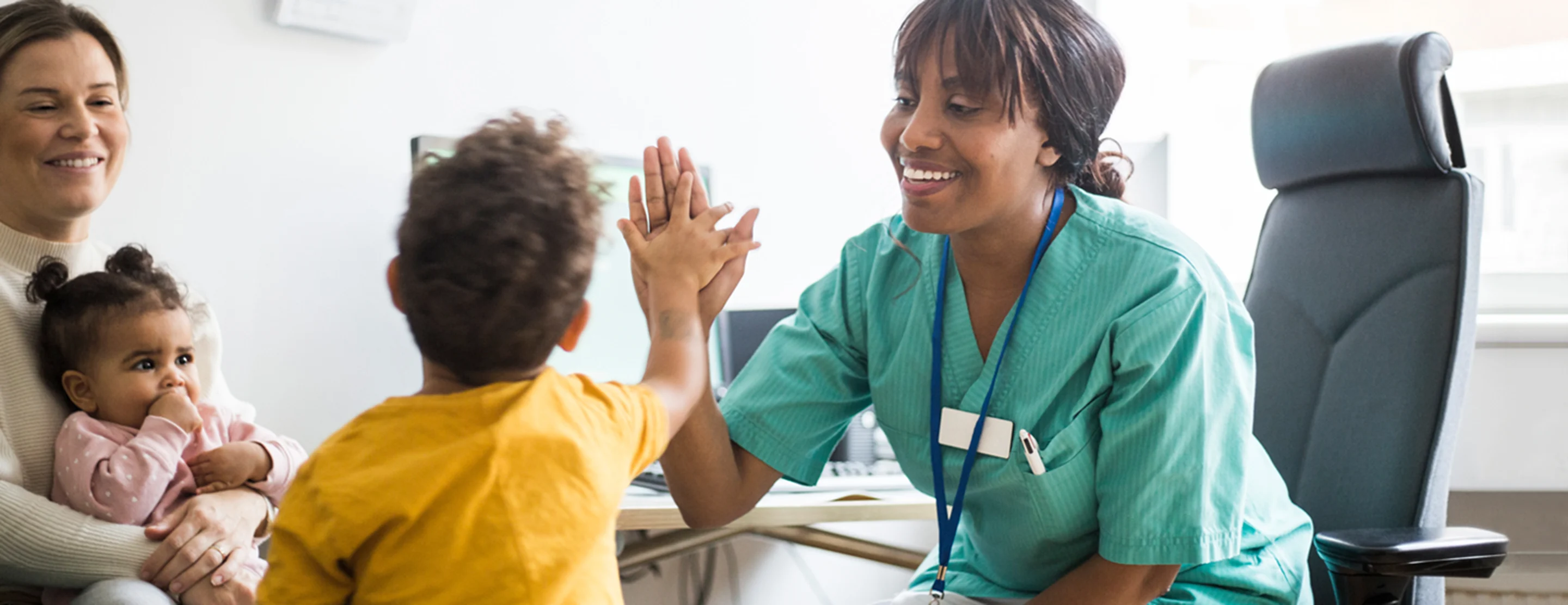
Patient Relations at UCSF Benioff Children's Hospitals
Patient relations reps and nursing supervisors are here to answer questions and address concerns. Learn about your rights, how to reach us and more.
Spiritual Care at UCSF Benioff Children's Hospitals
Chaplains help UCSF patients, families and staff cope with the spiritual and emotional challenges of childhood illness. Learn more.
International Services at UCSF Benioff Children's Hospitals
If you're coming to UCSF from outside the U.S., we coordinate your child's appointments and provide other helpful services. Here's how to get started.