Pediatric Intestinal Rehabilitation

On this page
Why choose UCSF Benioff Children's Hospitals for intestinal rehabilitation?
Children with intestinal failure cannot properly digest food or absorb liquids, which affects their growth and development. We are one of the few pediatric programs on the West Coast offering advanced care to children with intestinal failure.
Our approach combines the expertise of multiple pediatric specialists to provide your family with holistic care and improve your child's intestinal function. Our goal is to limit how much total parenteral nutrition (TPN) your child needs, helping them transition to eating solid food when possible. We provide specialized formulas via feeding tubes when additional nutrition support is needed.
We see children who were born prematurely, whose intestines did not develop correctly, or who lost part of their intestines due to disease or injury. Intestinal failure is often diagnosed during a prenatal scan or shortly after birth. We work closely with your maternal-fetal medicine specialist and the neonatal intensive care unit (NICU) to develop a treatment plan for your new baby. Our team continues to care for your child as they grow.
Your child sees our team several times per year. We get to know your family and make sure you have the support and resources you need to help your child thrive. Our team provides treatment options that may improve your child's intestinal function and quality of life.
U.S. News & World Report consistently ranks our gastroenterology and GI surgery programs among the best in the nation, highlighting our commitment to providing exceptional pediatric GI care.
Why choose UCSF Benioff Children's Hospitals for intestinal rehabilitation?
Children with intestinal failure cannot properly digest food or absorb liquids, which affects their growth and development. We are one of the few pediatric programs on the West Coast offering advanced care to children with intestinal failure.
Our approach combines the expertise of multiple pediatric specialists to provide your family with holistic care and improve your child's intestinal function. Our goal is to limit how much total parenteral nutrition (TPN) your child needs, helping them transition to eating solid food when possible. We provide specialized formulas via feeding tubes when additional nutrition support is needed.
We see children who were born prematurely, whose intestines did not develop correctly, or who lost part of their intestines due to disease or injury. Intestinal failure is often diagnosed during a prenatal scan or shortly after birth. We work closely with your maternal-fetal medicine specialist and the neonatal intensive care unit (NICU) to develop a treatment plan for your new baby. Our team continues to care for your child as they grow.
Your child sees our team several times per year. We get to know your family and make sure you have the support and resources you need to help your child thrive. Our team provides treatment options that may improve your child's intestinal function and quality of life.
U.S. News & World Report consistently ranks our gastroenterology and GI surgery programs among the best in the nation, highlighting our commitment to providing exceptional pediatric GI care.
Multispecialty approach
Your child receives collaborative, attentive care from a team of gastroenterologists, surgeons, dietitians, nurses and social workers.Personalized treatment options
We tailor your child's care plan according to their needs and goals and talk to you about the therapies that may work best for them.Total parenteral nutrition (TPN) expertise
When possible, our providers help restore your child's intestinal function and reduce or eliminate their need for TPN.Caregiver resources and support
Managing care for a child with intestinal failure is complex. We make sure you have the support and resources you need for in-home and at-school care.
Our intestinal rehabilitation program
At UCSF Benioff Children's Hospitals, we offer family support and comprehensive care to children with intestinal failure. Our goal is to improve intestinal function and make sure your child has the health services they need.
We treat all types of intestinal failure, including those caused by:
Short bowel syndrome. This is when part of the intestine is missing or surgically removed to treat conditions such as necrotizing enterocolitis, volvulus, intestinal atresia or gastroschisis.
Motility disorders. These include total intestinal aganglionosis, a severe form of Hirschsprung disease, and pediatric intestinal pseudo-obstruction.
Congenital diarrhea and enteropathies. These are conditions children are born with that make it difficult for the intestine to absorb nutrients.
Multispecialty care
Intestinal failure often affects multiple body systems. Using a team-based approach, we address every aspect of the condition. Your child's care team may include pediatric specialists in:
Gastroenterology
Surgery
Nutrition
Pharmacy
Feeding therapy (speech-language pathology or occupational therapy)
Behavior and development
Psychology and psychiatry
Vascular access
Interventional radiology
NICU collaboration
Our intestinal failure experts work closely with the UCSF NICU team. If your baby receives a diagnosis at birth, we provide early interventions and integrated care to support their growth and healing.
Pediatric intestinal failure treatments
Our team of experts works together to create a treatment plan to improve your child's intestinal function. The care plan may include a combination of:
Specialized diets
Oral feeding support with a speech and language pathologist or occupational therapist
Growth hormones to stimulate small intestine development
Gastrostomy tubes
Gastrojejunostomy tubes
Total parenteral nutrition (TPN)
Intestinal surgery (bowel lengthening or tailoring procedures)
Our child life specialists are available in the hospital and in our office to ease any discomfort or nervousness your child may feel before or after treatment. If your child needs surgery, our expert pediatric surgeons perform specialized procedures to help improve intestinal function.
TPN weaning and optimization
Some children with intestinal failure must receive critical nutrients and calories through a catheter placed in a vein, called total parenteral nutrition (TPN). But long-term use of TPN can cause complications.
With expertise in TPN weaning, our team helps reduce and, if possible, eliminate your child's need for TPN. If your child can't stop TPN completely, we work to optimize its use and reduce the risk for complications.
Long-term support for intestinal failure
Intestinal failure is a chronic illness, so we provide your family with ongoing care. Typically, you'll see a member of our care team every one to three months, depending on your child's symptoms and diagnosis.
Our nurses and social workers make sure you have what you need to help your child stay as healthy as possible, including in-home care, medical supplies and school accommodations.
Providers

Susan Alicia Maria Gutierrez, MD
Pediatric Gastroenterology
Hanmin Lee, MD
General Surgery • Pediatric Surgery
Vivien Nguyen, MD
Pediatric Gastroenterology
Namrata Patel-Sanchez, MD
Pediatric Gastroenterology
Awards & achievements


Best in Northern California and top 10 in the nation for gastroenterology & GI surgery

Ranked among the nation's best in 11 specialties


Related conditions & treatments
Conditions
- Bowel Dysmotility
- Gastroschisis
- Hirschsprung's Disease
- Intestinal Atresia
- Intestinal Failure (IF)
- Intestinal Obstruction
- Intestinal Volvulus
- Malabsorption
- Malrotation of Bowel
Treatments
- Bowel Resection
- Enteral and Parenteral Nutrition
- Feeding Tube Management
- Feeding Tube Placement
- Gastrojejunostomy
- Nutritional Counseling
- Ostomy
- Small Bowel Biopsy
- Total Parenteral Nutrition (TPN)

Trials & research
Clinical trials
A Feasibility Study to Evaluate Safety and Probable Benefit of the Eclipse XL1 System for Distraction Enterogenesis in Adult and Pediatric Patients With Short Bowel SyndromeOpens in a new window
A Feasibility Study to Evaluate Safety and Probable Benefit of the Eclipse XL1 System for Distraction Enterogenesis in Adult and Pediatric Patients with Short Bowel Syndrome
Support services
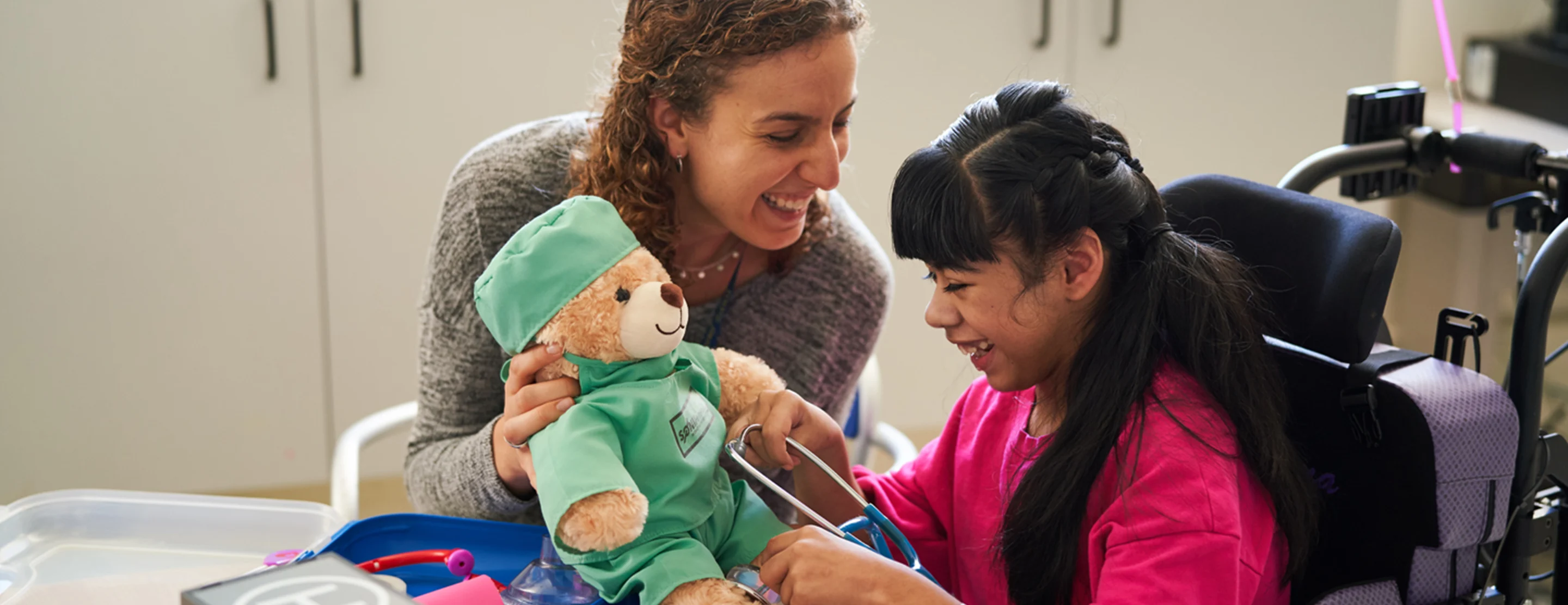
Child Life
Certified child life specialists ease the stress and anxiety of childhood illness through therapeutic play, schooling and family-focused support.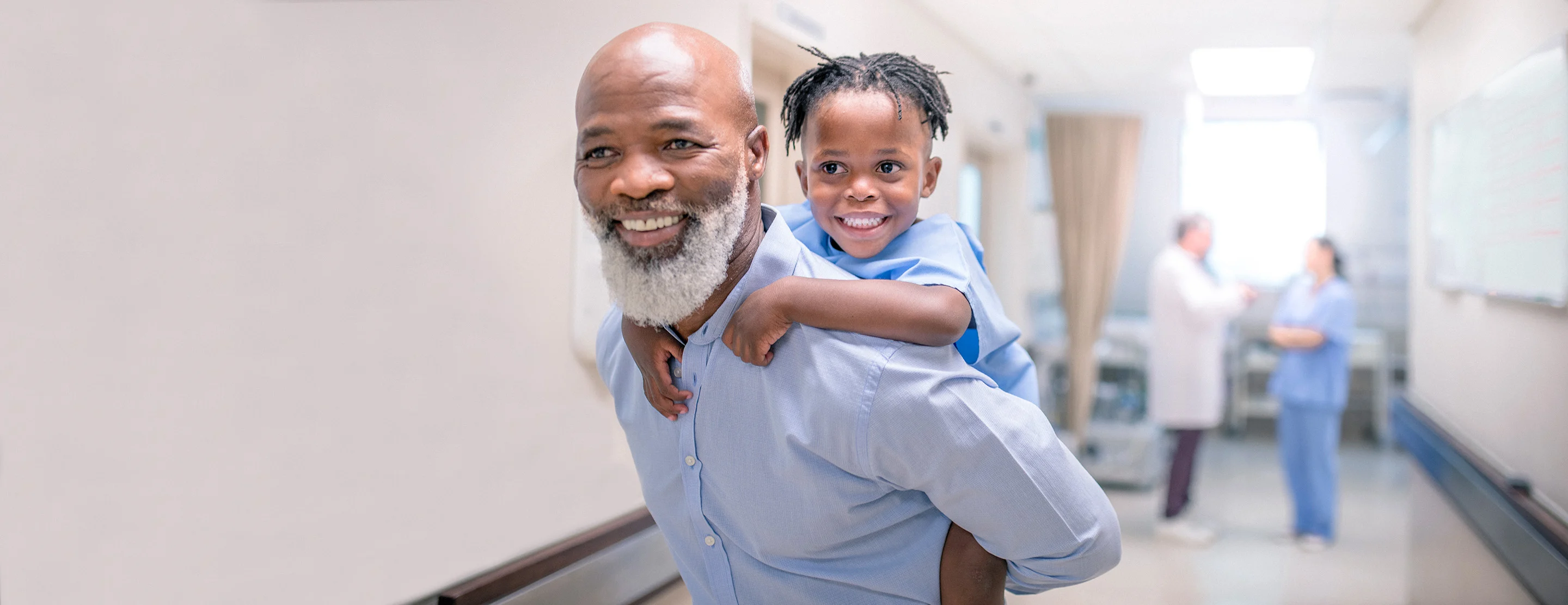
Family Amenities
Family-friendly amenities help you relax and take care of yourself while staying close to your child. We offer lounges, kitchens, showers, breastfeeding rooms and more.
Social Services at UCSF Benioff Children's Hospitals
Social workers ease the effect of illness, injury and hospitalization on your family with counseling and assistance to help you navigate the challenges.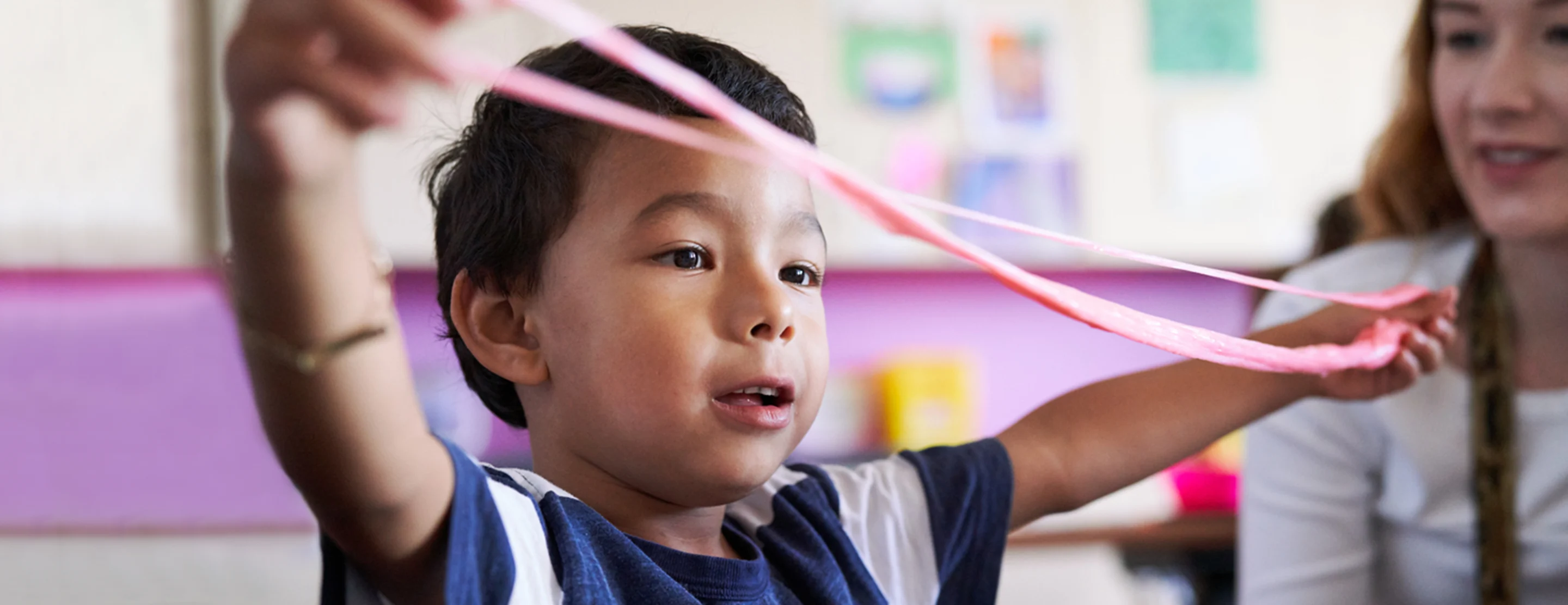
Activity Rooms
Activity rooms offer a relaxed environment for children of all ages. Features include a playroom, digital arts studio and teen lounge. Find out more.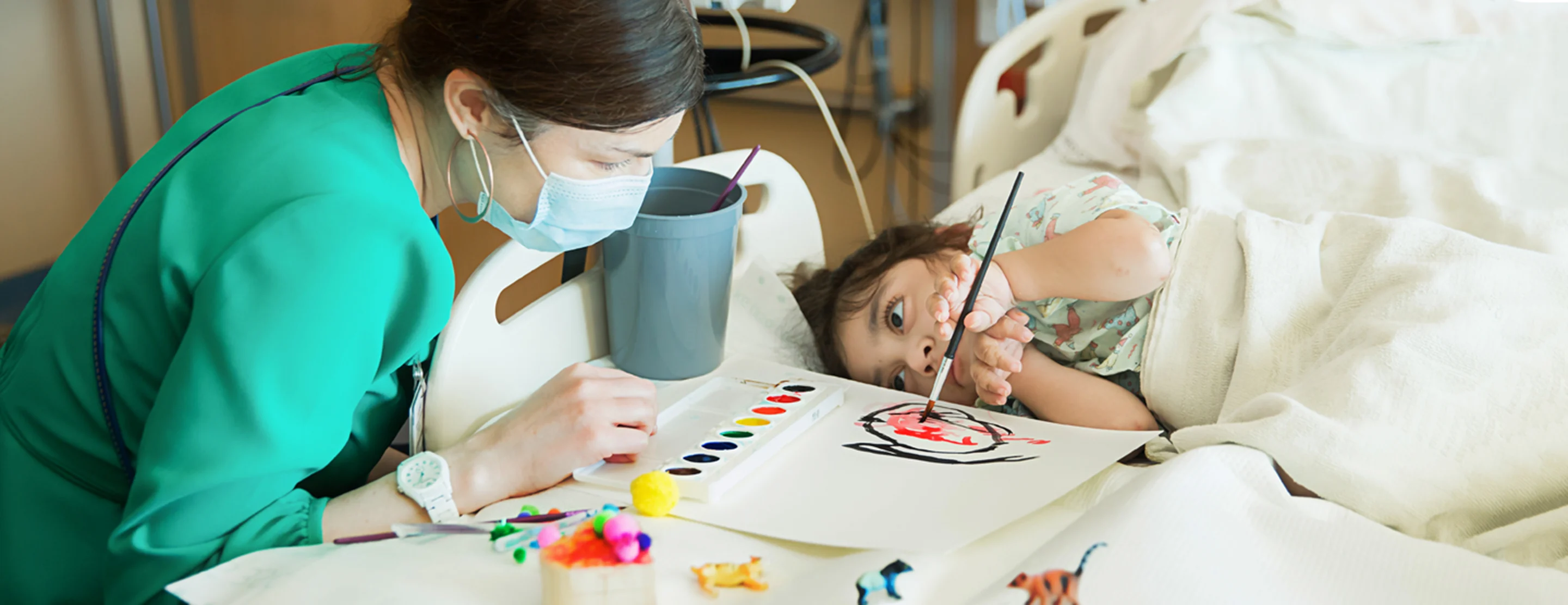
Pediatric Art Therapy Program
Art therapy helps kids and families express themselves, making it easier to cope with pediatric health issues. Group and bedside services are available.
Pediatric Music Therapy Program
Board-certified music therapists help kids cope with illness and the feelings that come with it. Find out about group activities and bedside therapy.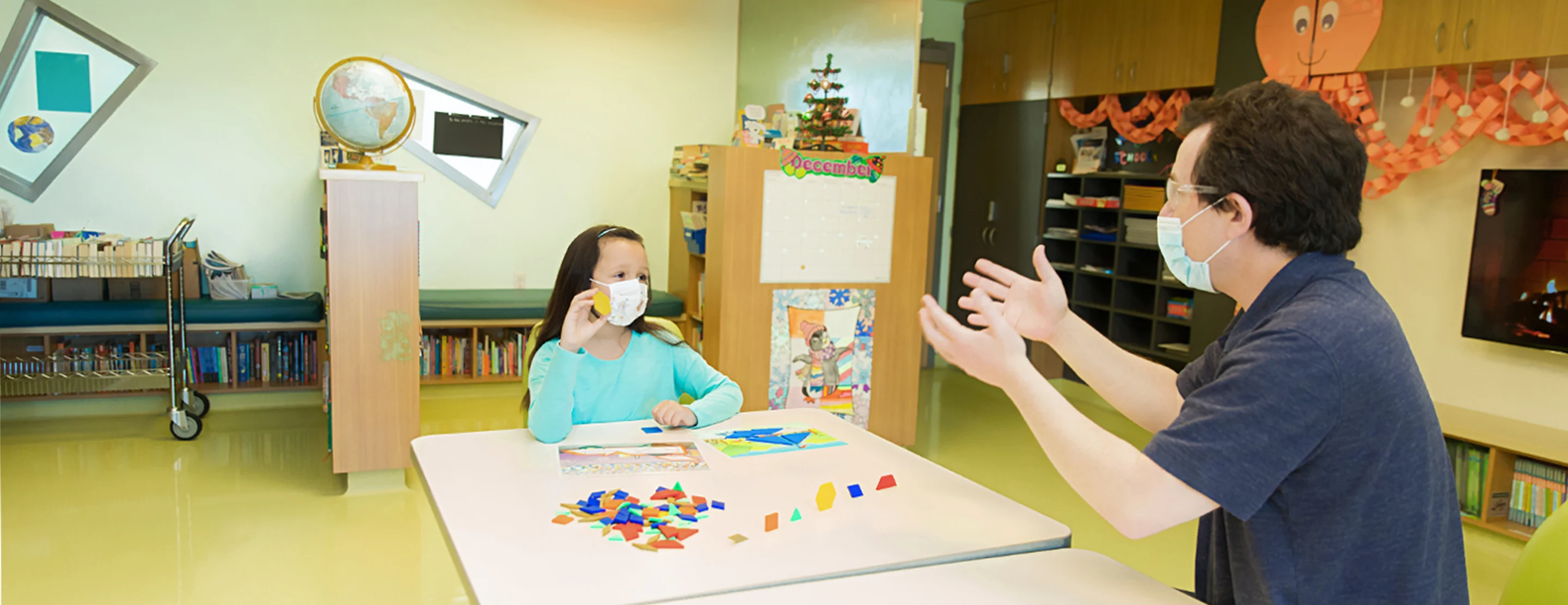
School Program for Hospitalized Children
Our schoolroom services and individual learning programs help children hospitalized at UCSF continue their education and get ready to return to school.
School Re-Entry Program
We help kids return to school after hospitalization by educating staff and students about their needs and recommending needed accommodations. Read more.
Individual Playtime & Instruction
If your child can't be around other kids for medical reasons, you can sign up for private sessions in our activity and school rooms. Find out how.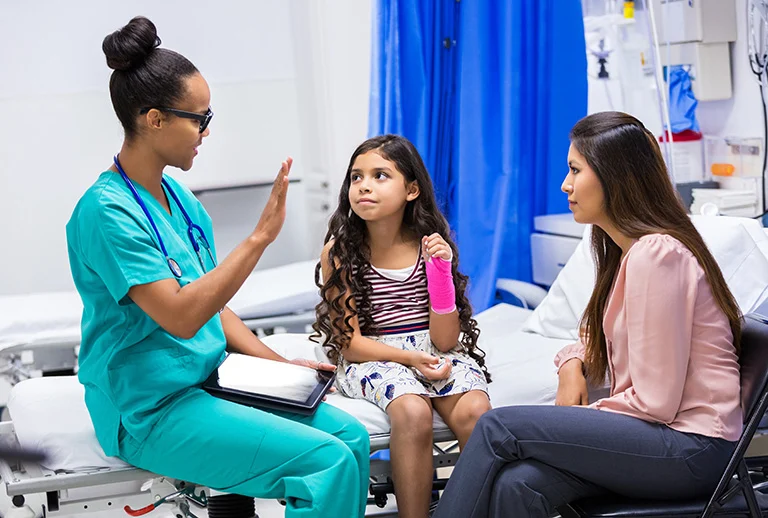
Interpreter Services & Communication Assistance at UCSF Benioff Children's Hospitals
Interpreter services in many languages and TDDs are available for families that need help communicating with care teams. Here's how to access them.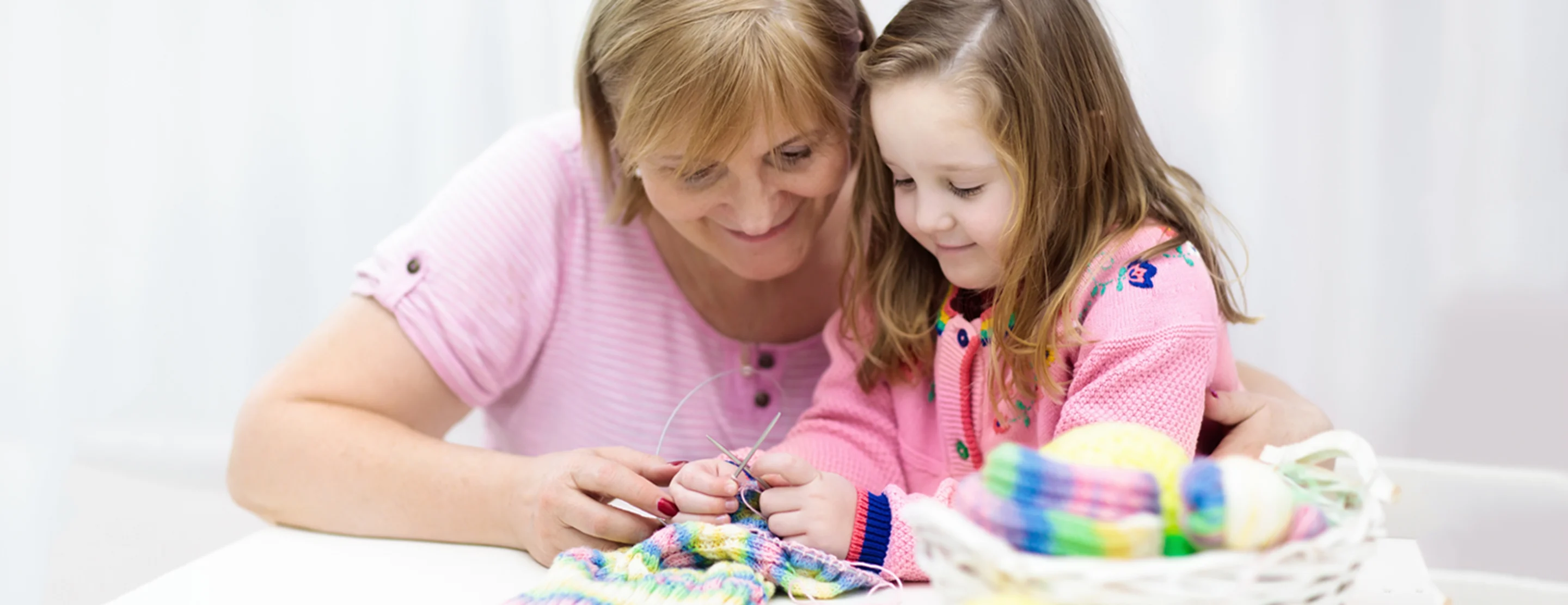
Parent Support Program
Weekly activities, including knitting, scrapbooking, chair massage and more, help family caregivers get a much-needed break. Find out more.
Patient Relations at UCSF Benioff Children's Hospitals
Patient relations reps and nursing supervisors are here to answer questions and address concerns. Learn about your rights, how to reach us and more.
Spiritual Care at UCSF Benioff Children's Hospitals
Chaplains help UCSF patients, families and staff cope with the spiritual and emotional challenges of childhood illness. Learn more.
International Services at UCSF Benioff Children's Hospitals
If you're coming to UCSF from outside the U.S., we coordinate your child's appointments and provide other helpful services. Here's how to get started.