Pediatric Fatty Liver & Weight Assessment
On this page
Why choose UCSF Benioff Children's Hospitals for childhood obesity and fatty liver care?
At UCSF Benioff Children's Hospitals, doctors and dietitians work together to provide holistic care to children who have trouble maintaining a healthy weight.
We offer specialized care for metabolic dysfunction-associated steatotic liver disease (MASLD), also known as fatty liver disease. This condition is the leading cause of chronic liver disease in kids in the U.S. Since obesity is a major risk factor for MASLD, our team helps your child maintain a healthy weight to prevent and treat MASLD.
Through our pediatric liver program, families have access to the latest approaches and advances in the field. Our goal is to help children improve their liver health and manage their weight through healthy eating and exercise habits.
If lifestyle changes aren't enough, your child may be a candidate for medications to help regulate appetite, such as GLP-1 agonists. We may also recommend weight-loss surgery in some cases. Our GI surgery and gastroenterology program is consistently ranked among the top in the nation by U.S. News & World Report.
Why choose UCSF Benioff Children's Hospitals for childhood obesity and fatty liver care?
At UCSF Benioff Children's Hospitals, doctors and dietitians work together to provide holistic care to children who have trouble maintaining a healthy weight.
We offer specialized care for metabolic dysfunction-associated steatotic liver disease (MASLD), also known as fatty liver disease. This condition is the leading cause of chronic liver disease in kids in the U.S. Since obesity is a major risk factor for MASLD, our team helps your child maintain a healthy weight to prevent and treat MASLD.
Through our pediatric liver program, families have access to the latest approaches and advances in the field. Our goal is to help children improve their liver health and manage their weight through healthy eating and exercise habits.
If lifestyle changes aren't enough, your child may be a candidate for medications to help regulate appetite, such as GLP-1 agonists. We may also recommend weight-loss surgery in some cases. Our GI surgery and gastroenterology program is consistently ranked among the top in the nation by U.S. News & World Report.
Pediatric obesity experts
We are experts in childhood obesity and understand how to treat and prevent conditions associated with it, including fatty liver disease.Personalized treatment plans
We get to know your child and their habits and work with your family to create a sustainable care plan to support healthy weight loss and improve liver health.Whole-family support
Lifestyle changes can be challenging for children and their families. Our team provides you with resources to make the process as smooth as possible.Pediatric bariatric surgery specialists
If your child needs advanced care, our surgical specialists can determine if they meet the criteria for pediatric weight-loss surgery.
Fatty liver and weight-assessment services
Your child's primary care provider may refer you to our specialists if your child has obesity or abnormal liver enzyme levels.
With expertise in childhood obesity and weight-related conditions, our providers help children improve their liver health with lifestyle changes and weight management.
Pediatric weight management
Our specialists work with children and their families, assessing their habits and liver health. Your child gets individualized care from pediatric dietitians who help them learn healthy eating habits.
We also offer guidance for your family on physical activities and exercises that may be enjoyable for your child.
Family-focused support
Adopting new habits can be challenging for families. UCSF's doctors and dietitians form long-term relationships with children and their caregivers, helping you make lifestyle changes and get the resources you need to maintain them.
Weight loss medications and pediatric obesity surgery
Our team makes every effort to treat childhood obesity with lifestyle changes. Sometimes, children may benefit from GLP-1 or other medications to maintain a healthy weight.
We offer pediatric weight-loss surgery in some cases. Your child's doctor and dietitian talk with your family about the treatment options that will work best for your child.
Providers

Kate Cheng, MD
Pediatric Gastroenterology • Pediatric Transplant Hepatology
Aristides George Diamant, MD
Pediatric Endocrinology
Ayca Erkin-Cakmak, MD, MPH
Endocrinology • Pediatric EndocrinologySarah L. Maxwell, MD
Pediatric Gastroenterology • Pediatric Transplant Hepatology
Awards & achievements


Best in Northern California and top 10 in the nation for gastroenterology & GI surgery

Ranked among the nation's best in 11 specialties


Related conditions & treatments
Conditions
- Abnormal Liver Function Blood Test
- Childhood Obesity
- Insulin Resistance
- Metabolic Dysfunction Associated Steatotic Liver Disease
- Metabolic Dysfunction-Associated Steatohepatitis
- Metabolic Syndrome
- Steatotic Liver Disease
- Type 2 Diabetes
Treatments
- Diet and Exercise
- Diet and Nutrition
- Lifestyle Modification
- Liver Biopsy
- Nutritional Counseling
- Obesity Surgery
- Weight Loss Counseling
Explore what we do
Fatty liver disease in Latinx children
Using stem cells to predict liver disease

Trials & research
Clinical trials
Food Insecurity and MASLD: A Fruit and Vegetable Intervention StudyOpens in a new window
This proposal addresses a critical gap in the understanding of the impact of household food insecurity (FI) on pediatric metabolic dysfunction-associated steatotic liver disease (MASLD) severity...Pediatric Metabolic Dysfunction-associated Steatotic Liver Disease and Food InsecurityOpens in a new window
This proposal addresses a critical gap in our understanding of the impact of household food insecurity (FI) on pediatric metabolic dysfunction-associated steatotic liver disease (MASLD) severity...
Support services
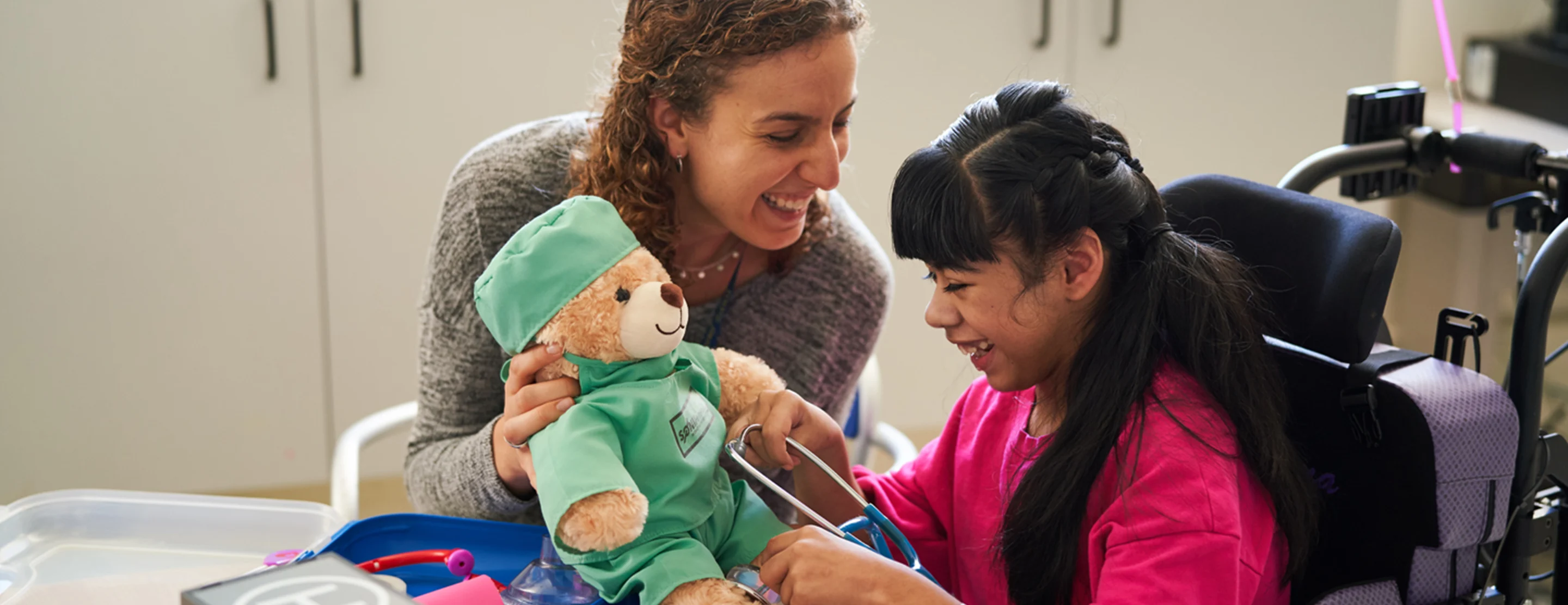
Child Life
Certified child life specialists ease the stress and anxiety of childhood illness through therapeutic play, schooling and family-focused support.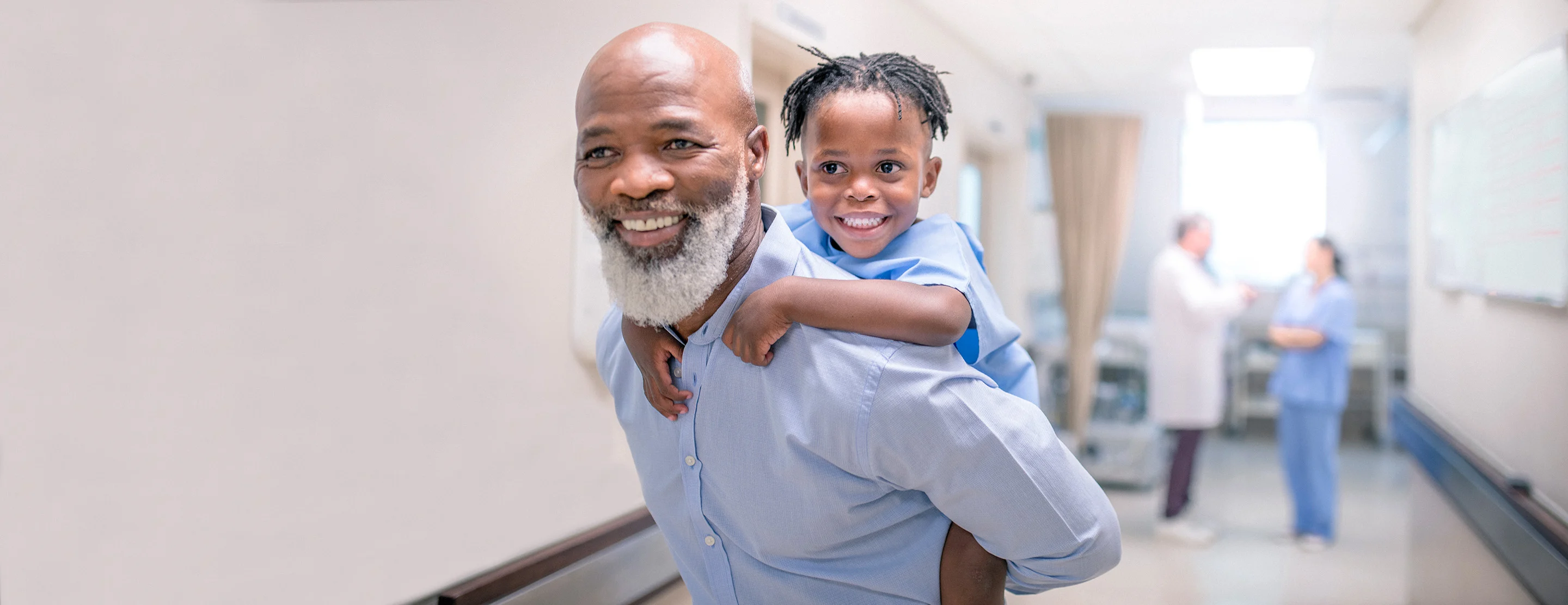
Family Amenities
Family-friendly amenities help you relax and take care of yourself while staying close to your child. We offer lounges, kitchens, showers, breastfeeding rooms and more.
Social Services at UCSF Benioff Children's Hospitals
Social workers ease the effect of illness, injury and hospitalization on your family with counseling and assistance to help you navigate the challenges.
Activity Rooms
Activity rooms offer a relaxed environment for children of all ages. Features include a playroom, digital arts studio and teen lounge. Find out more.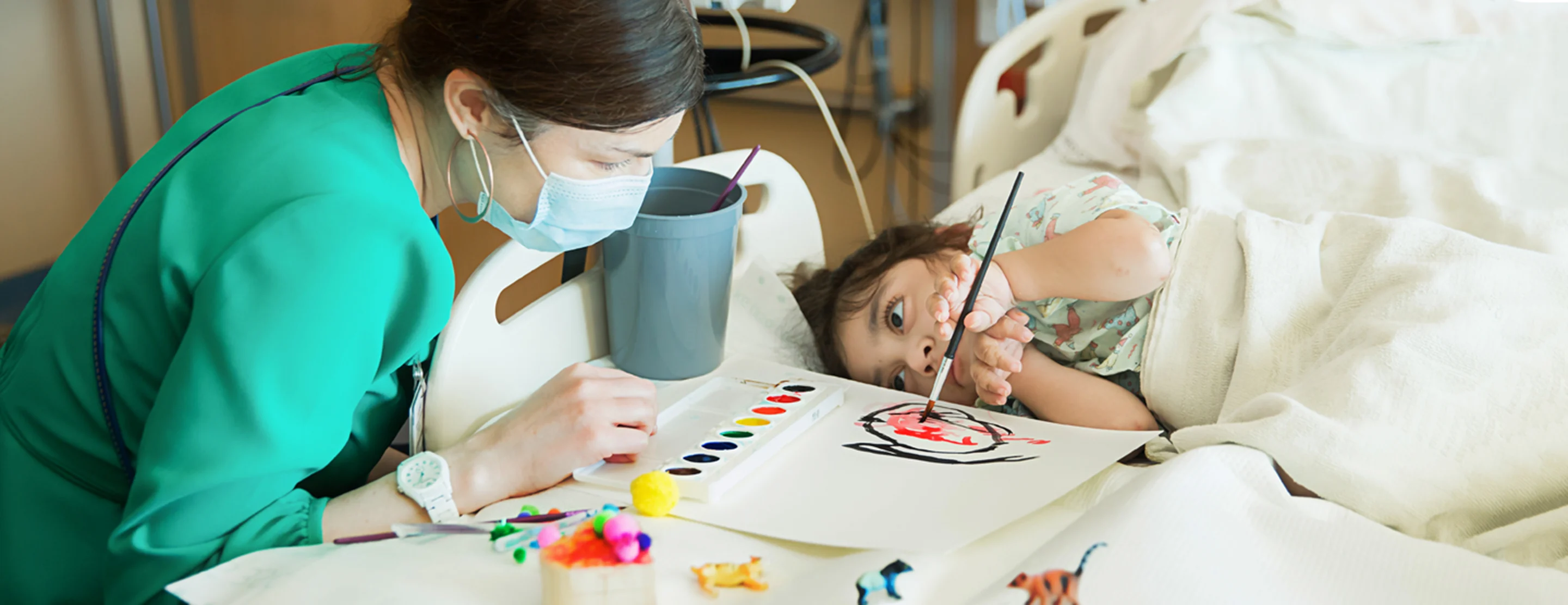
Pediatric Art Therapy Program
Art therapy helps kids and families express themselves, making it easier to cope with pediatric health issues. Group and bedside services are available.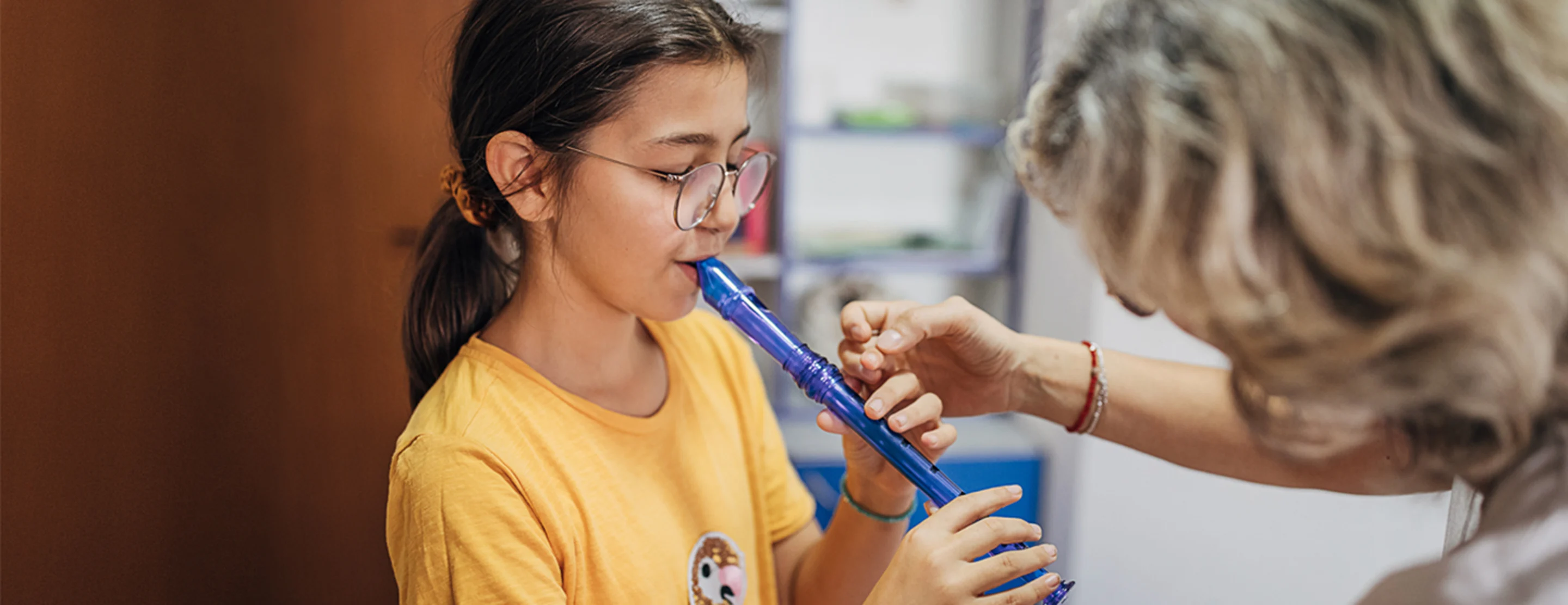
Pediatric Music Therapy Program
Board-certified music therapists help kids cope with illness and the feelings that come with it. Find out about group activities and bedside therapy.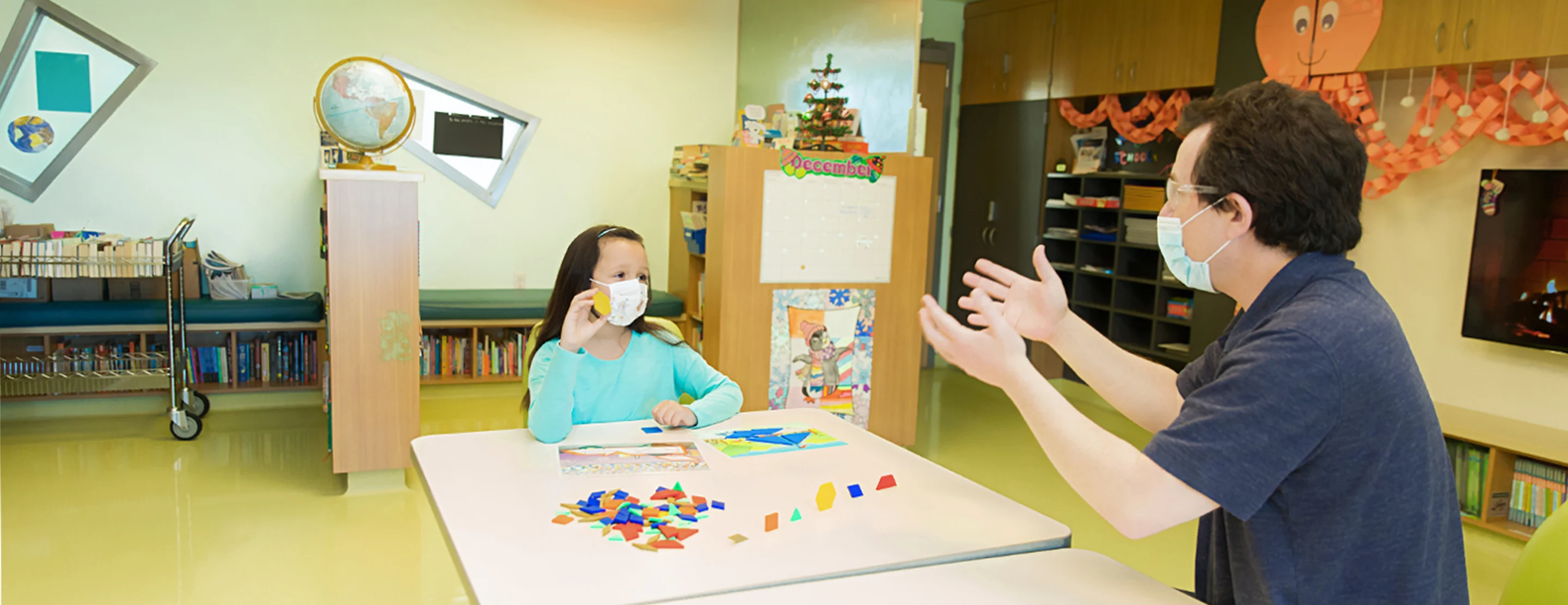
School Program for Hospitalized Children
Our schoolroom services and individual learning programs help children hospitalized at UCSF continue their education and get ready to return to school.
School Re-Entry Program
We help kids return to school after hospitalization by educating staff and students about their needs and recommending needed accommodations. Read more.
Individual Playtime & Instruction
If your child can't be around other kids for medical reasons, you can sign up for private sessions in our activity and school rooms. Find out how.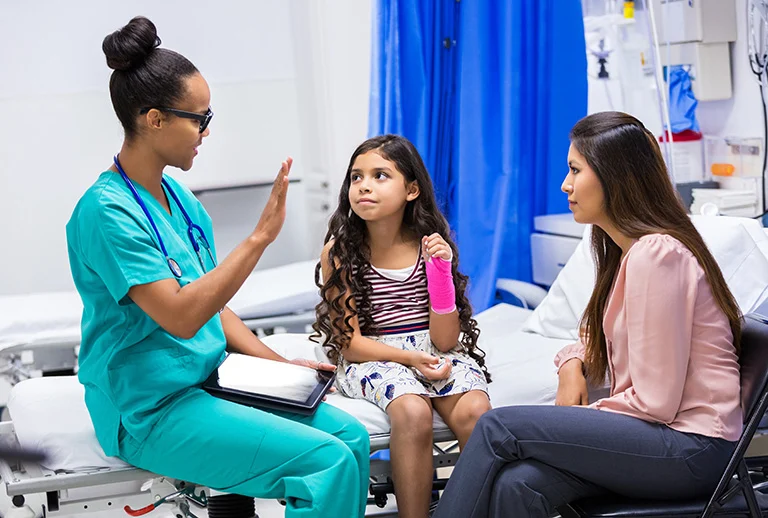
Interpreter Services & Communication Assistance at UCSF Benioff Children's Hospitals
Interpreter services in many languages and TDDs are available for families that need help communicating with care teams. Here's how to access them.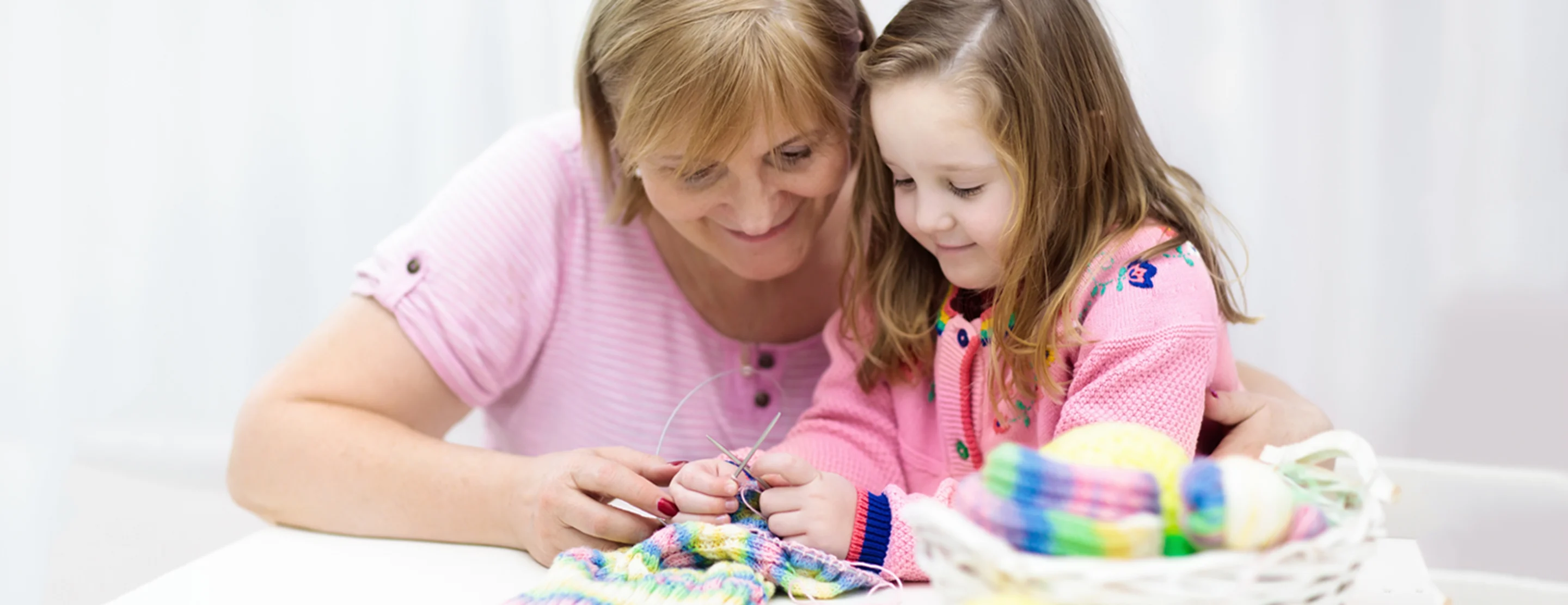
Parent Support Program
Weekly activities, including knitting, scrapbooking, chair massage and more, help family caregivers get a much-needed break. Find out more.
Patient Relations at UCSF Benioff Children's Hospitals
Patient relations reps and nursing supervisors are here to answer questions and address concerns. Learn about your rights, how to reach us and more.
Spiritual Care at UCSF Benioff Children's Hospitals
Chaplains help UCSF patients, families and staff cope with the spiritual and emotional challenges of childhood illness. Learn more.
International Services at UCSF Benioff Children's Hospitals
If you're coming to UCSF from outside the U.S., we coordinate your child's appointments and provide other helpful services. Here's how to get started.