Pediatric Clubfoot
On this page
Why choose UCSF Benioff Children's Hospitals for clubfoot treatment?
At UCSF Benioff Children's Hospitals, our dedicated clubfoot program provides evidence-based therapies and comprehensive support for children and families throughout Northern California. Clubfoot is a congenital condition (present at birth) where a baby's foot turns downward and inward. It can affect one or both feet and range from mild to severe.
Our team has specialized expertise in clubfoot care, including the Ponseti method, the gold standard for treating clubfoot. We specialize in evaluating and treating children at every age, from prenatal diagnosis through infancy, childhood and adolescence.
Why choose UCSF Benioff Children's Hospitals for clubfoot treatment?
At UCSF Benioff Children's Hospitals, our dedicated clubfoot program provides evidence-based therapies and comprehensive support for children and families throughout Northern California. Clubfoot is a congenital condition (present at birth) where a baby's foot turns downward and inward. It can affect one or both feet and range from mild to severe.
Our team has specialized expertise in clubfoot care, including the Ponseti method, the gold standard for treating clubfoot. We specialize in evaluating and treating children at every age, from prenatal diagnosis through infancy, childhood and adolescence.
Clubfoot experts
Your child receives coordinated care from an orthopedic surgeon, clinical nurse specialist, physician assistant, nurse practitioner, social worker, orthotist and cast technician.Supportive community
We bring families together through annual picnics and local support groups, creating opportunities to build community and share experiences.Multispecialty expertise
If your child has conditions other than clubfoot, we can connect you with pediatric specialists in genetics, physical medicine and rehabilitation, and physical therapy.Ongoing follow-up care
We monitor your child's foot development and mobility as they grow. This allows us to address any recurrences or other concerns as early as possible.
Comprehensive clubfoot care
If your child is diagnosed with clubfoot, it's natural to have questions and concerns. We want to assure you that clubfoot is treatable. With the right care, most children can run, play and do all the typical activities kids enjoy. Our clubfoot experts help you understand the condition and how to best support your child's development.
Starting clubfoot treatment early
Clubfoot treatment should begin as early as possible, ideally within the first few weeks after birth. Starting treatment while an infant's soft tissues are still flexible helps us achieve the best possible outcomes.
Clubfoot may be diagnosed at birth or before birth during a prenatal ultrasound. If we identify clubfoot during pregnancy, our pediatric orthopedic surgeons can review your ultrasound and meet with your family before your baby is born. We explain what to expect, help you prepare to begin treatment soon after delivery and answer any questions that you may have.
The Ponseti method for clubfoot correction
Our team uses the Ponseti method, a proven and highly effective treatment for clubfoot. When treatment begins early, this gentle approach has excellent success rates. Through stretching and casting, your child's foot gradually moves into the correct position.
The Ponseti method involves:
Phase 1: Casting. Your baby has a series of casts over an average of five to eight weeks to correct the position of their foot.
Phase 2: Surgery. We use a minimally invasive procedure to release the Achilles tendon, followed by three weeks of casting to let the tendon heal. About 90% to 95% of children with clubfoot need to have this minor surgery.
Phase 3: Bracing. Your child wears a brace full time for a few months after surgery, then transitions to nighttime bracing until age 4 or 5 to help prevent recurrence.
As children grow and become more active, wearing the brace can become challenging. Our team strives to make this phase easier for families by offering support and practical strategies to help children adjust.
We also work with orthotists (specialists in fitting medical devices) to determine which braces will work best for your child. Staying on track with bracing is a key part of treatment and is the single most important factor to reduce the risk of clubfoot returning.
The importance of follow-up care
We provide ongoing follow-up care through adolescence and into early adulthood to monitor your child's foot growth. We make sure their foot stays in the correct position and that they aren't experiencing pain or stiffness.
Regular visits help us identify signs of recurrence early so we can address them right away. This could include additional casting, bracing or surgery, if necessary.
Providers

Coleen S. Sabatini, MD, MPH
Orthopedic Surgery • Pediatric Orthopedic Surgery
Jaclyn F. Hill, MD
Pediatric Orthopedic Surgery
Mohammad Diab, MD
Orthopedic Surgery (Spine Surgery) • Orthopedic Surgery
Sanjeev Sabharwal, MD, MPH
Pediatric Orthopedic Surgery
Awards & achievements


Best in Northern California for orthopedics

Ranked among the nation's best in 11 specialties


Related conditions & treatments
Conditions
- Abnormalities of the Feet
- Clubfoot
- Congenital Deformity of Foot
Treatments
- Bracing
What to expect when getting a cast

Support services
Child Life
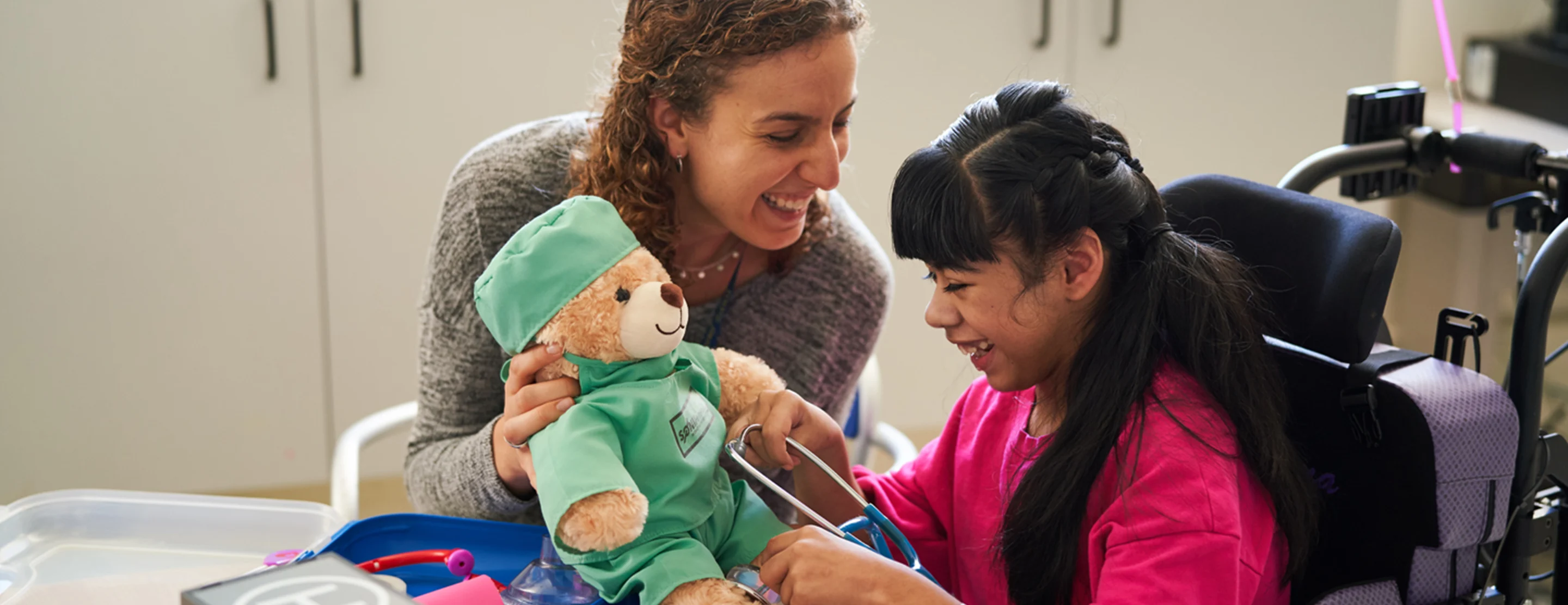
Certified child life specialists ease the stress and anxiety of childhood illness through therapeutic play, schooling and family-focused support.
Family Amenities
Family-friendly amenities help you relax and take care of yourself while staying close to your child. We offer lounges, kitchens, showers, breastfeeding rooms and more.
Social Services at UCSF Benioff Children's Hospitals
Social workers ease the effect of illness, injury and hospitalization on your family with counseling and assistance to help you navigate the challenges.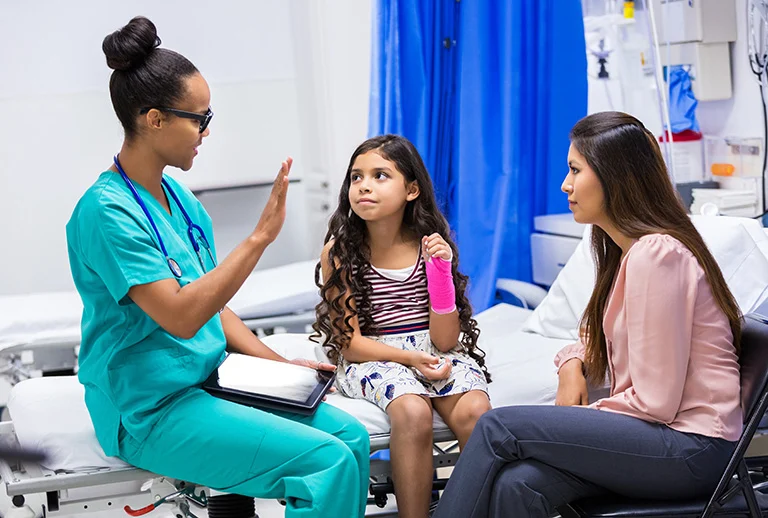
Interpreter Services & Communication Assistance at UCSF Benioff Children's Hospitals
Interpreter services in many languages and TDDs are available for families that need help communicating with care teams. Here's how to access them.
Patient Relations at UCSF Benioff Children's Hospitals
Patient relations reps and nursing supervisors are here to answer questions and address concerns. Learn about your rights, how to reach us and more.
Spiritual Care at UCSF Benioff Children's Hospitals
Chaplains help UCSF patients, families and staff cope with the spiritual and emotional challenges of childhood illness. Learn more.
International Services at UCSF Benioff Children's Hospitals
If you're coming to UCSF from outside the U.S., we coordinate your child's appointments and provide other helpful services. Here's how to get started.