Clubfoot
On this page
Overview
About 1 in 1,000 babies is born with a clubfoot, a condition where the foot is turned inward. It happens when the muscles of the lower leg are not normal and the tendons and ligaments on the back and inside of the foot are short and tight. This pulls the foot down and in, so the toes point toward the opposite leg – sometimes to the point where the sole faces up. One or both feet may be affected. The condition isn't painful at birth, but it can seriously impair the ability to stand and walk as the child grows. With timely treatment, starting within the first weeks of life, the defect can be fully corrected.
In most cases, it's not clear why a baby is born with clubfoot. (When there's no known cause, the condition is termed "idiopathic.") Clubfoot can run in families, so there is a genetic component for some children, but many children with clubfoot have no family member with clubfoot. Boys are at higher risk than girls, as are babies whose mothers smoked during pregnancy. Some children develop clubfoot because of an underlying condition, such as spina bifida, cerebral palsy or arthrogryposis (conditions involving permanently contracted joints).
Signs & symptoms
The severity of clubfoot varies, but the signs are easy to see. They include:
- The affected foot points downward and the toes may curl inward.
- The foot appears to be sideways or even upside down.
- The foot may be abnormally short and wide.
- The calf muscles of the affected leg are smaller than those on the other side.
- The foot may have a limited range of motion.
Diagnosis
Clubfoot may be detected before birth during a routine ultrasound screening. But many children aren't diagnosed until they're born and have a physical exam. If your pediatrician suspects your baby has clubfoot, you'll be referred to a pediatric orthopedist for treatment.
Treatment
The goal of treatment is to correct the positioning of the foot so that it is in good position for walking, running, and playing in the future. Ideally, treatment begins in the first month after birth. Treatment consists of a combination of casting and a small surgical procedure to rotate the foot into the proper position, and then bracing to maintain the correction of the foot, a treatment approach known as the Ponseti Method.
- Casting. In the first stage of treatment, the clinician stretches and repositions your child's foot, then places a cast that goes from the toes to the upper thigh to maintain the new position. After a week, the cast is removed, the foot is again gently stretched by the clinician and a new cast is placed. This process is repeated every week for five to eight weeks (longer if necessary) until the foot is in the correct position.
- Surgery. After the casting process is complete, almost all babies need a minor surgery called a heelcord (or Achilles) tenotomy to lengthen the Achilles tendon (the cord attaching the calf muscle to the heel). The procedure can be done in the operating room (under general anesthesia) or the doctor's office (under local anesthesia), depending on the child's ability to remain calm during the procedure, your preference, and the surgeon's preference. After the heel cord is cut, a cast is put in place for three weeks while the tendon heals.
- Bracing. After the final cast is removed, the baby is fitted with special braces designed to hold the feet apart in a turned-out position. The braces are worn essentially full time (23 hours a day) until the baby is pulling to stand (around 9 to 10 months old). At that point, the braces are worn at night and during naps until the child is 4 years old. If there is a recurrence, the braces are worn until the child is 5 or older. This process can be challenging, because as kids get older they often resist wearing the braces. But adhering to the program is important because not wearing braces as prescribed is the number one reason kids need additional casting and surgery.
Outcomes
If only one foot has clubfoot, you may notice that the affected foot is smaller than the other and that the calf muscles of that leg are smaller and less muscular.
If your child has another condition along with clubfoot, the outlook may depend on treatment for the other condition. But when clubfoot is the only issue, most babies who receive timely treatment grow up to have normally functioning feet. They can walk, run, play sports and wear store-bought shoes.
UCSF Benioff Children's Hospitals medical specialists have reviewed this information. It is for educational purposes only and is not intended to replace the advice of your child's doctor or other health care provider. We encourage you to discuss any questions or concerns you may have with your child's provider.
Awards & achievements


Best in Northern California for orthopedics

Ranked among the nation's best in 11 specialties

Related services
Related conditions & treatments
Conditions
Support services
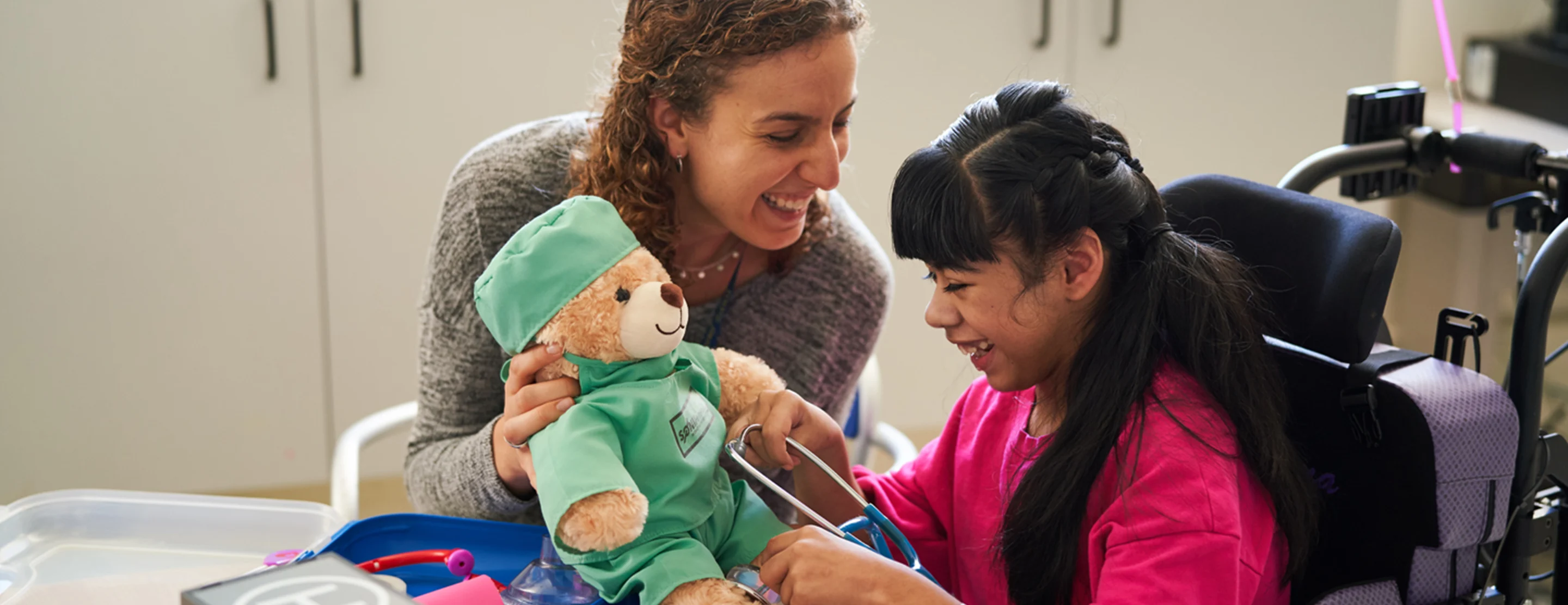
Child Life
Certified child life specialists ease the stress and anxiety of childhood illness through therapeutic play, schooling and family-focused support.
Glogau Teddy Bear Rescue Fund
Families that need additional assistance during their child's hospital stay have access to toys, hotel vouchers and other amenities. Find out more.
International Services
If you're coming to UCSF from outside the U.S., we coordinate your child's appointments and provide other helpful services. Here's how to get started.
Interpreter Services & Communication Assistance
Interpreter services in many languages and TDDs are available for families that need help communicating with care teams. Here's how to access them.
Patient Relations
Patient relations reps and nursing supervisors are here to answer questions and address concerns. Learn about your rights, how to reach us and more.
School Program
Our schoolroom services and individual learning programs help children hospitalized at UCSF continue their education and get ready to return to school.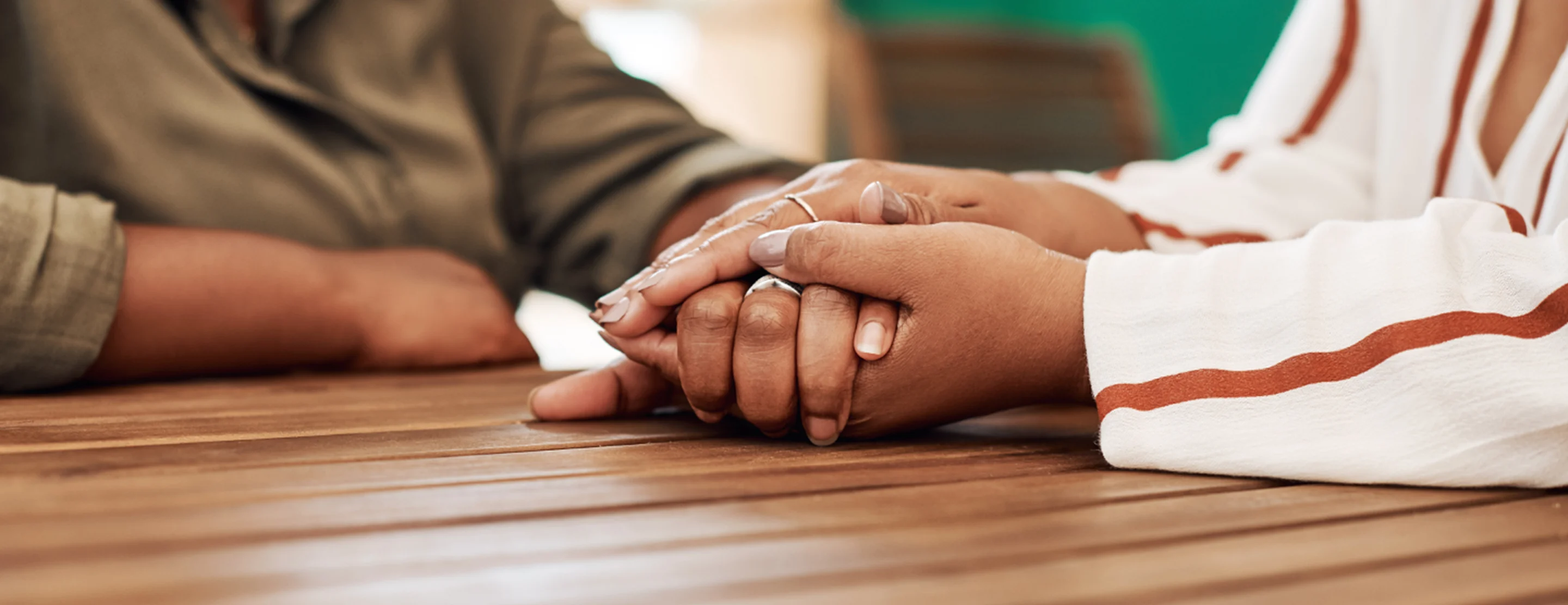
Social Services
Social workers ease the effect of illness, injury and hospitalization on your family with counseling and assistance to help you navigate the challenges.
Spiritual Care
Chaplains help UCSF patients, families and staff cope with the spiritual and emotional challenges of childhood illness. Learn more.