
Preventing Cancer Relapse After a Pediatric Bone Marrow Transplant

Unfortunately, in spite of very intensive chemotherapy and total body irradiation in the conditioning regimens prior to transplant for most cancers, the relapse rate remains very high, anywhere from 10 percent to 50 percent.
Experts at the UCSF Benioff Children's Hospital Bone Marrow Transplant Program are evaluating potential approaches to reduce the relapse rate after bone marrow transplant in patients with leukemia or high-risk neuroblastoma.
One approach for leukemia is to use donor T lymphocyte infusions (DLI) at various times after the transplant. In addition, we carefully monitor patients for any evidence of early relapse.
For patients with high-risk neuroblastoma, an autologous transplant results in a cure for approximately 40 percent of patients. However, the relapse rate after a bone marrow transplant is 50 percent. In order to reduce this relapse rate, children may be eligible for treatment with special monoclonal antibodies that target any remaining neuroblastoma cells, or children may be eligible for different protocols using additional chemotherapy and or radiation with stem cell support.
UCSF Benioff Children's Hospitals medical specialists have reviewed this information. It is for educational purposes only and is not intended to replace the advice of your child's doctor or other health care provider. We encourage you to discuss any questions or concerns you may have with your child's provider.
Recommended reading
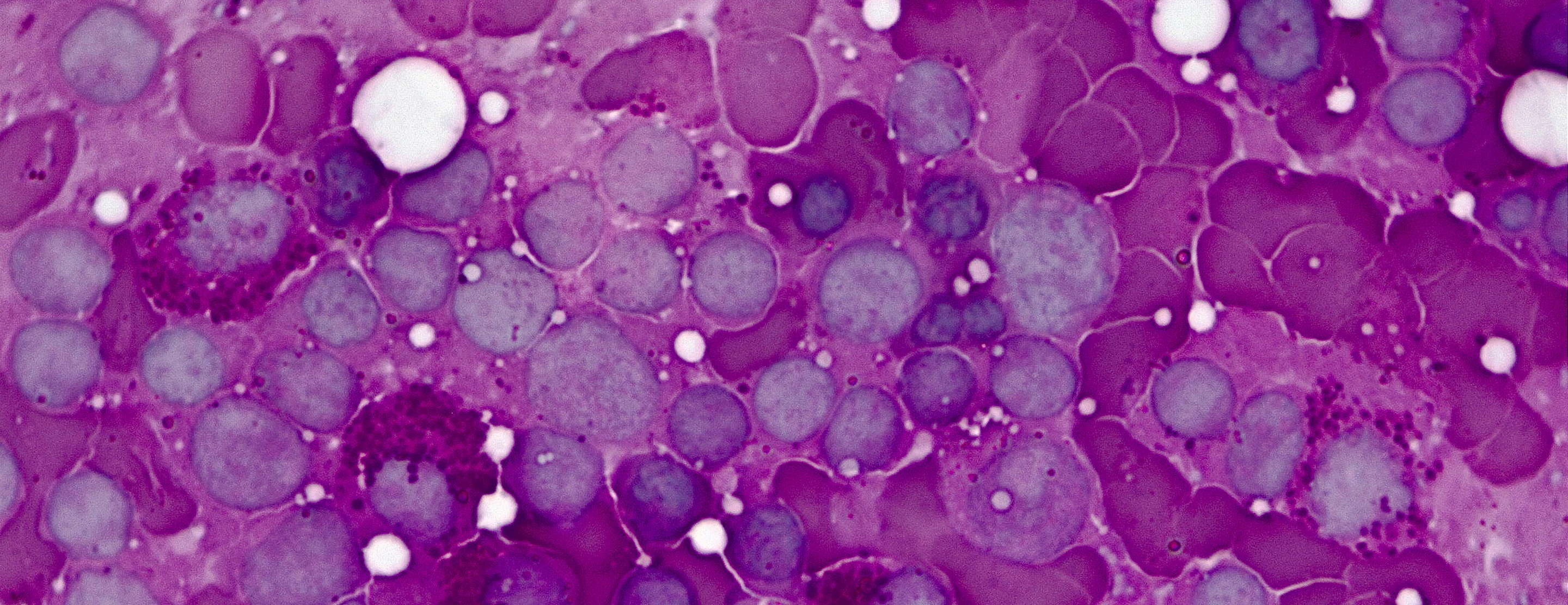
What Is Bone Marrow?
Bone marrow makes stem cells, which produce platelets and white and red blood cells. Here's why those cells are important to your child's health.
Pediatric Candidates for Bone Marrow Transplant
A bone marrow transplant (BMT) restores healthy bone marrow in children with stem cell defects, cancer and certain inherited diseases. Get more info.
Types of Pediatric Bone Marrow Transplant Donors
There are several types of bone marrow transplant (BMT) donors: optimal, partially matched, autologous and alternative. See the pros and cons of each.
Before Pediatric Bone Marrow Transplant Unit Admission
Find out what may need be done before a child is admitted to the BMT unit, from placement of a central venous catheter to collecting stem cells.
The Hospital Stay After a Pediatric Bone Marrow Transplant
Find out how long your child is likely to be in the hospital after a transplant, how to plan your stay, and how siblings can participate in the experience.
The Pediatric Bone Marrow Transplant Decision
Learn how the bone marrow transplant (BMT) decision is made, from initial consultation to pre-transplant work-up and evaluation.
On the Day of a Pediatric Bone Marrow Transplant
Find out what happens on the day of the BMT, including the various ways donated bone marrow stem cells may be collected and given to your child.
After a Pediatric Bone Marrow Transplant
A bone marrow transplant puts kids at high risk for infection. See the possible side effects and how we help them stay as safe and comfortable as possible.
Leaving the Hospital After a Pediatric Bone Marrow Transplant
After a BMT, kids need to reach certain milestones, like being infection-free, and parents must learn to perform at-home care tasks. Here's what to expect.
Emotional Aspects of a Pediatric Bone Marrow Transplant
The BMT journey can be stressful and emotional. Learn how to prepare your child, yourself and your family.
Related services
