RSV in Kids: How to Protect Your Child From Serious Illness
Virtually every baby at some point gets respiratory syncytial virus (RSV), a respiratory bug that infects the lungs and breathing passages. It's the most common respiratory virus in infants and toddlers. Most kids with RSV have symptoms like that of a common cold – such as a runny nose, cough or fever – and suffer no long-term health consequences.
But in young infants – particularly children born prematurely or with certain health conditions – RSV can cause serious, even life-threatening complications. In the United States, up to 80,000 infants a year are hospitalized with severe RSV infections, making it the country's leading cause of infant hospitalization.
Who's at risk for severe RSV?
Some children have an increased risk of getting very sick from RSV. These include:
- Infants born prematurely
- Infants younger than 6 months old
- Children younger than 2 years old who have chronic lung disease or weakened immune systems
Keeping your child safe
The same simple practices that reduce the spread of COVID-19 and the flu can also protect against RSV. These include regularly cleaning high-touch surfaces (such as toys and doorknobs), frequent handwashing (for both you and your child), and staying away from people who are sick.
For children at risk of severe RSV, antibody shots can add an extra layer of protection. These drugs have been approved by the Food and Drug Administration and, similar to a flu shot, give your child a temporary boost during respiratory virus season (October to March).
- Nirsevimab-alip (Beyfortus) provides protection for five months and is approved for all infants under 8 months old as well as certain high-risk children under 20 months.
Getting the RSV vaccine
RSV vaccines for children under 8 months old will likely be available in your primary care clinic. For children over the age of 8 months, eligibility depends on your child's condition and age during RSV season. Talk with your child's primary care doctor to find out more.
An RSV vaccine is also available during pregnancy (between 32 and 36 weeks) to protect your baby against RSV. Talk to your doctor or pharmacist about getting this preventive treatment.
UCSF Benioff Children's Hospitals medical specialists have reviewed this information. It is for educational purposes only and is not intended to replace the advice of your child's doctor or other health care provider. We encourage you to discuss any questions or concerns you may have with your child's provider.
Awards & achievements


One of the nation's best for pulmonology & lung surgery

Ranked among the nation's best in 11 specialties

Support services
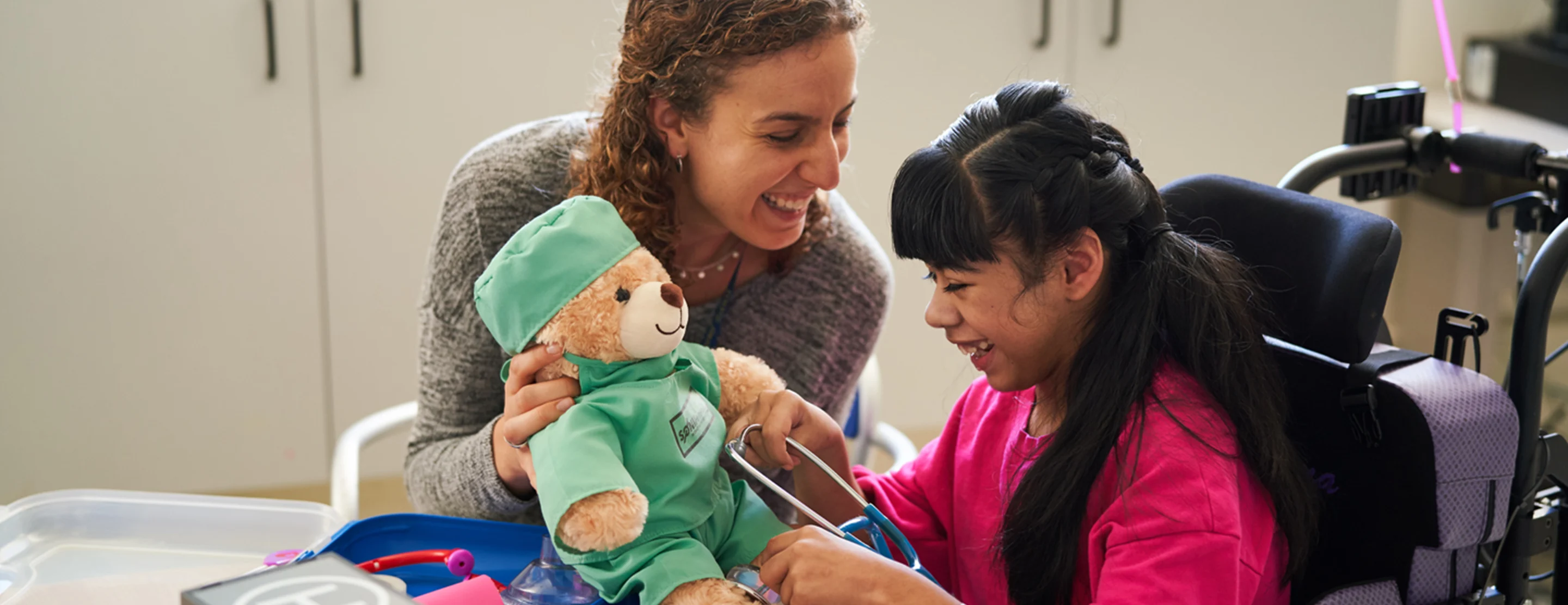
Child Life
Certified child life specialists ease the stress and anxiety of childhood illness through therapeutic play, schooling and family-focused support.
Family Amenities
Family-friendly amenities help you relax and take care of yourself while staying close to your child. We offer lounges, kitchens, showers, breastfeeding rooms and more.
Social Services at UCSF Benioff Children's Hospitals
Social workers ease the effect of illness, injury and hospitalization on your family with counseling and assistance to help you navigate the challenges.
Activity Rooms
Activity rooms offer a relaxed environment for children of all ages. Features include a playroom, digital arts studio and teen lounge. Find out more.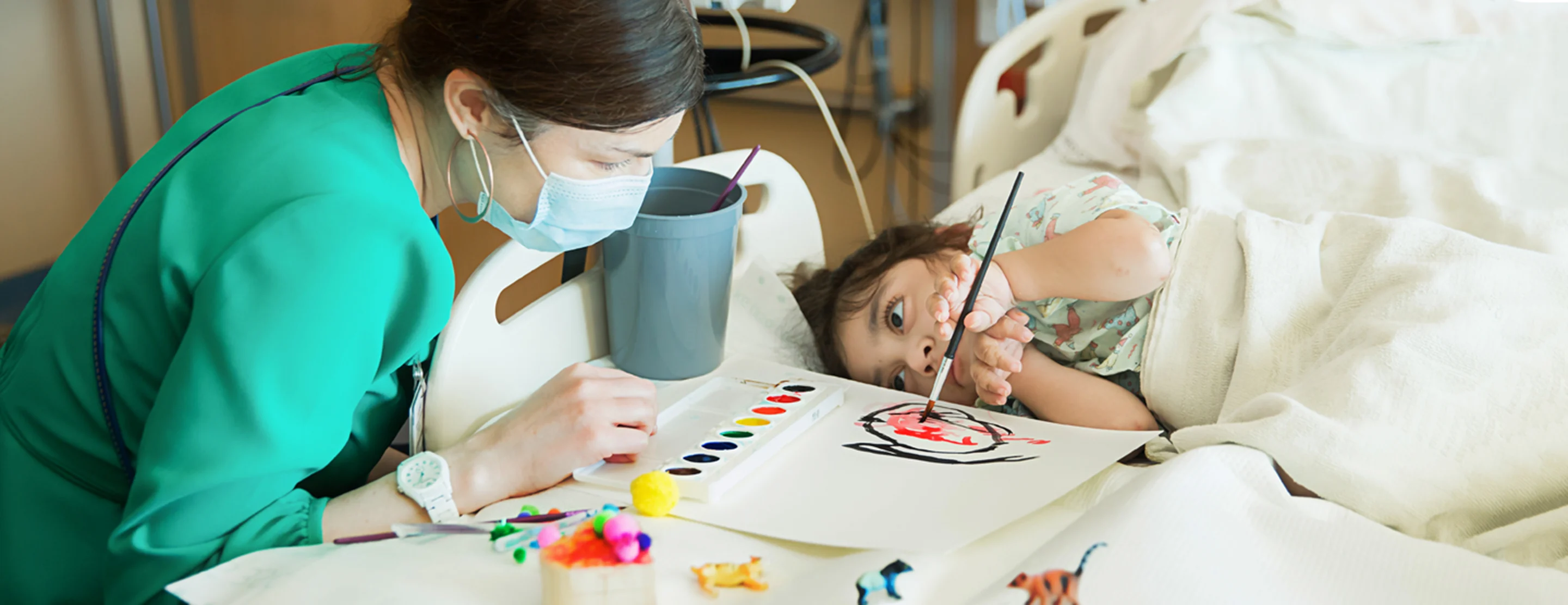
Pediatric Art Therapy Program
Art therapy helps kids and families express themselves, making it easier to cope with pediatric health issues. Group and bedside services are available.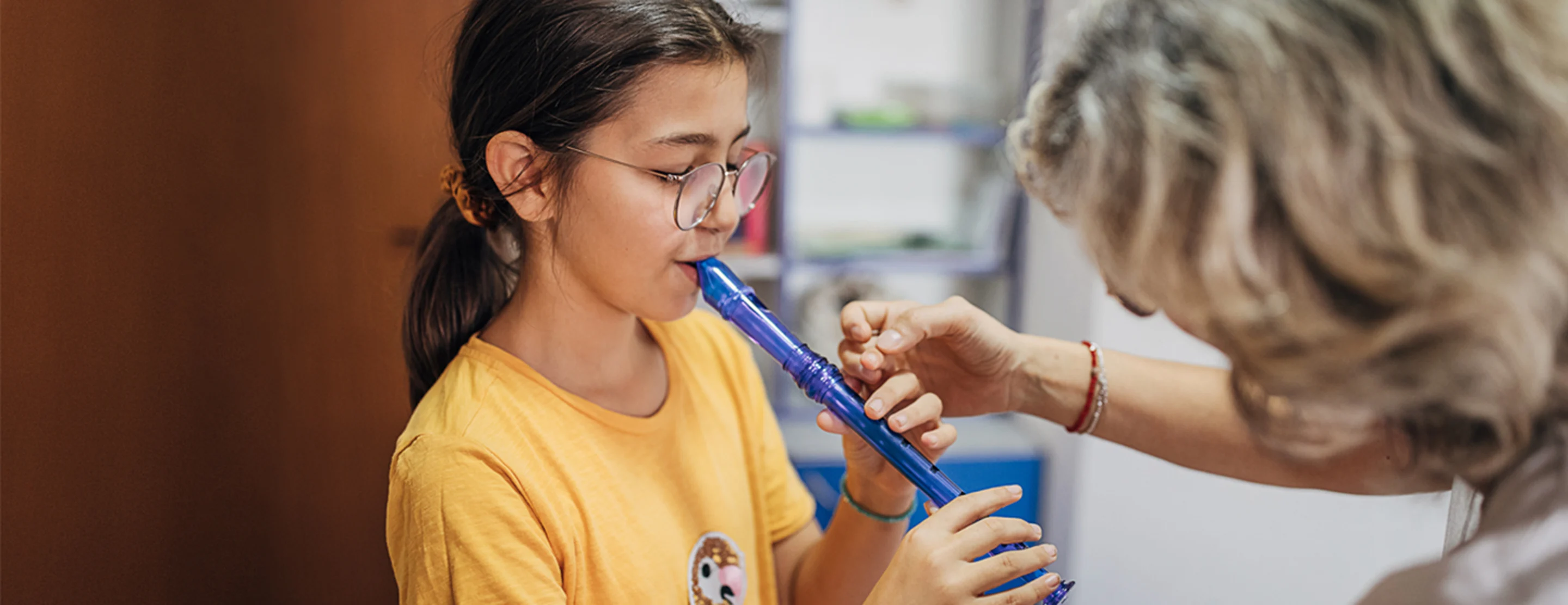
Pediatric Music Therapy Program
Board-certified music therapists help kids cope with illness and the feelings that come with it. Find out about group activities and bedside therapy.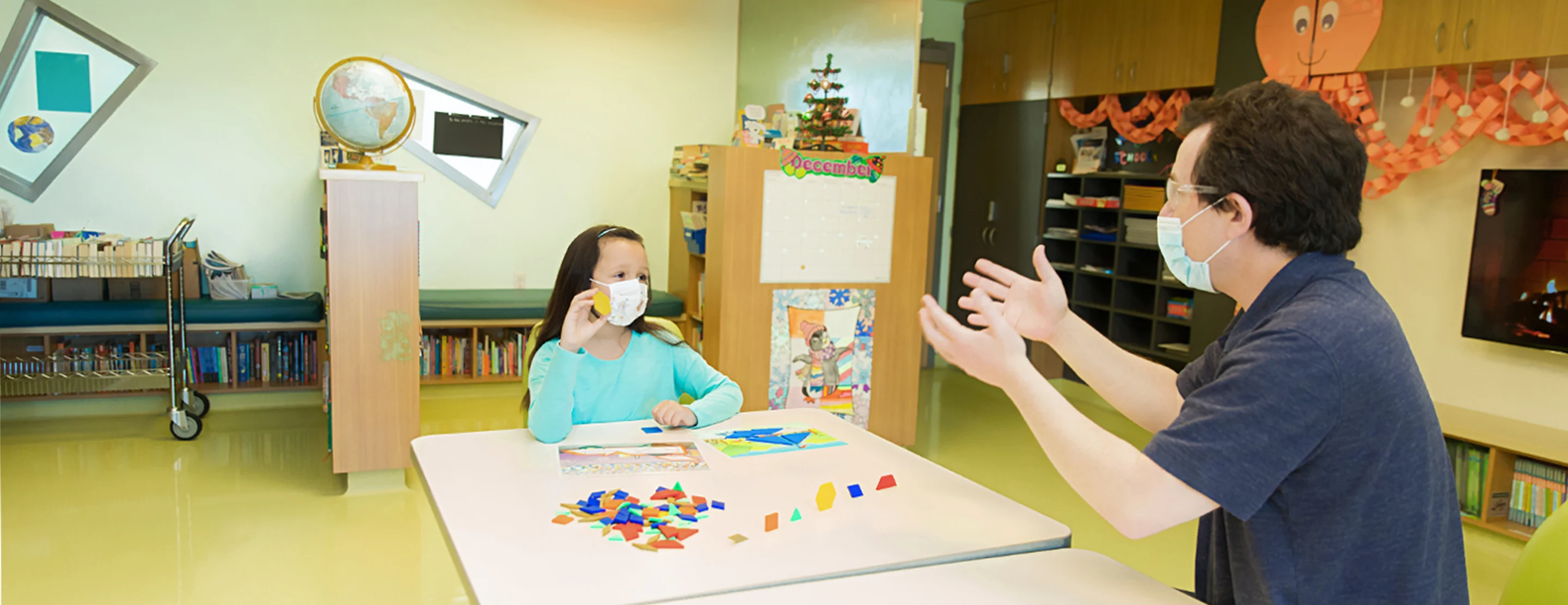
School Program for Hospitalized Children
Our schoolroom services and individual learning programs help children hospitalized at UCSF continue their education and get ready to return to school.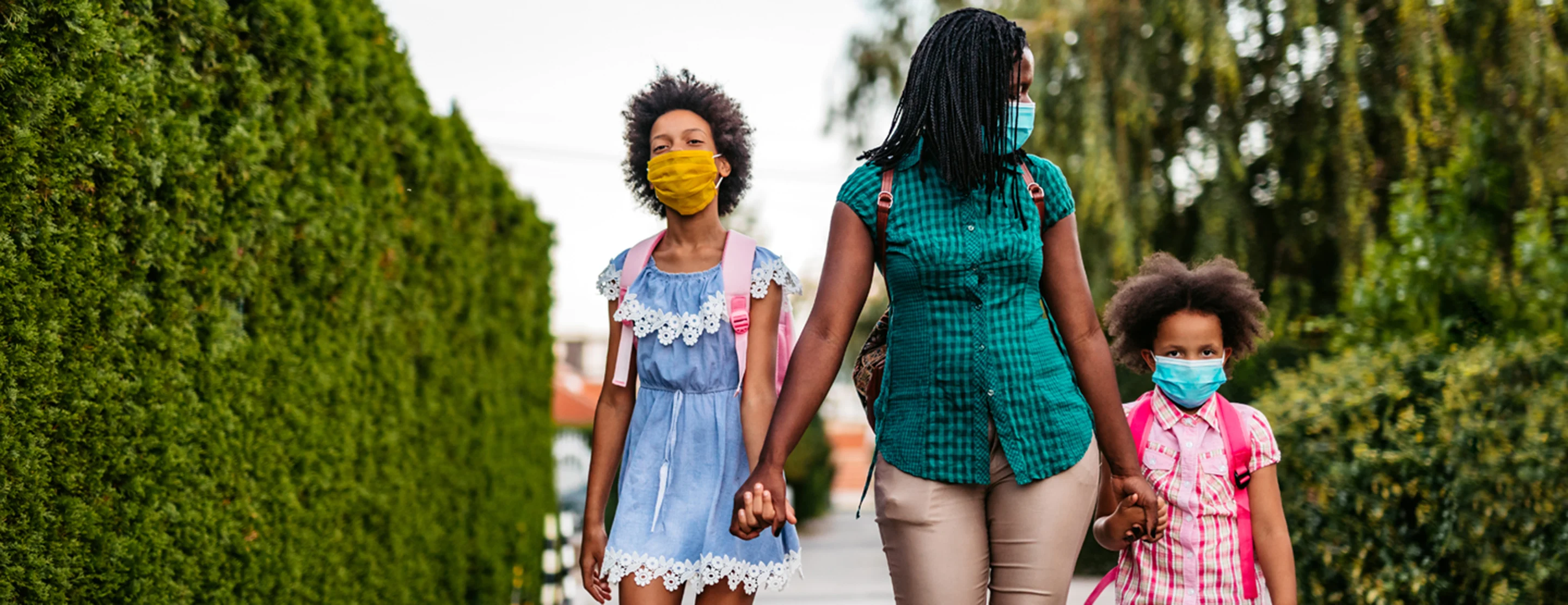
School Re-Entry Program
We help kids return to school after hospitalization by educating staff and students about their needs and recommending needed accommodations. Read more.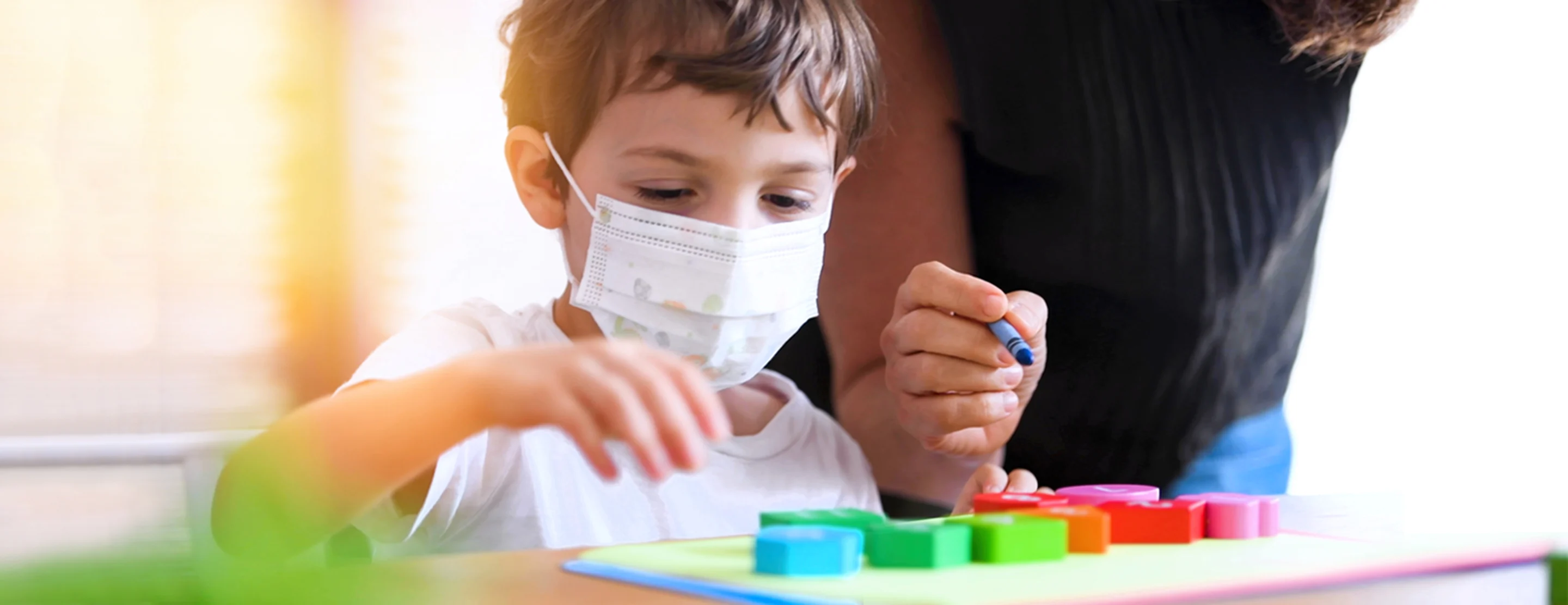
Individual Playtime & Instruction
If your child can't be around other kids for medical reasons, you can sign up for private sessions in our activity and school rooms. Find out how.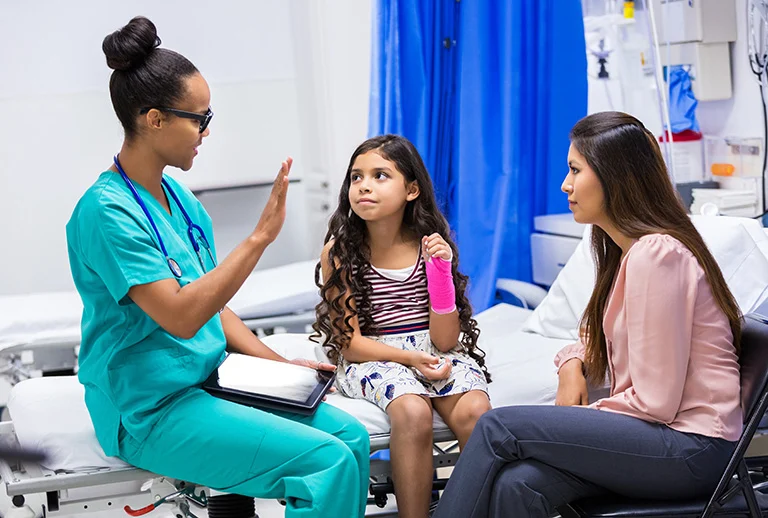
Interpreter Services & Communication Assistance at UCSF Benioff Children's Hospitals
Interpreter services in many languages and TDDs are available for families that need help communicating with care teams. Here's how to access them.
Parent Support Program
Weekly activities, including knitting, scrapbooking, chair massage and more, help family caregivers get a much-needed break. Find out more.
Patient Relations at UCSF Benioff Children's Hospitals
Patient relations reps and nursing supervisors are here to answer questions and address concerns. Learn about your rights, how to reach us and more.
Spiritual Care at UCSF Benioff Children's Hospitals
Chaplains help UCSF patients, families and staff cope with the spiritual and emotional challenges of childhood illness. Learn more.
International Services at UCSF Benioff Children's Hospitals
If you're coming to UCSF from outside the U.S., we coordinate your child's appointments and provide other helpful services. Here's how to get started.