
Preventing Ankle Injuries in Young Athletes
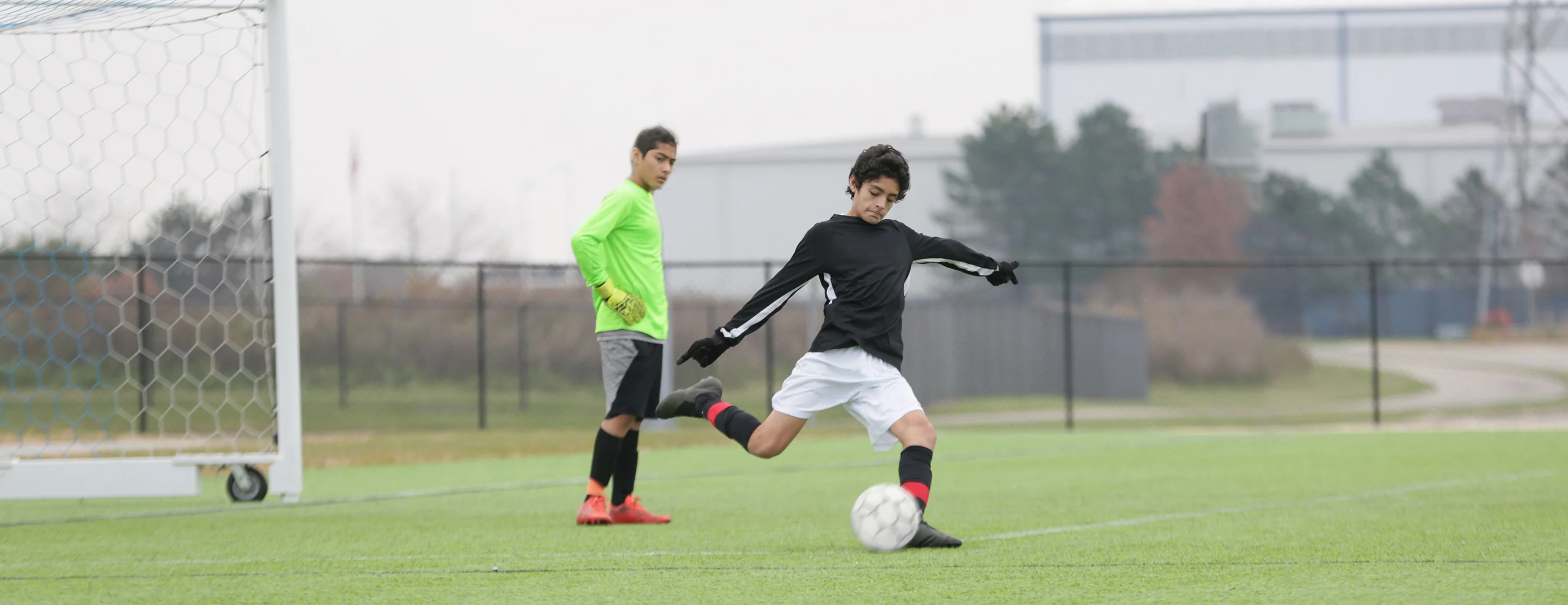
Some sports, such as basketball, have a high incidence of ankle injuries due to the dynamic style of play. Athletes need strength, flexibility and balance control in the lower body to protect their ankles while running, jumping and executing quick changes in direction.
A few facts about ankle injuries:
- Sprains account for 75 percent of ankle injuries.
- More than 40 percent of ankle sprains lead to chronic problems.
- Sudden trauma to the ankle accounts for 10 percent to 30 percent of sports-related injuries.
- Sports requiring sudden stops and changes in direction cause the highest number of ankle injuries.
General recommendations
Parents and coaches can prevent injuries by helping young athletes follow these general recommendations:
- Assess your fitness levels at the beginning of the sports season.
- Perform a complete warmup before playing.
- Pay attention to play surfaces. (Are they slippery, dirty or cracked?)
- Choose supportive shoes.
- Make time for a static stretching routine after physical activity.
- Follow a strength and balance training program.
- Monitor game time and level of fatigue.
Shoes
People often have questions regarding footwear, especially after an ankle injury. Studies haven't shown convincing evidence that any particular shoe style is best. Here's what we do know:
- High-top shoes alone don't decrease a person's risk for ankle sprain.
- The risk of ankle injury is four times higher if a person wears shoes with air cells in the heels.
Bracing and taping
Many athletes are curious about the potential benefits of taping or bracing their ankles. Although there isn't enough evidence to support definitive recommendations, we can provide a few facts.
Ankle taping:
- Can prevent injury but the tape loosens in about 10 minutes
- May provide little to no protection against inverting the ankle after about 30 minutes
- Is associated with increased proprioception (awareness of the body's position and movement), allowing the peroneal muscles (a group of leg muscles) to react faster
Ankle bracing:
- Provides external support
- May enhance proprioception
- Is more adjustable than tape
- May limit range of motion and mobility, which can lead to compensation at other joints, especially the knee
Balance training
A balance training program is an important tool for preventing ankle injuries. The goal of balance training is to improve reaction time and awareness of an injured joint. Researchers found a 38 percent reduction in ankle injuries among high school basketball players who followed a balance training program.
UCSF Benioff Children's Hospitals medical specialists have reviewed this information. It is for educational purposes only and is not intended to replace the advice of your child's doctor or other health care provider. We encourage you to discuss any questions or concerns you may have with your child's provider.
Recommended reading
ACL Injuries in Young Athletes: Risk Factors and Prevention
Young athletes in certain sports may be at risk for ACL (knee ligament) injuries. Learn ways to prevent injuries, including improving core strength.
Concussion Facts for Kids, Parents and Coaches
Sports injuries are the most common cause of concussion in children. Learn about symptoms, treatment and prevention of concussion in young athletes.
FAQ: Childhood Baseball and Softball Injuries
Most baseball and softball injuries in children affect the arm and result from overuse. Read more about some common injuries and how to help your child avoid them.
Related services

Related conditions & treatments
Conditions