
Carbohydrates and Diabetes in Children
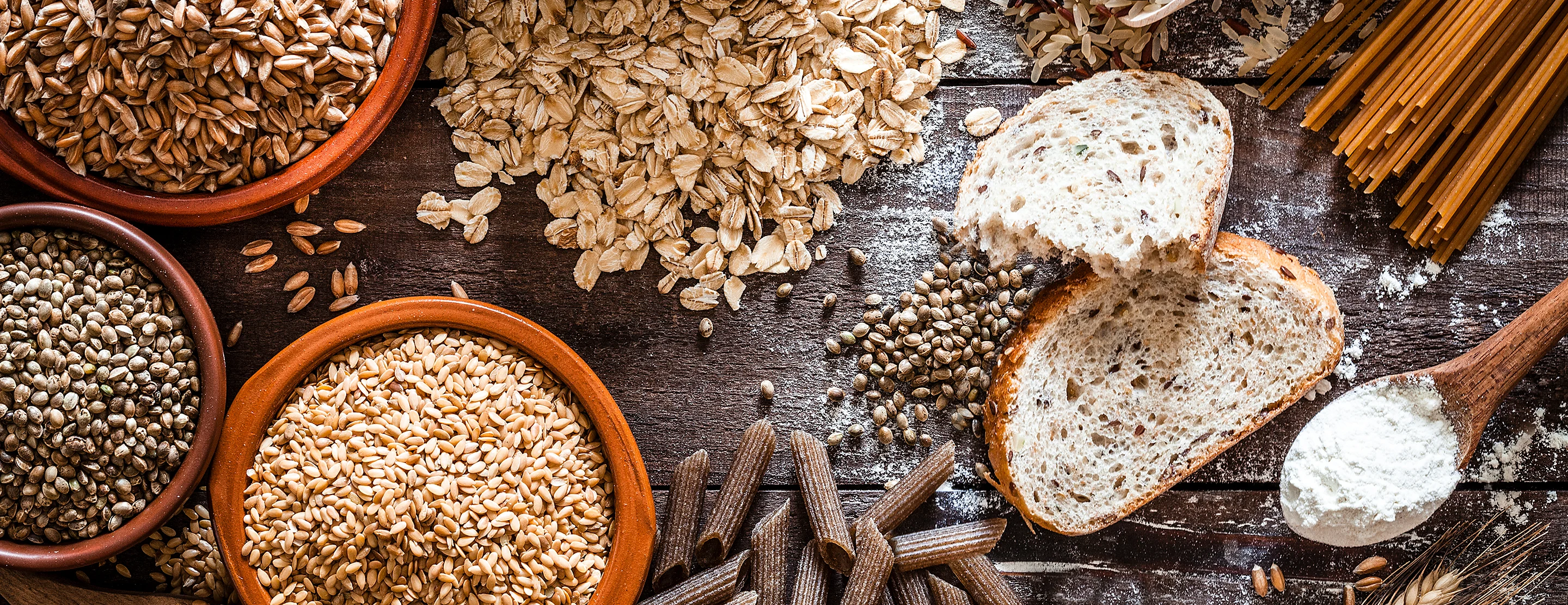
Foods that contain carbohydrates raise the body's blood sugar level. The body turns carbohydrates into sugar or glucose, which it uses as its main fuel source. Carbohydrates should be eaten in appropriate portions and not be severely restricted.
When choosing your child's food, be cautious of foods labeled "sugar-free." This can simply mean that no sugar has been added, but the food still may contain carbohydrates.
Counting the amount of carbohydrates in your child's food will help manage diabetes by maintaining normal blood sugar levels and allowing more flexibility with food choices.
Foods Containing Carbohydrates
Carbohydrates are found in:
- Breads, tortillas, crackers and bagels
- Cereals and grains
- Corn, peas and potatoes
- Dried beans and lentils
- Fruit
- Milk and yogurt
- Pasta and rice
Counting Carbohydrates
To count how much carbohydrate is in a food:
- Learn to read food labels. Carbohydrates in foods are measured in grams. The two most important pieces of information for carbohydrate counting is the serving size and the grams of total carbohydrate.
- Learn how to measure food portions.
- Learn about the exchange list from your child's dietitian. Foods on the list are called exchanges because they have a similar number of calories, protein, carbohydrates and fat content. Foods from the list can be traded or "exchanged" for other foods on the same list because they have similar exchange values.
UCSF Benioff Children's Hospitals medical specialists have reviewed this information. It is for educational purposes only and is not intended to replace the advice of your child's doctor or other health care provider. We encourage you to discuss any questions or concerns you may have with your child's provider.
Related services

Related conditions & treatments
Conditions