Pediatric Bone Marrow Transplant: Investigational Treatments
On this page
At the UCSF Pediatric Blood and Marrow Transplant Program, an essential part of our mission is to improve stem cell transplantation so that it can benefit even more patients. That's why we are continually investigating a variety of specific treatment options, also known as research protocols, for children in need of a bone marrow transplant (BMT). These include treatments for patients who have:
- Abnormal or defective bone marrow stem cells
- Cancer that may be cured with a BMT
- A genetic or inherited metabolic disease that affects many organs
Patients participating in a research protocol are treated in a uniform manner, so that medical scientists can compare outcomes. These results, after collection and analysis, may be published in a scientific journal. In the case of a BMT study, the results are used to develop improved treatment options for children and adults who could benefit from a BMT.
Research protocols
At UCSF Benioff Children's Hospitals, we offer investigatory treatment protocols to support BMT in patients with the following conditions:
- Leukemia, including acute lymphocytic leukemia and acute myelogenous leukemia
- Hodgkin's disease and non-Hodgkin's lymphoma
- Solid tumors, including brain tumors and sarcomas
- High-risk neuroblastoma
- Severe combined immunodeficiency (SCID) and other serious immunodeficiency disorders
- Inherited metabolic disorders
- Bone marrow stem cell defects
- Inherited blood disorders, such as thalassemia and sickle cell disease
Reducing risks
Although BMT remains the best and sometimes only option to treat some diseases, it carries certain risks, including harm to healthy tissues, such as the brain, lungs, liver and kidneys. To minimize this damage, our program has developed novel protocols, which include the following:
UCSF Benioff Children's Hospitals medical specialists have reviewed this information. It is for educational purposes only and is not intended to replace the advice of your child's doctor or other health care provider. We encourage you to discuss any questions or concerns you may have with your child's provider.
Related services
Recommended reading
What Is Bone Marrow?
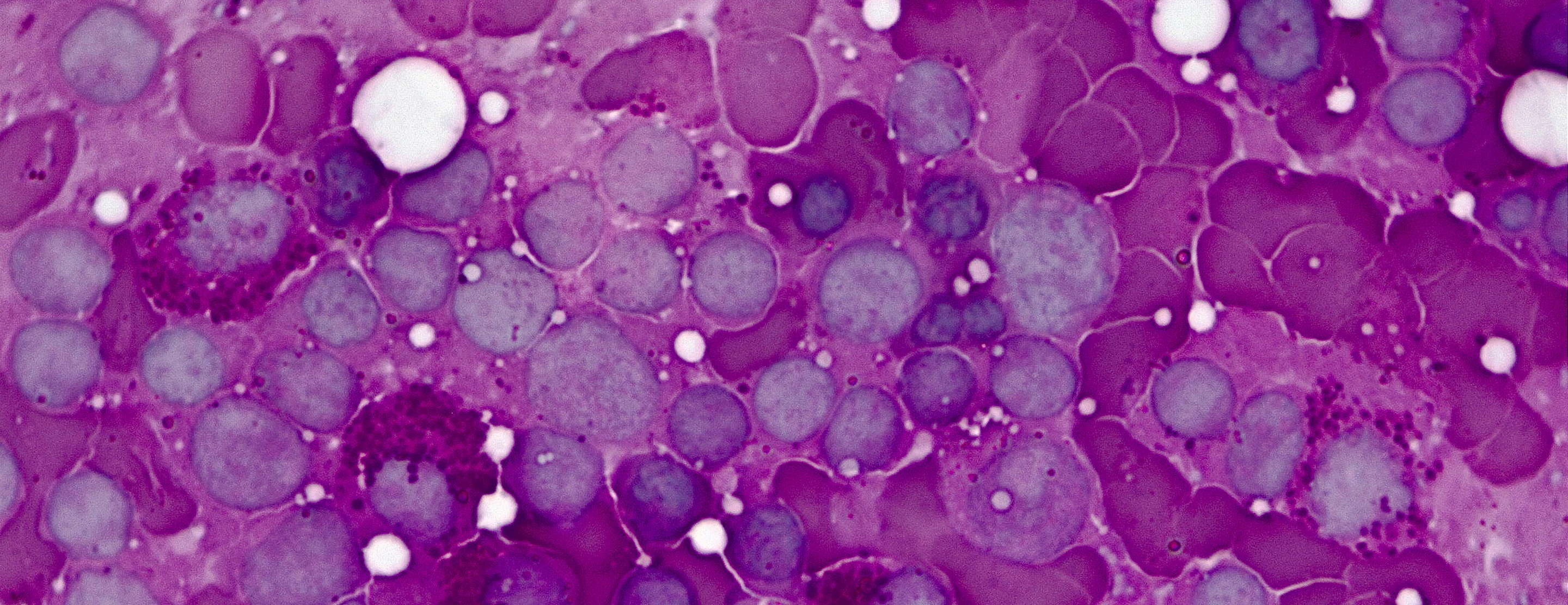
Bone marrow makes stem cells, which produce platelets and white and red blood cells. Here's why those cells are important to your child's health.
Graft-Versus-Host Disease (GVHD) After a Pediatric Bone Marrow Transplant
Graft vs. host disease (GvHD) is a bone marrow transplant complication that can be severe and affect many organs. Read about types, treatments and more.
Bone Marrow Donors for Pediatric Patients
Bone marrow donors may be relatives (including siblings) or unrelated volunteers. Find out what happens before, during and after bone marrow donation.
Clinical trials
Transplantation of Clustered Regularly Interspaced Short Palindromic Repeats Modified Hematopoietic Progenitor Stem Cells (CRISPR_SCD001) in Patients With Severe Sickle Cell DiseaseOpens in a new window
This is an open label, non-randomized, 2-center, phase 1/2 trial of a single infusion of sickle allele modified cluster of differentiation (CD34+) hematopoietic stem progenitor cells (HSPCs) in subjects with in subjects ≥12 years old to 35 years old severe Sickle Cell Disease (SCD)...