Pediatric Pancreas Program

On this page
Why choose UCSF Benioff Children's Hospitals for pediatric pancreas care?
We provide expert care for children of all ages with pancreatitis and other pancreatic conditions. If your child needs urgent pancreatic care, our team sees them as soon as possible so they can begin treatment.
We use advanced noninvasive and minimally invasive technologies to diagnose and treat pancreatic conditions. This approach helps reduce discomfort and minimize risks to your child.
If your child needs surgery to partially or totally remove the pancreas, we help preserve as much pancreas function as possible. Our program is the most experienced in the West in pediatric total pancreatectomy with islet auto-transplant (TP-IAT). We've been offering this innovative surgery since 2015, helping preserve the body's ability to make insulin after pancreas removal.
Our team is committed to advancing effective treatments for children with pancreatic conditions, including testing new therapies through clinical trials.
Why choose UCSF Benioff Children's Hospitals for pediatric pancreas care?
We provide expert care for children of all ages with pancreatitis and other pancreatic conditions. If your child needs urgent pancreatic care, our team sees them as soon as possible so they can begin treatment.
We use advanced noninvasive and minimally invasive technologies to diagnose and treat pancreatic conditions. This approach helps reduce discomfort and minimize risks to your child.
If your child needs surgery to partially or totally remove the pancreas, we help preserve as much pancreas function as possible. Our program is the most experienced in the West in pediatric total pancreatectomy with islet auto-transplant (TP-IAT). We've been offering this innovative surgery since 2015, helping preserve the body's ability to make insulin after pancreas removal.
Our team is committed to advancing effective treatments for children with pancreatic conditions, including testing new therapies through clinical trials.
National Pancreas Foundation Center of Excellence
This recognition means we provide holistic care to families and pioneer research to improve outcomes for children with pancreatic conditions.Full spectrum of treatments
We offer a wide range of medications and surgical procedures, using noninvasive and minimally invasive therapies when possible.Holistic approach to pancreatic care
Children and families may access psychosocial support from our mental health counselors, pain medicine specialists and social workers.Access to clinical trials
We are advancing pancreatic care through clinical trials. Your child may have the opportunity to benefit from promising new therapies.
Our pancreatic care program
Our experts offer comprehensive pancreatic care to children of all ages. We use the latest technologies to diagnose and treat:
Chronic and acute pancreatitis
Hereditary pancreatitis
Pancreatic insufficiency
Pancreatic tumors and cysts
Multiple pediatric specialists combine their expertise to create a holistic treatment plan for your child. Their care team may include specialists in:
Pancreatic surgery
Endoscopy
Radiology
Mental health
Genetic testing
Pain medicine
Diagnostic services
Our providers perform noninvasive and minimally invasive tests to identify and monitor pancreatic conditions. Diagnostic tests for pancreatic conditions include:
Endoscopic retrograde cholangiopancreatography (ERCP)
Pediatric gastroenterologists perform ERCP, which combines upper gastrointestinal endoscopy and X-rays to diagnose and treat problems in the bile and pancreatic ducts.
We give your child anesthesia before the procedure, so they are asleep and don't feel any pain.
Treatments for pediatric pancreatitis
Our team tailors a care plan to help reduce your child's symptoms, so they can feel their best. We offer a full range of therapies, including medications and surgical procedures.
Total pancreatectomy with islet auto-transplant (TP-IAT)
We are one of the few pediatric programs in the U.S. offering TP-IAT. Our experienced surgical team has been performing this innovative procedure since 2015, helping children find relief from chronic and acute pancreatitis.
During TP-IAT, your child's surgeon removes the diseased pancreas while preserving their islet cells, which we infuse into their liver during a second surgery. Our lab specialists prepare the islet cells for transplantation in UCSF's designated islet cell lab.
This innovative procedure allows your child's body to continue making insulin and lowers their chance of developing diabetes after a pancreatectomy.
Clinical trials for pediatric pancreatic conditions
UCSF's pediatric pancreas program pioneers research to help broaden our understanding of pediatric pancreatic conditions. Your child may benefit from promising new therapies through one of our clinical trials.
Providers

Gina Capodanno, MD, MS
Pediatric Endocrinology • Endocrinology
Addison Cuneo, MD
Pediatric Gastroenterology
James M. Gardner, MD, PhD
Pediatric Transplant Surgery • Pediatric Transplant Surgery (Kidney)
Sang-Mo Kang, MD
Transplant Surgery (Kidney) • Transplant Surgery (Liver)
Awards & achievements


Best in Northern California and top 10 in the nation for gastroenterology & GI surgery

Ranked among the nation's best in 11 specialties


Related conditions & treatments
Conditions
- Acute Pancreatitis
- Chronic Pancreatitis
- Congenital Anomalies of the Pancreas
- Pancreatic Cyst
- Pancreatic Duct Stricture
- Pancreatic Insufficiency
- Pancreaticobiliary Disease
- Pancreatitis
Treatments
- Clinical Trials
- Genetic Testing
- Islet Cell Transplant
- Nutritional Counseling
- Pain Management
- Pancreatectomy
- Pancreatic Auto-Islet Transplant

Accreditations & memberships

National Pancreas Foundation Center of ExcellenceOpens in a new window
We meet rigorous standards, provide multispecialty care and support research to improve outcomes for children with pancreatic conditions.
Trials & research
Clinical trials
Biospecimen Collection to Identify Gene Mutations for High Risk Pancreatic Cancer in Pediatric Patients, INSPPIRE 2 StudyOpens in a new window
This clinical trial collects blood, saliva, urine, or stool samples to help identify possible genetic mutations that may increase a person's chance at developing pancreatic cancer. Finding genetic markers among pediatric patients with acute recurrent pancreatitis and chronic pancreatitis may help identify patients who are at risk of pancreatic cancer.
Support services
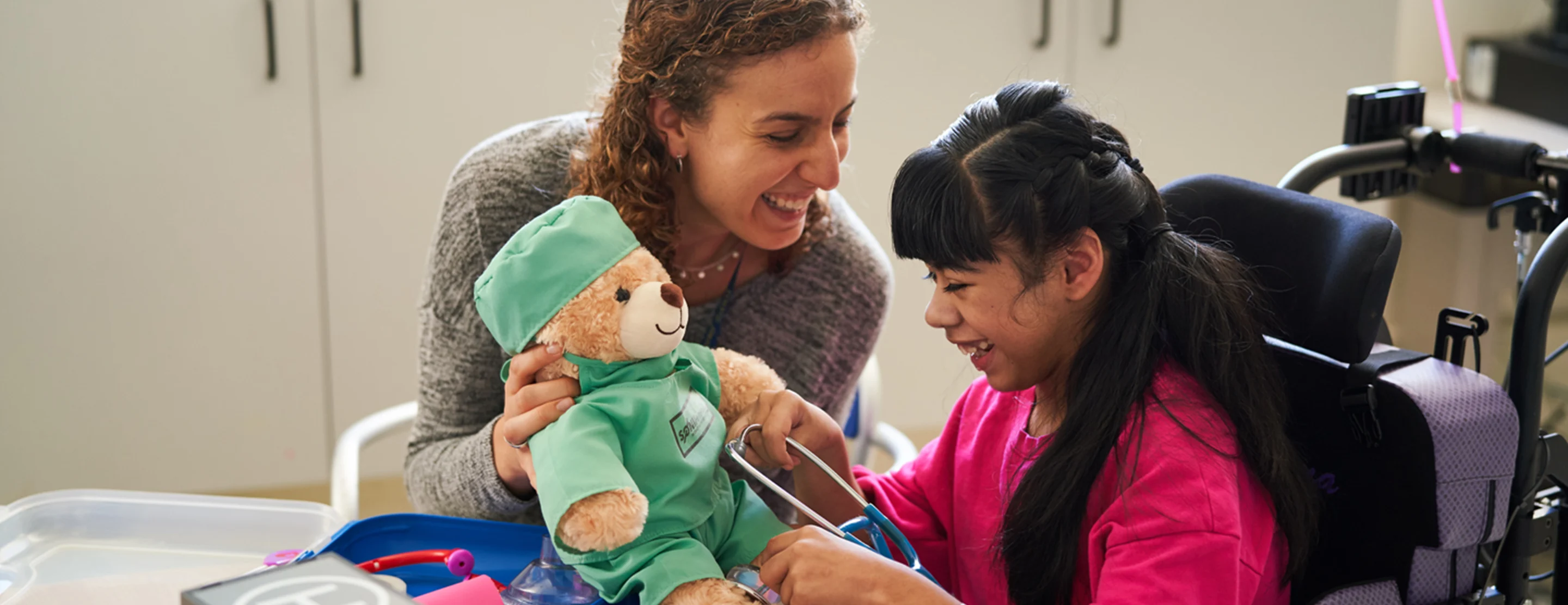
Child Life
Certified child life specialists ease the stress and anxiety of childhood illness through therapeutic play, schooling and family-focused support.
Family Amenities
Family-friendly amenities help you relax and take care of yourself while staying close to your child. We offer lounges, kitchens, showers, breastfeeding rooms and more.
Social Services at UCSF Benioff Children's Hospitals
Social workers ease the effect of illness, injury and hospitalization on your family with counseling and assistance to help you navigate the challenges.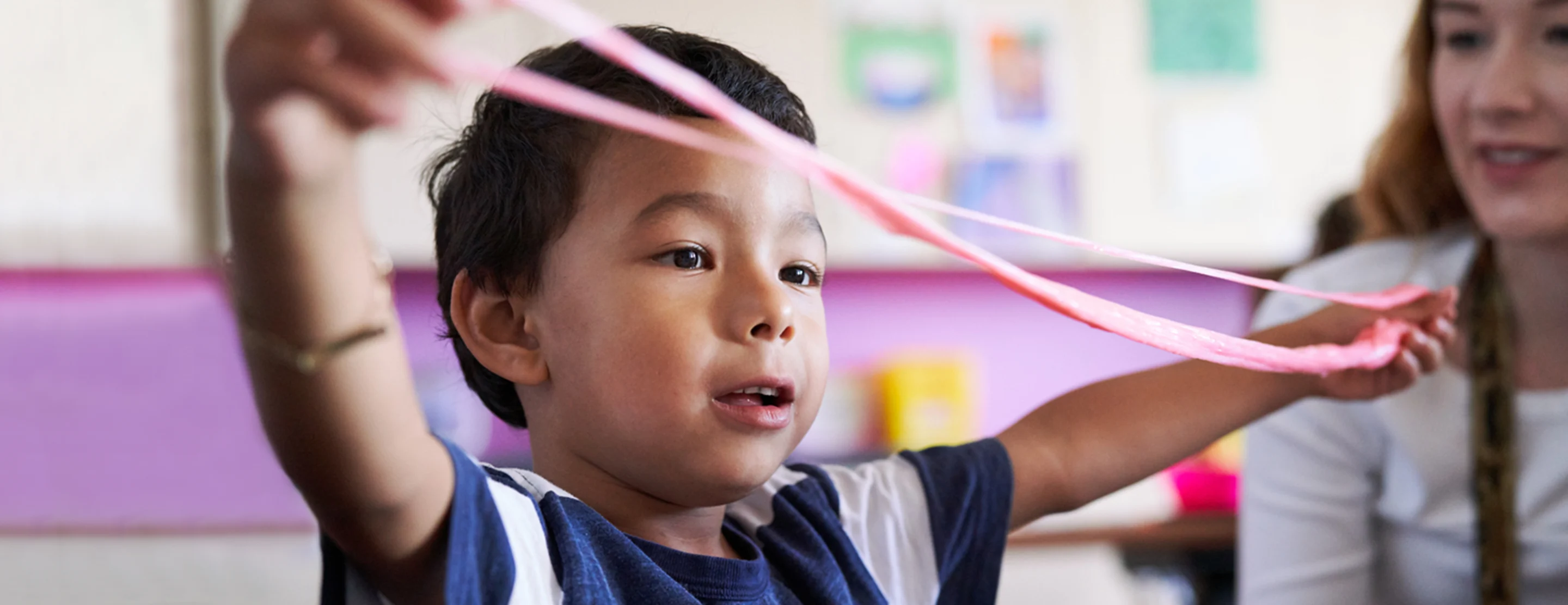
Activity Rooms
Activity rooms offer a relaxed environment for children of all ages. Features include a playroom, digital arts studio and teen lounge. Find out more.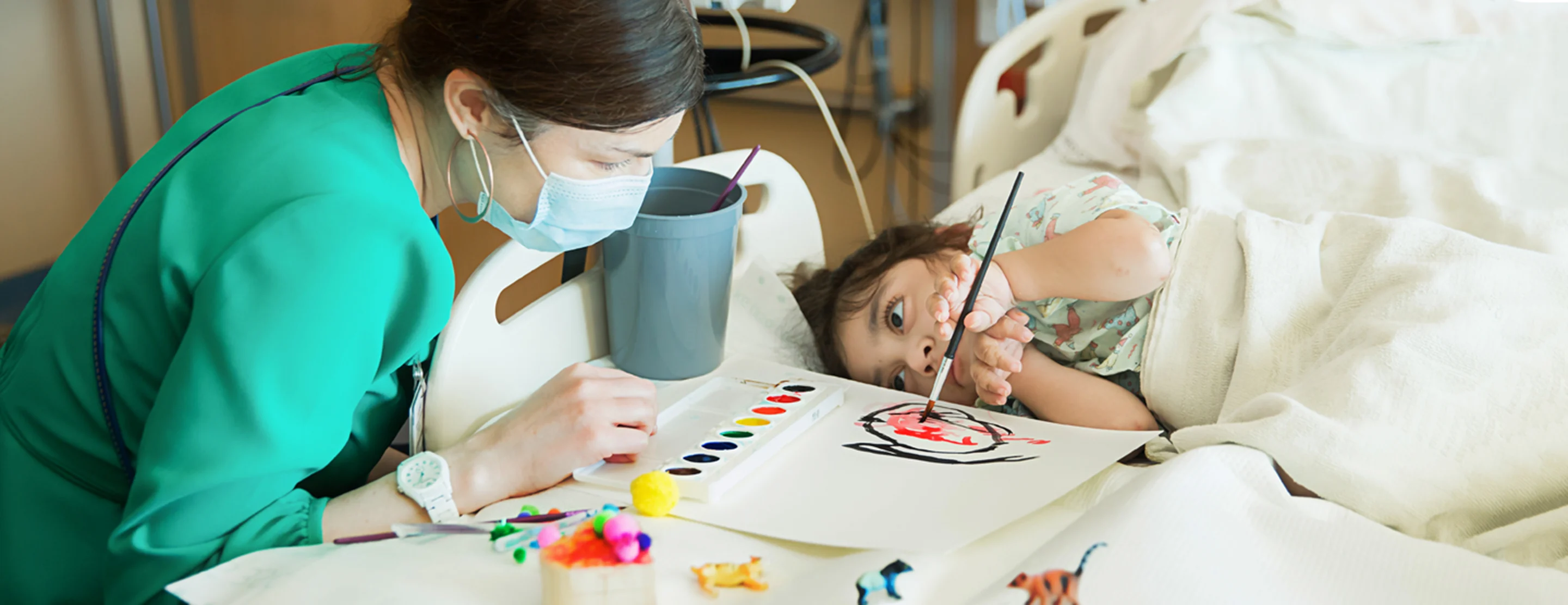
Pediatric Art Therapy Program
Art therapy helps kids and families express themselves, making it easier to cope with pediatric health issues. Group and bedside services are available.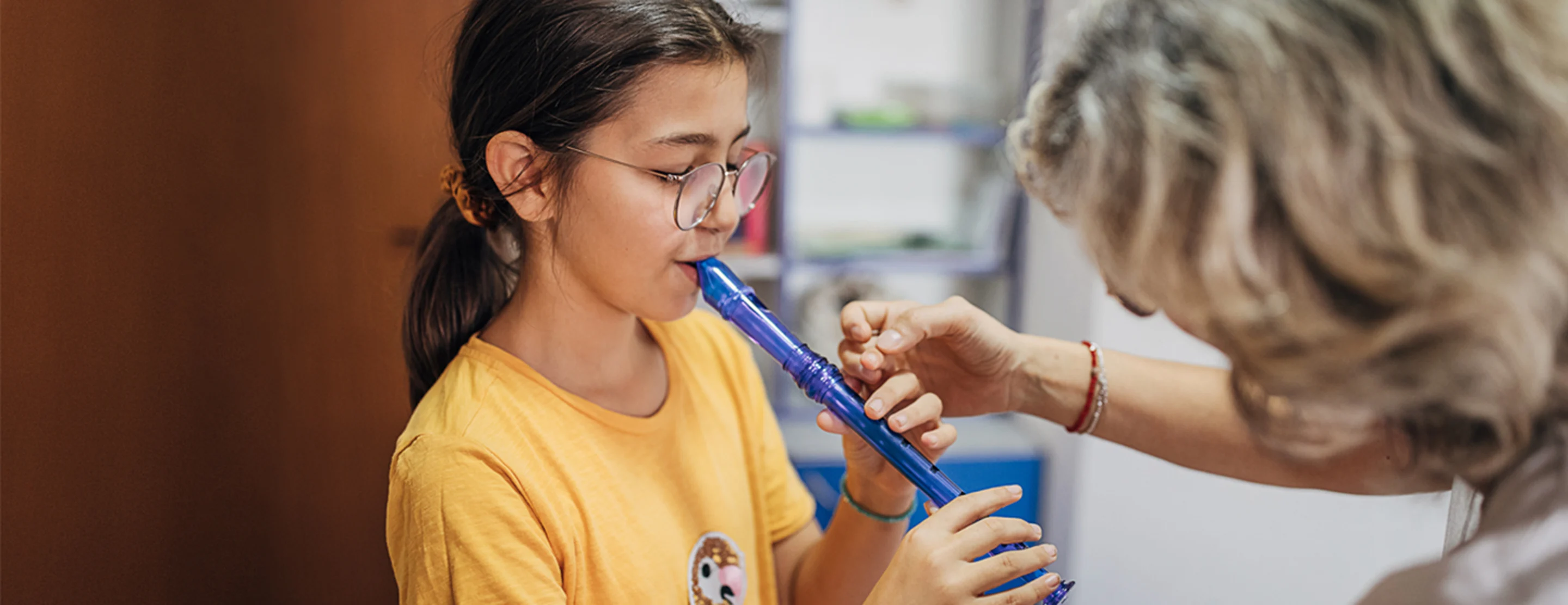
Pediatric Music Therapy Program
Board-certified music therapists help kids cope with illness and the feelings that come with it. Find out about group activities and bedside therapy.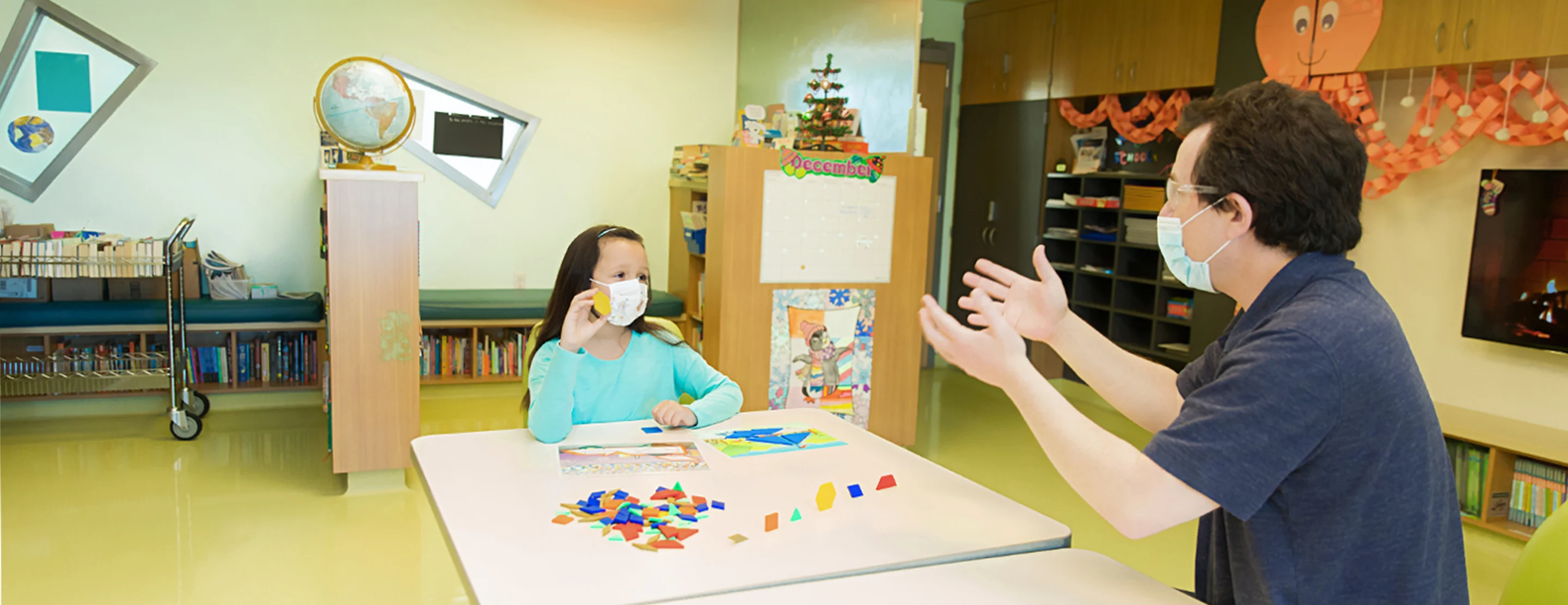
School Program for Hospitalized Children
Our schoolroom services and individual learning programs help children hospitalized at UCSF continue their education and get ready to return to school.
School Re-Entry Program
We help kids return to school after hospitalization by educating staff and students about their needs and recommending needed accommodations. Read more.
Individual Playtime & Instruction
If your child can't be around other kids for medical reasons, you can sign up for private sessions in our activity and school rooms. Find out how.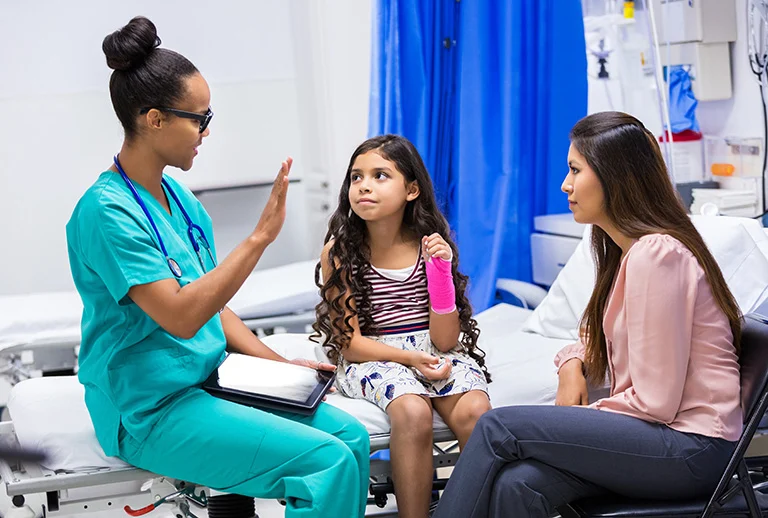
Interpreter Services & Communication Assistance at UCSF Benioff Children's Hospitals
Interpreter services in many languages and TDDs are available for families that need help communicating with care teams. Here's how to access them.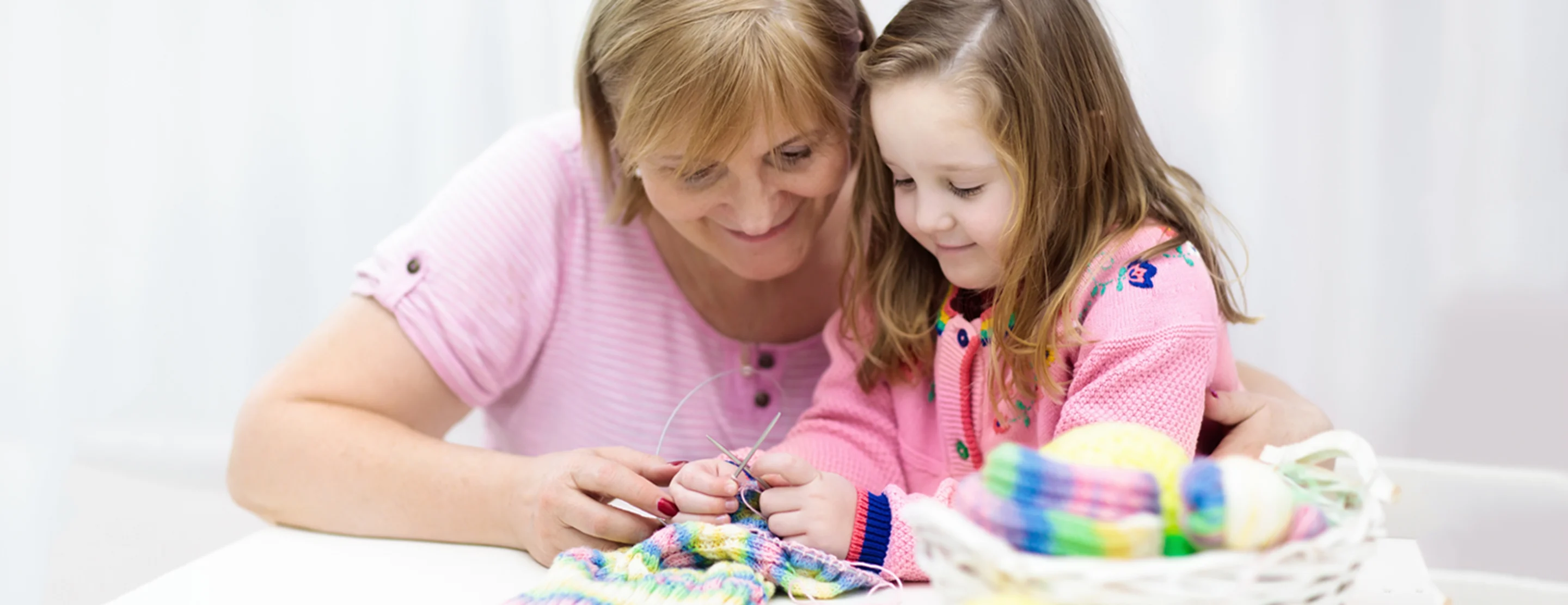
Parent Support Program
Weekly activities, including knitting, scrapbooking, chair massage and more, help family caregivers get a much-needed break. Find out more.
Patient Relations at UCSF Benioff Children's Hospitals
Patient relations reps and nursing supervisors are here to answer questions and address concerns. Learn about your rights, how to reach us and more.
Spiritual Care at UCSF Benioff Children's Hospitals
Chaplains help UCSF patients, families and staff cope with the spiritual and emotional challenges of childhood illness. Learn more.
International Services at UCSF Benioff Children's Hospitals
If you're coming to UCSF from outside the U.S., we coordinate your child's appointments and provide other helpful services. Here's how to get started.