Pediatric Neuro-Immunology & Multiple Sclerosis (MS) Program
On this page
Why choose UCSF Benioff Children's Hospitals for neuro-immunology and multiple sclerosis care for your child?
When your child has multiple sclerosis (MS), myelin oligodendrocyte glycoprotein antibody-associated disease (MOGAD) or another neuroinflammatory condition, experience matters. We offer one of the most comprehensive pediatric neuroimmunology programs on the West Coast for children with rare and complex neuroimmune diseases.
UCSF was one of six founding sites of the Network of Pediatric Multiple Sclerosis Centers (NPMSC) in 2006. We continue to collaborate across the NPMSC to advance research and care for children.
Our specialists combine pediatric and adult neuro-immunology expertise with advanced treatment options to provide attentive, expert care for your child. Families get clear answers and careful guidance throughout treatment.
Why choose UCSF Benioff Children's Hospitals for neuro-immunology and multiple sclerosis care for your child?
When your child has multiple sclerosis (MS), myelin oligodendrocyte glycoprotein antibody-associated disease (MOGAD) or another neuroinflammatory condition, experience matters. We offer one of the most comprehensive pediatric neuroimmunology programs on the West Coast for children with rare and complex neuroimmune diseases.
UCSF was one of six founding sites of the Network of Pediatric Multiple Sclerosis Centers (NPMSC) in 2006. We continue to collaborate across the NPMSC to advance research and care for children.
Our specialists combine pediatric and adult neuro-immunology expertise with advanced treatment options to provide attentive, expert care for your child. Families get clear answers and careful guidance throughout treatment.
Pediatric MS and MOGAD expertise
We have cared for hundreds of children with MS, MOGAD and other rare neuroinflammatory diseases, providing careful diagnosis and advanced treatment.Collaborative care planning
Before each new patient visit, we review your child's case and discuss the best diagnostic and treatment options so we can offer tailored, expert care.Research that advances care
Your child's specialists help shape studies that improve diagnosis and treatment for rare neuroinflammatory disorders.Support as your child grows
We help teens and young adults move from pediatric to adult care with planning, guidance and support.
Neuroinflammatory conditions we treat
Neuroinflammatory and demyelinating disorders can affect the brain, spinal cord, optic nerves and other areas of the nervous system. Families come to UCSF for care when these disorders need focused pediatric expertise.
Our specialists care for children and teens with:
MOGAD
Neuromyelitis optica spectrum disorder (NMOSD)
Transverse myelitis and other myelitis disorders
Autoimmune encephalitis, central nervous system (CNS) vasculitis and other rare inflammatory neurologic conditions
What to expect from your child's evaluation
We start by learning about your child's symptoms, health history, previous tests and daily needs. Our specialists understand how neuroinflammatory disorders can appear and progress differently in children.
To help diagnose the condition, your child may need:
Blood tests
Cerebrospinal fluid (CSF) studies
Evaluations with other UCSF specialists
For children with unexplained encephalitis, we work with the UCSF Center for Encephalitis and Meningitis to offer advanced cerebrospinal fluid testing.
We explain what your child's test results mean and how they can help guide care. We also talk with your family about treatment goals, possible side effects and what to watch for over time.
Multispecialty, team-based care
Some neuroinflammatory disorders can affect different parts of the nervous system as well as other systems and organs. At UCSF, your child can access a broad network of pediatric specialists when needed. This team approach helps us address symptoms that affect vision, movement, learning, energy and daily life.
Your child's care team may include:
Neurologists
Neuro-ophthalmologists
Rheumatologists and immunologists
Hematology-oncologists
Nurses and nurse practitioners
Physical, occupational and rehabilitation therapists
Neuropsychologists
Social workers, child life specialists and research coordinators
Personalized treatment and support
Children with a neuroimmune disease require care customized to their specific needs and symptoms. Your child's care plan – including treatment type, intensity and duration – depends on the disease, affected areas, symptom severity and the risk of future relapses.
Children may need treatment at different stages and for different reasons. Your child may need treatment to:
Control inflammation soon after diagnosis
Reduce the risk of future relapses
Monitor their condition
Provide follow-up testing and support as they recover
Your child's plan may include:
Medicines, including infusion therapy at our pediatric infusion centers across the Bay Area
Rehabilitation therapy
School support
Regular follow-up visits
When appropriate, we may use specialized diagnostic or monitoring tests to clarify your child's condition and guide treatment decisions. Our specialists stay current as new therapies and evidence emerge. We help your family weigh treatment benefits, risks and timing.
Clinical trial opportunities
When clinical trials are available, we can help you understand whether your child is eligible to participate. Your family may also have opportunities to participate in other research studies aimed at better understanding these rare neuroimmune diseases. Together, these studies help advance our understanding of pediatric neuroimmune diseases and inform future approaches to diagnosis, monitoring and treatment.
Planning for the teen and young adult years
Many children with MS and other neuroimmune diseases need care for years. As your child gets older, we help your family prepare for college, work, insurance changes and more independent health management.
We see new patients through age 18 and continue caring for established patients through age 21. We then coordinate the transition to UCSF's adult multiple sclerosis and neuroinflammation program.
For some young adults, the same physician can continue providing care. If your child moves away, we can also help coordinate care with an appropriate specialist.
Providers

Emmanuelle L. Waubant, MD
Neurology • Neurology (Neuroimmunology)
Mary Karalius, MD, MS
Neurology • Neurology (Neuroimmunology)
Carla Francisco, MD
Pediatric Neurology
Akash Virupakshaiah, MD
Neurology • Neurology (Neuroimmunology)
Awards & achievements


#1
in NIH funding among U.S. neurology programs

One of the nation's best for neurology & neurosurgery

Ranked among the nation's best in 11 specialties

Related conditions & treatments
Conditions
- Acute Disseminated Encephalomyelitis
- Anti-NMDA Receptor Encephalitis
- Autoimmune Encephalitis
- CNS Vasculitis
- Demyelinating Disease
- Multiple Sclerosis
- Myelin Oligodendrocyte Glycoprotein Antibody-Associated Disease
- Myelitis
- Neuroinflammatory Disorders
Treatments
- Clinical Trials
- Infusion Therapy

Accreditations & memberships

National Multiple Sclerosis Society center of excellence
This National MS Society designation recognizes our comprehensive care for children and adolescents with MS and related neuroinflammatory disorders. It also connects our program with a national network focused on the latest MS research and therapies.
Research initiatives
UCSF Multiple Sclerosis Center ResearchOpens in a new window
The UCSF Multiple Sclerosis Center's research program investigates potential new treatments and works to improve understanding of the disease, including the effects of genes, the environment and the immune system.
Support services
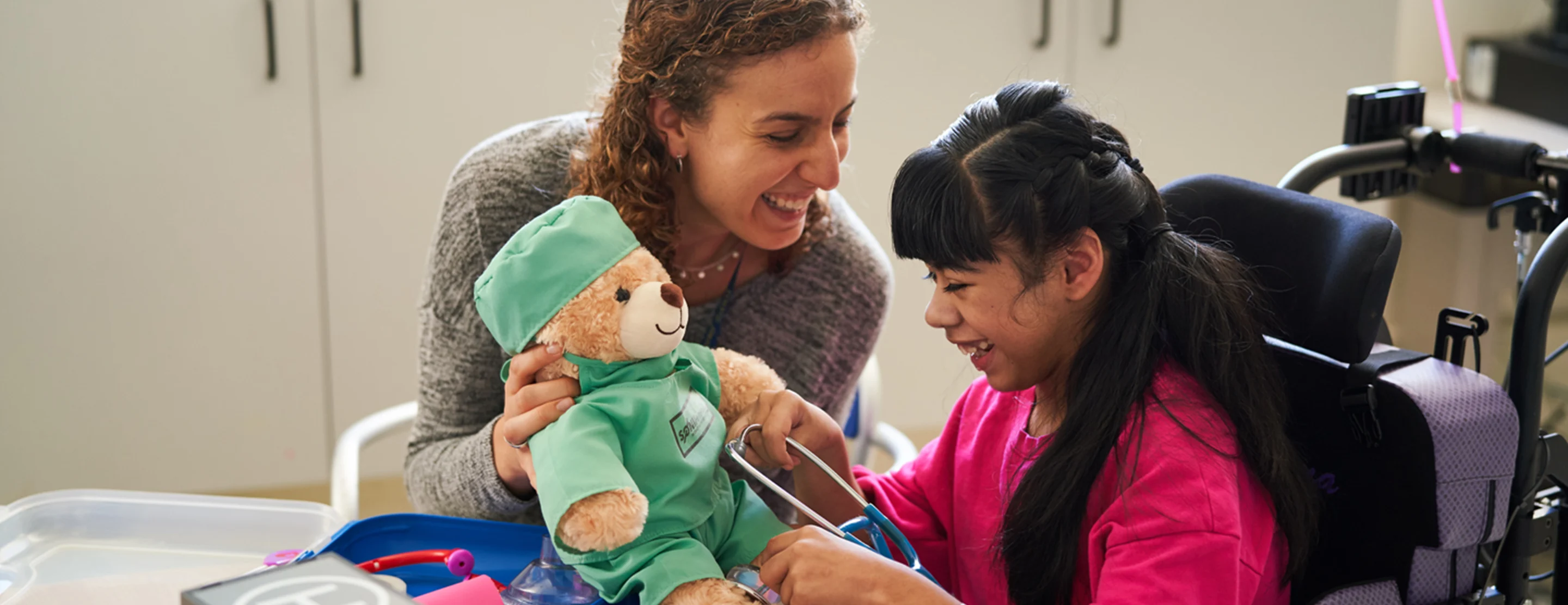
Child Life
Certified child life specialists ease the stress and anxiety of childhood illness through therapeutic play, schooling and family-focused support.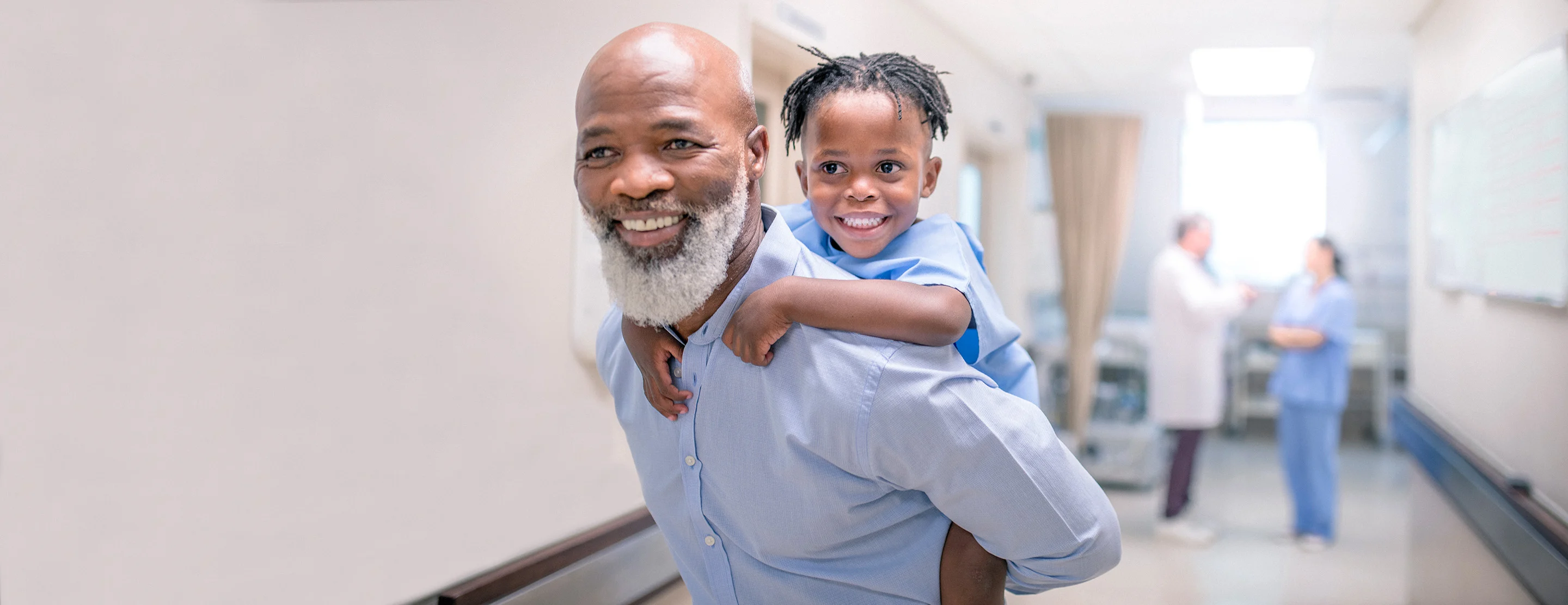
Family Amenities
Family-friendly amenities help you relax and take care of yourself while staying close to your child. We offer lounges, kitchens, showers, breastfeeding rooms and more.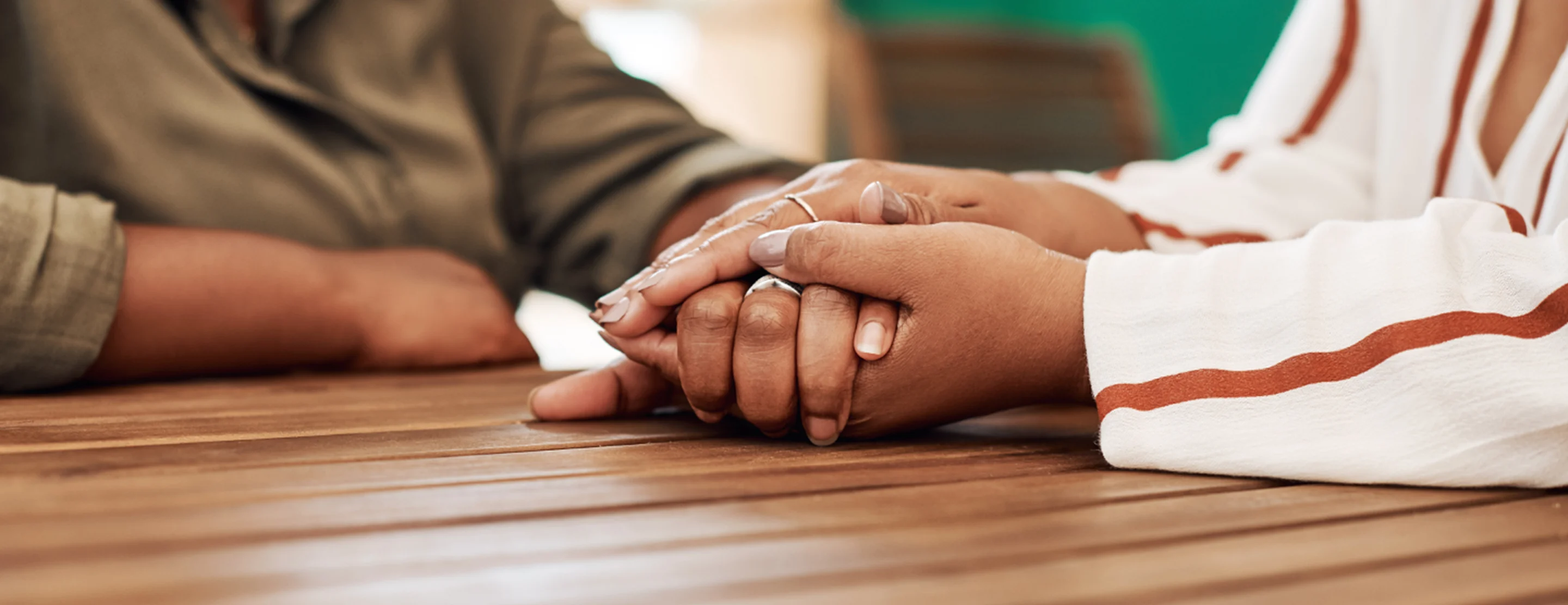
Social Services at UCSF Benioff Children's Hospitals
Social workers ease the effect of illness, injury and hospitalization on your family with counseling and assistance to help you navigate the challenges.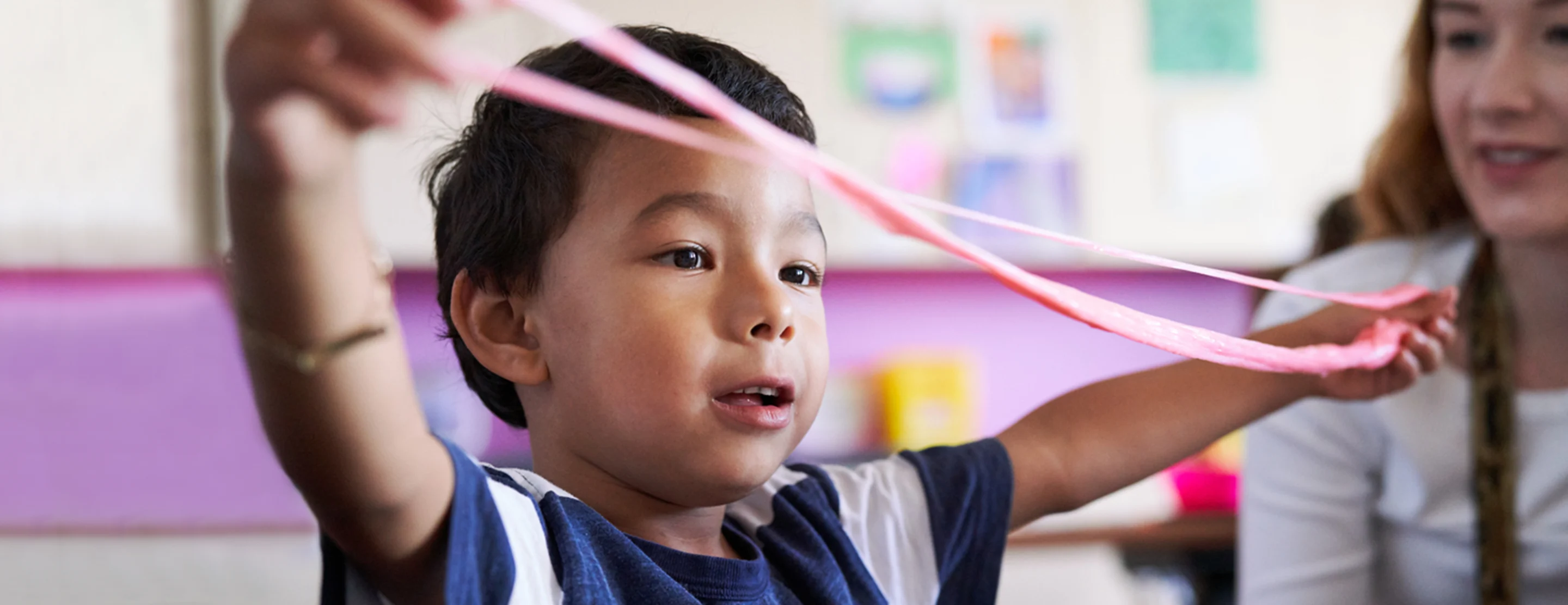
Activity Rooms
Activity rooms offer a relaxed environment for children of all ages. Features include a playroom, digital arts studio and teen lounge. Find out more.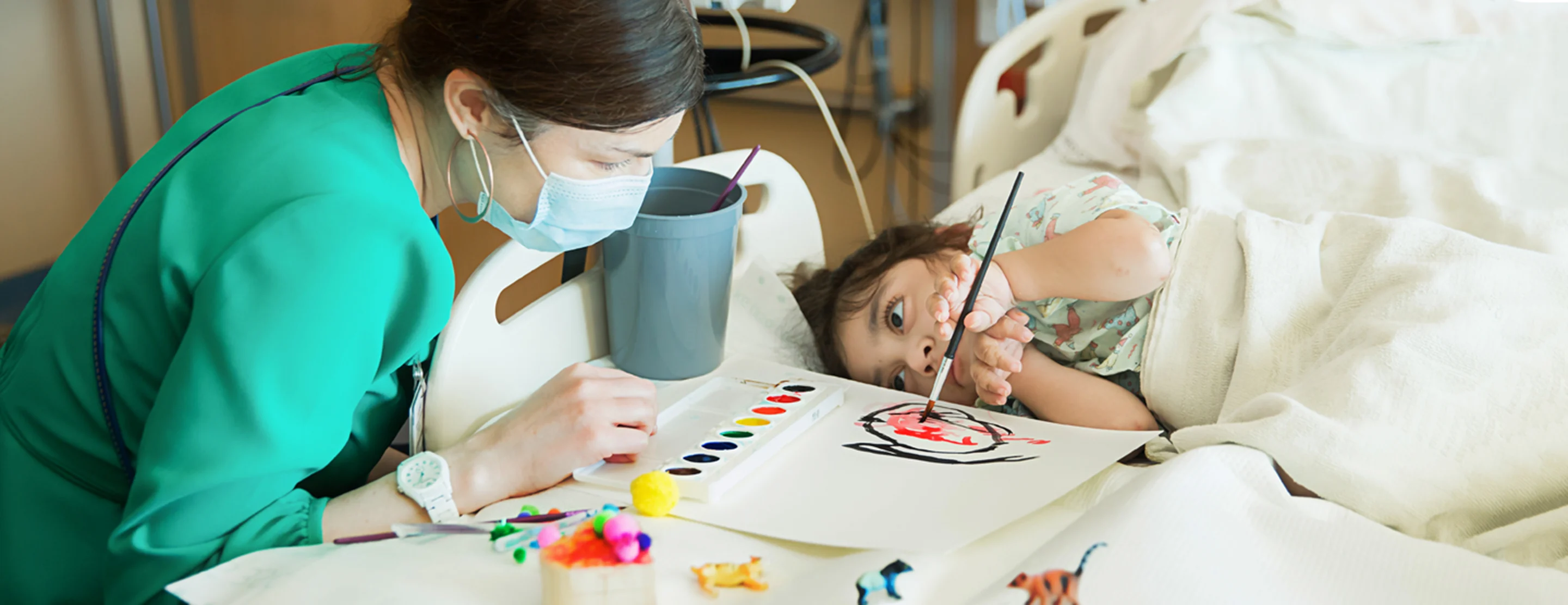
Pediatric Art Therapy Program
Art therapy helps kids and families express themselves, making it easier to cope with pediatric health issues. Group and bedside services are available.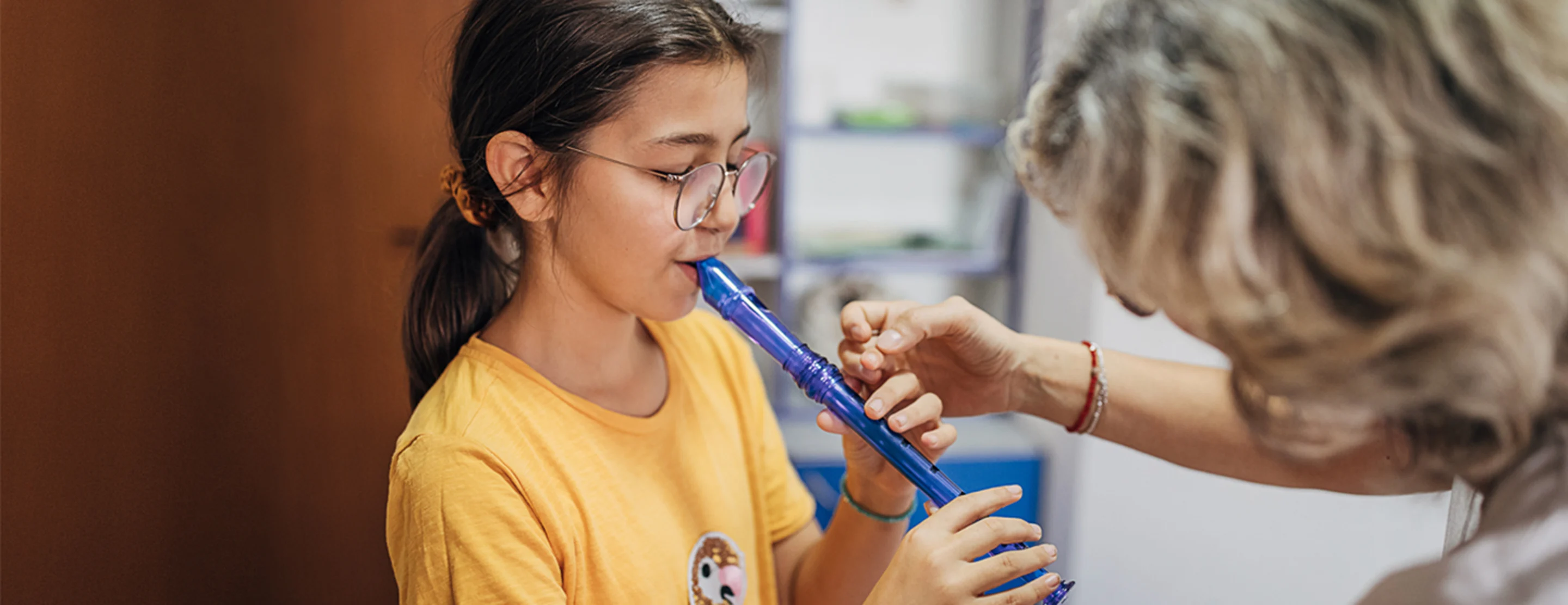
Pediatric Music Therapy Program
Board-certified music therapists help kids cope with illness and the feelings that come with it. Find out about group activities and bedside therapy.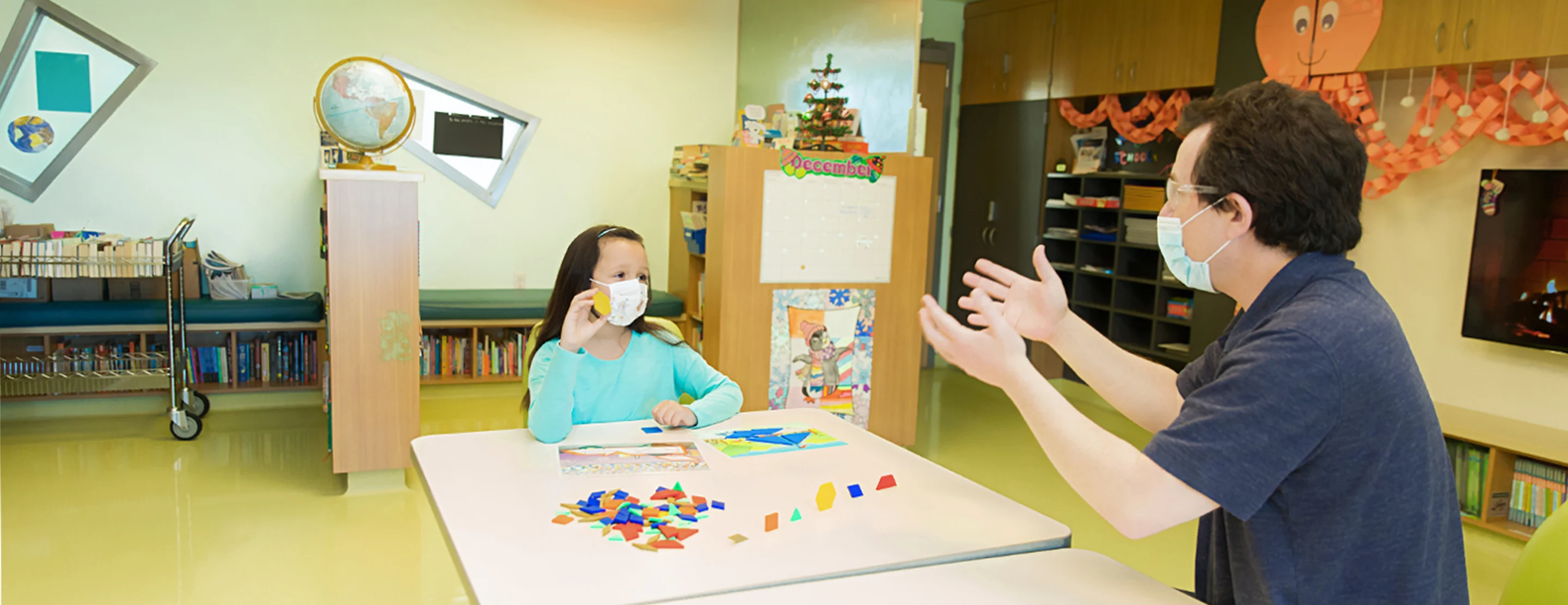
School Program for Hospitalized Children
Our schoolroom services and individual learning programs help children hospitalized at UCSF continue their education and get ready to return to school.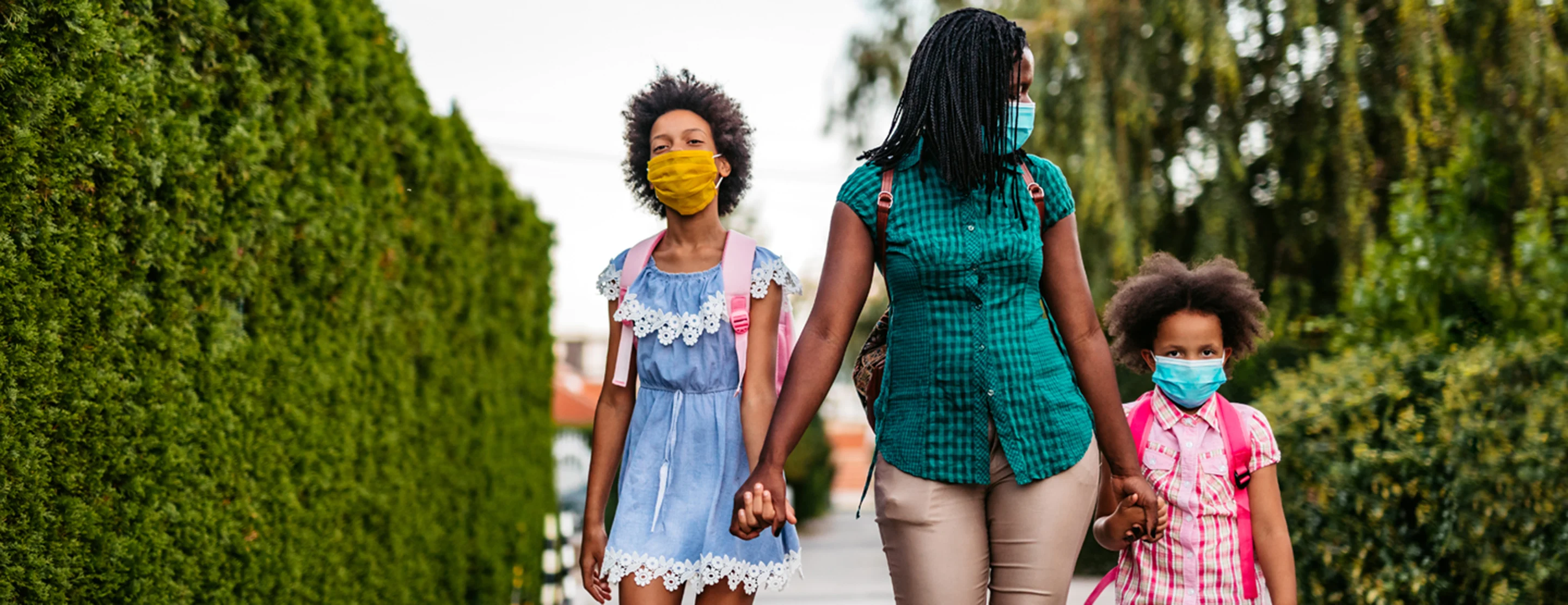
School Re-Entry Program
We help kids return to school after hospitalization by educating staff and students about their needs and recommending needed accommodations. Read more.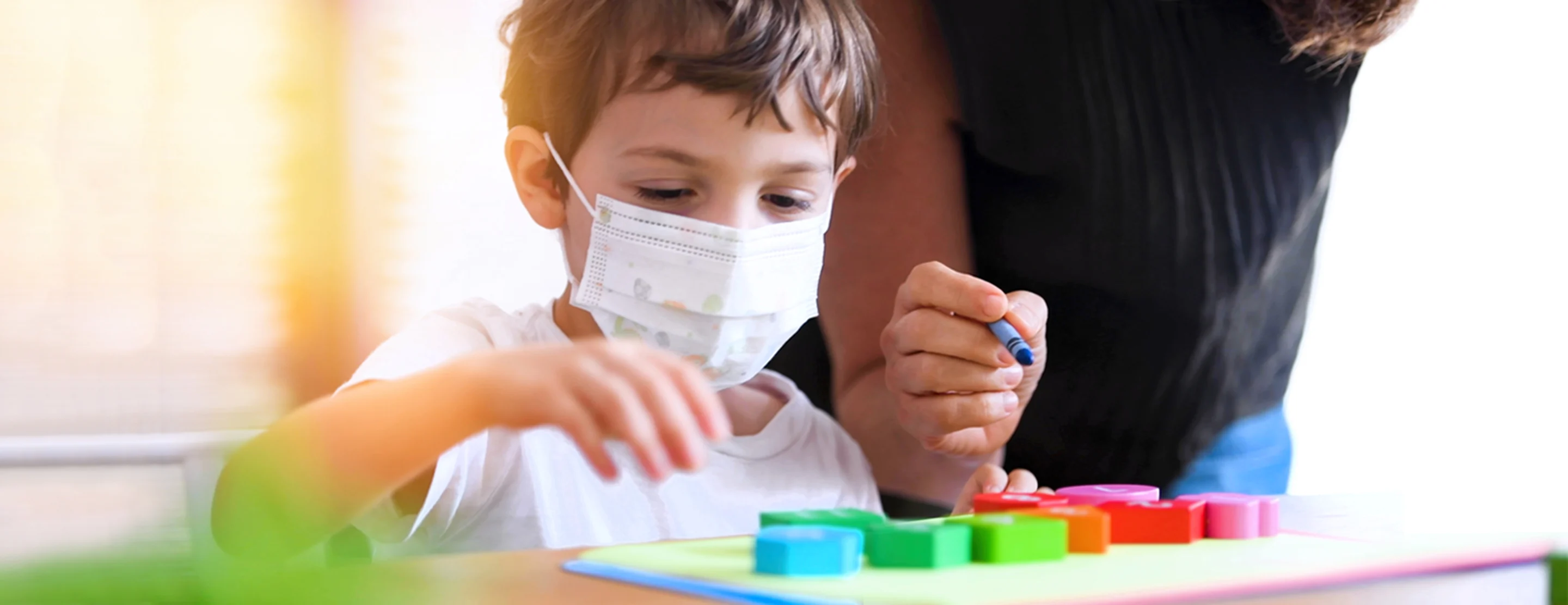
Individual Playtime & Instruction
If your child can't be around other kids for medical reasons, you can sign up for private sessions in our activity and school rooms. Find out how.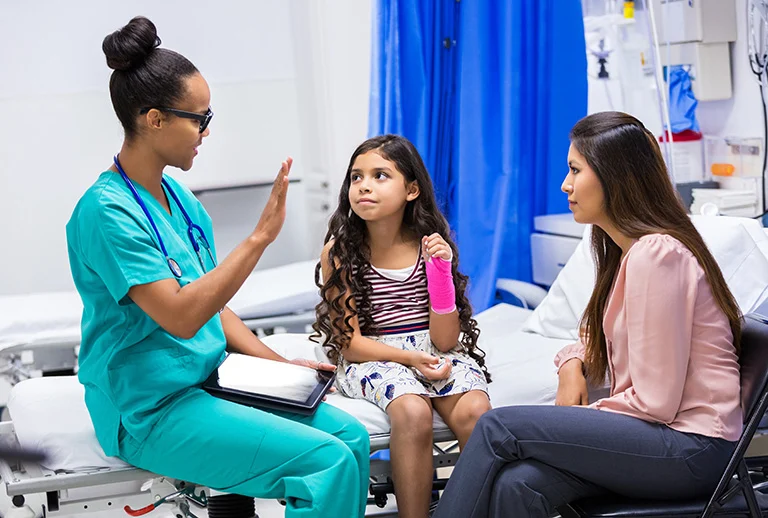
Interpreter Services & Communication Assistance at UCSF Benioff Children's Hospitals
Interpreter services in many languages and TDDs are available for families that need help communicating with care teams. Here's how to access them.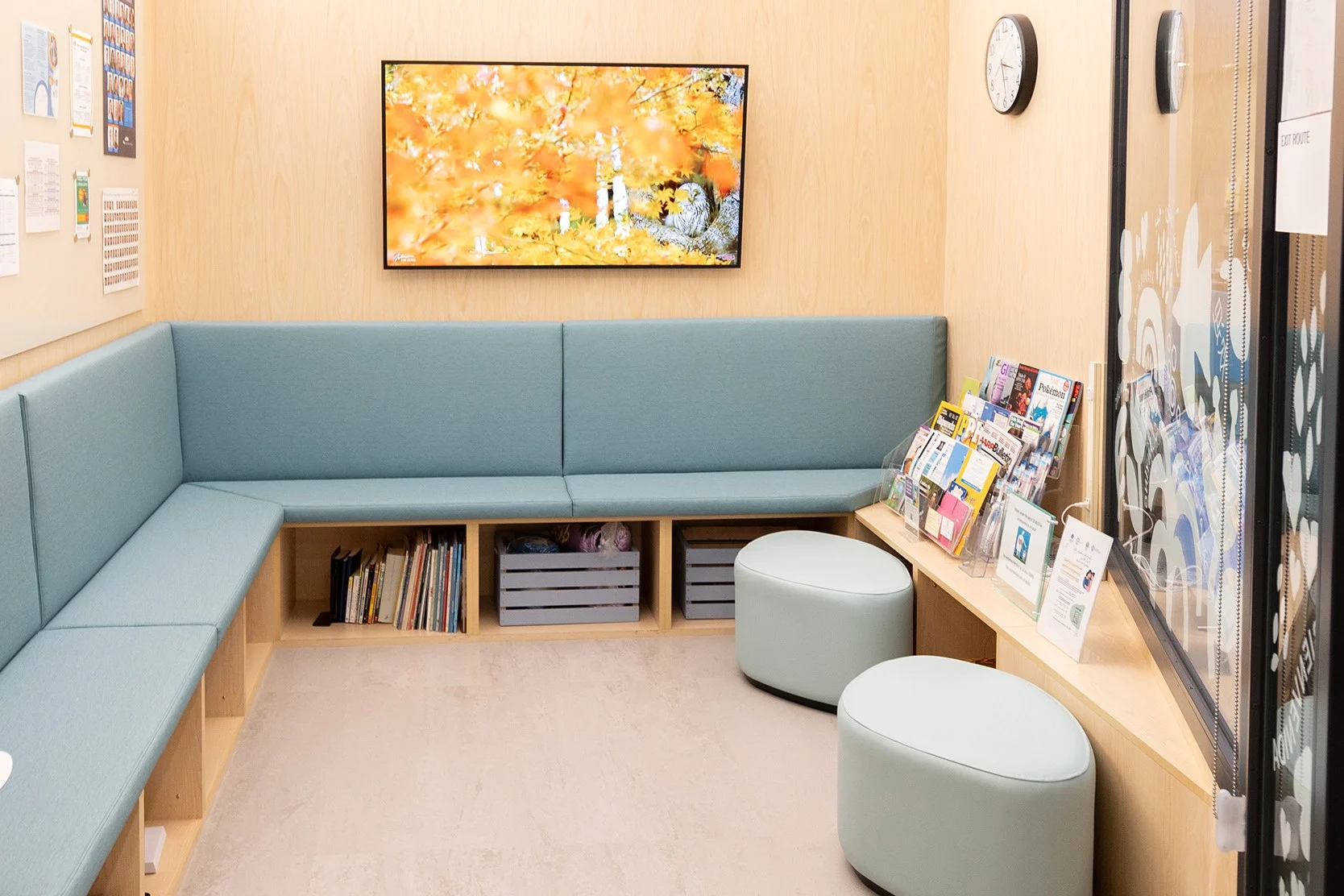
Family Resource Center
We help families cope with the challenges of childhood illness and hospitalization in a relaxing environment where parents can get a much-needed break.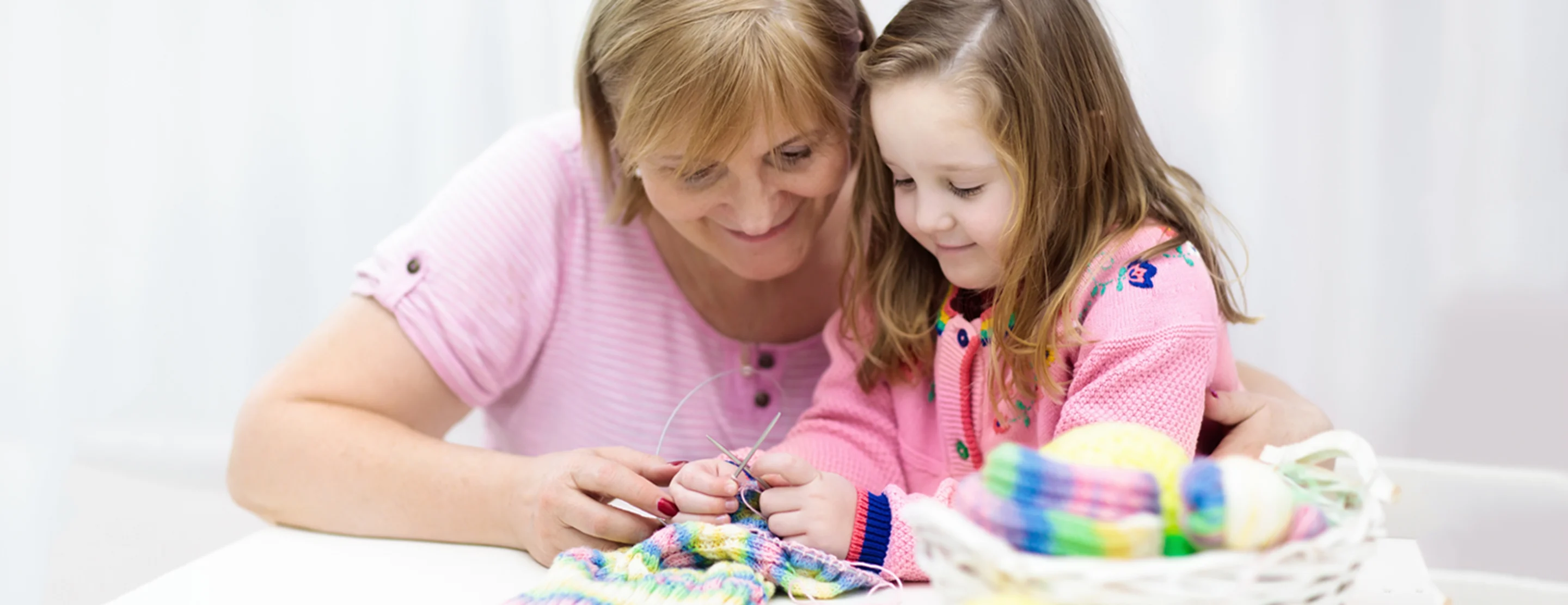
Parent Support Program
Weekly activities, including knitting, scrapbooking, chair massage and more, help family caregivers get a much-needed break. Find out more.
Patient Relations at UCSF Benioff Children's Hospitals
Patient relations reps and nursing supervisors are here to answer questions and address concerns. Learn about your rights, how to reach us and more.
Spiritual Care at UCSF Benioff Children's Hospitals
Chaplains help UCSF patients, families and staff cope with the spiritual and emotional challenges of childhood illness. Learn more.
International Services at UCSF Benioff Children's Hospitals
If you're coming to UCSF from outside the U.S., we coordinate your child's appointments and provide other helpful services. Here's how to get started.