Pediatric Early Motor Evaluation

On this page
Why choose UCSF Benioff Children's Hospitals for infant and toddler motor evaluations?
We provide specialized assessments for infants and toddlers (2 to 24 months) with signs of motor, movement or muscle tone differences. The early motor evaluation program at UCSF Benioff Children's Hospitals is the only one of its kind in Northern California and among only a few in the nation. Our goal is to identify concerns early and connect your family with the right care and support during these important early years.Why choose UCSF Benioff Children's Hospitals for infant and toddler motor evaluations?
We provide specialized assessments for infants and toddlers (2 to 24 months) with signs of motor, movement or muscle tone differences. The early motor evaluation program at UCSF Benioff Children's Hospitals is the only one of its kind in Northern California and among only a few in the nation. Our goal is to identify concerns early and connect your family with the right care and support during these important early years.Expert evaluations
Pediatric rehabilitation physicians, neurologists and physical therapists collaborate to provide a comprehensive evaluation in one visit.Family-centered guidance
We help parents and caregivers understand their child's needs, answer their questions and feel confident about the next steps.Comprehensive rehabilitation services
Children who need ongoing support can access our physical, occupational and speech therapy services from infancy through young adulthood.Connected specialty care
When additional expertise is needed, we connect families with pediatric specialists across UCSF and coordinate referrals for seamless care.
Conditions we evaluate
Our team provides early movement assessments and treatment guidance for a wide range of conditions in infants and toddlers, including:
Feeding and positioning difficulties
Motor delays and developmental concerns
Movement disorders, including cerebral palsy
Muscle tone differences, including hypotonia and hypertonia)
Neuromuscular or genetic disorders affecting motor development, such as Down syndrome
Prematurity-related motor concerns
Vision and movement challenges
Your child may benefit from an early motor assessment if they show signs of:
Asymmetrical posture or limb movements
Early hand preference (before 24 months)
Delayed head or trunk control (beyond 4 months)
Clenched fists (after 4 months)
Inability to bear weight on their feet (by 6 months)
Leg stiffness (beyond 6 months)
Providers

Jasmine Ng, MD
Pediatric Physical Medicine and Rehabilitation
Marisa Gardner, MD
Pediatric Neurology
Mary Jeno, MD
Pediatric Neurology
Awards & achievements


Ranked among the nation's best in 11 specialties

Related conditions & treatments
Conditions
- Cerebral Palsy
- Developmental Delay
- Down Syndrome
- Feeding Problems
- Hypertonia
- Hypotonia
- Motor Delay
- Movement Disorders
- Neuromuscular Diseases
Treatments
- Developmental Assessment
Support services
Child Life
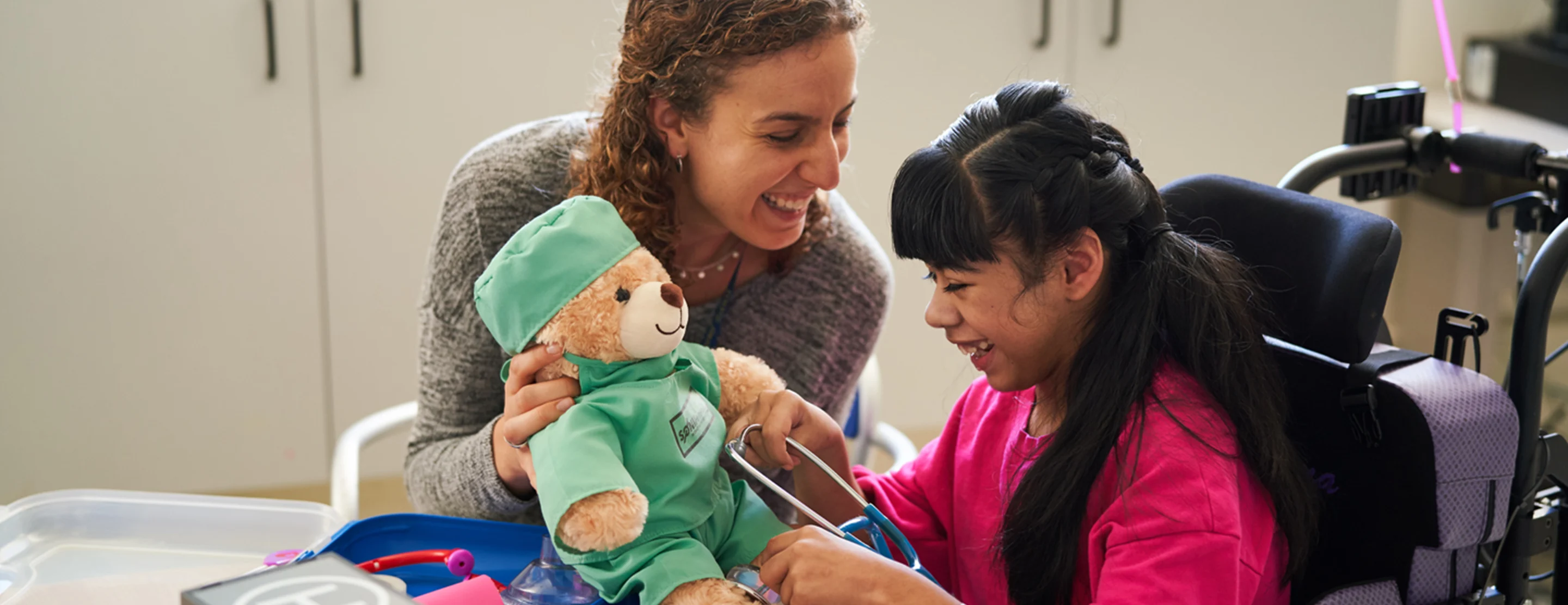
Certified child life specialists ease the stress and anxiety of childhood illness through therapeutic play, schooling and family-focused support.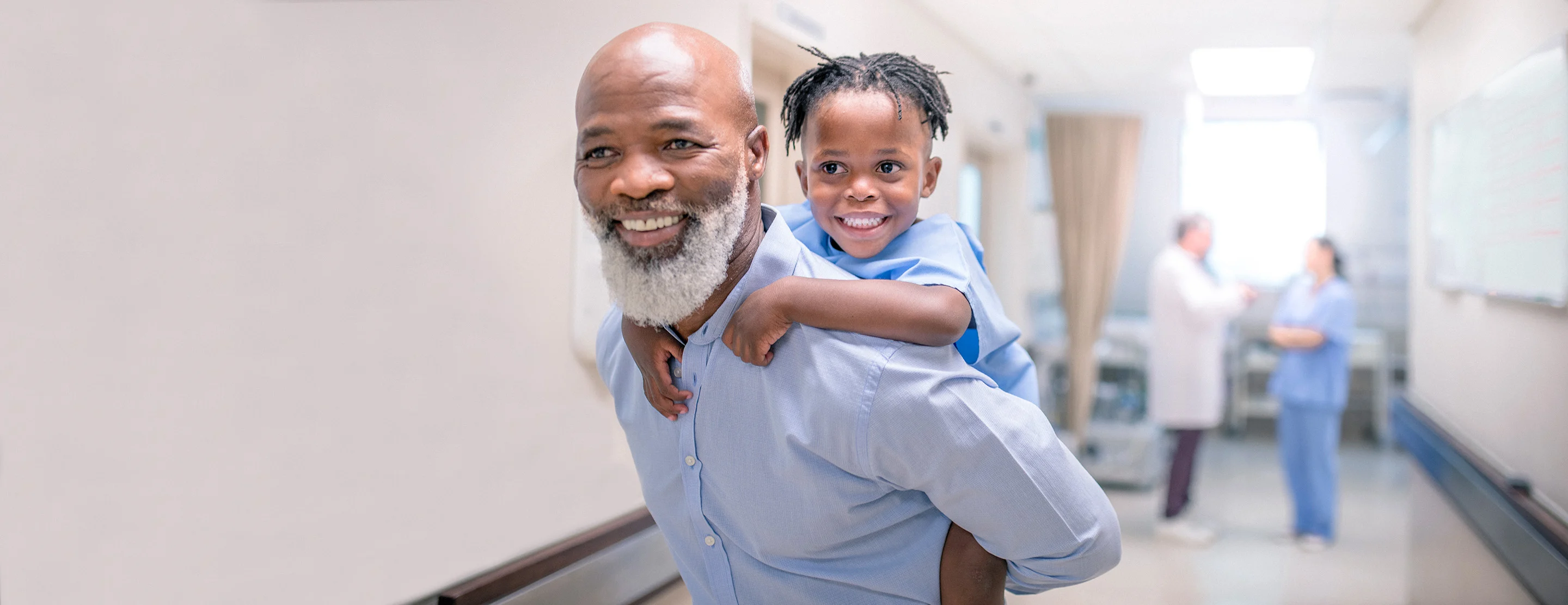
Family Amenities
Family-friendly amenities help you relax and take care of yourself while staying close to your child. We offer lounges, kitchens, showers, breastfeeding rooms and more.
Social Services at UCSF Benioff Children's Hospitals
Social workers ease the effect of illness, injury and hospitalization on your family with counseling and assistance to help you navigate the challenges.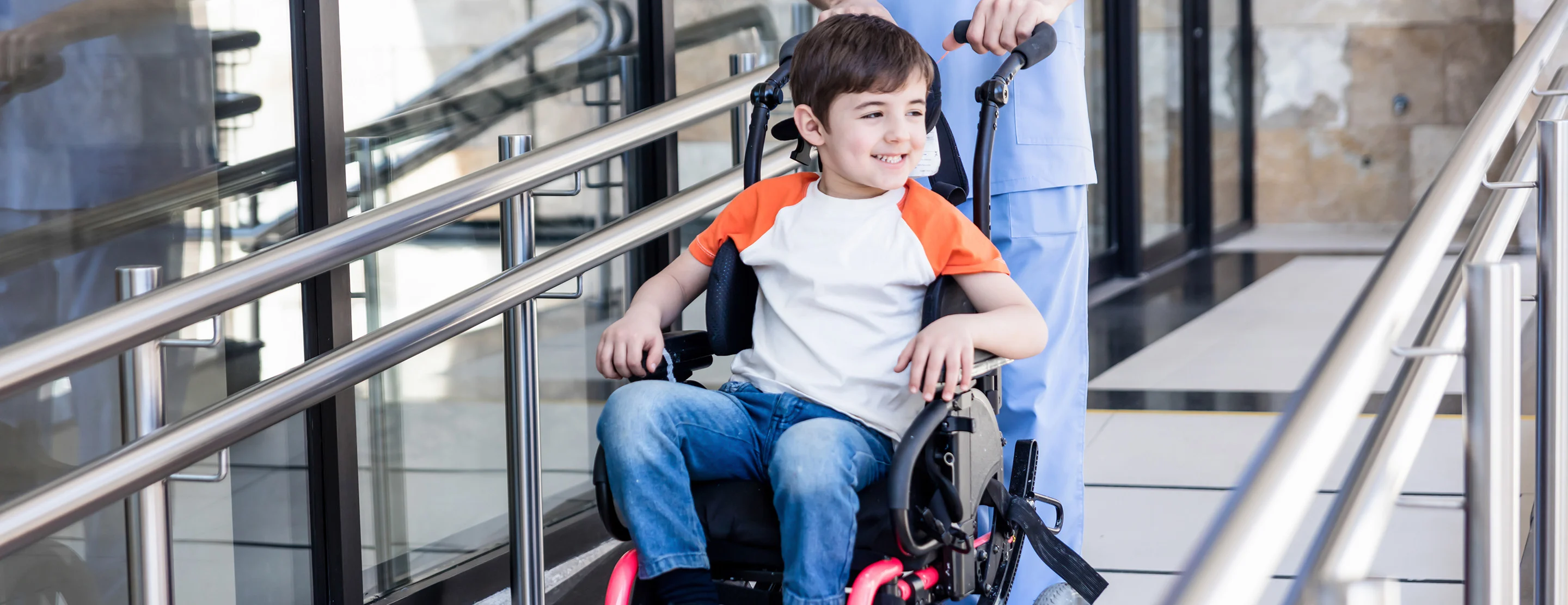
Accessibility Resources at UCSF Benioff Children's Hospitals
We're committed to providing equitable access and reasonable accommodations for all patients and visitors. Learn about resources available to your family.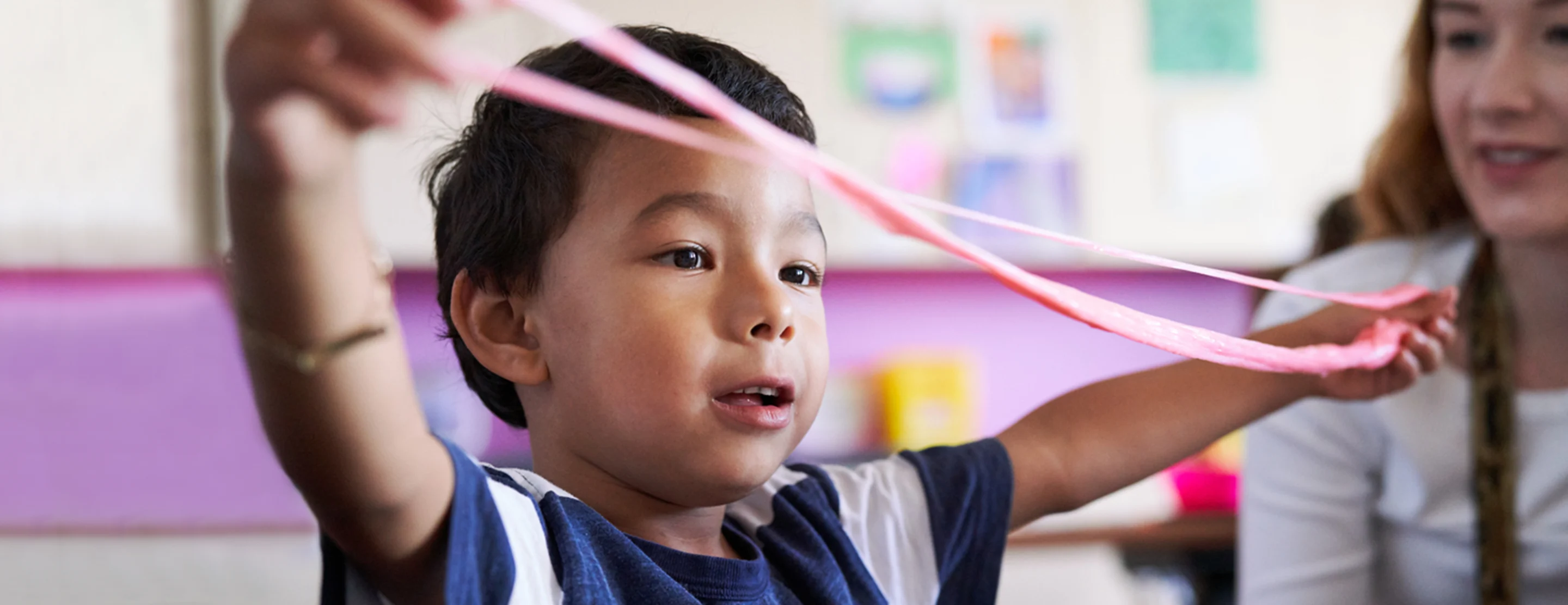
Activity Rooms
Activity rooms offer a relaxed environment for children of all ages. Features include a playroom, digital arts studio and teen lounge. Find out more.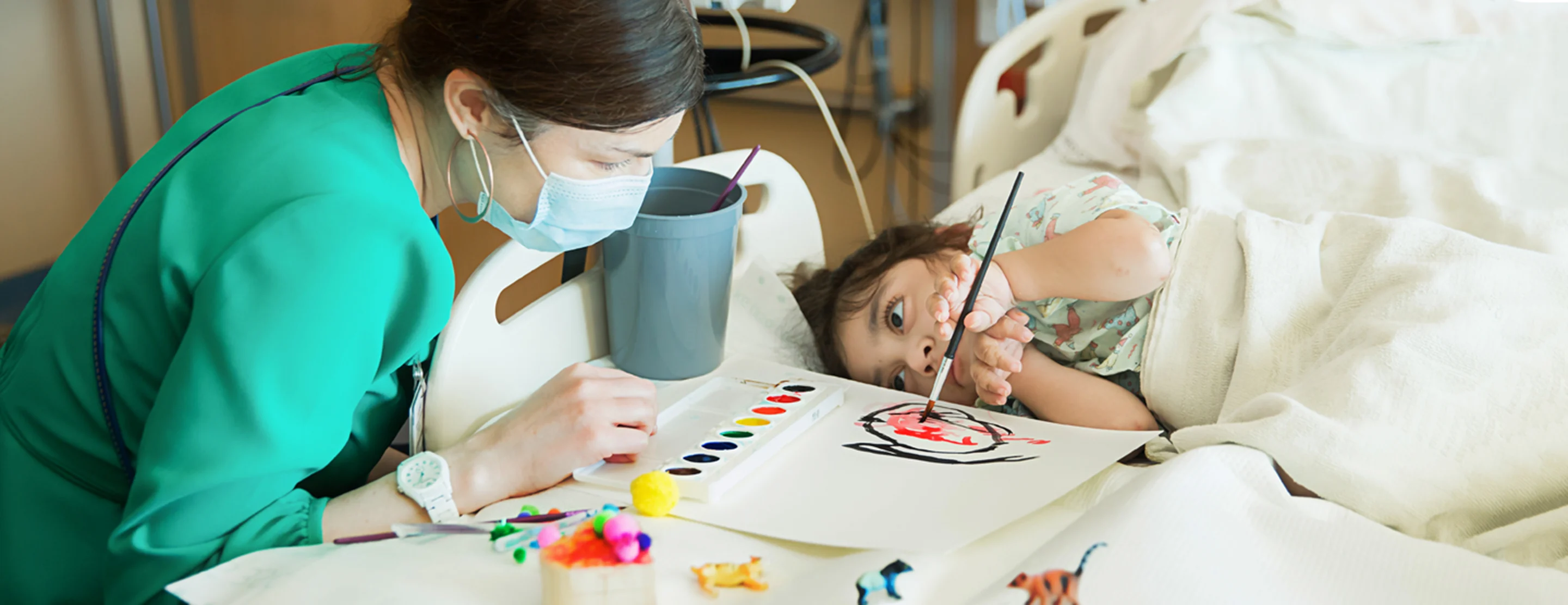
Pediatric Art Therapy Program
Art therapy helps kids and families express themselves, making it easier to cope with pediatric health issues. Group and bedside services are available.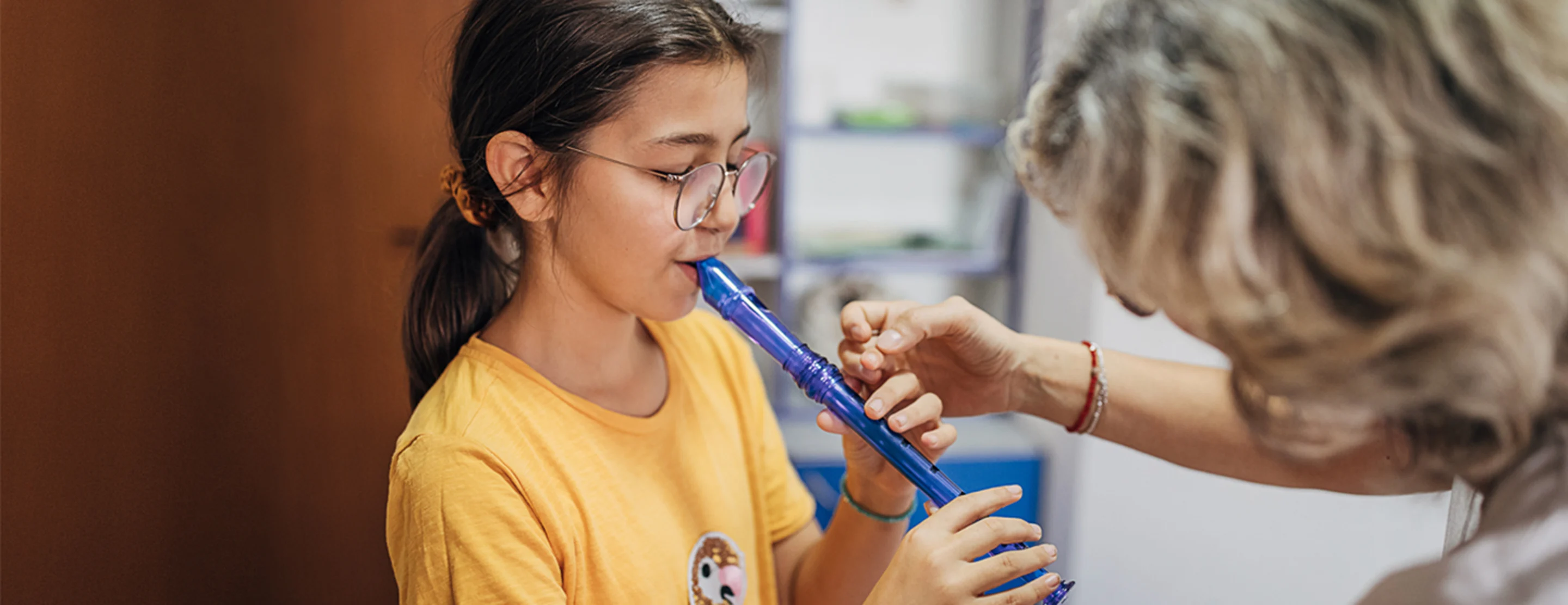
Pediatric Music Therapy Program
Board-certified music therapists help kids cope with illness and the feelings that come with it. Find out about group activities and bedside therapy.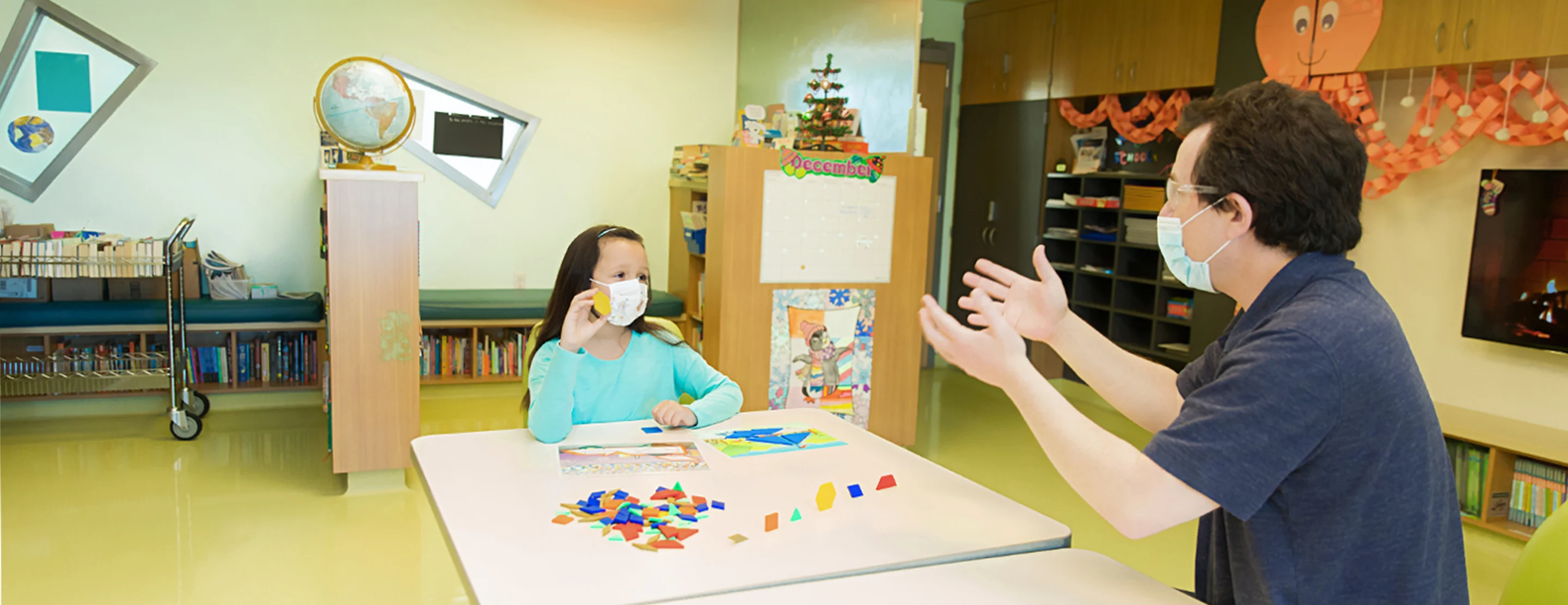
School Program for Hospitalized Children
Our schoolroom services and individual learning programs help children hospitalized at UCSF continue their education and get ready to return to school.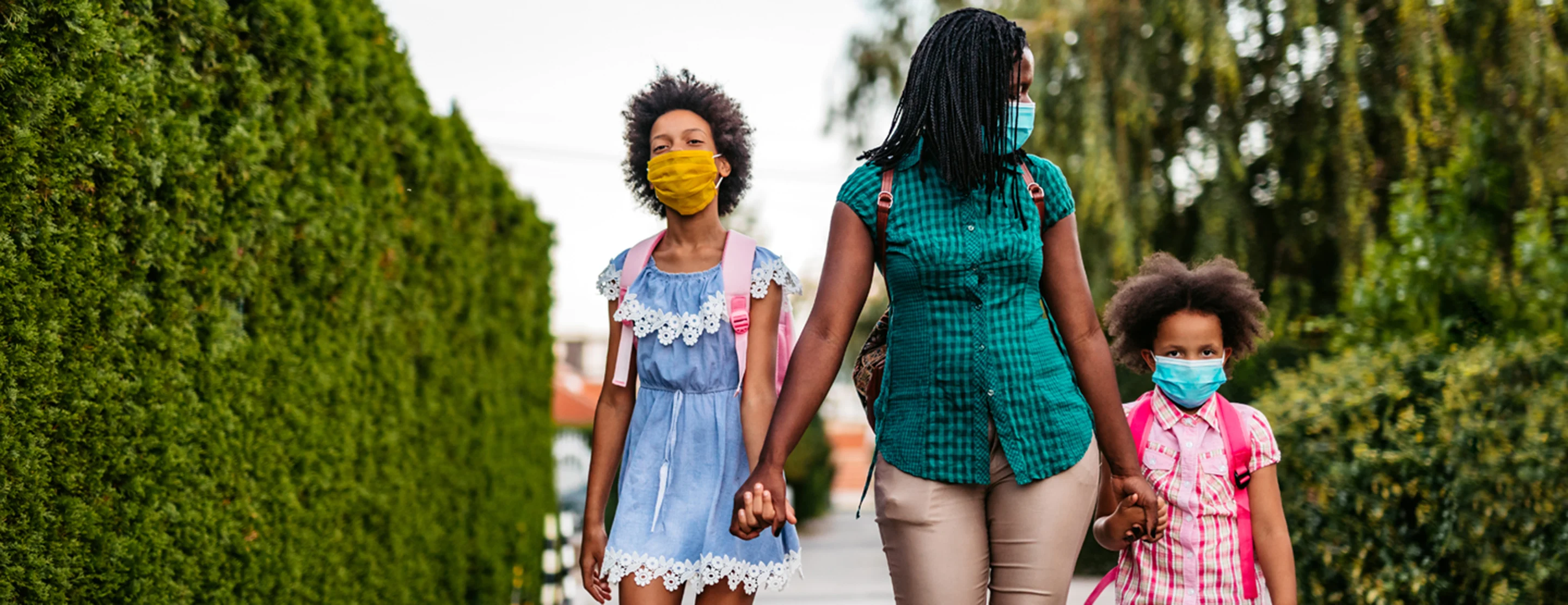
School Re-Entry Program
We help kids return to school after hospitalization by educating staff and students about their needs and recommending needed accommodations. Read more.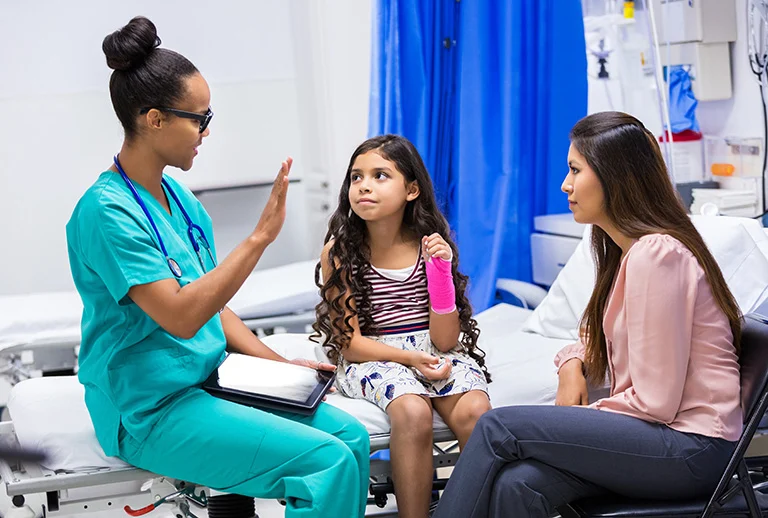
Interpreter Services & Communication Assistance at UCSF Benioff Children's Hospitals
Interpreter services in many languages and TDDs are available for families that need help communicating with care teams. Here's how to access them.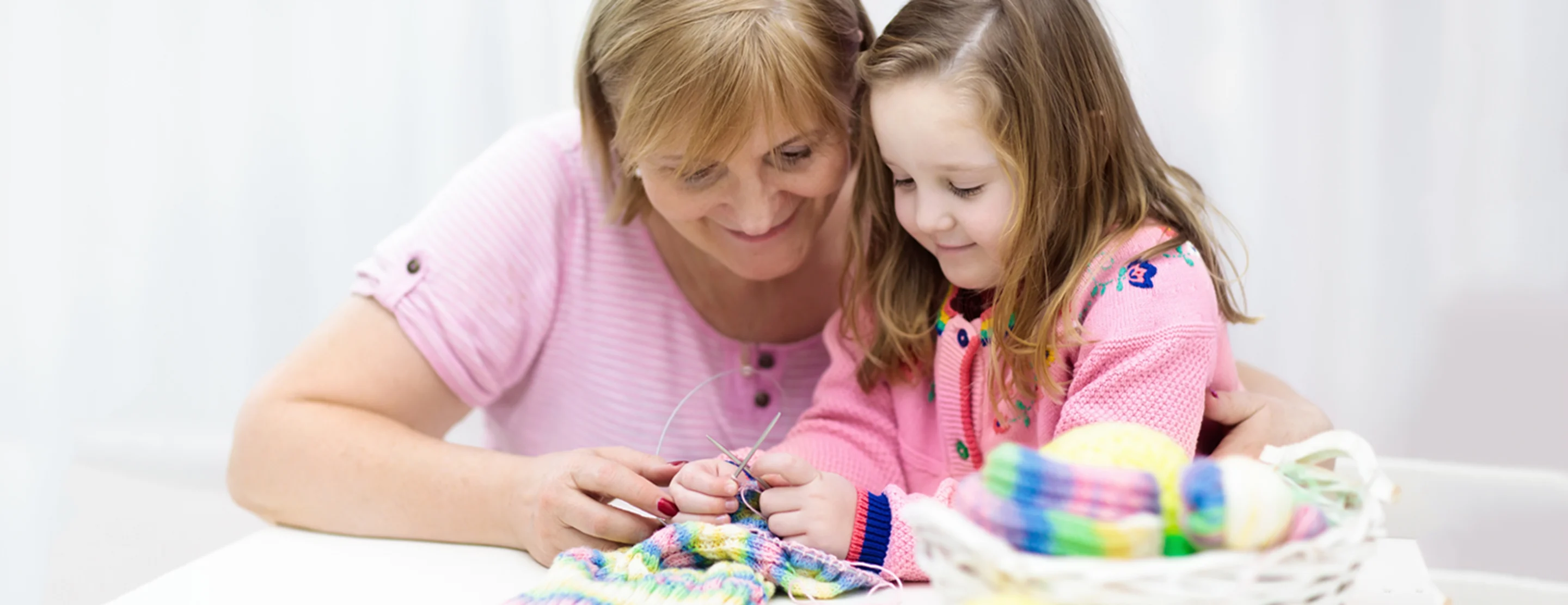
Parent Support Program
Weekly activities, including knitting, scrapbooking, chair massage and more, help family caregivers get a much-needed break. Find out more.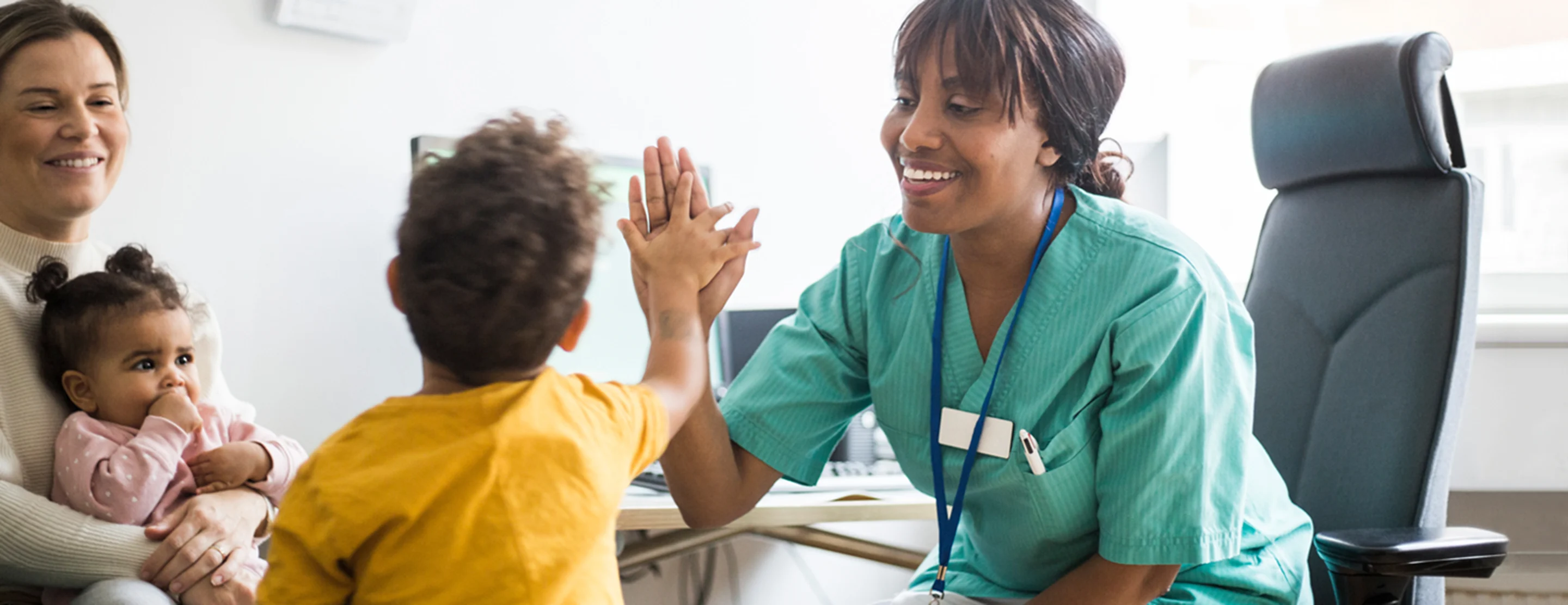
Patient Relations at UCSF Benioff Children's Hospitals
Patient relations reps and nursing supervisors are here to answer questions and address concerns. Learn about your rights, how to reach us and more.
Spiritual Care at UCSF Benioff Children's Hospitals
Chaplains help UCSF patients, families and staff cope with the spiritual and emotional challenges of childhood illness. Learn more.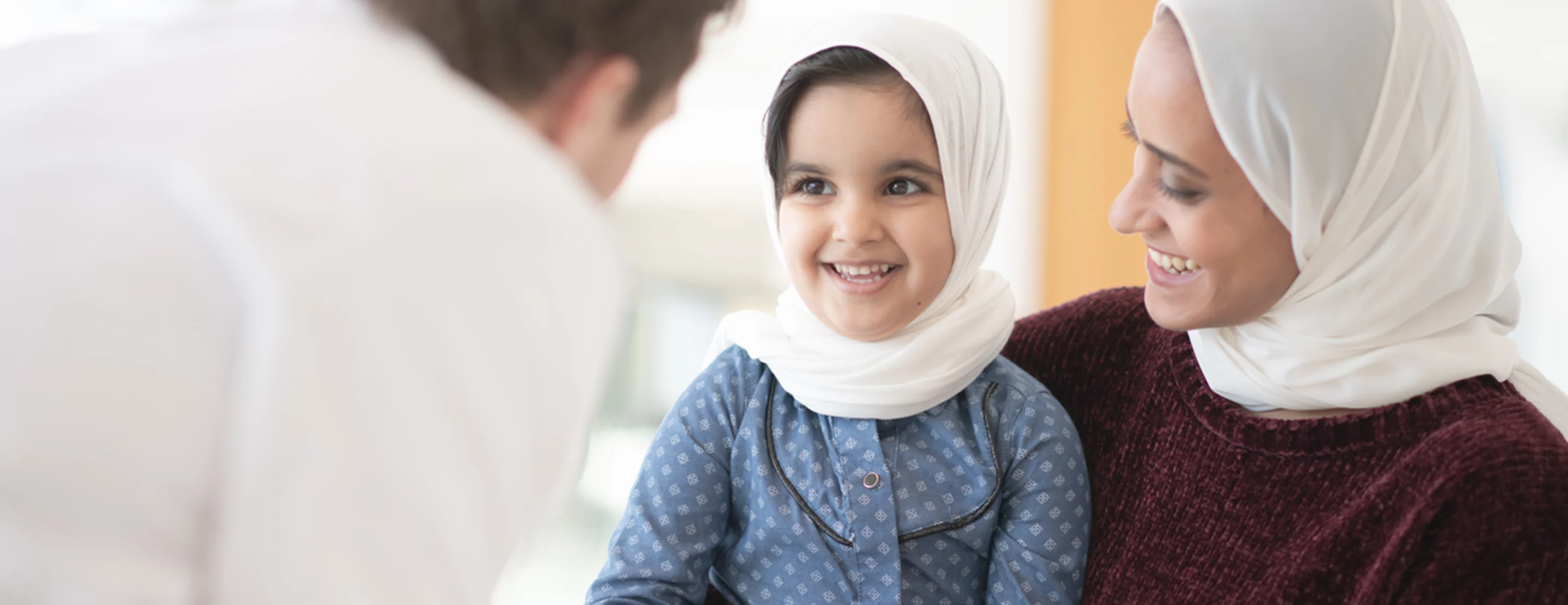
International Services at UCSF Benioff Children's Hospitals
If you're coming to UCSF from outside the U.S., we coordinate your child's appointments and provide other helpful services. Here's how to get started.