Hyperactivity, Attention & Learning Problems (HALP)
On this page
Comprehensive care for ADHD and disruptive behavior
Attention-deficit/hyperactivity disorder (ADHD) is a common neurodevelopmental disorder in children. It can make learning, socializing and other aspects of growing up more challenging.
The Hyperactivity, Attention and Learning Problems (HALP) program at UCSF Benioff Children's Hospitals can help. We offer specialized evaluations, proven treatments and family-centered support for kids with ADHD and other attention and learning challenges.
Who we help
Our program serves children and young adults (preschool to college age) with emotional, behavioral and learning problems related to ADHD and other disruptive behavior patterns. We help young people and families develop strategies to improve functioning and well-being.
The HALP program supports children who find it challenging to:
Complete tasks and chores
Feel confident and make friends
Finish school assignments
Follow directions and rules
Pay attention and maintain focus
Stay organized
Specialized behavioral evaluations
Our team includes child and adolescent psychiatrists, psychologists and licensed therapists. During an evaluation, we meet with your family for a full day (preferably during the school year so we can also get information from teachers).
Our comprehensive testing explores why your child may be having difficulties at school or home and includes:
Medical screening
Diagnostic interviewing
Psychological and neuropsychological testing
Our programs and services
We offer many resources to help children and families overcome challenges and develop skills for the future.
Superparenting 101
In our Superparenting 101 course, we teach parents practical techniques to help their children with behavioral, learning and emotional challenges. This group meets on Wednesday afternoons for 90 minutes – at the same time as our social and life skills course for children.
Social and life skills training for kids
This fun, engaging course is for children in second through fifth grade. It helps kids build social and life skills, such as learning how to:
Get ready for school
Be on time
Complete homework
Handle disappointments
Make and maintain positive friendships
Stay organized
Parents attend the Superparenting 101 course at the same time to learn how to help their children practice these skills at home.
Individual family and parenting skills training sessions
Parents of children with ADHD and other disruptive behavior patterns can benefit from personal training sessions to develop positive parenting strategies. The goal of these sessions is to strengthen your relationship with your child and help you better manage defiance or behavioral concerns.
Sessions focus on learning how to:
Communicate clearly
Establish structure
Maintain routines
Respond consistently
Stay positive
School consultations
Our providers can work directly with teachers and other school staff to set your child up for greater success in the classroom. We assist with:
Classroom observation
Recommendations for individual education programs (IEPs) and 504 plans, which are formal agreements to give kids with disabilities extra support or accommodations at school
Teacher training
We often set up daily school-home report cards to help parents and teachers team up to support a child's learning and behavior.
Medication management for ADHD
We provide information about the risks and benefits of medication, so families can decide what's best for their child. If you choose to try medication, we arrange a medication assessment visit with a child psychiatrist. They work with your family to ensure the treatment is effective and well-tolerated.
Comprehensive care for ADHD and disruptive behavior
Attention-deficit/hyperactivity disorder (ADHD) is a common neurodevelopmental disorder in children. It can make learning, socializing and other aspects of growing up more challenging.
The Hyperactivity, Attention and Learning Problems (HALP) program at UCSF Benioff Children's Hospitals can help. We offer specialized evaluations, proven treatments and family-centered support for kids with ADHD and other attention and learning challenges.
Who we help
Our program serves children and young adults (preschool to college age) with emotional, behavioral and learning problems related to ADHD and other disruptive behavior patterns. We help young people and families develop strategies to improve functioning and well-being.
The HALP program supports children who find it challenging to:
Complete tasks and chores
Feel confident and make friends
Finish school assignments
Follow directions and rules
Pay attention and maintain focus
Stay organized
Specialized behavioral evaluations
Our team includes child and adolescent psychiatrists, psychologists and licensed therapists. During an evaluation, we meet with your family for a full day (preferably during the school year so we can also get information from teachers).
Our comprehensive testing explores why your child may be having difficulties at school or home and includes:
Medical screening
Diagnostic interviewing
Psychological and neuropsychological testing
Our programs and services
We offer many resources to help children and families overcome challenges and develop skills for the future.
Superparenting 101
In our Superparenting 101 course, we teach parents practical techniques to help their children with behavioral, learning and emotional challenges. This group meets on Wednesday afternoons for 90 minutes – at the same time as our social and life skills course for children.
Social and life skills training for kids
This fun, engaging course is for children in second through fifth grade. It helps kids build social and life skills, such as learning how to:
Get ready for school
Be on time
Complete homework
Handle disappointments
Make and maintain positive friendships
Stay organized
Parents attend the Superparenting 101 course at the same time to learn how to help their children practice these skills at home.
Individual family and parenting skills training sessions
Parents of children with ADHD and other disruptive behavior patterns can benefit from personal training sessions to develop positive parenting strategies. The goal of these sessions is to strengthen your relationship with your child and help you better manage defiance or behavioral concerns.
Sessions focus on learning how to:
Communicate clearly
Establish structure
Maintain routines
Respond consistently
Stay positive
School consultations
Our providers can work directly with teachers and other school staff to set your child up for greater success in the classroom. We assist with:
Classroom observation
Recommendations for individual education programs (IEPs) and 504 plans, which are formal agreements to give kids with disabilities extra support or accommodations at school
Teacher training
We often set up daily school-home report cards to help parents and teachers team up to support a child's learning and behavior.
Medication management for ADHD
We provide information about the risks and benefits of medication, so families can decide what's best for their child. If you choose to try medication, we arrange a medication assessment visit with a child psychiatrist. They work with your family to ensure the treatment is effective and well-tolerated.
Providers

Caitlin Costello, MD
Psychiatry (Child and Adolescent Psychiatry)
Laurence Greenhill, MD
Psychiatry (Child and Adolescent Psychiatry)
Jennifer Ly, PhD, MA
Psychology (Child and Adolescent Psychology)
Awards & achievements


One of the nation's best for behavioral health

Ranked among the nation's best in 11 specialties


Related conditions & treatments
Conditions
- Attention Deficit Hyperactivity Disorder
- Behavior Disorders in Children
- Learning Disabilities
Treatments
- Attention-Deficit Hyperactivity Disorder (ADHD) Testing
- Parenting Group Therapy
- Parenting Skills Counseling
- Psychological Testing and Evaluation

Trials & research
Clinical trials
External Trigeminal Nerve Stimulation for Children With ASD + ADHD to Reduce Elevated SymptomsOpens in a new window
The goal of this clinical trial is to learn if external trigeminal nerve stimulation (eTNS) works to treat ADHD symptoms in children on the autism spectrum (ASD). It will also learn about the efficacy and tolerability of the eTNS device. The main questions it aims to answer are: - Does eTNS reduce ADHD symptoms? - Does eTNS improve core and associated features of ASD?...
Research initiatives
UCSF Department of Psychiatry ResearchOpens in a new window
The department conducts basic, clinical and translational research across many sites, studying the biological, psychological and social factors behind mental illness to develop better treatments.
Support services
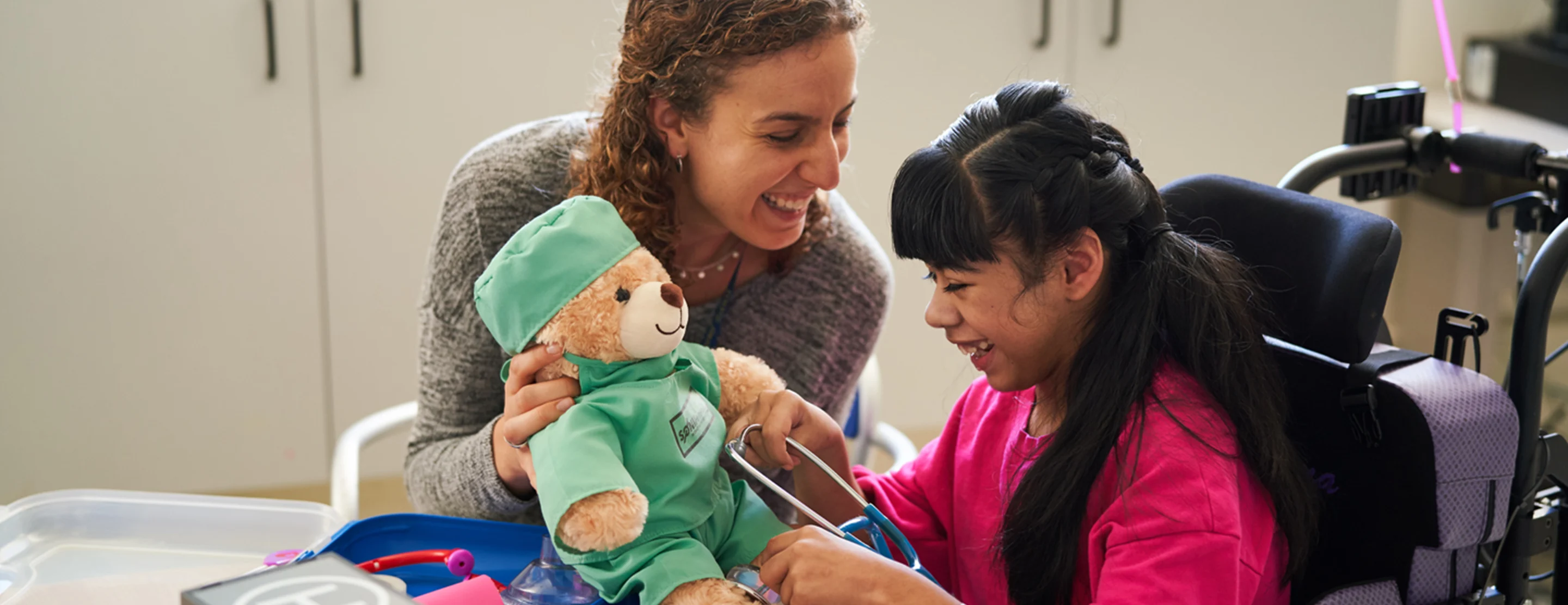
Child Life
Certified child life specialists ease the stress and anxiety of childhood illness through therapeutic play, schooling and family-focused support.
Family Amenities
Family-friendly amenities help you relax and take care of yourself while staying close to your child. We offer lounges, kitchens, showers, breastfeeding rooms and more.
Social Services at UCSF Benioff Children's Hospitals
Social workers ease the effect of illness, injury and hospitalization on your family with counseling and assistance to help you navigate the challenges.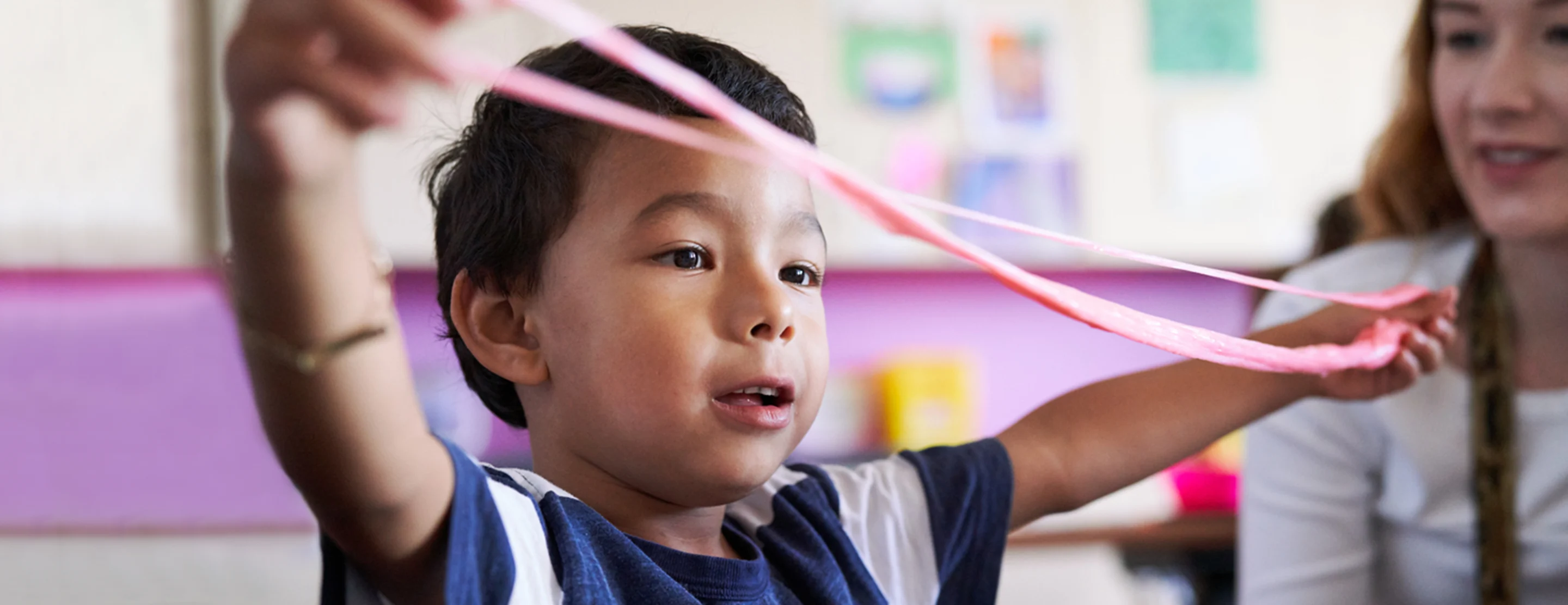
Activity Rooms
Activity rooms offer a relaxed environment for children of all ages. Features include a playroom, digital arts studio and teen lounge. Find out more.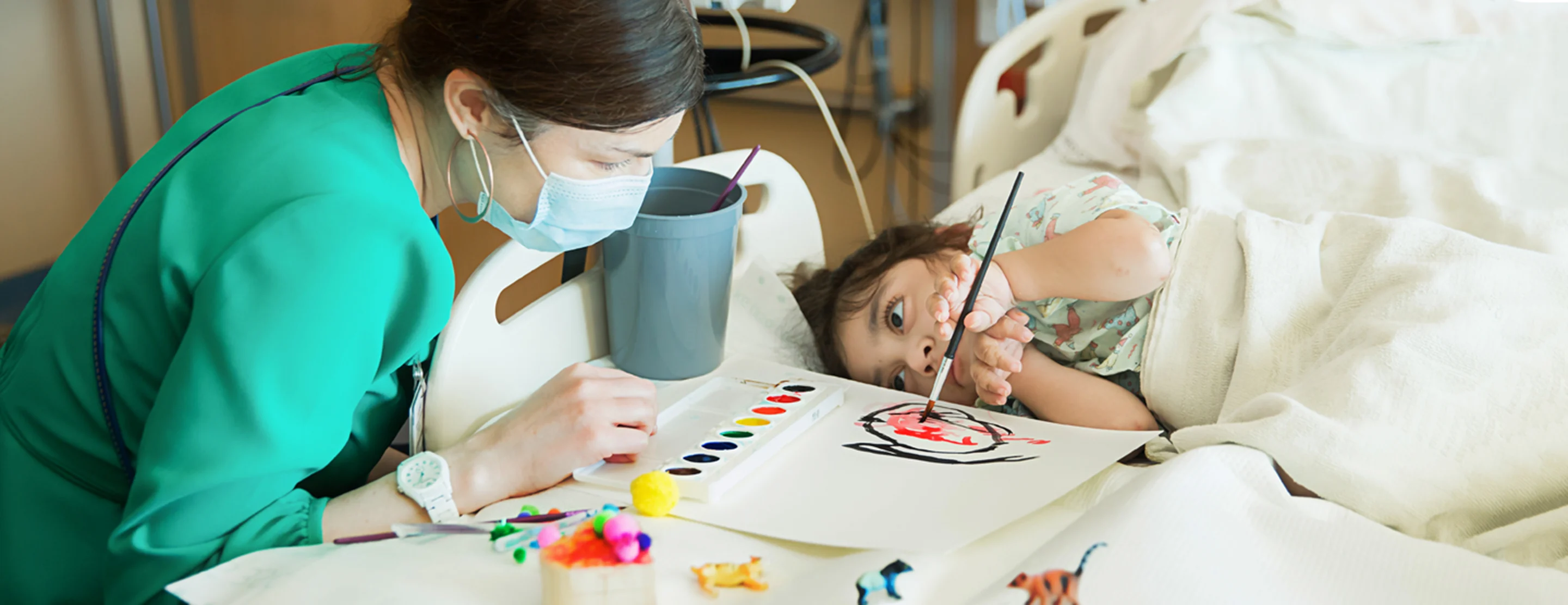
Pediatric Art Therapy Program
Art therapy helps kids and families express themselves, making it easier to cope with pediatric health issues. Group and bedside services are available.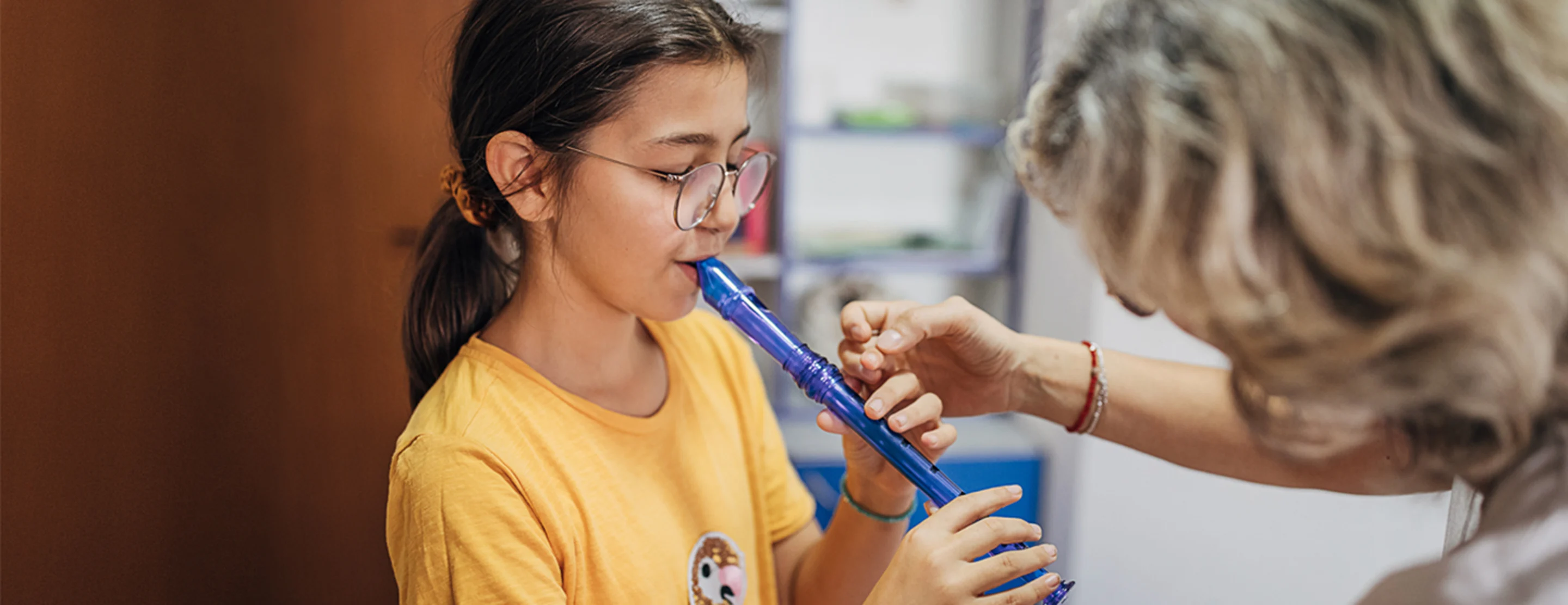
Pediatric Music Therapy Program
Board-certified music therapists help kids cope with illness and the feelings that come with it. Find out about group activities and bedside therapy.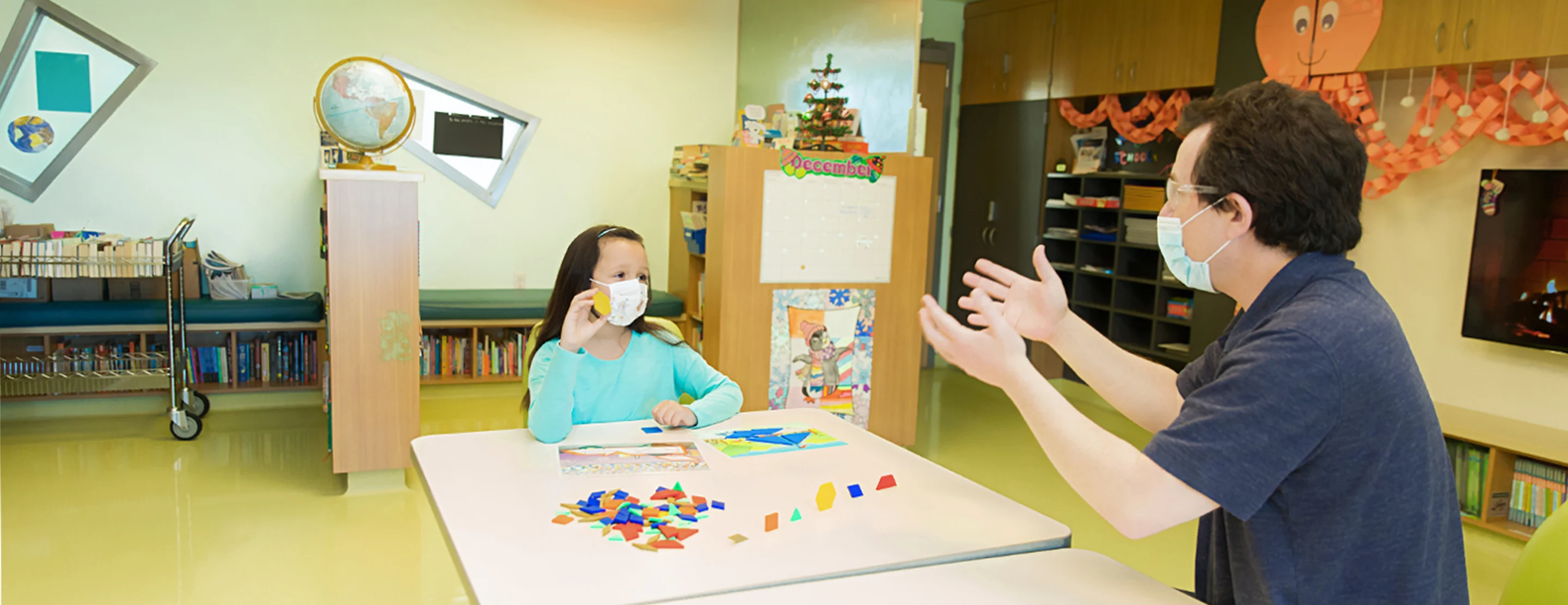
School Program for Hospitalized Children
Our schoolroom services and individual learning programs help children hospitalized at UCSF continue their education and get ready to return to school.
School Re-Entry Program
We help kids return to school after hospitalization by educating staff and students about their needs and recommending needed accommodations. Read more.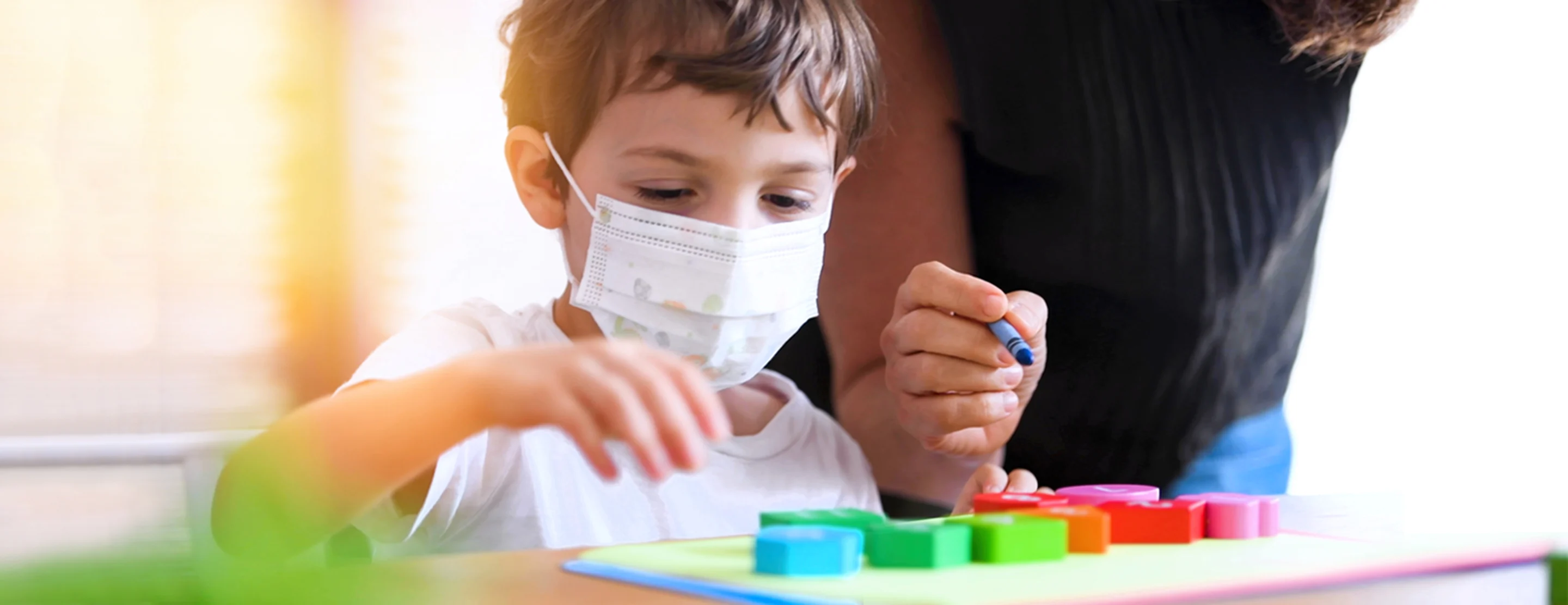
Individual Playtime & Instruction
If your child can't be around other kids for medical reasons, you can sign up for private sessions in our activity and school rooms. Find out how.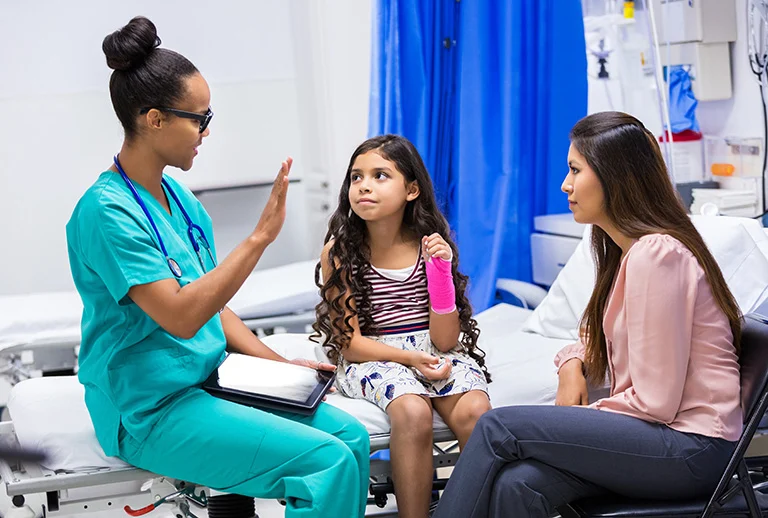
Interpreter Services & Communication Assistance at UCSF Benioff Children's Hospitals
Interpreter services in many languages and TDDs are available for families that need help communicating with care teams. Here's how to access them.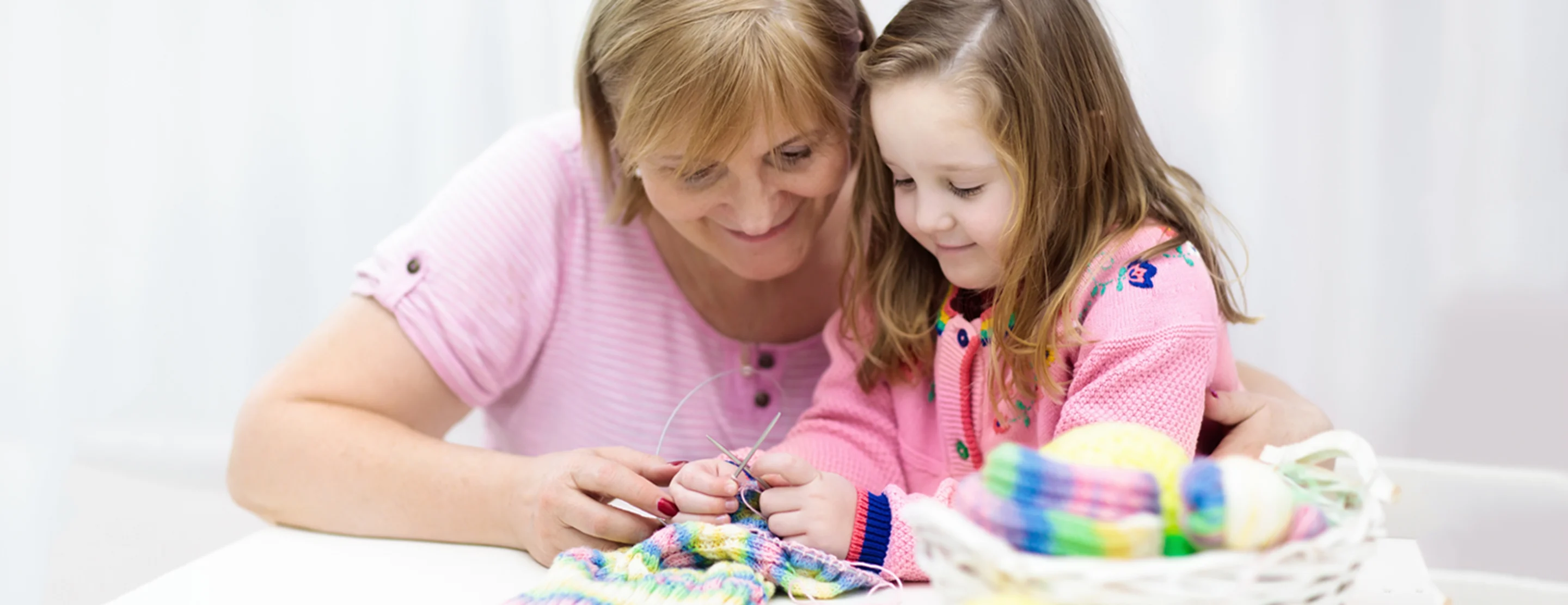
Parent Support Program
Weekly activities, including knitting, scrapbooking, chair massage and more, help family caregivers get a much-needed break. Find out more.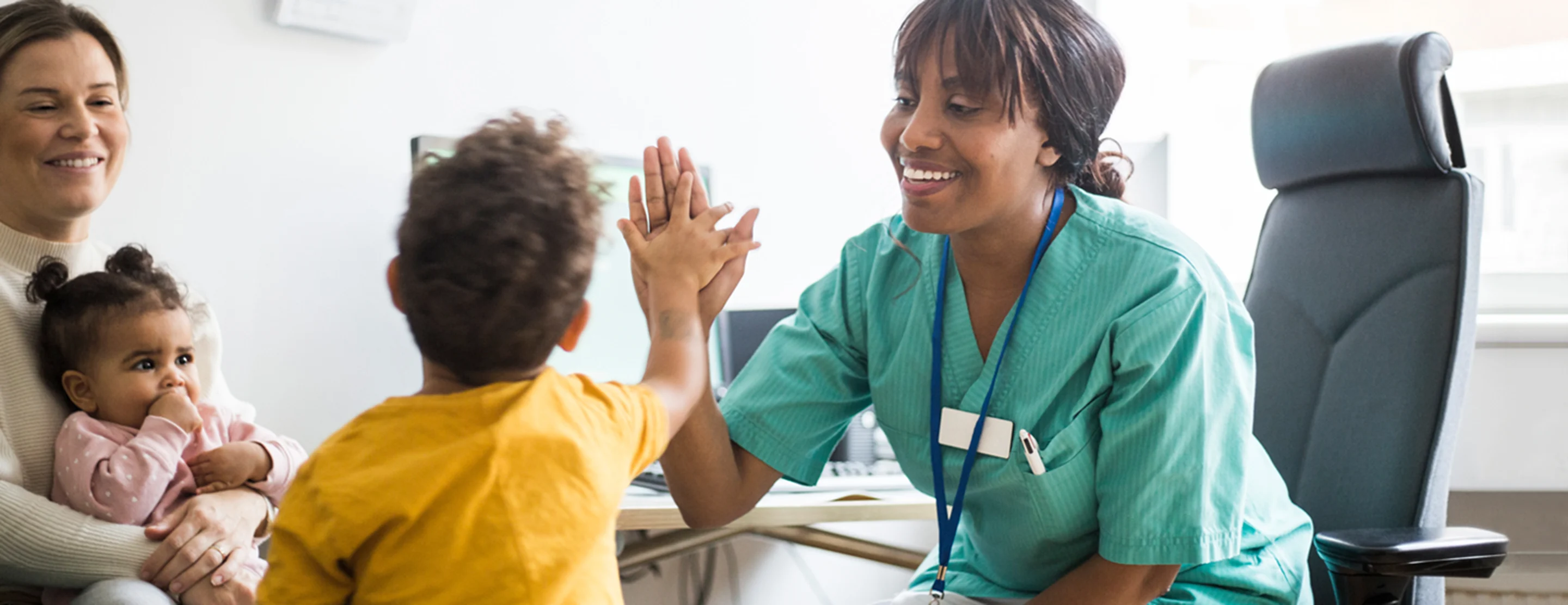
Patient Relations at UCSF Benioff Children's Hospitals
Patient relations reps and nursing supervisors are here to answer questions and address concerns. Learn about your rights, how to reach us and more.
Spiritual Care at UCSF Benioff Children's Hospitals
Chaplains help UCSF patients, families and staff cope with the spiritual and emotional challenges of childhood illness. Learn more.
International Services at UCSF Benioff Children's Hospitals
If you're coming to UCSF from outside the U.S., we coordinate your child's appointments and provide other helpful services. Here's how to get started.