Pulmonary Vein Stenosis in Children
On this page
What is pulmonary vein stenosis (PVS)?
Pulmonary vein stenosis (PVS) is a rare condition where blood vessels carrying oxygen-rich blood from the heart to the lungs become narrowed or blocked. As a result, it's harder for blood to move through the lungs, which can lead to breathing problems, elevated pressure in the pulmonary artery and heart failure.
The causes of PVS aren't fully understood. Some children are born with the condition. Others, especially those born very prematurely, can develop it in their first year of life. PVS can also develop in children after heart surgery, especially if the pulmonary blood vessels were involved.
Our approach to PVS
UCSF Benioff Children's Hospitals has the only program in California and neighboring states dedicated to treating PVS. As such, we care for one of the country's largest populations of children with this complex condition. Our Pulmonary Vein Stenosis Program brings together a multidisciplinary team of internationally recognized specialists with expertise in caring for children with PVS. We provide screening, observation and treatment, including catheter-based procedures, surgery and medication.
Our team works with experts in pulmonology, pulmonary hypertension, interventional cardiology and cardiothoracic surgery. We're one of the few programs in the nation with the infrastructure for a comprehensive, multidisciplinary approach to this condition. This collaborative approach ensures that each child receives a personalized, individualized care plan.
UCSF also is actively contributing to the growing body of research on PVS. We have multiple active research studies, including PVS outcomes research, imaging studies, clinical trials of medical therapy for associated conditions such as pulmonary hypertension, and analysis of new interventional techniques. The program collaborates with the Pulmonary Vein Stenosis Network, an international research consortium that collects data from centers across the United States and Canada.
While PVS can't be cured, advances in treatment help our patients live longer and better lives.
We offer both in-person and telehealth visits and try to schedule tests and procedures for the same visit when possible.
Signs and symptoms of PVS
PVS can occur suddenly or progress gradually over time. Common symptoms include:
- Trouble breathing
- Coughing
- Fatigue
- Poor weight gain
- Blue-tinged appearance of the skin, lips or nail beds
Diagnosis of PVS
PVS can be hard to detect because symptoms are often mild at first or resemble other lung or heart problems. To determine if your child has PVS, the doctor may recommend the following tests:
- Echocardiogram: This type of ultrasound uses sound waves to create images that show blood flow in the heart and veins.
- CT or MRI scans: These are two different types of imaging tests that provide detailed pictures of the heart and blood vessels.
- Cardiac catheterization: Guided by imaging, a doctor threads a thin tube through the blood vessels into the heart to measure blood pressures and look directly at the veins. This is often the most accurate way to confirm PVS.
- Pulmonary flow scans: This imaging test shows how much blood flow is going to each area of the lungs.
Treatment of PVS
The treatment approach for PVS depends on a child's condition. The doctor will consider how many veins are affected, the severity of the narrowing and where it's located, as well as other factors. Possible treatments include:
- Observation: If only one vein is mildly narrowed and there are no symptoms, careful monitoring may be enough.
- Catheter-based procedure: This minimally invasive technique allows the doctor to use balloons or stents (tiny tubes) to open up narrowed veins.
- Surgery: In some cases, surgery is needed to repair the veins. Some children with severe disease may require a lung transplant.
- Medication: Some medicines, like sirolimus (Rapalune), may help slow down the narrowing, especially in children with severe disease.
In all cases, the goal of treatment is keeping the veins open and managing symptoms, which often requires regular follow-up. In some cases, treatments need to be repeated.
UCSF Benioff Children's Hospitals medical specialists have reviewed this information. It is for educational purposes only and is not intended to replace the advice of your child's doctor or other health care provider. We encourage you to discuss any questions or concerns you may have with your child's provider.
Awards & achievements


Best in Northern California for cardiology & heart surgery

Ranked among the nation's best in 11 specialties

Related services
Helpful resources
Support services
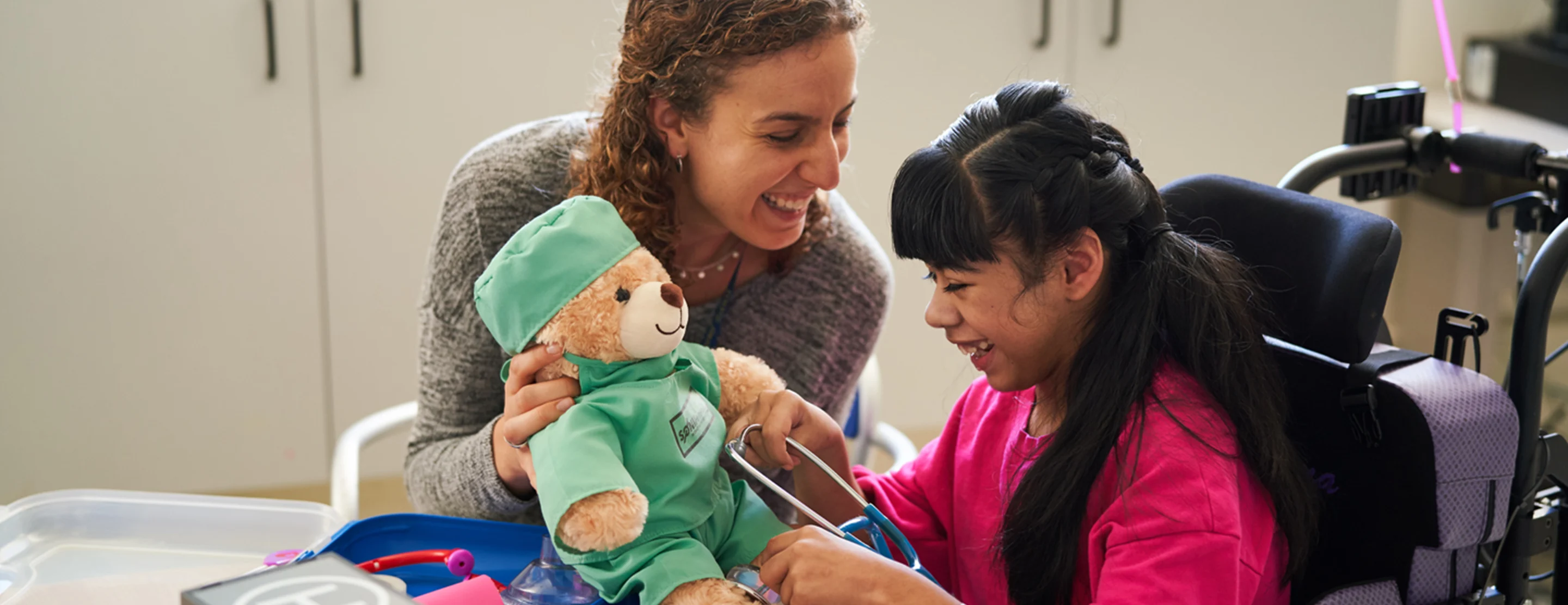
Child Life
Certified child life specialists ease the stress and anxiety of childhood illness through therapeutic play, schooling and family-focused support.
Family Amenities
Family-friendly amenities help you relax and take care of yourself while staying close to your child. We offer lounges, kitchens, showers, breastfeeding rooms and more.
International Services at UCSF Benioff Children's Hospitals
If you're coming to UCSF from outside the U.S., we coordinate your child's appointments and provide other helpful services. Here's how to get started.
Interpreter Services & Communication Assistance at UCSF Benioff Children's Hospitals
Interpreter services in many languages and TDDs are available for families that need help communicating with care teams. Here's how to access them.
Accessibility Resources at UCSF Benioff Children's Hospitals
We're committed to providing equitable access and reasonable accommodations for all patients and visitors. Learn about resources available to your family.
Activity Rooms
Activity rooms offer a relaxed environment for children of all ages. Features include a playroom, digital arts studio and teen lounge. Find out more.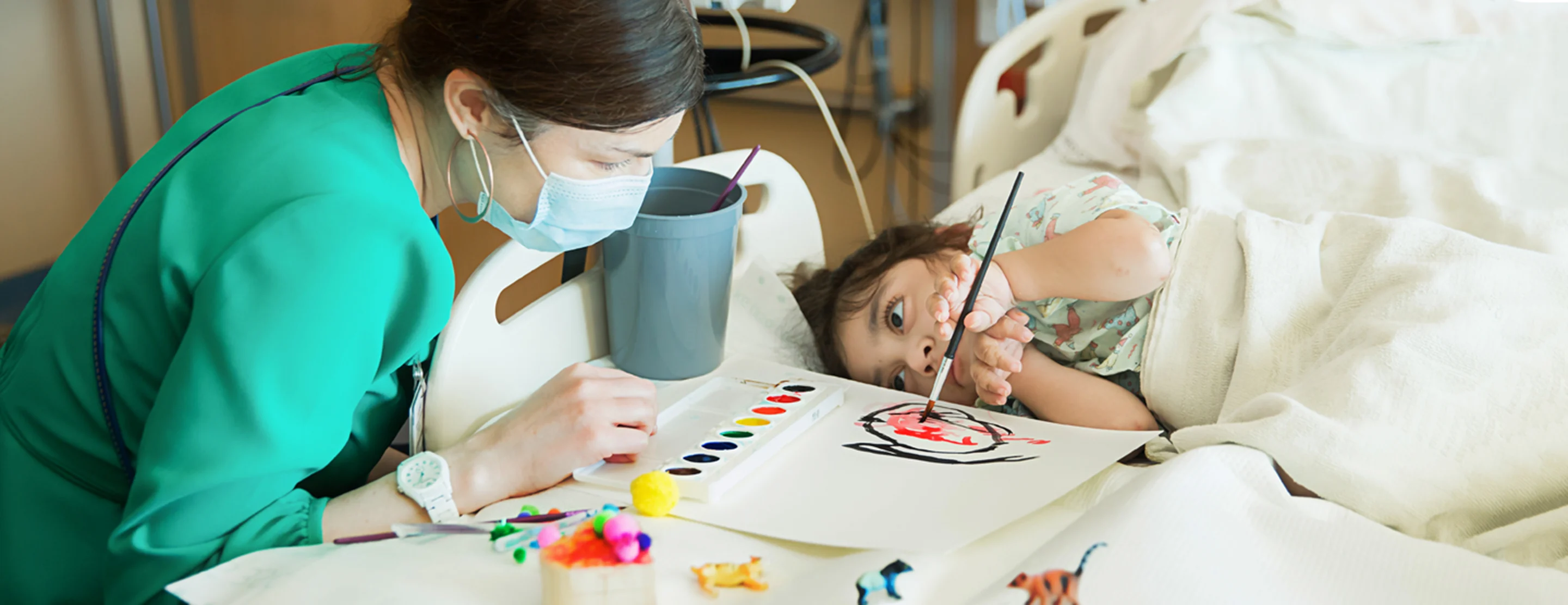
Pediatric Art Therapy Program
Art therapy helps kids and families express themselves, making it easier to cope with pediatric health issues. Group and bedside services are available.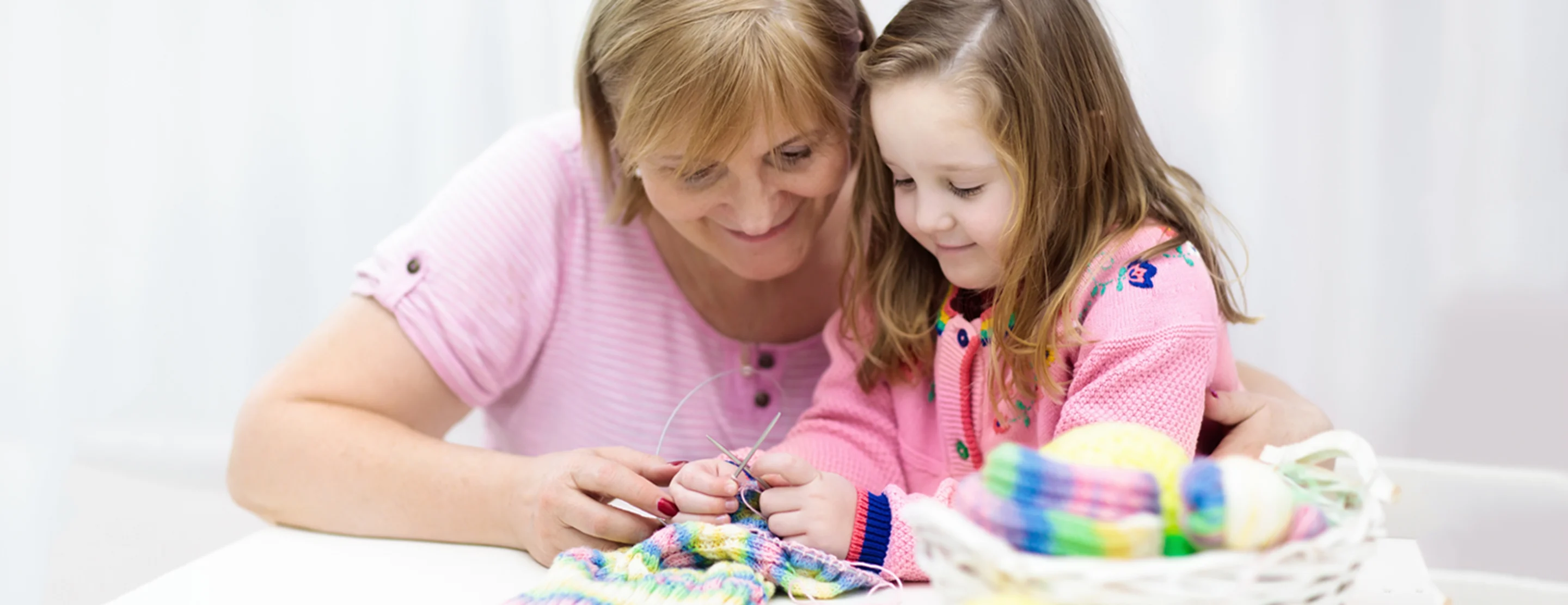
Parent Support Program
Weekly activities, including knitting, scrapbooking, chair massage and more, help family caregivers get a much-needed break. Find out more.
Social Services at UCSF Benioff Children's Hospitals
Social workers ease the effect of illness, injury and hospitalization on your family with counseling and assistance to help you navigate the challenges.
Patient Relations at UCSF Benioff Children's Hospitals
Patient relations reps and nursing supervisors are here to answer questions and address concerns. Learn about your rights, how to reach us and more.